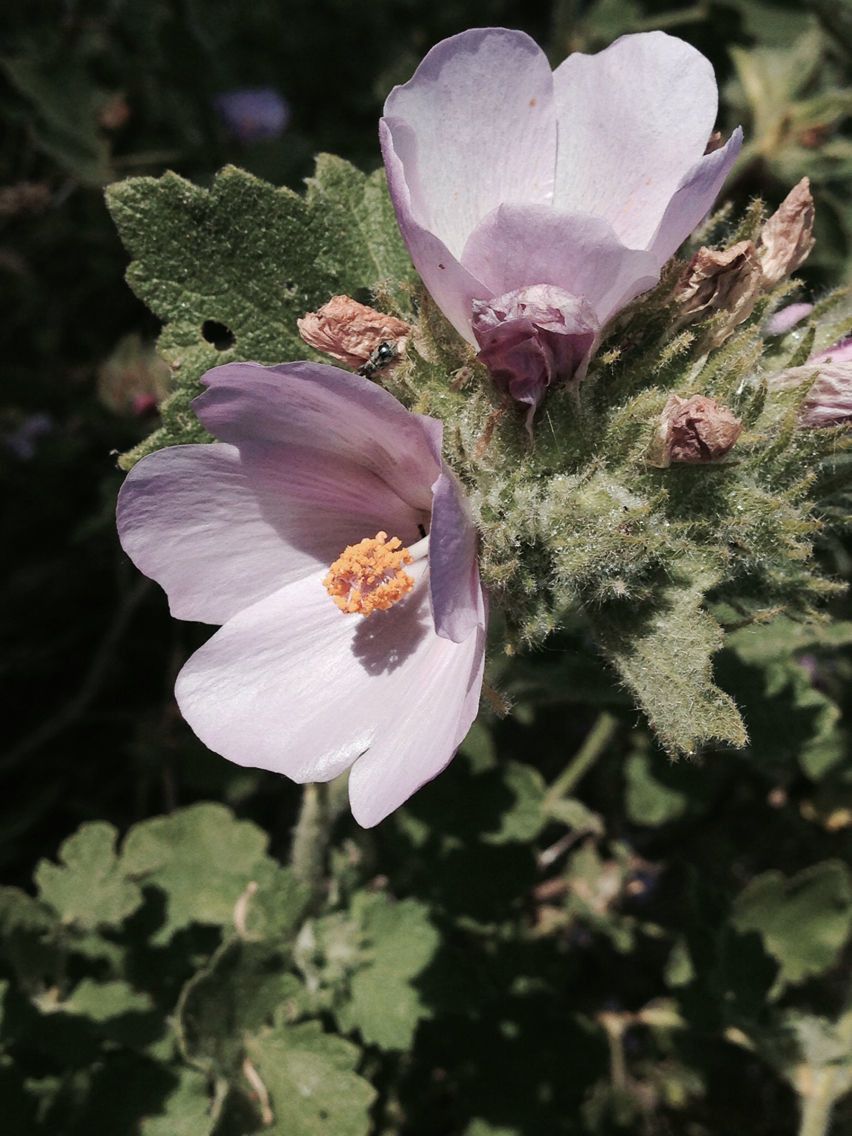
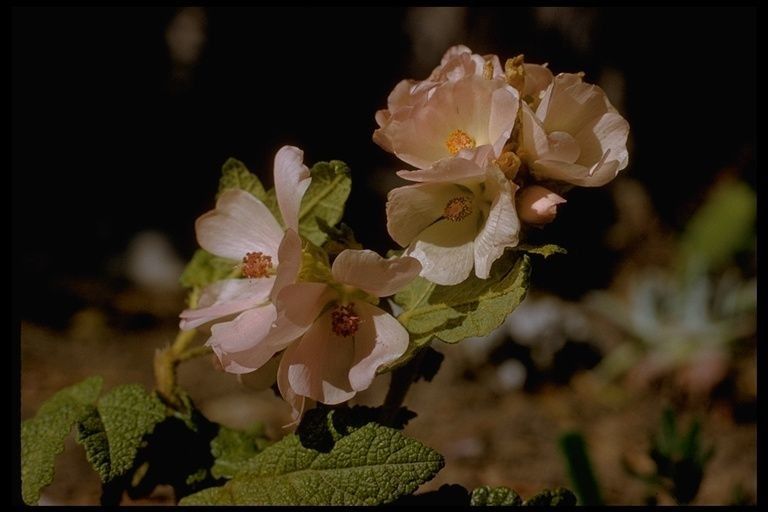
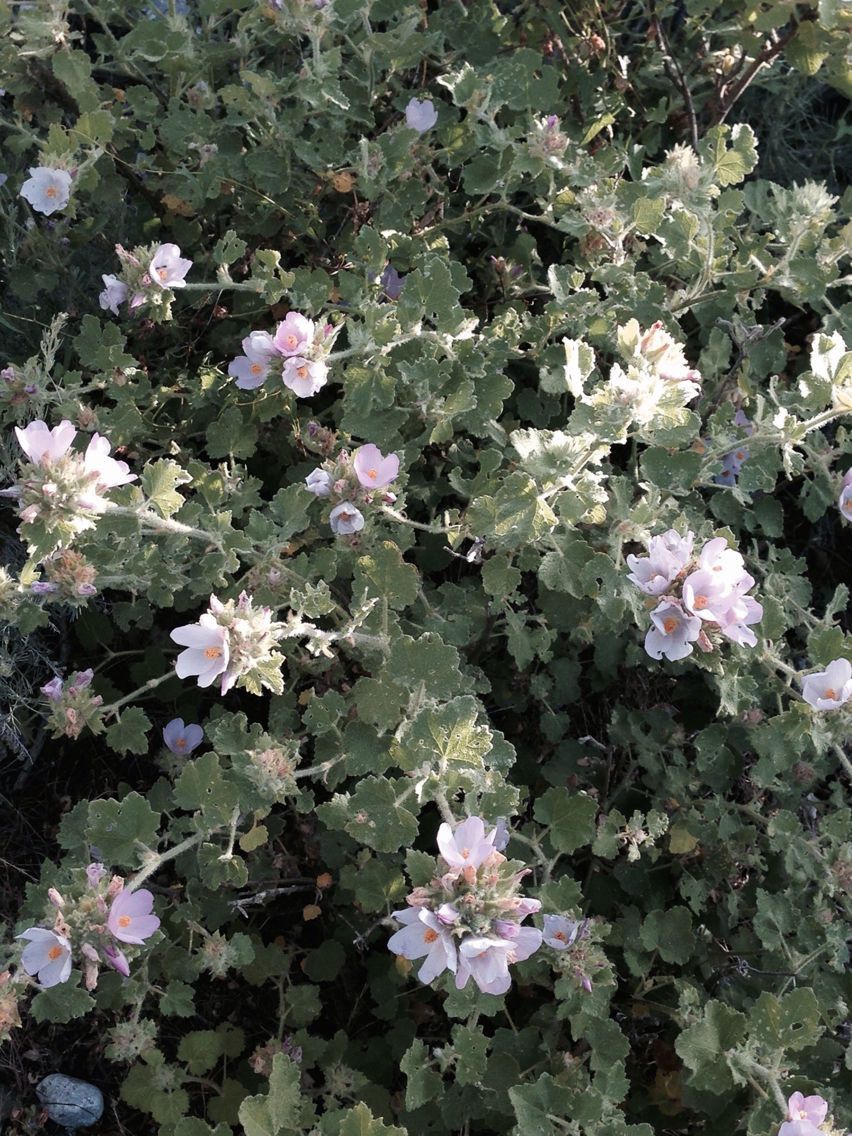
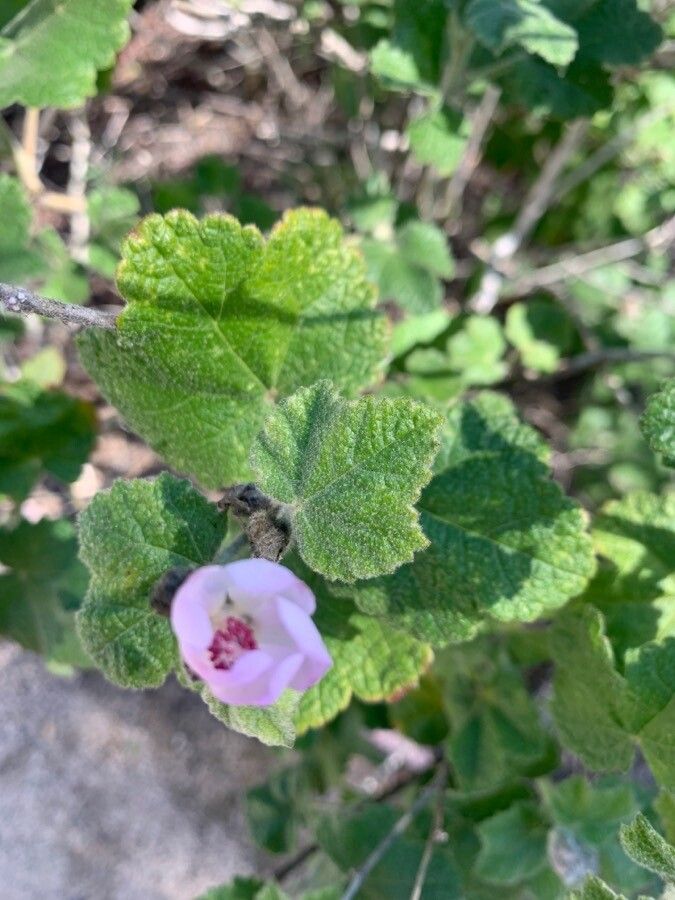
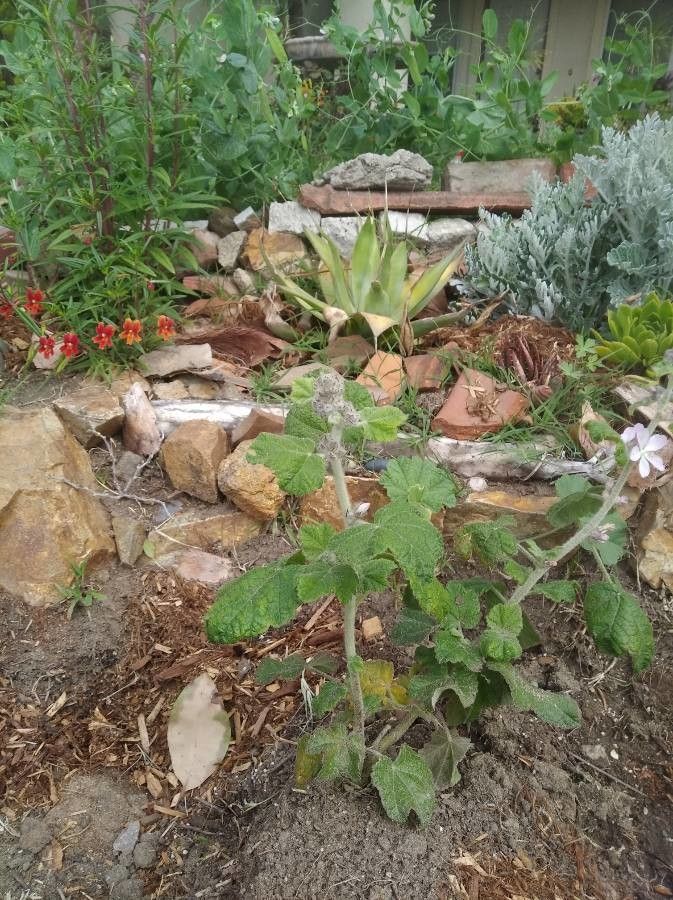
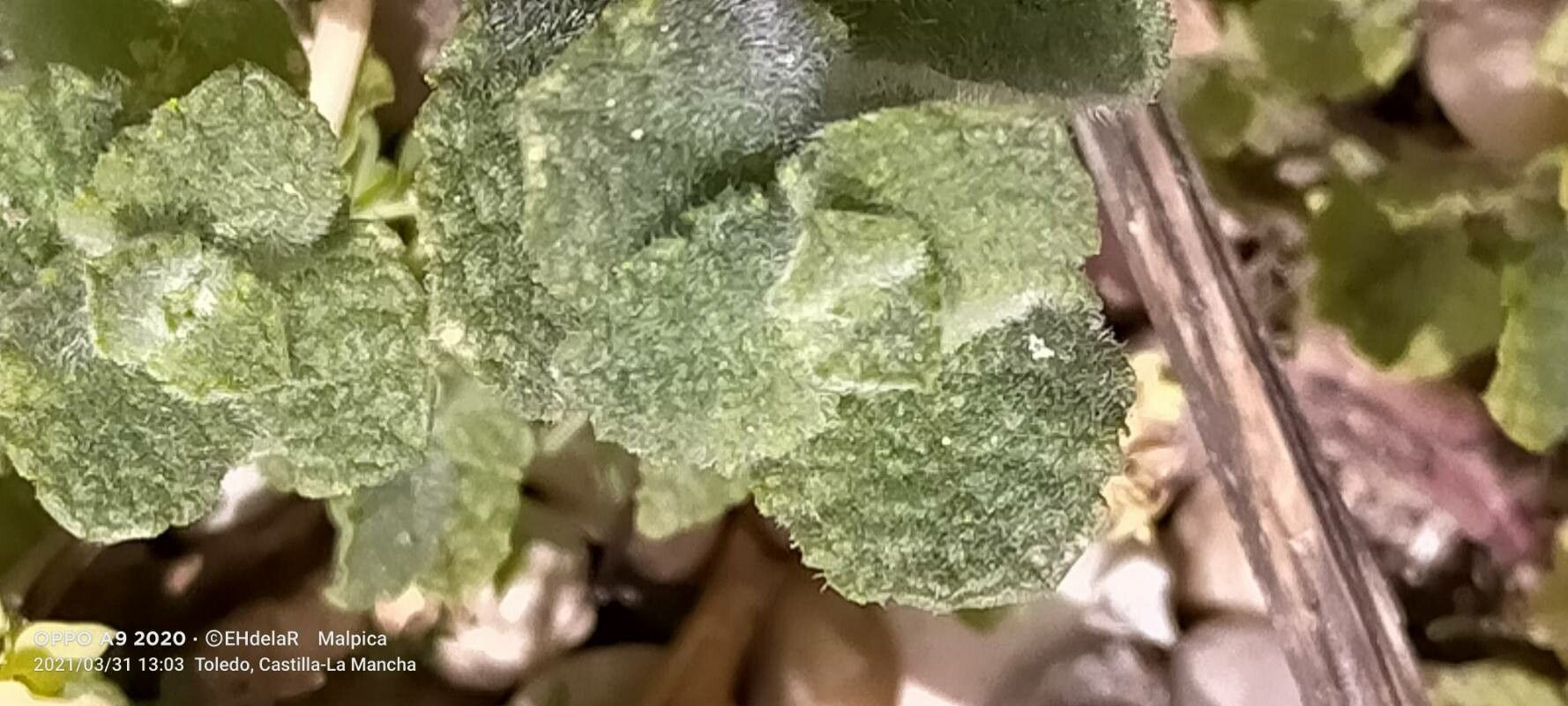
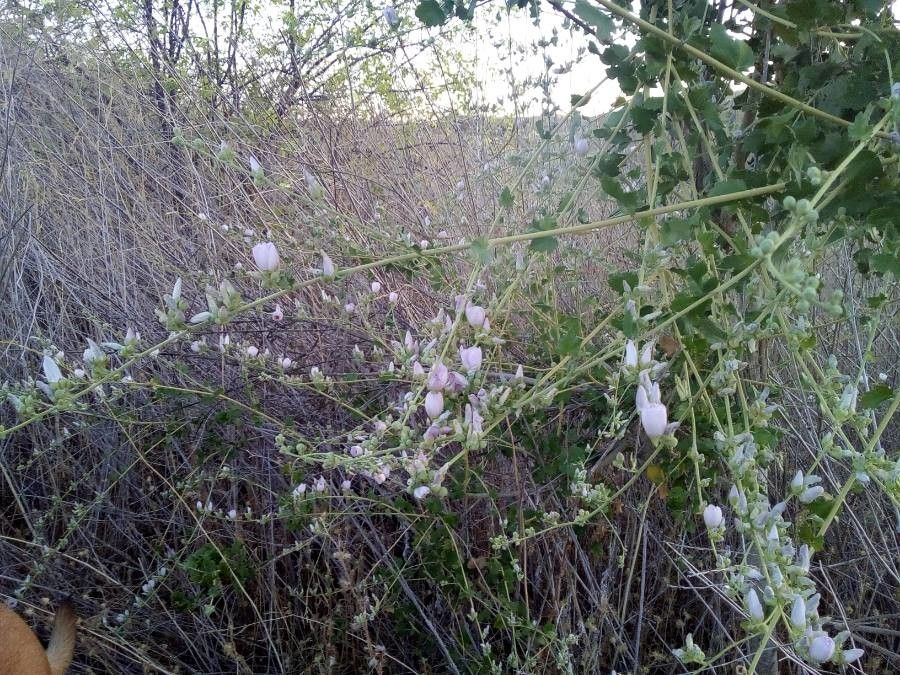
Malacothamnus palmeri is a species of flowering plant in the mallow family known by the common names Cambria bushmallow and Palmer's bushmallow. It is endemic to San Luis Obispo County, California, where it is known from the Santa Lucia Mountains.
Palmer's bush-mallow has strong resistance to disease and is generally not susceptible to illnesses. As for care, this plant is fairly low-maintenance. When grown outdoors it needs only light watering, and larger plants typically do not require pruning. Smaller plants, however, should be trimmed after they have finished blooming. Palmer's bush-mallowt is appropriate for anyone with an outdoor area, such as a garden or deck, and does not call for extensive gardening experience.
How to keep Malacothamnus Palmeri.
Light
The origin of Palmer's bush-mallow is traced back to open habitats like brightly lit meadows and borders of the forest, where there is sufficient sunlight. It flourishes under full sunlight but can also endure partial sunlight, showing its adaptability to a range of sunlight conditions.
Humidity
This plant prefers dry conditions, so don't mist it. However, watering it less often can also thrive in higher humidity.
Temperature
Palmer's bush-mallow demonstrates substantial adaptability towards heat, showing resilience to both elevated temperatures and significant temperature fluctuations. In high heat conditions, it becomes necessary to monitor its watering needs closely and afford suitable shade to avoid sun damage. Nonetheless, Palmer's bush-mallow possesses a comparatively inadequate tolerance to cooler temperatures. It's capable of enduring certain levels of cold, but extremely cold conditions could result in frost harm.
Fertilizer
The schedule for feeding Palmer's bush-mallow is important. Begin the fertilization process in the early spring and maintain monthly applications until the start of summer. Fertilizers aid in the development of beautiful flowers and offer sustenance during the periods of dormancy and active growth.
Pruning
Palmer's bush-mallow is known for its eye-catching flower clusters and quick growth. To keep the plant healthy and attractive, prune it in early spring. Remove any dead branches and thin out the older stems to improve airflow and stimulate new growth. This practice helps maintain the plant's shape, prevents overcrowding, and encourages strong, appealing development.
Botanical profile.
- Plant Type
- Shrub
- Life Cycle
- Perennial
- Genus
- Malacothamnus
- Family
- Malvaceae
- Hardiness Zone
- 8-10
- Mature Height
- 0.91 m to 2.13 m
- Mature Spread
- 0.91 m to 1.52 m
- Leaf Color
- Dark Green, Gray
- Leaf Type
- Deciduous
- Flower Color
- Pink
- Flower Size
- 2.03 cm to 3.05 cm
- Bloom Time
- Mid spring, Late spring, Early summer, Mid summer
- Planting Time
- Spring, Summer
- Harvest Time
- Summer
Other names.