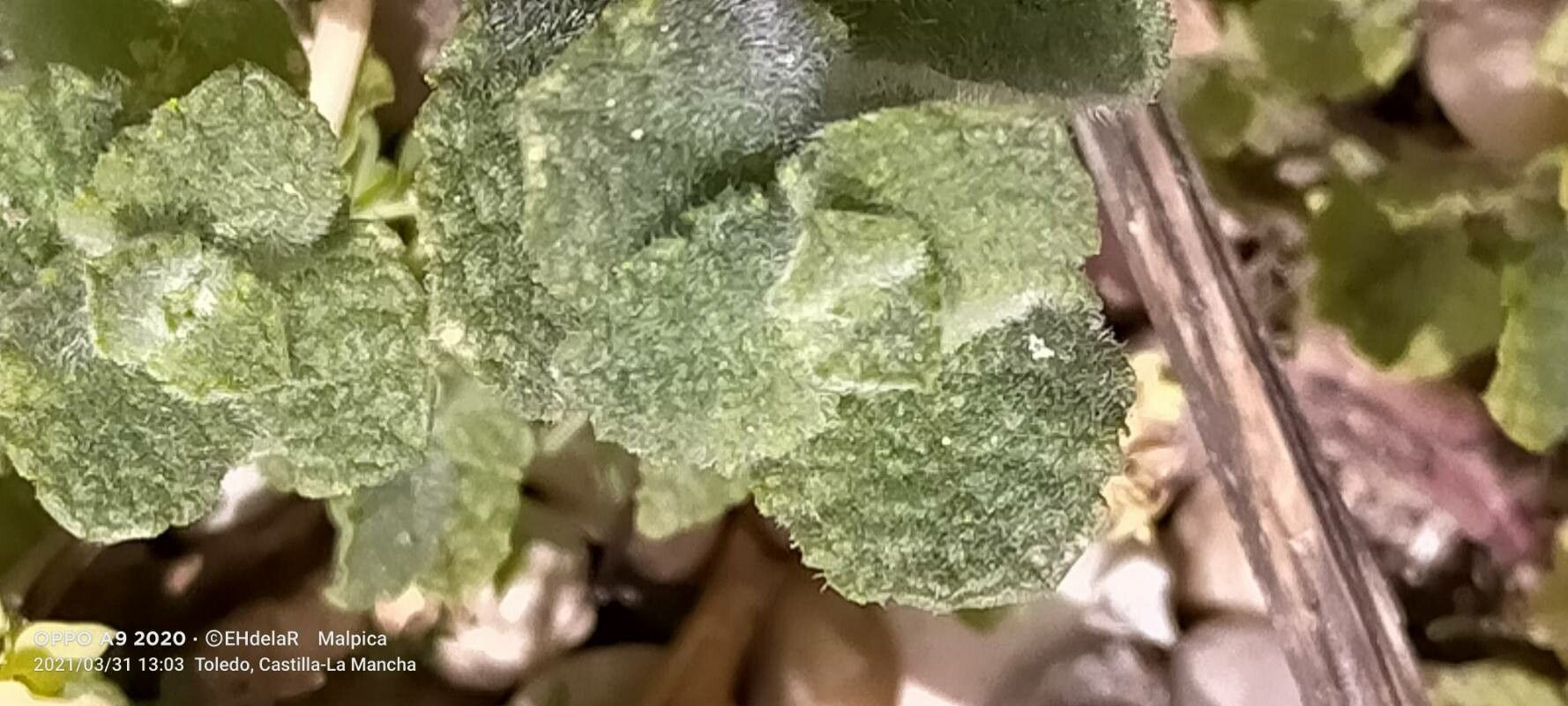
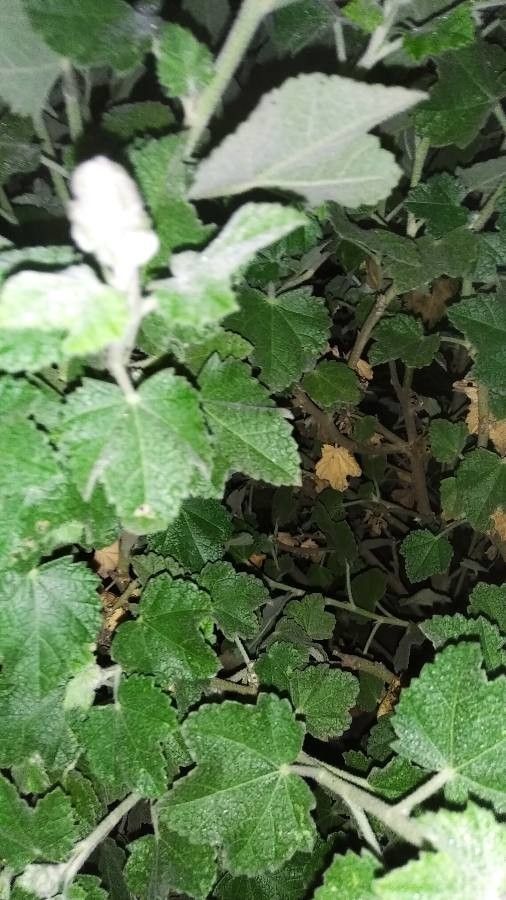
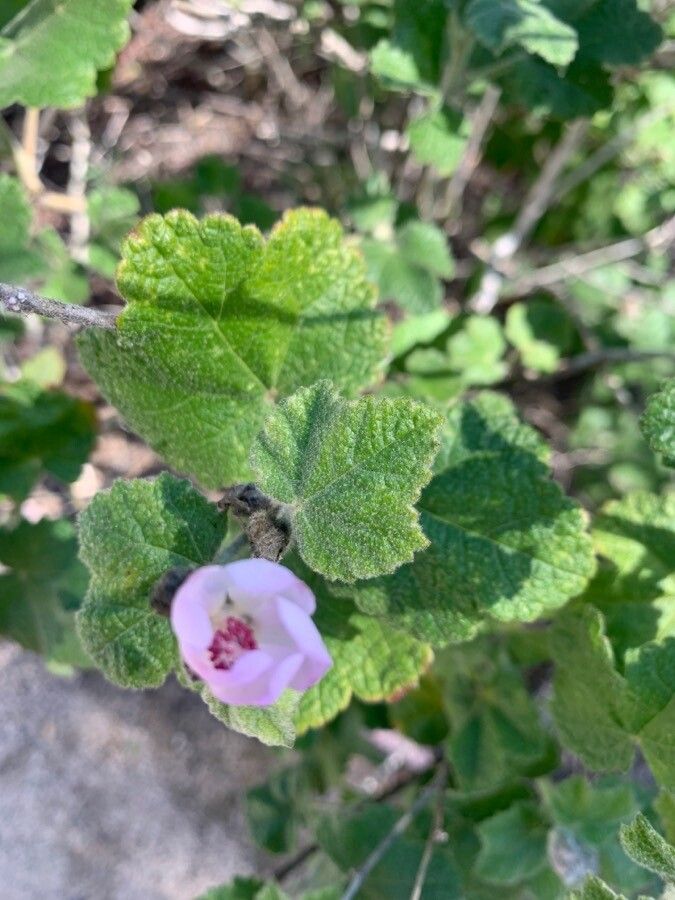
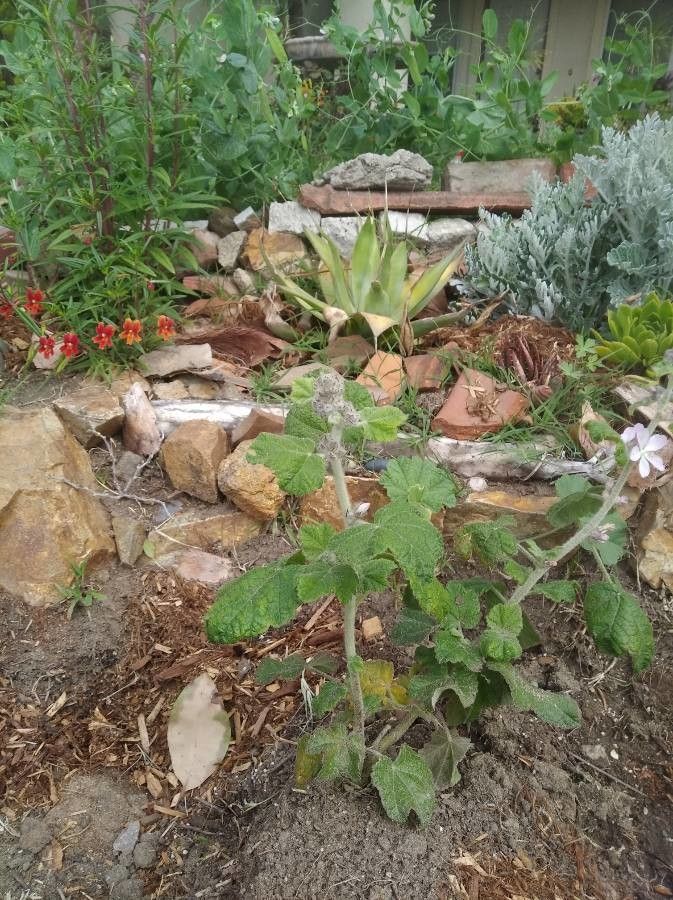
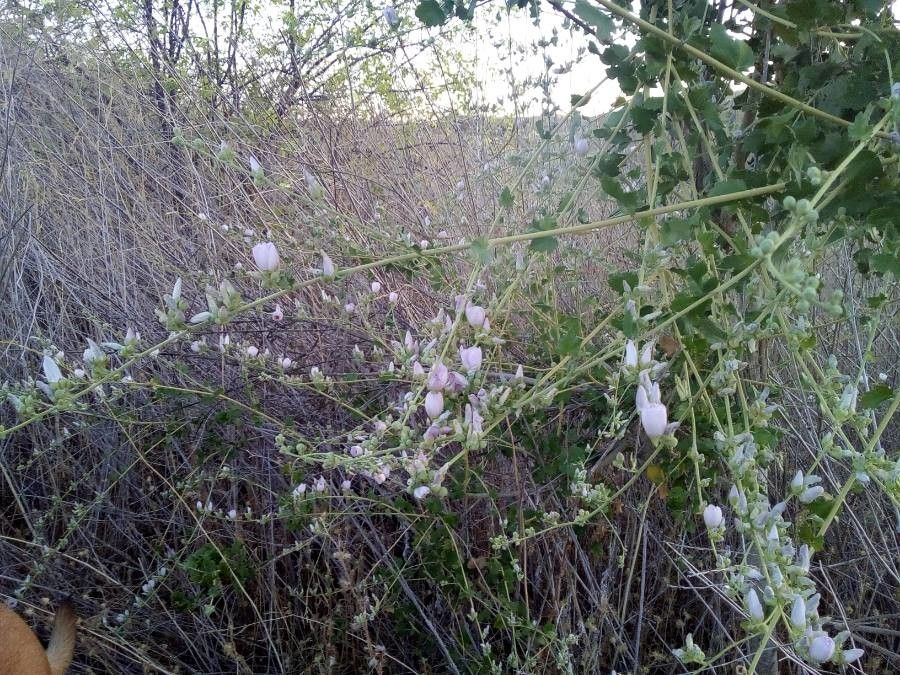
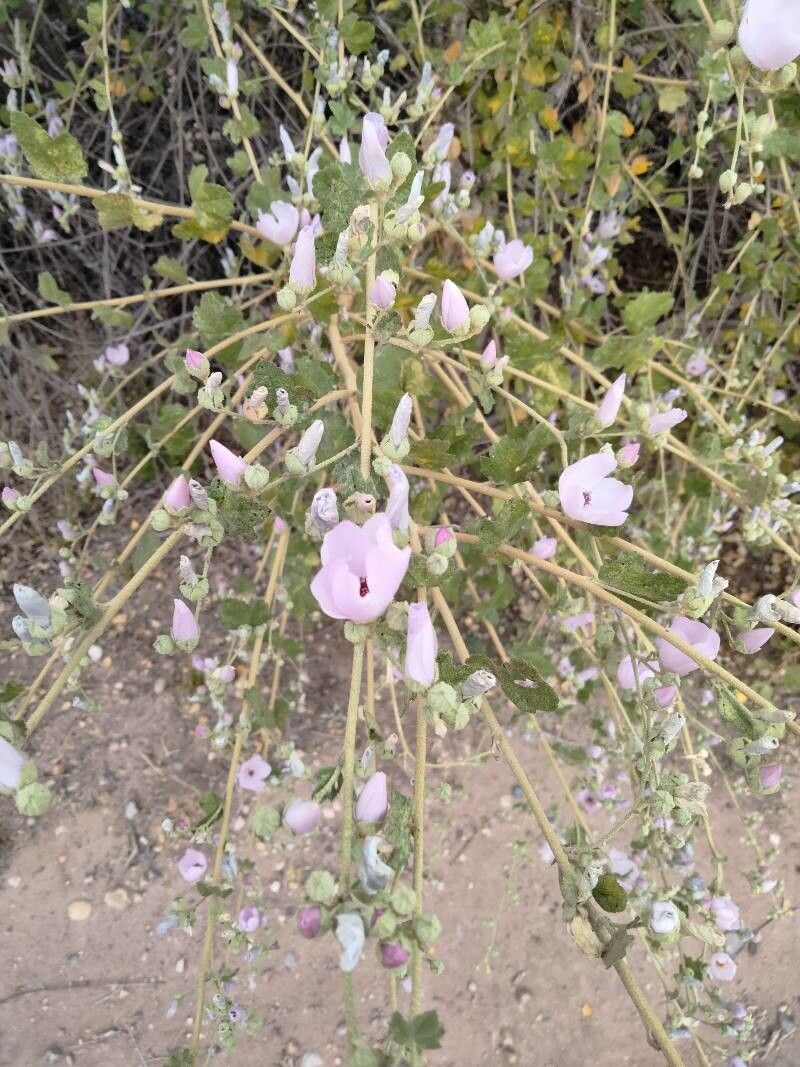
Malacothamnus davidsonii, commonly known as Davidson's bushmallow, is a species of flowering plant in the Malvaceae family. Native to California, it thrives in the state's coastal ranges and foothills. Typically, the plant grows to a height of 3 to 6 feet and exhibits a sprawling habit with branches extending up to 10 feet long. Its gray-green leaves have a velvety texture on both sides.
The small, pink or lavender flowers of Malacothamnus davidsonii bloom from late spring through early summer. These flowers grow on long stalks that emerge from the leaf axils.
Once established, the plant is drought-tolerant but prefers well-drained soil. During its first year of growth, it requires regular watering. While it thrives in full sun, it can also tolerate some shade.
Native American tribes have utilized Malacothamnus davidsonii for medicinal purposes, particularly for treating coughs and colds. Its high mucilage content helps soothe irritated tissues.
Overall, this beautiful native Californian shrub offers both aesthetic value and ecological benefits. It provides habitat for wildlife species such as birds and insects and is an important part of California's natural heritage.
Davidson's bush-mallow has good resistance to disease and is generally not susceptible to illnesses. Regarding care, this plant is relatively low-maintenance. When grown outdoors it requires minimal watering, and larger plants typically do not need pruning. Smaller plants, however, should be pruned after they have finished blooming. Davidson's bush-mallowt is suitable for anyone with an outdoor space, such as a garden or deck, and does not require extensive care experience.
How to keep Malacothamnus Davidsonii.
Light
Davidson's bush-mallow comes from open habitats, including sunlit meadows and forest edges, which offer plenty of light. It does best in Full Sun but can also tolerate Partial Sun, adapting well to a range of light conditions.
Temperature
Davidson's bush-mallow is highly adaptable to a wide range of climate conditions, whether facing scorching summers or chilly winters. However, it does have an optimal temperature range for healthy growth. When temperatures climb too high, the plant is susceptible to heat and humidity stress, which can lead to its death. In areas where temperatures approach the lower limit of its cold tolerance, it is important to use insulation measures to protect the plant.
Fertilizer
Fertilize your Davidson's bush-mallow in early spring to encourage healthy growth. Regular feeding improves its overall health, producing vigorous growth, increased resilience in challenging conditions, and enhanced resistance to diseases and pests. Keep a consistent fertilization schedule for your Davidson's bush-mallow to maintain foliage that is vibrant, deeply colored, and lush.
Pruning
Davidson's bush-mallow is a dense, woody plant that thrives with strategic pruning in early spring. To encourage healthy growth and improve airflow, remove any dead stems. Regular thinning helps maintain the plant's shape and promotes better flowering. With proper care, you can minimize the risks of pests and diseases, ensuring vibrant growth throughout the season.
Botanical profile.
- Plant Type
- Shrub
- Life Cycle
- Perennial
- Genus
- Malacothamnus
- Family
- Malvaceae
- Hardiness Zone
- 8-10
- Mature Height
- 0.91 m to 2.13 m
- Mature Spread
- 0.91 m to 1.52 m
- Leaf Color
- Green, Gray
- Leaf Type
- Deciduous
- Flower Color
- Pink
- Flower Size
- 2.03 cm to 3.05 cm
- Bloom Time
- Mid spring, Late spring, Early summer, Mid summer
- Planting Time
- Spring, Summer, Autumn
- Harvest Time
- Summer
Other names.