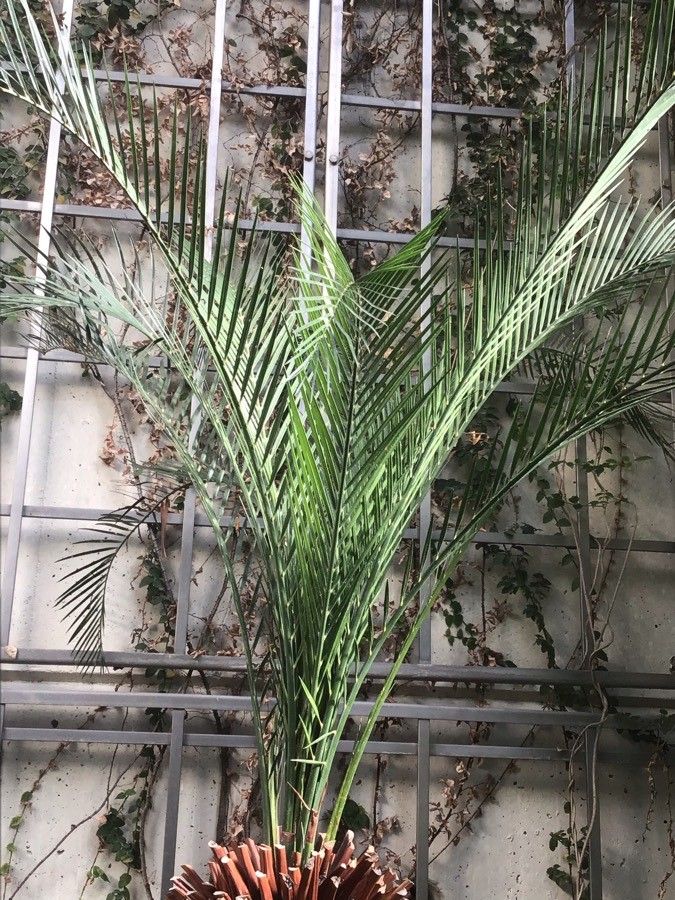
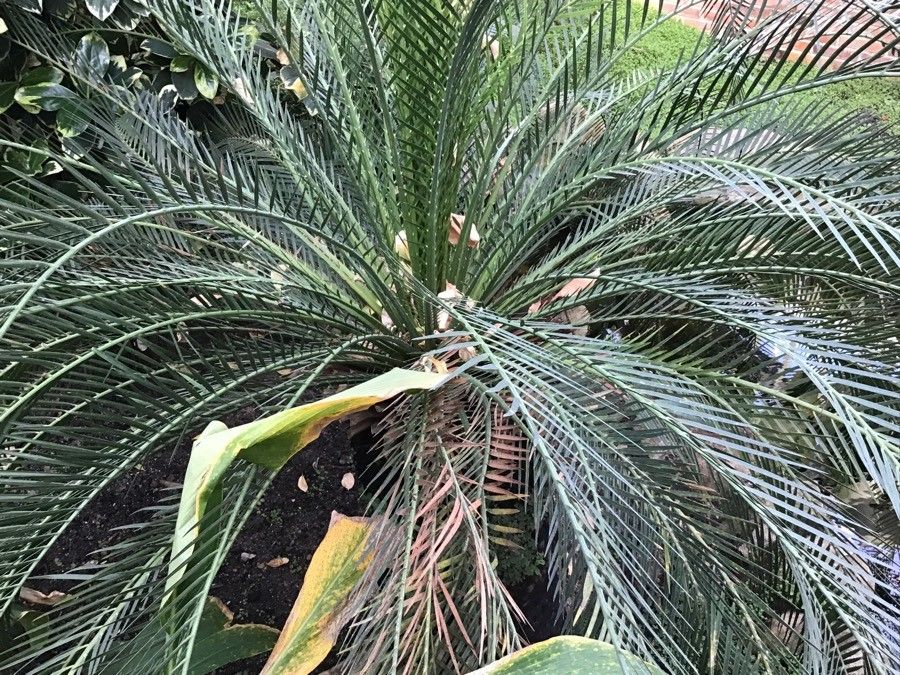
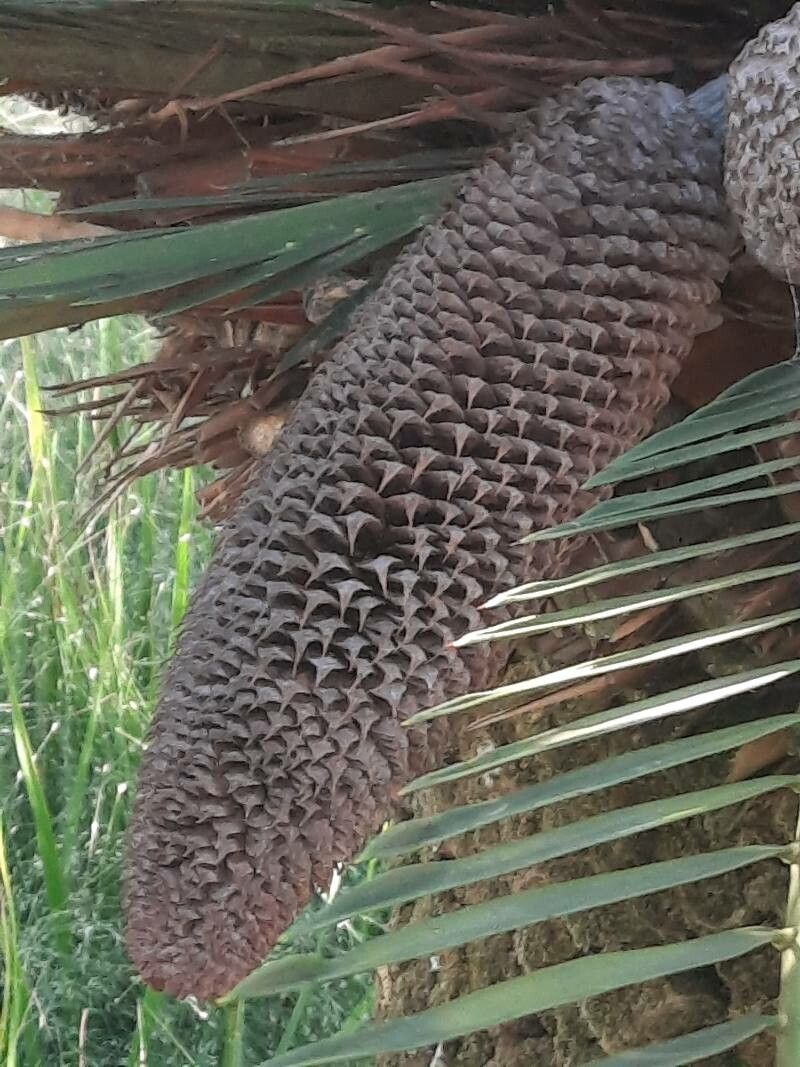
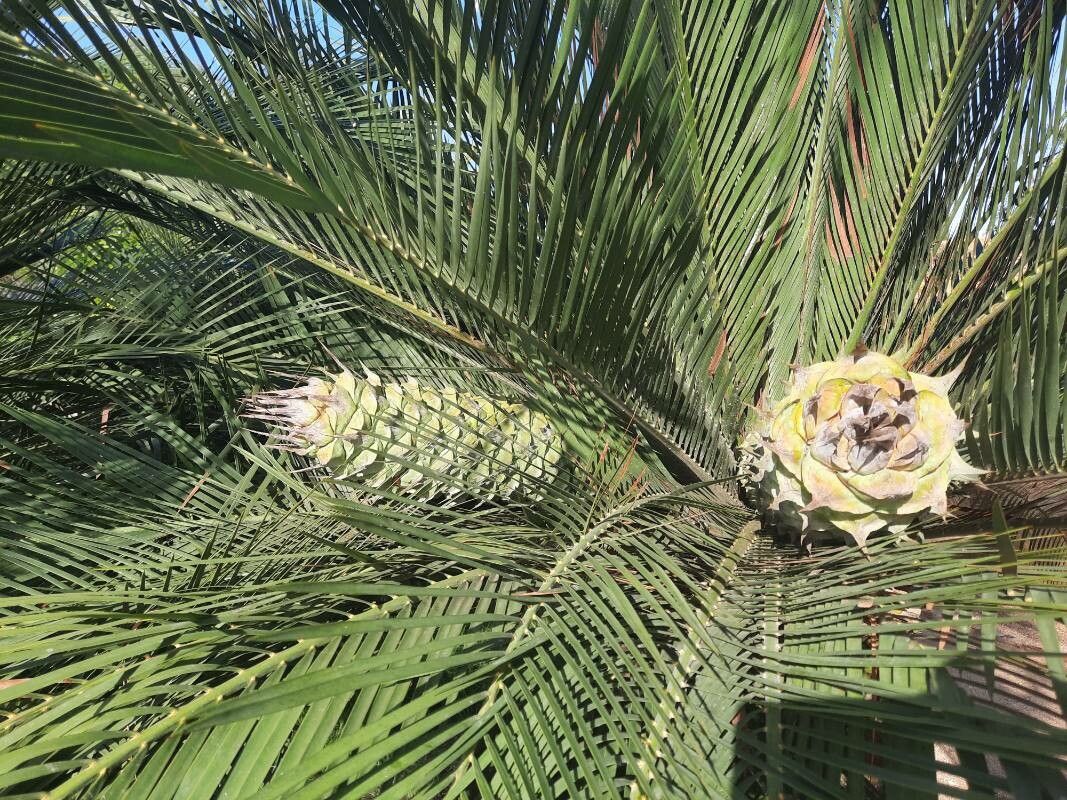
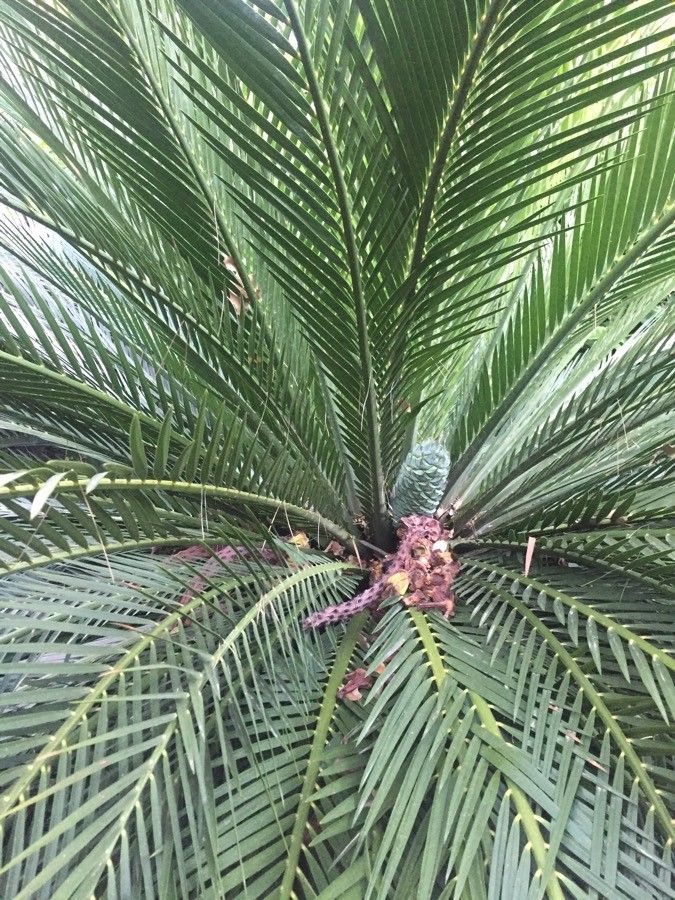
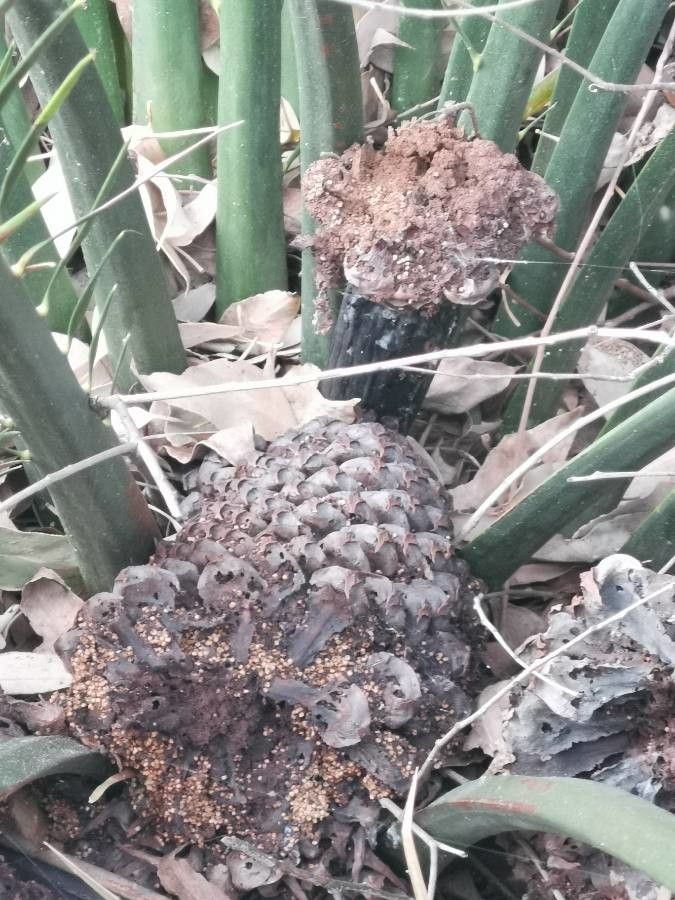
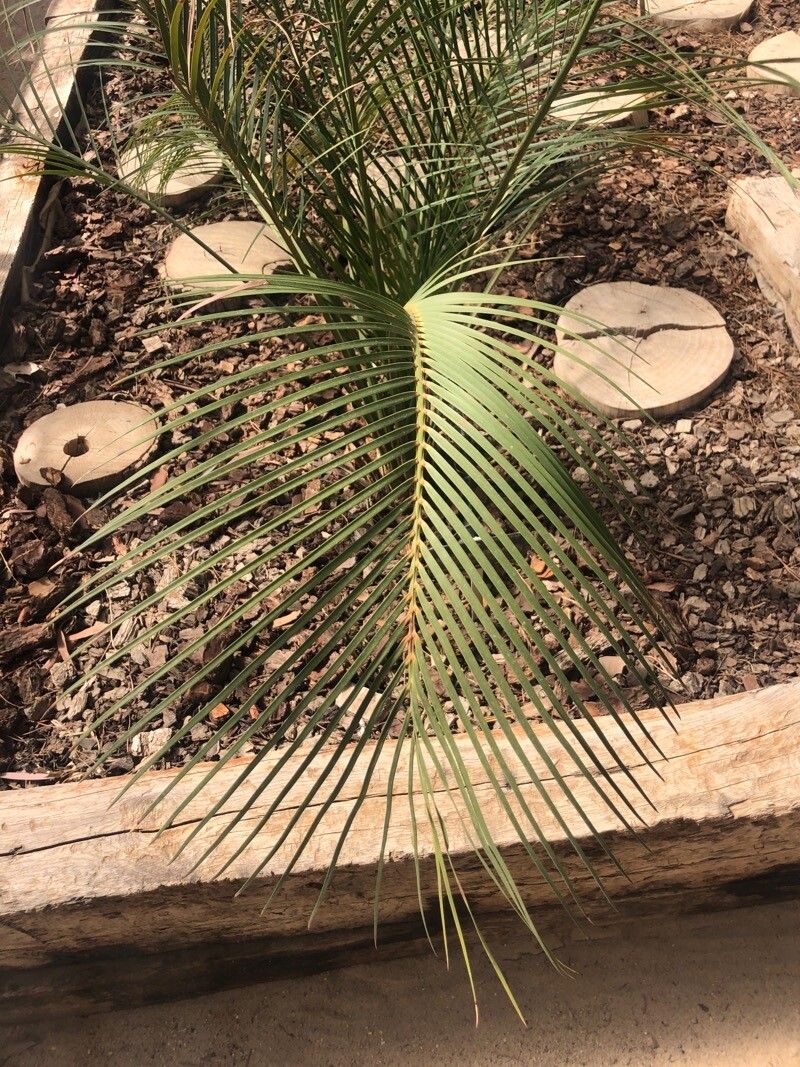
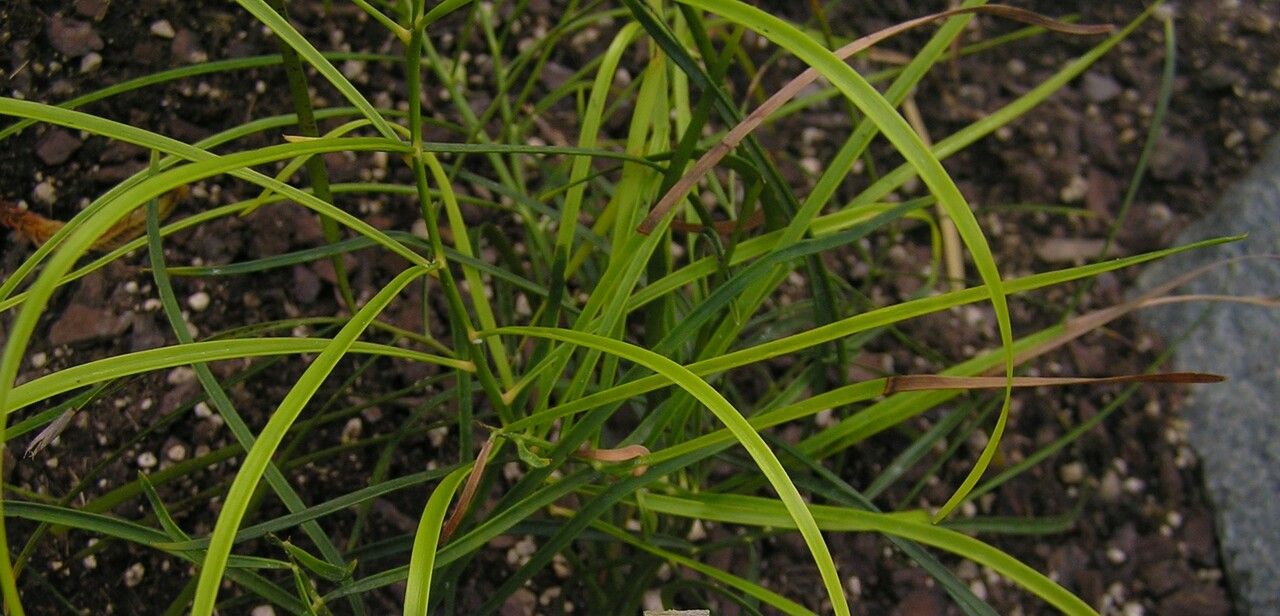
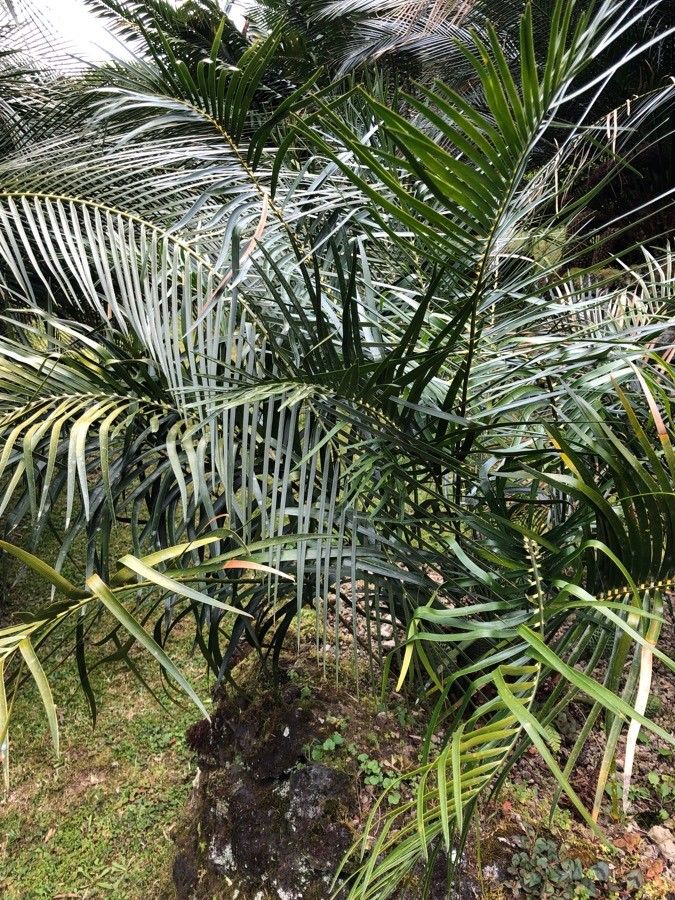
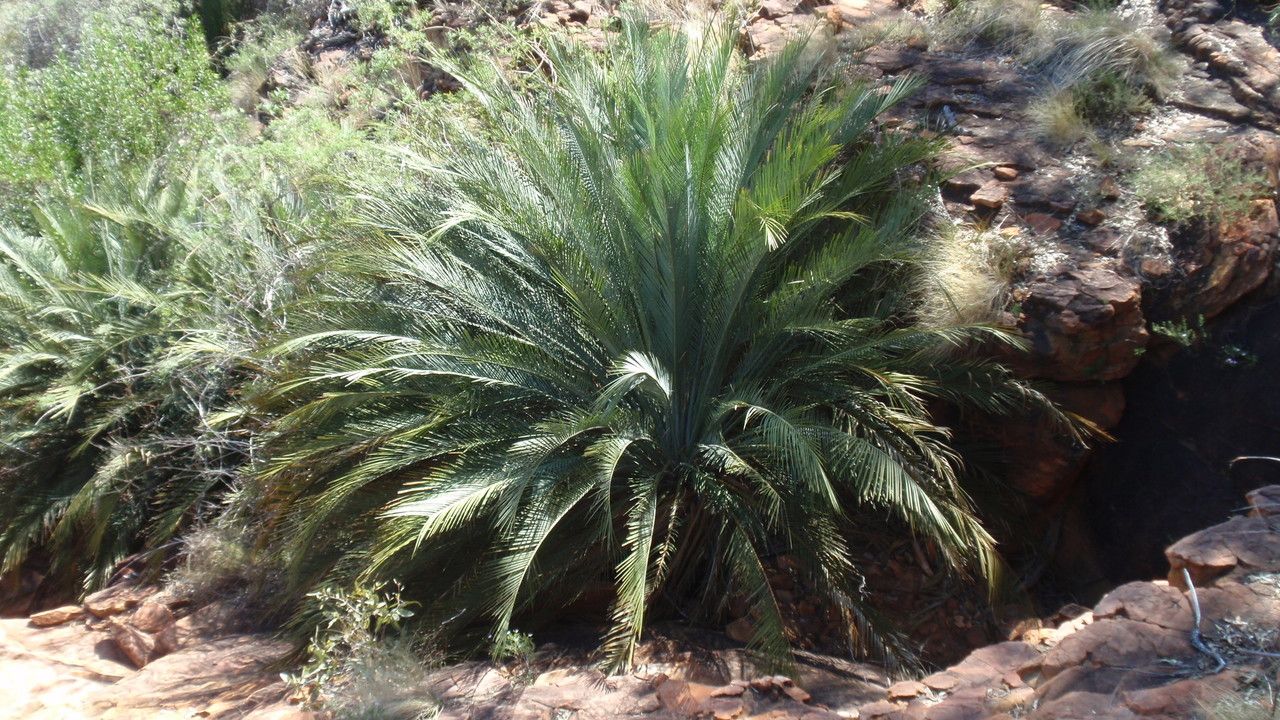
Macrozamia moorei is a cycad in the family Zamiaceae, native to Queensland (Australia). The species was described by Ferdinand von Mueller in 1881, naming it after Charles Moore (1820–1905), director of the Royal Botanic Gardens, Sydney.
Moore's cycad has strong resistance to disease and is generally not susceptible to illnesses. Regarding care, this plant is fairly low-maintenance. Planted outdoors, it needs only occasional watering, and larger specimens typically do not require pruning. Smaller plants, however, should be pruned after they have finished blooming. Moore's cycad is well suited for anyone with outdoor space—such as a garden or a deck—and does not require extensive gardening experience.
How to keep Macrozamia Moorei.
Light
Moore's cycad prospers in spots where it can take in the most daylight, yet it also adapts well to moderate light intensity. Unfiltered sunlight promotes healthy growth. Its native habitat provides conditions comparable to full sun. However, receiving more sun than it needs can harm its health.
Water
Moore's cycad is a drought-tolerant plant native to Australia that thrives in dry climates. To help it flourish outdoors, it should be watered every two weeks and receive plenty of sunlight. Its resilience makes it an ideal choice for low-maintenance gardening in areas with limited water availability.
Humidity
This plant will thrive in moderate humidity, which is probably the level in your home. However, misting it a few times a week can be very beneficial. Make sure the room has good ventilation.
Temperature
Moore's cycad is indigenous to areas where average temperatures can vary broadly from 68 to 100 °F (20 to 38 ℃). It does best in warm conditions and is able to withstand the higher end of that range. Change watering routines to help control its temperature through the seasons.
Fertilizer
Moore's cycad has specific nutrient needs and does not require heavy fertilization. Spring is the best time to fertilize for optimal growth. Providing nutrients improves its health, increases resistance to pests and diseases, and supports its long lifespan.
Pruning
Moore's cycad is known for its attractive foliage and resilience. To maintain its health and vigor, prune any dead or damaged fronds from early to late winter using clean, sharp tools. This practice will improve air circulation and increase sunlight penetration, which fosters robust growth and helps minimize pests.
Pot & Repot
Repot Moore's cycad every 2-3 years in the spring to encourage healthy growth. Choose a large, sturdy pot and use well-draining soil. Water it moderately to avoid overwatering, which helps the plant recover and thrive. Handle Moore's cycad with care, as it brings a unique prehistoric charm to your collection.
Botanical profile.
- Plant Type
- Tree
- Life Cycle
- Perennial
- Genus
- Macrozamia
- Family
- Zamiaceae
- Hardiness Zone
- 9-11
- Mature Height
- 7.01 m
- Mature Spread
- 6.1 m
- Leaf Color
- Green, Blue
- Leaf Type
- Evergreen
- Flower Color
- Green
- Bloom Time
- Mid winter, Late winter, Early spring
- Planting Time
- Spring
- Harvest Time
- Mid spring, Late spring, Early summer
Other names.
Reader questions.
How should I water my Moore's cycad?
When watering your Moore's cycad, you have various options and don't need to be too specific. Watering cans, hoses, or cups will all work fine. It's important to water directly onto the soil, making sure to moisten all areas equally to provide water to the entire root system. Filtering the water can be helpful, as tap water may contain harmful particles. Using water at or slightly above room temperature is ideal, as colder or hotter water can be a shock to the plant. However, the Moore's cycad generally responds well to any type of water.
When should I fertilize my Moore's cycad?
Moore's cycad is different from typical garden plants as it doesn't need a lot of extra nutrients. The growing medium often doesn't provide enough nutrients for healthy growth, but this plant can still thrive. The best time to fertilize Moore's cycad is in the spring, right before new growth emerges.
What are the sunlight requirements for Moore's cycad?
Moore's cycad requires full sun, which means it thrives in locations receiving above 6 hours of sunlight daily. It can also tolerate partial sun, about 3-6 hours of sunlight. It's essential to observe how sunlight moves through your garden to ensure your plants receive the ideal balance of light and shade for their well-being. In its natural habitat, Moore's cycad is accustomed to conditions equivalent to full sun exposure. Unfiltered sun exposure supports healthy growth, but excessive sunlight can have detrimental effects on its wellness.
What is the ideal temperature range for Moore's cycad?
Moore's cycad, or Macrozamia moorei, thrives in environments with average temperatures ranging between 68 to 100 °F (20 to 38 °C). It prefers warm conditions and can tolerate the higher end of this temperature range. To help the plant maintain optimal growth, watering practices should be adjusted seasonally to help regulate its temperature, especially considering it's an extremely heat-loving plant. During colder temperatures, particularly in autumn, it's advised to bring outdoor-grown Moore's cycad indoors, placing it near a bright window but away from direct heat sources, ensuring the temperature remains above 20°C throughout winter as exposure to temperatures nearing 0°C can be harmful.
What should I do if I give my Moore's cycad too much or too little water?
Outdoor plants, especially newly planted ones or seedlings, can easily suffer from lack of watering. Keep in mind that you need to water them regularly for the first few months, particularly when the plant is small or has just been planted. This is because once the roots are established, Moore's cycad can rely on rainfall for hydration. If you have a Moore's cycad in a pot, overwatering is a common mistake. If you accidentally overwater your plant, take immediate action to fix the situation. Stop watering the plant right away to minimize the impact of overwatering. Then, remove the cycad from its pot and check its roots. If you find that the roots don't show any signs of rot, you can return the plant to its container. However, if there are signs of root rot, trim away the affected roots and consider applying a fungicide to prevent further damage. Finally, repot the cycad in soil that drains well. On the other hand, underwatering a Moore's cycad is relatively easy to fix. If you notice the plant's leaves drooping, drying out, or falling off, it's a sign of underwatering. Simply increase the frequency of watering, and you will see the leaves regain their fullness quickly. Remember to adjust your watering schedule as soon as you notice underwatering.
Why should I put fertilizer on my Moore's cycad?
To ensure healthy growth for Moore's cycad, it is recommended to fertilize the plant in the spring. It is important to keep in mind that this plant has a long lifespan and requires support. Adding nutrients to the soil not only enhances its overall health but also enhances its ability to withstand common pests and diseases, which can hinder growth and lifespan.
How should I use artificial lighting for indoor Moore's cycad plants?
Indoor Moore's cycad plants require adequate lighting for optimal growth, especially when natural sunlight is insufficient. Artificial lighting, such as LED lights, can be a vital solution to provide the specific wavelengths of light plants need. For full sun plants, 30-50W/sq ft of artificial light is needed; for partial sun plants, 20-30W/sq ft; and for full shade plants, 10-20W/sq ft. The light source should be placed 12-36 inches above the plant, mimicking natural sunlight as closely as possible. Most plants need 8-12 hours of light per day to mimic natural daylight hours effectively.
How does low temperature affect Moore's cycad and what are the solutions?
Moore's cycad is not tolerant of low temperatures and thrives best when temperature levels are maintained above 20°C. Exposing the plant to temperatures below 0°C can lead to serious damage, while temperatures falling below -5°C can cause the leaves to lighten in color, eventually turning brown or black as they succumb to frost damage, alongside symptoms like wilting and drooping. To combat this, frost-damaged parts should be trimmed off, and the plant should be moved indoors to a warmer environment for protection. Placing the plant near a south-facing window can ensure adequate sunlight, while it's important to keep it away from heaters or air conditioning vents to prevent the air from becoming excessively dry.
How often should I give water to my Moore's cycad?
Most plants outdoors can grow naturally with rainfall, but if you have little rainfall in your area, you should water your plants every 2 weeks in spring and fall. In summer, you'll need to water them more frequently, and in winter, when growth slows down, water sparingly or not at all. Young or newly planted Moore's cycad plants need more frequent watering to help them establish and grow. For potted plants like the Moore's cycad, you have two options for determining their watering frequency. One option is to set a regular schedule, like once a week or every other week. However, this may not always work because it doesn't account for the specific conditions of your growing environment. Another option is to water based on the moisture of the soil. Wait until the top two to four inches of soil have completely dried out before watering again.
When is it a bad idea to add fertilizer to my Moore's cycad plant?
Moore's cycad is a plant that doesn't require an abundance of nutrients, unlike other plants that benefit from regular fertilization. In fact, using too much fertilizer can have adverse effects on its health, causing it to decline. To properly care for Moore's cycad, it is best to apply fertilizer only during the spring season and avoid doing so in the summer, fall, and winter. Additionally, refraining from adding any organic matter or fertilizer during these seasons will promote its overall well-being.
What are the symptoms of light deficiency in Moore's cycad?
Symptoms of light deficiency in Moore's cycad include smaller new leaves, leggy or sparse growth, faster leaf drop, slower or no new growth, lighter-colored new leaves, chlorosis (leaves losing their green color), sunscald (damage from intense sunlight), leaf curling, wilting, and leaf scorching. These symptoms indicate that the plant is not receiving adequate sunlight, leading to various health issues.
What are the effects of high temperature on Moore's cycad and how can they be mitigated?
Moore's cycad should ideally be maintained at temperatures below 100°F (38°C) during the summer months. Exposure to temperatures above 109°F (43°C) can lead to a lightening of leaf colors and increase the plant's susceptibility to sunburn. To address high-temperature stress, sunburned or dried parts of the plant should be trimmed away. The plant may also benefit from being relocated to a shaded area during the intense midday and afternoon sun. Additionally, watering the plant in the morning and evening can help keep the soil adequately moist, further supporting the plant's health in high temperatures.