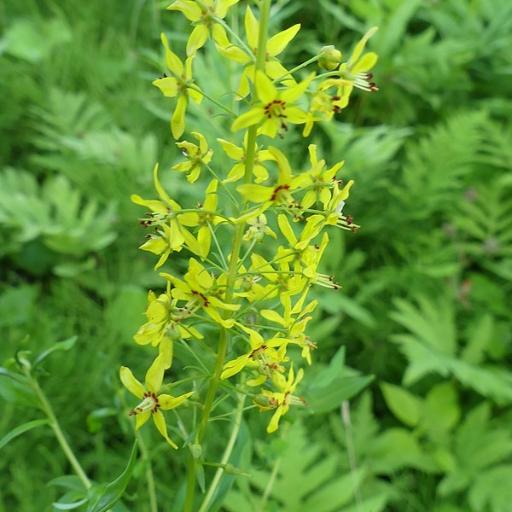
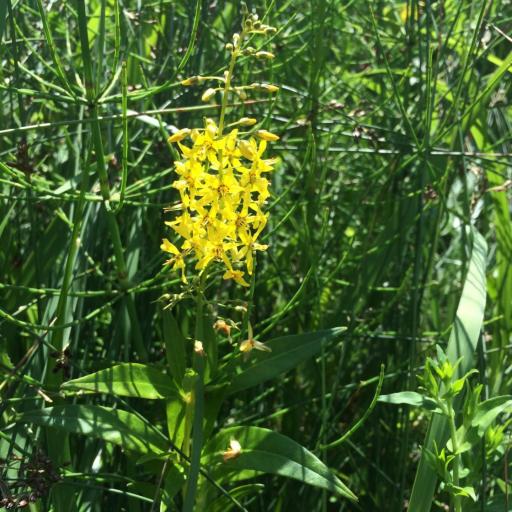
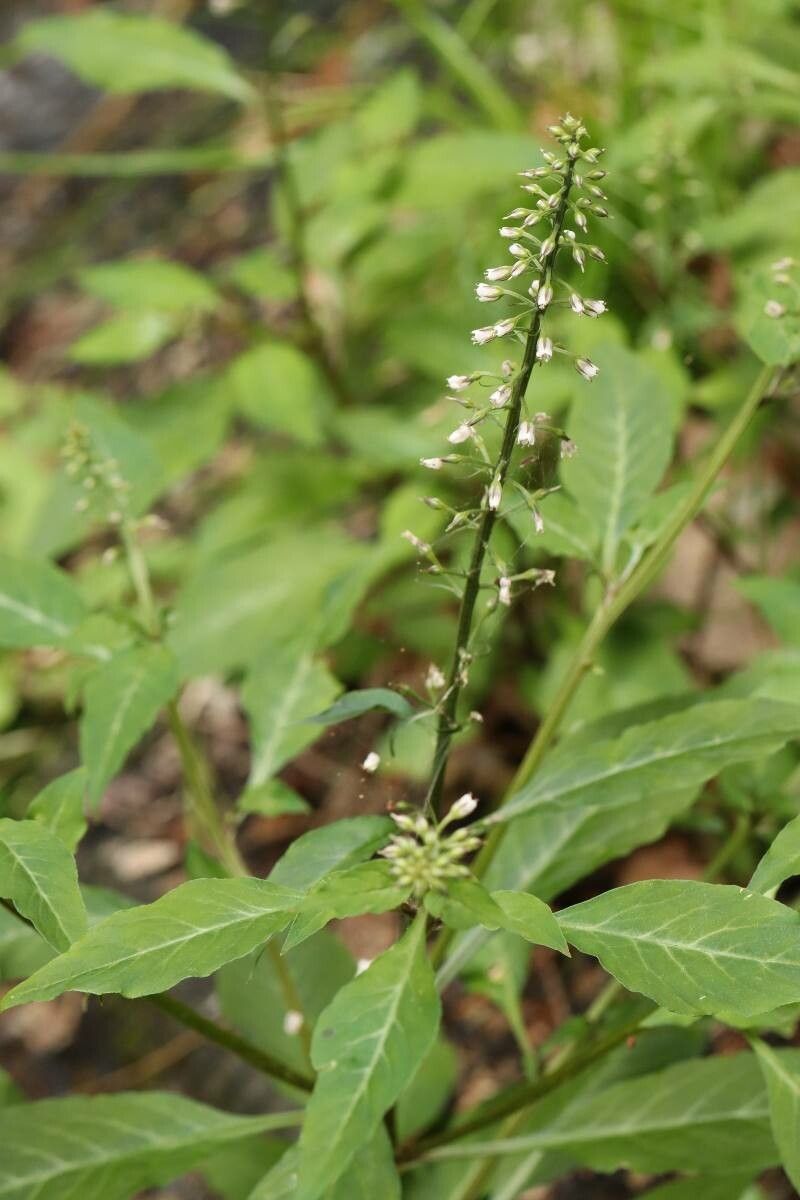
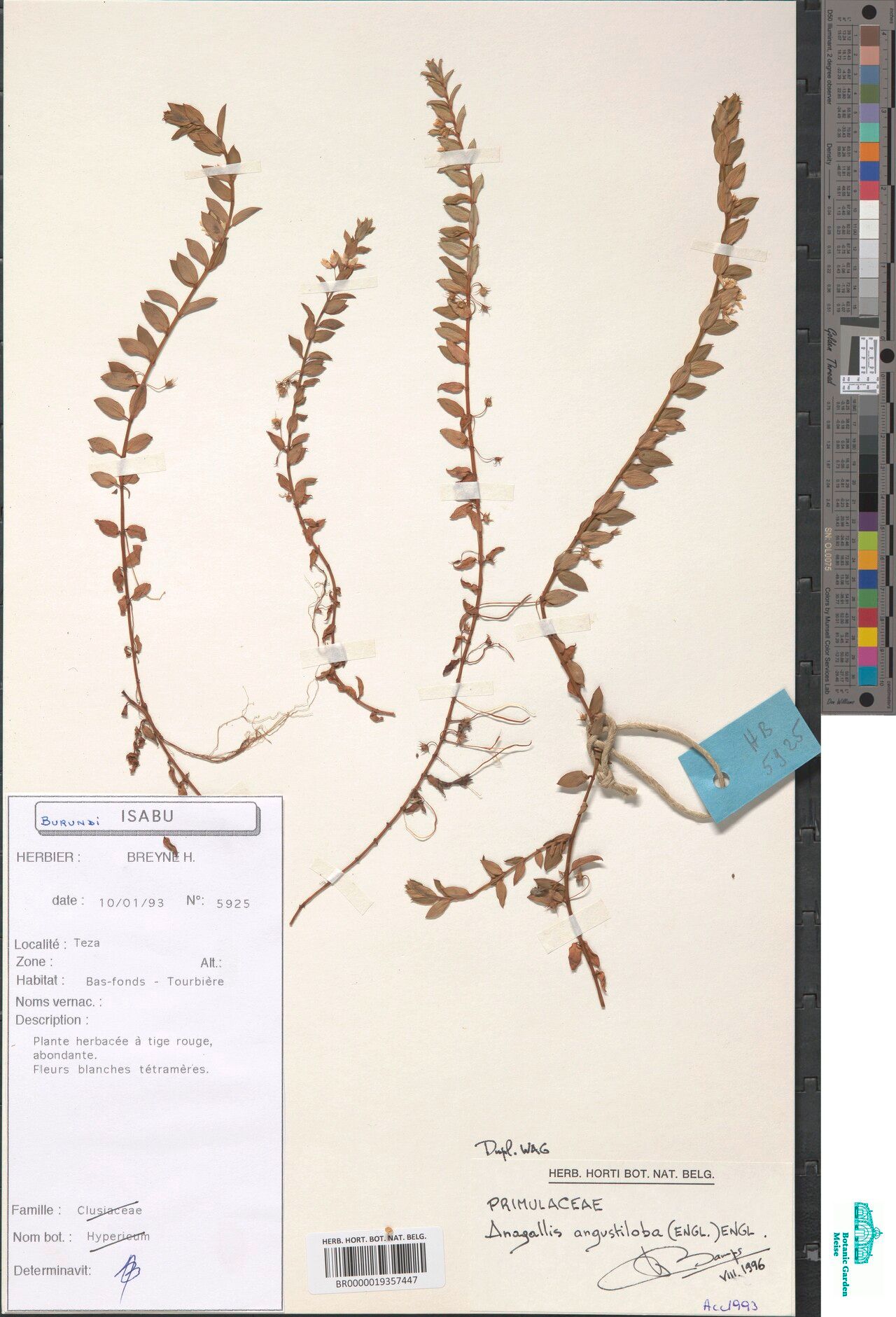
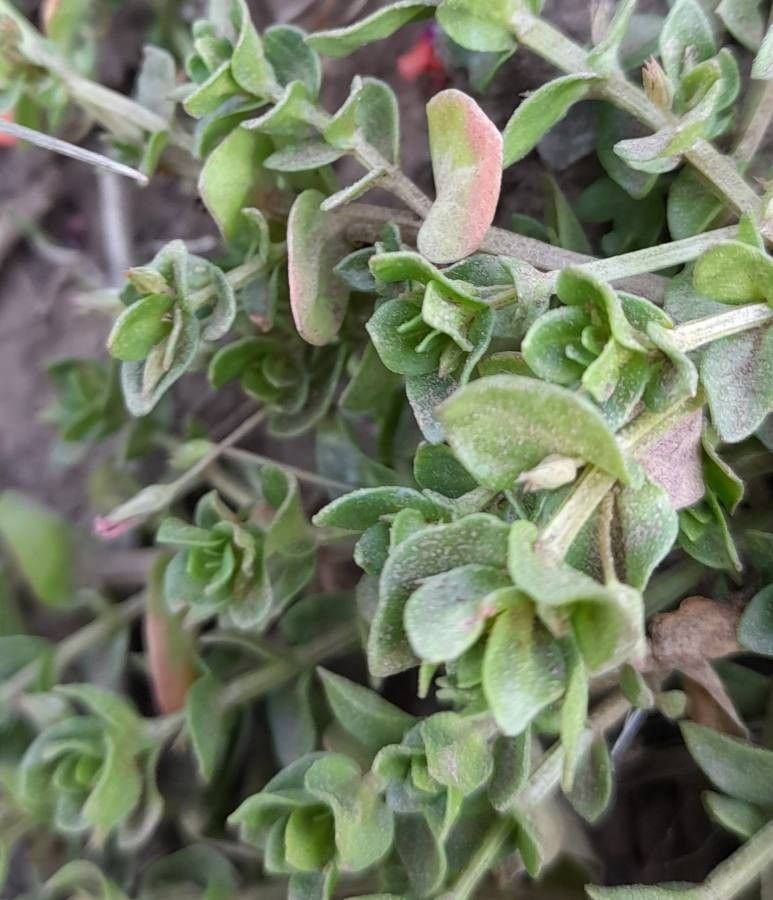
Lysimachia terrestris (swamp candles, lake loosestrife or earth loosestrife) is a plant in the family Primulaceae.
Swamp candles have good disease resistance and are generally not prone to illnesses. However, they can be susceptible to pests and diseases found in their surroundings. These infections are usually not severe. In terms of care, this plant needs moderate maintenance. It should be pruned regularly to preserve a good appearance and healthy growth. Fertilizing can also help encourage flowering. Swamp candles are suitable for anyone with an outdoor space, such as a garden or patio, and do not require a lot of care experience. They may need more attention when grown indoors.
How to keep Lysimachia Terrestris.
Light
Swamp candles does best in locations that receive abundant sunlight throughout the day, which promotes optimal growth. In its natural setting it commonly grows where sun exposure is high, although it copes well in partly shaded conditions. However, long periods of reduced light can impede its development.
Water
Swamp candles flourish in wetland habitats, where they prefer damp soil and consistent moisture. To mimic their natural conditions, water them weekly. This species adapts well to changing water levels, making it an excellent choice for rain gardens designed to manage stormwater runoff.
Temperature
Swamp candles are naturally adapted to temperatures between 41 and 90 °F (5 to 32 ℃). This reflects the seasonal variation of its native habitat. To reproduce those conditions, indoor or controlled cultivation should regulate temperatures to match seasonal changes.
Fertilizer
Early spring, as the plant breaks dormancy and starts active growth, is the best time to fertilize Swamp candles. Fertilization supplies essential nutrients for healthy growth. Although Swamp candles generally have low fertilizer needs, fertilizing annually can boost their survival and encourage better, longer-lasting flowers.
Pruning
Prune swamp candles from early to late spring to encourage growth and reduce legginess by removing dead or overcrowded stems. Pruning after the flowers have bloomed can also promote a second bloom. Regular pruning helps maintain a tidy appearance and lowers the risk of disease. Be sure to use sterilized tools to prevent infections.
Botanical profile.
- Plant Type
- Herb
- Life Cycle
- Perennial
- Genus
- Lysimachia
- Family
- Primulaceae
- Hardiness Zone
- 4-7
- Mature Height
- 30 cm to 91 cm
- Mature Spread
- 30 cm to 61 cm
- Leaf Color
- Green, Dark Green
- Leaf Type
- Semi-evergreen
- Flower Color
- Yellow
- Flower Size
- 10.16 cm to 30.48 cm
- Bloom Time
- Summer
- Planting Time
- Spring, Summer, Autumn
- Harvest Time
- Late summer, Early fall, Mid fall
Other names.