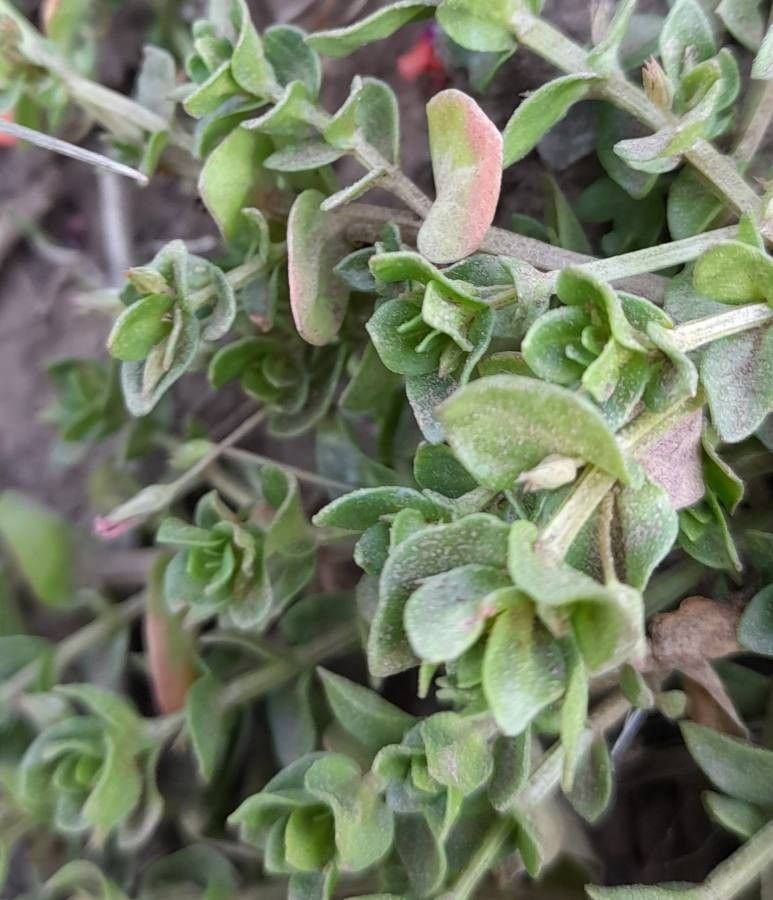
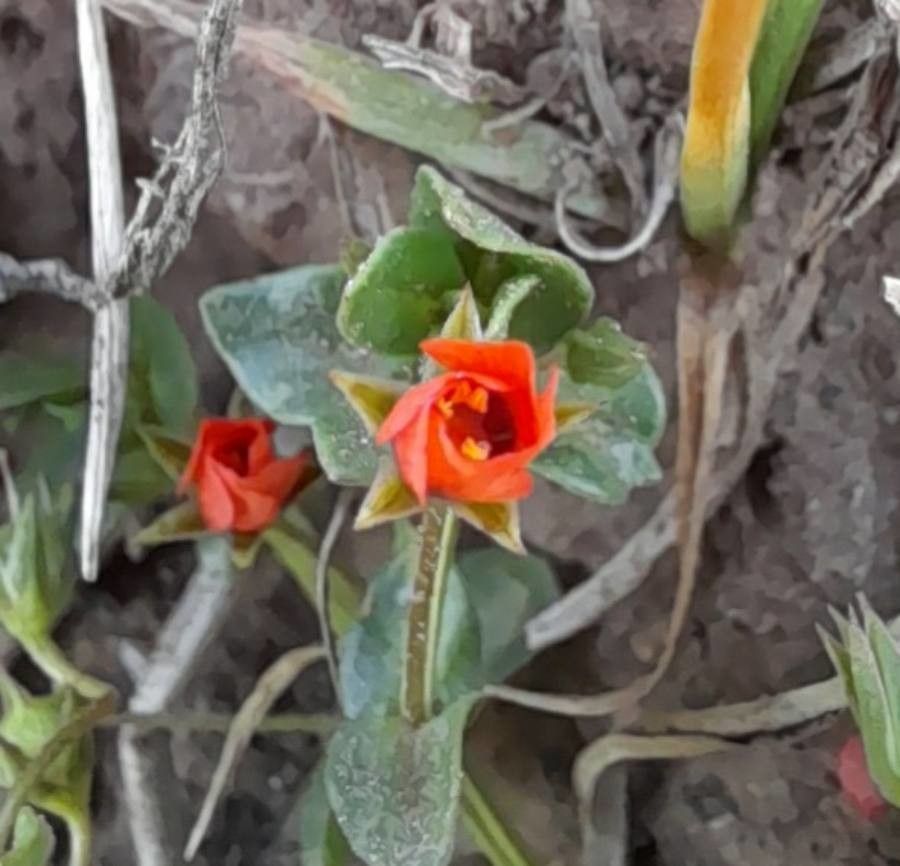
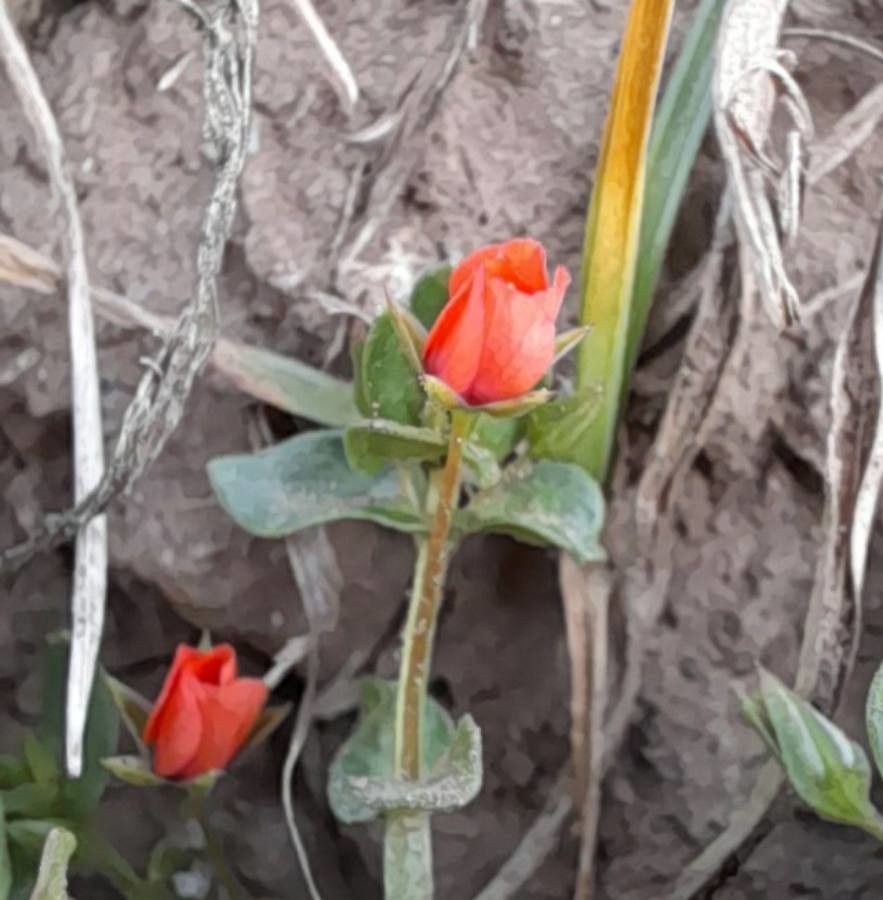
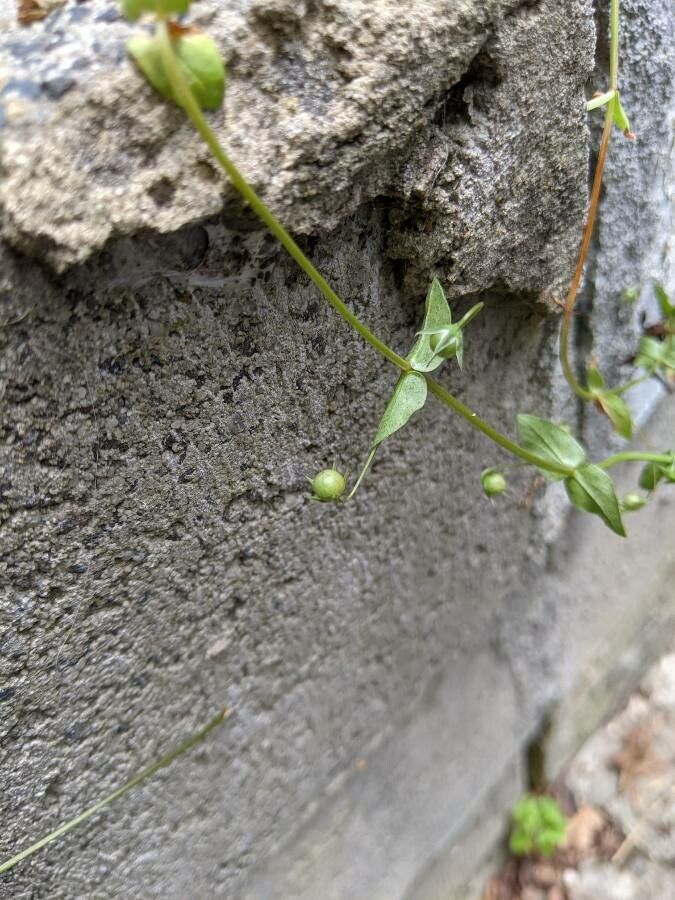
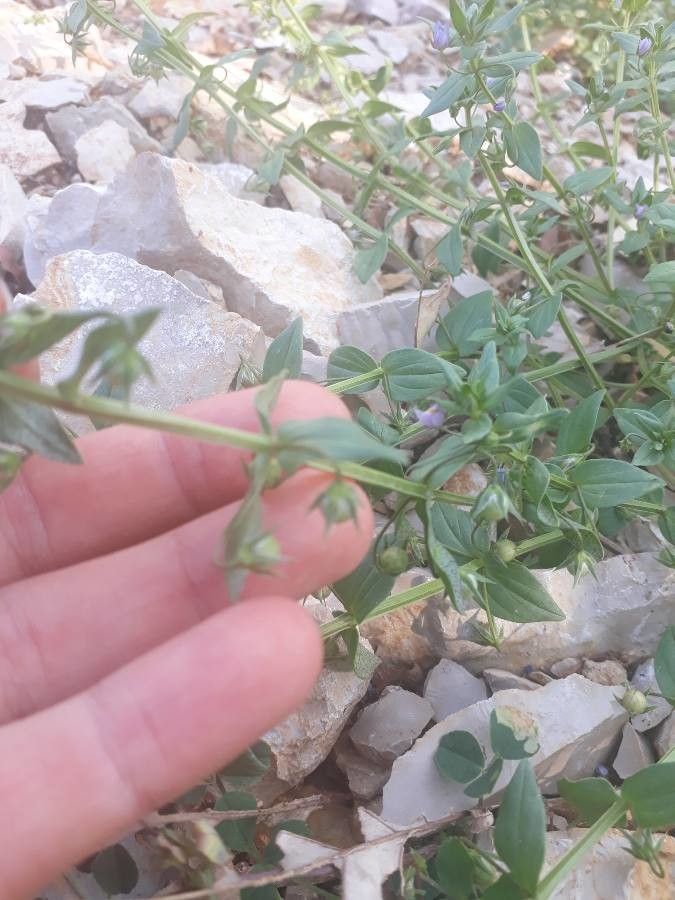
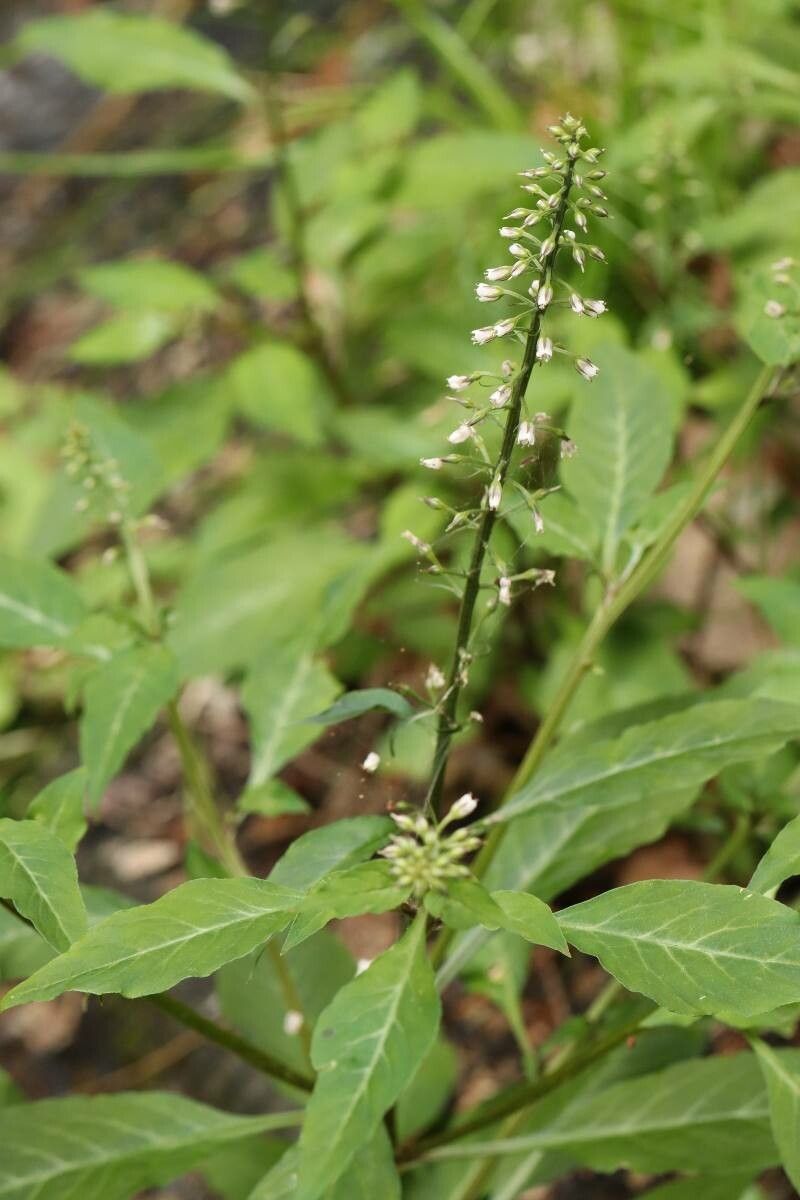
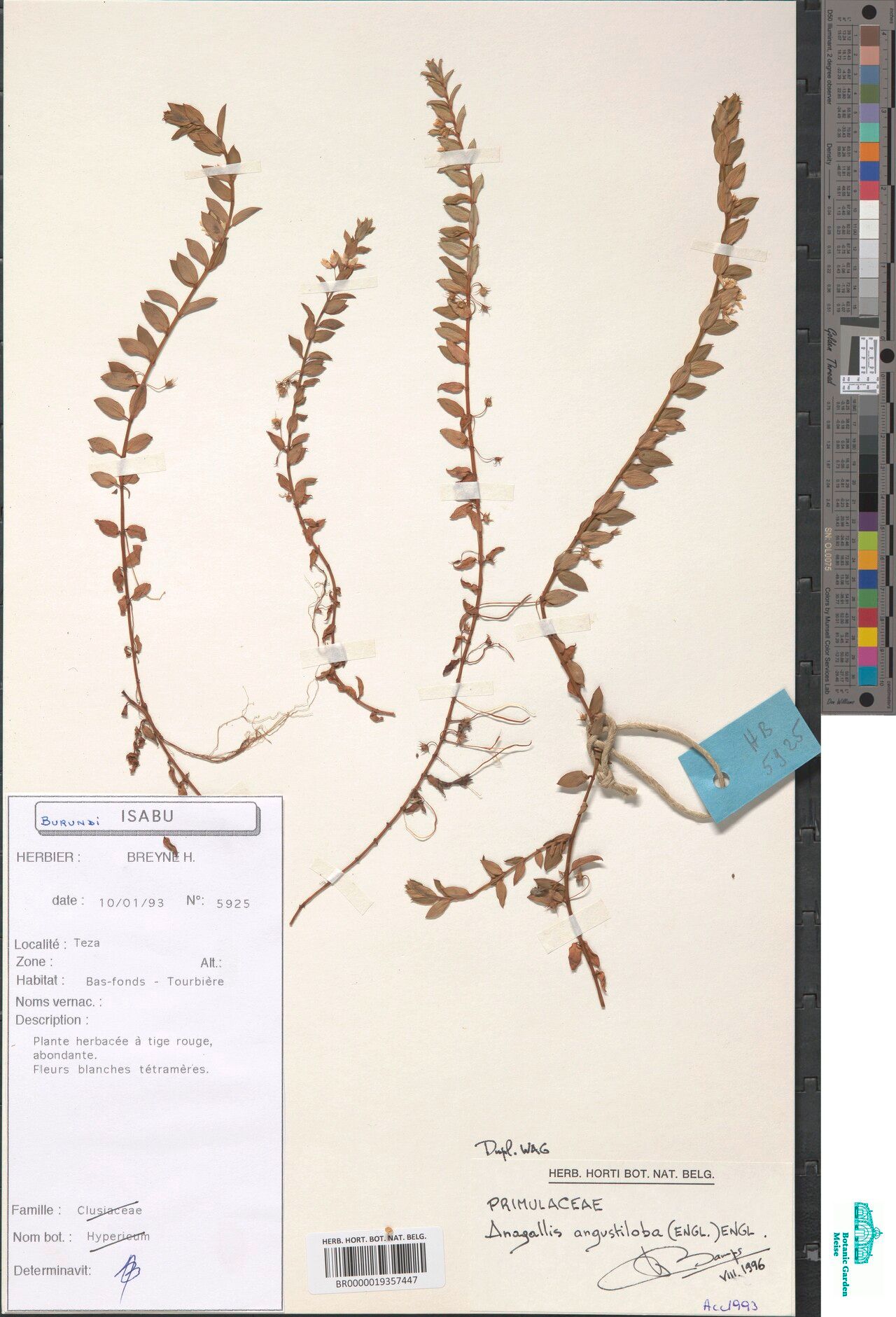
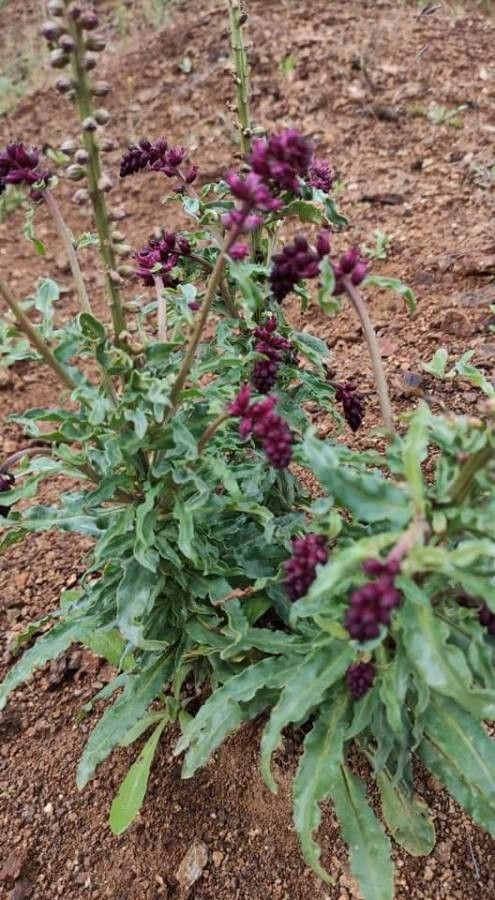
Lysimachia arvensis, commonly known as field loosestrife, is a herbaceous perennial plant belonging to the Primulaceae family. Originally native to Europe and Asia, it has been introduced and naturalized in North America. The plant can grow up to 60 cm tall and is characterized by a spreading habit with numerous stems covered in small hairs.
The leaves of Lysimachia arvensis are lance-shaped, opposite, and have smooth margins. They are arranged in whorls of four or five along the stem. The plant's flowers bloom from June to September and are small, with five yellow petals that form a star shape.
Field loosestrife thrives in moist soils such as those found in meadows, marshes, or along riverbanks but can also grow well in drier conditions like roadsides or disturbed areas. It is often used for erosion control due to its spreading nature.
While Lysimachia arvensis can be an attractive addition to gardens because of its bright yellow flowers, it should be noted that it can become invasive if not properly managed. Gardeners should ensure it does not spread beyond its intended area by removing any unwanted plants before they have a chance to seed and spread elsewhere.
The name "pimpernel" originates from the word "pympernele." This flower is best known as the emblem of the fictional hero, the Scarlet Pimpernel. Consequently, the plant itself shares its name with this hero.
Scarlet pimpernel is fairly disease-resistant and typically not prone to illness. Nonetheless, it can be affected by pests and diseases present in its environment. These problems are generally mild. In terms of care, this plant requires moderate maintenance. Regular pruning is needed to maintain a tidy appearance and support healthy growth. Applying fertilizer can also encourage flowering. Scarlet pimpernel is appropriate for anyone with outdoor space, such as a garden or patio, and does not demand extensive care experience. It may require more attention when grown indoors.
How to keep Lysimachia Arvensis.
Light
Scarlet pimpernel typically needs an open sky overhead so a significant amount of light can reach it. Adequate light supports optimal growth, particularly during bud formation and flowering. Native to sunny habitats, it can tolerate occasional shade. Excessive exposure may cause wilting, while too little sun can restrict its growth and flowering.
Water
Scarlet pimpernel flourishes in environments with moderate moisture and needs consistently moist soil without becoming waterlogged. To maintain optimal health, it requires weekly watering. This plant is best grown outdoors, where its flowering vitality and frequency are heavily influenced by proper water management.
Temperature
Scarlet pimpernel originates from temperate regions and prefers temperatures of 68 to 95 °F (20 to 35℃). Seasonal changes may require adjustments to keep this optimal range, especially during colder periods.
Fertilizer
Scarlet pimpernel benefits from regular, weak applications of fertilizer to encourage healthy leaf growth. Fertilize Scarlet pimpernel about once a month during the summer. Nitrogen is important for foliage, and adding nitrogen-rich sources helps Scarlet pimpernel thrive.
Pruning
The scarlet pimpernel is a low-growing annual plant known for its vibrant scarlet flowers. To promote new blooms, prune it in early to late spring by removing dead stems and spent flowers. Minimal pruning fosters healthy growth and improves the plant's appearance, aligning with its active growth phase for more robust flowering.
Toxicity
This plant is considered toxic to livestock, domestic animals, and humans.
Further reading →
The toxicity and danger assessments provided are for reference only. We do not assure their accuracy, so it's crucial not to depend on them. Seek professional advice when necessary for accurate guidance.
Botanical profile.
- Plant Type
- Herb
- Life Cycle
- Annual, Biennial
- Genus
- Lysimachia
- Family
- Primulaceae
- Hardiness Zone
- 7-10
- Mature Height
- 20 cm to 25 cm
- Mature Spread
- 30 cm to 61 cm
- Leaf Color
- Green
- Leaf Type
- Deciduous
- Flower Color
- Blue, White, Pink, Purple, Red, Orange
- Flower Size
- 1.02 cm to 1.52 cm
- Bloom Time
- All year round
- Planting Time
- Spring
- Harvest Time
- All year round
- Native Area
- Djibouti, Libya, Egypt, Somalia, Austria, Sweden, Turkey, Pakistan, Morocco, Yemen, Belarus, Russia, Uzbekistan, Germany, Iraq, Burundi, Koppen, Oman, Ethiopia, Romania, Belgium, France, Netherlands, Nepal, Portugal, Saudi Arabia, Tunisia, Cape Verde, Sudan, Bulgaria, Cyprus, Poland, Greece, Ukraine, Chad, Afghanistan, Hungary, Norway, Italy, Kazakhstan, Spain, Switzerland, Denmark, Finland, Albania, Iran, Ireland, Algeria, United Kingdom, Kuwait, Turkmenistan
Other names.
Reader questions.
How should I water my Scarlet pimpernel plant?
There are several ways to water Scarlet pimpernel, such as using a garden hose with a spray nozzle or a watering can. They are not too particular about the type of water they receive, whether it is rainwater, tap water, or filtered water. However, it's best to avoid watering this plant from above as it can harm the leaves and flowers and potentially lead to disease. Setting up a drip irrigation system is often the recommended method for watering Scarlet pimpernel as it provides consistent and direct watering to the soil. For container-grown Scarlet pimpernel, you can use a cup, watering can, or tap to water it by applying the water directly to the soil.
When should I fertilize my Scarlet pimpernel plant?
Scarlet pimpernel generally grows well, but to give it a boost during active growth, you can apply fertilizer about once a month. It is ideal to only fertilize Scarlet pimpernel during spring and summer, and not during fall and winter when it is less active and doesn't require as many nutrients. You can tell when to start fertilizing by looking for signs of new growth. Whether grown outdoors or in a container, the fertilization schedule remains the same. However, if your Scarlet pimpernel is in a container, you may not need to fertilize for the first one to two months. This is because potting soil made for container plants already contains sufficient nutrients. Only begin fertilizing after the plant has been in the same soil for a while.
What are the sunlight requirements for Scarlet Pimpernel?
Scarlet Pimpernel requires full sun, meaning it should receive above 6 hours of sunlight daily, but it can also grow in partial sun, with about 3-6 hours of sunlight. It's crucial to watch how sunlight moves through your garden to choose spots that offer a balance of light and shade, ensuring the plants' well-being. Originating from sunny regions, Scarlet Pimpernel can tolerate occasional shade, but both overexposure and insufficient sun can negatively impact its growth and flowering.
What is the native environment and thermal preference for Scarlet Pimpernel?
Scarlet pimpernel, botanically known as Lysimachia arvensis, thrives in temperate environments. These plants prefer a temperature range of 68 to 95°F (20 to 35°C), which suggests they enjoy warmer conditions. Adjustments might be necessary to keep within this temperature range, particularly during the colder months, to accommodate seasonal changes and maintain optimal growth conditions.
What should I do if I give my Scarlet pimpernel too much or too little water?
To remedy underwatering for Scarlet pimpernel, simply start watering it more regularly when you notice it lacks moisture. Overwatering can be a more serious issue, potentially leading to diseases and death. To prevent this, choose a suitable location with ample sunlight to dry the soil, and make sure the soil has good drainage to prevent waterlogging. If your potted Scarlet pimpernel is overwatered, consider transferring it to a new pot with proper drainage and loose soil.
Why should I add fertilizer to my Scarlet pimpernel?
All plants require nutrients for growth, but certain types can obtain what they need without any additional fertilizer. Like other plants, scarlet pimpernel relies on nutrients for growth and internal processes. The main nutrients that plants require are nitrogen, phosphorus, and potassium, which contribute to various essential functions. In particular, nitrogen is crucial for foliage development. However, scarlet pimpernel may struggle to acquire sufficient nitrogen from the soil alone, leading many gardeners to provide additional nitrogen through fertilizer.
How can artificial lighting benefit indoor plants?
Indoor plants, including Scarlet Pimpernel, may require artificial lighting for optimal growth, especially when natural sunlight is insufficient. Artificial lights, such as LED lights, are beneficial because they can provide specific wavelengths needed for plant growth. Full sun plants need 30-50W/sq ft, partial sun plants need 20-30W/sq ft, and full shade plants need 10-20W/sq ft of artificial light. The light source should be placed 12-36 inches above the plant, mimicking natural sunlight for 8-12 hours per day, depending on the species.
How does Scarlet Pimpernel fare against cold temperatures and how can it be protected during winter?
Scarlet pimpernel exhibits strong resistance to cold, typically foregoing the need for special frost protection measures during the winter. However, in extremely cold climates where temperatures are expected to fall below -15°C, it is crucial to protect the plant. Providing cold protection can be easily achieved by covering the plant with soil or straw. Additionally, watering the plant abundantly before the first freeze in autumn is recommended to ensure the soil stays moist and frozen, which helps prevent drought and provides enough water for the plant during the winter and early spring months.
How frequently do I need to water my Scarlet pimpernel?
The Scarlet pimpernel plant needs regular watering throughout the growing season. In spring, water it once a week. As the weather gets warmer, you may need to water it two to three times a week. However, be careful not to water it too much as it can harm the plant. Keep the soil relatively moist but not wet. If your Scarlet pimpernel is in a pot, you'll need to water it more frequently. Potted soil can dry out faster, so water it a few times a week compared to just once a week for a plant in the ground.
When is the best time to not fertilize my Scarlet pimpernel?
To ensure optimal growth of your Scarlet pimpernel, it's important to follow these guidelines: First, refrain from fertilizing it if the plant is not in good health, such as being affected by disease or insect pests. Moreover, avoid fertilizing a dehydrated plant, as it can exacerbate the issue. Only healthy plants should receive fertilization. When watering, take care not to splash fertilizer onto the leaves or stem, which could result in burn marks. Unless you're using a specialized foliage fertilizer, avoid direct contact between the plant and the fertilizer.
What are the symptoms of light deficiency in Scarlet Pimpernel?
When Scarlet Pimpernel is grown indoors or under inadequate light conditions, it may exhibit symptoms such as smaller new leaves, leggy or sparse growth, faster leaf drop, slower or no new growth, lighter-colored new leaves, chlorosis (leaves turning yellow), sunscald on leaves or stems, leaf curling, wilting, and leaf scorching. These symptoms indicate that the plant is not receiving enough sunlight or is exposed to too much direct light.
What should be done if the Scarlet Pimpernel experiences temperatures below its preferred range?
Scarlet pimpernel is notably cold-tolerant, performing best when temperatures stay above 20°C and ideally kept above 0°C during winter. Should temperatures drop below -15°C, there might not be noticeable changes immediately during winter, but a decrease in sprouting or even absence of new sprouts might occur in spring. In such cases, removing any parts of the plant that fail to sprout in the spring is the advised solution.