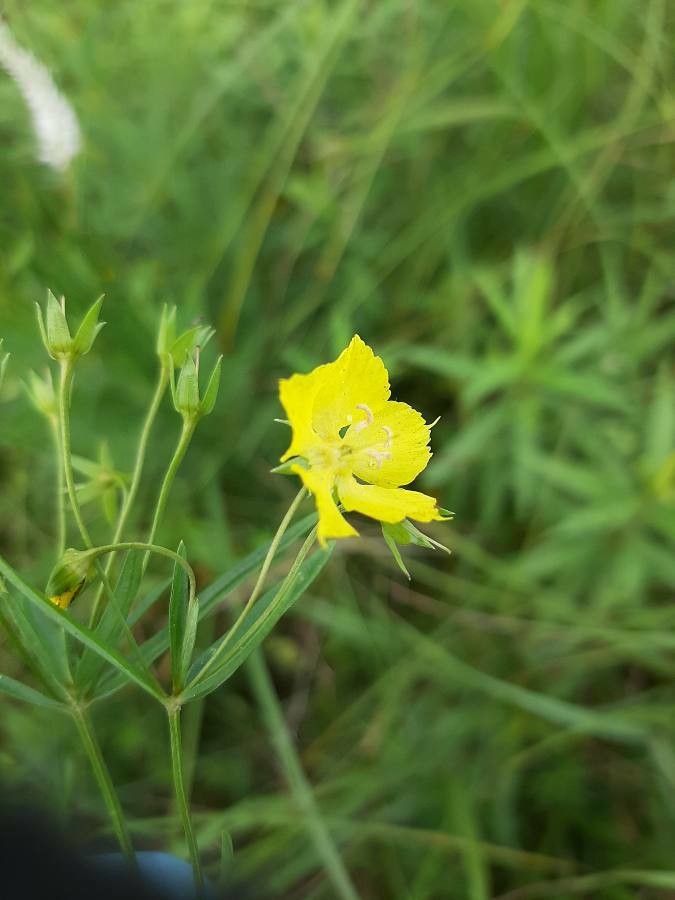
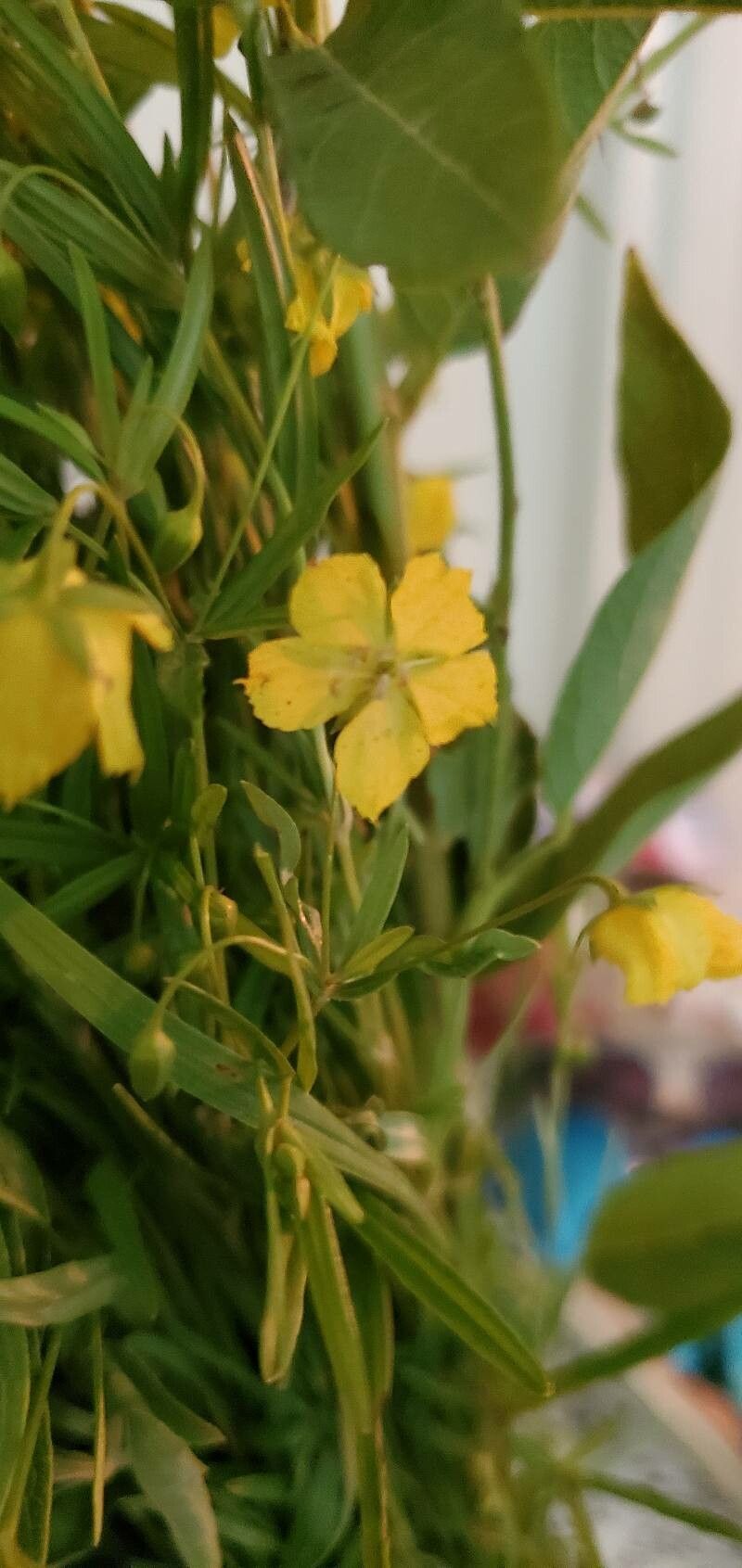
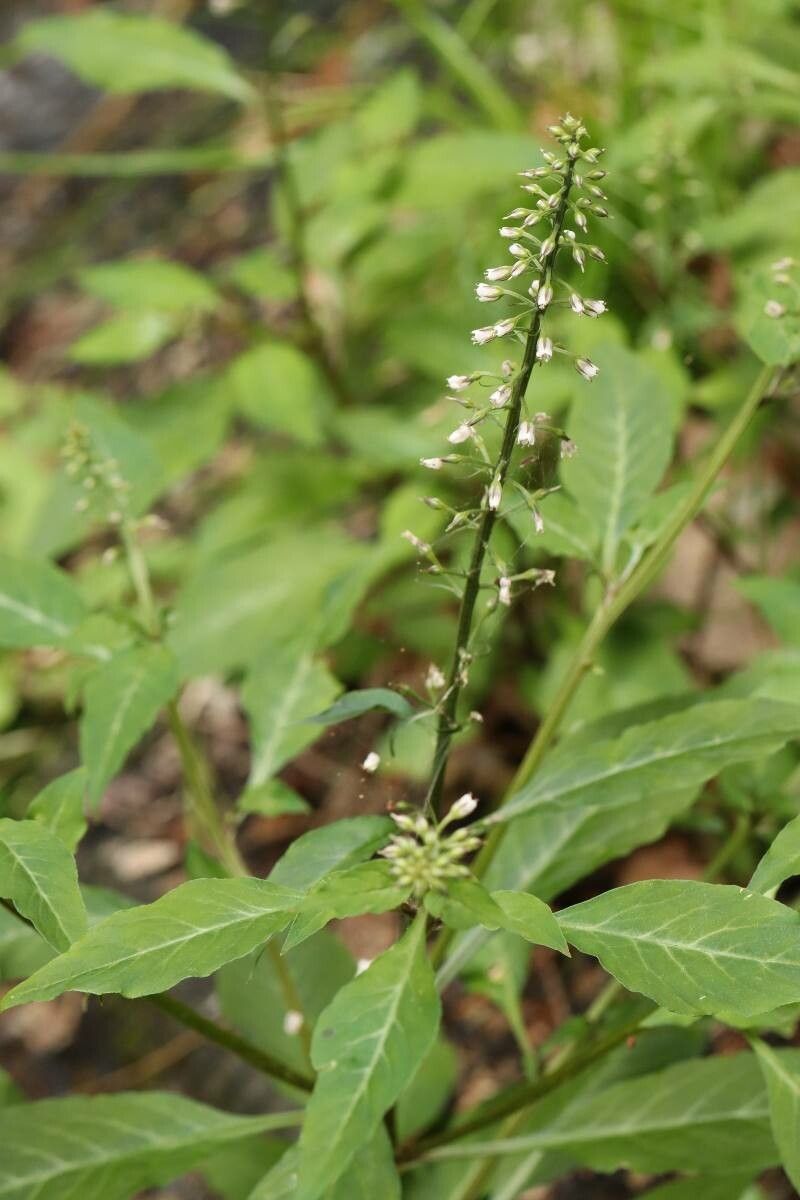
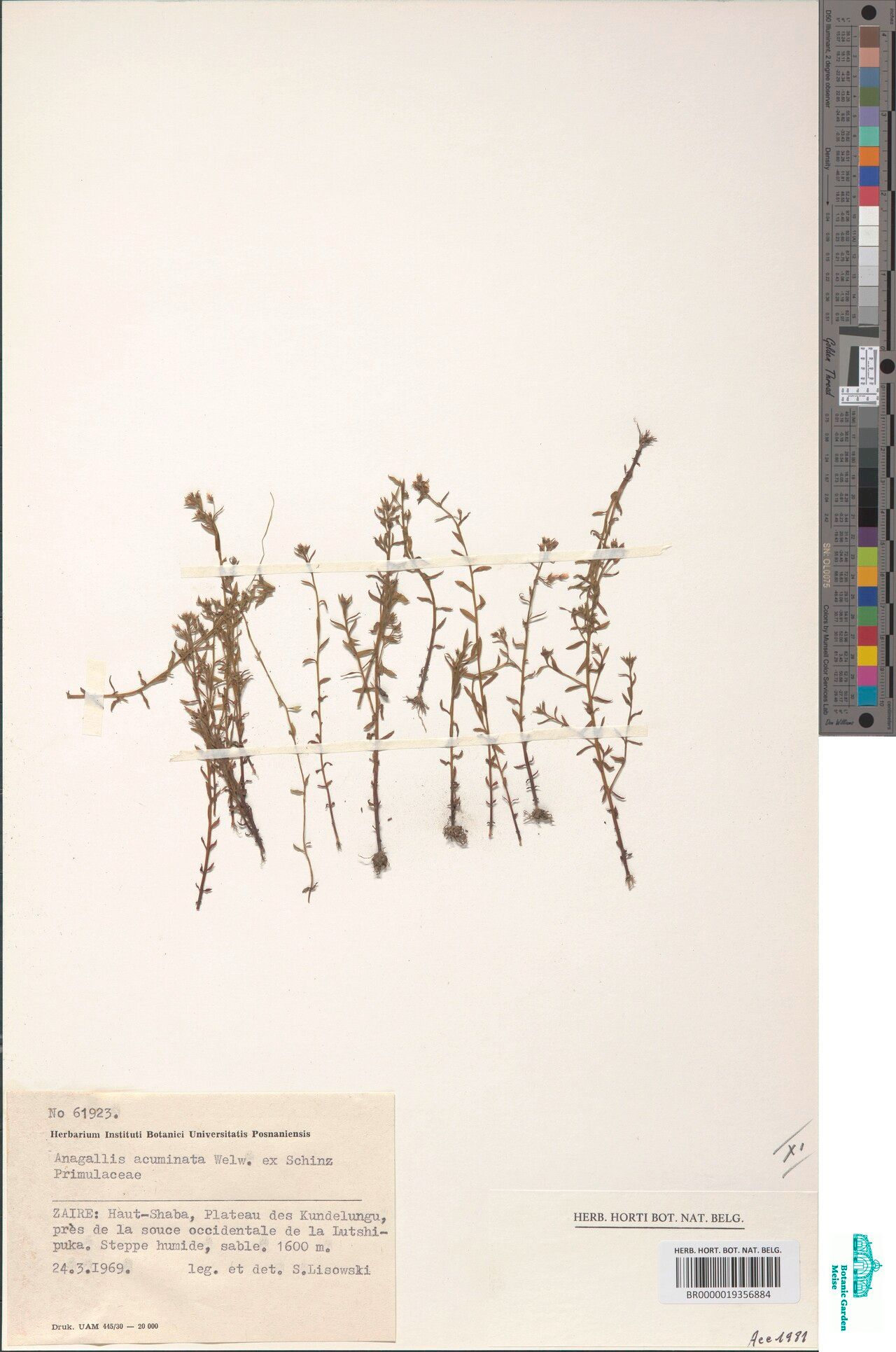
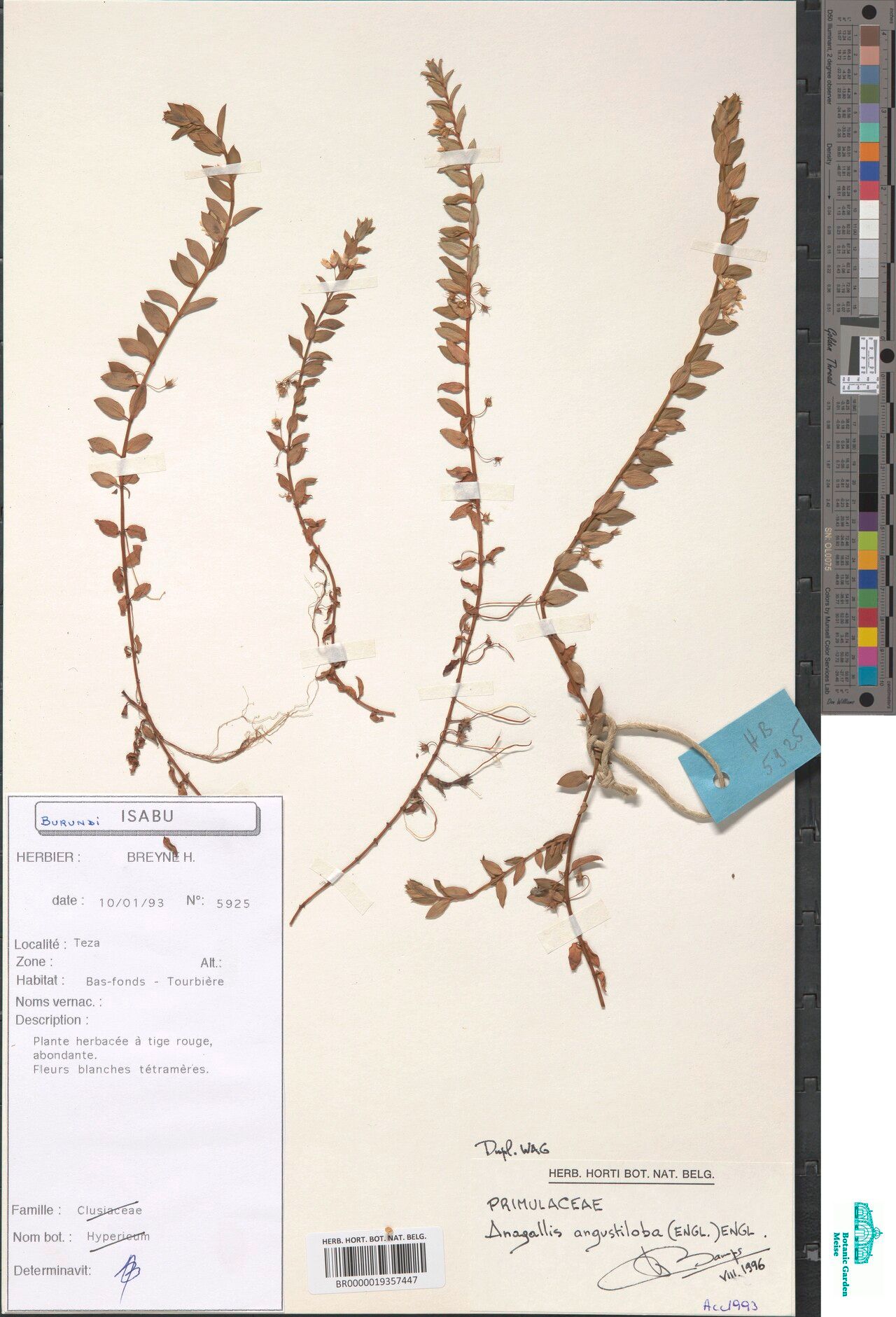
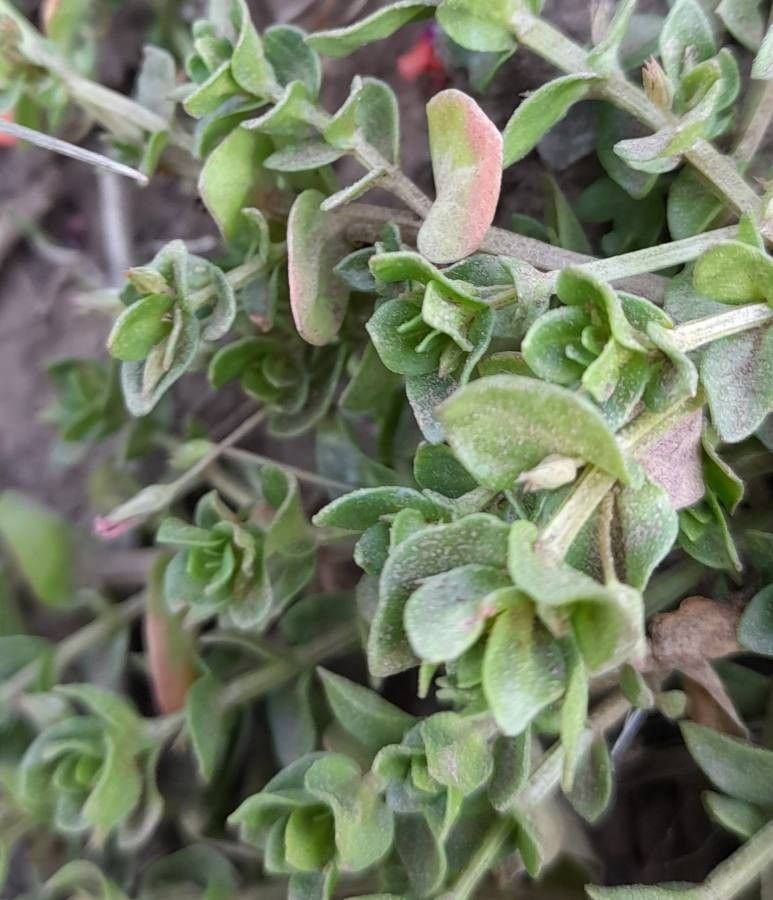
Lysimachia quadriflora, the fourflower yellow loosestrife, is a species of herbaceous plant in the family Primulaceae. It native to the eastern United States and Canada.
Fourflower yellow loosestrife is relatively resistant to disease and is generally not easily affected by illnesses. However, it can be vulnerable to pests and diseases present in its surroundings. These infections are typically mild. In terms of care, the plant requires moderate maintenance. Regular pruning is needed to keep a neat appearance and support healthy growth. Fertilizing can also encourage better flowering. Fourflower yellow loosestrife is suitable for anyone with outdoor space, such as a garden or patio, and does not demand extensive care experience. It may need more attention when grown indoors.
How to keep Lysimachia Quadriflora.
Light
The fourflower yellow loosestrife performs best in strong sun for most of the day, although it can adjust to situations with less sunlight. Its growth is boosted by plentiful light, reflecting its native, brightly lit habitat. However, too much or too little light may potentially damage the plant.
Water
The fourflower yellow loosestrife originates from moist meadows and thrives in wetland-like conditions. Once established, it becomes moderately drought-tolerant. For optimal growth and health, it's important to water the plant weekly to maintain soil moisture, especially during the growing season. This promotes vigorous flowering and robust health.
Temperature
Fourflower yellow loosestrife is native to habitats where temperatures range from 32 to 77°F (0 to 25 ℃). It prefers these moderate conditions and may require suitable adjustments when seasonal temperatures become extremely hot or cold.
Fertilizer
The best time to fertilize Fourflower yellow loosestrife is in early spring, as it is coming out of dormancy and starting active growth. Fertilization supplies essential nutrients for healthy development. Although Fourflower yellow loosestrife has relatively low fertilizer requirements, applying fertilizer once a year can improve its survival and encourage better, longer-lasting blooms.
Pruning
Fourflower yellow loosestrife flourishes when its vibrant yellow flowers are properly maintained. To promote health and shape, the plant should be pruned from early to late spring. Be sure to cut back stems and remove any dead ones to encourage flowering. After the blooming period, it's important to prune the plant to control seed dispersion. Additionally, always sterilize your tools to prevent disease and maintain a tidy appearance for your plants.
Botanical profile.
- Plant Type
- Herb
- Life Cycle
- Perennial
- Genus
- Lysimachia
- Family
- Primulaceae
- Hardiness Zone
- 3
- Mature Height
- 30 cm to 91 cm
- Mature Spread
- 30 cm to 61 cm
- Leaf Color
- Green
- Leaf Type
- Semi-evergreen
- Flower Color
- Yellow
- Flower Size
- 1.02 cm to 2.03 cm
- Bloom Time
- Summer
- Planting Time
- Spring, Autumn
- Harvest Time
- Late summer, Early fall, Mid fall
Other names.
Reader questions.
How frequently should I water my Fourflower yellow loosestrife?
If your Fourflower yellow loosestrife plant is in a pot, the most precise way to check if it needs water is by sticking your finger into the soil. If the top two to three inches of soil are dry, it's time to water it. If you're growing the Fourflower yellow loosestrife outdoors in the ground, you can use a similar method to test the soil. Again, when the top few inches of soil are dry, it's time to water. During spring and early fall, you'll likely need to water this plant about once a week using this method. When the weather gets extremely hot, you may need to increase the watering frequency to about twice a week or more. However, mature and well-established Fourflower yellow loosestrife plants can often tolerate drought well.
What kind of sunlight does Fourflower yellow loosestrife require?
Fourflower yellow loosestrife is a plant that requires full sun on a daily basis. To maintain healthy leaves, roots, and blooms, these plants need at least six hours of sunlight. While many perennials also require six hours of sun each day, there are exceptions such as the Orange Daylily or Giant Coreopsis. These plants can survive with only three hours of sunlight, but they will not thrive as well as they would in sunnier conditions.
Does the Fourflower yellow loosestrife plant require varying temperatures for different seasons?
To maintain optimal growing conditions for Fourflower yellow loosestrife, it is crucial to maintain a consistent temperature in your growing area, regardless of the season. If you live in an area with extreme winters or hot summers, it is recommended to bring your plants indoors. This allows you to create a cool environment where the plants can thrive. However, if you choose to keep them outside, closely monitor the temperature. In particularly hot summers, ensure that the temperature does not exceed 85℉ (30℃) as this can quickly dehydrate and damage the plants, ultimately leading to their demise.
How do I water my Fourflower yellow loosestrife at different times of the year?
The Fourflower yellow loosestrife has different water needs depending on the season. In the hottest months of the year, it requires the most water. During this time, you may need to water the plant more than once per week if the soil is drying out quickly. On the other hand, in winter, the plant goes into a dormant phase and needs much less water. In fact, you may not need to water it at all during this time. If you choose to water it during winter, you should do so no more than once per month to avoid the risk of disease.
Can the sun harm Fourflower yellow loosestrife? How can we keep Fourflower yellow loosestrife safe from sunlight and heat damage?
In warm climates, some Perennial Flowering Plants may struggle with excessive heat and suffer from sun damage. They can wilt, dry out, or even experience growth problems if they are consistently exposed to the intense afternoon sun. However, not all plants require protection from the light afternoon sun. For those that are harmed by intense afternoon exposure, it is recommended to provide them with some shade in warmer climates. Gardeners can achieve this by planting these plants in areas that do not receive direct heat during the afternoon, such as under trees or behind bushes.
What temperature is best for Fourflower yellow loosestrife?
Fourflower yellow loosestrife thrives in cooler weather and has an optimum temperature range for maximum growth. To ensure the plant's health, it is recommended to keep the temperature between 65-75℉ (18-25℃). Although Fourflower yellow loosestrife can tolerate higher and lower temperatures, it is best to maintain a range close to 65-75℉ (18-25℃). If it is not possible to maintain this exact range, the plant will still continue to grow, but extreme temperatures can cause damage or hinder growth. For higher temperatures, aim for a range of 75-85℉ (25-30℃), while on the lower end, the plant can withstand temperatures as low as 5℉ (-15℃). Monitoring the upper temperature range is crucial as Fourflower yellow loosestrife prefers cooler environments. Allowing the temperature to exceed 85℉ (30℃) may slow down growth and potentially lead to the plant's demise.
How should I water my Fourflower yellow loosestrife plant?
When watering the Fourflower yellow loosestrife, it is recommended to use filtered water at room temperature. Tap water may have particles that are harmful to the plant, so filtered water is better. The water should be at room temperature or slightly warmer because the plant is used to a warm environment and cold water can be a shock to its system. It's best to avoid overhead watering as it can cause problems with the foliage. Instead, simply apply the filtered room temperature water directly to the soil until it is completely soaked. This will benefit the plant by moistening the roots and helping them spread through the soil to gather nutrients.
Should I keep Fourflower yellow loosestrife away from the sun?
Certain perennial plants require ample sunlight to reach their maximum bloom. However, in warmer climates, some of these plants actually benefit from less sun. For instance, individuals residing in hotter regions might find it beneficial to shade their flowering perennials during the intense afternoon sun, especially during summer months. Although many perennial flowering plants prefer partial shade in the hottest climates, there are exceptions. Take the Giant Coreopsis, for example, as it is not bothered by excessive sun exposure. These plants can flourish even when placed in the full sun during scorching weather.
Does Fourflower yellow loosestrife need different temperatures at different stages of growth?
To ensure the healthy growth of Fourflower yellow loosestrife, it’s crucial to maintain a growing space temperature of 65-75℉ (18-25℃). It's best to stay on the colder side of this range, but be careful not to go below -5℉ (-20℃). Extremely cold temperatures can slow down the growth of Fourflower yellow loosestrife, but hot temperatures are even more harmful. If the temperature is too high during the budding stage, the plant may not flower at all.
What should I do if I give my Fourflower yellow loosestrife too much or too little water?
Overwatering is a more common issue than underwatering for the health of your Fourflower yellow loosestrife. When this plant receives too much water, its stems and leaves may wilt and turn yellow. Overwatering for a long time can also cause diseases like root rot, mold, and mildew, which can kill your plant. Underwatering is less likely but still possible for this plant, and it causes brittle and brown leaves. It's important to notice signs of overwatering early because some diseases, like root rot, may be irreversible if you wait too long. If you see signs of overwatering, reduce your watering schedule and check the quality of the soil. If the soil doesn't drain well, replace it with a loose, well-draining potting mix. If you notice signs of underwatering, water your plant more regularly until the signs subside.
What happens if Fourflower yellow loosestrife doesn't get enough sunlight?
If you are growing Fourflower yellow loosestrife and it isn't getting enough sunlight, you will see signs that the plant's needs are not being met. The number of blooms produced by most plants will be lower compared to those in full sun. Some plants may have dry spots on their leaves, but they will still bloom even with inadequate sunlight. However, the flowers will be smaller and less vibrant.
Here are three tips for managing the temperature of Fourflower yellow loosestrife.
Here are some tips for growing Fourflower yellow loosestrife indoors: Tip #1: Choose the coldest room: When growing Fourflower yellow loosestrife indoors, select the coldest room in your home. This room should be away from direct sunlight during the hottest part of the day, but still receive a good amount of sunlight. No sunlight can hinder growth. Tip #2: Watch out for high temperatures: During the growing season (spring and early summer), high temperatures can negatively affect Fourflower yellow loosestrife. This can cause flowering buds to become non-flowering, partially opening, or not opening at all. Keep the temperature between 65-75℉ (18-25℃) for optimal flowering. Tip #3: Protect from frost: Although Fourflower yellow loosestrife can handle temperatures as low as -5℉ (-20℃), it cannot withstand significant frost. If exposed to cold temperatures in late fall or winter, the plant will show signs of frost damage. These signs include wilting, discoloration, and eventually turning brown or black. Remove any damaged parts to keep the plant alive.