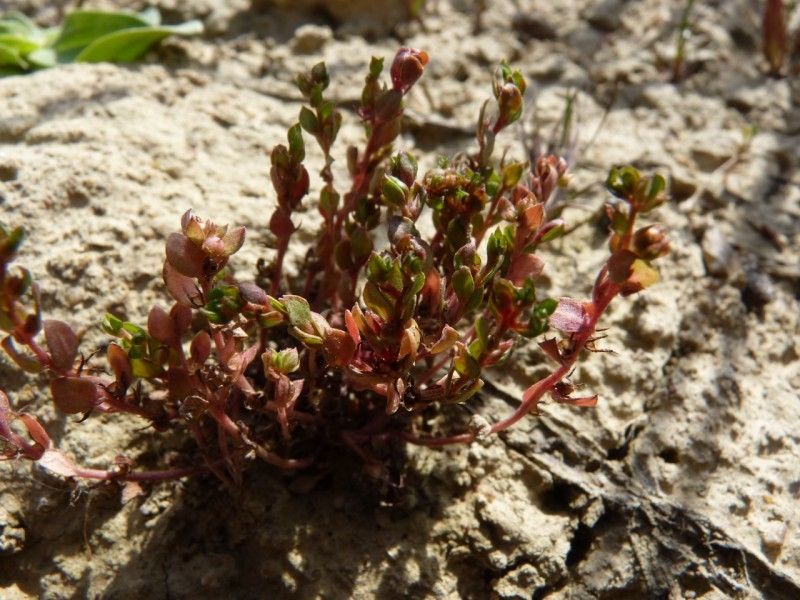
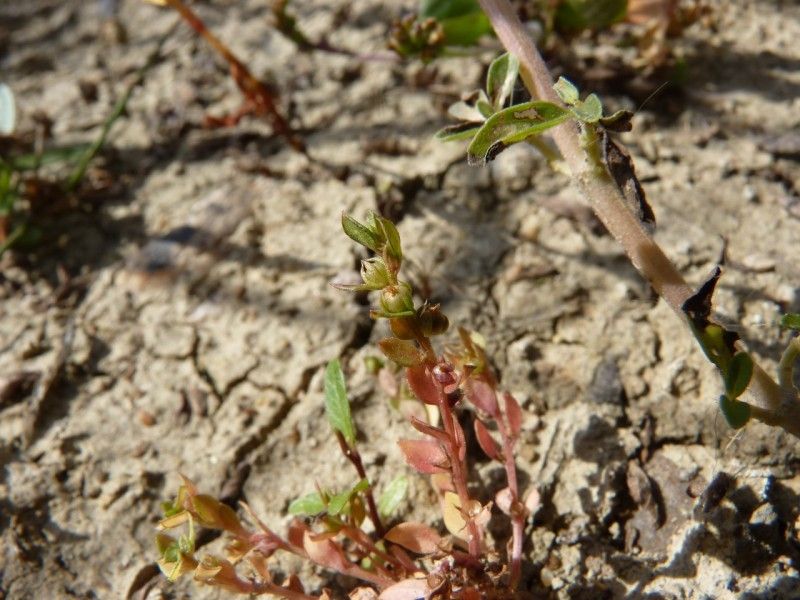
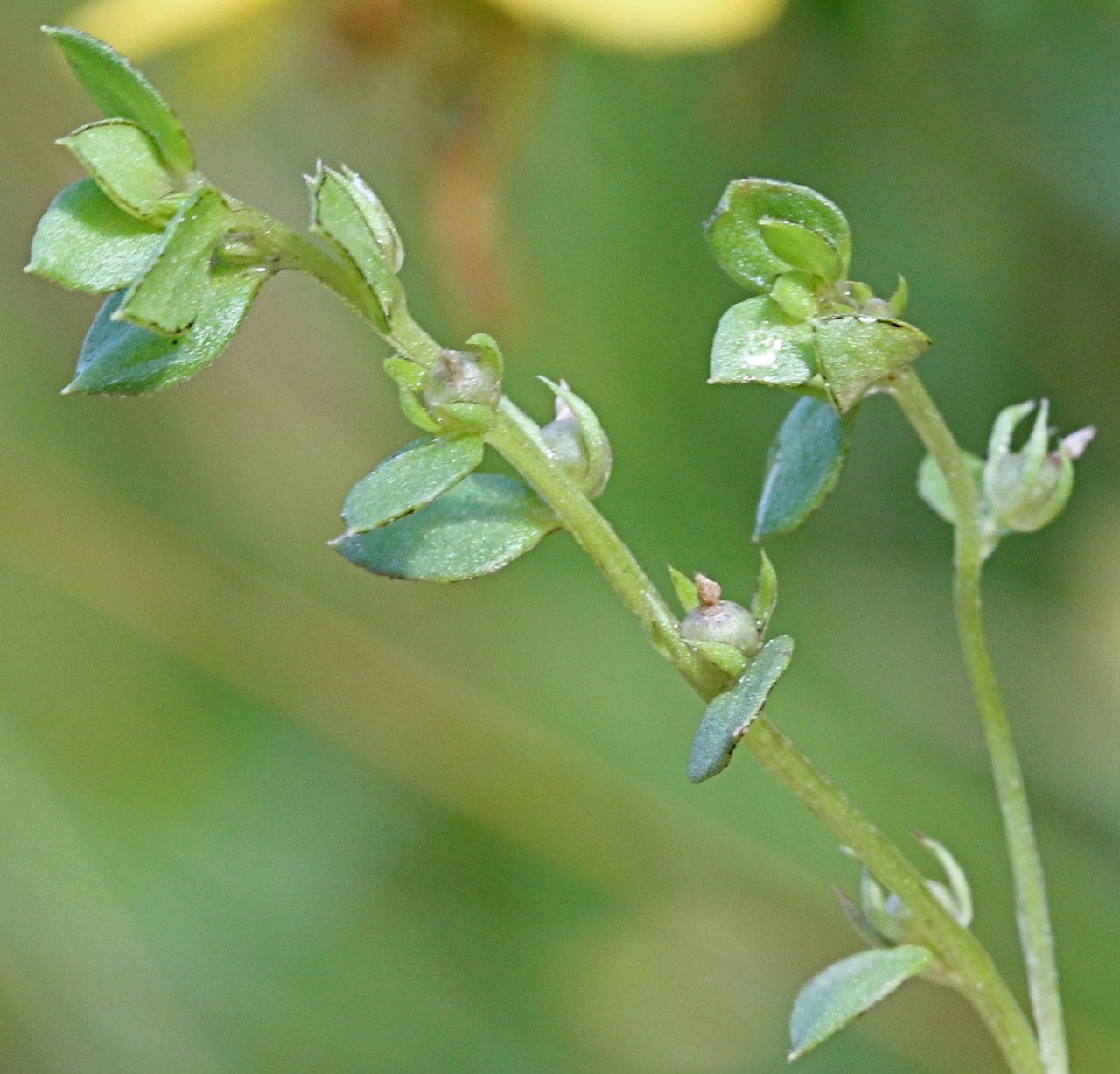
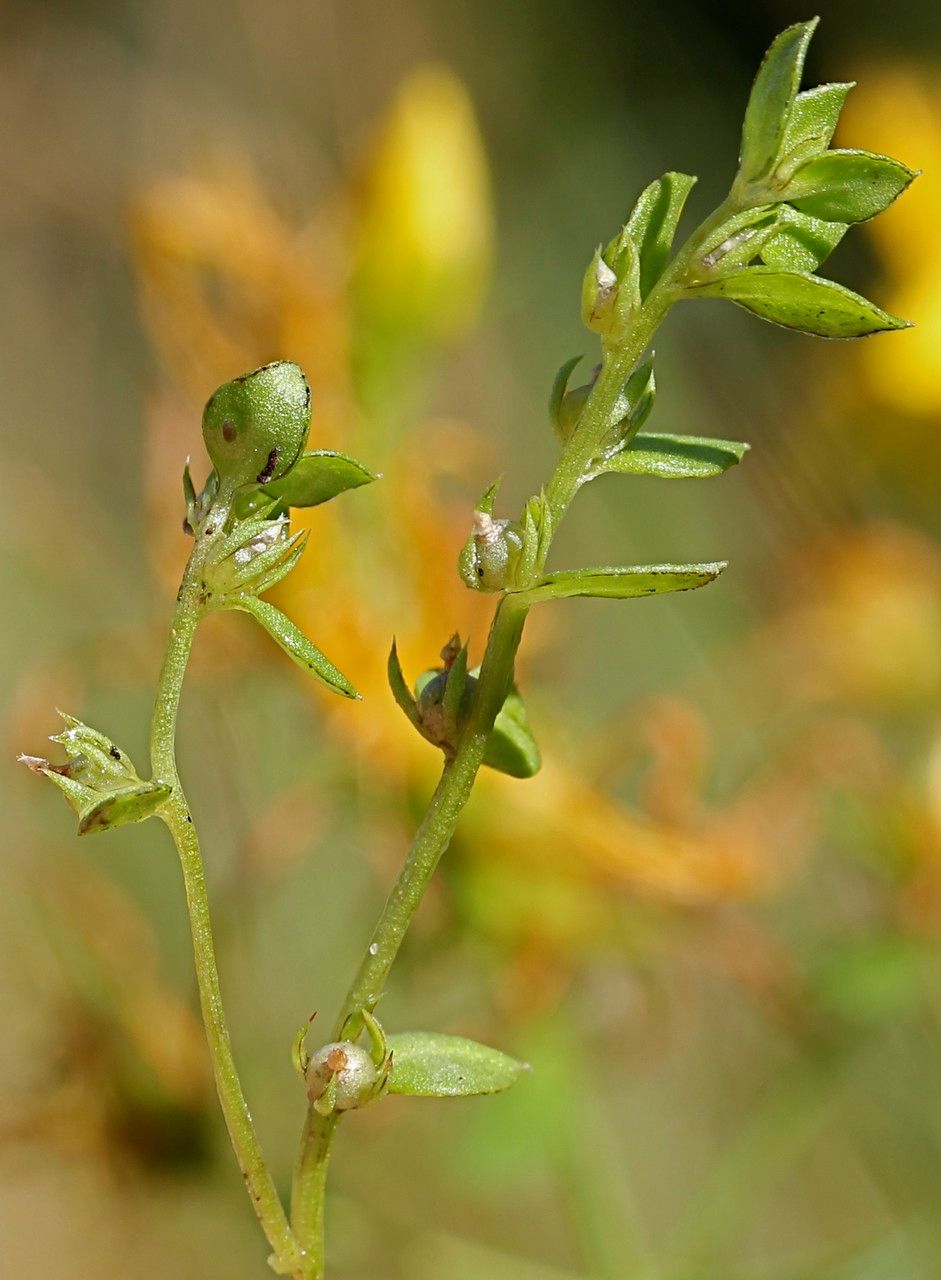
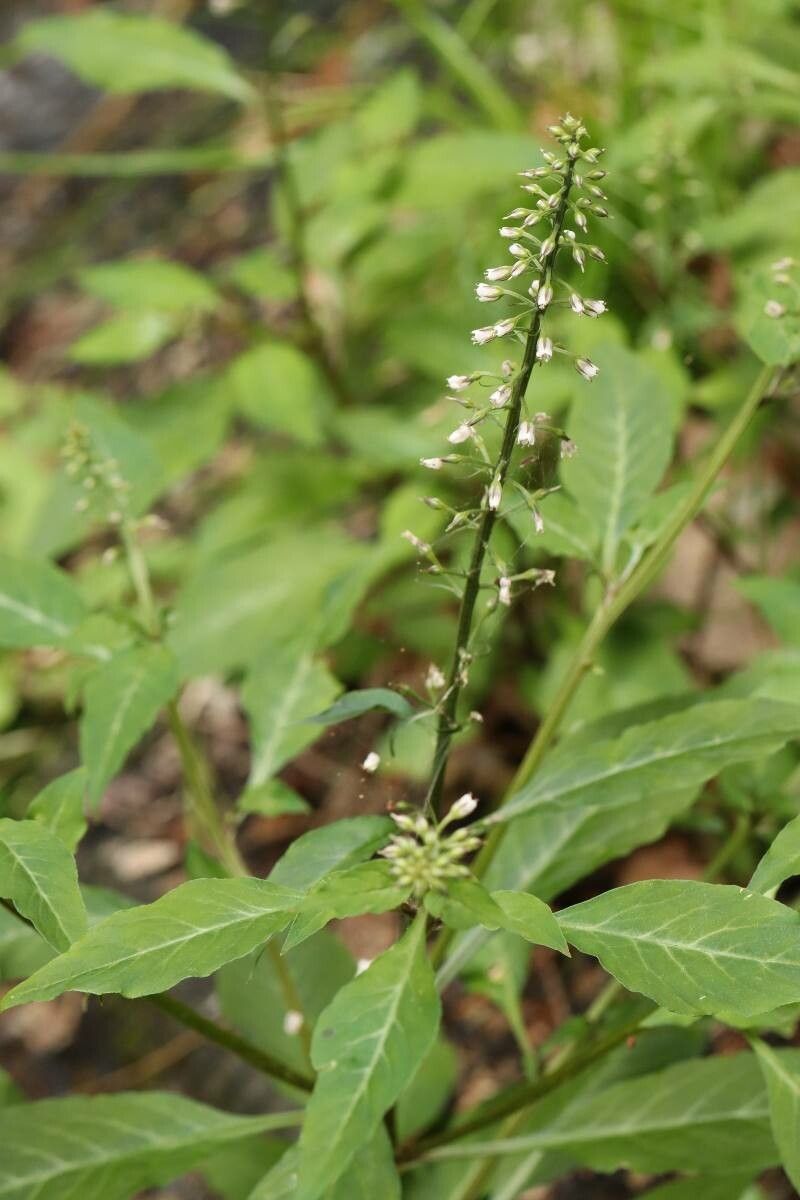
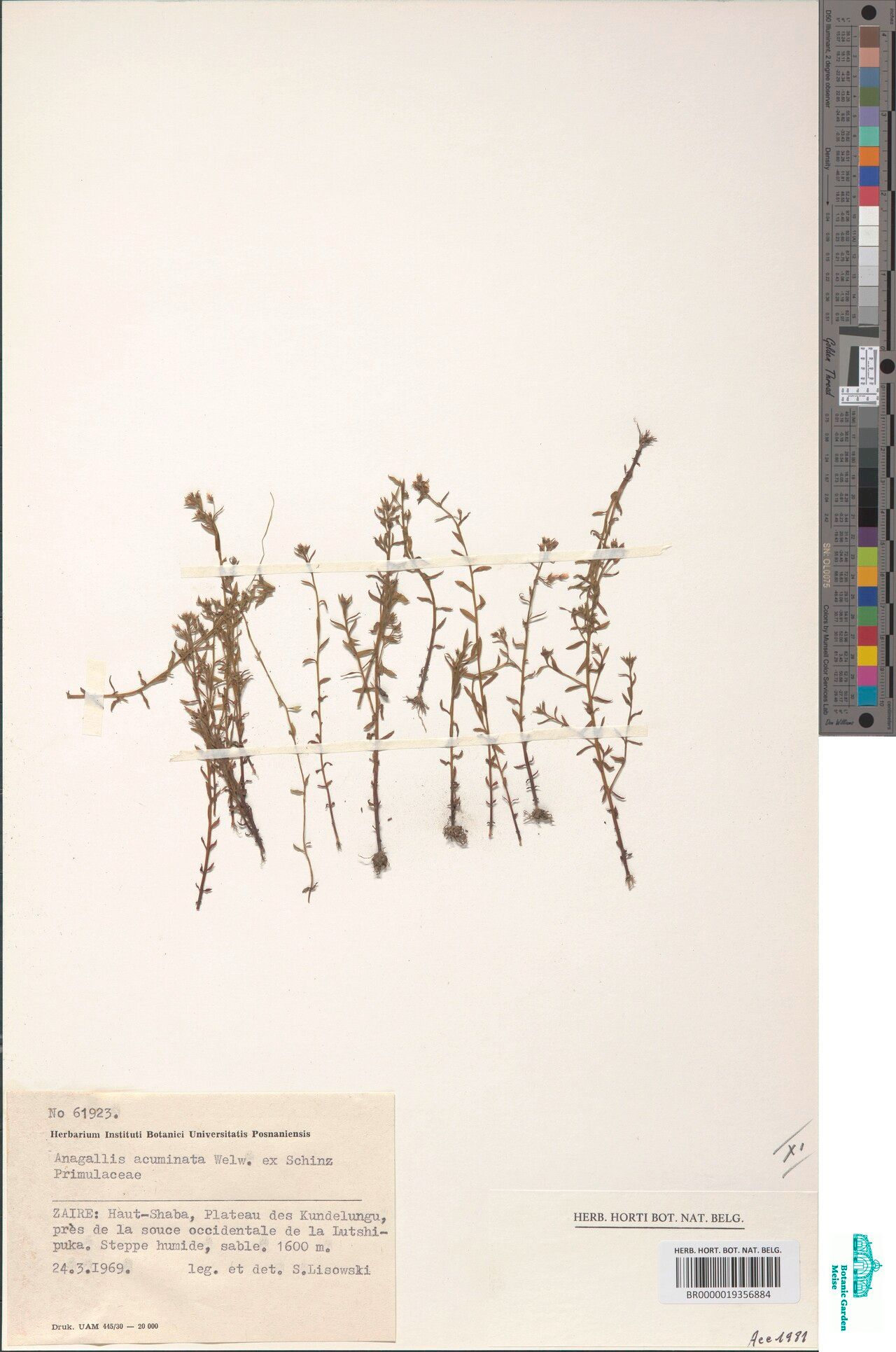
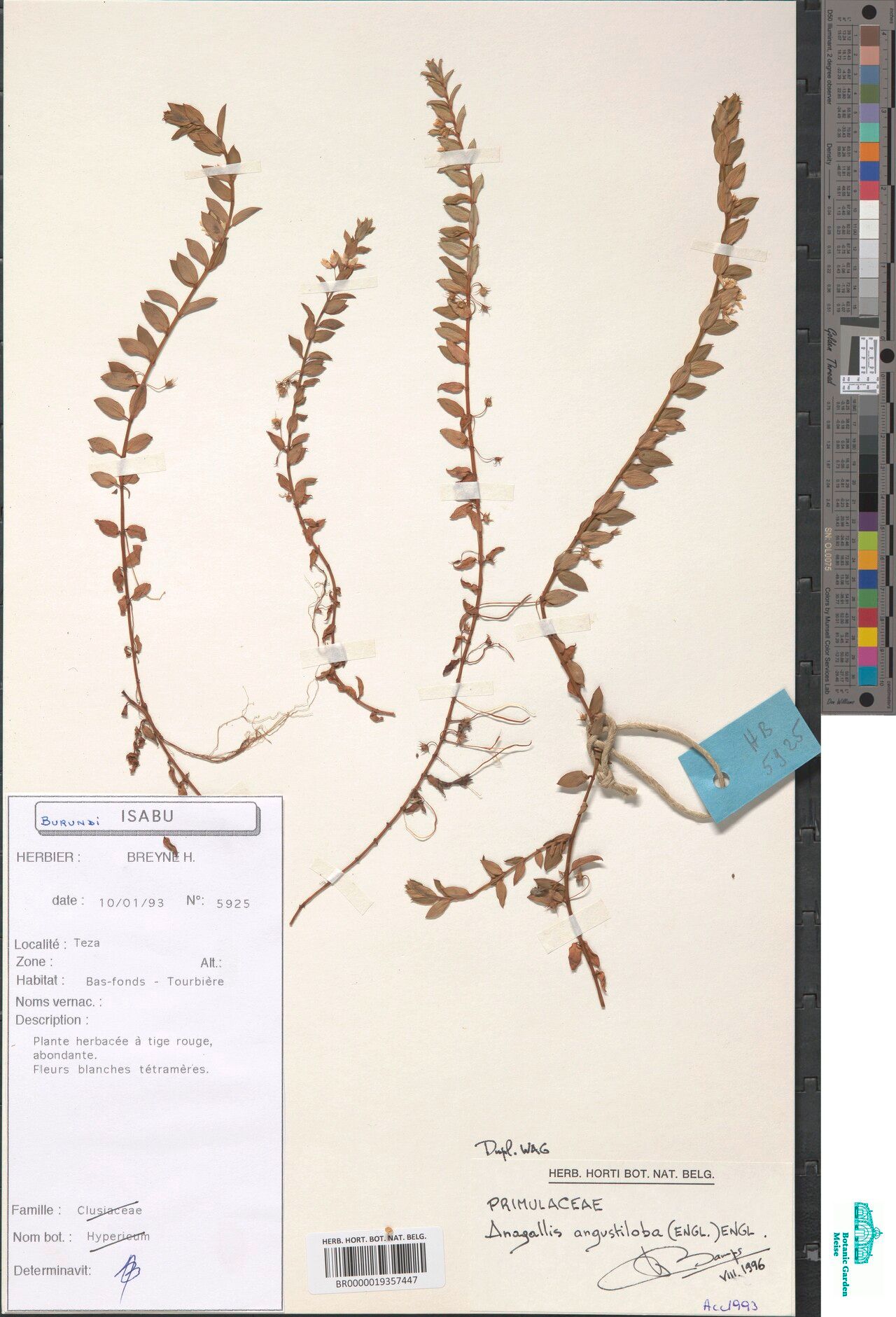
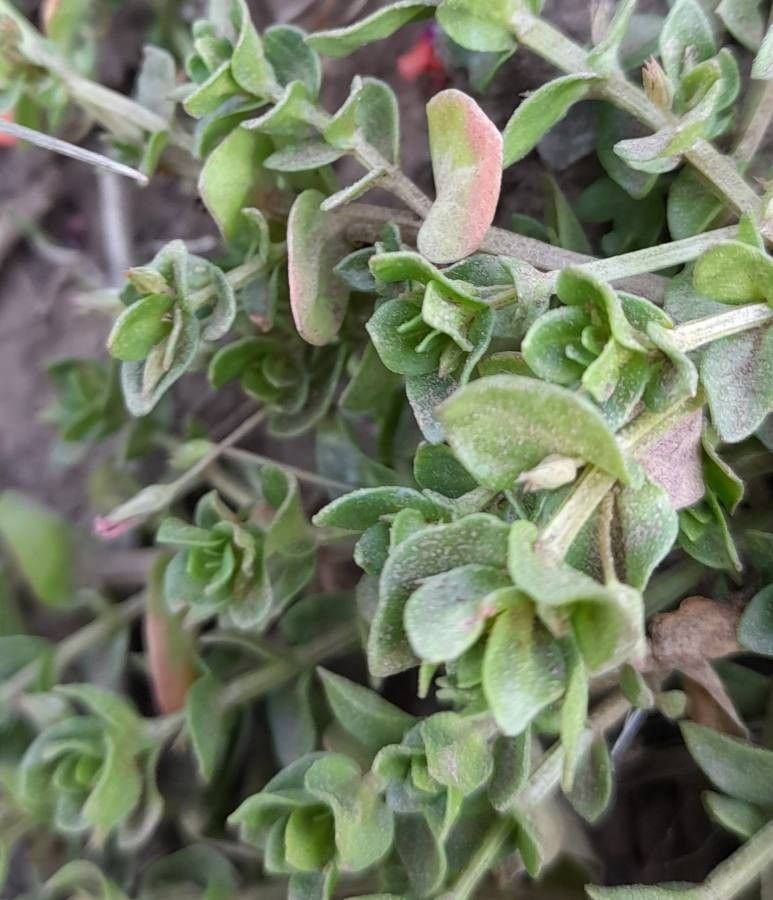
Lysimachia minima (chaffweed) is a 1-4 inch (2–10 cm) perennial herb in the primula family (Primulaceae). A cosmopolitan species, this small plant is native widely across North America and Eurasia. It can be found growing in moist soils and seasonal pools.
Chaffweed has good resistance to disease and is generally not prone to illness. However, it can be vulnerable to pests and diseases present in its environment. These problems are generally mild. Regarding care, this plant needs a moderate level of maintenance. Regular pruning is required to keep it looking tidy and to support healthy growth. Fertilizing can also encourage flowering. Chaffweed is well suited for people with outdoor areas like a garden or patio and does not demand extensive care experience. It may need more attention when grown indoors.
How to keep Lysimachia Minima.
Light
The chaffweed flourishes when it gets abundant daylight, although it can adjust to places with less consistent sun. It comes from habitats where sunlight is plentiful. Excessive exposure can cause wilting, while insufficient light may hinder its optimal growth.
Water
Chaffweed thrives in the high humidity typical of tropical rainforests. To keep it healthy, it requires weekly watering and prefers a consistent level of moisture. As an evergreen plant, chaffweed maintains its leaves throughout the year and needs regular watering, even during its dormant periods.
Temperature
Chaffweed grows best in its native habitat at temperatures of 68 to 95 °F (20 to 35 ℃). It prefers moderately warm conditions. Seasonal adjustments may be needed to maintain chaffweed content, and close monitoring is advised during extreme temperature shifts.
Fertilizer
Chaffweed responds well to regular, dilute applications of fertilizer to encourage healthy leaf development. You should feed Chaffweed roughly once a month throughout the summer. Nitrogen is important for foliage, and providing nitrogen-rich inputs helps Chaffweed prosper.
Pruning
To ensure healthy growth and better air circulation, it's important to prune chaffweed from early to late spring, concentrating on removing any dead or damaged stems. Pinching the tips encourages the plant to become bushier and prevents it from becoming leggy. After the chaffweed has finished flowering, prune it again to maintain its shape. Always use clean, sharp tools during pruning to prevent the spread of disease.
Botanical profile.
- Plant Type
- Herb
- Life Cycle
- Annual
- Genus
- Lysimachia
- Family
- Primulaceae
- Hardiness Zone
- 3-10
- Mature Height
- 3 cm to 10 cm
- Mature Spread
- 3 cm to 8 cm
- Leaf Color
- Light Green
- Leaf Type
- Evergreen
- Flower Color
- Yellow
- Flower Size
- 0.10 cm to 0.20 cm
- Bloom Time
- Early summer, Mid summer
- Planting Time
- Spring, Summer, Autumn
- Harvest Time
- Late summer, Early fall
- Native Area
- Somalia, Sweden, Austria, Slovakia, Croatia, Belarus, Russia, Germany, Cameroon, Estonia, Ethiopia, Romania, Latvia, Belgium, Netherlands, Portugal, France, Tunisia, Czech Republic, Bulgaria, Poland, Greece, Ukraine, Lithuania, Norway, Italy, Spain, Switzerland, Denmark, Finland, Albania, Ireland, United Kingdom, Hungary, Algeria
Other names.
Reader questions.
What should I do if I give my Chaffweed too much or too little water?
Underwatering Chaffweed can be fixed by simply watering it more regularly when you notice it lacks moisture. On the other hand, overwatering is a more serious problem that can lead to diseases and death if not addressed promptly. To prevent overwatering, choose a suitable location for your Chaffweed that gets plenty of sunlight to dry the soil and has good drainage to prevent water from pooling. If your Chaffweed is in a pot and has been overwatered, it may be necessary to transfer it to a new pot with proper drainage. When repotting, make sure to use loose soils and a pot that can efficiently drain excess water.
What kind of sunlight does Chaffweed require?
The Chaffweed thrives in full sunlight, so it's important to avoid overcrowding them to ensure they receive even sun exposure. It's crucial not to deprive their leaves of sunlight. If you plant them in pots, make sure to place them in windows with direct sun to ensure they receive full sunlight throughout the year. They don't perform well in partial or filtered light, as it weakens their stems and affects the health of their flowers. It's ideal for the Chaffweed to always be exposed to the sun.
What temperature does Chaffweed like the best?
The best temperature for Chaffweed depends on the time of year. There are two primary seasons to consider: the growing season and the dormancy season. During the growing season, which is when Chaffweed starts sprouting, the ideal temperature range should be between 65-80℉ (18-27℃). If it gets colder than 15℉ (-10℃), the plant will suffer and its leaves may turn brown and wilt. However, if it's just a brief cold snap, Chaffweed might be able to survive with some assistance. In the warmer parts of the year, it's important to protect Chaffweed from excessively high temperatures. The maximum tolerated range for this plant is 95-105℉ (35-40℃). Anything above that can damage the foliage and blooms, leading to wilting, drooping, and even sunburn. Chaffweed may struggle to recover from these effects. Fortunately, there are several quick and easy ways to address this issue.
How should I water my Chaffweed as it grows?
Chaffweed goes through different stages of growth throughout the year, with varying water needs. To begin, when starting Chaffweed from a seed, it's important to provide extra water during germination. This means watering frequently to keep the soil consistently moist. After a few weeks, when the Chaffweed emerges from the soil, it will require slightly less water compared to the seedling phase. Once the plant reaches maturity, a regular watering frequency of about once per week is sufficient. During the flower development stage, a little more water might be required to support the process.
Can the sun damage plants? How can I protect Chaffweed from damage caused by sunlight and heat?
When the temperature rises above 90℉(32℃), the Chaffweed can be damaged by the extreme heat, especially if it is exposed to the sun for many hours. To protect the plants, it is best to provide shade in the afternoon during summer. It is important to remember that sunlight in the summer is stronger and lasts 50% longer compared to winter. If the Chaffweed is being stressed by too much sunlight, it is recommended to ensure they have enough water. Water the plants when the top 2 inches of soil is dry, and consider moving them indoors if it is too hot outside, particularly if they are in containers. It is normal for the plant leaves to wilt during the day, but they usually recover overnight. However, if you notice that the Chaffweed is still droopy, it means the plant is losing water quickly and needs to be watered.
How can I keep Chaffweed safe from very hot or cold temperatures?
If cold temperatures below 15℉(-10℃) happen during the growing season, there are a couple ways to protect Chaffweed from frost or cold damage. If it's in a container, bring it inside with bright, indirect light until temperatures go above the lower threshold. If Chaffweed is planted in the ground, you can use mulch or horticultural fabric to create a barrier and shield it from frost and cold wind. On the other hand, if the temperatures exceed 80℉(27℃) in the shade during the day, be cautious about exposing Chaffweed to more than six hours of sunlight per day. It's best to do this in the morning hours. Using shade cloth or plastic mesh can help limit the amount of direct sunlight the plant receives during the hottest parts of the day. Additionally, setting up a misting system around the base of the plant can release cooling mist throughout the day, lowering ground temperatures.
Should I make sure that Chaffweed doesn't get too much sun?
The Chaffweed thrives in sunlight and is even attracted to it, as some species are heliotropic. It is recommended to plant them in south-facing gardens to ensure they receive sun exposure from morning to afternoon. However, it is possible for some Chaffweed plants to experience sunburn, so it is advisable to protect them from the intense afternoon and midday sun with the shade of a tree or a wall. Growing Chaffweed in shady areas is not feasible because the larger flowers require ample energy to grow and blossom. For optimal results, always ensure the Chaffweed is placed in an area with full sun and provide appropriate lighting conditions.
Does Chaffweed require specific attention to sunlight at different stages of its growth?
Chaffweed plants require more light during their growth period compared to when they are fully mature. However, it is important to provide younger plants with just the right amount of light, as they may not be accustomed to sudden exposure to full sunlight, particularly if they have been grown in a nursery. These younger plants can be more sensitive to the intense summer sun, so it is best to gradually and slowly increase their exposure to light.
Are there any warnings or advice for being in the sun and dealing with Chaffweed?
When transplanting the plants, avoid exposing them to sudden sunlight. Allow the Chaffweed to grow and mature before moving them outside. Some herbaceous plants can grow tall and create shade, so make sure they don't overshadow other young plants. Wait for 80 to 100 days of growing season before planting another batch to ensure every plant gets at least 6 hours of sunlight daily. When planting Chaffweed in a nursery, prioritize providing the best possible light. Although these plants love the sun, excessive heat can harm their growth. If possible, replace indoor lights with natural sunlight since these plants need it daily.