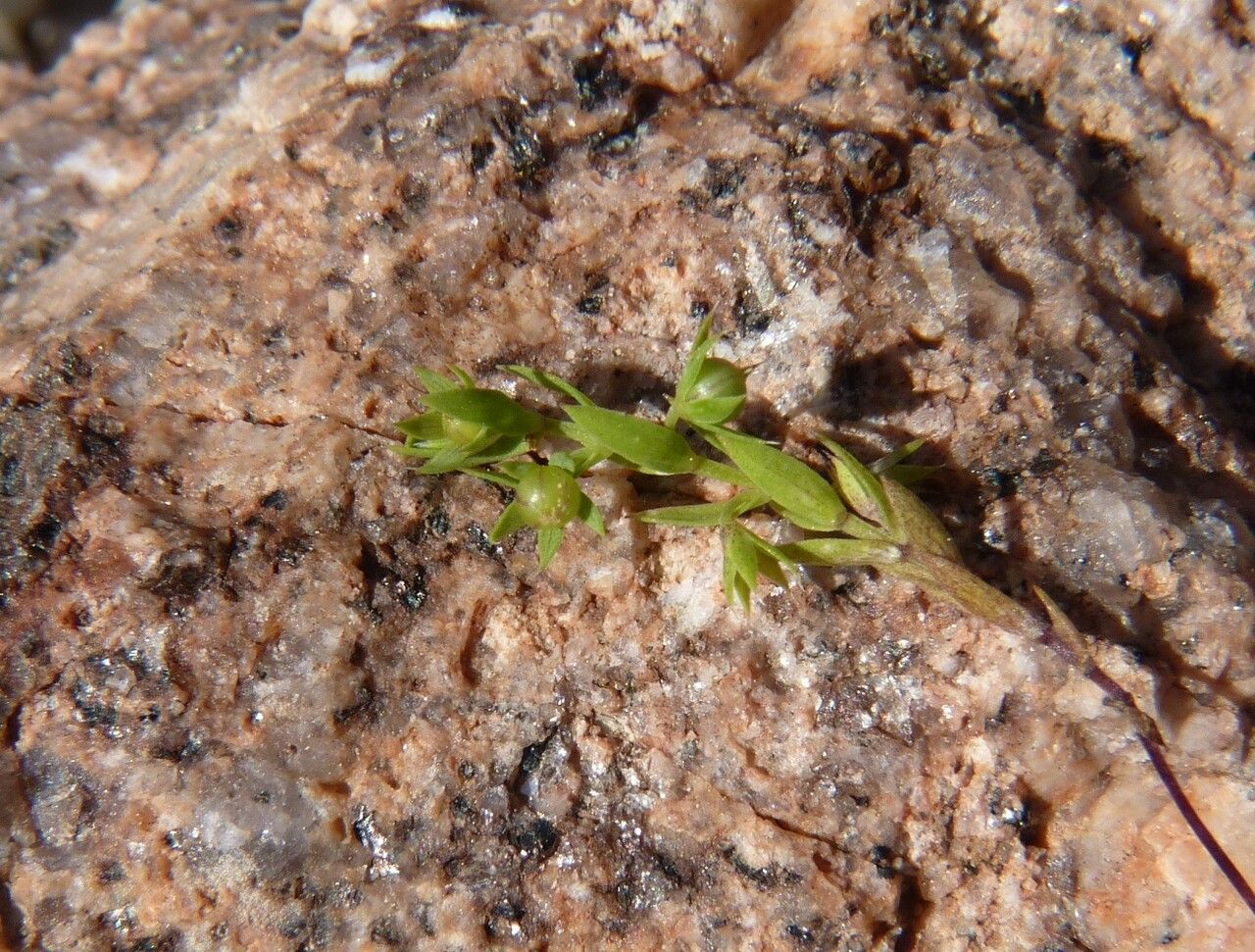
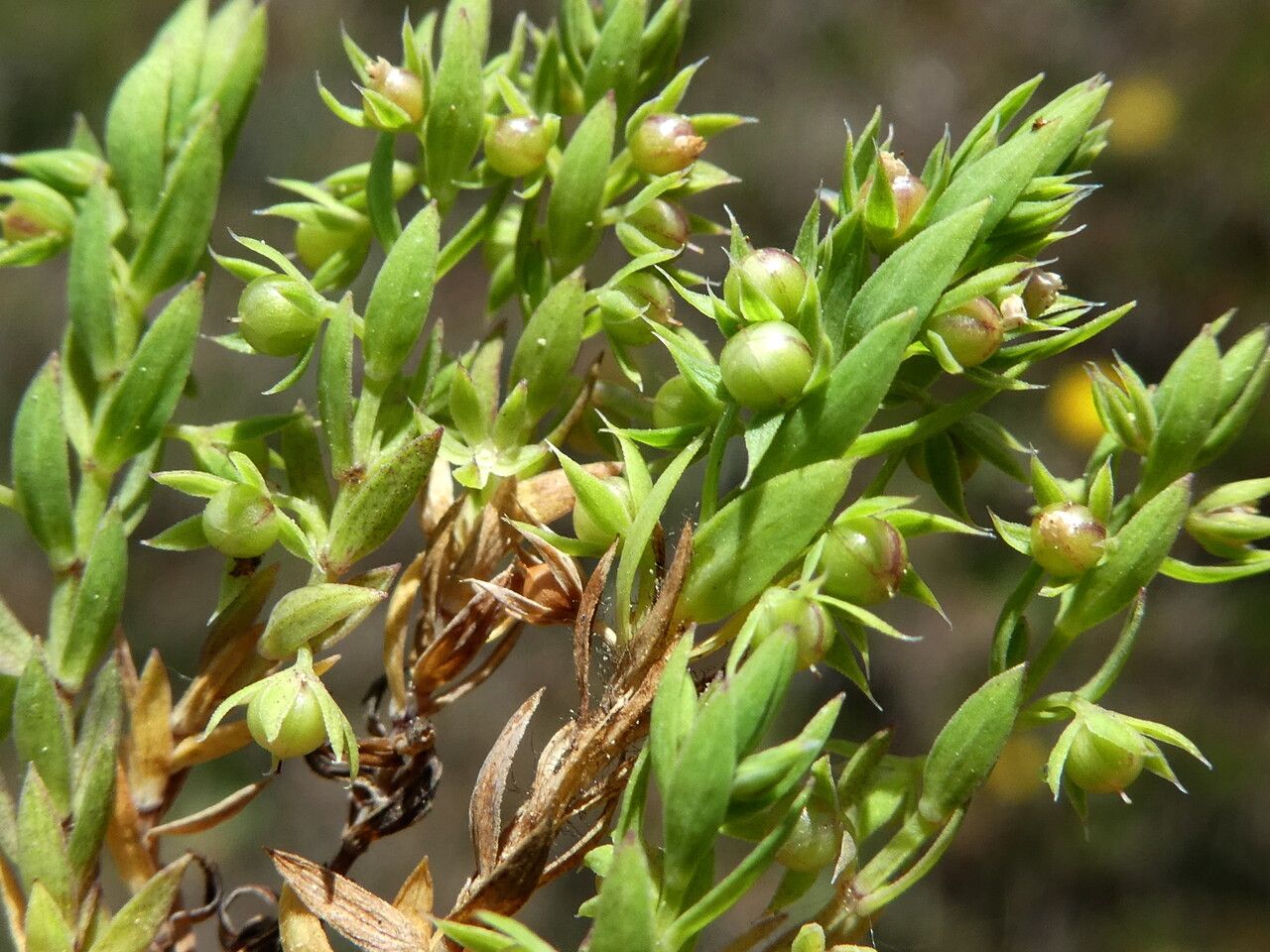
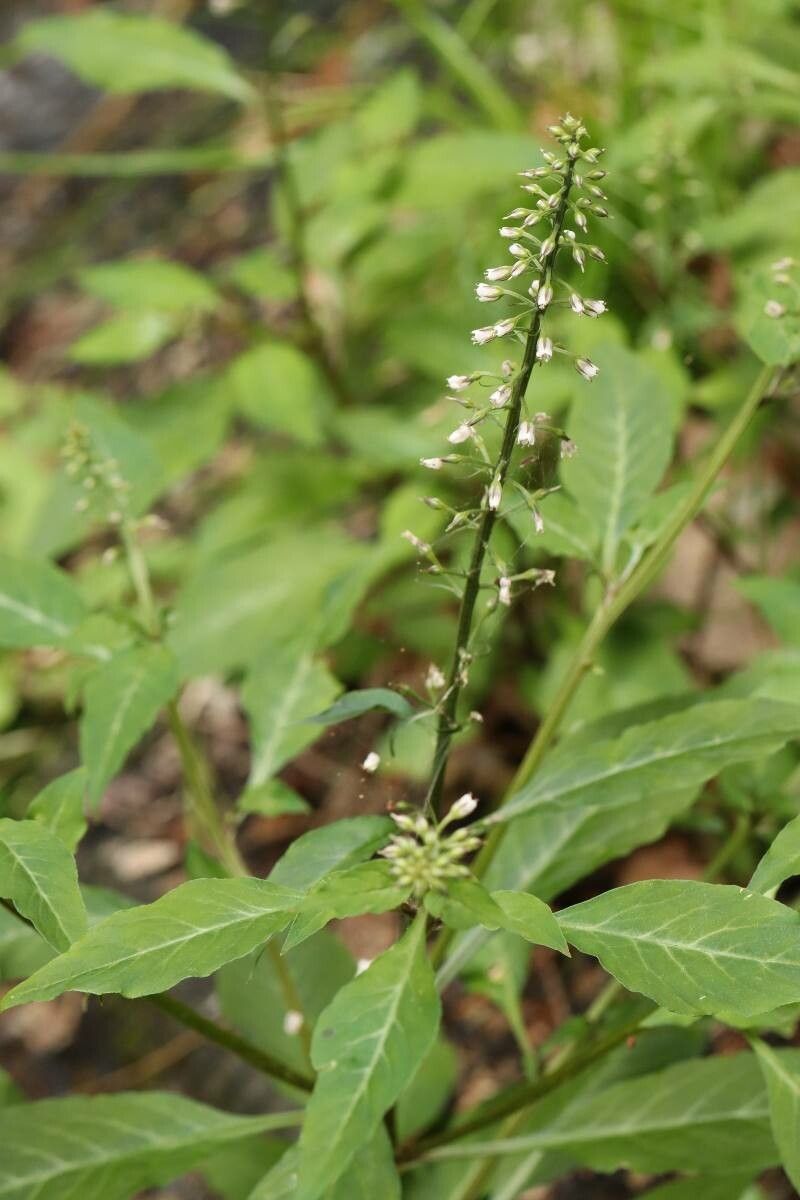
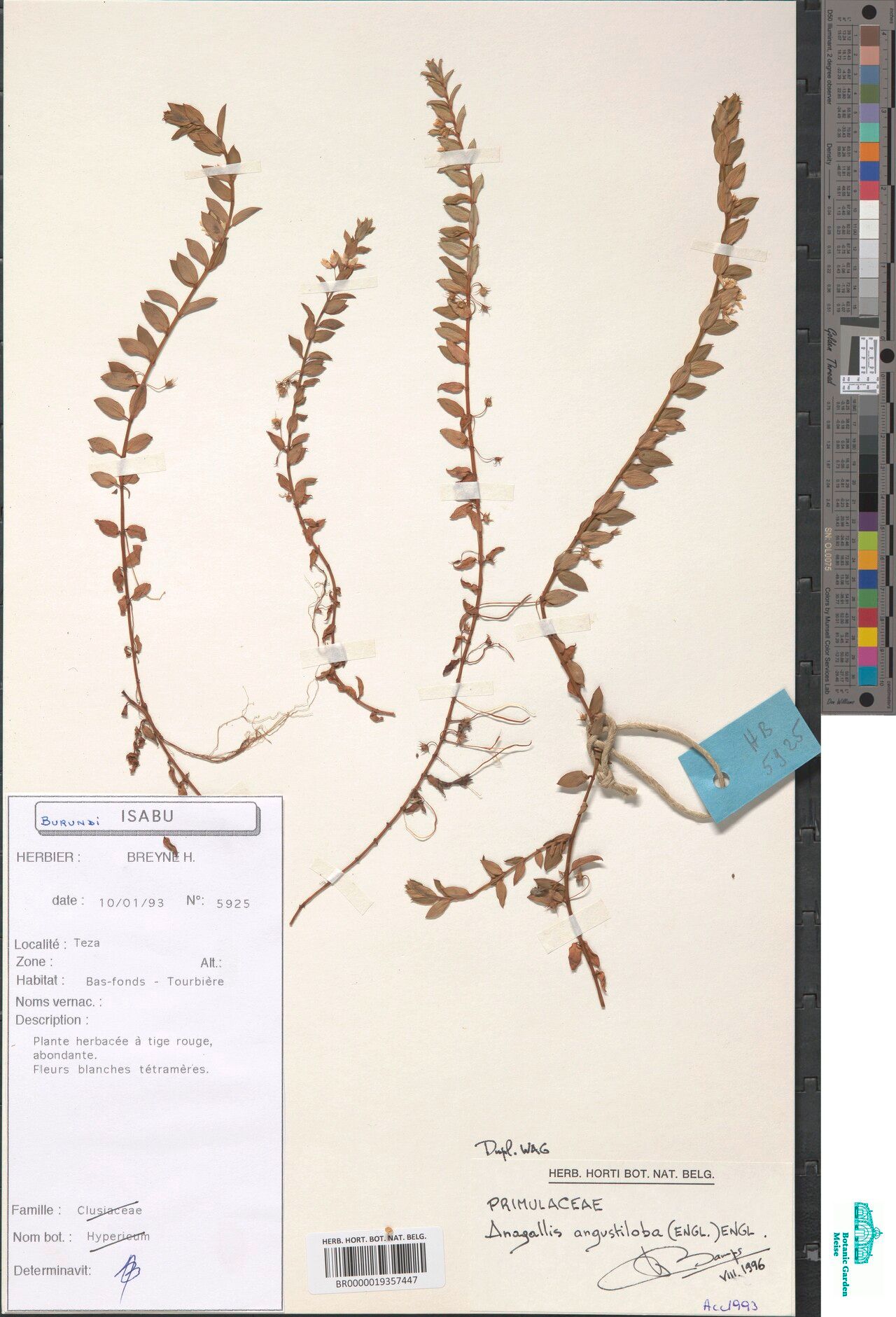
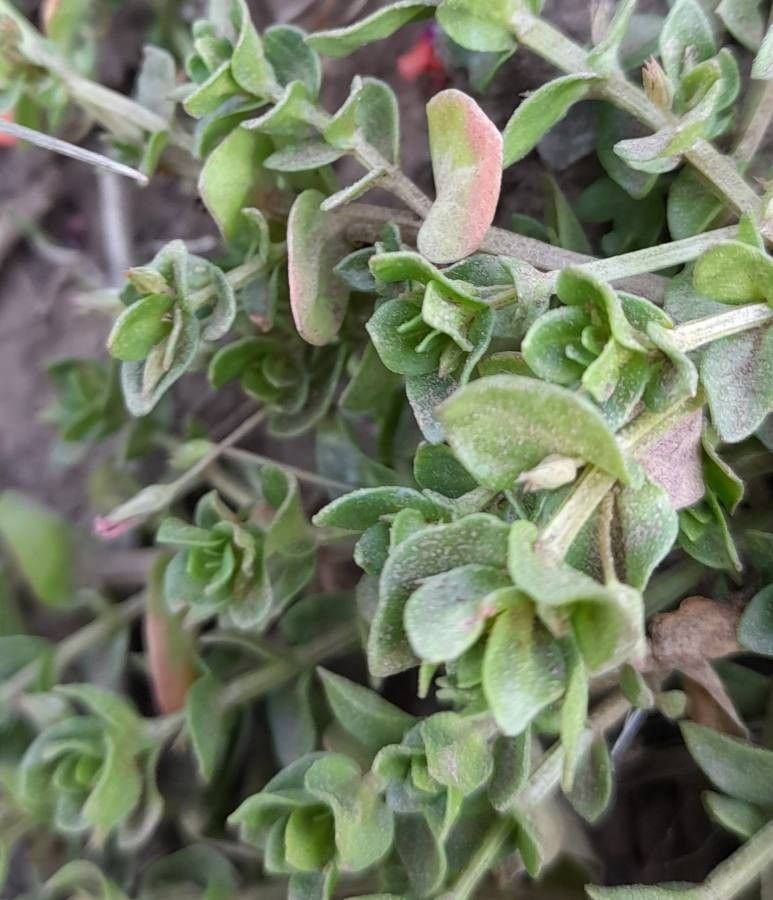
Star flax is fairly disease-resistant and typically not prone to illness. Still, it can be affected by pests and diseases present in its environment. These issues are usually mild. For care, the plant needs moderate maintenance. It should be pruned regularly to keep a neat appearance and support healthy growth. Fertilizing can also encourage flowering. Star flax is appropriate for anyone who has outdoor space, like a garden or patio, and does not demand extensive care experience. It may need more attention when grown indoors.
How to keep Lysimachia Linum Stellatum.
Pruning
Star flax, known for its star-shaped flowers and lush foliage, benefits from pruning in early spring to promote healthy growth. By trimming dead stems and overgrown areas, you help shape the plant, improve air circulation, and enhance the vigor of its blooms. Be sure to use clean, sharp tools to minimize stress on the plant and ensure effective cuts, resulting in a thriving and attractive appearance.
Botanical profile.
Other names.
Reader questions.
What are the sun requirements for Star flax?
Star flax (Lysimachia linum-stellatum) thrives in various sunlight conditions. For full sun exposure, it requires above 6 hours of sunlight daily, making it ideal for areas that enjoy plenty of sunshine. Alternatively, for partial sun, about 3-6 hours of sunlight is sufficient, accommodating locations that receive a mix of light and shade. It's crucial to observe the movement of sunlight throughout your garden to select spots that provide the perfect balance for your Star flax, ensuring it grows happy and healthy.
What should I watch out for when choosing a location for Star flax in my garden?
When choosing a location for your Star flax (Lysimachia linum-stellatum), it's essential to watch how sunlight gracefully moves through your garden. This observation will help you choose spots that provide the perfect balance of light and shade for your plants. Ensuring your Star flax receives the right amount of sunlight is crucial for its happiness and health. Selecting the optimal location will contribute significantly to the success of growing this plant.