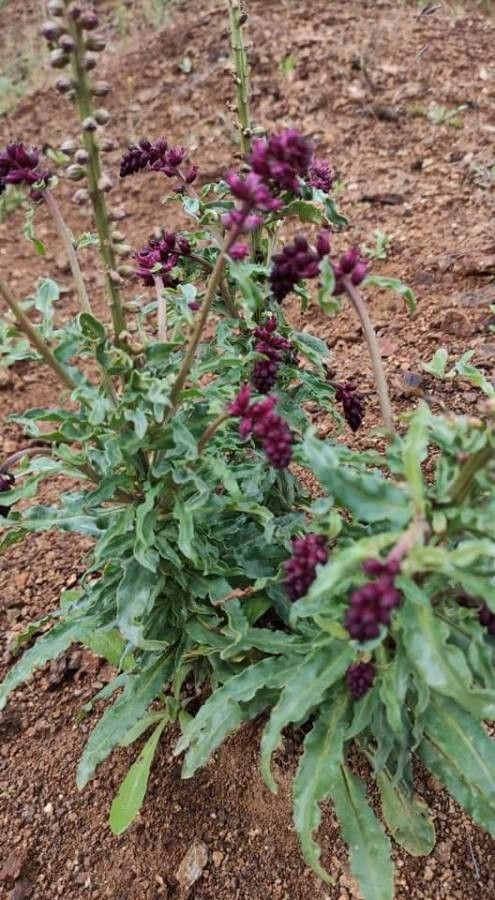
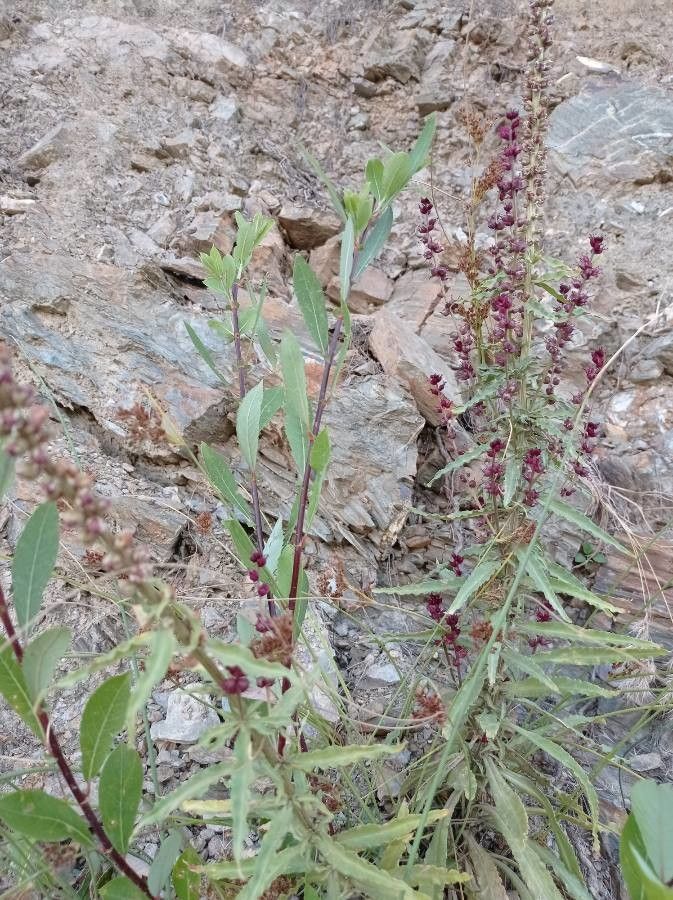
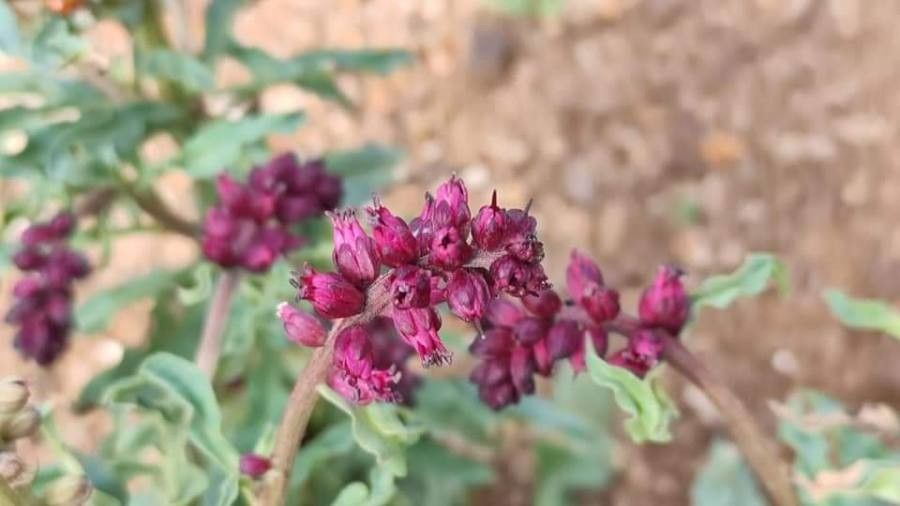
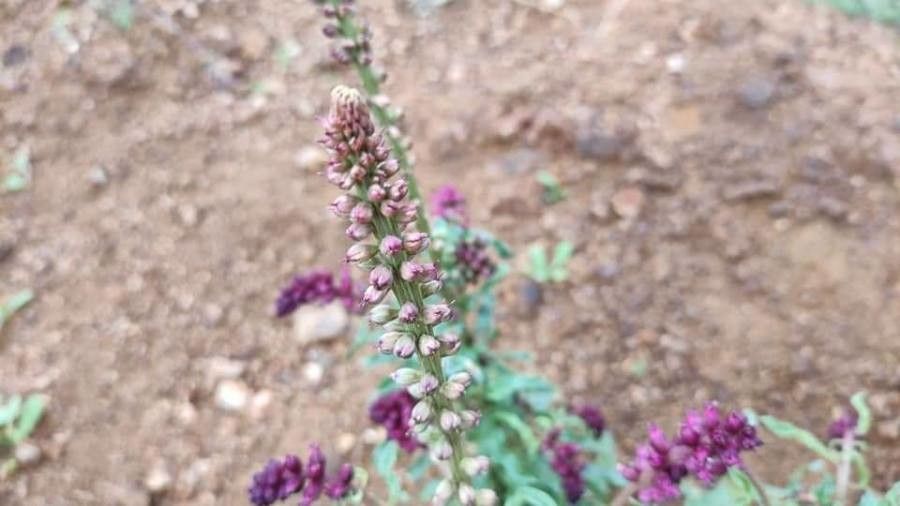
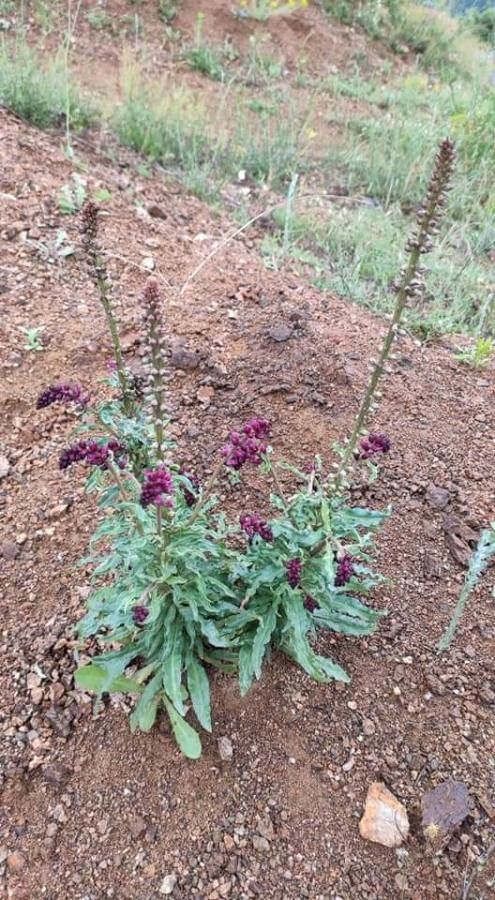
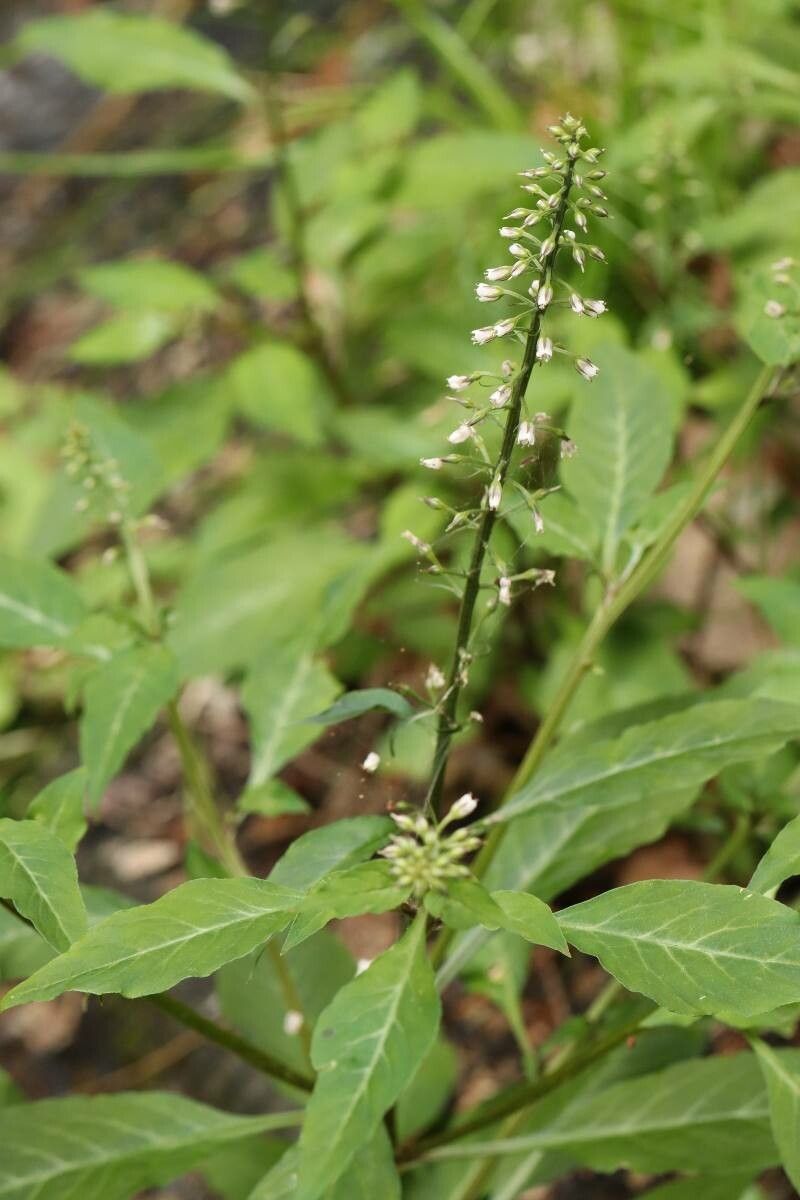
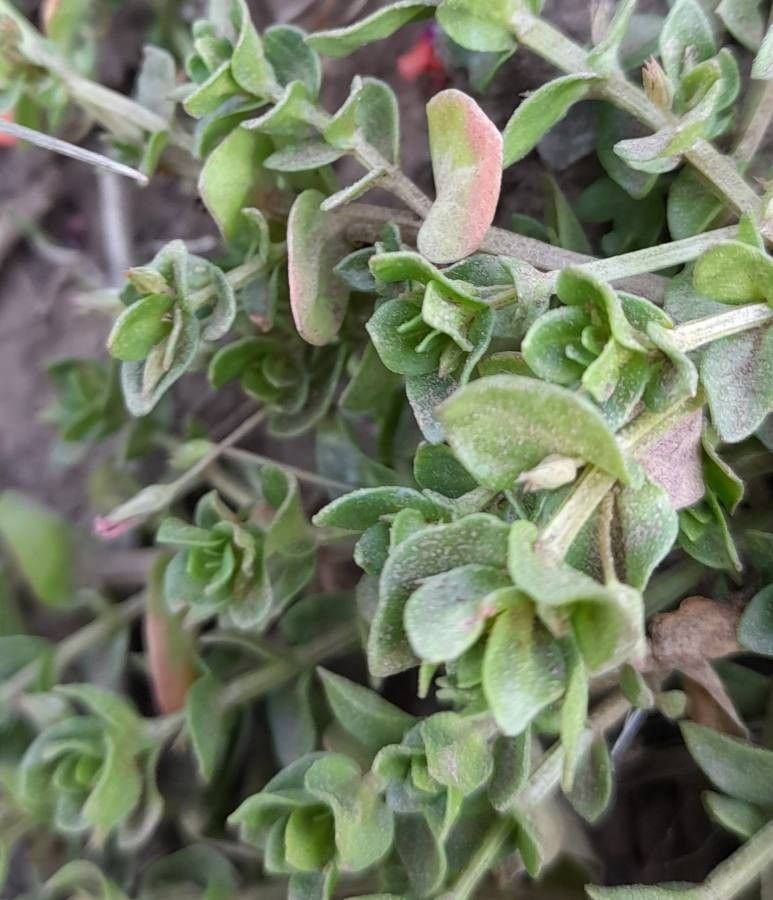
Lysimachia atropurpurea, commonly known as Purple Loosestrife, is a herbaceous perennial plant in the Primulaceae family. Native to Europe and Asia, it has since been introduced and naturalized in North America. The plant typically grows to a height of 1-2 meters and spreads 1-2 meters wide. It features lance-shaped leaves arranged in opposite pairs along the stem and produces spikes of purple-pink flowers from mid-summer through early fall.
Purple Loosestrife thrives in moist soils such as marshes, swamps, and wetlands but can also adapt to drier soils. Known for its ability to spread rapidly through rhizomes, it can become invasive if not properly managed.
The plant has been used medicinally to treat conditions such as diarrhea, dysentery, wounds, and skin infections due to its antibacterial properties. However, caution is advised when consuming this plant, as it can be toxic.
Overall, Lysimachia atropurpurea is an attractive ornamental garden plant that boasts beautiful flowers and attracts bees and butterflies, making it an important pollinator species. Its medicinal properties add to its value, making it a worthy addition to any garden or landscape design project when managed appropriately.
Dark purple loosestrife is fairly disease-resistant and typically not prone to illnesses. That said, it can be affected by pests and diseases present in its environment. These outbreaks are generally mild. For care, the plant requires moderate maintenance. It should be pruned regularly to preserve its appearance and encourage healthy growth. Fertilizing can also help improve flowering. Dark purple loosestrife is suitable for anyone with outdoor space, such as a garden or patio, and does not demand extensive gardening experience. It may need more attention when kept indoors.
How to keep Lysimachia Atropurpurea.
Light
Dark purple loosestrife comes from bright, open habitats where it flourishes in full sun. It tolerates partial sun but prefers direct sunlight for best growth. This plant can be annual or biennial and is known for its sun-loving nature.
Water
Dark purple loosestrife flourishes in moist, well-drained soil and needs consistent watering, ideally twice a week. It is best suited for outdoor cultivation, where its water requirements align with the growing season to promote lush foliage and vibrant flowers. While it can tolerate short periods of drought, maintaining soil moisture is essential for its overall health.
Temperature
Dark purple loosestrife can tolerate a wide range of temperatures, but its occurrence may still be restricted by particular combinations of moisture and heat. It does best in warm summer climates with sufficient rainfall or irrigation. Extended stretches of cloudy, rainy weather or prolonged high temperatures can raise the chances of Dark purple loosestrife dying. In winter, adequate protection from cold can boost the plant's survival prospects.
Fertilizer
Dark purple loosestrife requires regular feeding to encourage flowering but does not tolerate excessive amounts. It should receive small, frequent applications of fertilizer throughout its life cycle, especially during the period of most active growth and while it is flowering. You will feed your Dark purple loosestrife until they stop blooming.
Pruning
The dark purple loosestrife is known for its stunning deep purple flowers and thrives when regularly pruned. The best time to prune is from early to late spring. During pruning, focus on removing dead stems, thinning out crowded areas, and cutting back spent blooms. This will enhance the plant's health and appearance while promoting new growth. Be sure to follow horticultural guidelines to use effective pruning techniques.
Botanical profile.
- Plant Type
- Herb
- Life Cycle
- Biennial, Perennial
- Genus
- Lysimachia
- Family
- Primulaceae
- Hardiness Zone
- 5-9
- Mature Height
- 61 cm
- Mature Spread
- 49 cm
- Leaf Color
- Green, Gray, Silver
- Leaf Type
- Deciduous
- Flower Color
- Purple
- Flower Size
- 1.02 cm to 1.52 cm
- Bloom Time
- Late spring, Early summer, Mid summer
- Planting Time
- Summer, Autumn
- Harvest Time
- Late summer, Early fall
- Native Area
- Turkey, Bulgaria, Albania, Greece, Croatia, Serbia
Other names.