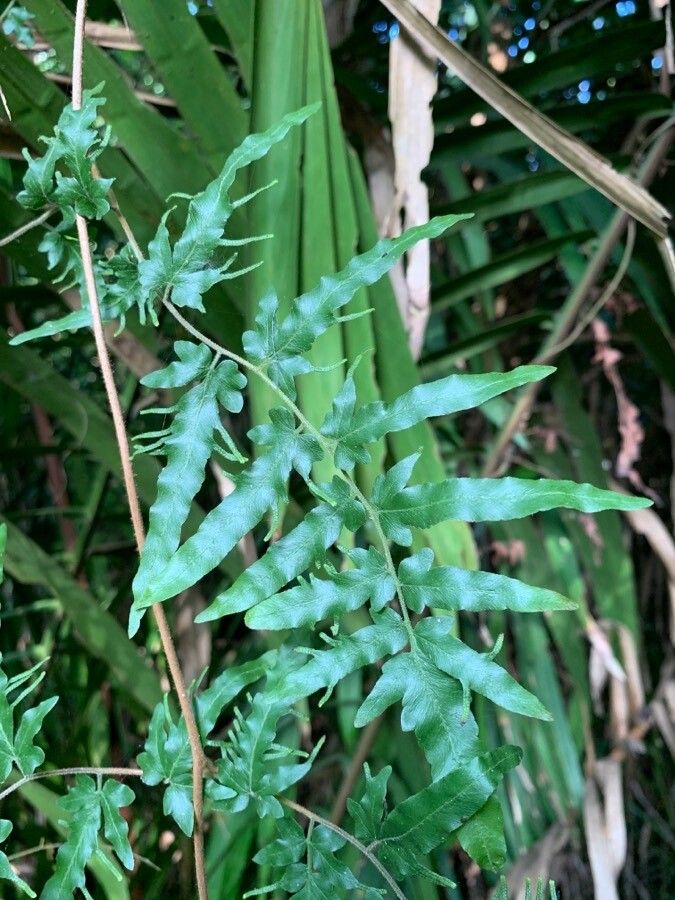
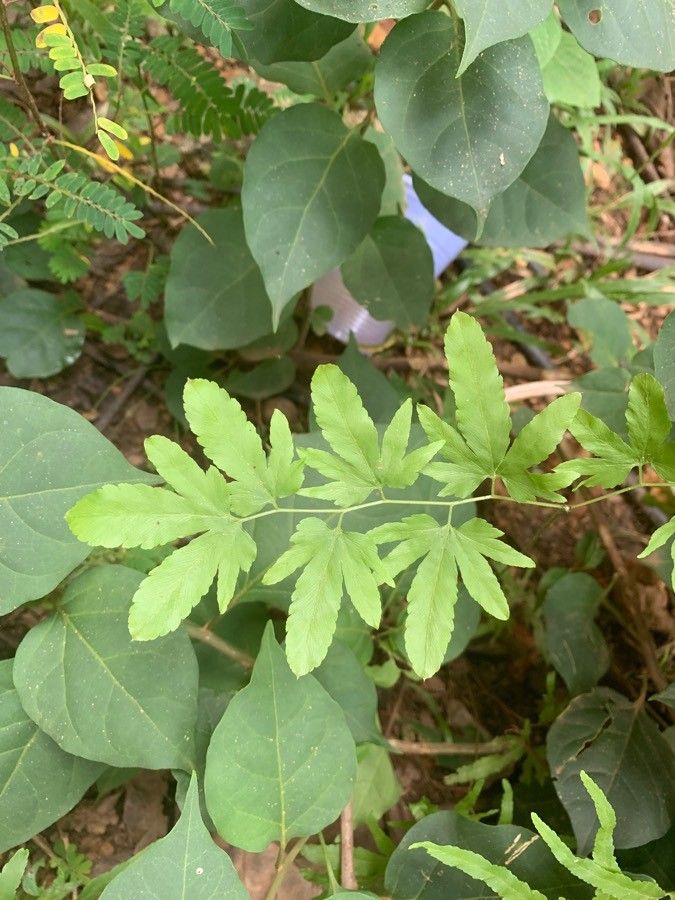
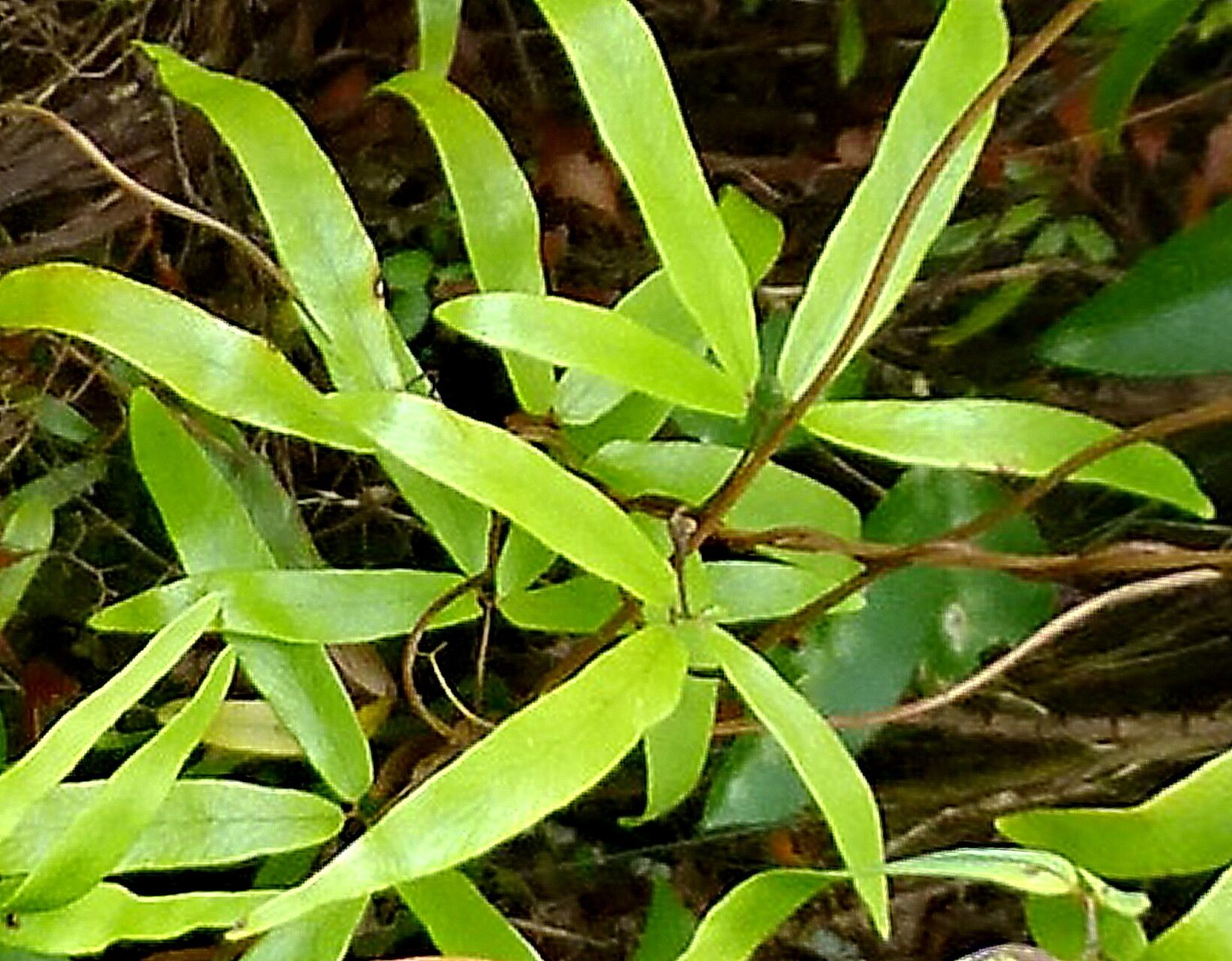
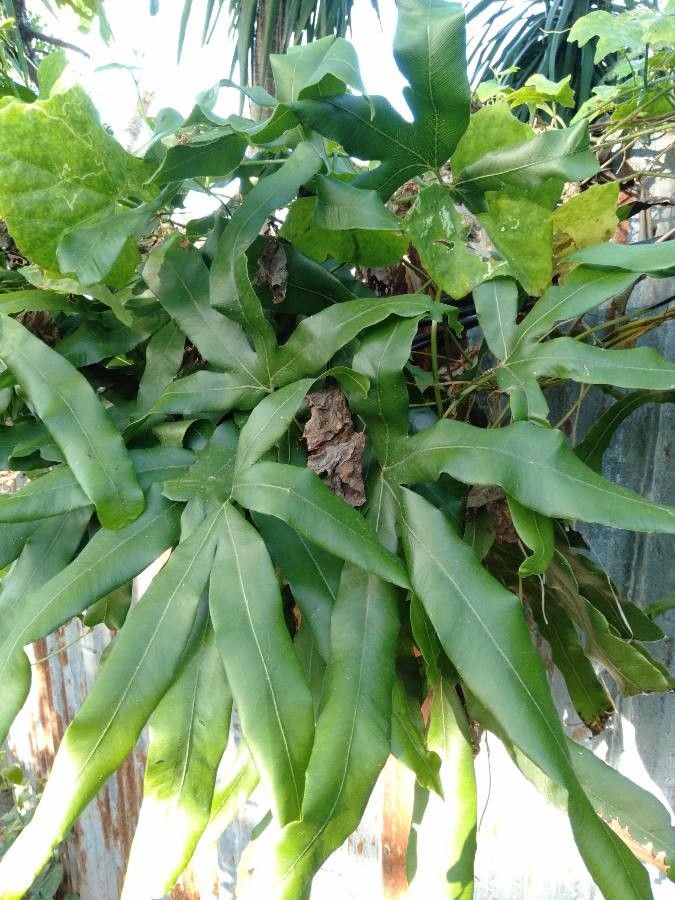
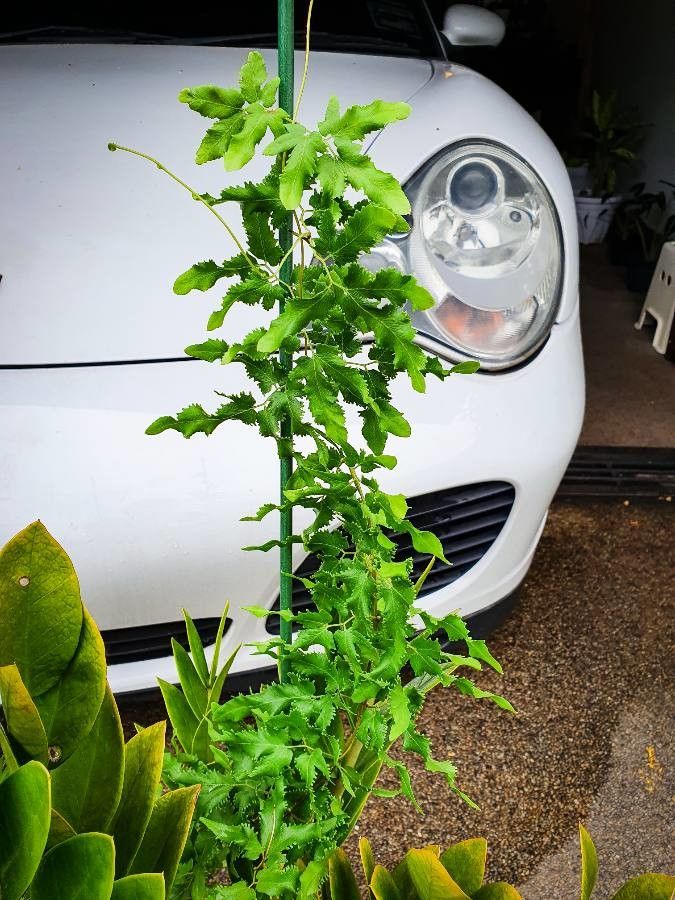
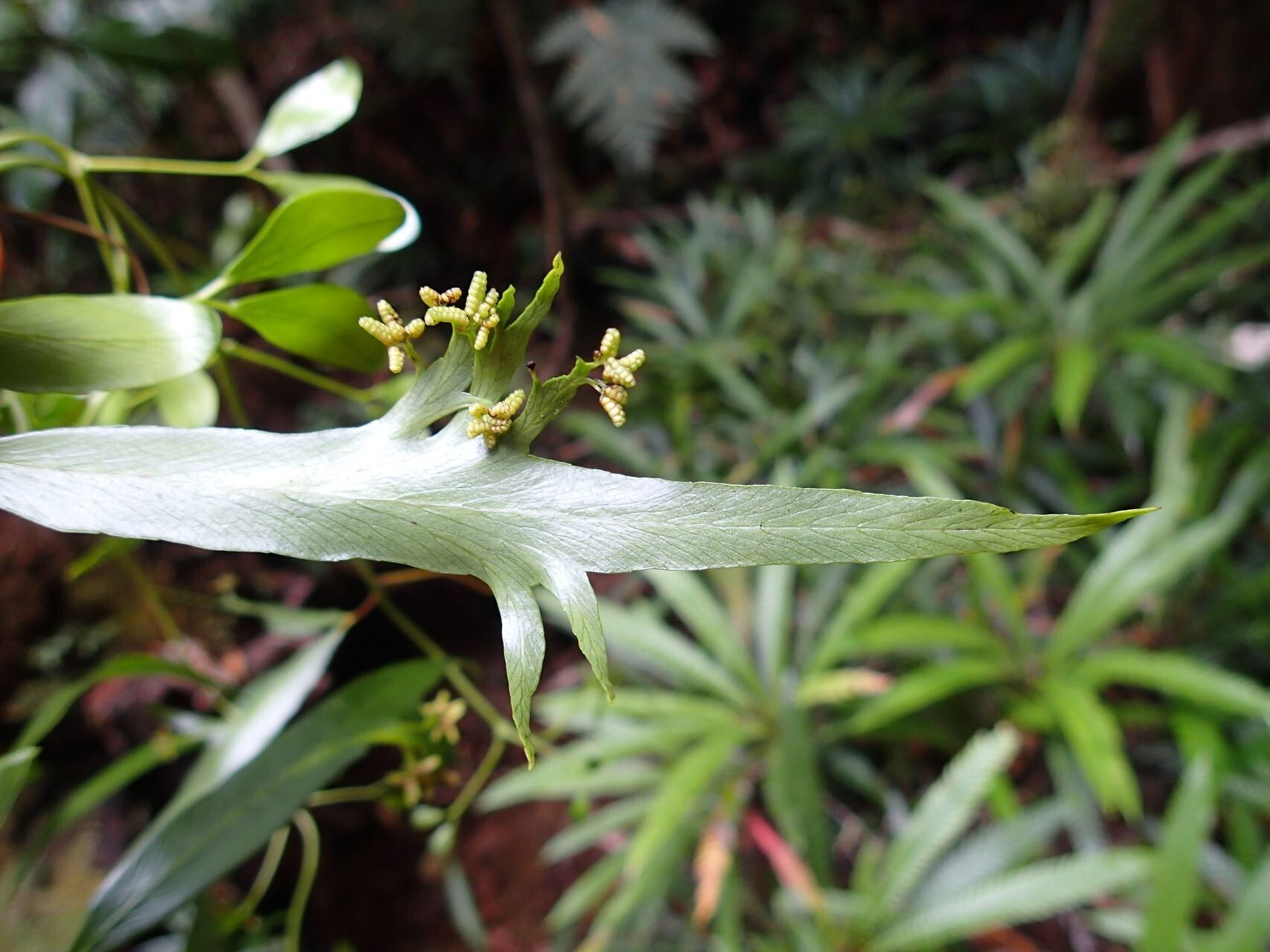
Lygodium venustum, commonly known as the climbing fern or Japanese climbing fern, is a species of fern belonging to the family Lygodiaceae. Native to East Asia, it is found in Japan, Korea, China, and Taiwan. This plant has a distinctive growth habit, using its long fronds, which can extend up to 3 meters in length, to climb trees or other structures.
The fronds of Lygodium venustum are delicate and feathery, featuring small leaflets arranged along a central stem. The plant produces spores in specialized structures called sporangia, located on the underside of its fronds.
Lygodium venustum is often used as an ornamental plant due to its attractive appearance and its ability to climb walls or trellises. However, it has been listed as an invasive species in some regions where it has been introduced outside of its native range.
The plant prefers moist soil with partial shade but can also tolerate full sun if given adequate moisture. It requires regular watering during dry periods but should not be overwatered, as this can lead to root rot.
Overall, Lygodium venustum is an intriguing and unique fern species that can enhance beauty in ornamental settings. However, it should be carefully monitored when introduced into new environments due to its potential to become invasive.
Monarch climbing fern typically shows good resistance to disease and is affected by relatively few insect pests. Its care is regarded as difficult because it needs a moist environment and frequent watering. At the same time, its roots can rot if it is overwatered or kept in poorly ventilated conditions. Monarch climbing fern is appropriate for people with some growing experience, since most people can keep it alive for a certain amount of time. Nevertheless, it may struggle to thrive and its leaves can dry out and become less healthy as time goes on.
How to keep Lygodium Venustum.
Light
The Monarch climbing fern is native to habitats such as forest understories and rocky sites that provide natural shade. It prefers full shade but can tolerate partial sun.
Temperature
Monarch climbing fern comes from tropical areas, where the climate is generally warm and humid. As a result, it is adapted to high heat and moisture. It dislikes abrupt temperature changes and favors a consistent thermal environment, so avoiding temperature swings indoors is important. It typically cannot tolerate cold conditions and needs warmer temperatures to grow. If the environmental temperature falls too low, growth may stop or the plant could die.
Pruning
The Monarch climbing fern is a type of climbing fern that needs pruning in early spring to control its growth and remove any damaged fronds. Be sure to use clean shears to improve air circulation, but avoid heavy pruning to prevent the plant from becoming stressed. It's also important to wear gloves to protect your skin from irritation caused by the plant's sap.
Botanical profile.
- Plant Type
- Fern, Vine
- Life Cycle
- Perennial
- Genus
- Lygodium
- Family
- Schizaeaceae
- Hardiness Zone
- 9-11
- Mature Height
- 2.13 m to 4.88 m
- Mature Spread
- 0.91 m to 2.13 m
- Leaf Color
- Green, Light Green
- Leaf Type
- Evergreen
- Planting Time
- Spring, Summer, Autumn
- Native Area
- Belize, Honduras, Mexico, Guatemala, Peru, Panama, Jamaica, Colombia, Cuba, Bolivia, Venezuela, Guyana, El Salvador, Nicaragua, Brazil, Ecuador, Costa Rica
Other names.