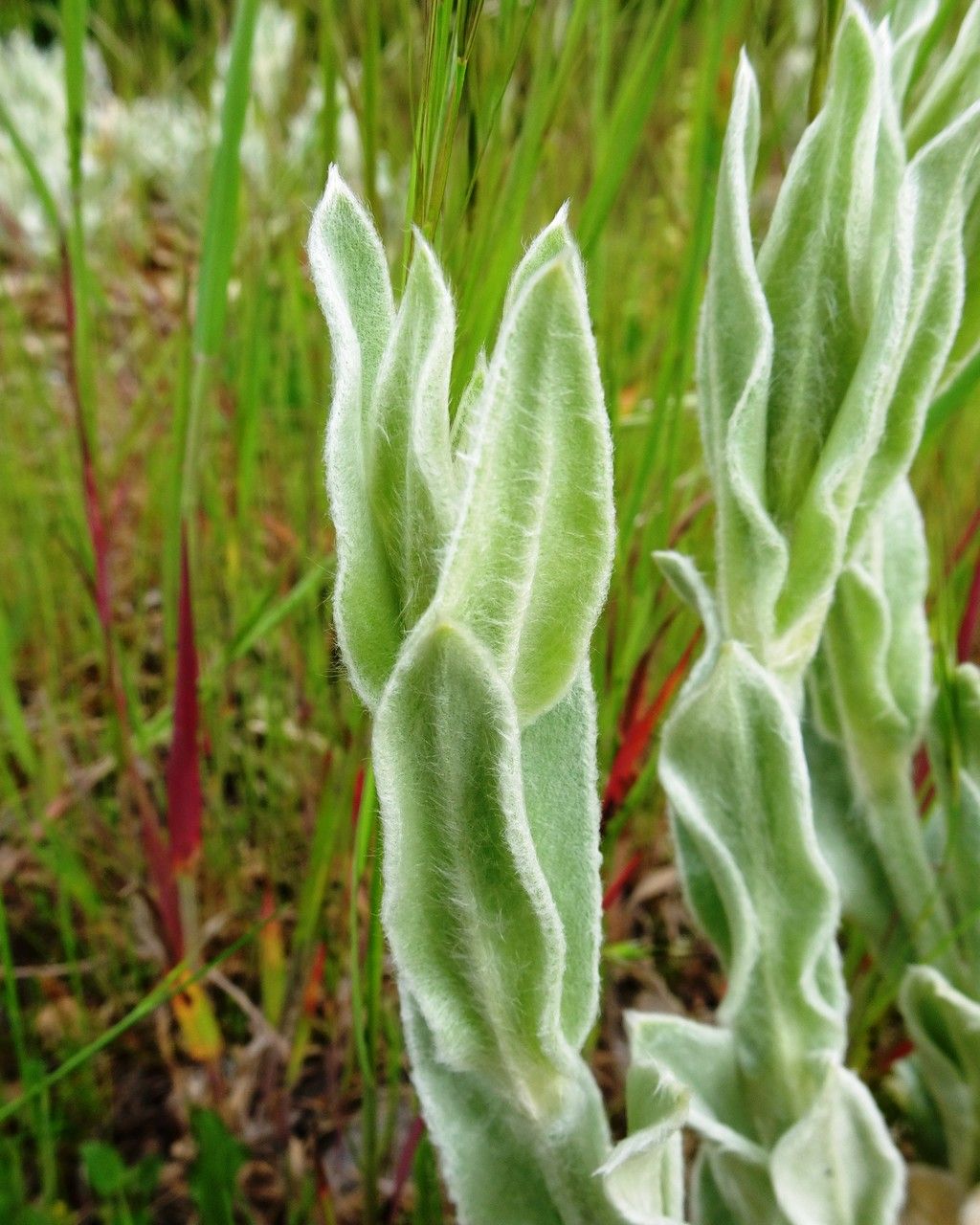
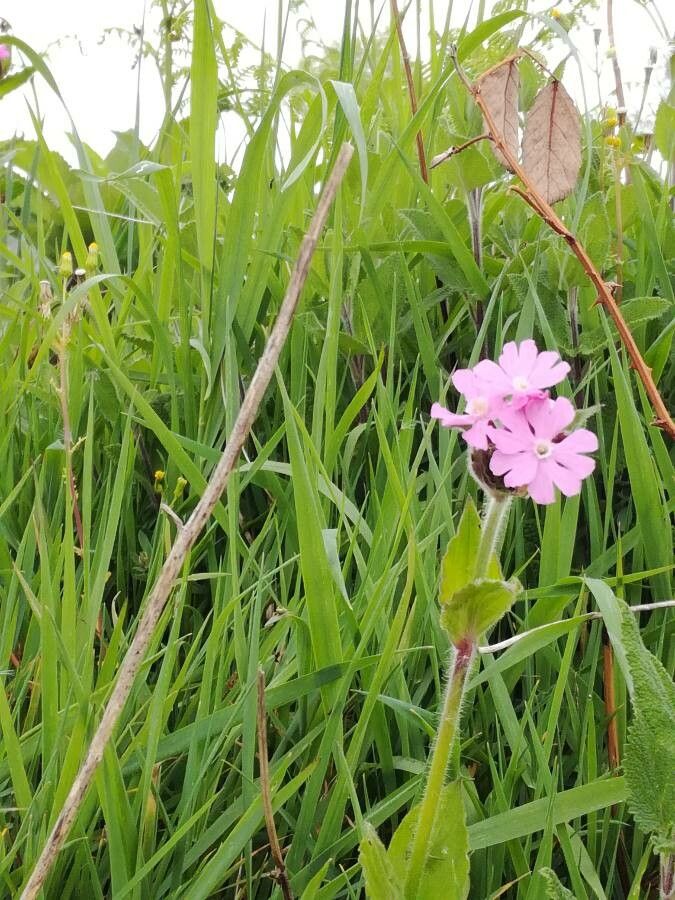
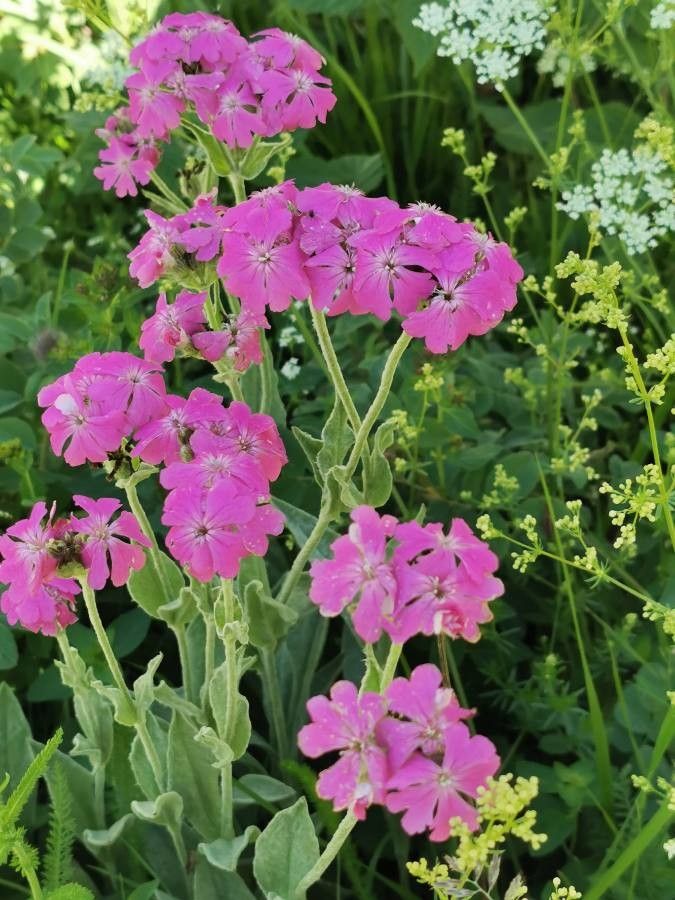
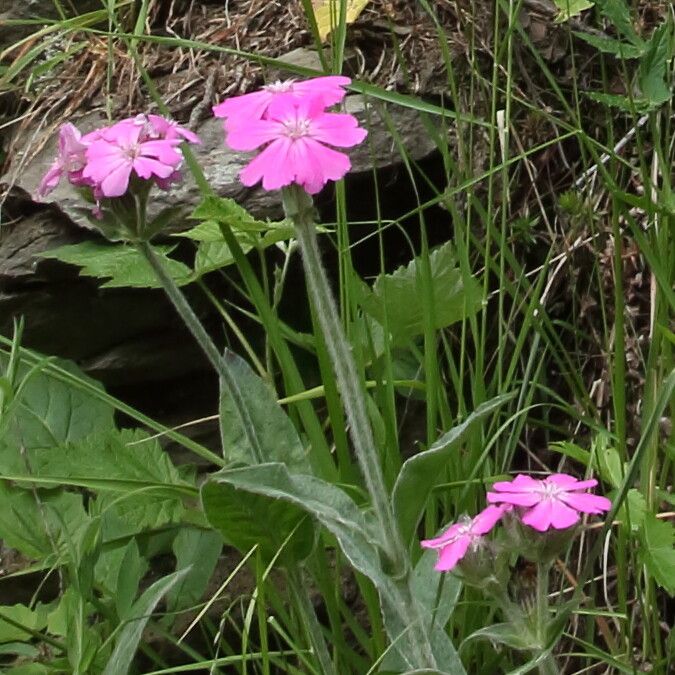
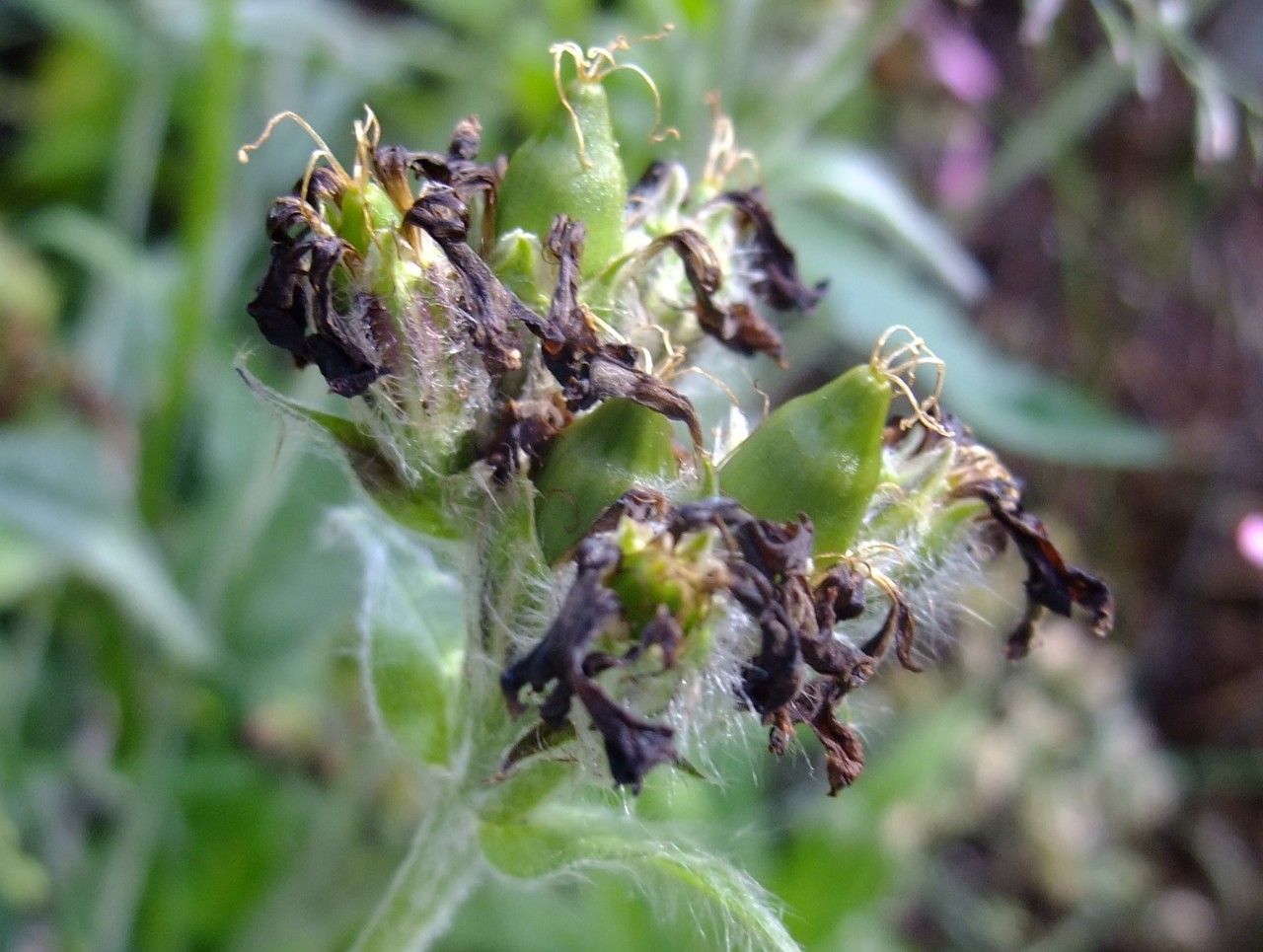
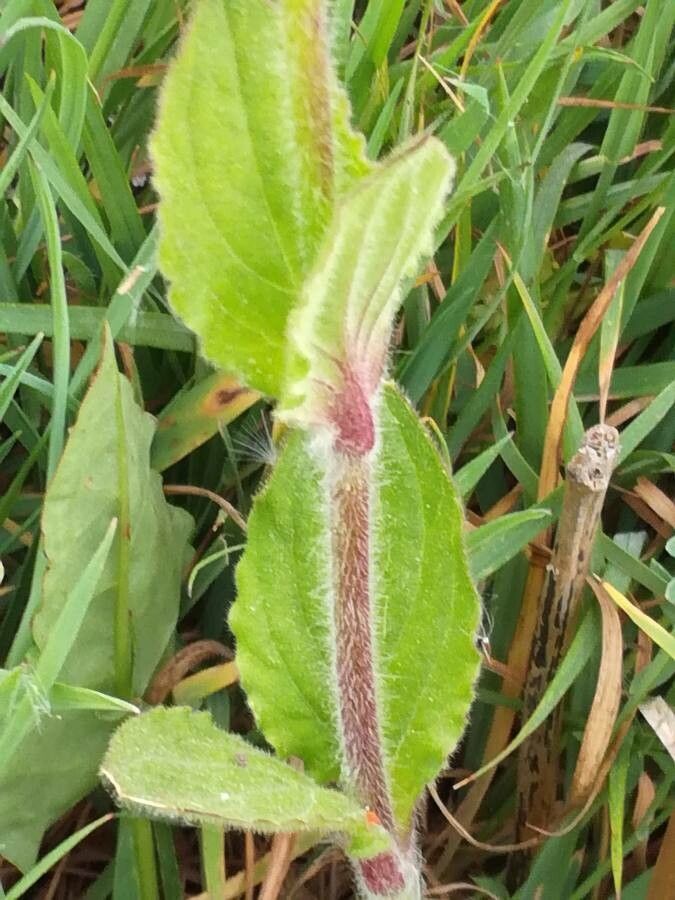
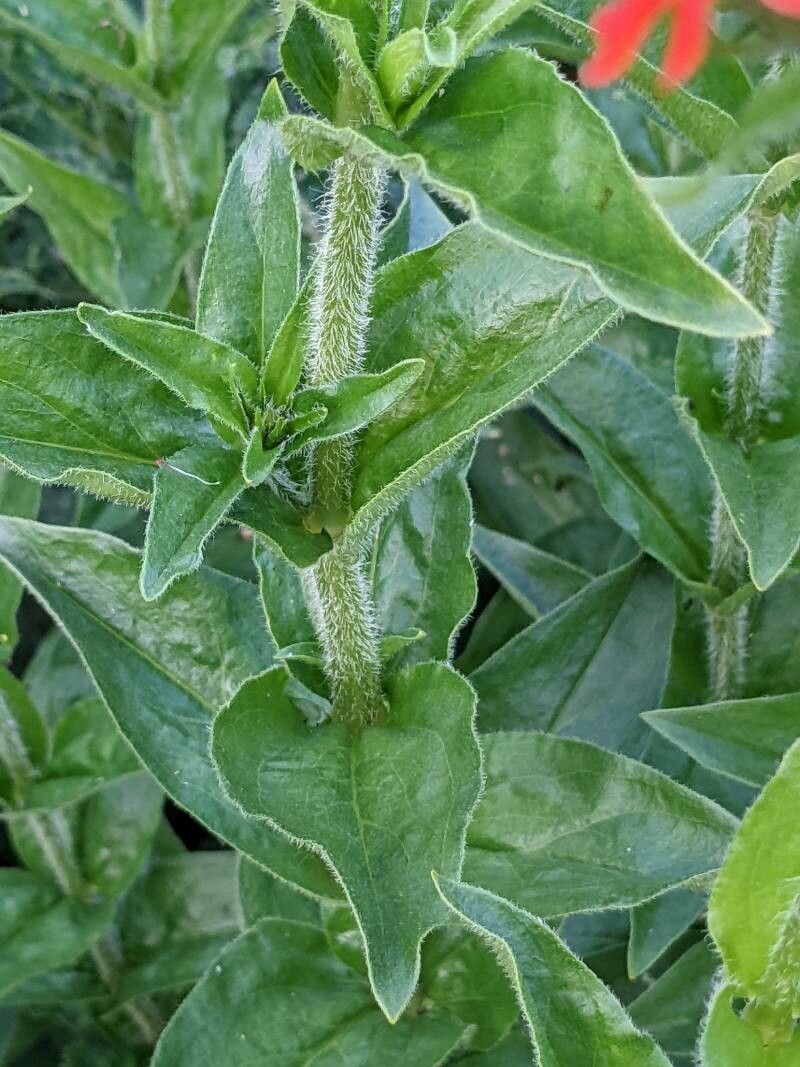
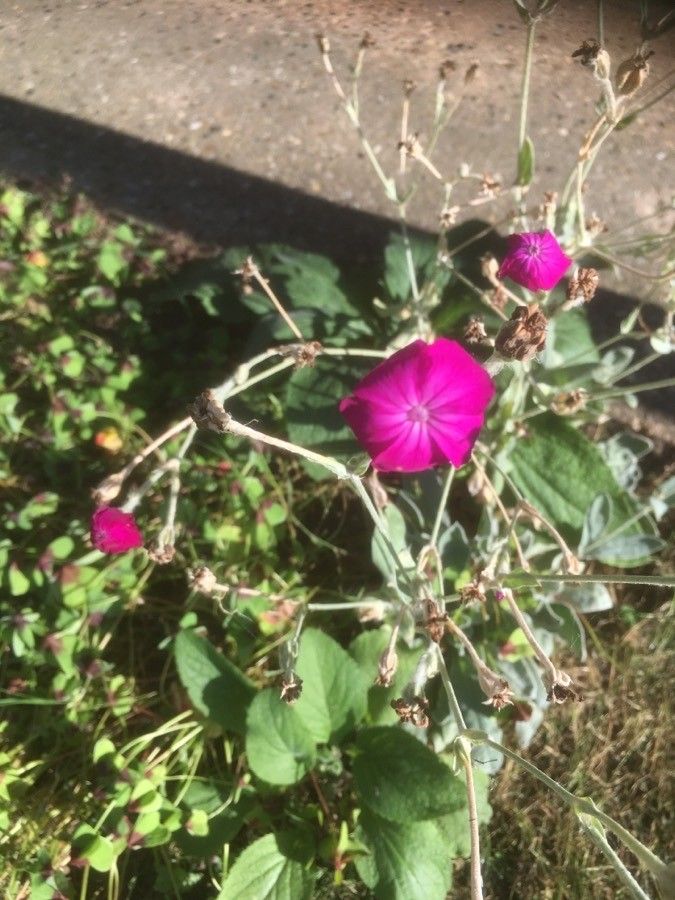
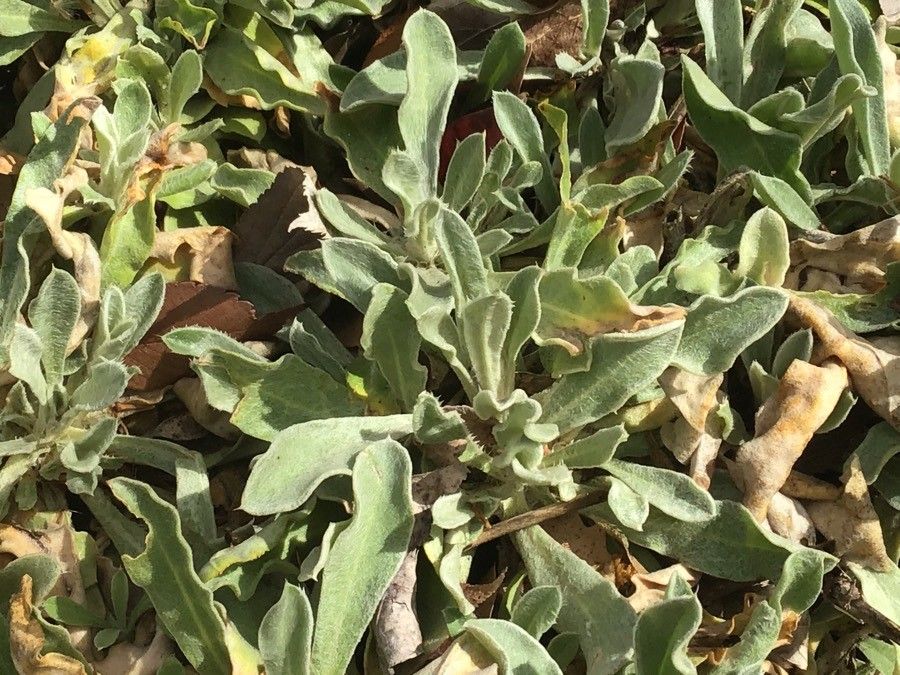
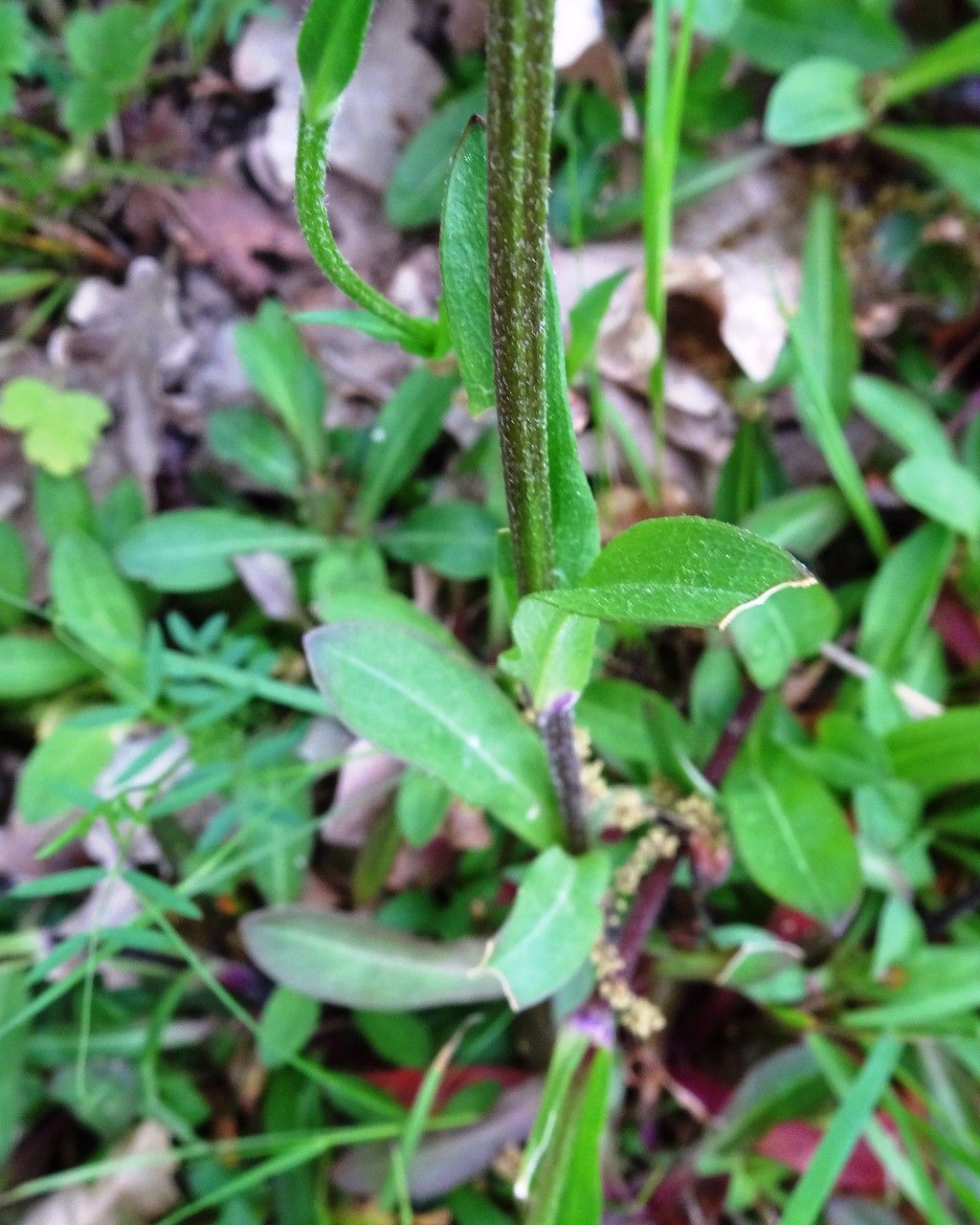
Lychnis flos-jovis, commonly known as Jupiter's Beard or Flower of Jove, is a perennial herbaceous plant in the Caryophyllaceae family. Native to Europe and Asia, it can reach up to 60 cm in height. The plant has a clump-forming growth habit, featuring lance-shaped green leaves that can grow up to 10 cm long.
The pink or magenta flowers of Lychnis flos-jovis, with five petals forming a star shape, bloom from late spring through summer. These flowers appear on tall stems above the foliage, making them an attractive addition to any garden or landscape.
Jupiter's Beard prefers full sun exposure but can tolerate partial shade. It thrives in well-drained soil with moderate moisture levels and can withstand drought conditions once established.
This plant is easy to care for and requires minimal maintenance. Deadheading spent flowers will encourage more blooms throughout the growing season, while dividing clumps every few years will help maintain its vigor.
In addition to its ornamental value, Lychnis flos-jovis has been used for medicinal purposes due to its saponin content, which has anti-inflammatory properties. However, it should be noted that the plant may be toxic if ingested by humans or animals.
Overall, Lychnis flos-jovis is an attractive perennial herbaceous plant that adds color and interest to any garden while requiring minimal care and maintenance once established.
Flower of jupiter has strong resistance to disease and is generally not prone to health problems. Still, it can be vulnerable to pests and diseases present in its environment, though these issues are typically not severe. Regarding care, this plant requires a medium level of maintenance. It should be pruned regularly to keep a neat appearance and support healthy growth. Applying fertilizer can also encourage flowering. Flower of jupiter is appropriate for anyone with outdoor space, such as a garden or patio, and does not demand extensive care experience. It may need more attention when cultivated indoors.
How to keep Lychnis Flos Jovis.
Temperature
Flower of jupiter can withstand a wide range of temperatures, but its distribution may still be constrained by different combinations of moisture and heat. It grows best in warm summer climates with adequate rainfall or watering. Extended periods of cloudy, rainy weather or prolonged high temperatures can raise the chances of Flower of jupiter dying. In winter, protecting it from cold can improve the plant's survival rate.
Fertilizer
A single application of fertilizer in spring is generally enough for Flower of jupiter, but multiple feedings can maximize growth. Feed every month to six weeks. Fertilization improves the leaves’ appearance and function, helping maintain even color and a healthy texture. It also encourages root growth and nutrient uptake, supporting the plant’s long-term health.
Botanical profile.
- Plant Type
- Herb
- Life Cycle
- Perennial
- Genus
- Lychnis
- Family
- Caryophyllaceae
- Hardiness Zone
- 5-8
- Mature Height
- 49 cm
- Mature Spread
- 49 cm
- Native Area
- Italy, Switzerland, France
Other names.