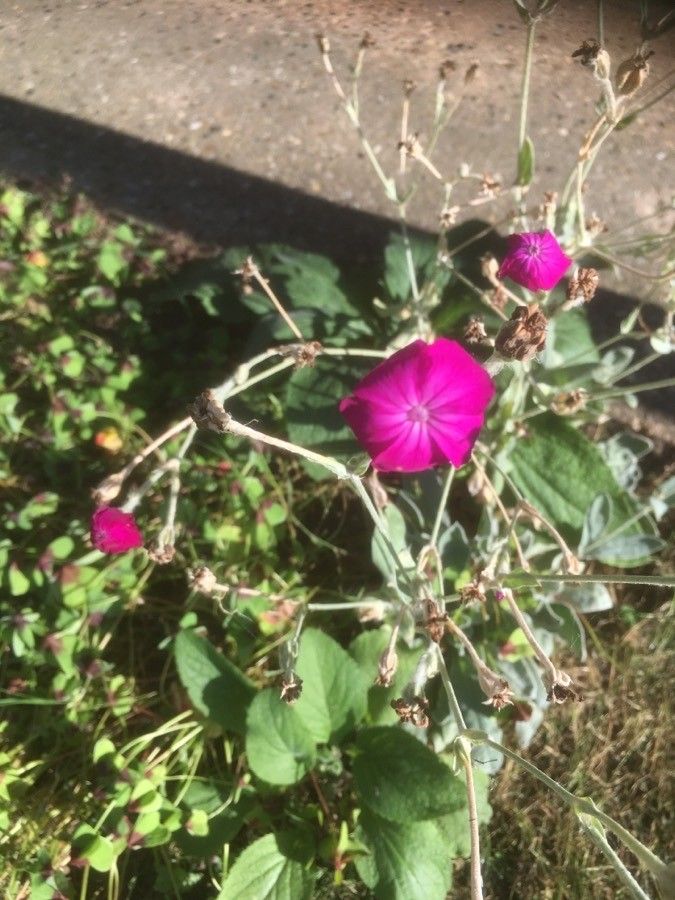
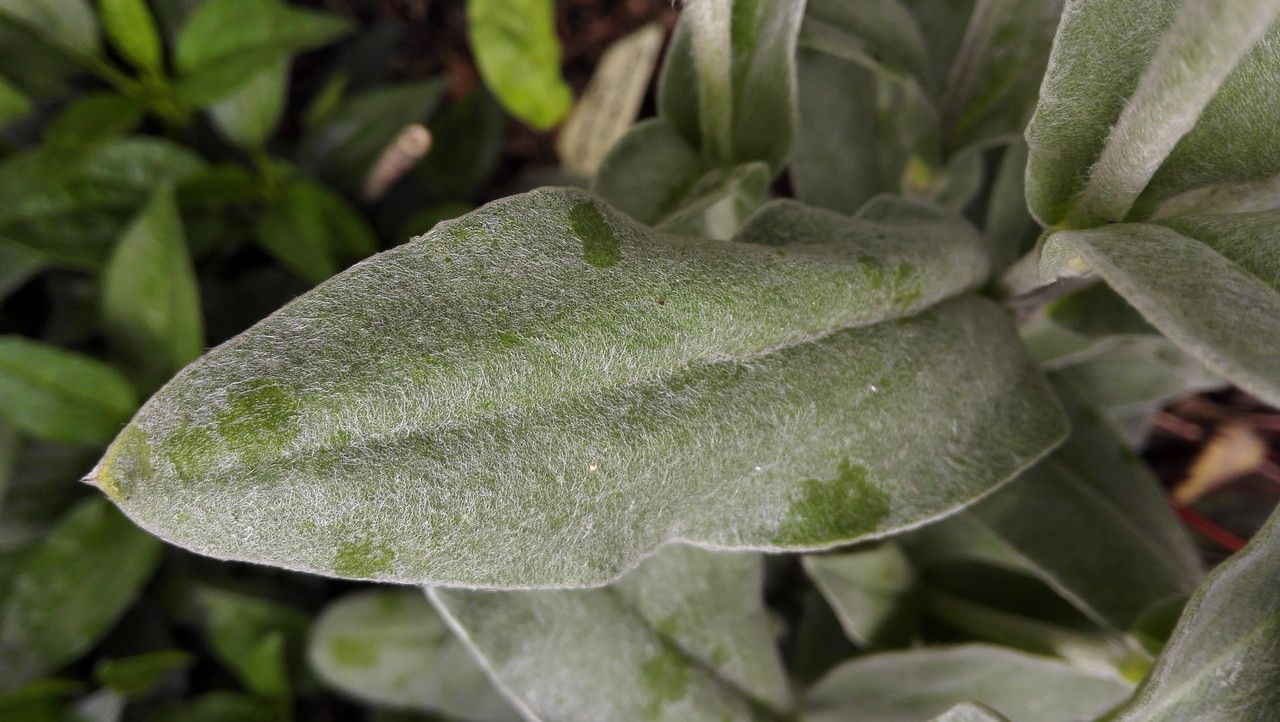
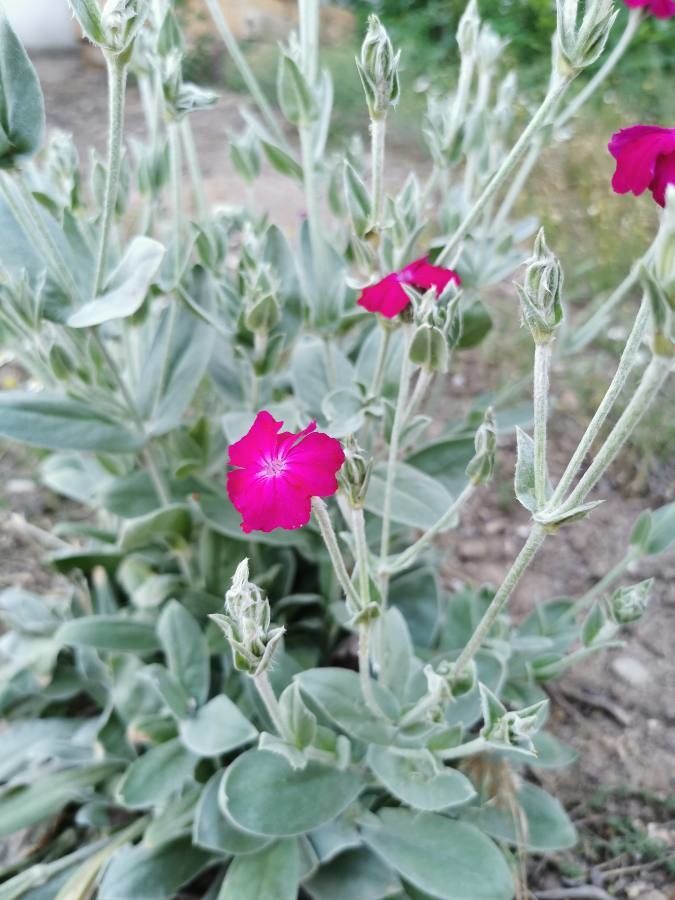
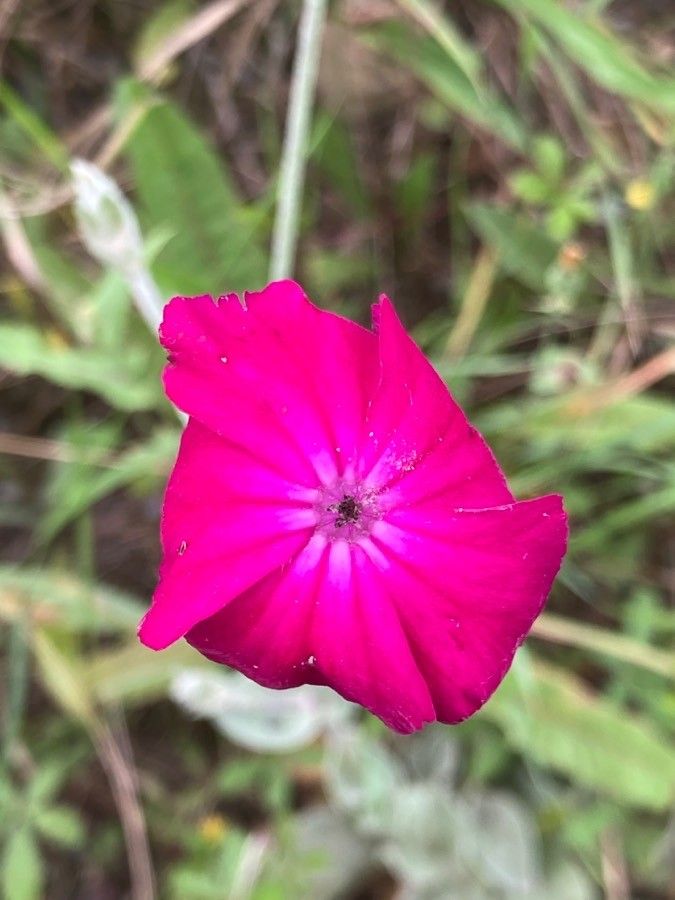
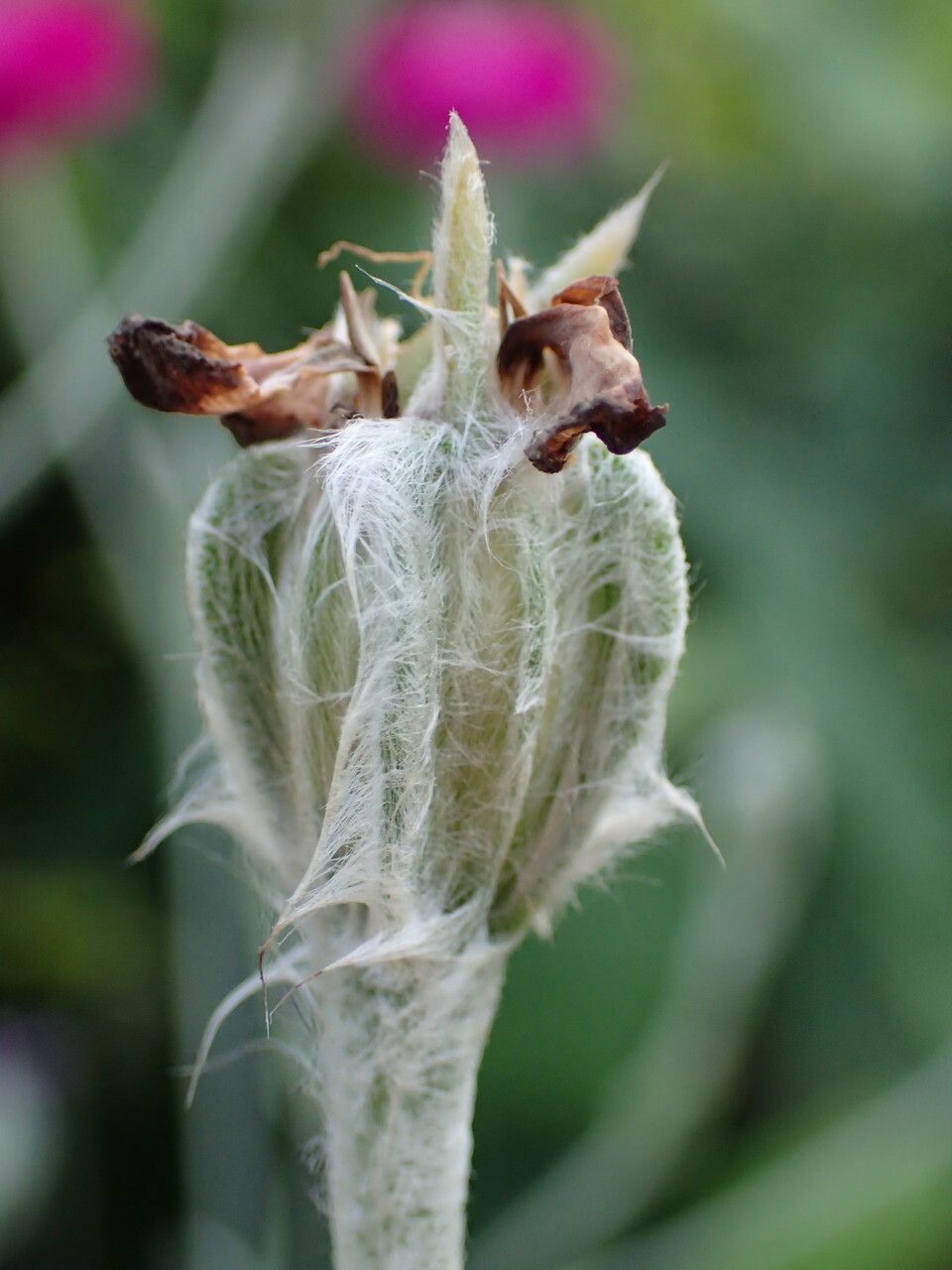
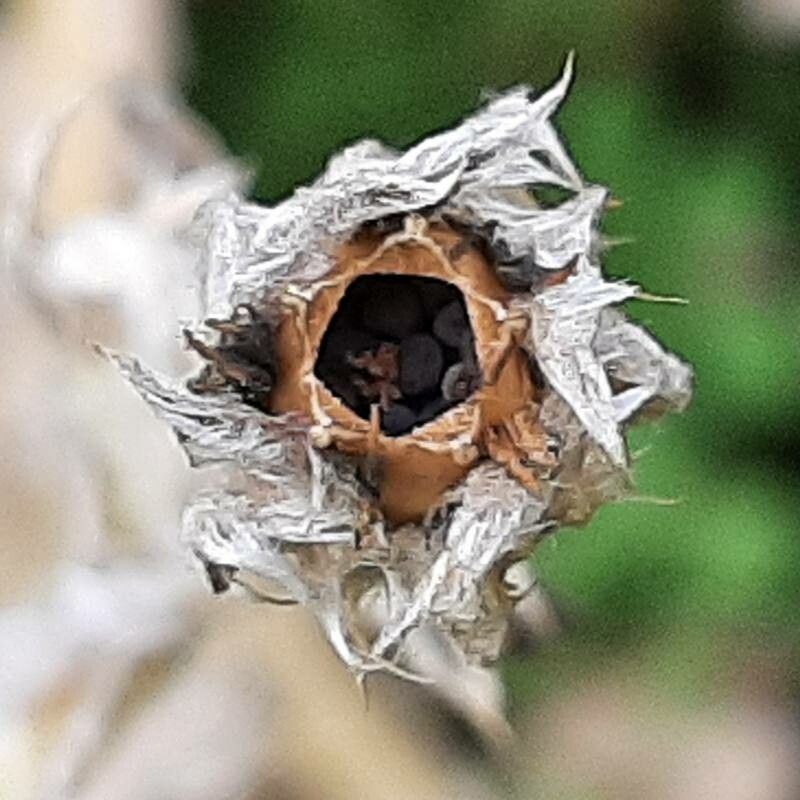
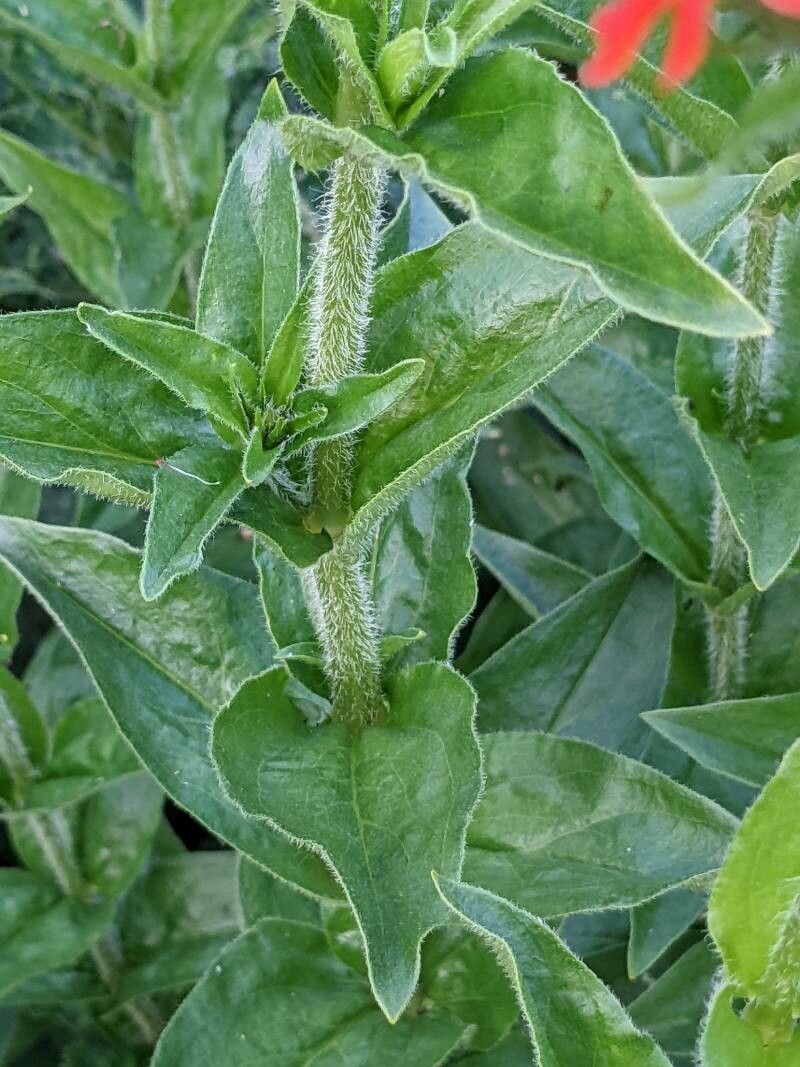
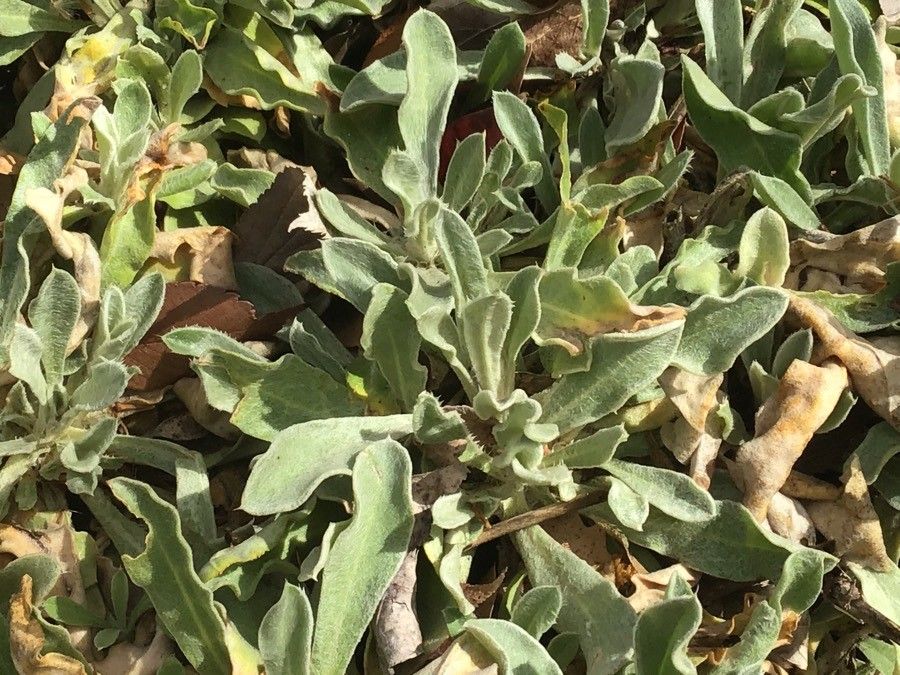
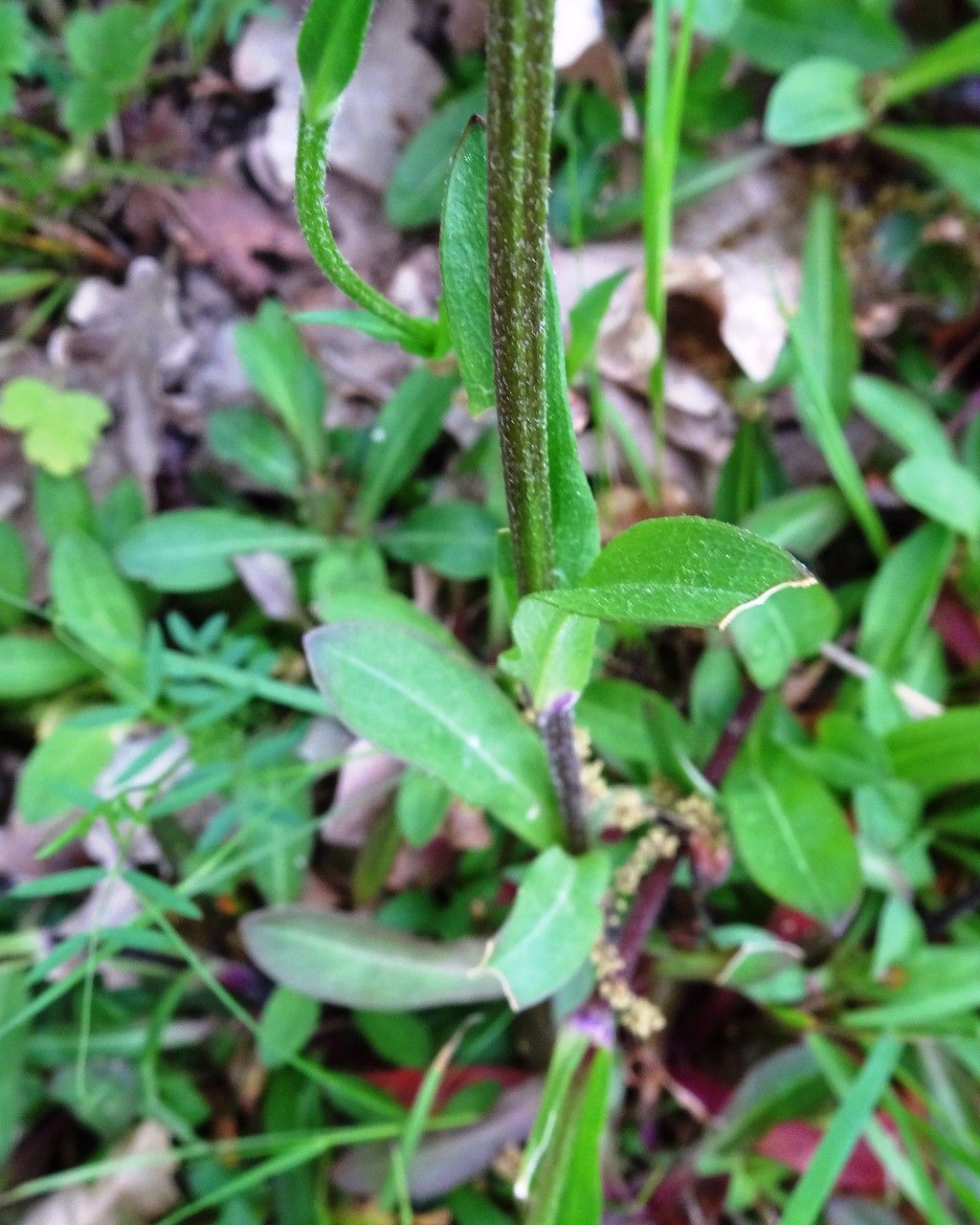
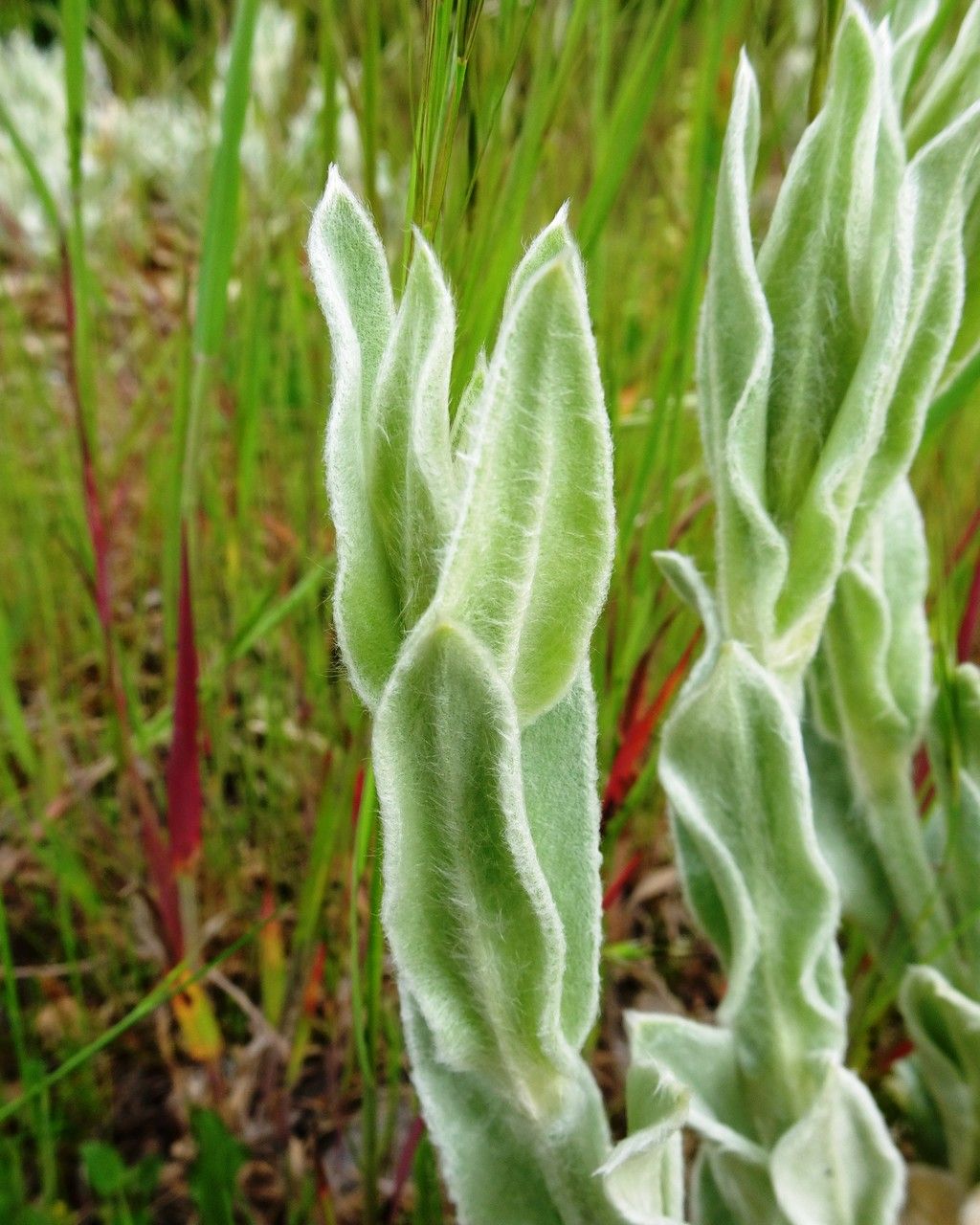
Silene coronaria, the rose campion, is a species of flowering plant in the family Caryophyllaceae, native to Asia and Europe. Other common names include dusty miller (this also refers to Centaurea cineraria and Jacobaea maritima), mullein-pink and bloody William. In the United Kingdom it is still widely referenced under its synonym Lychnis coronaria.The Latin coronaria means "used for garlands".It is a perennial growing to 80 cm (31 in) tall by 45 cm (18 in) wide, with grey felted leaves and single, bright magenta flowers produced in succession around July. Though short-lived, the plant readily self-seeds in favourable locations. It is sometimes grown as a biennial.
Rose campion is fairly resistant to disease and typically does not suffer from many illnesses. However, it can be vulnerable to pests and diseases present in its environment. These problems are usually mild. In terms of care, this plant requires moderate maintenance. Regular pruning is needed to keep a neat appearance and support healthy growth. Fertilizing can also help encourage flowering. Rose campion is suitable for anyone with outdoor space, such as a garden or patio, and does not demand extensive gardening experience. It may need more attention when grown indoors.
How to keep Lychnis Coronaria.
Light
Rose campion grows best in places that get plenty of sunlight all day, although it can tolerate areas with less daily sun. The plant originates from and is adapted to habitats with high sun exposure. Both too little and too much sunlight can affect its healthy growth.
Water
Water the drought tolerant plant regularly during the active growing season. Reduce watering in the winter. If kept in a pot or tub, avoid overwatering. Water according to your usual schedule in the cottage or perennial garden. If you have to water, apply the moisture slowly. Water new plants more often for 2 weeks. Avoid over/under watering by checking the soil.
Temperature
Rose campion originates from temperate areas and favors moderate temperatures, specifically 68 to 95 °F (20 to 35 °C). Seasonal adjustments may be required to sustain optimal growth by mimicking the temperature conditions of its native climate.
Fertilizer
A single spring application of fertilizer is typically enough for Rose campion, though several feedings can help it grow more vigorously. Apply fertilizer every month to six weeks. Fertilizing improves the leaves' appearance and performance, encouraging even color and a healthy texture. It also promotes root development and nutrient uptake for the plant's long-term health.
Pot & Repot
When repotting Rose campion, select a pot 1-2 inches (2.5–5.1 cm) larger with good drainage. Use a well-draining potting mix. Repot in spring or fall, ensuring the root ball sits slightly below the rim of the pot. Water thoroughly after repotting and keep it in a warm spot with indirect sunlight.
Toxicity
Lychnis coronaria has no toxic effects reported.
Further reading →
The toxicity and danger assessments provided are for reference only. We do not assure their accuracy, so it's crucial not to depend on them. Seek professional advice when necessary for accurate guidance.
Botanical profile.
- Plant Type
- Herb
- Life Cycle
- Perennial, Biennial, Annual
- Genus
- Lychnis
- Family
- Caryophyllaceae
- Hardiness Zone
- 5-8
- Mature Height
- 61 cm to 91 cm
- Mature Spread
- 61 cm
- Leaf Color
- Green, White, Silver, Gray
- Leaf Type
- Evergreen, Deciduous
- Flower Color
- Pink, Red, White, Purple
- Flower Size
- 4.06 cm to 5.08 cm
- Bloom Time
- Late spring, Early summer, Mid summer
- Planting Time
- Spring
- Harvest Time
- Mid summer
- Native Area
- Tajikistan, Turkey, India, Montenegro, Bulgaria, Pakistan, Greece, Croatia, Slovenia, Serbia, Russia, Italy, Kazakhstan, Iran, Albania, Azerbaijan
Other names.