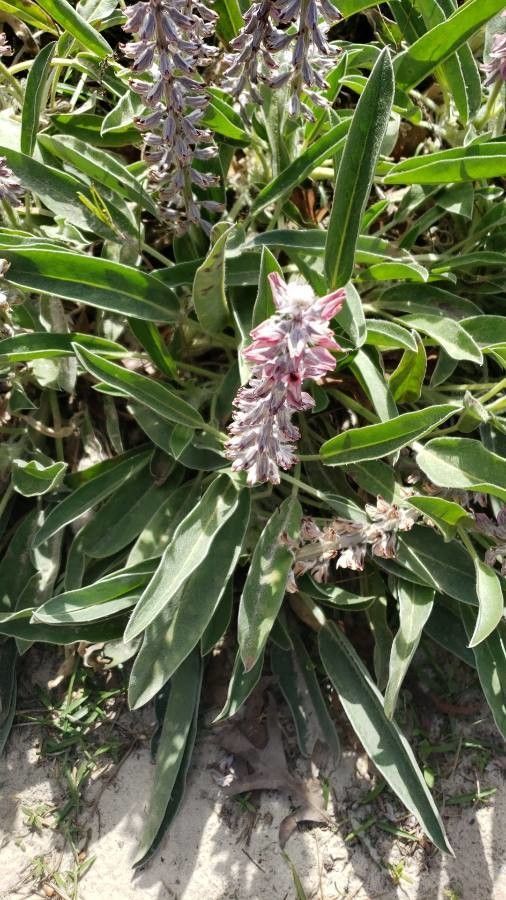
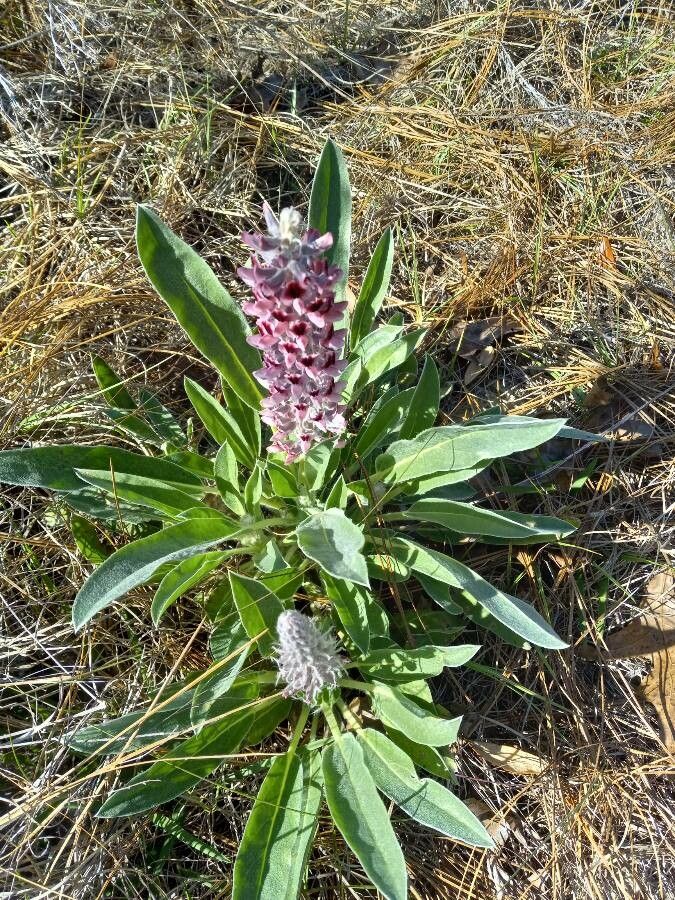
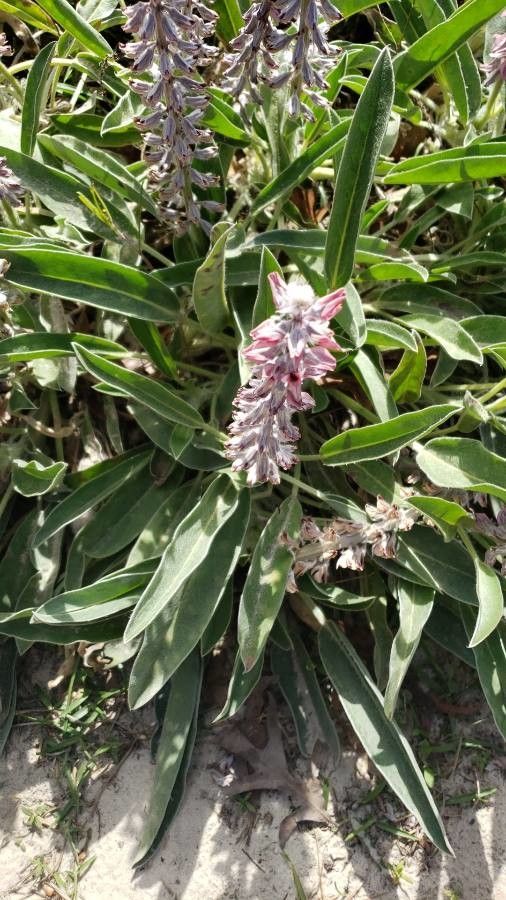
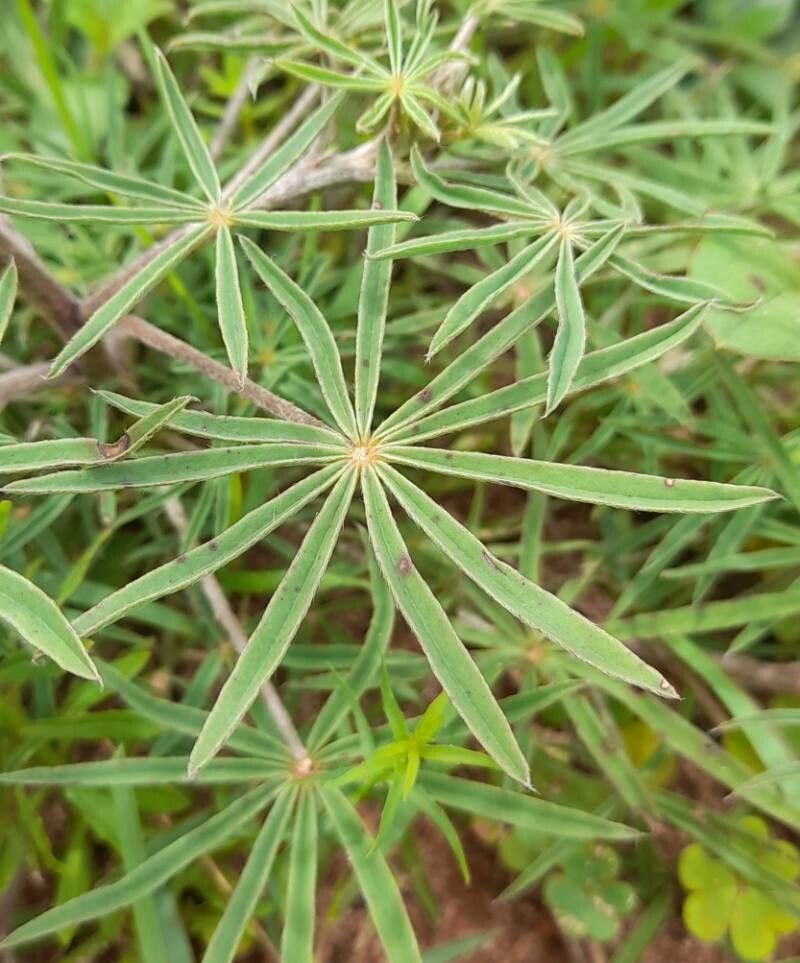
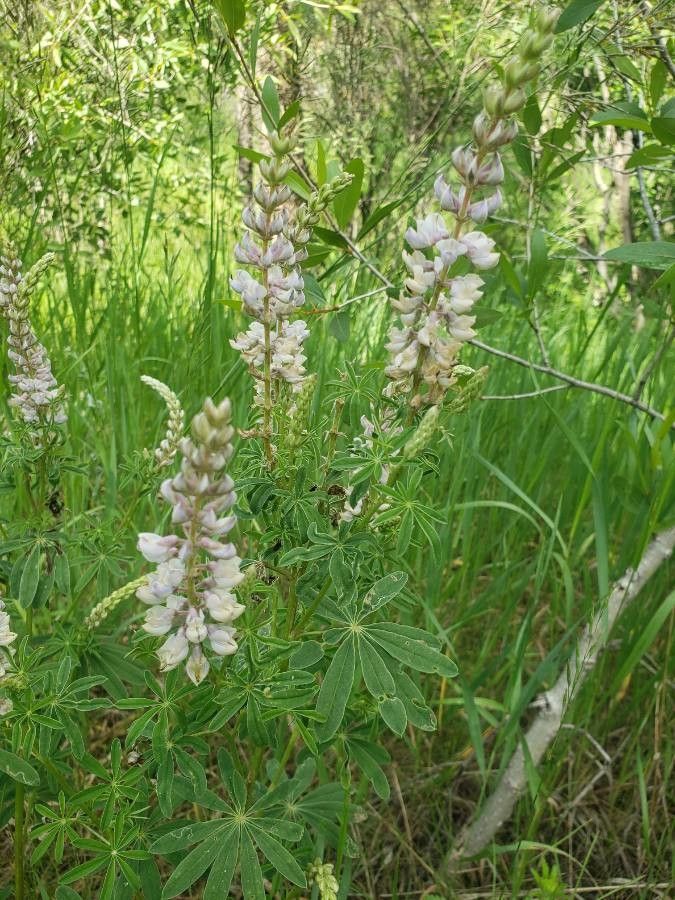
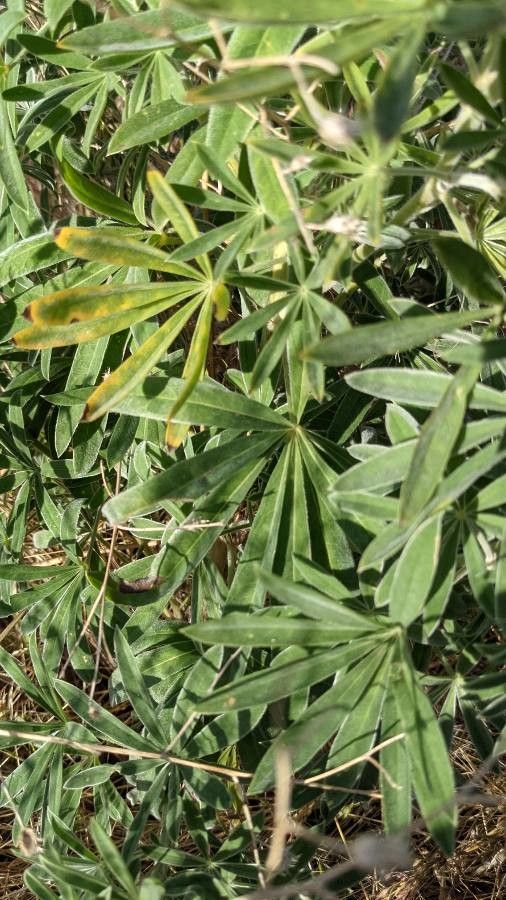
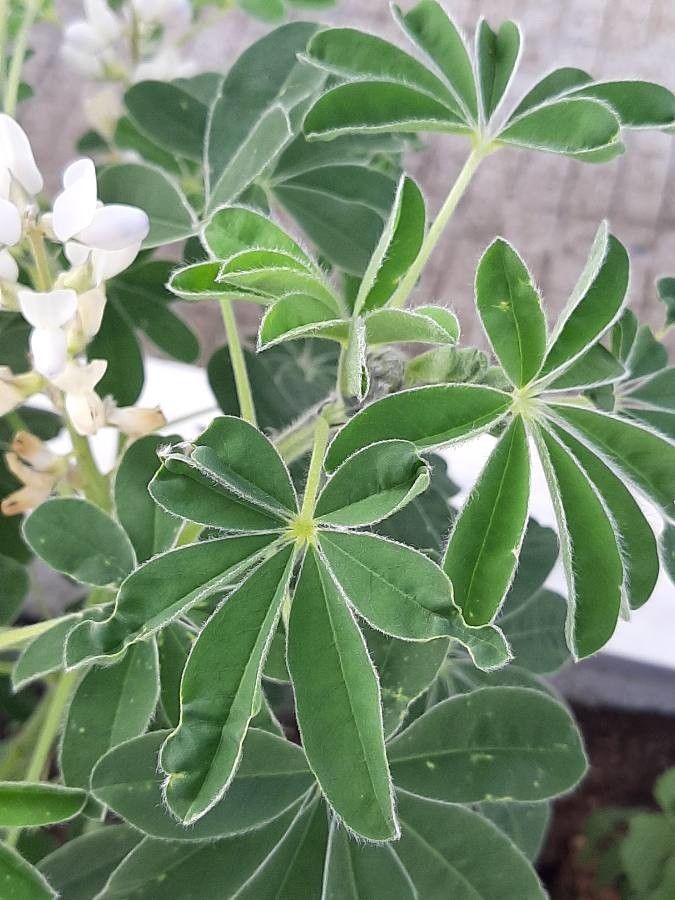
Lupinus villosus, commonly known as lady lupine, pink sandhill lupine, or hairy lupine, is a flowering plant species in the genus Lupinus.
Lady lupine is fairly disease-resistant and is usually not prone to illnesses. However, it can be affected by pests and diseases present in its surroundings. These problems are typically not severe. Regarding care, this plant needs moderate maintenance. It should be pruned regularly to maintain a neat appearance and healthy growth. Fertilizing can also encourage flowering. Lady lupine is suitable for anyone with outdoor space, such as a garden or patio, and does not require much gardening experience. It may need more attention when kept indoors.
How to keep Lupinus Villosus.
Water
Lady lupine flourishes when it has well-drained soil and is watered regularly. During the growing season, it needs about 1 inch (2.5 cm) of water per week. If it doesn’t receive enough water, it may seed prematurely. On the other hand, too much water can cause root rot and interfere with nitrogen fixation. Therefore, maintaining the right balance of water is essential for the plant's optimal growth.
Fertilizer
Usually one fertilizer application in spring is adequate for Lady lupine, though repeated feedings can boost growth to its fullest. Apply fertilizer every month to six weeks. Feeding improves the leaves’ appearance and performance, encouraging even color and a healthy texture. It also promotes root development and better nutrient uptake, supporting the plant’s long-term health.
Pruning
To help Lady Lupine prosper, prune regularly in early spring to encourage growth and blossoming. Trim back dead or overgrown stems to improve airflow and sunlight exposure. Make cuts just above the leaf nodes to stimulate healthy growth, prevent diseases and pests, and support a vibrant display.
Pot & Repot
When repotting Lady lupine, pick a pot 1–2 inches (2.5–5.1 cm) larger with good drainage. Use a well-draining potting mix. Repot in spring or fall, positioning the root ball slightly below the rim of the flower pot. Water thoroughly after repotting and place it in a warm spot with indirect sunlight.
Botanical profile.
Other names.
Reader questions.
What are the sunlight requirements for Lady Lupine (Lupinus villosus)?
Lady Lupine (Lupinus villosus) thrives when exposed to the appropriate amount of sunlight. For optimal growth, it requires 'full sun,' which constitutes above 6 hours of sunlight daily. Alternatively, it can also grow under 'partial sun' conditions, which equates to about 3-6 hours of sunlight each day. It's important to observe the movement of sunlight in your garden carefully to find locations that offer an ideal mix of light and shade. This careful selection ensures the plant's health and happiness.
What is the botanical name of Lady Lupine?
The botanical name of Lady Lupine is Lupinus villosus. This species is known for its distinctive characteristics and is part of the broader Lupinus genus, encompassing a variety of plants commonly referred to as lupines.