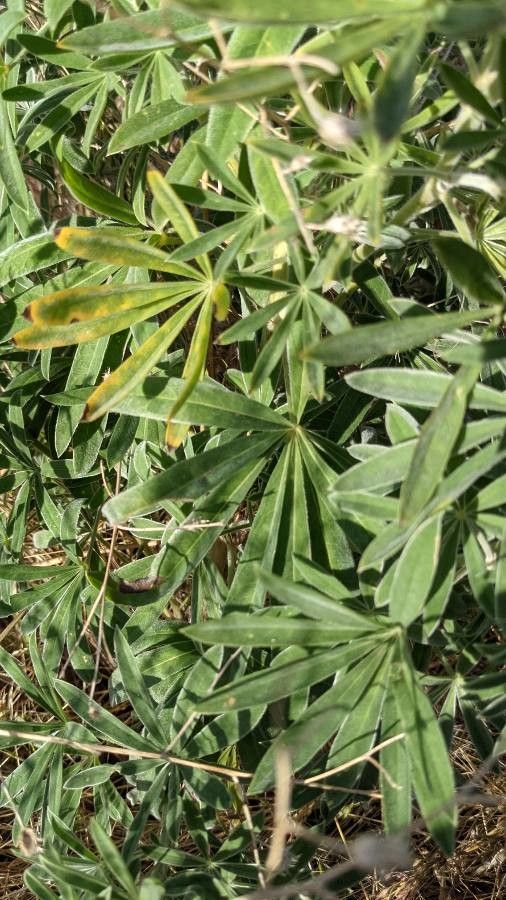
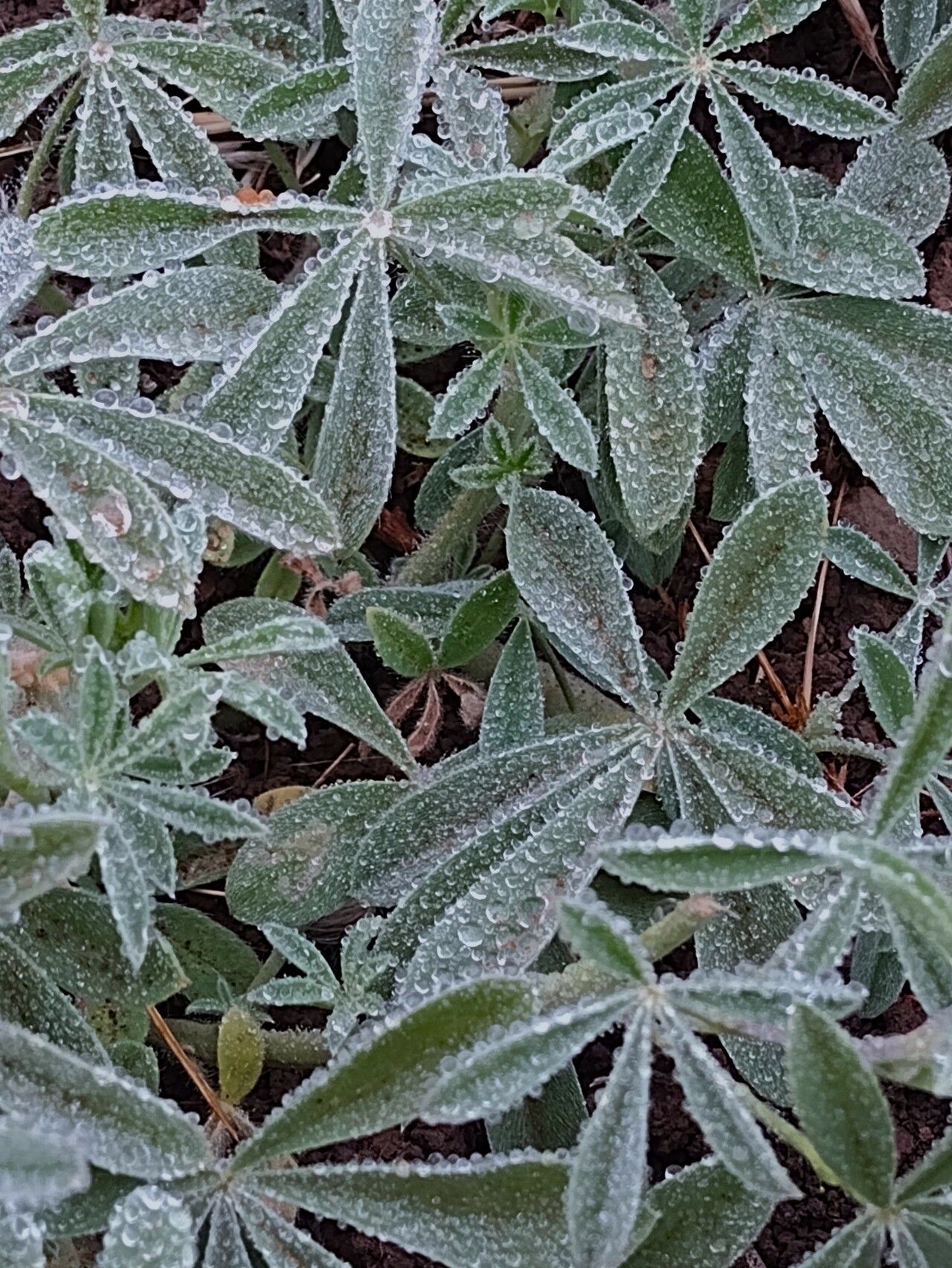
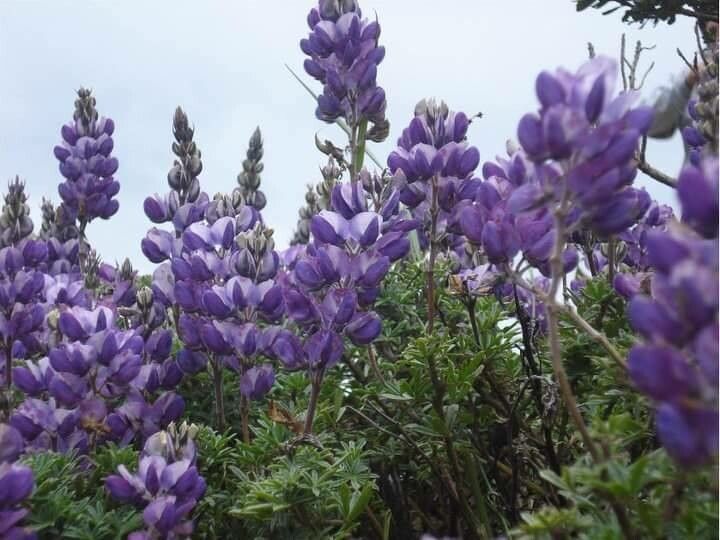
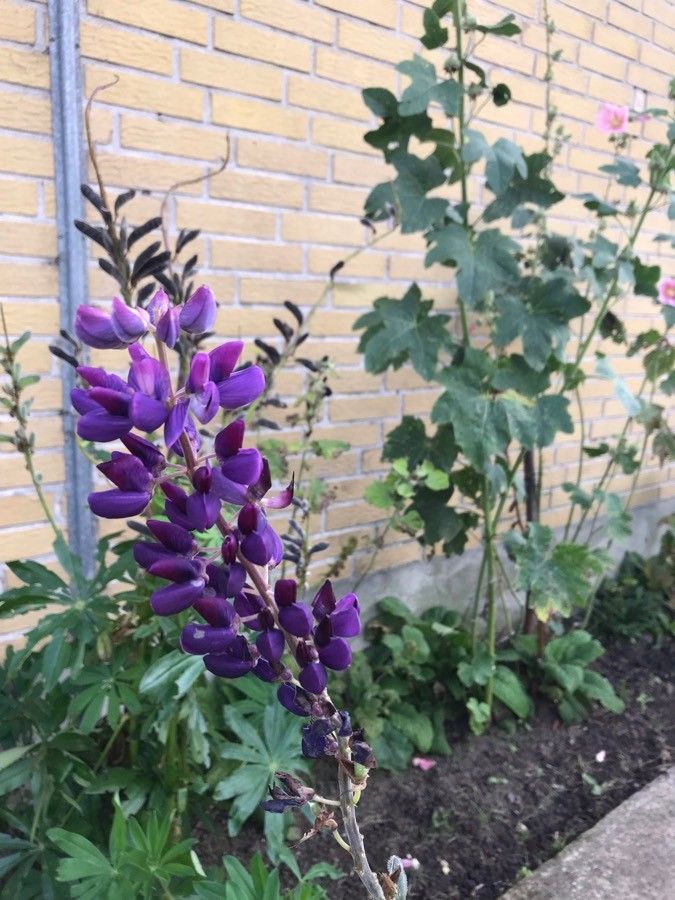
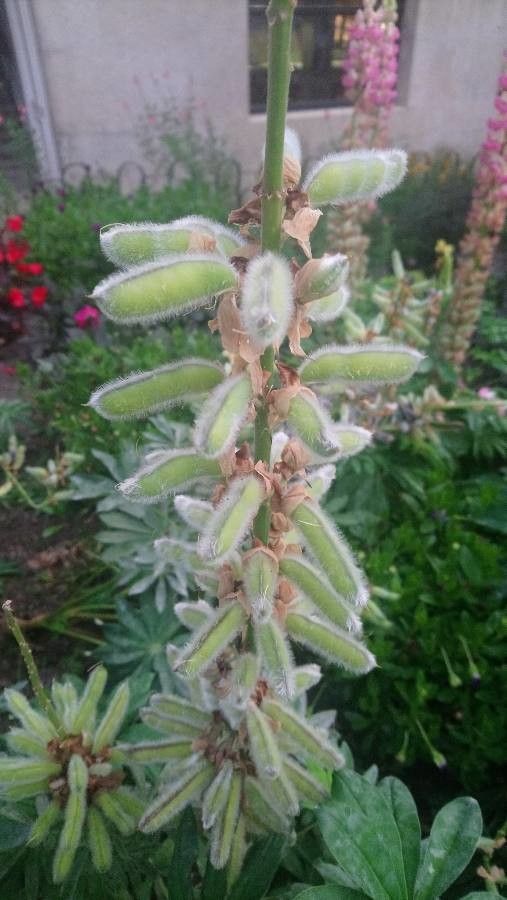
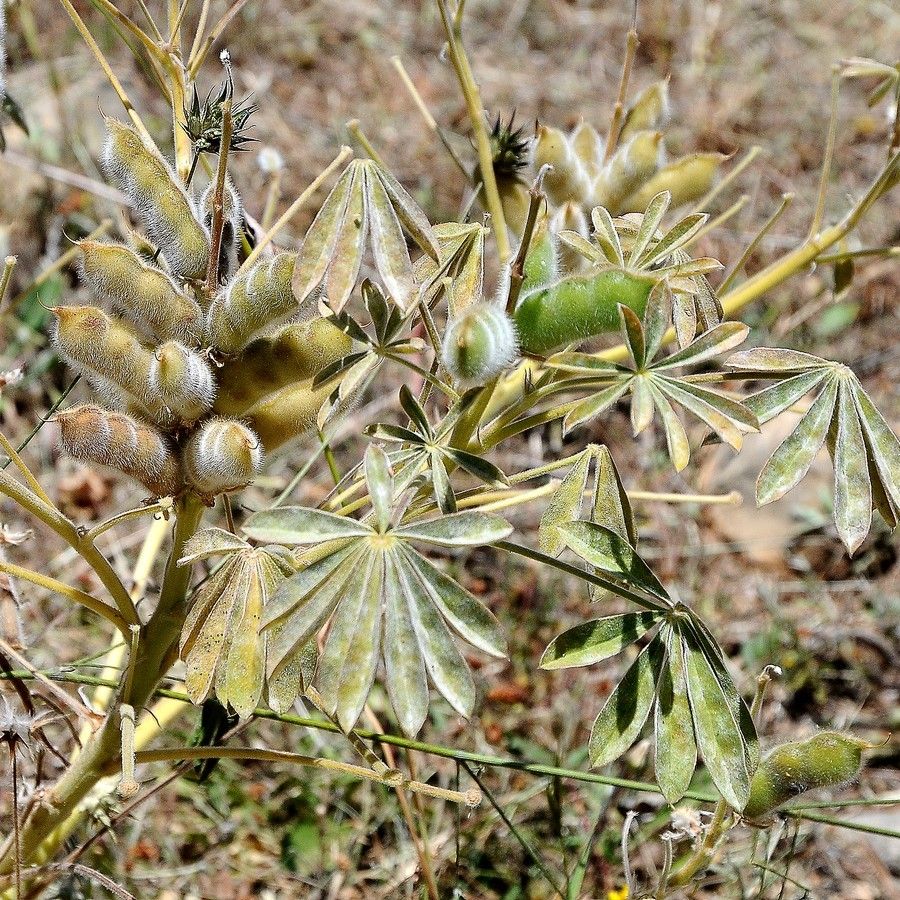
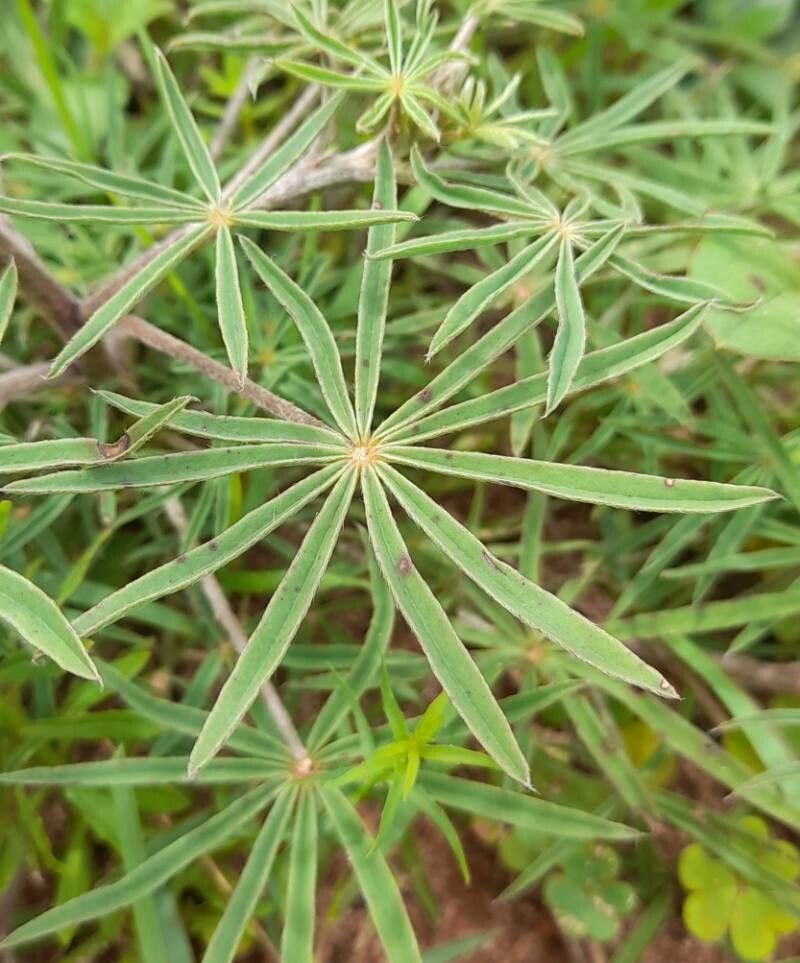
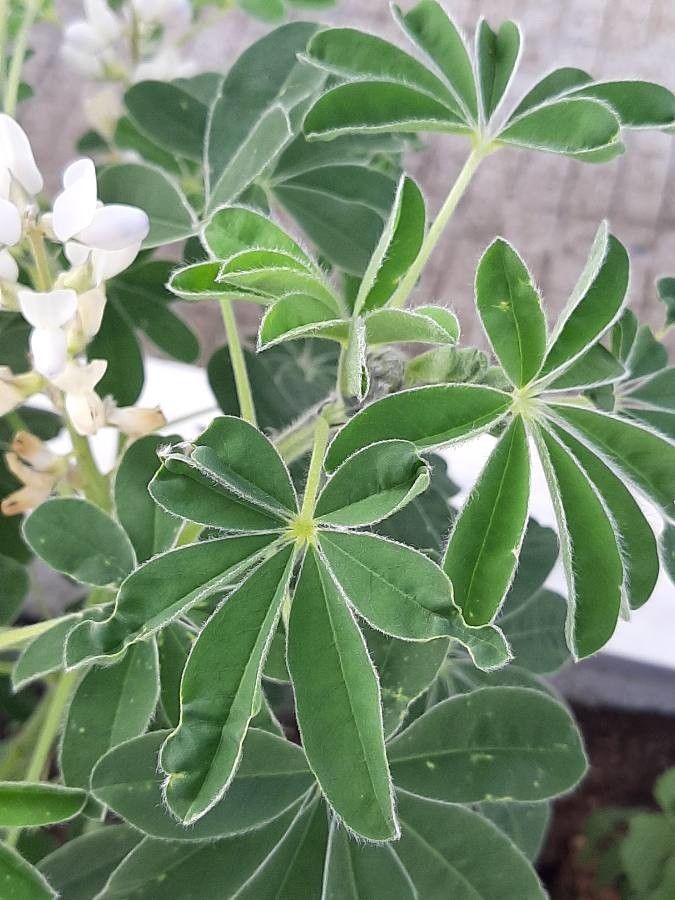
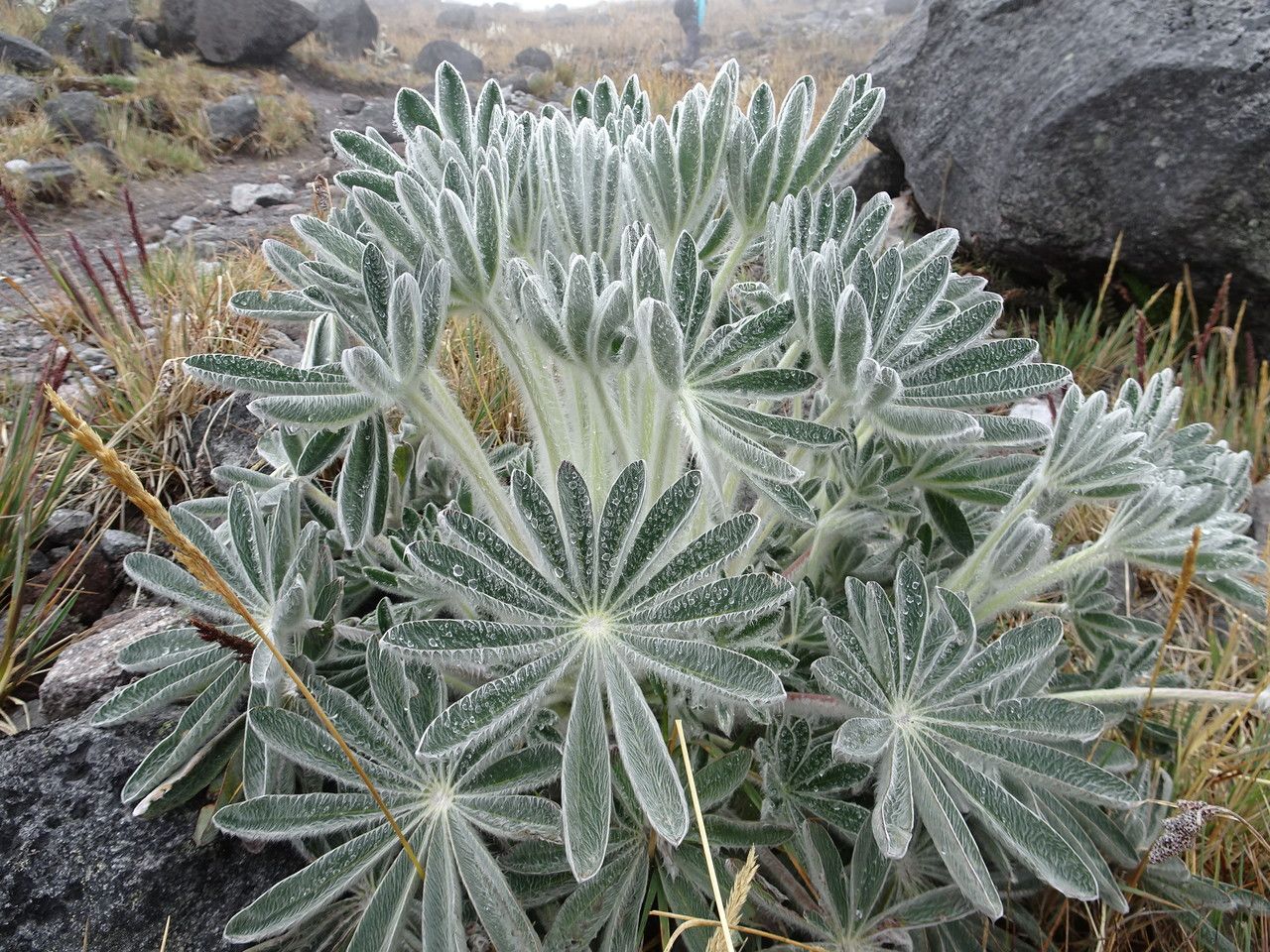
Lupinus albifrons, commonly known as silver lupine or white-leaf bush lupine, is a species of flowering plant in the legume family. Native to California, it thrives in a variety of habitats, including chaparral, coastal sage scrub, and oak woodlands. The plant typically reaches a height of 1 to 3 feet and features silvery-green leaves with showy spikes of blue-purple flowers that bloom from late spring to early summer. These flowers are particularly attractive to bees and other pollinators. Lupinus albifrons plays a crucial role in soil stabilization, thanks to its deep roots that help prevent erosion on steep slopes and hillsides. Additionally, it has nitrogen-fixing capabilities, which enhance soil fertility for surrounding plants. Despite its ecological significance, Lupinus albifrons faces threats from habitat loss due to urbanization and agricultural development in California's coastal regions. Conservation efforts are underway to protect this important native species from further decline. These efforts include habitat restoration projects and seed banking initiatives.
Silver lupine is fairly disease-resistant and generally not susceptible to diseases. Regarding care, this plant is relatively low-maintenance. When grown outdoors it needs little watering, and larger specimens typically do not require pruning. However, smaller plants should be pruned after they finish blooming. Silver lupinet is suitable for anyone with an outdoor space, such as a garden or deck, and does not require much care experience.
How to keep Lupinus Albifrons.
Light
The silver lupine prefers abundant sunlight and performs best with direct, unobstructed sun. It also tolerates moderate light levels without hindering its growth. Native to sunny habitats, both too little and too much light can impair its development, resulting in wilting or burned leaves.
Water
Silver lupine, which originates from dry habitats, is highly drought-tolerant and thrives with minimal moisture. For optimal health, it should be watered once a week. Its deep root system allows it to efficiently use soil moisture, making it well-suited for outdoor conditions.
Temperature
Silver lupine is highly adaptable to a variety of climate conditions, from sweltering summers to frosty winters. Still, it has an optimal temperature range for growth. When temperatures become too high, the plant can experience heat and humidity stress that may lead to its death. In areas where temperatures approach the lower end of its cold tolerance, it is necessary to use insulation to protect the plant.
Fertilizer
The timing of fertilization is important for Silver lupine. Apply fertilizer in early spring and then every month through early summer. Fertilizer promotes attractive blooms and supplies energy both during dormancy and in active growth.
Pruning
Silver lupine is characterized by its silvery leaves and vibrant flowers. For optimal shape and growth, prune the plant in late spring, after it has finished blooming. During pruning, remove any dead branches and trim lightly to encourage bushiness. While minimal intervention is generally recommended, regular pruning is beneficial as it improves air circulation and reduces the risk of disease. For advice specific to your region, consult resources from the RHS (Royal Horticultural Society) or local gardening guides.
Botanical profile.
- Plant Type
- Shrub
- Life Cycle
- Perennial
- Genus
- Lupinus
- Family
- Fabaceae
- Hardiness Zone
- 9-10
- Mature Height
- 0.91 m to 1.52 m
- Mature Spread
- 1.22 m to 1.52 m
- Leaf Color
- Silver
- Leaf Type
- Evergreen
- Flower Color
- Purple, Lavender
- Flower Size
- 1.02 cm to 1.52 cm
- Bloom Time
- Mid spring, Late spring, Early summer
- Planting Time
- Spring, Autumn
- Harvest Time
- Early summer, Mid summer
- Native Area
- Mexico
Other names.
Reader questions.
What should I do if I give too much or too little water to my Silver lupine plant?
Outdoor plants, especially newly planted ones or seedlings, can suffer from insufficient watering. It's important to remember to water them consistently for the first few months until their roots are established. Once that happens, they can rely on rainwater most of the time. However, if you have Silver lupine planted in pots, you run the risk of overwatering them. If you accidentally overwater your Silver lupine, take immediate action to minimize the damage. Stop watering the plant right away and check its roots by removing it from the pot. If there is no root rot, you can put the plant back in the pot. In the case of root rot, trim away the affected roots and apply a fungicide to prevent further damage. Repot the Silver lupine in well-draining soil. On the other hand, if your Silver lupine is underwatered, simply water it more frequently. Underwatering is easy to fix, as the leaves will droop, dry out, and fall off. They will regain fullness quickly once properly watered. Adjust your watering schedule promptly when you notice underwatering.
Why should I put fertilizer on my Silver lupine?
To help your Silver lupine thrive and bloom beautifully, fertilization is crucial. This is especially vital in early spring, as it ensures an abundance of stunning flowers during that season. Additionally, fertilizing your Silver lupine during fall planting or late spring significantly enhances its energy storage during dormant growth phases. By providing extra nutrients, your Silver lupine can store more energy to utilize when active growth resumes.
What are the sunlight requirements for Silver Lupine?
Silver lupine thrives in conditions that offer abundant sunlight, optimally in full sun, which is classified as having above 6 hours of sunlight daily. It can also tolerate partial sun, receiving about 3-6 hours of sunlight. It's essential to observe how sunlight moves through your garden, selecting locations that provide a good balance of light and shade to ensure the plants' health.
What is Silver Lupine?
Silver lupine, known botanically as Lupinus albifrons, is a species of lupine. Unfortunately, there is no additional detailed information provided regarding its characteristics, uses, or cultivation in the data.
How frequently do I need to water my Silver lupine?
Most outdoor plants can grow fine with natural rainfall. If your area doesn't get much rain, you should water your plants every 2 weeks in the spring and fall, and more often in the summer. During winter, when plants grow slower and need less water, it's best to water them less frequently or not at all. However, if you have a young or newly planted Silver lupine, you should water it more often to help it establish and grow. For potted plants, there are two main ways to determine watering frequency for your Silver lupine. The first option is to follow a set watering schedule, like once a week or every other week. But this may not always work well, as it doesn't take into account the specific conditions of your growing environment. Another approach is to water based on soil moisture. Wait until the top two to four inches of soil have completely dried out before giving more water. This method is especially important during the summer when plants need more water.
When should I fertilize my Silver lupine plant?
To effectively fertilize Silver lupine, timing is crucial. Applying fertilizer too early when the plant is still dormant will result in wastage and pollution, as rainwater will wash it away. The first application of fertilizer should be in the early spring, followed by monthly applications until early summer.
How does the amount of sunlight affect Silver Lupine's growth?
The growth of Silver Lupine is significantly influenced by the amount of sunlight it receives. Originating from environments rich in sunlight, it performs best under full, unobstructed solar exposure but can also manage in moderate light conditions. However, both inadequate and excessive light exposures can negatively impact its growth, potentially leading to wilting or leaf burns.
How should I water my Silver lupine all year round?
The frequency of watering your Silver lupine will vary with the seasons. In the summer, when it's hottest and the plant is exposed to ample sunlight, you'll need to water it more frequently. This is because strong summer sunlight can dry out the soil faster. On the other hand, during winter when the plant is not actively growing, it requires less water. You can water it once every 2 to 3 weeks or even skip watering sometimes. If you're growing the plant indoors, be careful of appliances like air conditioners, as they can cause the plant to dry out quickly, necessitating more frequent watering.
When is the best time to not fertilize my Silver lupine?
To ensure optimal growth and blooming of Silver lupine, it is important to consider the timing and type of fertilizer used. To avoid excessive leaf development without many blooms, it is best to choose a fertilizer with a lower nitrogen content compared to other nutrients. Additionally, it is advisable to refrain from fertilizing after early autumn as this could result in excessive growth just before winter. During hot and dry periods, it is not recommended to fertilize Silver lupine as dry soil is not as effective at delivering nutrients and the consequent growth may require more water than is available. It is preferable to apply fertilizer earlier in the season when temperatures are cooler. Lastly, be mindful that nearby plants or lawns may absorb applied fertilizer, so be cautious about inadvertently over-fertilizing other plants or trees.
How can artificial lighting support Silver Lupine's growth?
In scenarios where natural sunlight is insufficient, such as during winter or in less sunny spaces, artificial lighting can be crucial for the optimal growth of Silver Lupine. LED lights are recommended for their ability to provide specific wavelengths needed by plants. For indoor plants, the required artificial light ranges from 10-20W/sq ft for full shade plants to 30-50W/sq ft for those needing full sun. To mimic natural sunlight, the light source should be placed 12-36 inches above the plant and kept on for 8-12 hours per day.
How should I water my Silver lupine in the best way?
Your Silver lupine is not particular about how you water it. You can use any common watering tool like watering cans, hoses, or even cups. When watering, make sure to apply the water directly to the soil. It's important to water all areas of the soil equally to provide water to the entire root system. Using filtered water can be helpful as tap water may contain harmful particles for plants. Also, it's best to use water that is at or slightly above room temperature, as colder or hotter water may shock the Silver lupine. However, the Silver lupine usually responds well to any kind of water you give it.
What kind of fertilizer should I use for my Silver lupine?
To optimize the growth of Silver lupine, it is recommended to use a fertilizer that has a balanced mix of nutrients, but slightly higher phosphorus content. Alternatively, some gardeners prefer enhancing the soil with organic materials like compost, worm castings, and manure. When the flower buds start to appear, experienced gardeners supplement with water-soluble fertilizers containing phosphorus, resulting in improved flower development, larger size, and longer blooming period. There are various forms of fertilizers available, but liquid or powdered forms are considered the most effective for Silver lupine. Regardless of the form chosen, it is important to dilute the fertilizer and apply it while watering the plant.