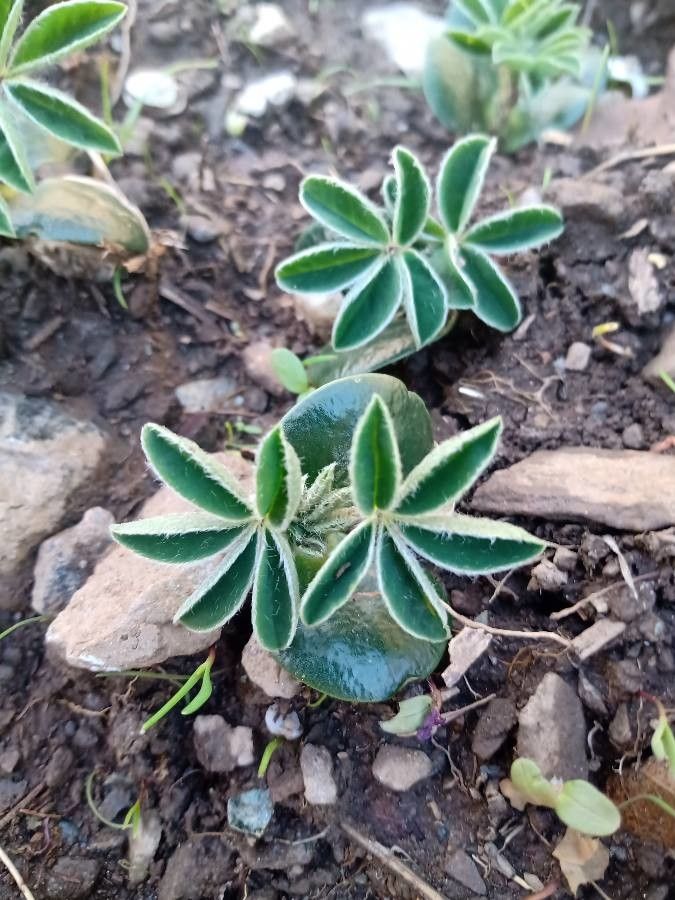
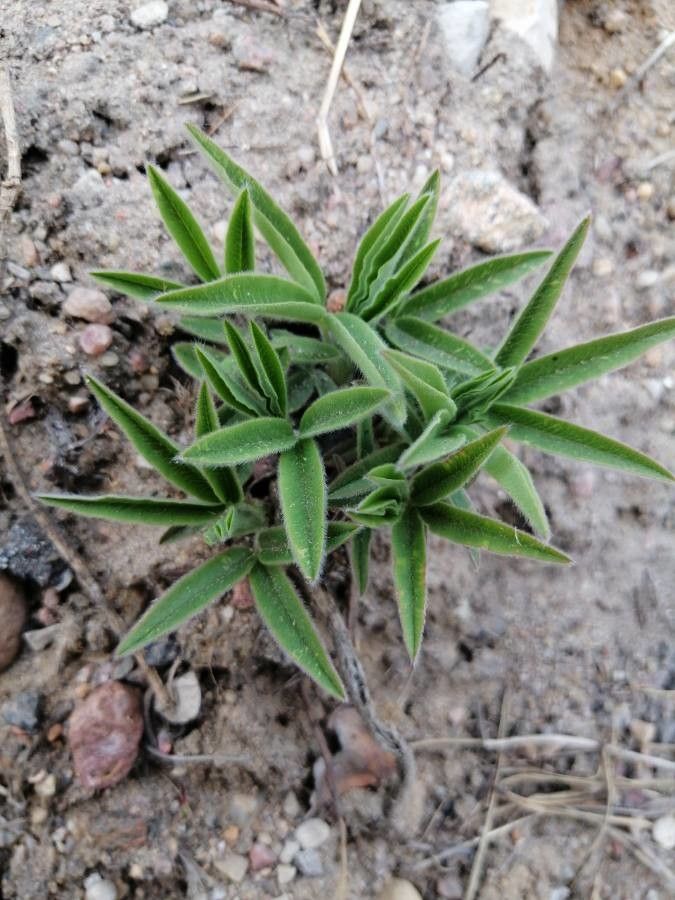
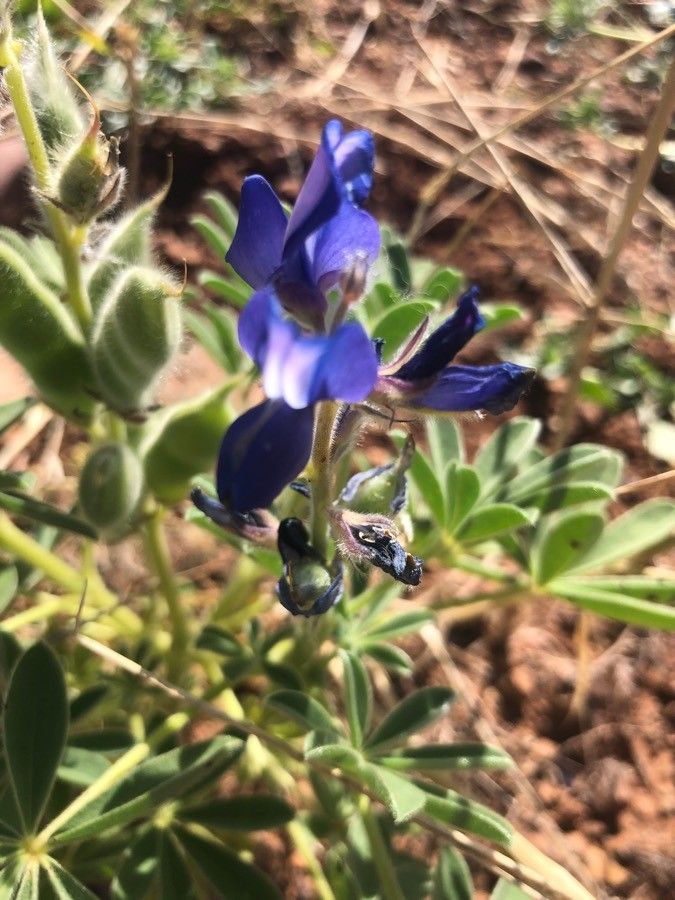
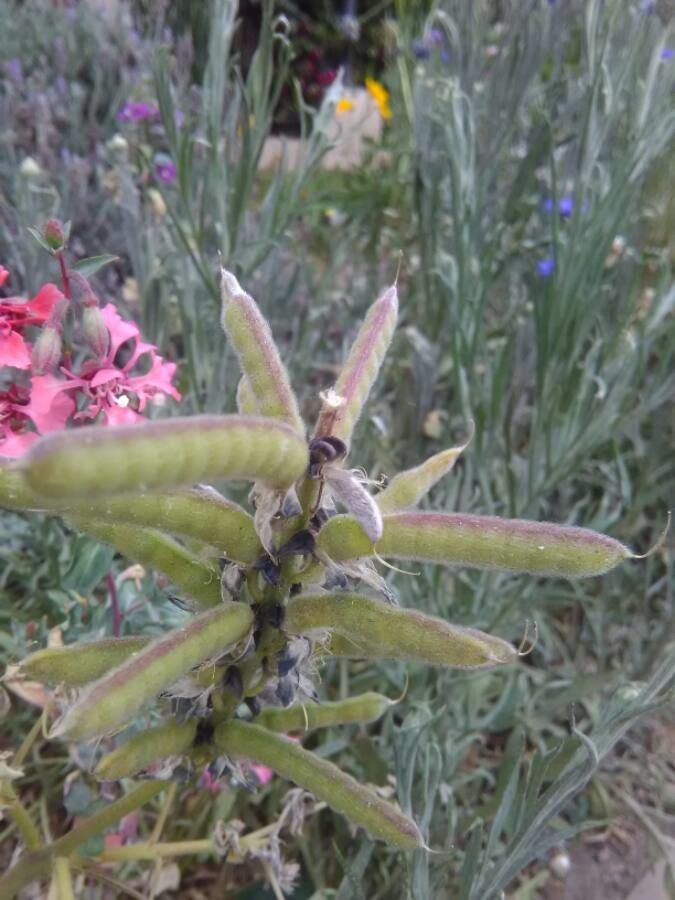
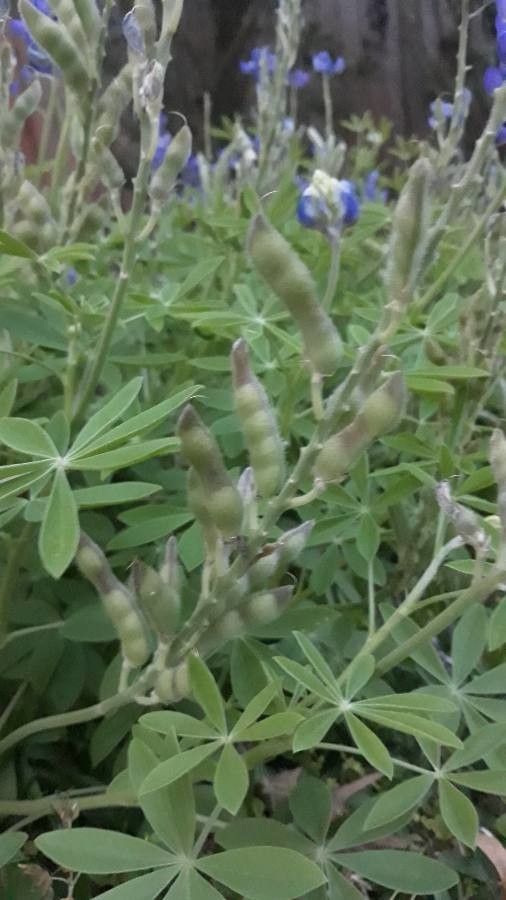
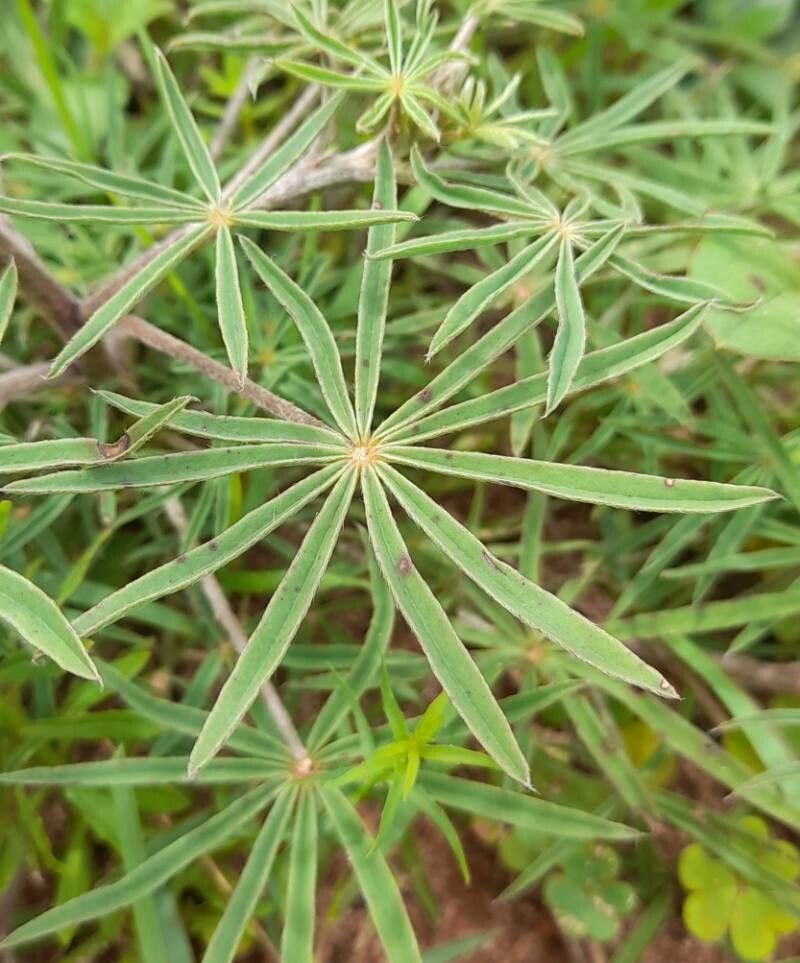
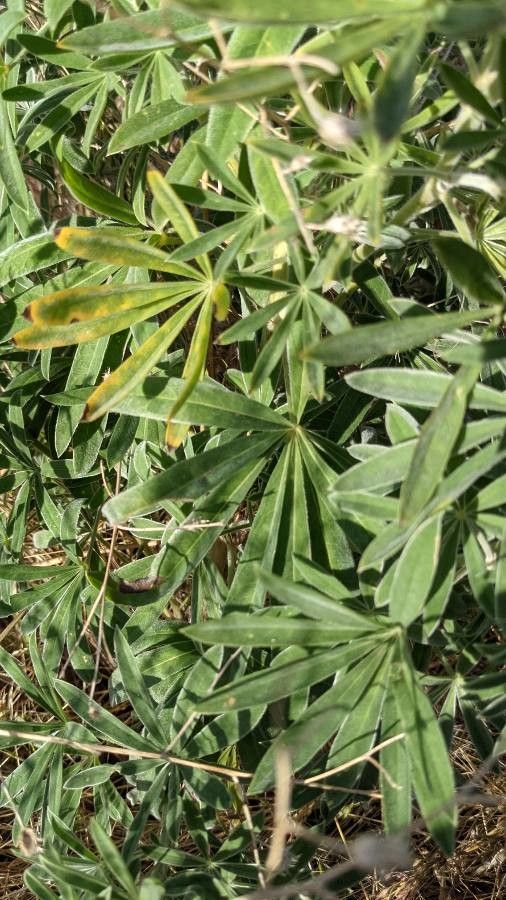
Lupinus texensis, commonly known as the Texas bluebonnet, is a species of lupine native to Texas and parts of Mexico. Belonging to the legume family, this plant is celebrated for its striking blue flowers that bloom in the spring. Typically, it grows to be about 1-2 feet tall and features palmately compound leaves with 5-7 leaflets. The flowers, arranged in spikes at the top of long stems, can vary in color from deep blue to white, often with pink or red accents.
Lupinus texensis thrives in well-drained soils and full sun exposure, making it an ideal choice for gardens or meadows with similar growing conditions. Additionally, it serves as a crucial food source for pollinators such as bees, butterflies, and hummingbirds. The plant has become a symbol of Texas pride, thanks to its beauty and widespread presence during the state's annual wildflower season.
Botanical profile.
- Plant Type
- Herb
- Life Cycle
- Annual, Biennial
- Genus
- Lupinus
- Family
- Fabaceae
- Hardiness Zone
- 4-8
- Mature Height
- 30 cm to 91 cm
- Mature Spread
- 10 cm
- Leaf Color
- Green, White
- Leaf Type
- Deciduous
- Flower Color
- Blue, Purple, Pink
- Flower Size
- 20.32 cm to 48.77 cm
- Bloom Time
- Mid spring, Late spring
- Planting Time
- Autumn
- Harvest Time
- Late spring, Early summer
- Native Area
- Mexico
Other names.