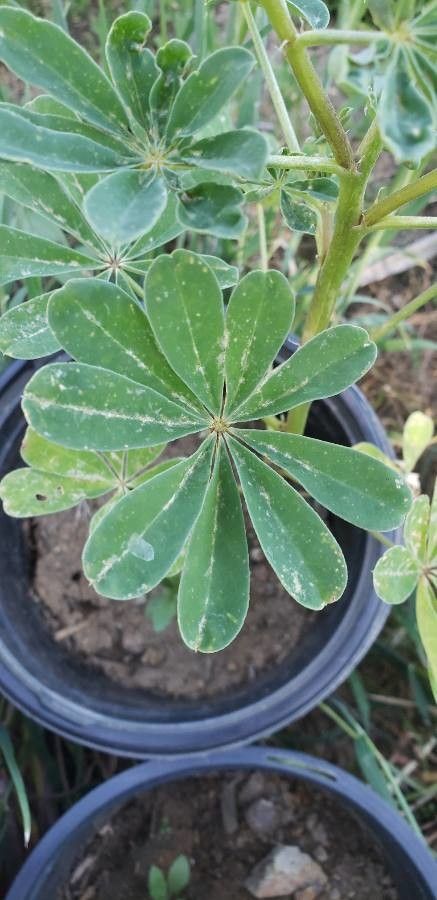
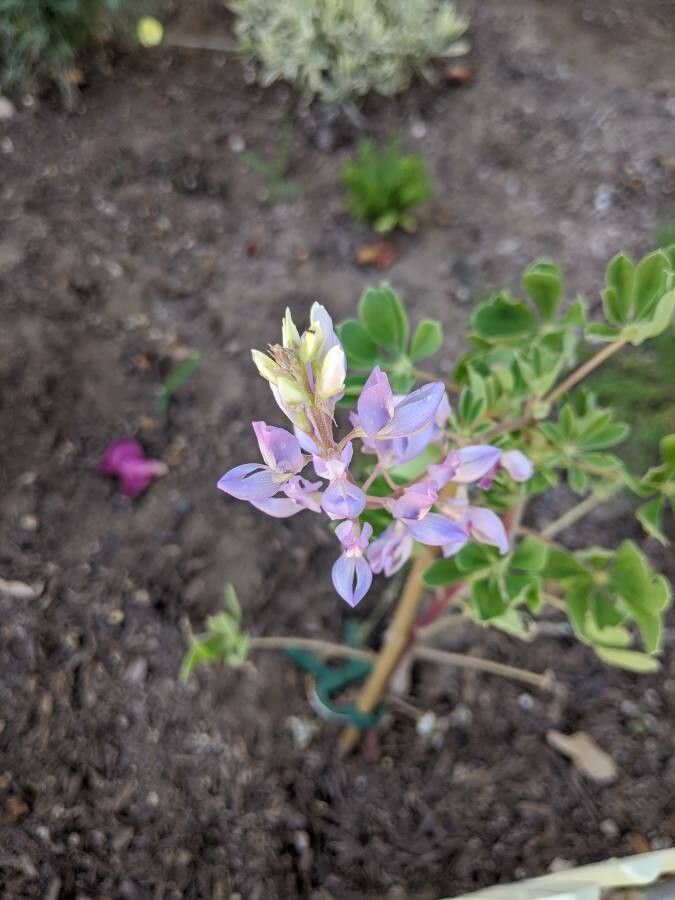
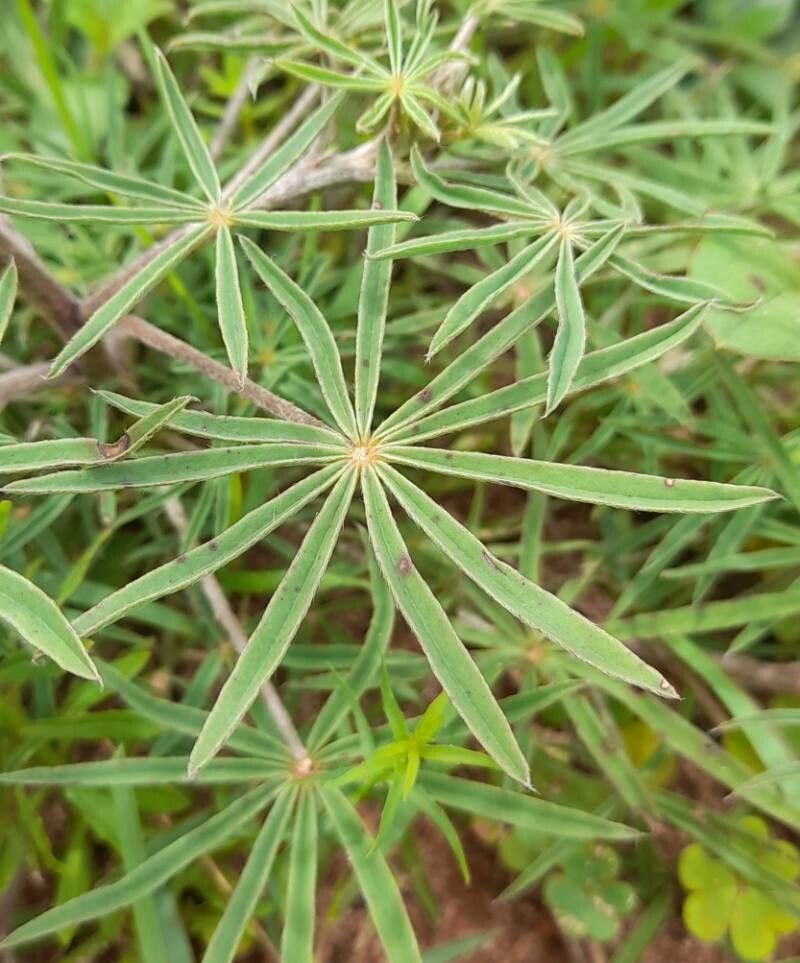
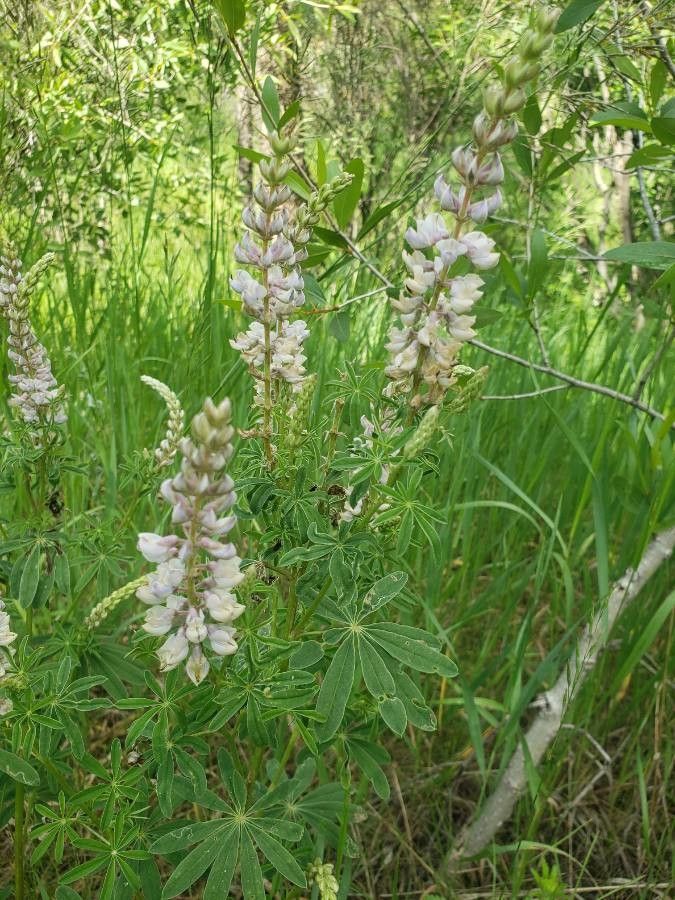
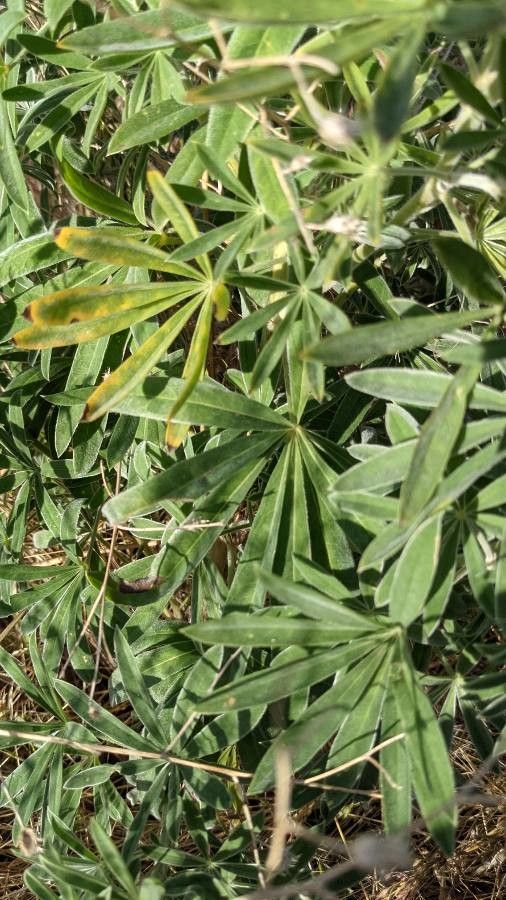
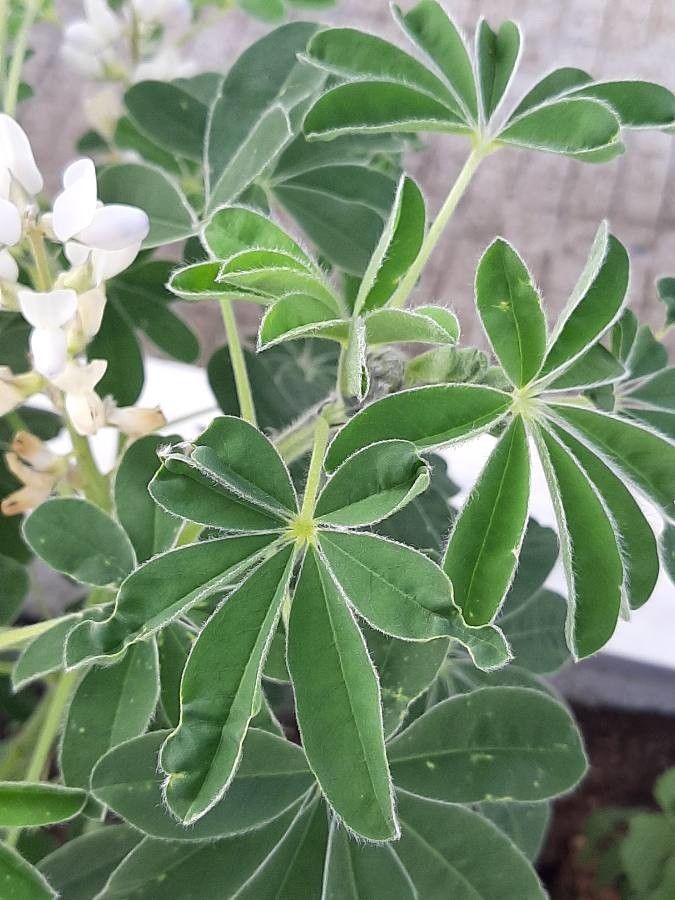
Lupinus succulentus, commonly known as the arroyo lupine or hollowleaf annual lupine, is a flowering plant species in the legume family. Native to California, it thrives in various habitats, including grasslands, chaparral, and coastal sage scrub. Typically, the plant grows to a height of 1-2 feet and showcases blue-purple flowers that bloom from March to May. Its leaves are succulent and hollow, aiding in water conservation during dry periods.
Lupinus succulentus plays a vital role in California's ecosystem. It provides food for pollinators like bees and butterflies and serves as an essential food source for grazing animals such as deer. Additionally, it is commonly used in restoration projects due to its nitrogen-fixing ability, which enhances soil quality for neighboring plants.
Arroyo lupine shows strong resistance to diseases and is generally unlikely to suffer from them. Still, it can be affected by pests and diseases present in its environment. Such infections are typically mild. Regarding upkeep, this plant requires a moderate level of care. It should be pruned on a regular basis to preserve an attractive appearance and healthy development. Applying fertilizer can also encourage blooming. Arroyo lupine is appropriate for anyone with an outdoor area, like a garden or patio, and does not demand extensive gardening experience. It may need extra attention if grown indoors.
How to keep Lupinus Succulentus.
Light
Arroyo lupine does best when exposed to plenty of sun throughout the day. Although it grows most vigorously with consistent sunlight, it can tolerate periods of reduced light. Too little sun can hinder its healthy development, while too much can place the plant under stress. Coming from sunny habitats, its light requirements remain the same at every stage of growth.
Water
Arroyo lupine thrives in environments with moderate moisture and requires weekly watering to stay healthy. As an outdoor plant, it grows best during the growing season and needs extra watering to support its vigorous growth and flowering, which mirrors the hydration needs of its natural habitat.
Temperature
Arroyo lupine occurs naturally in environments with temperatures ranging from 68 to 95 °F (20 to 35 °C). It prefers milder climates and may require extra care during particularly cold or hot seasons, especially in winter.
Fertilizer
When most of the Arroyo lupine's blooms have opened to full size, resume fertilizing. At about the time the flowers are at their peak, fertilize again every three to four weeks, if the weather allows. Then, once the plant begins producing fewer new blooms, stop fertilizing—there’s no reason to feed it when it can no longer set additional flowers.
Pruning
To help Arroyo lupine flourish, it's best to prune them from early to late spring. Concentrate on cutting away any dead stems to encourage new growth and more abundant blooms. Be careful not to over-prune, as this can stress the plant. Pruning correctly not only improves the plant's appearance but also enhances air circulation and helps prevent disease. Always use clean, sharp tools for the best results.
Botanical profile.
- Plant Type
- Herb
- Life Cycle
- Annual, Biennial
- Genus
- Lupinus
- Family
- Fabaceae
- Hardiness Zone
- 7-10
- Mature Height
- 91 cm
- Mature Spread
- 76 cm
- Leaf Color
- Green, Dark Green
- Leaf Type
- Semi-evergreen
- Flower Color
- Purple, Blue
- Flower Size
- 1.27 cm to 1.78 cm
- Bloom Time
- Mid spring, Late spring, Early summer
- Planting Time
- Spring, Summer
- Harvest Time
- Early summer, Mid summer
- Native Area
- Mexico
Other names.
Reader questions.
How should I water my Arroyo lupine?
To water Arroyo lupine, you have a few options. You can use a garden hose with a spray nozzle, a watering can, or any other common watering tool. Arroyo lupine is not too fussy about the type of water it receives. It can thrive on rainwater, tap water, or filtered water. However, it's best to avoid watering this plant from above as it can harm the leaves and flowers and potentially cause disease. A drip irrigation system would be an ideal method for watering Arroyo lupine because it evenly applies water directly to the soil. If you have a container-grown Arroyo lupine, you can use a cup, watering can, or tap water to water the plant directly into the soil.
What will happen if I give my Arroyo lupine too much fertilizer?
First-time gardeners and experienced gardeners trying out new products often make the mistake of over-fertilizing. Luckily, Arroyo lupine helps identify this issue by showing clear signs of distress. These signs include yellowing leaves, wilting foliage, and under-developed blooms, all indicating an excess of nutrients. Over-fertilizing can lead to unfavorable soil conditions in which the soil becomes too hot and burns the roots of plants. To prevent this, it is recommended to flush out the soil once a month by watering it twice as much as normal with good drainage.
What kind of sunlight does Arroyo lupine require?
The Arroyo lupine thrives in full sunlight, so it's important to avoid overcrowding them. This allows the plants to receive equal amounts of sun exposure, which is vital for the leaves to thrive. If planting in pots, it's recommended to position the herbaceous flowers in windows with direct sunlight and ensure they receive full sunlight year-round. Partial or filtered light is not ideal for the Arroyo lupine, as it may result in weak stems and unhealthy flowers. Ideally, the Arroyo lupine should always be exposed to the sun.
What temperature is best for Arroyo lupine?
The ideal temperature range for Arroyo lupine depends on the time of year. There are two main seasons to consider: the growing season and the dormancy season. During the growing season, which starts when Arroyo lupine begins to sprout, the best temperature range is between 65-80℉ (18-27℃). If the temperature drops below 15℉ (-10℃), the plant will suffer, with its leaves browning and wilting. However, if it is a brief cold snap, Arroyo lupine may be able to survive with some assistance. Similarly, during the hotter parts of the year, Arroyo lupine must be protected from excessively high temperatures. The upper threshold for this plant is 95-105℉ (35-40℃). Anything above that can damage the foliage and blooms, causing wilting, drooping, and even sunburn on the leaves, which can be challenging for Arroyo lupine to recover from. Fortunately, there are several quick and easy ways to address this issue.
What do I need to do if I give my Arroyo lupine too much or too little water?
The solution for underwatering Arroyo lupine is simple: water it more regularly when you notice it lacks moisture. However, overwatering can be a more serious problem if not detected early. When an Arroyo lupine is overwatered, it can develop diseases that cause it to decline and die. To prevent this, choose a suitable location for growing the plant, with ample sunlight to dry the soil and good drainage to avoid waterlogging. If you overwater your potted Arroyo lupine, consider changing it to a new pot. The previous container may not have provided proper drainage, so when repotting, ensure loose soil and an efficiently draining pot are used.
Why should I put fertilizer on my Arroyo lupine?
Plants need nutrients to survive, and most gardeners are aware of this. For Arroyo lupine, without proper food, it will die out shortly after pollination. To keep Arroyo lupine thriving and producing beautiful flowers throughout the blooming season, it is essential to provide the right nutrients in the right amounts. Fertilizer is particularly beneficial for Arroyo lupine because it helps build a strong root system. This is important because Arroyo lupine has a thin and delicate root system that is easily damaged. By fertilizing during planting, Arroyo lupine can establish a sturdy root structure that not only provides stability but also ensures a spectacular flowering performance. Timed correctly, fertilization can significantly prolong the blooming period of Arroyo lupine.
How many hours of sunlight does Arroyo lupine need to grow well?
To ensure the wellbeing of the plants, it is important to provide them with sufficient sunlight for at least 6 to 8 hours per day. It is particularly beneficial for them to receive more exposure to morning light, especially during the summer. The Arroyo lupine thrives in full sun and requires as much sunlight as possible. The more light these species receive, the better they are able to produce food, showcase stunning blooms, and ultimately thrive.
What temperatures do young Arroyo lupine plants need in their first year or as seedlings?
If you have a new Arroyo lupine plant and it's the first year being outside, it may need extra care during the coldest months. Frost can cause severe damage and prevent it from growing back healthy in the spring. To protect it, keep the temperature above 40℉ (5℃) by either bringing it indoors or using mulch or fabric barriers. During the first year or two, it's best to plant Arroyo lupine in a shadier spot. Smaller and weaker plants struggle to regulate their own temperature in the heat, so they should receive no more than five hours of direct sunlight per day, especially if the temperature exceeds 80℉ (27℃). To handle the summer heat, use shadecloth and water or mist the plant regularly.
How frequently should I water my Arroyo lupine?
To keep your Arroyo lupine healthy, it's important to water it regularly during the growing season. In the spring, watering once a week should be sufficient. However, as the season progresses and the weather gets warmer, you may need to increase watering to two or three times a week. Be careful not to overdo it though, as too much water can harm the plant. It's also important to keep the soil moist but not overly wet, regardless of how often you water. If your Arroyo lupine is in a pot, you'll need to water it more frequently than if it were planted in the ground. Potted plants tend to dry out faster, so watering a few times a week is usually necessary compared to just once a week for plants in the ground.
When should I put fertilizer on my Arroyo lupine?
Arroyo lupine experiences rapid growth after the last frost. It is recommended to fertilize the plant during this time, which is typically when it is first planted in the ground or in planters. This initial dose of fertilizer will last until the blooms are fully developed later in the year. Once the blooms are at their peak and are fully open, it is time to start fertilizing again. This should be done every three to four weeks, depending on the weather. Eventually, when the plant starts producing fewer new blooms, you can stop fertilizing as there won't be any further bloom production.
Does sunlight harm plants? How can I shield Arroyo lupine from damage caused by the sun and heat?
When the temperature exceeds 90℉(32℃), the Arroyo lupine can suffer damage from extreme heat, especially if they are exposed to prolonged sunlight. In the summer, it is ideal to provide some shade from the afternoon light. It's important to remember that summer sunlight is stronger and lasts 50% longer than winter sunlight. If the Arroyo lupine is overwhelmed by sunlight, it is important to keep them well-hydrated. Water them when the top of the soil is about 2 inches dry and, if they are in containers, consider moving them indoors if it's too hot outside. It is normal for the plant leaves to wilt during the day, as they typically recover at night. However, if you notice that the Arroyo lupine is still drooping, it means that the plant is losing water rapidly and requires immediate watering.
How can I keep the Arroyo lupine safe from very hot or very cold weather?
To protect Arroyo lupine from cold damage during the growing season when temperatures drop below 15℉(-10℃), there are a few steps you can take. If you are growing Arroyo lupine in a container, simply bring it indoors where it can receive bright, indirect light until temperatures rise above the threshold. For Arroyo lupine planted in the ground, using mulch or horticultural fabric to create a barrier around the plant will provide insulation and protect it from frost and cold wind. On the other hand, if temperatures rise above 80℉(27℃) in the shade during the day, it's important to limit the amount of sunlight the Arroyo lupine is exposed to. Ideally, provide it with no more than six hours of sunlight per day, preferably in the morning. Installing shade cloth or a fine plastic mesh can help reduce direct sunlight exposure during the hottest parts of the day. Additionally, a misting system that emits a slow release of cooling mist around the plant's base can help lower ground temperatures.