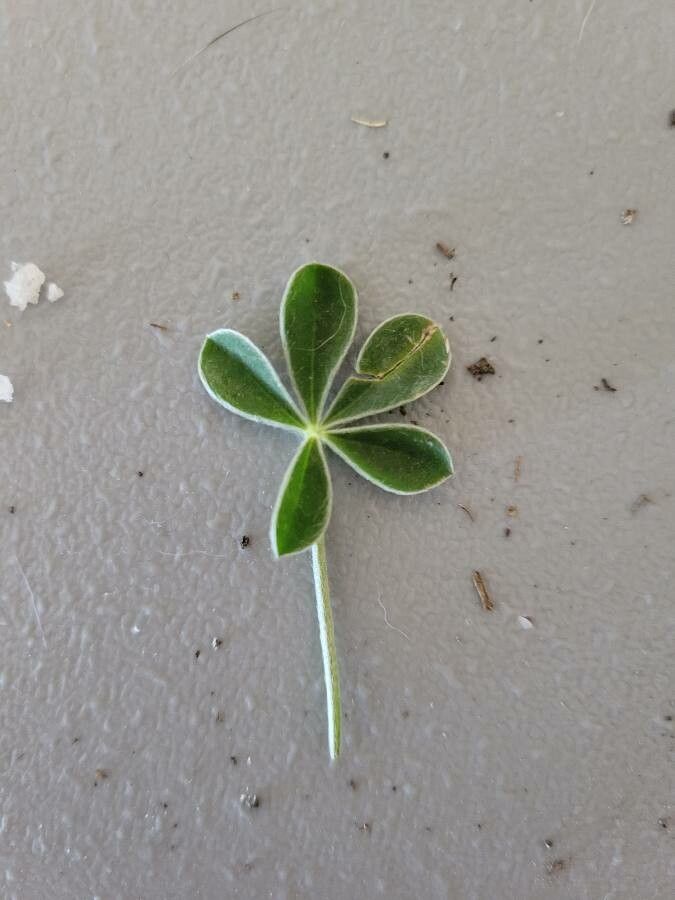
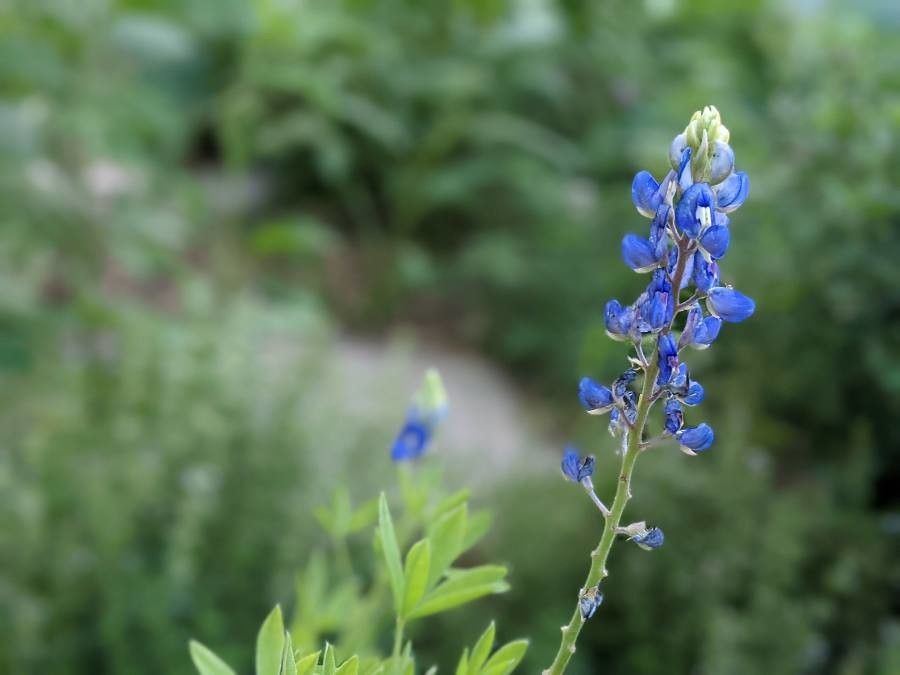
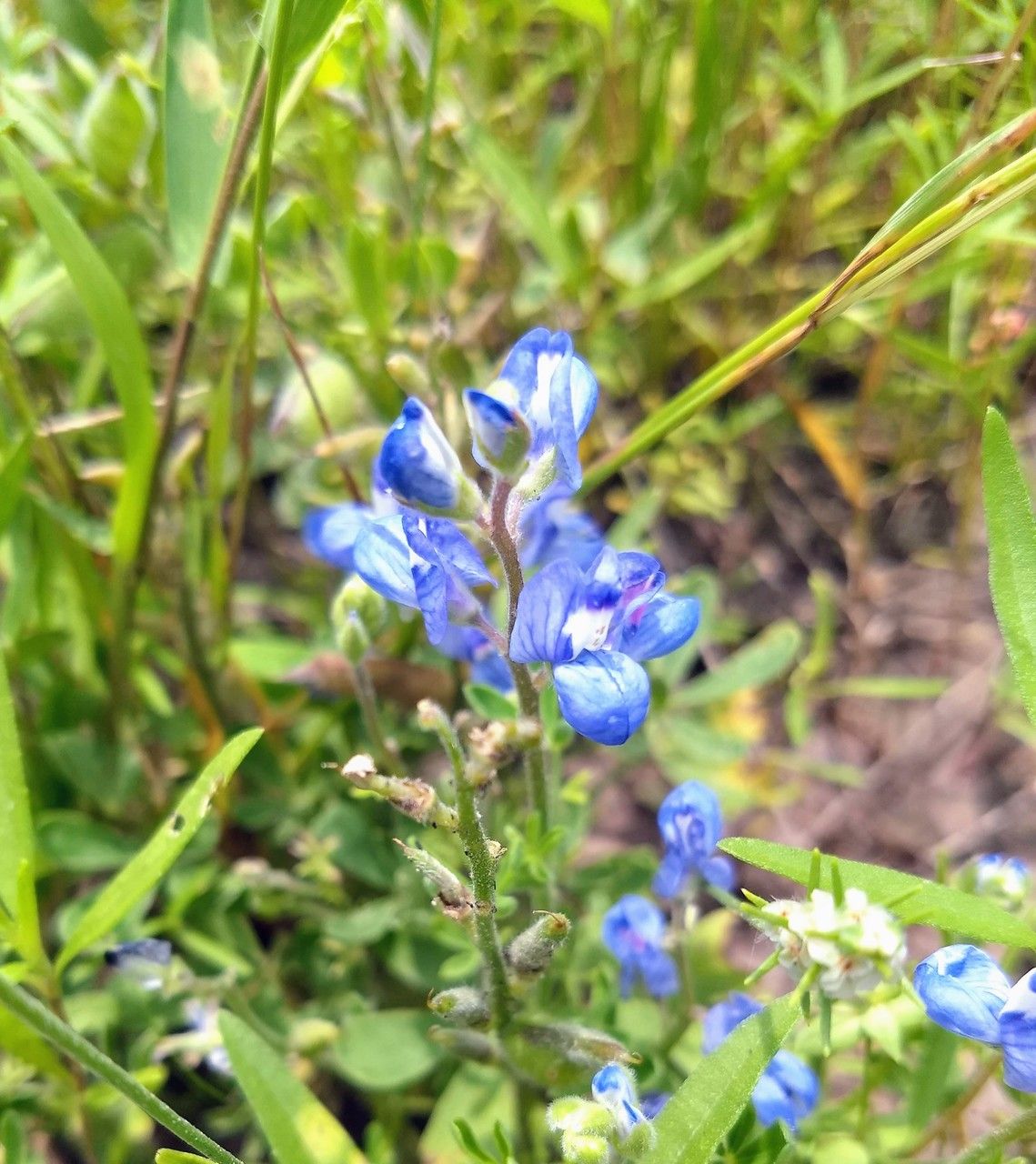
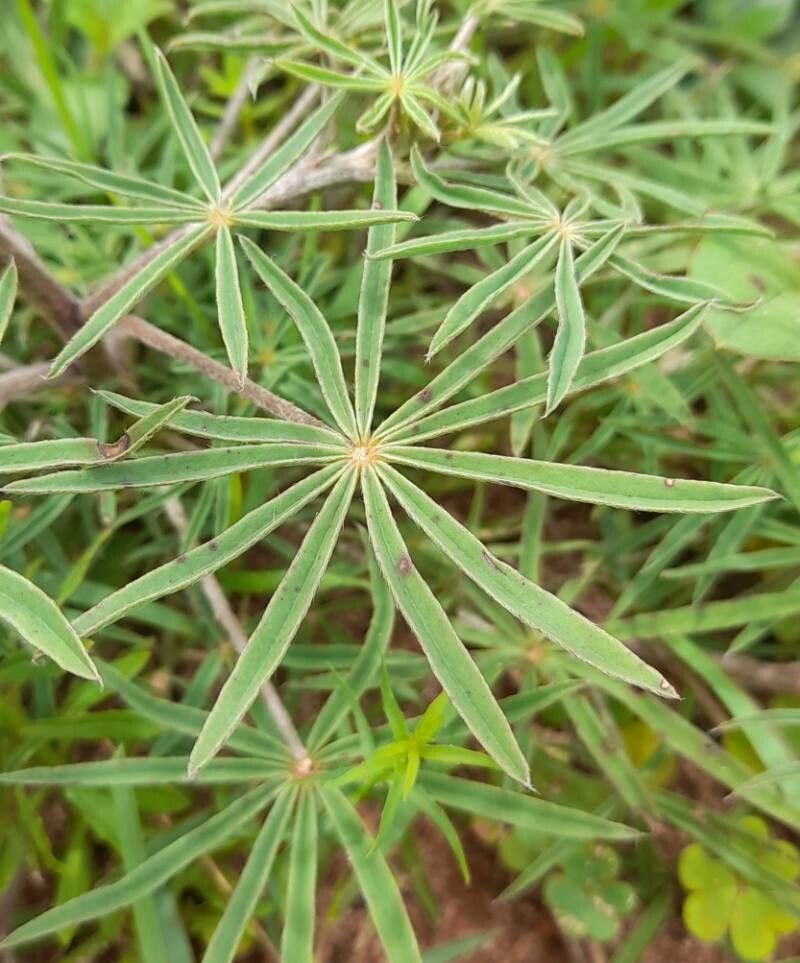
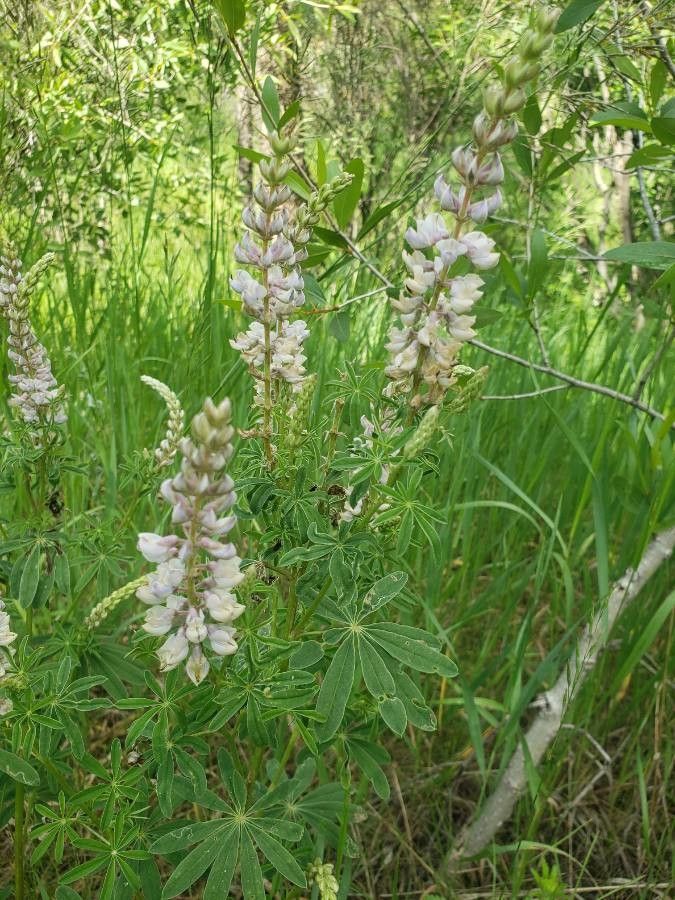
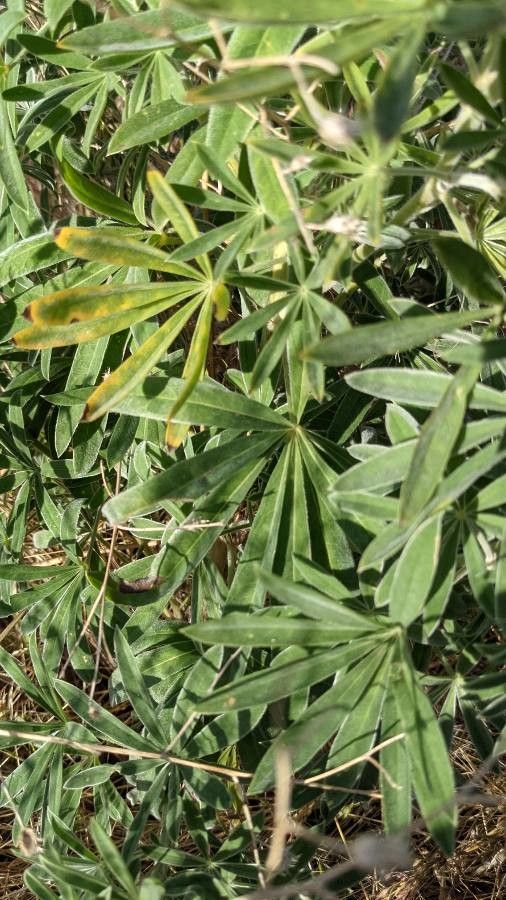
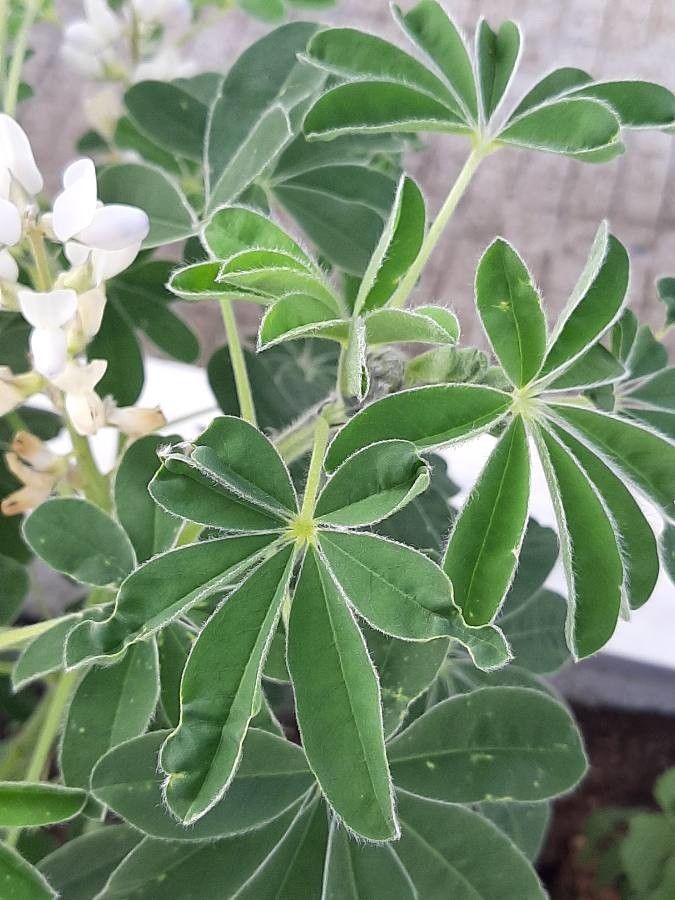
Lupinus subcarnosus, the sandy land bluebonnet or Texas bluebonnet, is a species of flowering plant in the family Fabaceae. It is native to southeastern Texas and northeastern Mexico. A winter annual reaching 40 cm (16 in), it prefers deep sandy soils. With other related species of lupines also called bluebonnets, it is the state flower of Texas.
The Texas bluebonnet is fairly disease-resistant and generally not prone to illnesses. Still, it can be affected by pests and diseases present in its environment. These problems are usually mild. For care, the plant requires a moderate level of maintenance. It should be pruned regularly to preserve a neat appearance and encourage healthy growth. Fertilizing can also help promote flowering. The Texas bluebonnet is suitable for anyone with outdoor space, such as a garden or patio, and does not need extensive care experience. It may require more attention if grown indoors.
How to keep Lupinus Subcarnosus.
Light
The Texas bluebonnet comes from bright, open habitats where it performs best in full sun. It can handle partial shade but favors direct sunlight for the best growth. This plant, which may be annual or biennial, is noted for its sun-loving habit.
Temperature
Texas bluebonnet is fairly adaptable to heat, able to endure higher temperatures and considerable temperature fluctuations. In hot weather, attention should be paid to irrigation and providing proper shade to avoid sunburn. On the other hand, Texas bluebonnet has limited cold tolerance. While it can handle some chill, very cold conditions may cause frost damage.
Fertilizer
When most of the Texas bluebonnet's blooms have fully opened, resume fertilizing. Around the time the blooms are at their peak, fertilize once every three to four weeks, weather permitting. Then, when the Texas bluebonnet begins producing fewer new blooms, stop fertilizing; there's no need to fertilize when the plant can't produce any more blooms.
Pruning
The Texas bluebonnet is known for its vibrant blue flowers and lush growth. To keep your bluebonnets healthy and flowering, it's best to practice minimal pruning. In early spring, trim back the spent blooms and any leggy growth to encourage more blooms and improve the overall health of the plant. Make sure to use sanitized tools for gentle, selective cuts. This helps maintain the plant's shape, enhances air circulation, and reduces the risk of disease.
Botanical profile.
- Plant Type
- Herb
- Life Cycle
- Annual
- Genus
- Lupinus
- Family
- Fabaceae
- Hardiness Zone
- 7-10
- Mature Height
- 0 cm to 30 cm
- Mature Spread
- 30 cm to 46 cm
- Leaf Color
- Green, Dark Green
- Leaf Type
- Deciduous
- Flower Size
- 1.02 cm to 1.52 cm
- Bloom Time
- Early spring, Mid spring
- Planting Time
- Spring
- Harvest Time
- Late spring, Early summer
- Native Area
- Mexico
Other names.
Reader questions.
What are the sunlight requirements for Texas Bluebonnet?
Texas Bluebonnet (Lupinus subcarnosus) thrives in conditions where it can receive ample sunlight. For the plant to flourish, it should be placed in areas that receive full sun, which means above 6 hours of direct sunlight daily. However, it can also tolerate partial sun, about 3-6 hours of sunlight per day. It's important to observe how sunlight moves through your garden to find the ideal spots that offer a good balance of light and shade, ensuring your Texas Bluebonnet remains healthy and happy.