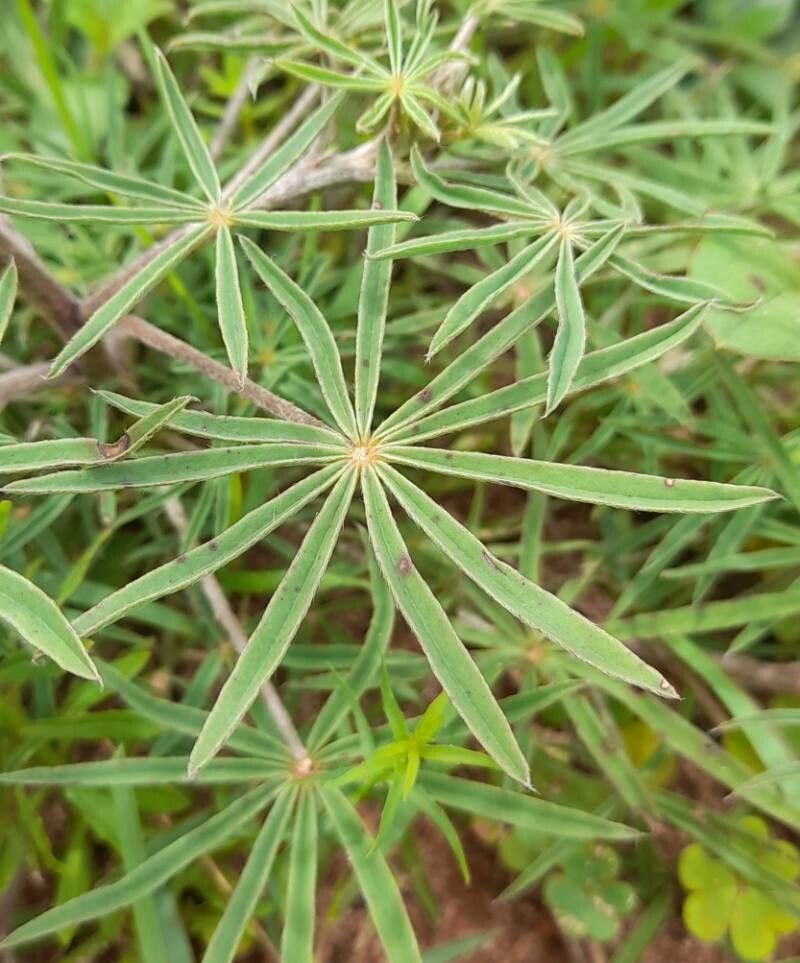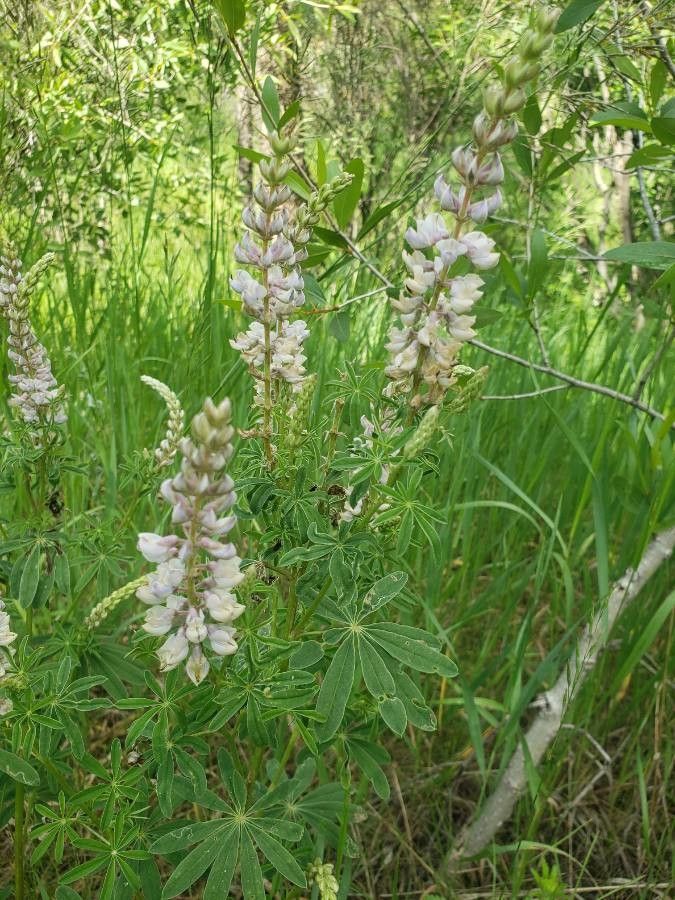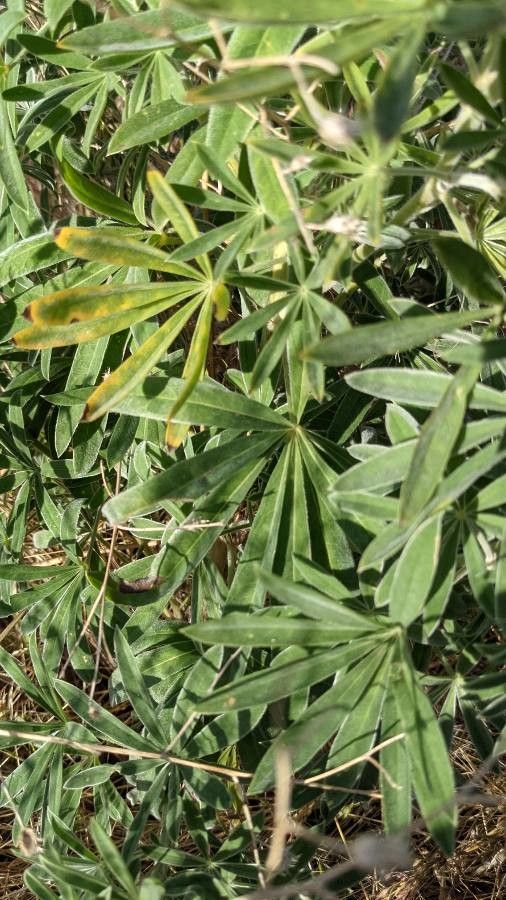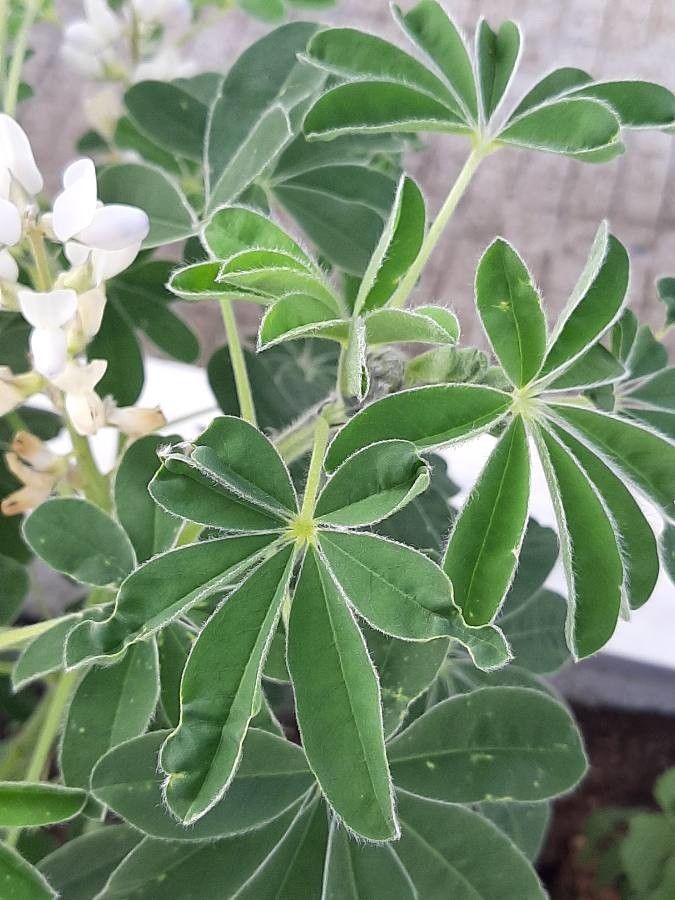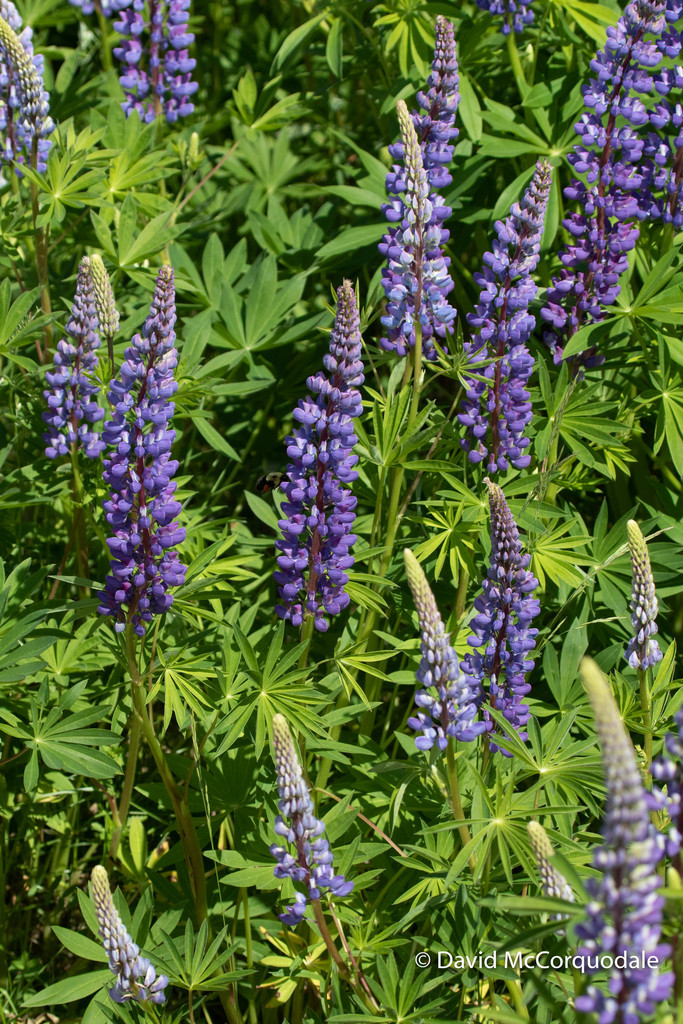
Lupinus polyphyllus, commonly known as the bigleaf lupine, is a herbaceous perennial plant that belongs to the Fabaceae family. Native to western North America, it thrives in various habitats including meadows, forests, and mountain slopes. The plant typically reaches a height of 1-2 meters and features large, palmate leaves composed of 5-11 leaflets arranged in a circular pattern.
Bigleaf lupine produces tall spikes of showy flowers that bloom from late spring to early summer. These flowers are usually blue or purple but can also appear pink or white, depending on the cultivar. They are densely clustered at the top of each stem and attract pollinators such as bees and butterflies.
Lupinus polyphyllus is valuable for both wildlife habitat restoration projects and ornamental gardening, thanks to its attractive flowers and foliage. It prefers well-drained soils and full sun exposure but can tolerate partial shade.
While generally non-toxic to humans when consumed in small quantities, bigleaf lupine should not be ingested by livestock due to the potential toxicity of the alkaloids present in its leaves.
Overall, Lupinus polyphyllus is an eye-catching perennial plant that adds color and texture to gardens while also providing significant ecological benefits, such as supporting pollinator habitats.
Bigleaf lupine is fairly resistant to disease and is usually not prone to illness. Nevertheless, it can be vulnerable to pests and diseases present in its environment. Such infections tend to be mild. For care, this plant needs moderate maintenance. It should be pruned regularly to preserve a neat appearance and support healthy growth. Fertilizing can also aid in encouraging blooms. Bigleaf lupine is well suited for anyone with an outdoor area, like a garden or patio, and does not demand extensive gardening experience. It may need more attention when grown indoors.
How to keep Lupinus Polyphyllus.
Light
Bigleaf lupine does best in unobstructed sunlight and adjusts its growth to those conditions. However, it can also tolerate locations that receive only intermittent sun. Native to a range of habitats, it withstands different light levels, though too little or too much sun can limit its growth and flowering.
Water
Garden lupine thrives in moist environments but also has moderate drought tolerance. It prefers consistent moisture without becoming waterlogged and generally requires watering every 1-2 weeks. As a herbaceous perennial, its growth cycle is closely tied to water availability. The plant reaches peak vitality and blooms most abundantly during the rainy seasons.
Humidity
This plant will thrive in moderate humidity, which is probably the level in your home. However, misting it a few times a week can be very beneficial. Make sure the room has good ventilation.
Temperature
Bigleaf lupine is native to temperate regions and therefore prefers temperatures between 68 to 95 °F (20 to 35 ℃). Seasonal temperature adjustments may need to be taken into account to maintain optimal growth.
Fertilizer
The best time to fertilize a Bigleaf lupine is in early spring, as it emerges from dormancy and starts active growth. Fertilization supplies essential nutrients for healthy development. Although Bigleaf lupine has fairly low fertilizer requirements, annual feeding can improve its survival and encourage better, longer-lasting flowers.
Pruning
To promote growth and flowering, garden lupine benefits from strategic pruning from early to late spring. Deadheading extends blooming periods, and cutting back the plants after they flower rejuvenates them. Removing damaged stems helps maintain plant health, improves air circulation, and reduces the risk of disease, resulting in a vigorous and tidy appearance.
Pot & Repot
When repotting Bigleaf lupine, select a pot 1–2 inches (2.5–5.1 cm) larger with ample drainage. Use a well-draining potting mix. Repot in spring or fall, ensuring the root ball is slightly lower than the rim of the flower pot. Water thoroughly after repotting and place it in a warm spot with indirect sunlight.
Botanical profile.
- Plant Type
- Herb
- Life Cycle
- Perennial, Annual
- Genus
- Lupinus
- Family
- Fabaceae
- Hardiness Zone
- 3-9
- Mature Height
- 49 cm to 91 cm
- Mature Spread
- 46 cm
- Leaf Color
- Green, Blue
- Leaf Type
- Deciduous
- Flower Color
- Purple, Blue, White, Red
- Flower Size
- 15.24 cm to 39.62 cm
- Bloom Time
- Late spring, Early summer, Mid summer
- Planting Time
- Spring, Summer
- Harvest Time
- Mid summer
Other names.
Reader questions.
When Should I Water My Garden Lupine?
Recognizing the right time to water garden lupine is essential for its health and bloom. A vivid green in the leaves signifies proper hydration, whereas yellow or browning leaves may indicate the need for water or that the plant is being overwatered. Touch the soil's top 1-2 inches; dry soil means it's time to water. Drooping or bending stems are a call for more hydration. Leaves should feel supple, not dry or crumbly. Avoid both early over-watering, which can cause root rot, and late watering, which can lead to dehydration.
Why is it necessary to fertilize my Garden lupine?
Fertilization is important for the Garden lupine because it provides essential nutrients for the plant's growth. While the overall fertilization needs for a Garden lupine are relatively low and it may survive well without fertilization, annual fertilization can greatly benefit the plant. Regular fertilization helps maintain the plant's health and can also improve flower production and longevity. Therefore, those wanting their Garden lupine to look its best should consider annual fertilization.
What are the sunlight requirements for garden lupine?
Garden lupine thrives best when exposed to full sunlight, requiring above 6 hours of sunlight daily for optimal growth. It can also adapt to partial sun conditions, needing about 3-6 hours of sunlight. However, it's important to monitor the plant's environment, as the right balance of light and shade is crucial for its health and happiness.
What temperature conditions are ideal for garden lupine?
Garden lupine, or Lupinus polyphyllus, thrives in temperate environments, preferring temperature ranges between 68 to 95 °F (20 to 35 °C). This plant is quite adaptable to seasonal temperature fluctuations, thereby requiring possible adjustments to maintain optimal growth conditions. Notably, garden lupine possesses strong cold resistance, making it generally unnecessary to employ special frost protection measures. However, in instances where winter temperatures are expected to plummet below the plant's limit growth temperature, it's crucial to offer cold protection by covering the plant with insulating materials like soil or straw. To further protect the plant before the onset of the first autumn freeze, it's advisable to water it abundantly, ensuring the soil is moist and enters a frozen state. This strategy aids in preventing drought and water scarcity throughout the winter and early spring.
How Should I Water My Garden Lupine?
Water your garden lupine by deeply saturating the soil around the base to encourage a deep root system. Ensure the soil drains well to avoid water logging, and let the topsoil dry out before watering again to prevent over-saturation. Avoid getting water on the foliage to reduce the risk of fungal diseases. Use a moisture meter to monitor soil moisture levels accurately. A watering can with a long spout helps target water at the plant's roots, and applying mulch can help retain soil moisture.
When should I put fertilizer on my Garden lupine?
The best time to fertilize a Garden lupine is in late winter to early spring. This is when the plant is transitioning from dormancy to active growth, and fertilizing it at this time promotes healthy growth for the season. Although it is usually best to fertilize in the early spring, it is also acceptable to fertilize in the fall. However, it is not recommended to feed a Garden lupine during the summer or winter seasons.
How does garden lupine react to different lighting conditions?
Garden lupine adapts its growth to unobstructed exposure to the sun's rays but can endure intermittent sunshine. Originating from diverse habitats, it remains tolerant to varying light conditions. Adequate lighting is vital, especially in settings where natural sunlight is limited. In such cases, artificial lights, like LEDs, can be used to promote healthier growth, requiring specific wattages based on the plant’s sunlight needs.
How does low temperature affect garden lupine, and what are the solutions?
Garden lupine is known for its cold tolerance, ideally preferring temperatures above its minimum growth threshold. During the colder months, it is important to keep the plant above its tolerable growing temperature minimum to ensure its health. Should temperatures drop below the plant's limit growth temperature, there might not be immediate visible changes during winter; however, it could lead to diminished sprouting or a complete absence of sprouting come springtime. Should this occur, the recommended solution is to prune any parts of the garden lupine that have failed to sprout as spring arrives.
How Much Water Does Garden Lupine Really Need?
Garden lupine's watering needs depend on several factors: deep-rooted plants require thorough soaking, and more mature plants need more water, especially during hot, dry periods. The optimal water quantity ranges from 2 to 4 cups per plant for medium-sized pots, adjusting for the plant's size and environmental conditions. Leaves should appear lush and green, and the soil should be evenly moist but not waterlogged. Over or under-watering can affect lupine's health, so add organic matter to the soil for better moisture retention and drainage.
When is not a good time to use fertilizer on my Garden lupine?
To ensure the healthy growth of your Garden lupine, it is best to fertilize during the late winter and early spring. This plant has low fertilization needs, so a single annual feeding is sufficient. Overfertilization can occur if you continue to fertilize during the spring, summer, and fall. However, if you missed fertilizing in the spring, it is acceptable to provide a feeding in the fall. It is important to refrain from fertilizing during most of the growing season and also during the winter when the Garden lupine is in a dormant phase and not actively growing.
What artificial lighting requirements do indoor garden lupines have?
Indoor garden lupines require adequate artificial lighting when natural sunlight is insufficient, especially during winter or in less sunny spaces. LED lights are recommended because they can be customized to provide specific wavelengths needed by the plants. Full sun plants need 30-50W/sq ft, partial sun plants need 20-30W/sq ft, and full shade plants require 10-20W/sq ft of artificial light. The light source should be placed 12-36 inches above the plant, mimicking natural sunlight for 8-12 hours per day.
What should I do if garden lupine experiences high temperatures?
During the hotter summer months, it is crucial to maintain the temperature around garden lupine below its suitable growth temperature maximum. Exceeding the tolerable growing temperature maximum can lead to the leaves becoming lighter in color, curling, and becoming susceptible to sunburn. In severe cases, the plant may wilt and dry up entirely. To mitigate these risks, it's advisable to trim away the sunburned and dried parts of the plant. Moving the garden lupine to a shaded location away from the harsh midday and afternoon sun or creating artificial shade with a shade cloth can protect the plant. Additionally, watering the garden lupine in the morning and evening will help maintain soil moisture and promote a healthy growing environment.