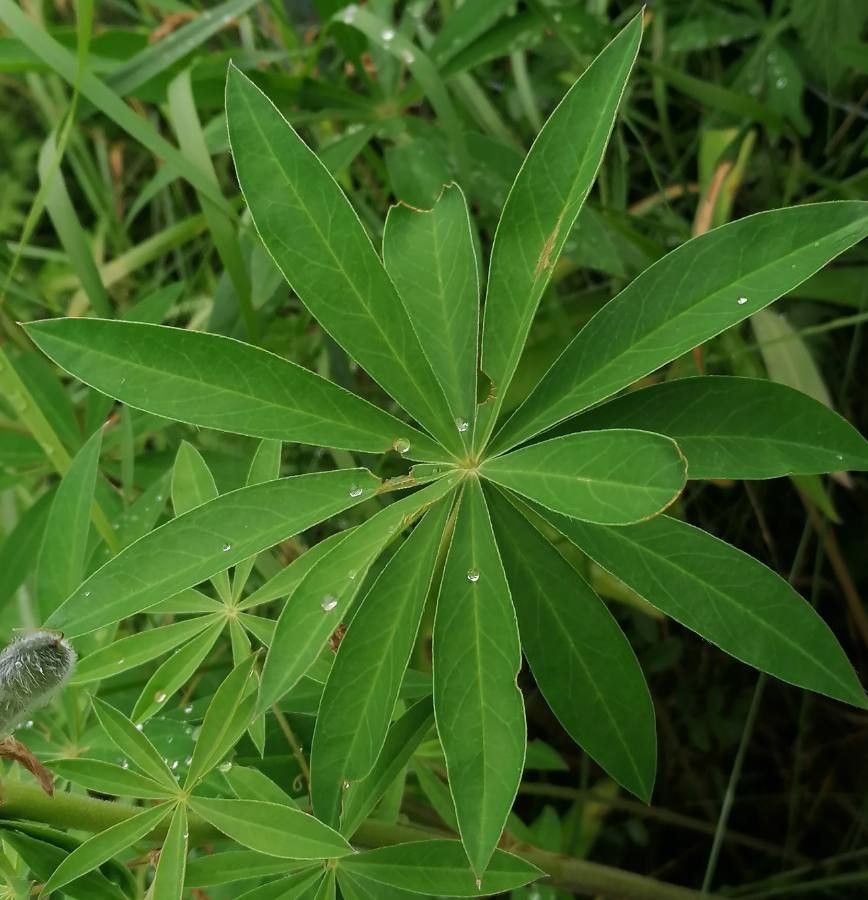
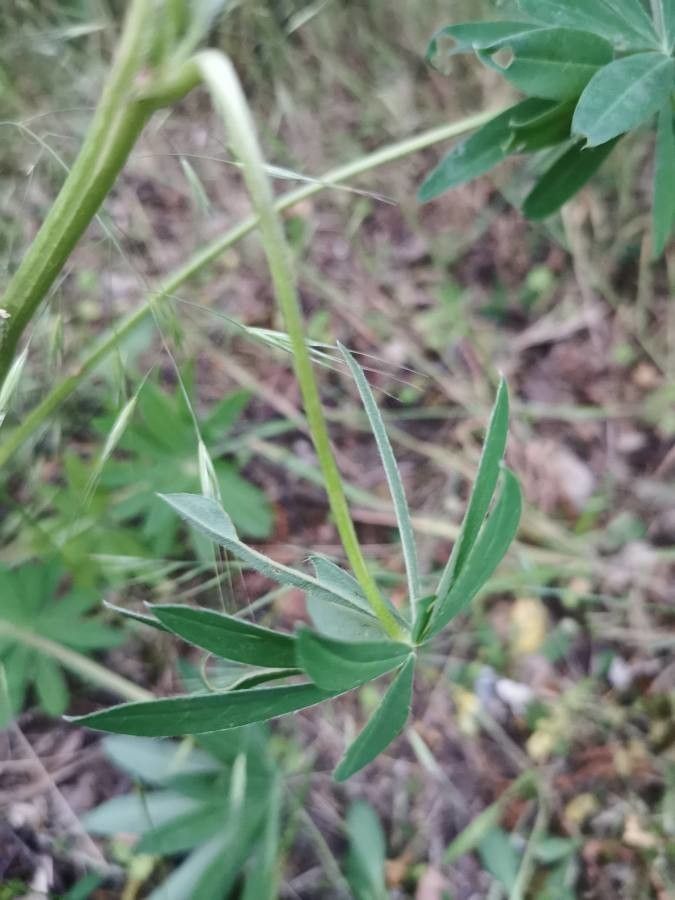
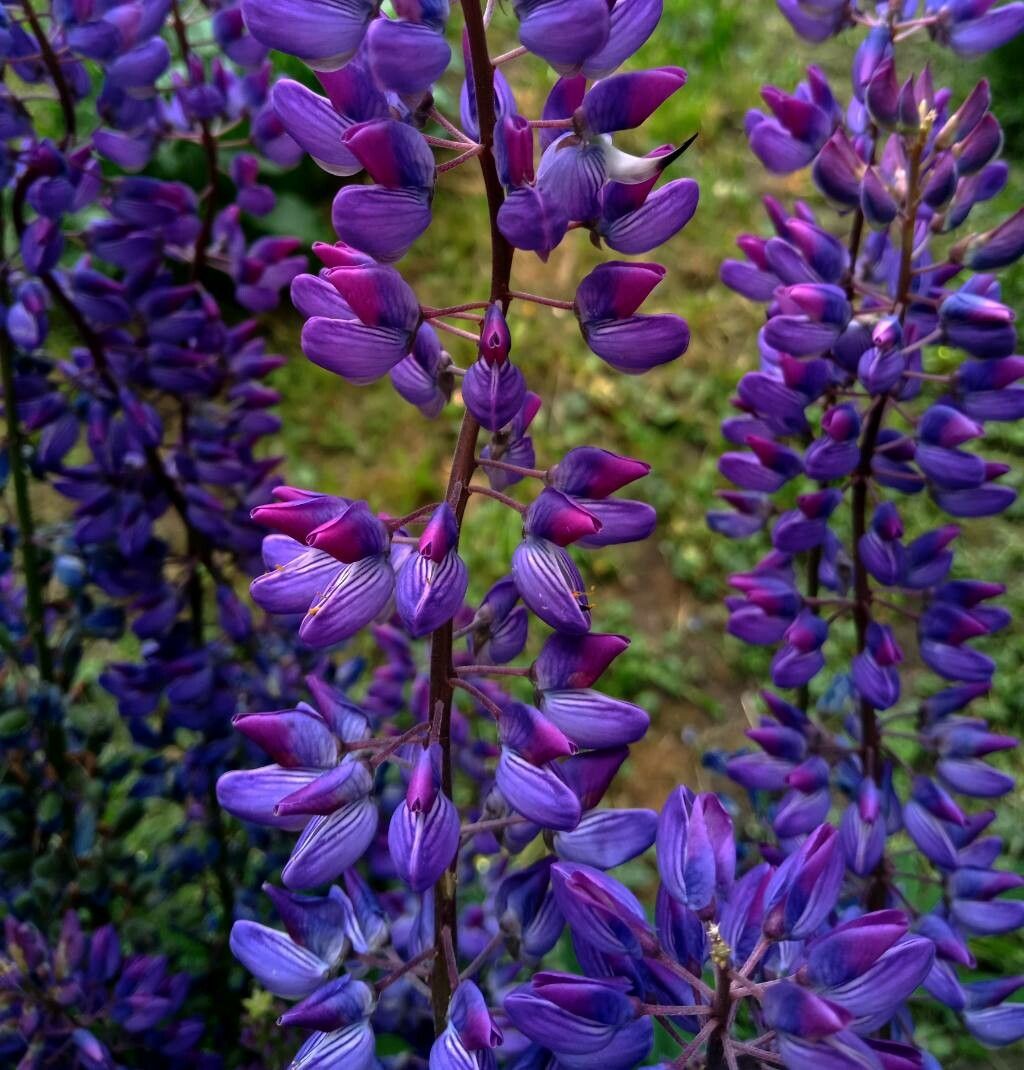
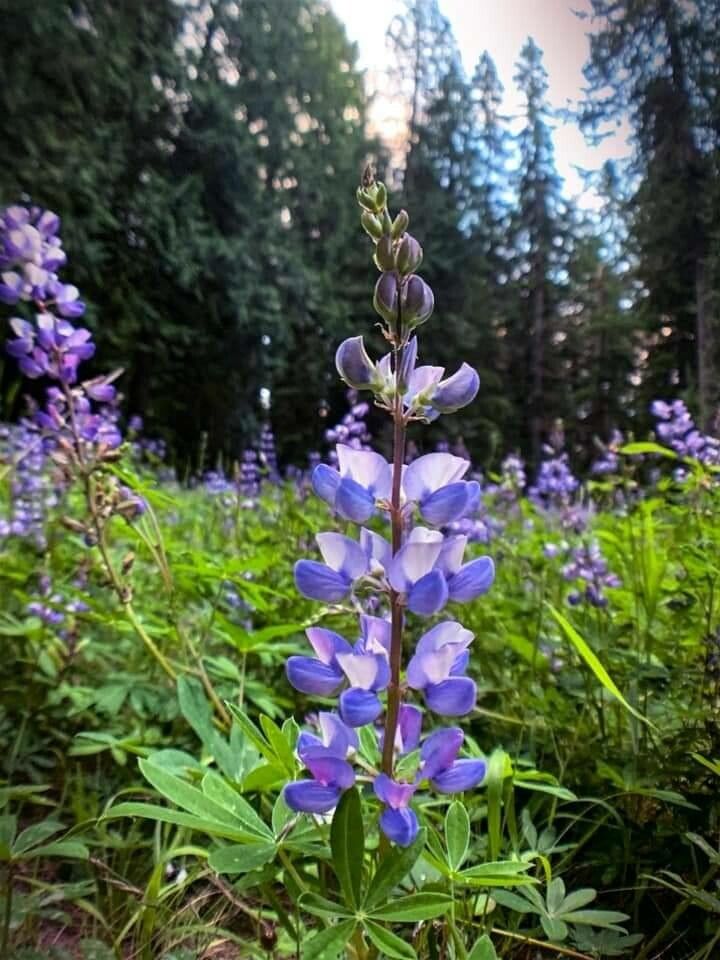
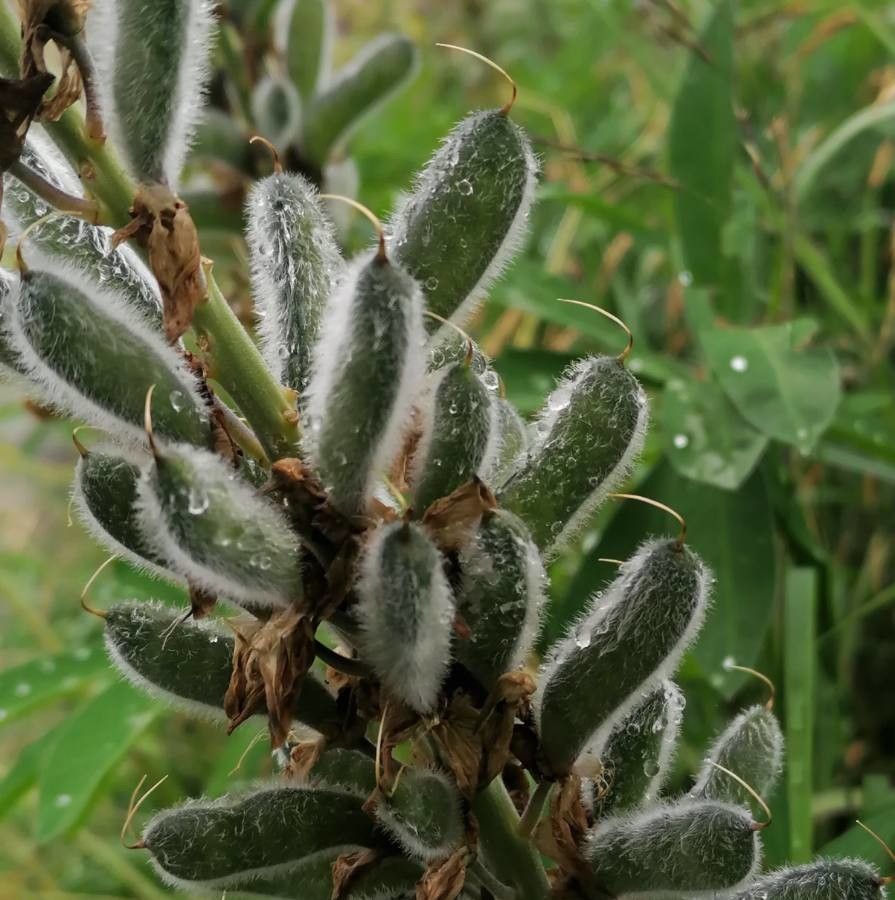
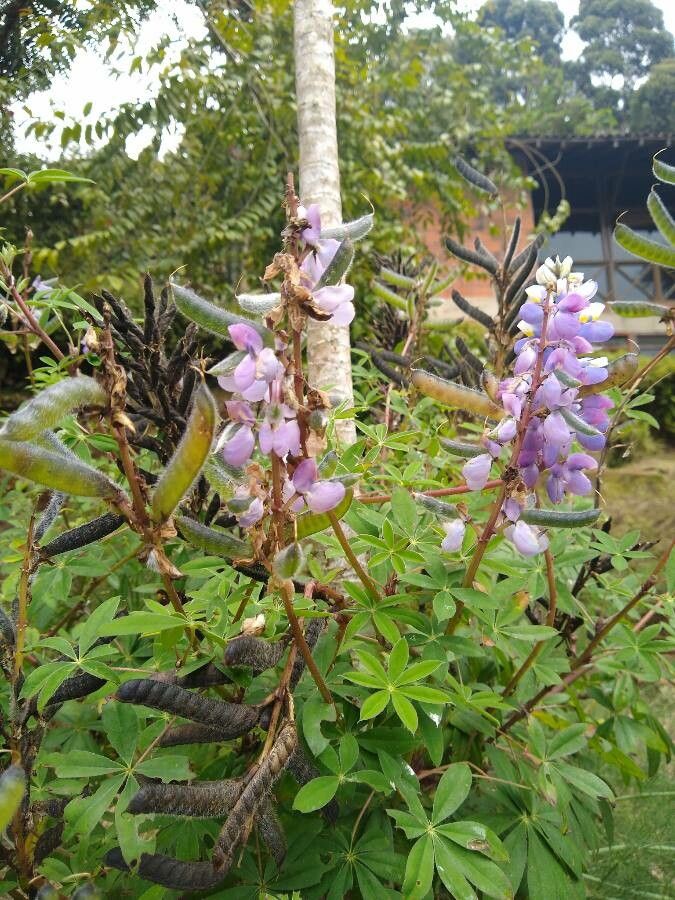
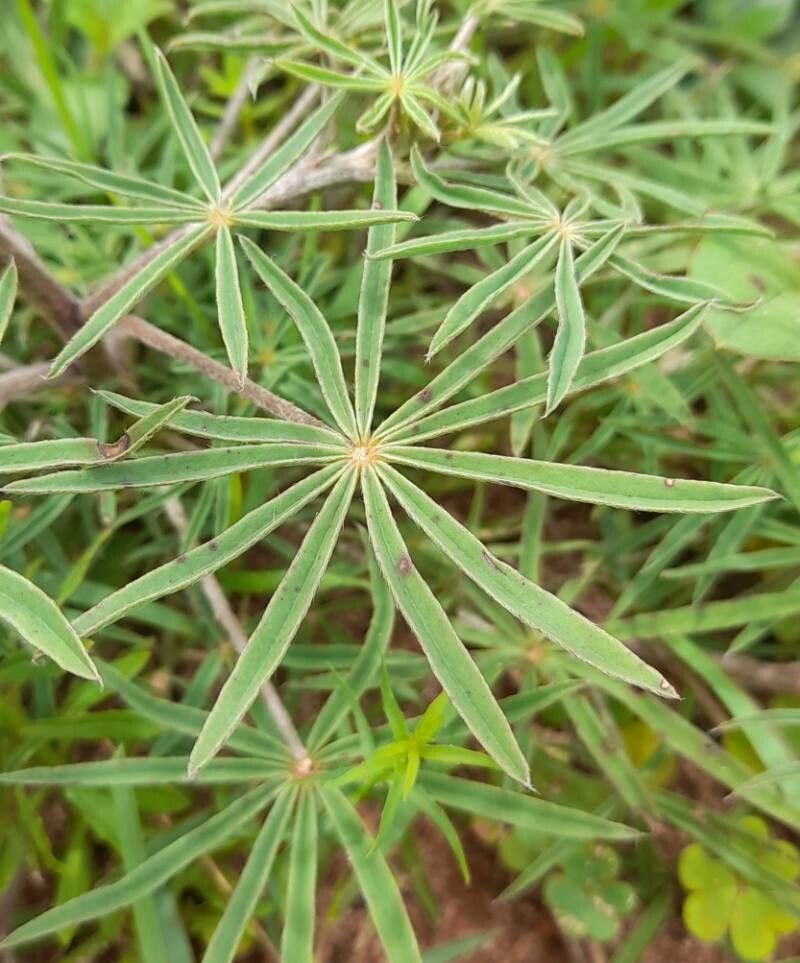
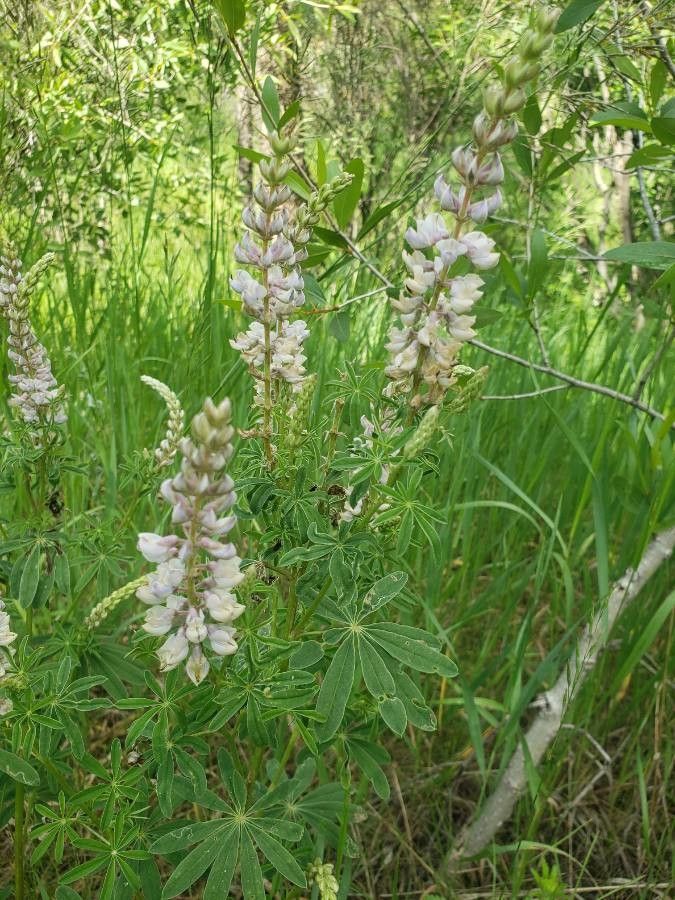
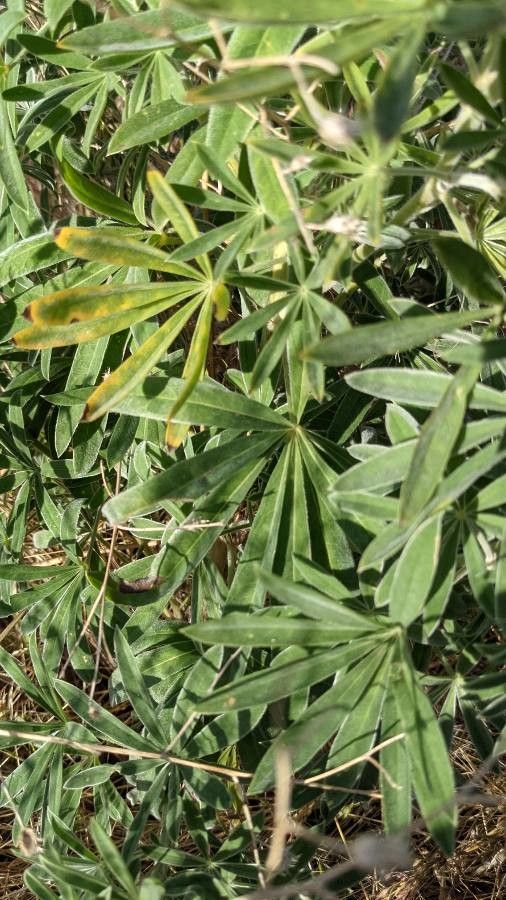
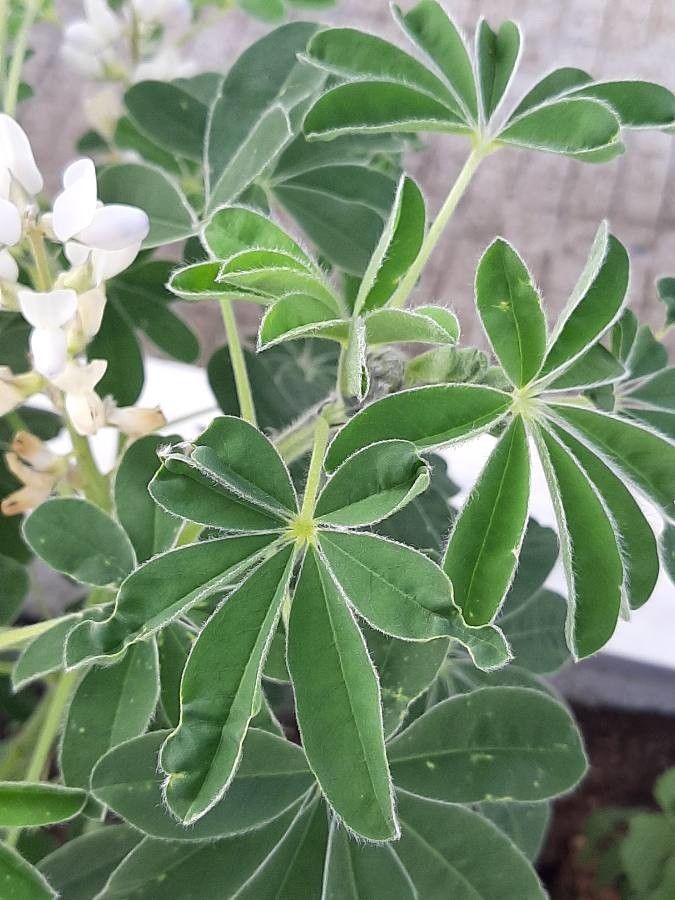
Lupinus perennis (also wild perennial lupine, wild lupine, sundial lupine, blue lupine, Indian beet, or old maid's bonnets) is a flowering plant in the family Fabaceae. It is widespread in the eastern part of the USA (from Texas and Florida to Maine) and Minnesota, Canada (southern Ontario, Newfoundland and Labrador), and on the coasts of the Arctic Ocean, where it grows in sandy areas such as dunes and savannas.
Wild Perennial Lupine has strong disease resistance and is generally not vulnerable to illnesses. Still, it can be affected by pests and diseases present in its environment. Such infections are typically mild. Regarding care, this plant needs a moderate amount of upkeep. It should be pruned on a regular basis to preserve an attractive appearance and healthy growth. Applying fertilizer can also encourage blooming. Wild Perennial Lupine is appropriate for anyone with outdoor areas like a garden or patio and does not demand extensive care experience. It may need more attention if cultivated indoors.
How to keep Lupinus Perennis.
Light
Wild Perennial Lupine does best with abundant sunlight but can endure reduced light. Ample sun exposure, similar to that of its native environment, encourages healthy growth. Too much sun can be harmful, and too little light may stunt development or lessen vigor.
Water
Wild Perennial Lupine thrives in sandy habitats and can adapt to moderate moisture levels, while also tolerating short periods of drought. For optimal growth during the growing season, it is best to water the plant consistently on a weekly basis. As a perennial herb, it flourishes outdoors, where natural rainfall helps sustain its health and enhances its vibrant floral displays.
Temperature
Wild perennial lupine is native to temperate regions and does well in temperatures of 41 to 90 °F (5 to 32 ℃). Ideally it receives warmth during the growing season and a moderate chill for the dormancy period. Its resilience allows it to tolerate small shifts in temperature.
Fertilizer
The best time to fertilize a Wild Perennial Lupine is in early spring, as it comes out of dormancy and begins active growth. Fertilizing supplies essential nutrients needed for healthy development. While Wild Perennial Lupine has fairly low fertilizer requirements, applying it once a year can improve survival and encourage better, longer-lasting blooms.
Pruning
Wild Perennial Lupine benefits from pruning in early to late spring. Focus on removing dead or damaged stems to encourage healthy growth. Cutting back spent flowers also promotes continuous blooming and enhances the plant's vitality. Use sharp tools when pruning to minimize the risk of disease. Regular pruning not only improves the plant's appearance but also boosts its resistance to pests and diseases.
Botanical profile.
- Plant Type
- Herb
- Life Cycle
- Perennial
- Genus
- Lupinus
- Family
- Fabaceae
- Hardiness Zone
- 4-8
- Mature Height
- 20 cm to 61 cm
- Mature Spread
- 61 cm
- Leaf Color
- Green, Blue
- Leaf Type
- Deciduous
- Flower Color
- Blue, Purple
- Flower Size
- 2.54 cm
- Bloom Time
- Late spring, Early summer
- Planting Time
- Spring, Summer
- Harvest Time
- Early summer, Mid summer
Other names.
Reader questions.
How do I water my Wild Perennial Lupine as it grows?
The water needs of the Wild Perennial Lupine can vary depending on its growth stages. When the plant is in its early years or has been recently transplanted, it will require more water than usual. During these stages, the plant invests a lot of energy into developing new roots, which need slightly more moisture to support future growth. As the plant matures, it will require less water. However, during the bloom period, the plant may need additional water as flower development consumes a significant amount of moisture.
What kind of fertilizer does my Wild Perennial Lupine require?
When fertilizing Wild Perennial Lupine, it is generally recommended to use a general-purpose fertilizer that has a balanced amount of the three main plant nutrients. However, there are specific nutrient blends that can be even more beneficial. Many gardeners believe that higher levels of phosphorus promote stronger roots and better flowers, making a phosphorus-rich fertilizer a good choice for Wild Perennial Lupine, as it is a flowering plant. Whether in granular or liquid form, as long as the fertilizer contains plenty of nutrients, it will work well. In addition to manufactured fertilizers, you can also improve the soil for your Wild Perennial Lupine using organic methods such as compost and manure. These materials can greatly contribute to creating a healthy growing medium for your plant.
What are the sunlight requirements for Wild Perennial Lupine?
Wild Perennial Lupine needs a specific amount of sunlight depending on its growth stage and conditions. It requires full sun, meaning above 6 hours of sunlight daily, for optimal growth. However, it can also sustain in partial sun, which is about 3-6 hours of sunlight daily. It's crucial to observe the movement of sunlight through your garden to find the best spots that offer a balance of light and shade, ensuring the plants' health and happiness.
What are the ideal temperature conditions for growing Wild Perennial Lupine?
Wild Perennial Lupine thrives in temperate regions, ideally in temperatures ranging from 41 to 90 °F (5 to 32 °C). It requires warmth during the growing season and a reasonable chill during its dormancy period for optimal growth. The plant is resilient and can adjust to minor temperature changes. It also has a strong resistance to cold, so special frost protection measures are typically unnecessary. However, if temperatures are expected to drop below the plant's growth limit, it is important to provide cold protection by covering the plant with soil or straw and watering it abundantly before the first freeze to keep the soil moist.
How should I water my Wild Perennial Lupine?
To properly water the Wild Perennial Lupine, it is recommended to use filtered water at room temperature. Tap water may contain harmful particles, so filtered water is preferable. It's important to use room temperature or slightly warmer water because the plant is accustomed to a warm environment and cold water can shock it. Avoid watering from above, as this can cause problems with the foliage. Instead, focus on applying the filtered, room temperature water directly to the soil until it is thoroughly soaked. This promotes root moisture and helps the roots spread and absorb the necessary nutrients.
Why should I add fertilizer to my Wild Perennial Lupine?
Fertilization plays an important role in the growth of the Wild Perennial Lupine and other plants. It provides essential nutrients for both the above-ground and below-ground parts of the plant. Despite this, the Wild Perennial Lupine has relatively low fertilization needs and can sometimes survive without it. However, annual fertilization can greatly benefit the plant by keeping it healthy and promoting the production of longer-lasting flowers. Therefore, those who want their Wild Perennial Lupine to thrive should consider regular fertilization.
How important is sunlight for the growth of Wild Perennial Lupine?
Sunlight plays a critical role in the healthy growth of Wild Perennial Lupine. This plant thrives under abundant sunlight, similar to its natural habitat, which encourages vigorous growth. While overexposure to sunlight can be detrimental, causing damage, insufficient sunlight may stunt its growth or lessen its vigor. To supplement natural light, particularly for indoor plants or during less sunny seasons, artificial lighting can be used. Indoor plants may require 30-50W/sq ft of artificial light for full sun conditions, 20-30W/sq ft for partial sun, and 10-20W/sq ft for full shade. The right type of artificial light, appropriate distance, and duration, mimicking natural daylight hours, are essential for optimal plant growth.
How does Wild Perennial Lupine respond to low temperatures?
Wild Perennial Lupine is cold-tolerant and performs best when the temperature remains above its suitable growth minimum. During winter, it is important to ensure the temperature stays above the tolerable growing minimum. If temperatures fall below the growth limit, the plant may not show any noticeable changes immediately, but there could be a decrease in sprouting or no sprouting at all come springtime. The recommended action in spring is to remove any parts of the plant that have failed to sprout.
What do I need to do if I give my Wild Perennial Lupine too much or too little water?
Both overwatering and underwatering can harm the health of your Wild Perennial Lupine, but overwatering is a more common problem. When this plant gets too much water, its stems and leaves may wilt, turn yellow, and become susceptible to diseases like root rot, mold, and mildew, which can be fatal. Underwatering is less likely for the Wild Perennial Lupine, as it can tolerate drought to some extent. However, it can happen, and when it does, the leaves of your plant will become brittle and brown. It's important to recognize the signs of overwatering early on when caring for your Wild Perennial Lupine, as some diseases caused by excess water, like root rot, may not be fixable if left untreated for too long. If you see these signs, reduce your watering immediately and consider improving the drainage of the soil by using a loose, well-draining potting mix. On the other hand, if you notice signs of underwatering, simply water your plant more regularly until the signs subside.
When should I fertilize my Wild Perennial Lupine for the best results?
The best time to fertilize a Wild Perennial Lupine is late winter to early spring when it is coming out of dormancy and starting to grow. This will help it grow healthily throughout the season. You can also fertilize it in the fall, but avoid fertilizing in summer and winter.
What are the symptoms of incorrect sunlight exposure for Wild Perennial Lupine?
Wild Perennial Lupine can exhibit several symptoms if it's not receiving the correct amount of sunlight. When deprived of sufficient light, new leaves may grow smaller, and the plant may show leggy or sparse growth due to longer spaces between leaves or stems. There might be faster leaf drop, slower, or no new growth, indicating light deficiency. Conversely, too much sunlight can lead to chlorosis, sunscald, leaf curling, wilting, and leaf scorching. These conditions result from the negative effects of overexposure to sunlight, highlighting the importance of monitoring and adjusting the light exposure for your Wild Perennial Lupine.
How should Wild Perennial Lupine be cared for in high temperatures?
During the summer months, it is crucial to keep Wild Perennial Lupine below its suitable growth maximum temperature. Exceeding the tolerable growing maximum temperature can cause the leaves to lighten in color, become prone to curling, suffer from sunburn, and, in severe cases, lead to the entire plant wilting and drying out. To mitigate these issues, trim away sunburned and dried-up parts of the plant, move it to a shaded location away from midday and afternoon sun, or use a shade cloth. Also, ensure the soil remains moist by watering the plant in the morning and evening.