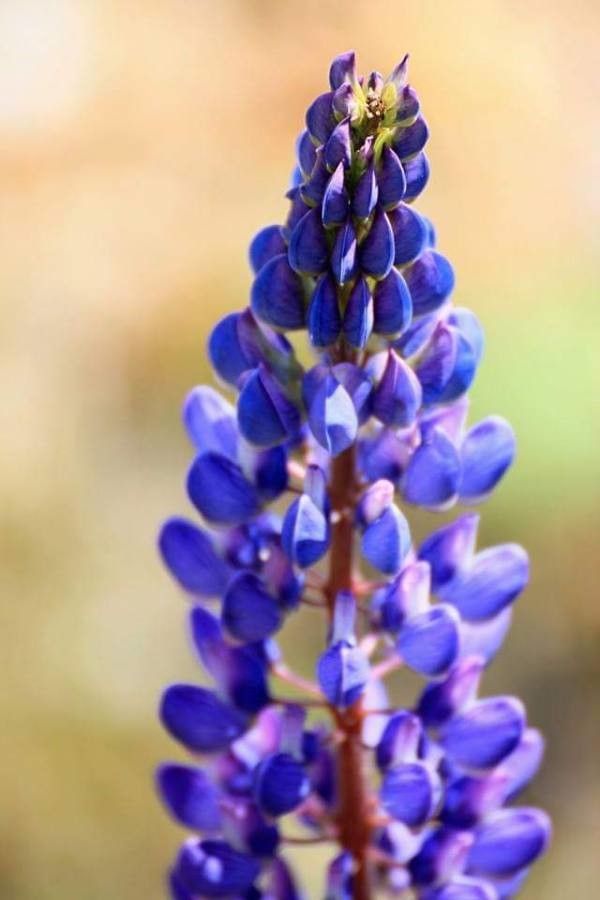
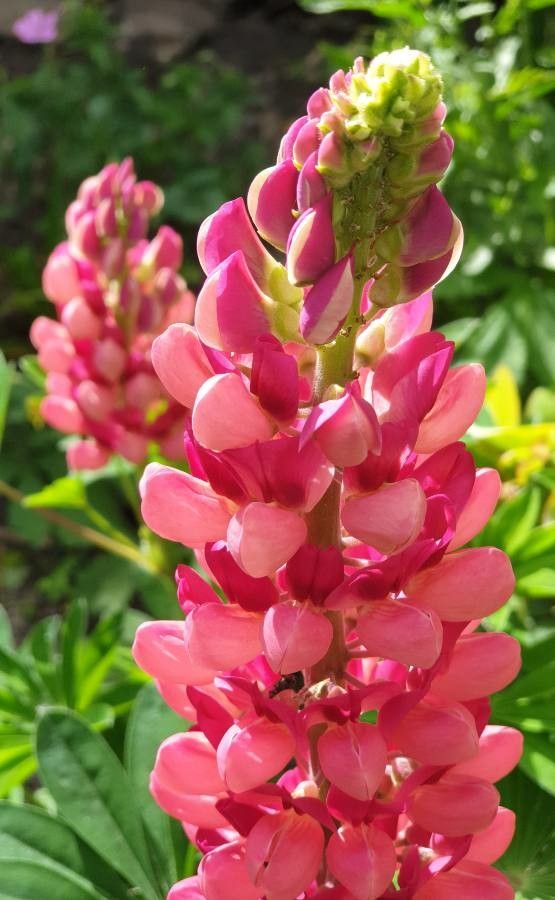
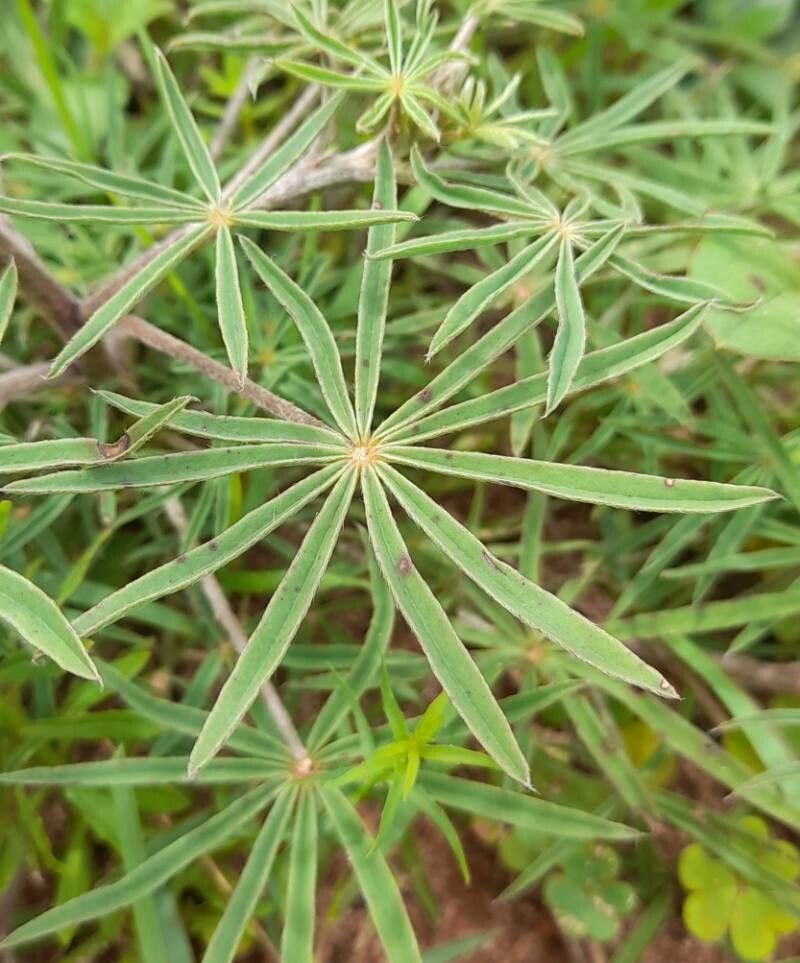
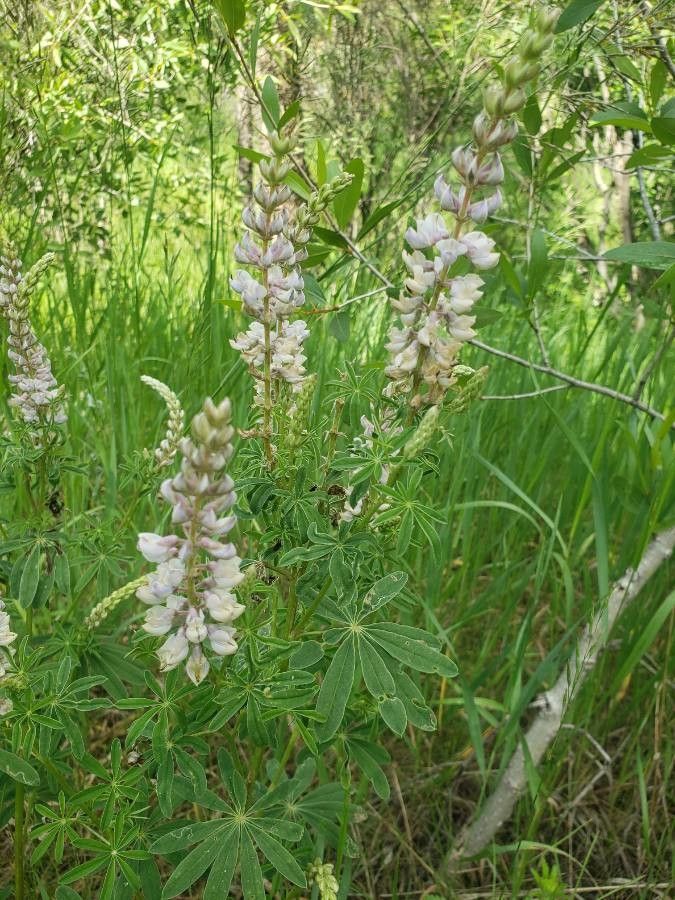
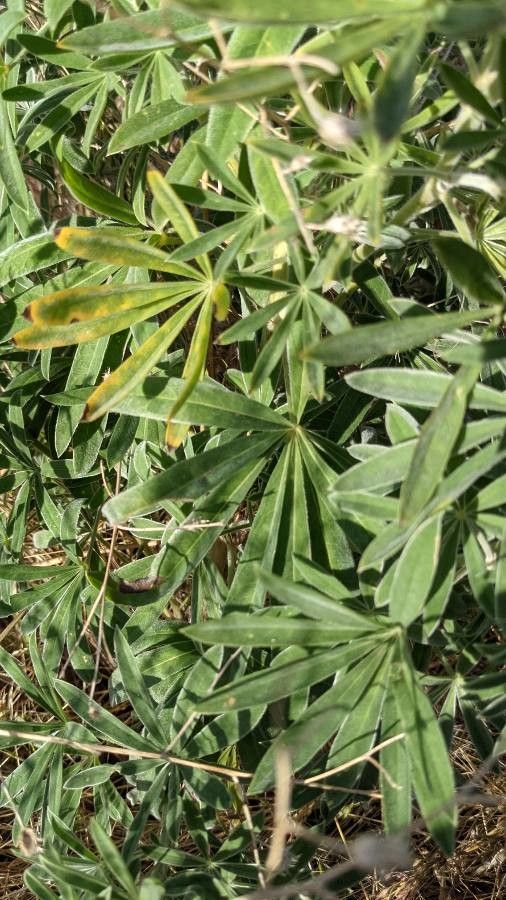
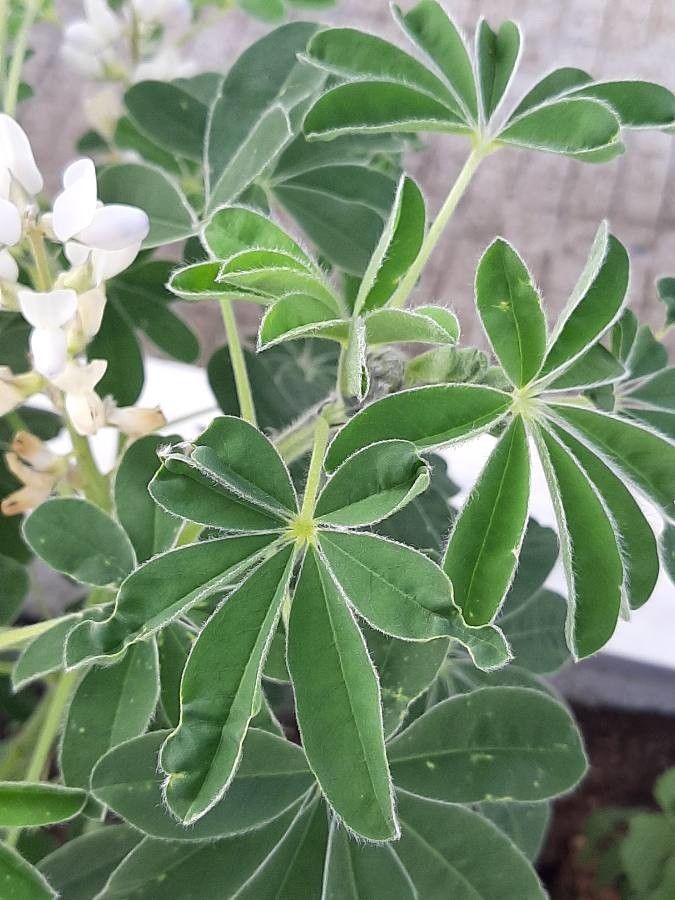
Lupinus nanus, the sky lupine, field lupine, dwarf lupin, ocean-blue lupine or Douglas' annual lupine, is a species of lupine native to the western United States. It is found natively in California, Nevada, and on Steens Mountain in eastern Oregon. It tends to grow on slopes and in open or disturbed areas below 1300 meters.It grows 6 to 20 inches (15 to 51 cm) tall with blue flowers containing white or yellow spots. It is an annual plant that blooms in the months of March, April and May.It contains anagyrine and is considered toxic if directly ingested. Among the biologically active chemicals found in the plant are genistein, 2'-hydroxygenistein, luteone and wighteone.
Sky lupine shows strong disease resistance and typically does not suffer from many illnesses. Still, it can be vulnerable to pests and diseases present in its environment. When infections do occur, they are generally mild. Regarding maintenance, this plant needs a moderate amount of care. Regular pruning is necessary to keep its appearance neat and to support healthy growth. Applying fertilizer can also encourage better flowering. Sky lupine is well suited for anyone with outdoor areas like a garden or patio and does not demand extensive gardening experience. It may need more attentive care if kept indoors.
How to keep Lupinus Nanus.
Light
Sky lupine comes from sunny, open habitats and does best in full sun. It will tolerate partial sun but favors direct sunlight for optimal growth. This plant, which can be annual or biennial, is known for its sun-loving nature.
Water
Sky lupine flourishes in its native environment, where it benefits from periodic rainfall. For optimal growth, it requires consistent and moderate watering. Watering the plant weekly helps maintain its health and vigor, and proper hydration enhances blooming during the growing season by mimicking the natural moisture levels of its habitat.
Temperature
Sky lupine can tolerate a wide range of temperatures, but its distribution may still be restricted by different combinations of moisture and heat. It does best in warm summer conditions with sufficient rainfall or watering. Long periods of cloudy, rainy weather or sustained high temperatures can raise the chance of Sky lupine dying. In winter, proper protection from cold can increase the plant's survival.
Fertilizer
When most of the Sky lupine's blooms have opened fully, resume fertilizing. Around the time blooms are at peak output, apply fertilizer once every three to four weeks, weather permitting. Then, after the Sky lupine begins producing fewer new blooms, stop fertilizing; there is no need to feed it when the plant can no longer produce more blooms.
Pruning
Sky lupine is a low-growing annual plant known for its vibrant blue and white flowers. To encourage bushier growth and more blooms, prune in early spring by removing spent flower spikes and cutting back to healthy nodes. Regular pruning prevents the plant from becoming leggy, promotes overall health, and helps manage pests and diseases.
Botanical profile.
- Plant Type
- Herb
- Life Cycle
- Annual
- Genus
- Lupinus
- Family
- Leguminosae
- Hardiness Zone
- 6-10
- Mature Height
- 30 cm to 91 cm
- Mature Spread
- 20 cm to 30 cm
- Leaf Color
- Green, Dark Green
- Leaf Type
- Deciduous
- Flower Color
- Blue, Purple, White
- Flower Size
- 1.02 cm to 2.03 cm
- Bloom Time
- Spring
- Planting Time
- Spring, Summer
- Harvest Time
- Summer
Other names.
Reader questions.
What are the sunlight requirements for Sky Lupine?
Sky Lupine, known botanically as Lupinus nanus, thrives in environments with specific sunlight conditions. For optimal growth, it requires 'full sun,' which means the plant should receive more than 6 hours of sunlight daily. It can also grow under 'partial sun,' needing about 3-6 hours of sunlight each day. It's essential to observe the light patterns in your garden to ensure you choose a location that provides the right balance of light and shade, guaranteeing your Sky Lupine's health and happiness.
What is Sky lupine?
Sky lupine, known botanically as Lupinus nanus, does not have additional detailed information provided regarding its essentials or symptoms. As such, specifics about its characteristics, care, or potential issues are not available in this context.