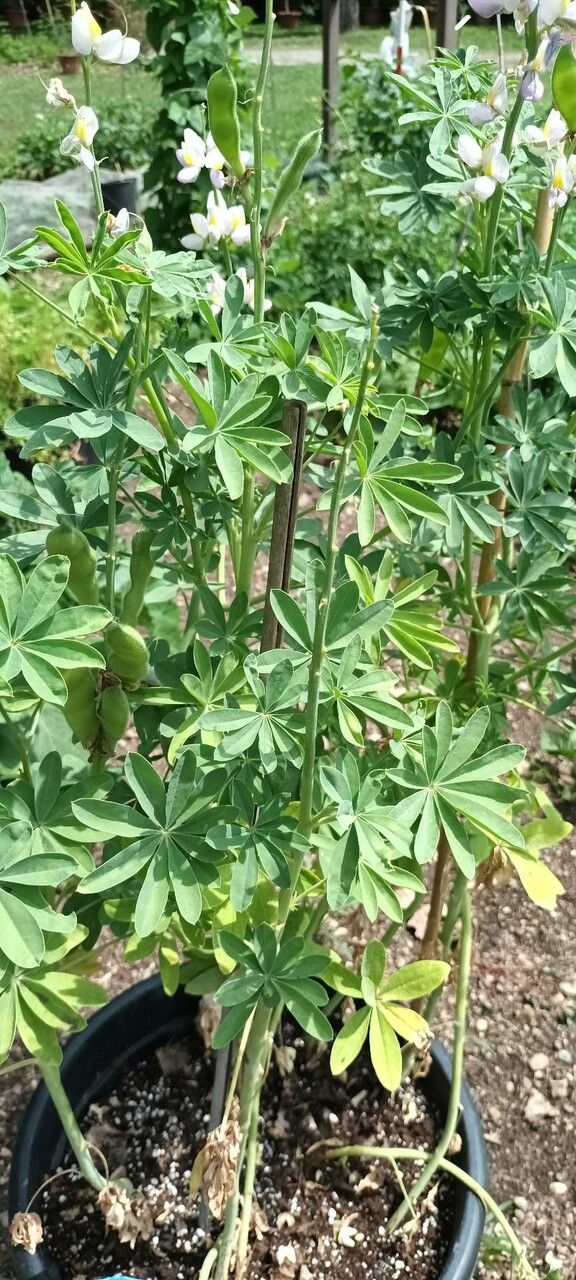
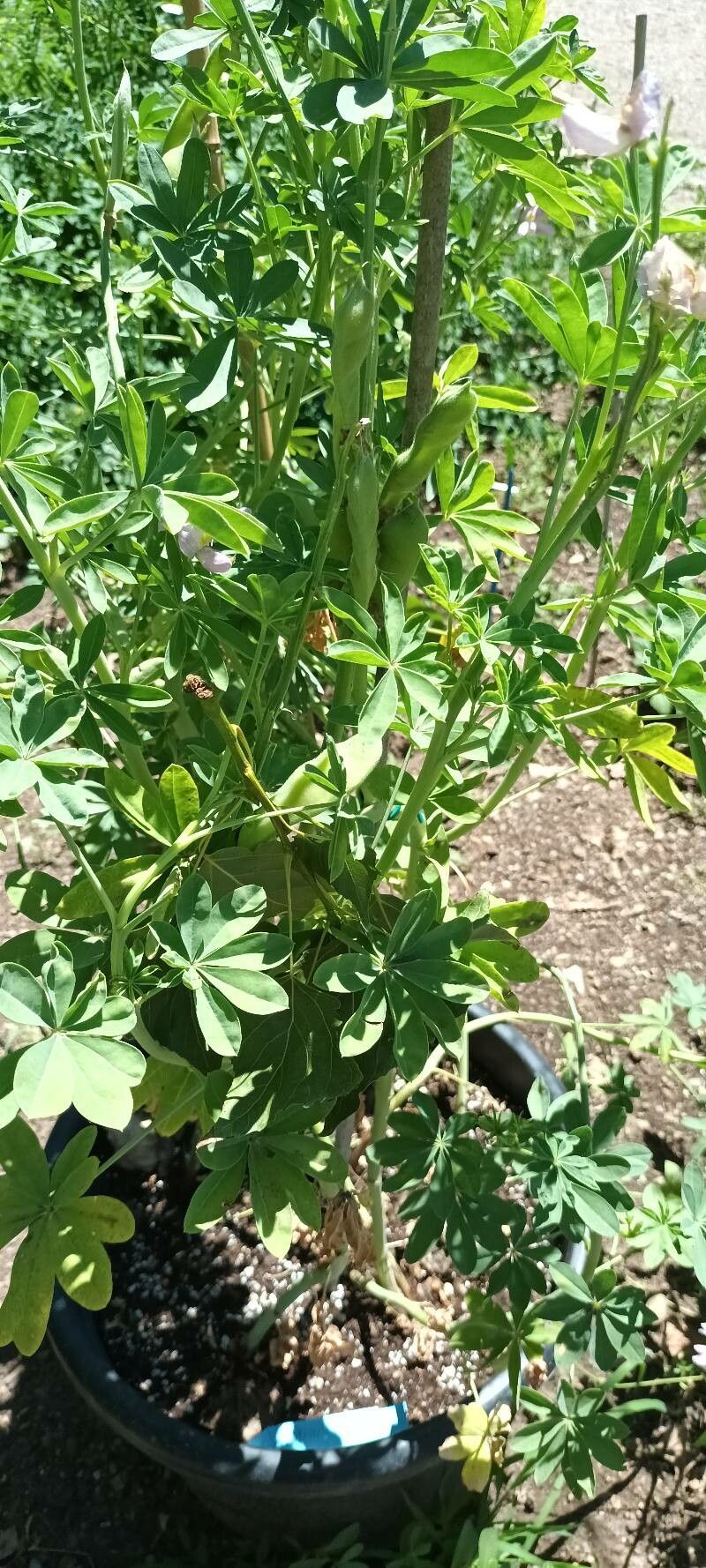
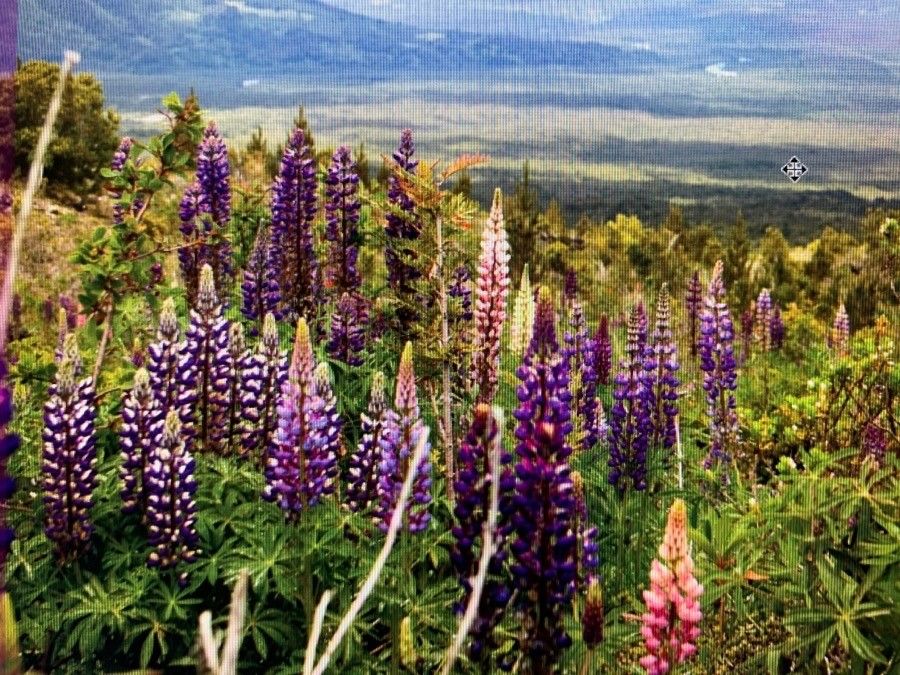
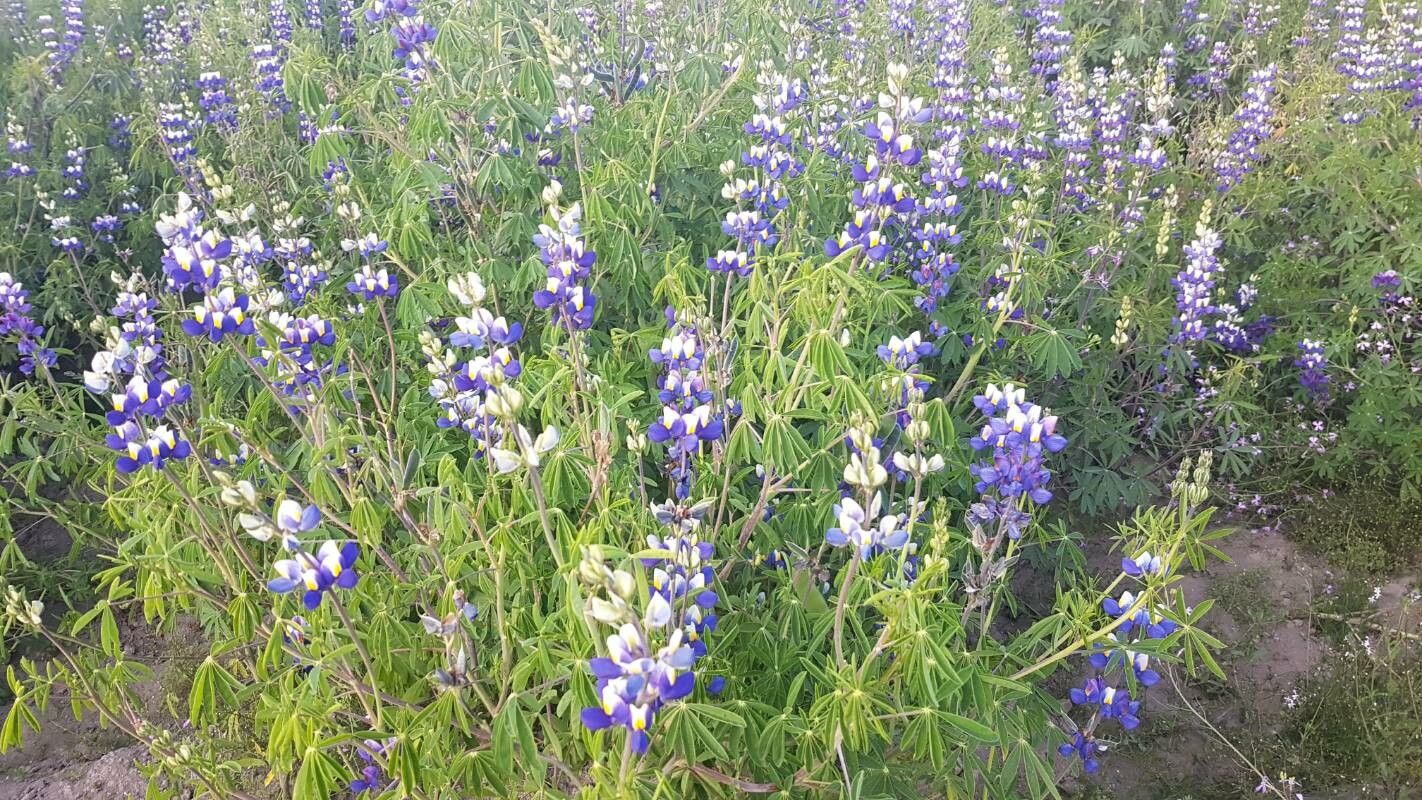
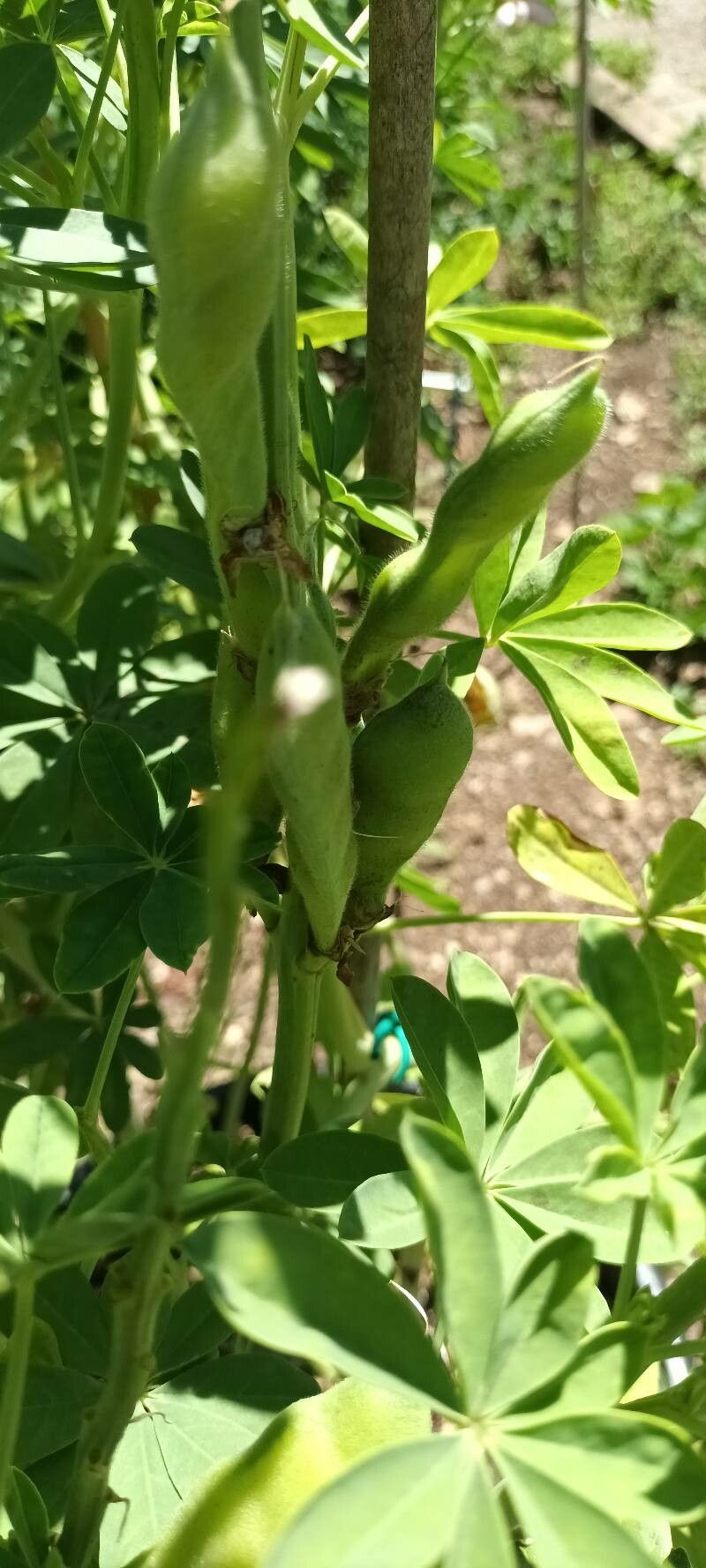
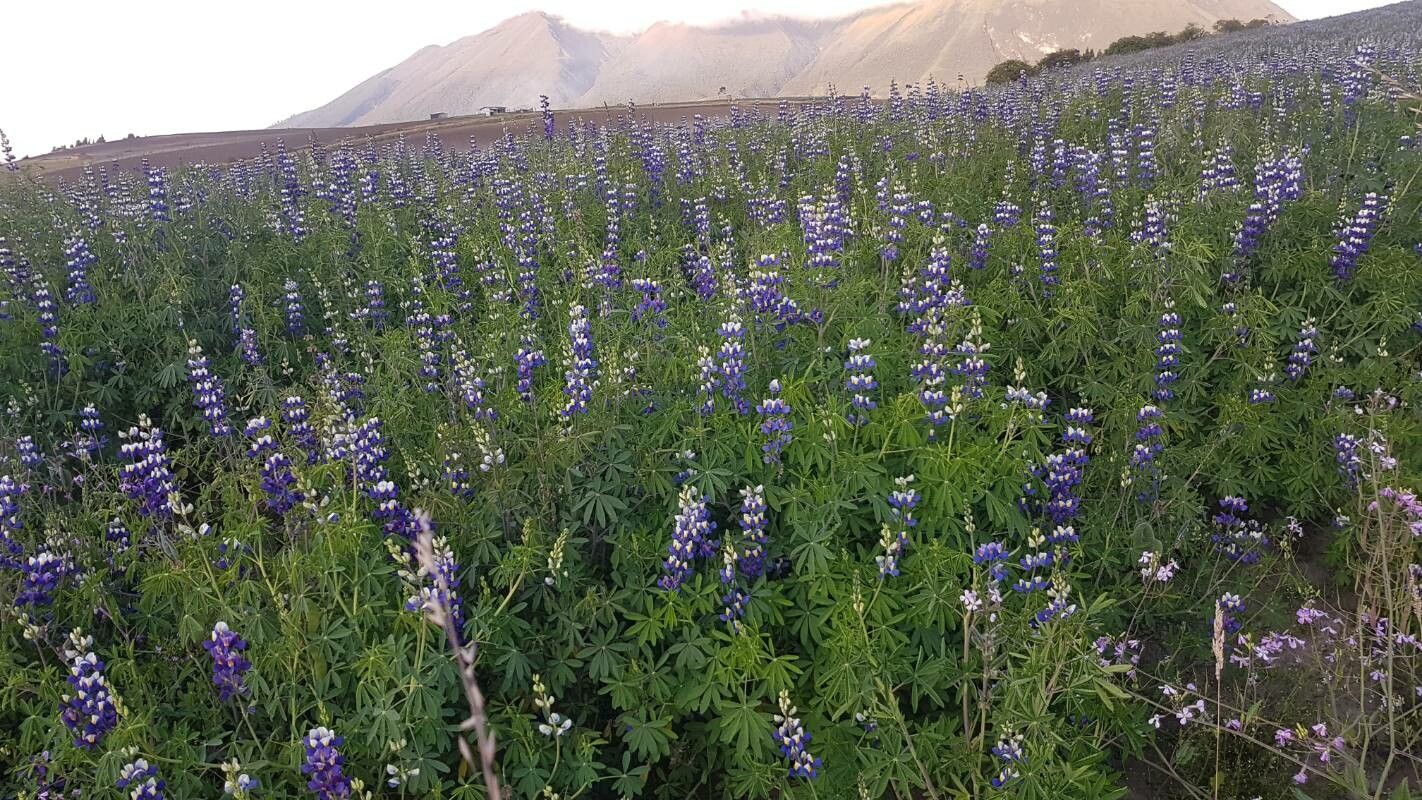
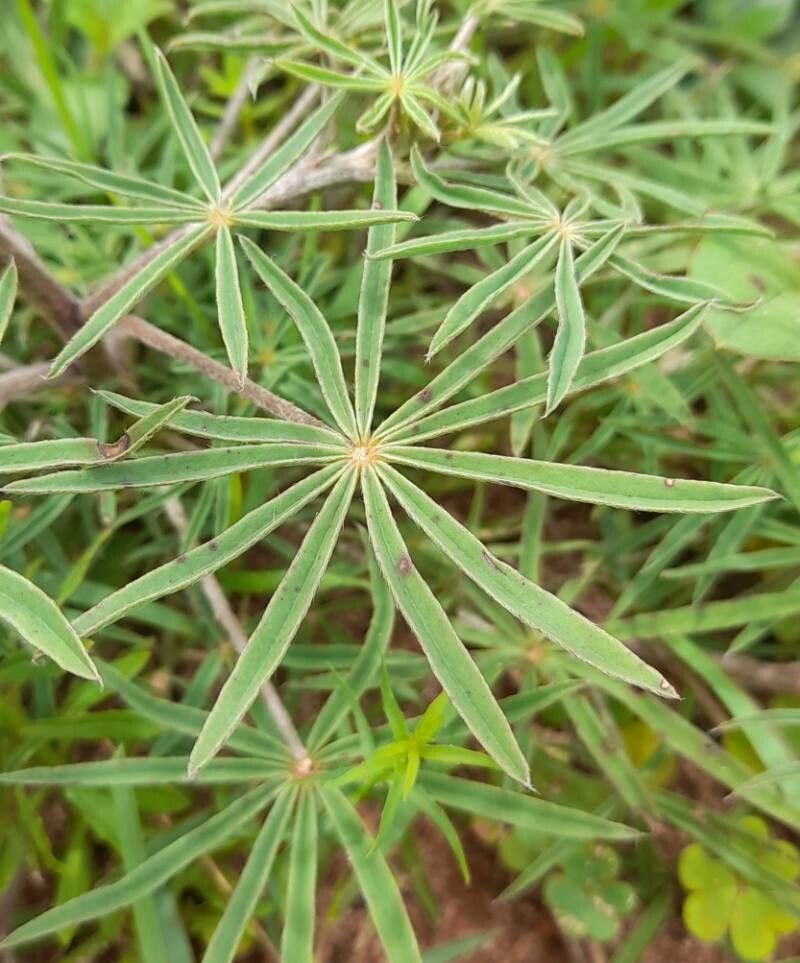
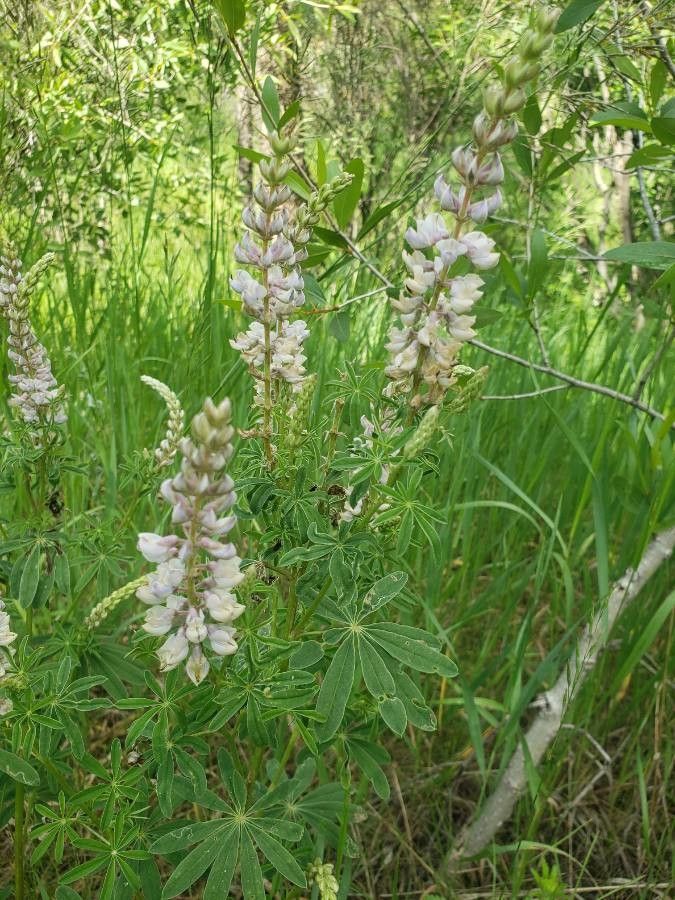
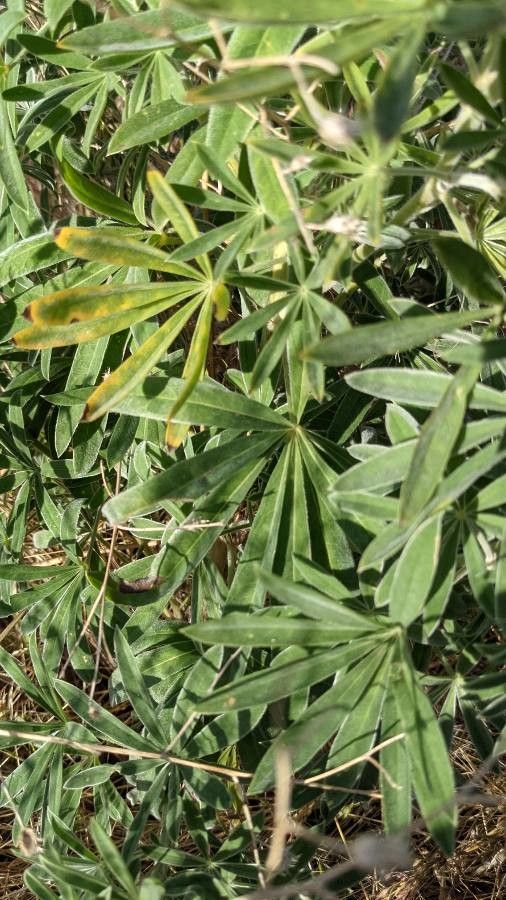
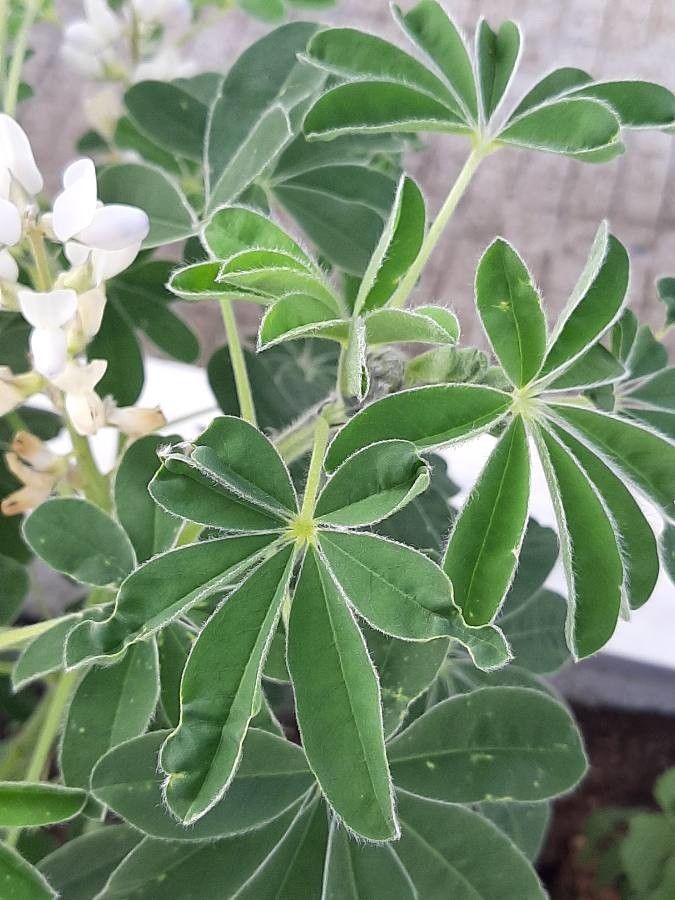
Lupinus mutabilis is a species of lupin grown in the Andes, mainly for its edible bean. Vernacular names include tarwi (in Quechua II, pronounced tarhui), chocho, altramuz, Andean lupin, South American lupin, Peruvian field lupin, and pearl lupin. Its nutrient-rich seeds are high in protein, as well as a good source for cooking oil. However, their bitter taste has made L. mutabilis relatively unknown outside the Andes, though modern technology makes it easier to remove the bitter alkaloids. Like other species of lupin beans, it is expanding in use as a plant-based protein source.
Tarwi is fairly resistant to disease and is generally not prone to illnesses. However, it can be affected by pests and diseases present in its environment. These infections are typically not serious. In terms of care, this plant requires a moderate amount of maintenance. It should be pruned regularly to keep a good appearance and encourage healthy growth. Fertilizing can also help stimulate flowering. Tarwi is appropriate for anyone with outdoor space, such as a garden or patio, and does not demand extensive experience in plant care. It may need more attention when grown indoors.
How to keep Lupinus Mutabilis.
Light
Tarwi comes from bright, open habitats and performs best in full sun. It tolerates partial shade but prefers direct sunlight for optimal growth. This plant, which may be annual or biennial, is noted for its sun-loving character.
Water
Tarwi plants should be watered moderately and regularly. Once the top inch of soil has dried slightly, it is time to water your plant again.
Temperature
Tarwi can tolerate a wide range of temperatures, though its distribution may still be restricted by different mixes of moisture and heat. It performs best in warm summer climates with sufficient rainfall or irrigation. Extended periods of cloudy, rainy weather or sustained high temperatures can raise the risk of Tarwi dying. In winter, adequate protection from the cold can increase the plant’s survival rate.
Fertilizer
For optimal development, Tarwi needs three fertilizer applications: one before planting, a second about one month after seedlings emerge, and a final one 1 to 1.5 months after the second. Some Tarwi varieties also benefit from an extra fertilizer dose at planting to promote rapid growth.
Pruning
To encourage more flowers, the Tarwi plant can be deadheaded.
Toxicity
This plant is potentially harmful if not used properly. All parts of the plant, including the unprocessed seeds, if ingested, may result in severe discomfort. Gloves should be worn while handling this plant and hands should be washed after handling.
Further reading →
The toxicity and danger assessments provided are for reference only. We do not assure their accuracy, so it's crucial not to depend on them. Seek professional advice when necessary for accurate guidance.
Botanical profile.
- Plant Type
- Herb
- Life Cycle
- Annual
- Genus
- Lupinus
- Family
- Fabaceae
- Hardiness Zone
- 7-10
- Mature Height
- 1.07 m
- Mature Spread
- 61 cm
- Leaf Color
- Green
- Leaf Type
- Deciduous
- Flower Color
- Blue, Purple, White
- Flower Size
- 1.02 cm to 2.03 cm
- Bloom Time
- Mid spring, Late spring, Early summer
- Planting Time
- Spring, Summer, Autumn
- Harvest Time
- Mid summer, Late summer, Early fall
- Native Area
- Colombia, Bolivia, Venezuela, Peru, Ecuador
Other names.