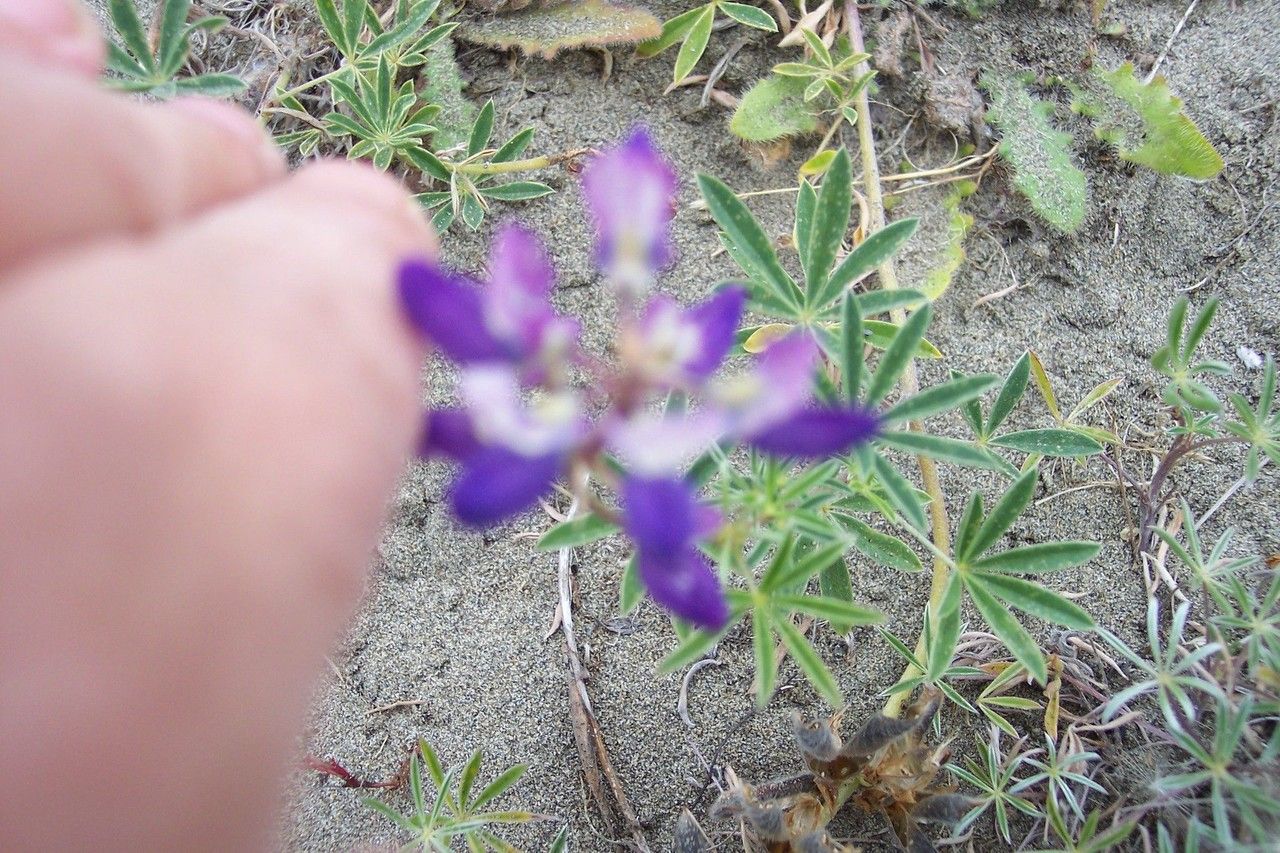
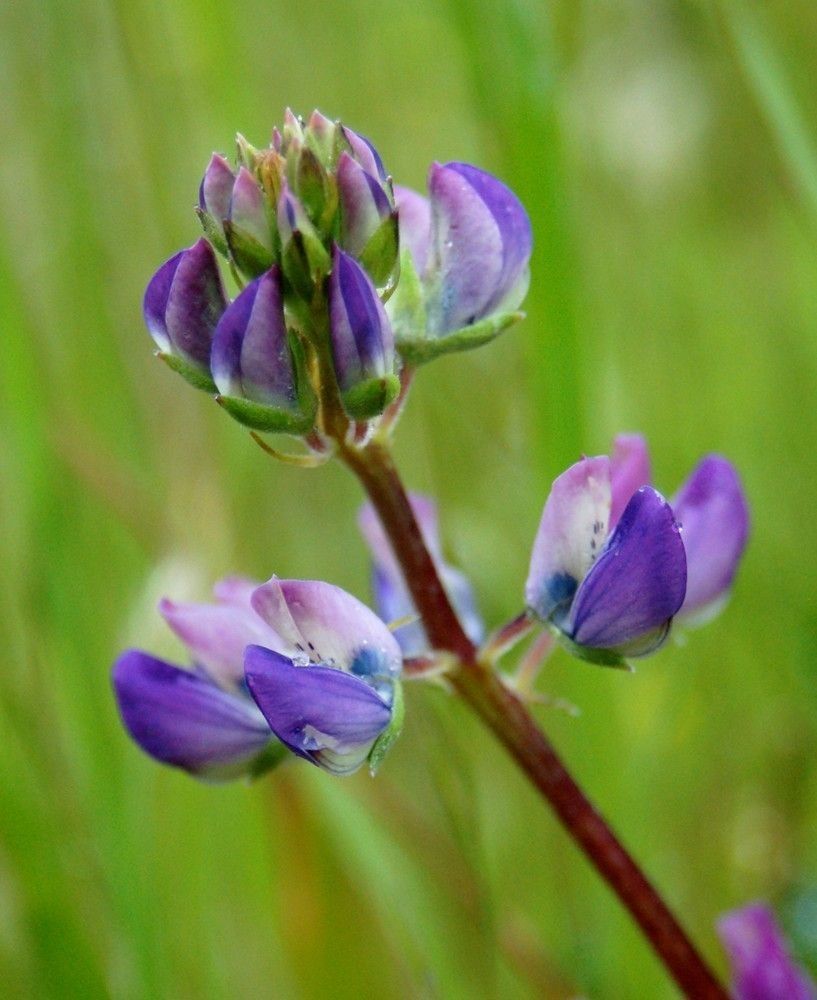
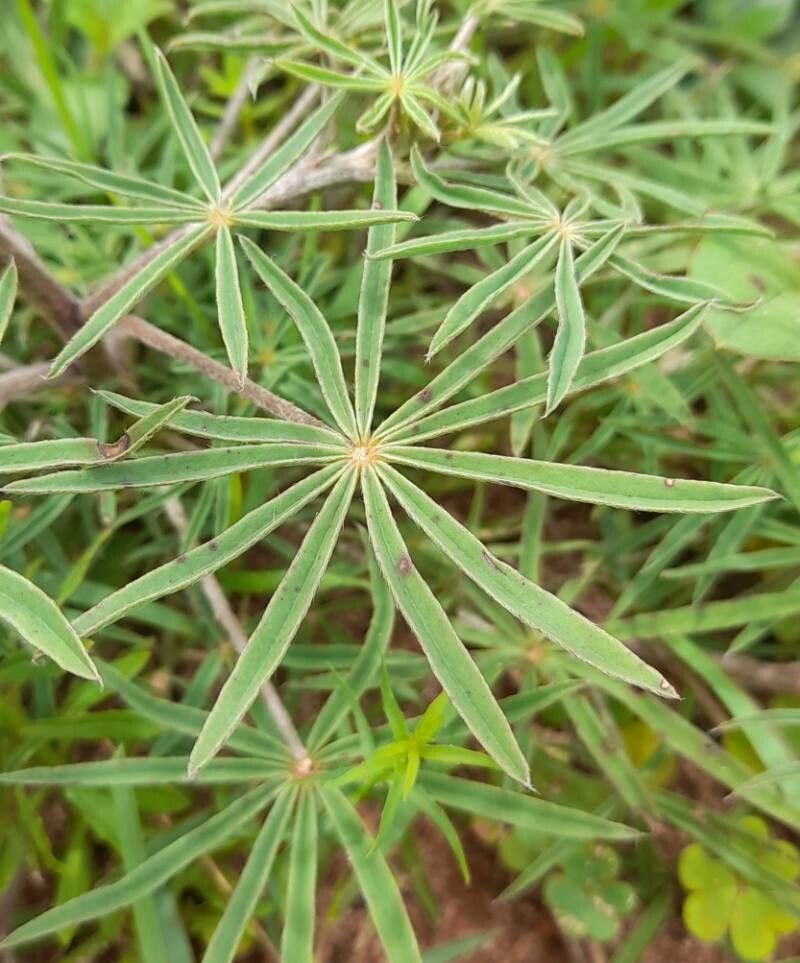
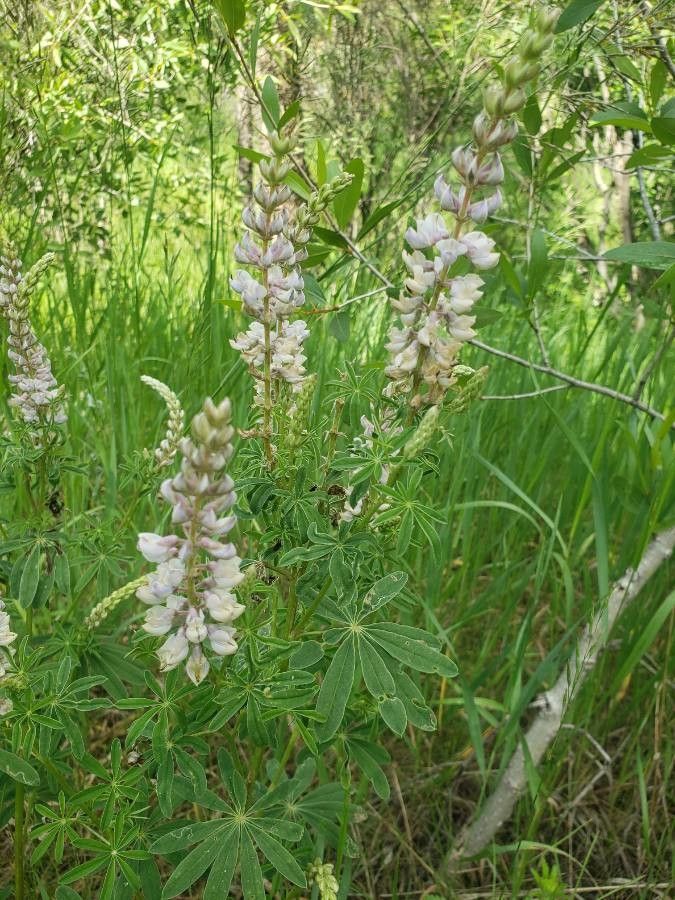
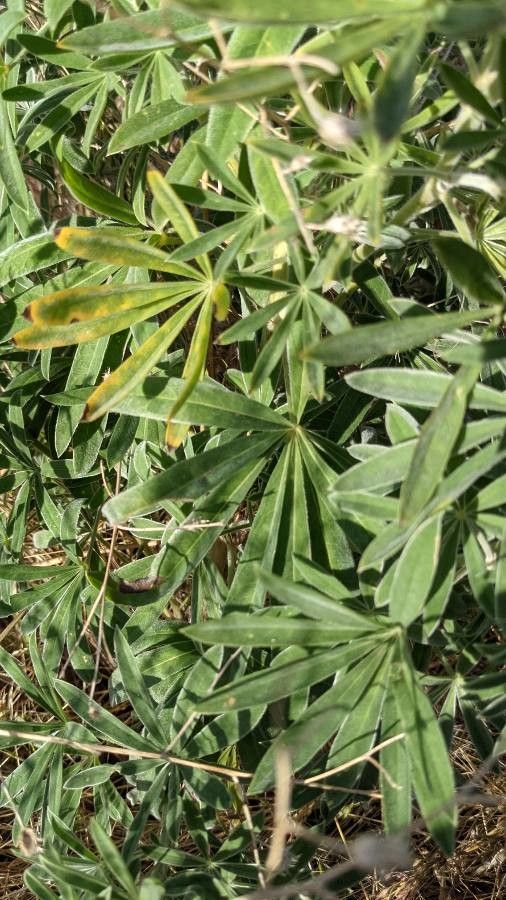
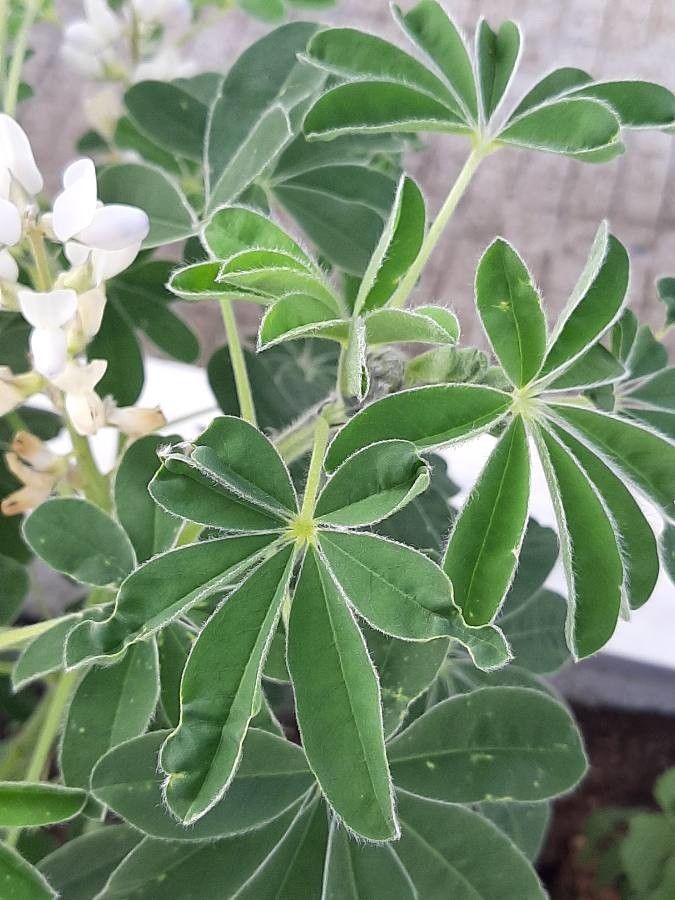
Lupinus littoralis is a species of lupine known by the common name seashore lupine. It is native to the coastline of western North America from British Columbia to northern California, where it grows in sandy habitat. It is a low perennial herb or subshrub growing in a clump or mat no more than 30 centimetres (12 in) tall. Each palmate leaf is divided into 5 to 9 leaflets up to 3.5 centimetres (1.4 in) long. The herbage is coated in long, shaggy whitish or silvery hairs. The inflorescence is raceme of whorled flowers each around a centimeter long. The flower is purple in color with a white patch on its banner that fades pinkish. The fruit is a hairy legume pod 3 or 4 centimeters long containing up to 12 seeds. Some Native American tribes ate the roots.
Seashore lupine is fairly disease-resistant and typically not prone to illnesses. However, it can be affected by pests and diseases present in its environment. Those infections are usually mild. In terms of care, this plant requires moderate maintenance. It should be pruned regularly to preserve its appearance and encourage healthy growth. Fertilizing can also help stimulate flowering. Seashore lupine is suitable for anyone with outdoor space, such as a garden or patio, and does not demand extensive care experience. It may need more attention when grown indoors.
How to keep Lupinus Littoralis.
Light
The perennial plant, Seashore lupine, is a herbaceous species that loves the sun and originates from open habitats. It typically flourishes in open fields such as meadows and grasslands. In terms of sunlight requirements, it prefers full sun exposure but can also withstand conditions with partial sunlight.
Water
Seashore lupine requires well-drained soil and regular watering. During the growing season, it should receive about 1 inch (2.5 cm) of water each week. If the plant doesn't get enough water, it may go to seed early and produce weak seedlings. On the other hand, too much water can cause root rot and interfere with nitrogen fixation. Achieving the right balance is essential for optimal growth.
Temperature
Seashore lupine can tolerate a wide range of temperatures, but its distribution may still be restricted by different combinations of moisture and heat. It performs best in warm summer climates with sufficient rainfall or watering. Long periods of cloudy, rainy weather or prolonged high temperatures can raise the chance of Seashore lupine dying. In winter, adequate protection from cold can increase the plant's survival rate.
Fertilizer
Seashore lupine typically requires just one dose of fertilizer in the spring, but it can benefit from additional feedings to optimize its growth. The plant should be fed every four to six weeks. Fertilization improves the look and function of the leaves, ensuring a steady color and robust texture. Additionally, it encourages the development of roots and the uptake of nutrients, contributing to the plant's overall wellbeing in the long run.
Pruning
To promote the health and growth of seashore lupine, it is beneficial to prune the plant in early spring. Begin by removing any dead stems, and then cut back the plant after it has finished blooming to encourage more flowers. This practice helps improve air circulation, reduces the risk of pests, and aligns with the plant's natural growth cycle, enhancing its appearance and vitality.
Botanical profile.
- Plant Type
- Herb
- Life Cycle
- Perennial
- Genus
- Lupinus
- Family
- Leguminosae
- Hardiness Zone
- 7-9
- Mature Height
- 20 cm to 40 cm
- Mature Spread
- 30 cm to 61 cm
- Leaf Color
- Green, Dark Green
- Leaf Type
- Deciduous
- Flower Color
- Purple, Blue, White
- Flower Size
- 1.02 cm to 1.52 cm
- Bloom Time
- Late spring, Early summer, Mid summer
- Planting Time
- Spring, Summer
- Harvest Time
- Mid summer, Late summer, Early fall
Other names.
Reader questions.
What are the sunlight requirements for Seashore lupine (Lupinus littoralis)?
Seashore lupine, also known as Lupinus littoralis, thrives in conditions that provide ample sunlight. It requires 'full sun' which means the plant should receive above 6 hours of sunlight daily. However, it can also tolerate 'partial sun' conditions, meaning it should get about 3-6 hours of sunlight each day. It's important to observe the patterns of sunlight in your garden to ensure you choose a location that offers a good balance of light and shade, catering to the needs of your Seashore lupine for its optimal growth and health.