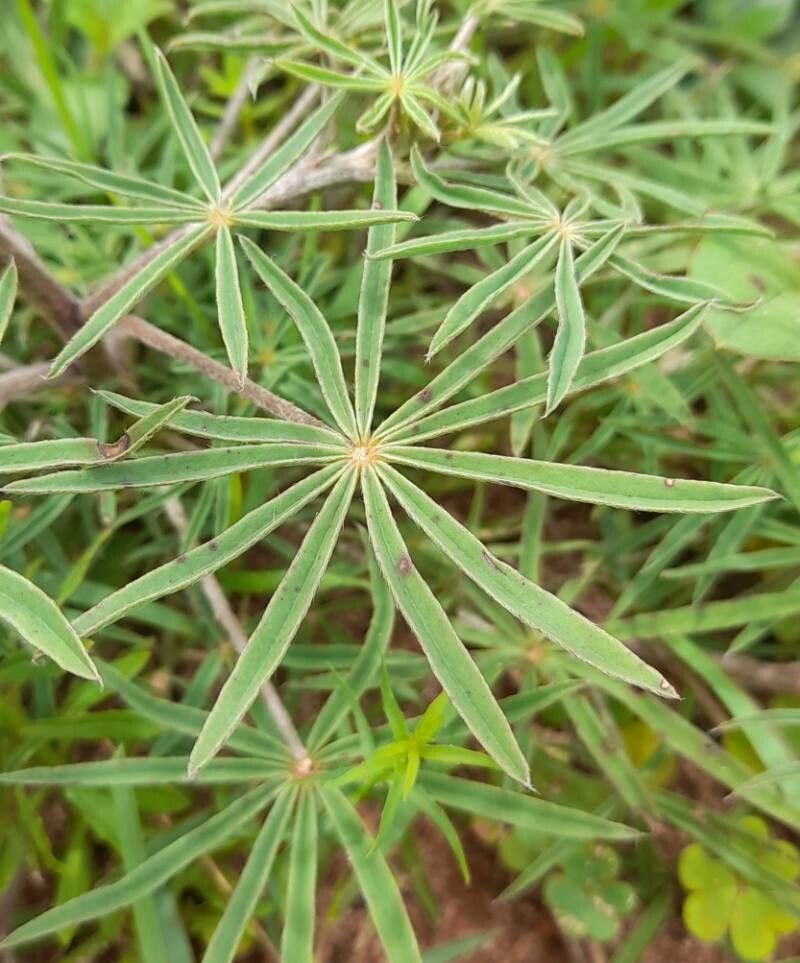
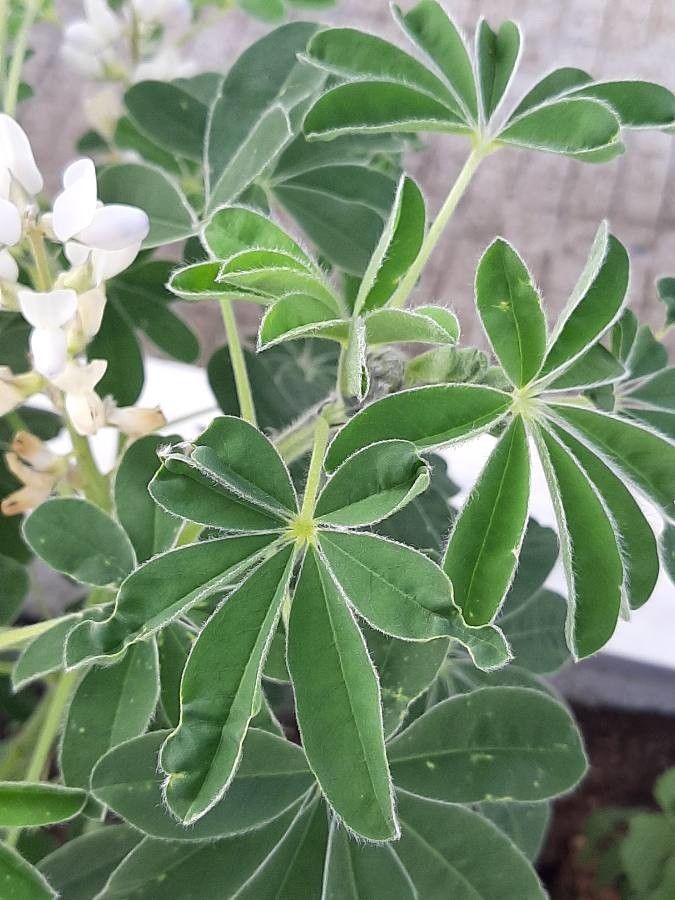
Lupinus hillii, commonly known as Hill's lupine, is a species of lupine native to Arizona and some parts of New Mexico.
How to keep Lupinus Hillii.
Water
Hill's lupine requires well-drained soil and consistent watering. Aim to provide about 25 mm (1 inch) of water each week during the growing season. If the plant doesn't get enough water, it may go to seed too early. On the other hand, too much water can cause root rot. Therefore, it's important to maintain a balanced moisture level for the plant to grow optimally and fix nitrogen effectively.
Pruning
Hill's lupine is known for its vibrant flowers and bushy growth. To maintain its health and appearance, it is best to prune it in early spring. This helps shape the plant, improve airflow, and remove any dead branches. Effective pruning techniques include thinning out overgrown areas, cutting back to healthy buds, and deadheading spent flowers. Always use clean cuts and sterilized tools to promote the plant’s health and vigor. For more detailed pruning techniques, consult reliable horticultural sources.
Botanical profile.
Other names.
Reader questions.
What are the sunlight requirements for Hill's lupine?
Hill's lupine, or Lupinus hillii, requires specific sunlight conditions to thrive. It needs full sun, which is above 6 hours of sunlight daily, or partial sun, about 3-6 hours of sunlight each day. It's important to observe the sunlight pattern in your garden to ensure you choose a location that offers the right balance of light and shade to meet the needs of your Hill's lupine, ensuring its happiness and health.
Is there any special advice for planting Hill's lupine regarding sunlight?
When planting Hill's lupine, it is crucial to watch how sunlight moves through your garden throughout the day. Choosing the right spot that provides the perfect balance of light and shade for your plants is essential. This practice ensures their happiness by meeting their specific sunlight requirements.