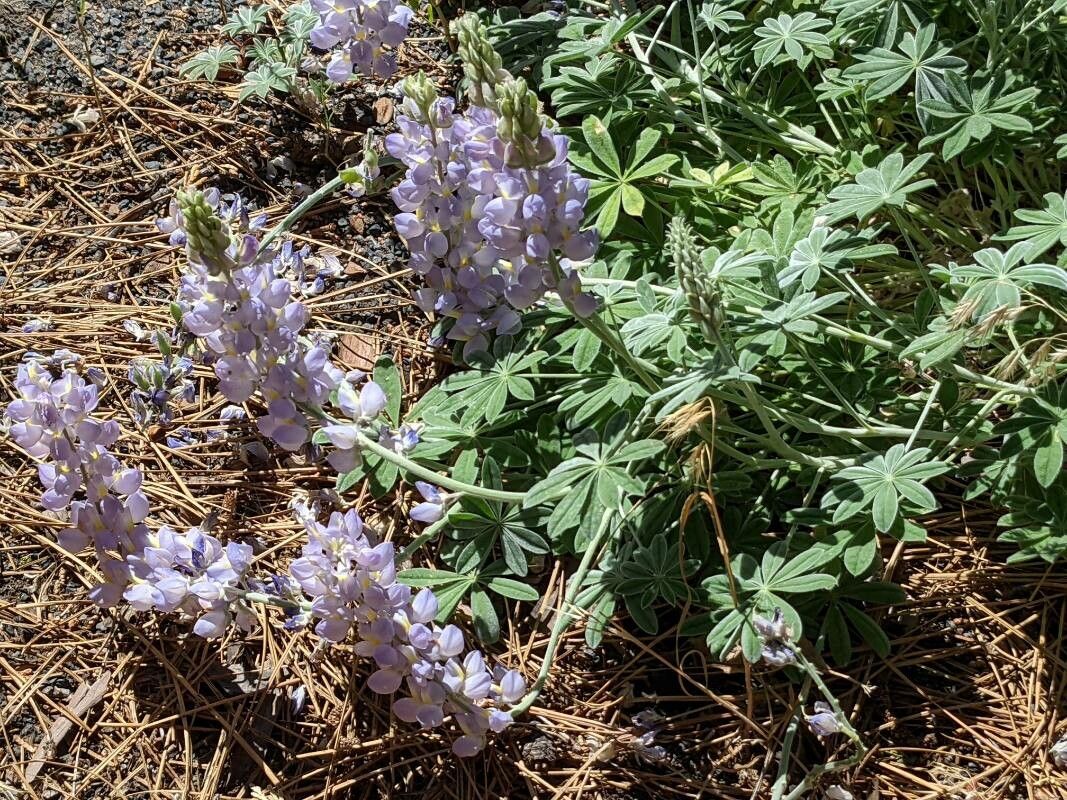
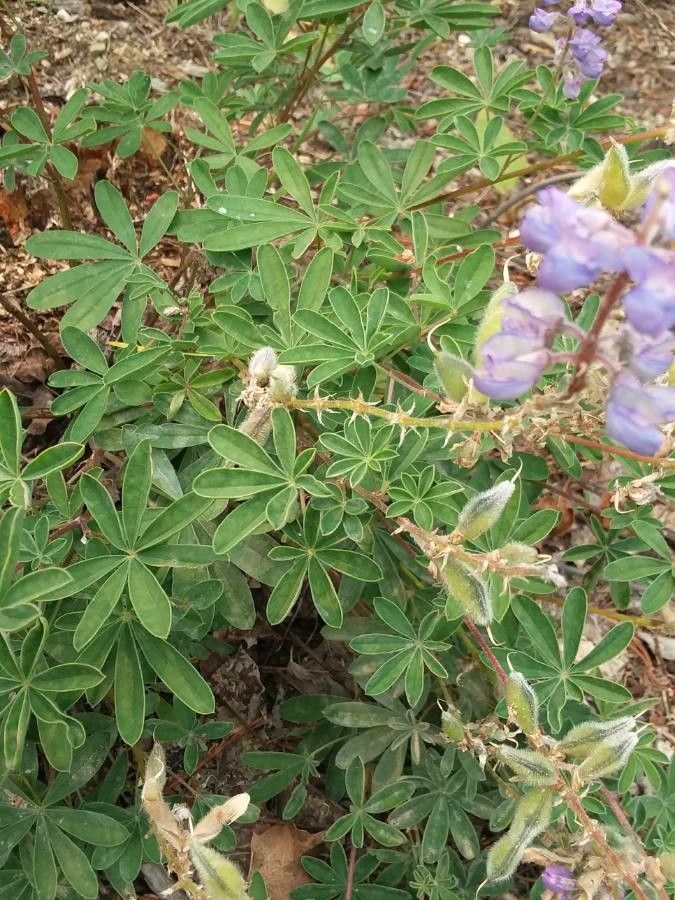
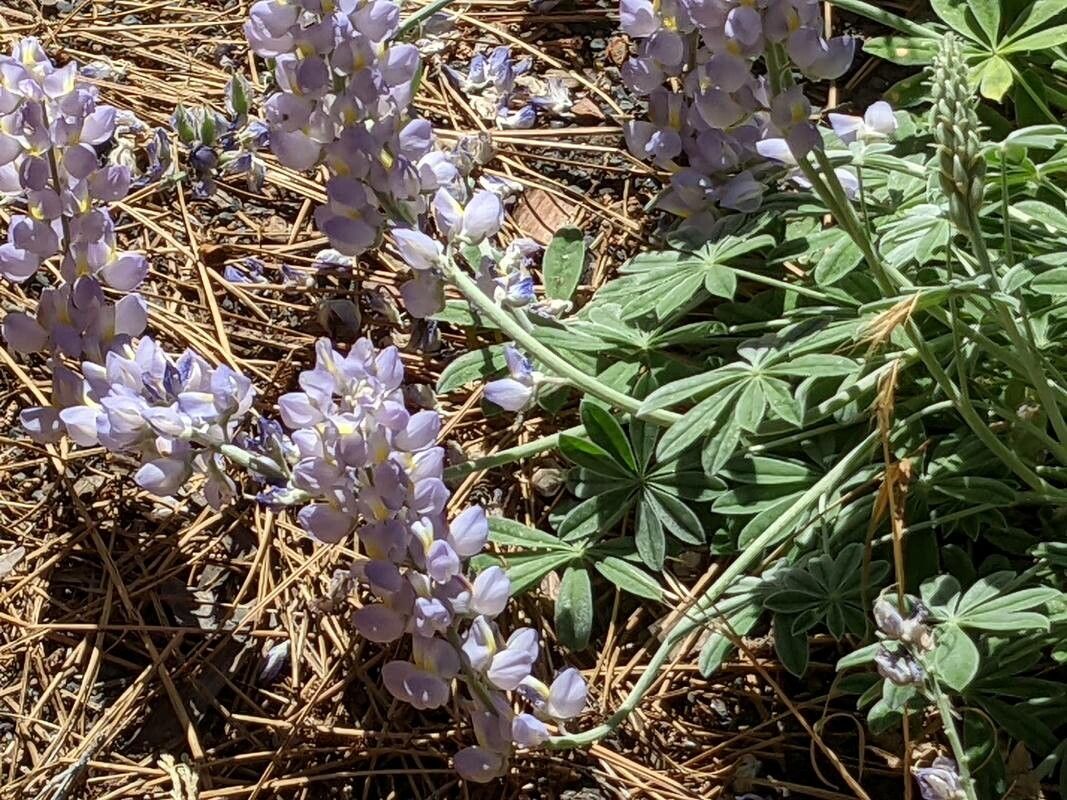
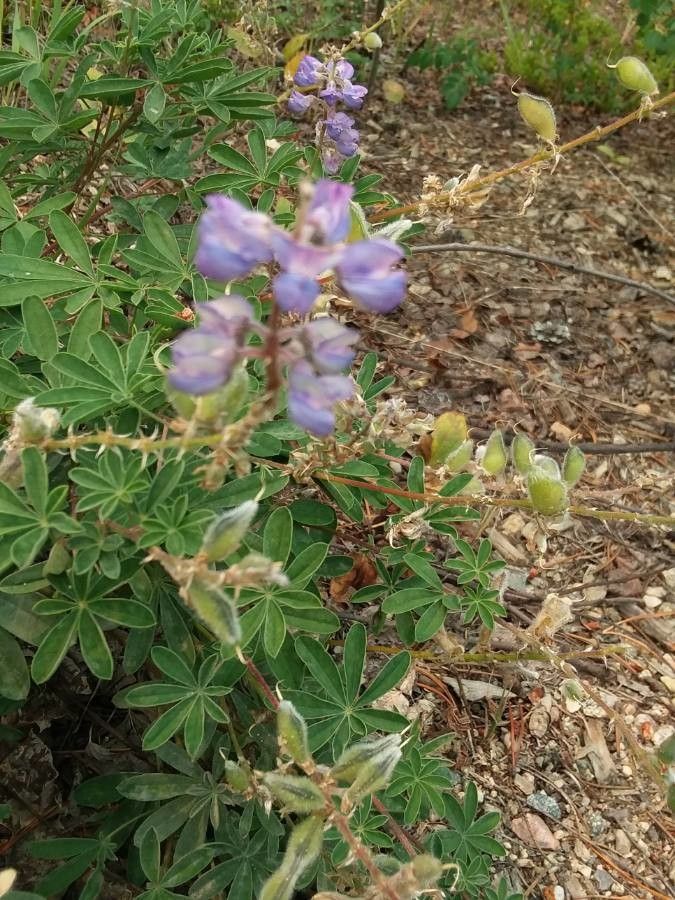
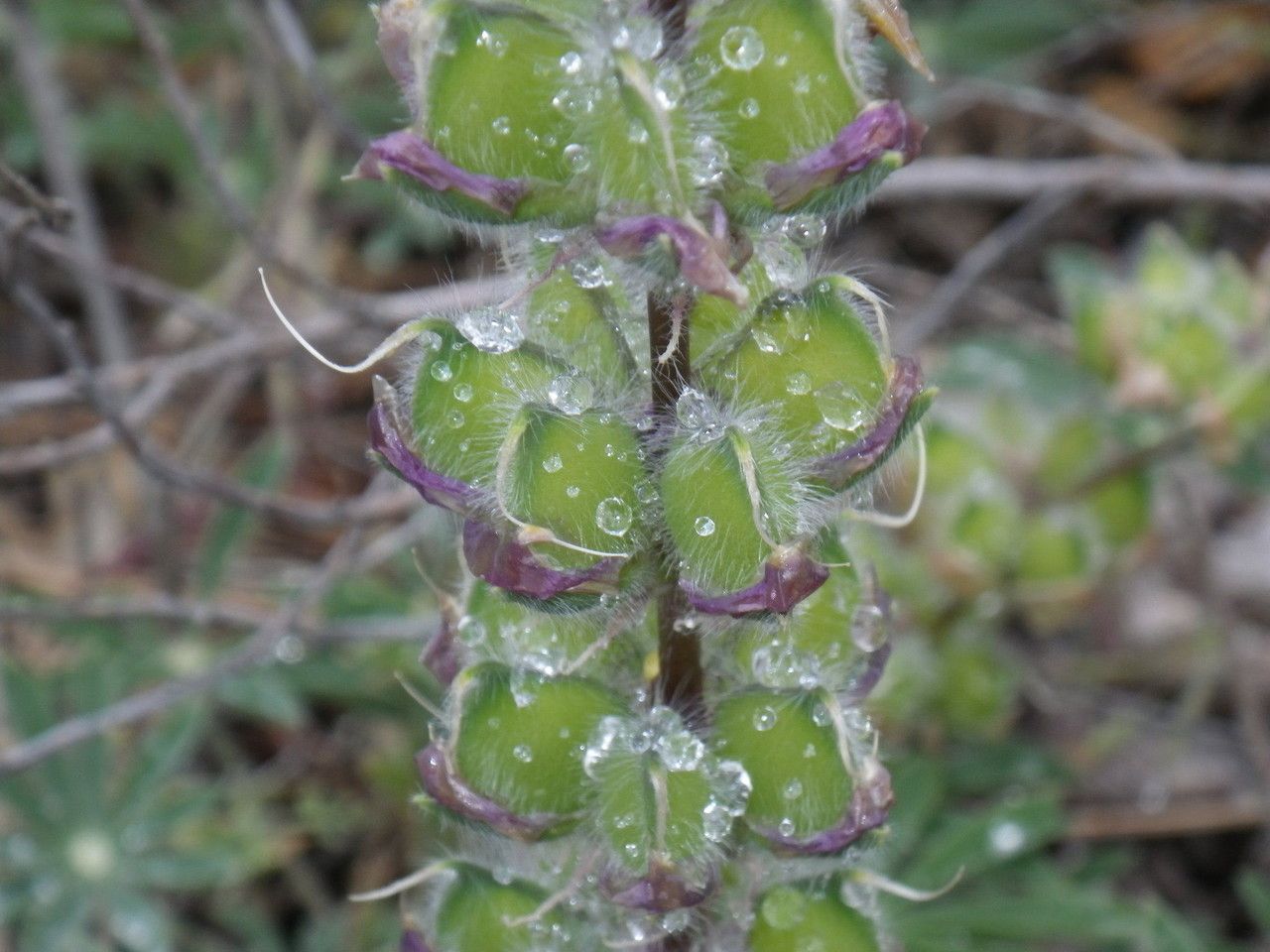
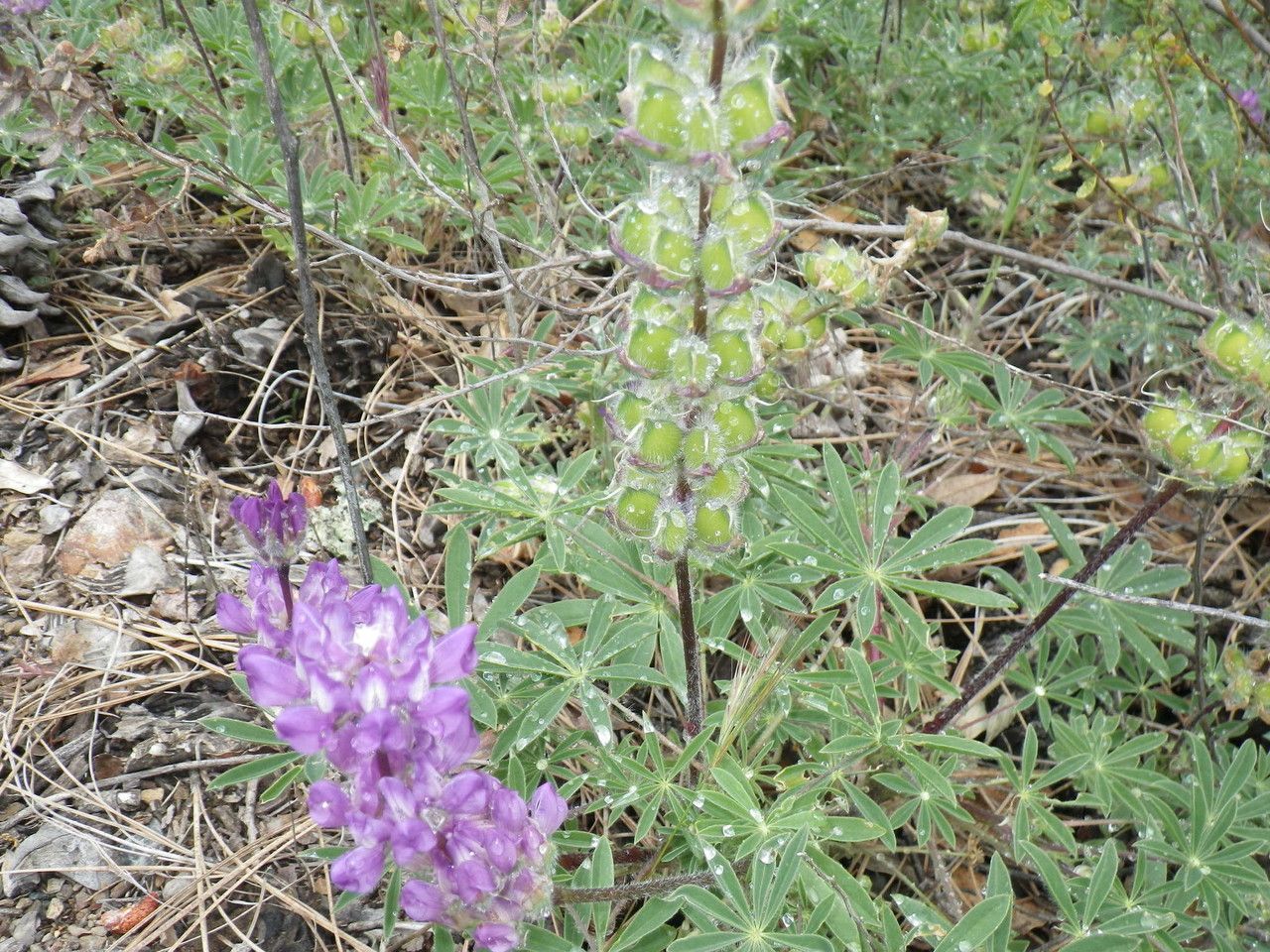
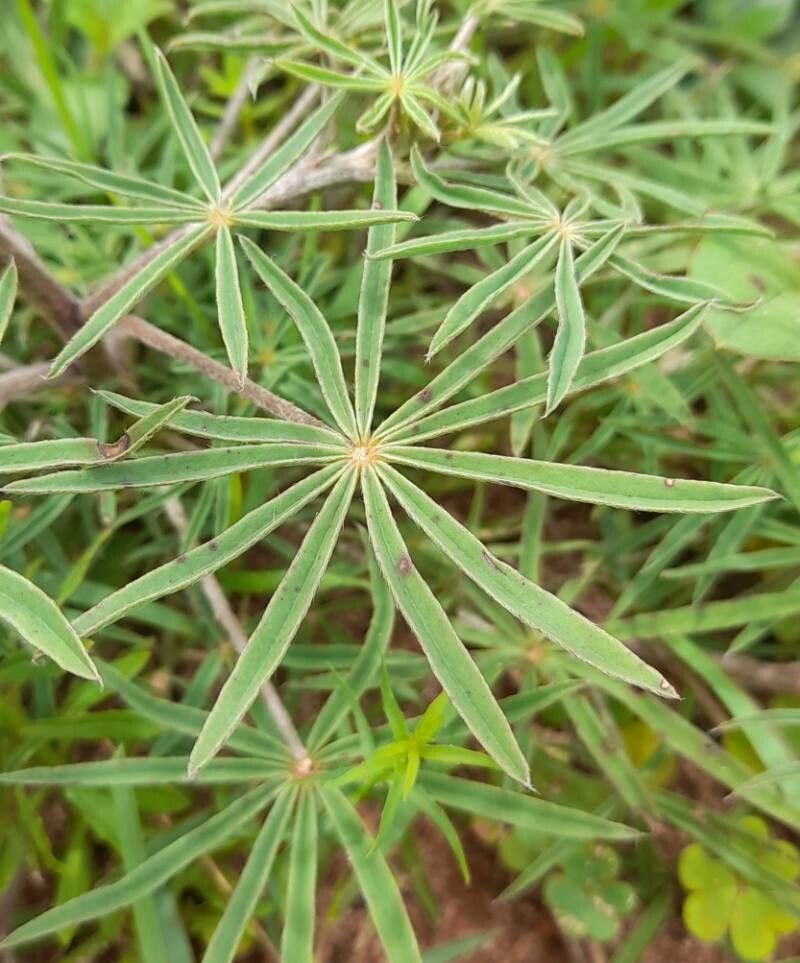
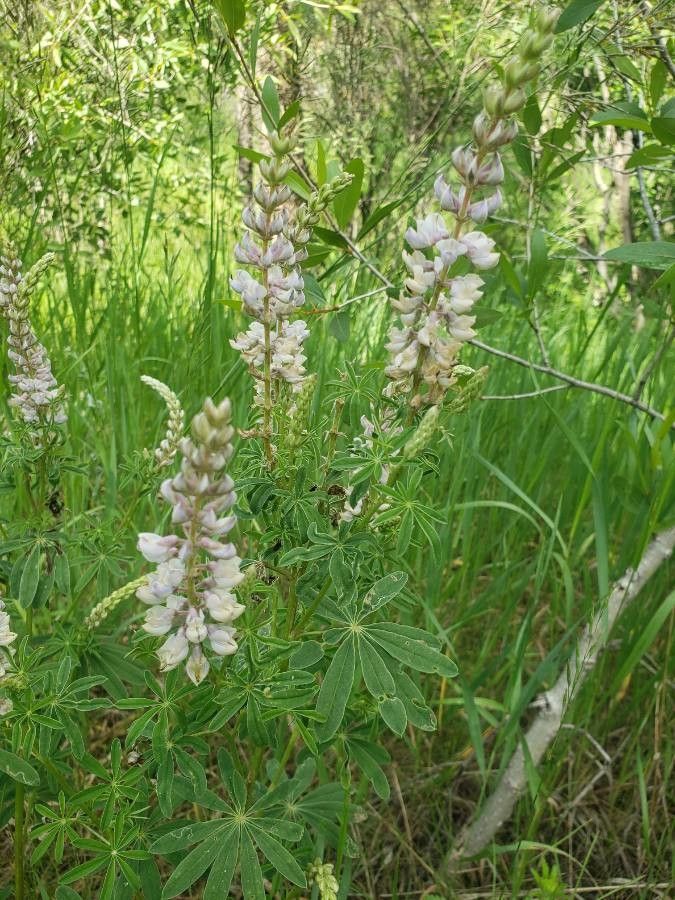
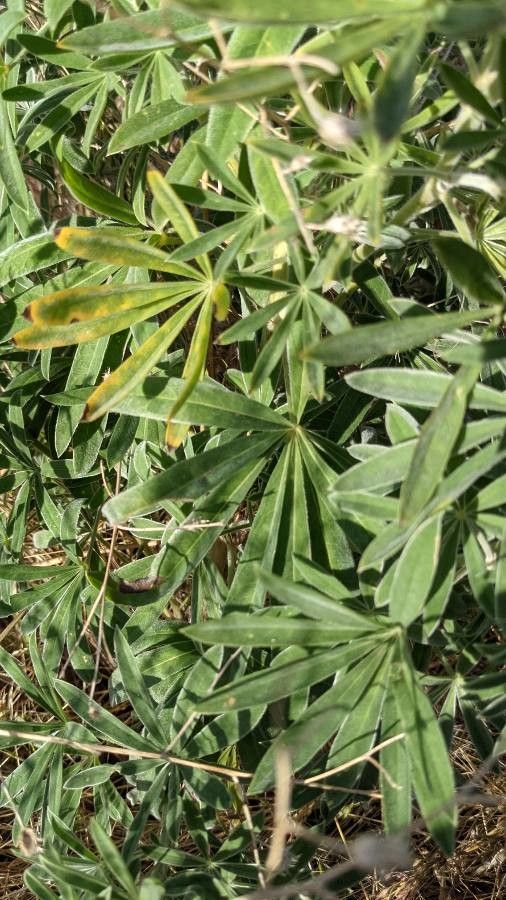
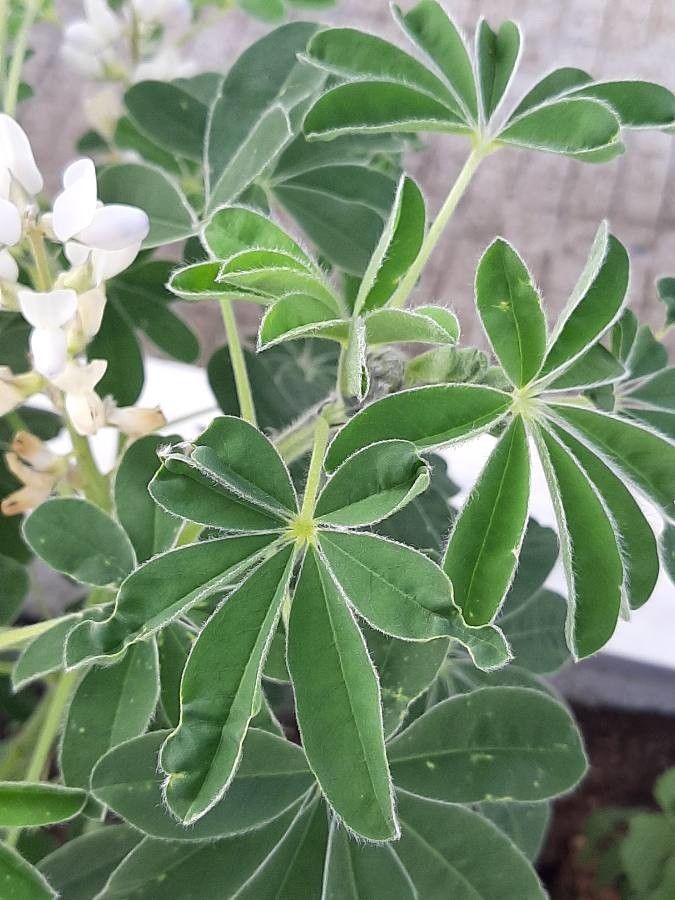
Lupinus formosus, the summer lupine or western lupine, is a species of flowering plant in the legume family, Fabaceae. It is native to California and Oregon in the United States. Lupinus formosus has been cited as a poisonous plant. Although it is not endangered it faces eradication in some areas at the hands of cattle farmers as it has been implicated in crooked calf disease. This lupine, along with five others, is poisonous from the time it starts growth in the spring until the seed pods shatter in late summer or early fall. However, the younger the plant the more toxic it is.Summer lupine is one of three piperidine alkaloid containing plants that have poisonous effects on livestock. It, along with poison hemlock (Conium maculatum) and tree tobacco (Nicotiana glauca), induced "multiple congenital contractures (MCC) and palatoschisis in goat kids when their dams were gavaged with the plant during gestation." The skeletal abnormalities included fixed extension of the carpal, tarsal and fetlock joints, scoliosis, lordosis, torticollis and rib cage problems. The clinical signs of toxicity in sheep, cattle and pigs included, ataxia, incoordination, muscular weakness, prostration and death.It inhabits areas of dry slopes beneath pine trees, clay soils, grasslands, coniferous forests, and areas in the San Jacinto, Santa Rosa and San Gabriel Mountains. Its distribution extends across the state of California except for the eastern deserts and the plateaus east of the Sierra Nevada. This lupine blooms from April to August. It is one of the foodplants of the endangered mission blue butterfly. There are two varieties. Lupinus formosus var. robustus is confined to the Sierra Nevada and the Southern Coast Ranges of California, while var formosus is more widespread. It is a larval host to the Acmon blue, arrowhead blue, Melissa blue, silvery blue, and sooty hairstreak.
Summer lupine is fairly disease-resistant and generally not prone to illnesses. However, it can be vulnerable to pests and diseases found in its environment. These infections are typically not serious. In terms of care, this plant requires moderate maintenance. It should be pruned regularly to maintain a tidy appearance and support healthy growth. Fertilizing can also encourage flowering. Summer lupine is appropriate for anyone with outdoor space, such as a garden or patio, and does not demand extensive care experience. It may need more attention when grown indoors.
How to keep Lupinus Formosus.
Light
Summer lupine is a perennial herbaceous plant that favors sunny conditions and originates from open habitats, commonly occurring in meadows and grasslands. It prefers full sun but can also endure partial sun.
Water
Summer lupine thrives best with well-drained soil and consistent watering. Aim to provide 1 inch (2.5 cm) of water each week during its growing season. If the plant doesn't receive enough water, it may start seeding prematurely and its growth could be stunted. On the other hand, too much water can lead to root rot and problems with nitrogen fixation. To ensure the plant develops optimally, maintain a balanced level of moisture.
Temperature
Summer lupine can adapt to a wide range of temperatures, but its distribution may still be limited by various combinations of water and heat. It performs best in warm summer climates with adequate rainfall or watering. Extended periods of cloudy, rainy weather or prolonged high temperatures can raise the likelihood of Summer lupine dying. In winter, protecting the plant from cold can improve its survival rate.
Fertilizer
A single fertilizer application in spring is generally enough for Summer lupine, though repeated feedings can enhance growth. Feed once every month to a month and a half. Fertilizing improves the leaves’ appearance and function, helping maintain even color and a healthy texture. It also encourages root development and nutrient uptake, supporting long-term plant health.
Pruning
To ensure your summer lupine thrives, start with early spring pruning to boost its growth and blooming potential. Regularly trimming away spent flowers and damaged leaves helps maintain its vitality and shape. Removing any diseased parts can also prevent pest infestations. For optimal health, summer lupine requires good air circulation and ample light. Be sure to consult reliable sources for detailed care guidelines specific to this plant.
Botanical profile.
- Plant Type
- Herb
- Life Cycle
- Perennial
- Genus
- Lupinus
- Family
- Fabaceae
- Hardiness Zone
- 7-10
- Mature Height
- 30 cm to 61 cm
- Mature Spread
- 30 cm to 46 cm
- Leaf Color
- Green, Dark Green
- Leaf Type
- Deciduous
- Flower Color
- Purple, Blue, Pink
- Flower Size
- 1.02 cm to 1.52 cm
- Bloom Time
- Mid spring, Late spring, Early summer
- Planting Time
- Spring, Summer, Autumn
- Harvest Time
- Summer
- Native Area
- Mexico
Other names.
Reader questions.
What are the sunlight requirements for Summer Lupine (Lupinus formosus)?
Summer Lupine, or Lupinus formosus, thrives under specific sunlight conditions. It requires 'full sun' which means it needs above 6 hours of sunlight daily to flourish. There's also a 'partial sun' requirement, implying that it can handle about 3-6 hours of sunlight. It's important to monitor the movement of sunlight through your garden to find spots that offer the right balance of light and shade. Such attention ensures the plants receive the optimal conditions they need for growth, as stated in the warning to watch how sunlight gracefully moves through your garden and choose spots accordingly.