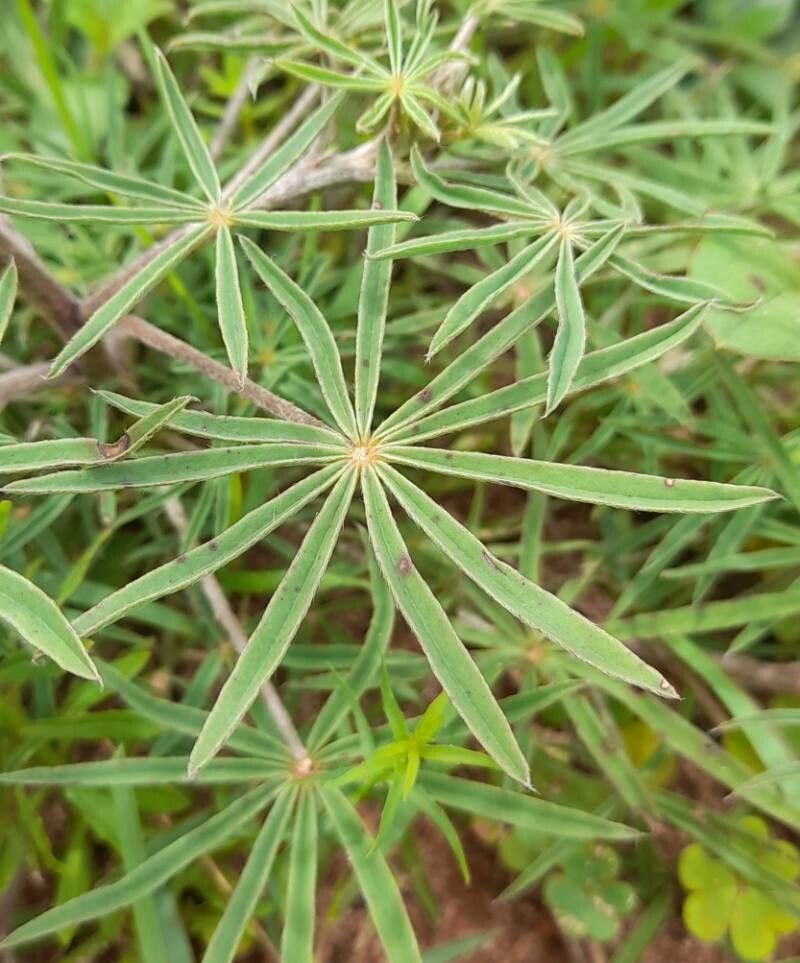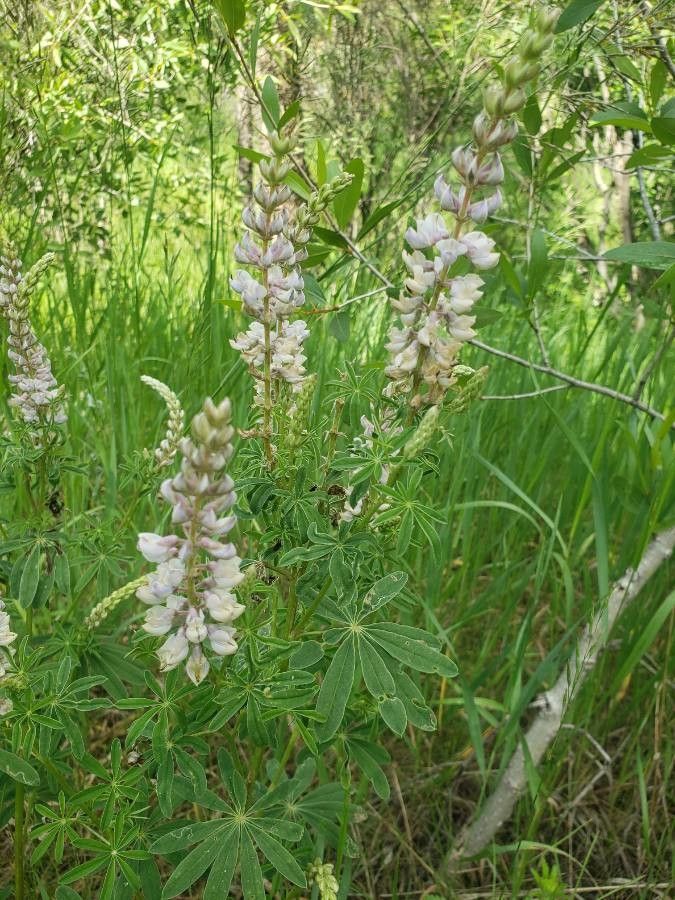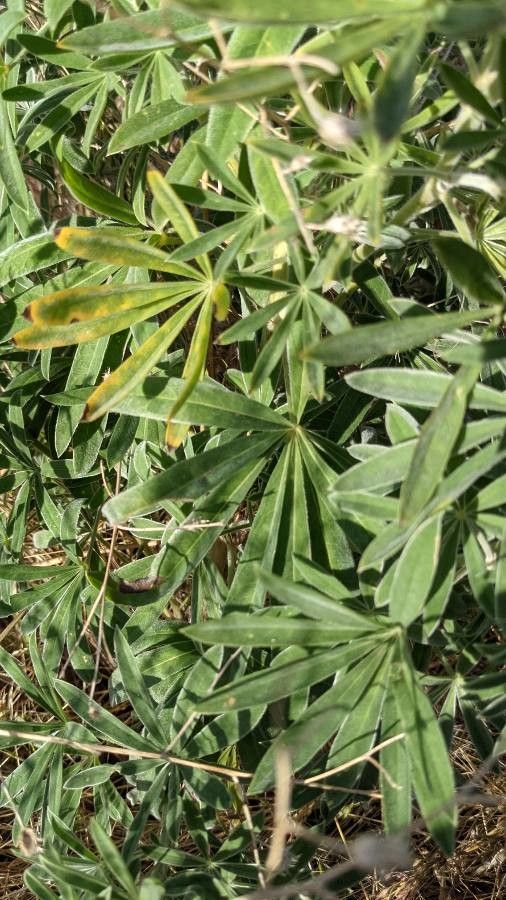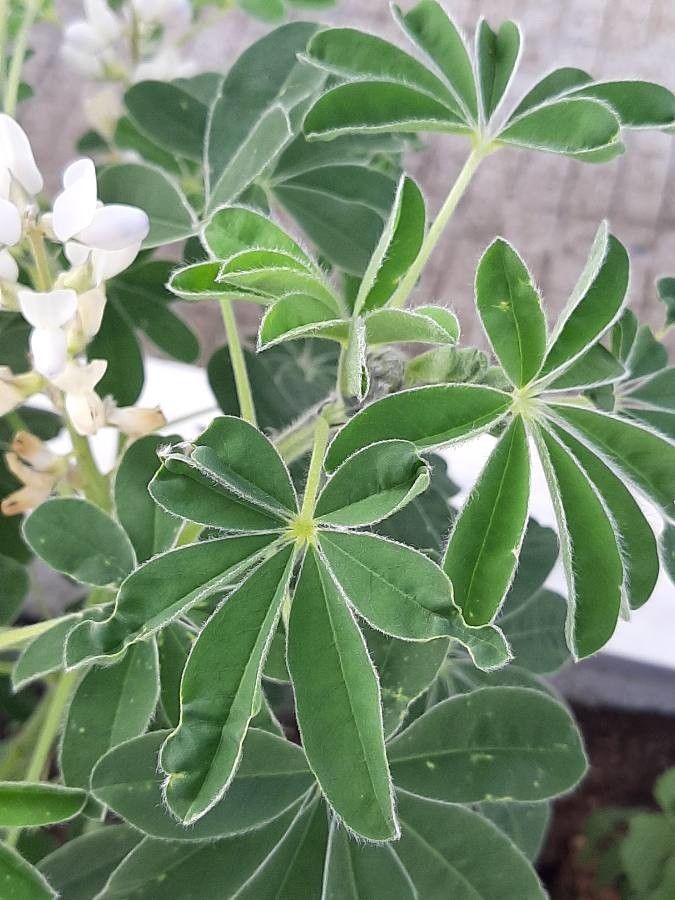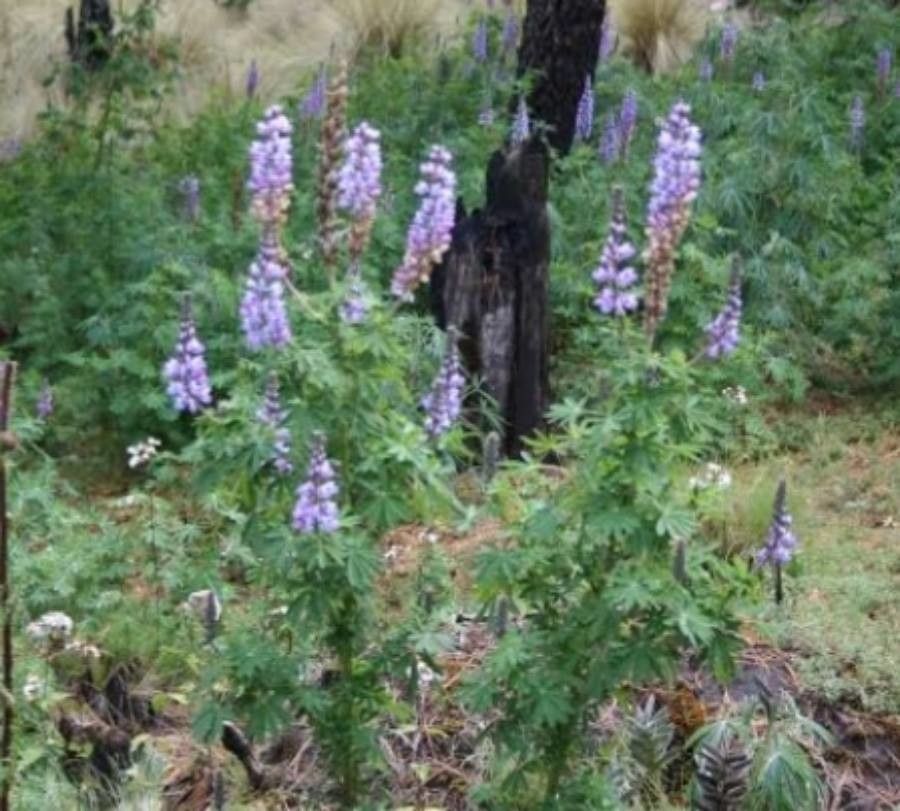
Lupinus elegans, commonly known as the elegant lupine, is a flowering plant species in the Fabaceae family. Native to western North America, it ranges from British Columbia to California. The plant typically reaches up to 60 cm in height and has a bushy growth habit. It features palmate leaves and striking spikes of blue-purple flowers that bloom from late spring to early summer.
This species thrives in well-drained soils and under full sun exposure but can tolerate some shade. It is commonly found in open meadows, grasslands, and forest clearings at elevations from sea level up to 2,500 meters.
For centuries, indigenous peoples have used the elegant lupine for medicinal purposes. The plant contains alkaloids that have served as natural remedies for various ailments, including headaches and respiratory issues.
Beyond its medicinal uses, Lupinus elegans plays a crucial ecological role by fixing nitrogen into the soil through its roots, thereby enhancing soil fertility. Additionally, it provides food for various pollinators, such as bees and butterflies.
Overall, Lupinus elegans is significant both ecologically and medicinally. Its beautiful flowers also make it a popular choice for ornamental gardens.
Elegant lupine is fairly disease-resistant and generally not prone to illness. However, it can be affected by pests and diseases present in its surroundings. These outbreaks are typically mild. For care, the plant has moderate maintenance needs. Regular pruning is required to maintain an attractive appearance and encourage healthy growth. Fertilizing can also help stimulate flowering. Elegant lupine is well suited for anyone with an outdoor area, such as a garden or patio, and does not demand extensive gardening experience. It may need extra attention when grown indoors.
How to keep Lupinus Elegans.
Light
Elegant lupine is a perennial herbaceous plant that prefers abundant sunlight and is native to open habitats, commonly found in meadows and grasslands. It favors full sun but can also tolerate partial sun.
Water
Elegant lupine flourishes in mountainous regions, where it needs well-drained soil and consistent moisture. Water it twice a week, as it can handle brief dry periods. Usually cultivated outdoors, elegant lupine takes advantage of natural rainfall, with its growth cycle closely tied to changes in seasonal temperatures.
Temperature
Elegant lupine can tolerate a wide range of temperatures, but its distribution may still be restricted by different combinations of moisture and heat. It does best in warm summer conditions with sufficient rainfall or irrigation. Extended periods of cloudy, rainy weather or prolonged high temperatures increase the chance of Elegant lupine dying. In winter, protecting it from cold can boost its likelihood of survival.
Fertilizer
Typically, a single fertilizer application in spring is adequate for Elegant lupine, though repeated feedings can boost growth. Fertilize approximately every one to one-and-a-half months. Fertilization improves leaf appearance and function, helping maintain even color and a healthy texture. It also promotes root development and nutrient uptake, supporting the plant's long-term health.
Pruning
Elegant lupine flourishes when properly pruned. To encourage new growth, prune it just after it blooms in late spring. Trimming the stems in early spring helps develop denser foliage. Regularly removing dead or damaged parts improves the plant's structure and vitality, leading to a healthier blooming season.
Botanical profile.
- Plant Type
- Herb
- Life Cycle
- Perennial
- Genus
- Lupinus
- Family
- Fabaceae
- Hardiness Zone
- 7-10
- Mature Height
- 61 cm to 91 cm
- Mature Spread
- 30 cm to 49 cm
- Leaf Color
- Green, Dark Green
- Leaf Type
- Deciduous
- Flower Color
- Purple, Blue, Pink
- Flower Size
- 1.02 cm to 2.03 cm
- Bloom Time
- Mid spring, Late spring, Early summer
- Planting Time
- Spring, Summer
- Harvest Time
- Summer
- Native Area
- Honduras, Mexico, Guatemala, Costa Rica
Other names.
Reader questions.
What are the sunlight requirements for the Elegant lupine?
The Elegant lupine (Lupinus elegans) thrives in conditions where it can receive ample sunlight. It requires 'full sun' exposure, which means it should be placed in spots that receive more than 6 hours of sunlight daily. Alternatively, it can also grow under 'partial sun' conditions, requiring about 3-6 hours of sunlight each day. It's important to observe how sunlight moves through your garden to ensure that you choose locations that provide a perfect balance of light and shade, which is crucial for the health and happiness of your plants.
What is the botanical name of Elegant lupine?
The botanical name of Elegant lupine is Lupinus elegans.