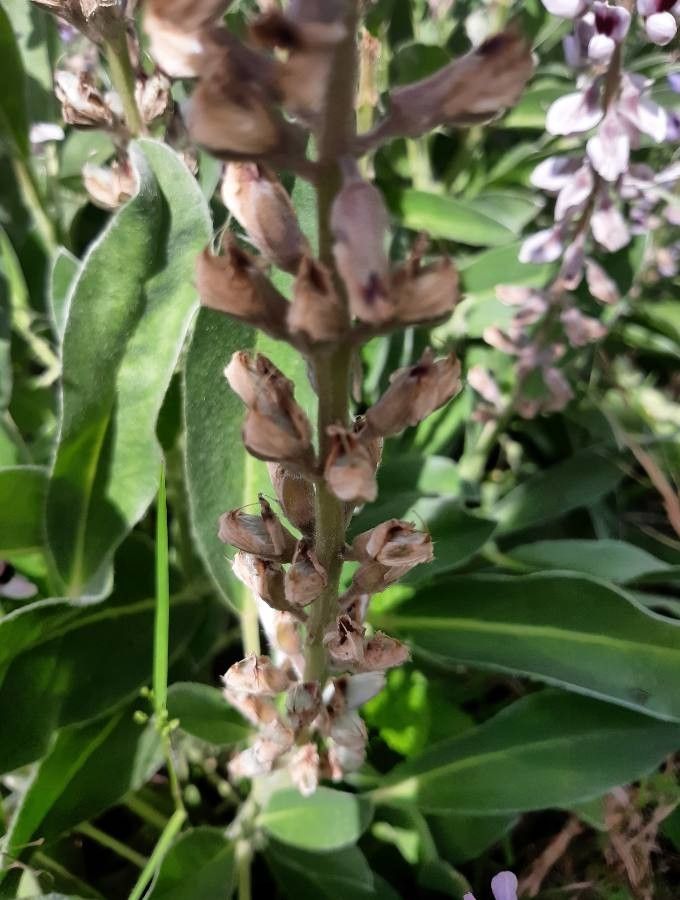
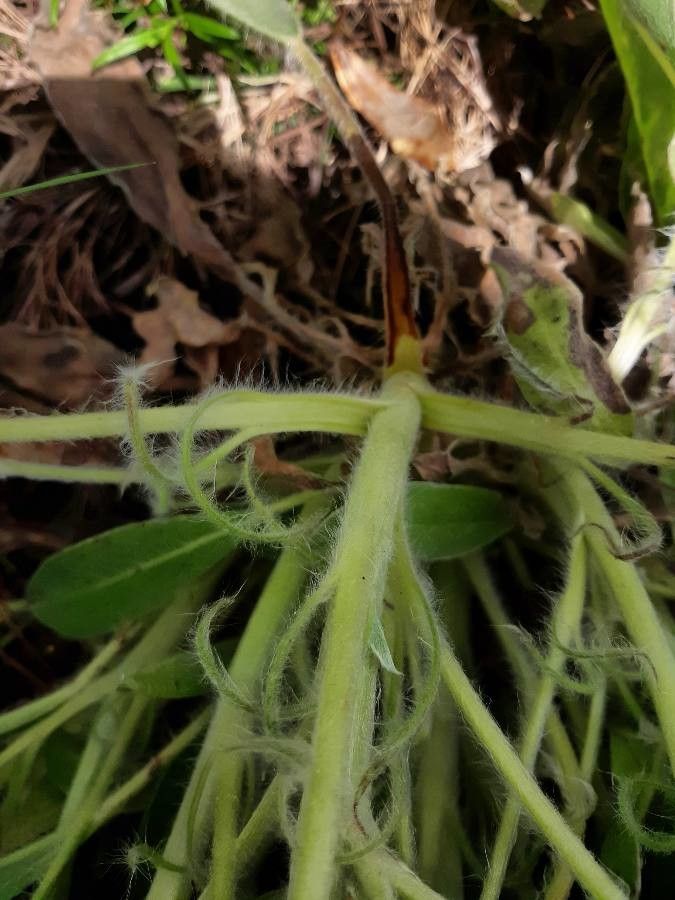
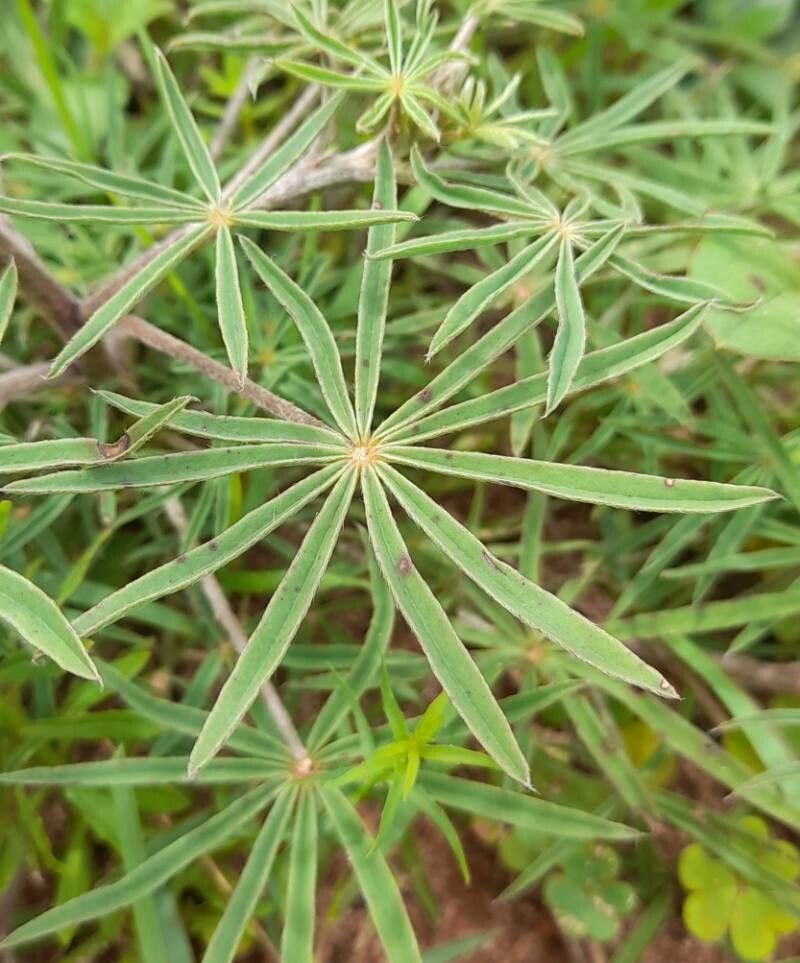
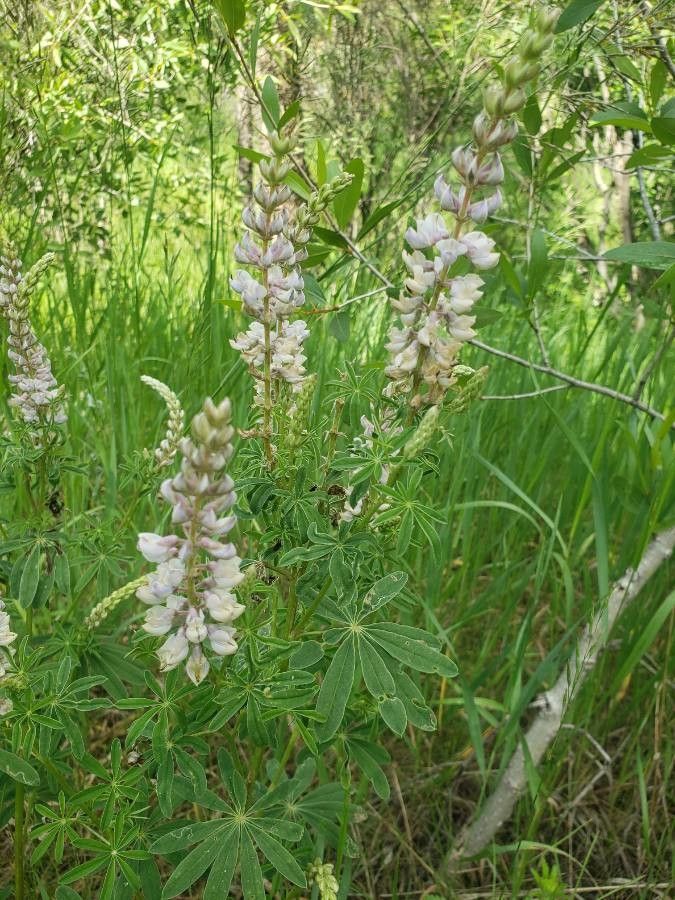
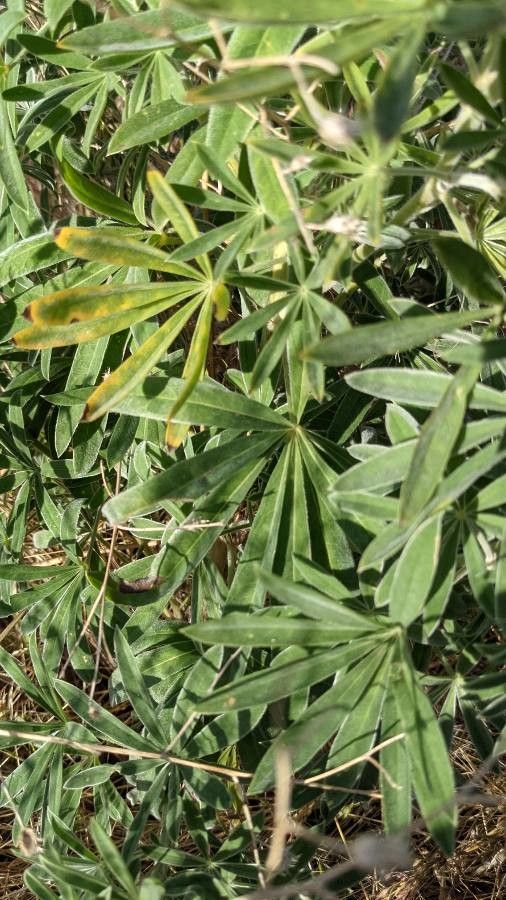
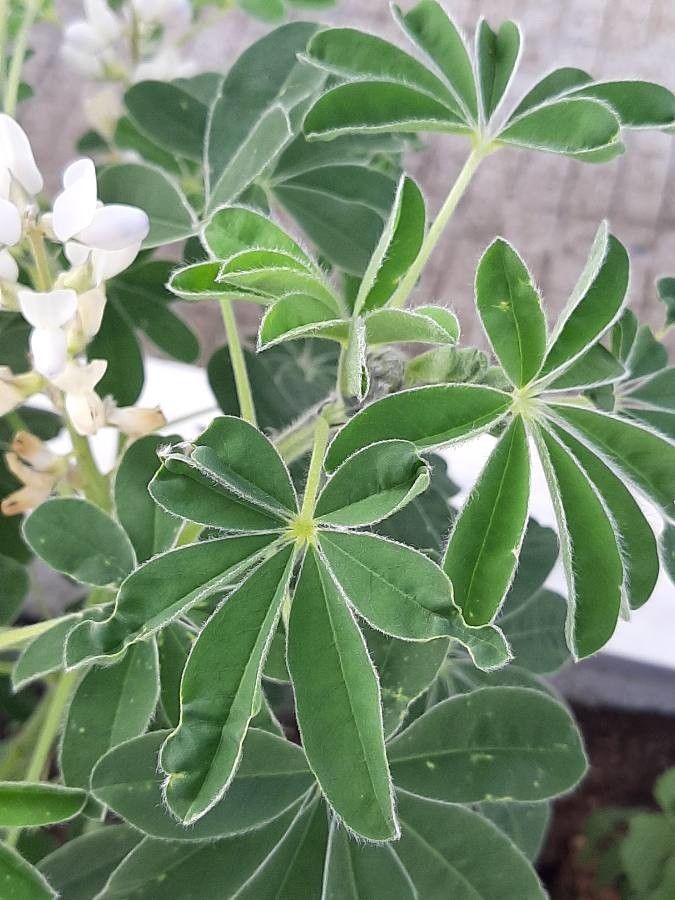
Lupinus diffusus, commonly known as the Spreading Lupine, is a herbaceous perennial plant that belongs to the Fabaceae family. Native to western North America, it thrives in various habitats, including meadows, open woods, and rocky slopes.
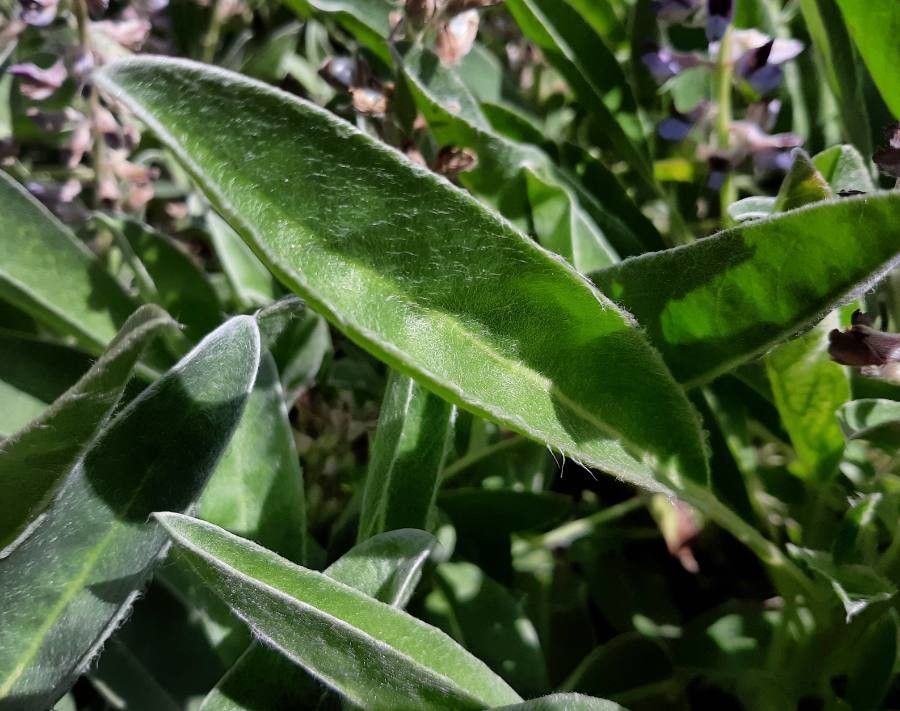
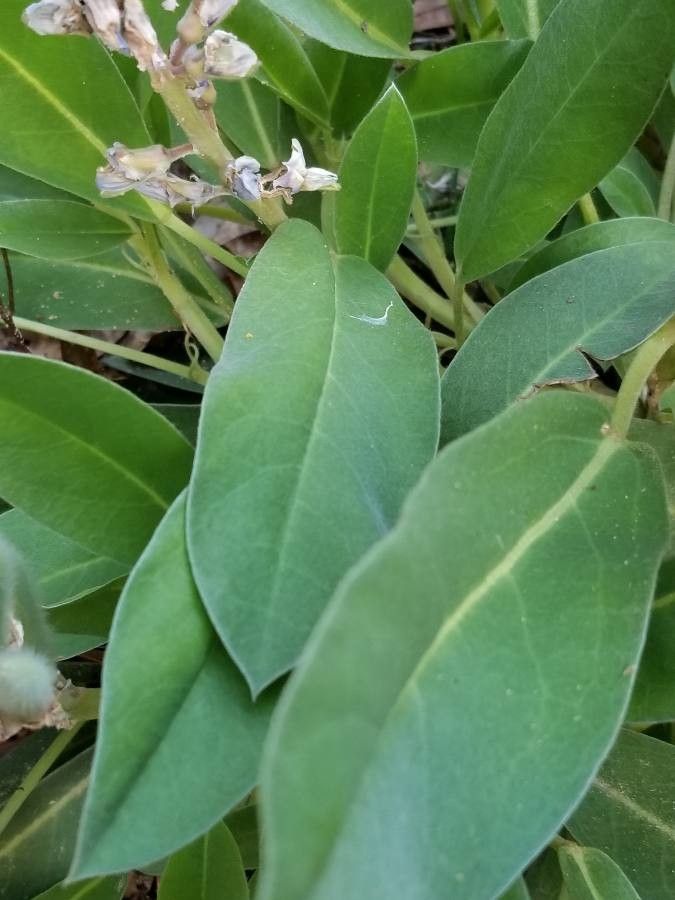
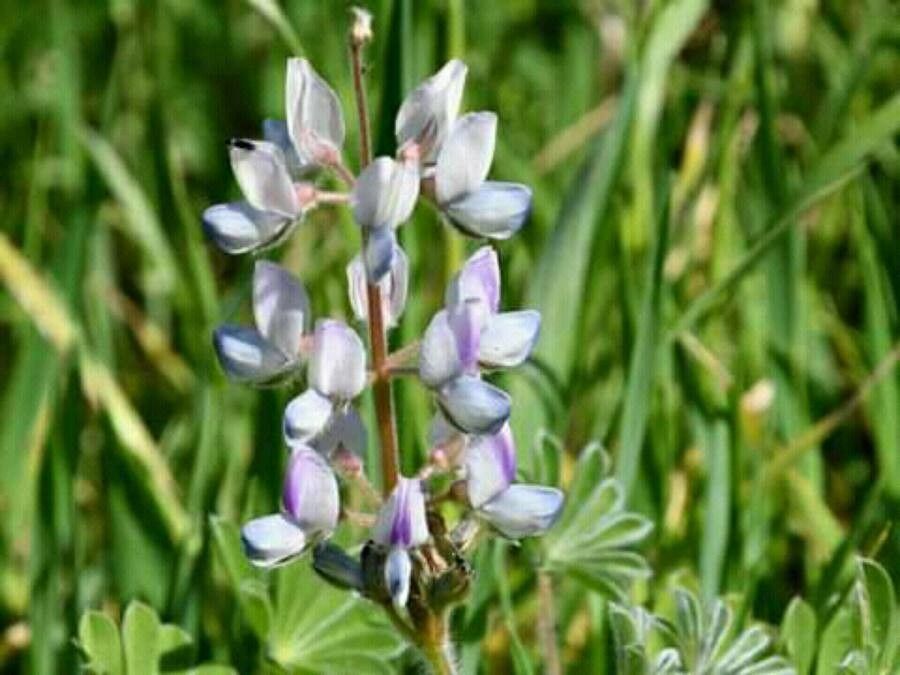
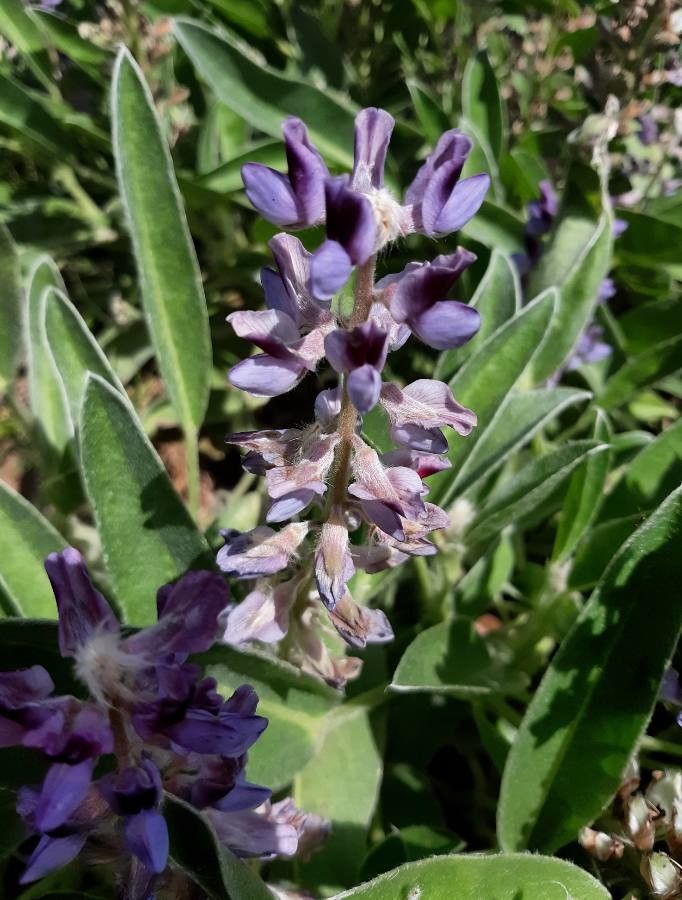
The plant can grow up to 60 cm tall and features a spreading habit with multiple stems emerging from a central taproot. Its leaves are palmately compound with 5-9 green leaflets, which have hairy undersides. The flowers form dense spikes at the top of each stem, showcasing blue-purple petals with white markings.
Lupinus diffusus is particularly important for pollinators such as bees, butterflies, and hummingbirds, thanks to its nectar-rich flowers. Additionally, it plays a crucial role in soil conservation due to its ability to fix nitrogen from the atmosphere into the soil.
Indigenous people have historically used the Spreading Lupine for medicinal purposes, including treating skin conditions like eczema and psoriasis, owing to its anti-inflammatory properties.
Overall, Lupinus diffusus is an attractive perennial plant that provides ecological benefits and medicinal uses, making it a valuable addition to any garden or natural area restoration project.
Oak ridge lupine has strong disease resistance and is generally not prone to illness. Still, it can be vulnerable to pests and diseases present in its environment. Such infections are typically mild. Regarding care, this plant needs a moderate level of maintenance. It should be pruned regularly to preserve a good appearance and healthy growth. Applying fertilizer can also encourage blooming. Oak ridge lupine is appropriate for anyone with outdoor space, like a garden or patio, and does not demand extensive gardening experience. It may need more attention if grown indoors.
How to keep Lupinus Diffusus.
Light
Oak ridge lupine is a sun-loving, perennial herbaceous plant native to open habitats and commonly found in meadows and grasslands. It prefers full sun but can also tolerate partial sun.
Water
Oak ridge lupine, originally from sandy environments, thrives best with moderate moisture levels and a balance between hydration and drought resistance. To ensure optimal growth, watering once a week is recommended. Typically found outdoors, oak ridge lupine benefits from natural rainfall and adapts well to seasonal variations in water availability.
Temperature
Oak ridge lupine shows good temperature adaptability, tolerating higher heat and wider temperature fluctuations. When it is hot, care should be taken with watering and appropriate shading should be provided to prevent sunburn. However, Oak ridge lupine is relatively sensitive to low temperatures; it can endure some cold, but very cold conditions may result in frost damage.
Fertilizer
The best time to fertilize an Oak ridge lupine is in early spring, as it comes out of dormancy and begins active growth. Fertilization supplies essential nutrients for healthy development. Although Oak ridge lupine has relatively low fertilizer requirements, applying fertilizer annually can improve its survival and encourage better, longer-lasting flowers.
Pruning
The Oak Ridge lupine displays vibrant blue to purple flowers and benefits from pruning in early to late spring. To maintain its health, encourage blooming, and deter pests, remove dead stems and spent flowers. Following this pruning schedule aligns with the plant's growth cycle, ensuring optimal recovery and flowering.
Pot & Repot
When repotting Oak ridge lupine, select a pot 1-2 inches (2.5–5.1 cm) larger with ample drainage. Use a well-draining potting mix. Repot in spring or fall, making sure the root ball sits slightly lower than the rim of the flower pot. Water thoroughly after repotting and place the plant in a warm spot with indirect sunlight.
Botanical profile.
- Plant Type
- Herb, Shrub
- Life Cycle
- Perennial
- Genus
- Lupinus
- Family
- Fabaceae
- Hardiness Zone
- 7-9
- Mature Height
- 46 cm to 91 cm
- Mature Spread
- 61 cm to 91 cm
- Leaf Color
- Green, Blue, White, Gray, Silver
- Leaf Type
- Evergreen
- Flower Color
- Purple, Blue, Pink
- Flower Size
- 1.02 cm to 2.03 cm
- Bloom Time
- Spring
- Planting Time
- Spring
- Harvest Time
- Summer
Other names.
Reader questions.
What are the sunlight requirements for Oak ridge lupine?
Oak ridge lupine is a sun-loving perennial herb that flourishes in open habitats like meadows and grasslands. It thrives best in full sun conditions, which means it needs more than 6 hours of sunlight daily. However, it can also tolerate partial sun, getting about 3-6 hours of sunlight. It's important to observe how sunlight moves through your garden throughout the day to find spots that offer a good balance of light and shade, ensuring your plants remain happy and healthy.
What is Oak Ridge Lupine?
Oak Ridge Lupine, known botanically as Lupinus diffusus, is a species of plant. Unfortunately, there is no specific information provided on essential details, symptoms associated with this plant, or additional information that might elaborate on its characteristics, habitat, or significance.
How does artificial lighting support Oak ridge lupine growth indoors?
Indoor Oak ridge lupine plants require adequate lighting for optimal growth, especially when natural sunlight is insufficient. Artificial lights, such as LED lights, are beneficial because they can be tailored to provide specific wavelengths needed by the plant. For full sun plants, 30-50W per square foot is recommended, while partial sun plants require 20-30W per square foot. The artificial light source should be positioned 12-36 inches above the plant to mimic natural sunlight conditions and left on for 8-12 hours per day, depending on the plant's specific needs.
What are common symptoms of light deficiency in Oak ridge lupine?
Oak ridge lupine shows several symptoms when exposed to inadequate lighting, including smaller new leaves, leggy or sparse growth, faster leaf drop, slower or no new growth, and the development of lighter-colored or pale new leaves. These symptoms indicate the plant is not receiving enough sunlight to maintain healthy growth and photosynthesis. Chlorosis, sunscald, leaf curling, wilting, and leaf scorching can also occur under both inadequate and excessive sunlight conditions.
How can light deficiency in Oak ridge lupine be addressed?
To address light deficiency in Oak ridge lupine, gradually increasing sunlight exposure is key. For indoor plants, moving them to a sunnier location, like a south-facing window, or using artificial light sources such as desk lamps or professional plant grow lights for at least 8 hours a day can be effective. Outdoor plants should also be moved to sunnier spots gradually to prevent sunburn. If obstructions like trees block sunlight, consider pruning them. For smaller plants, translocation during their dormant period to a brighter location with good drainage might be necessary. Note that parts of the plant already damaged by light deficiency may not recover, but new growth will be healthy with increased light exposure.