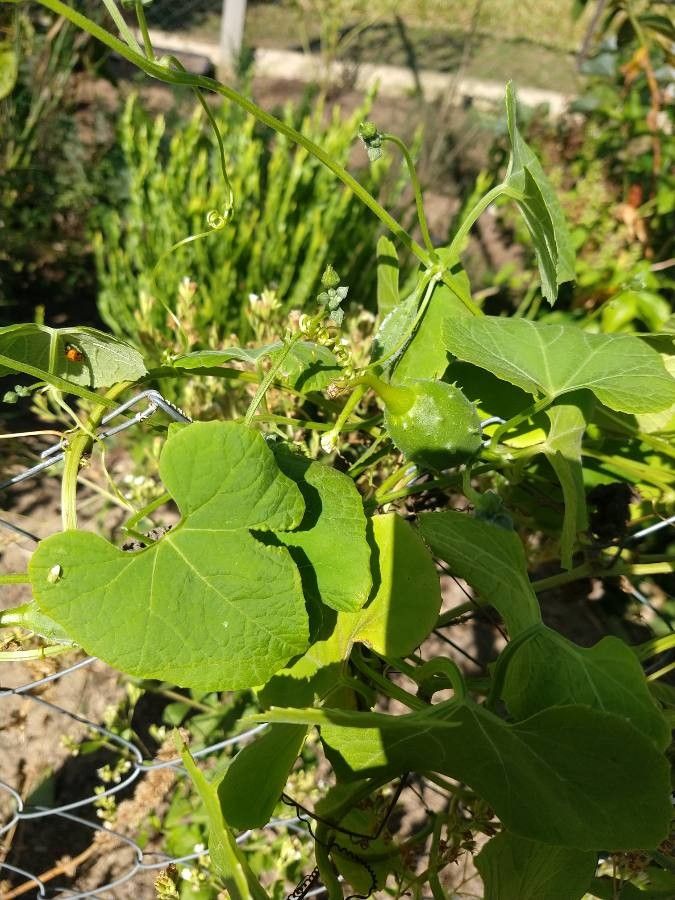
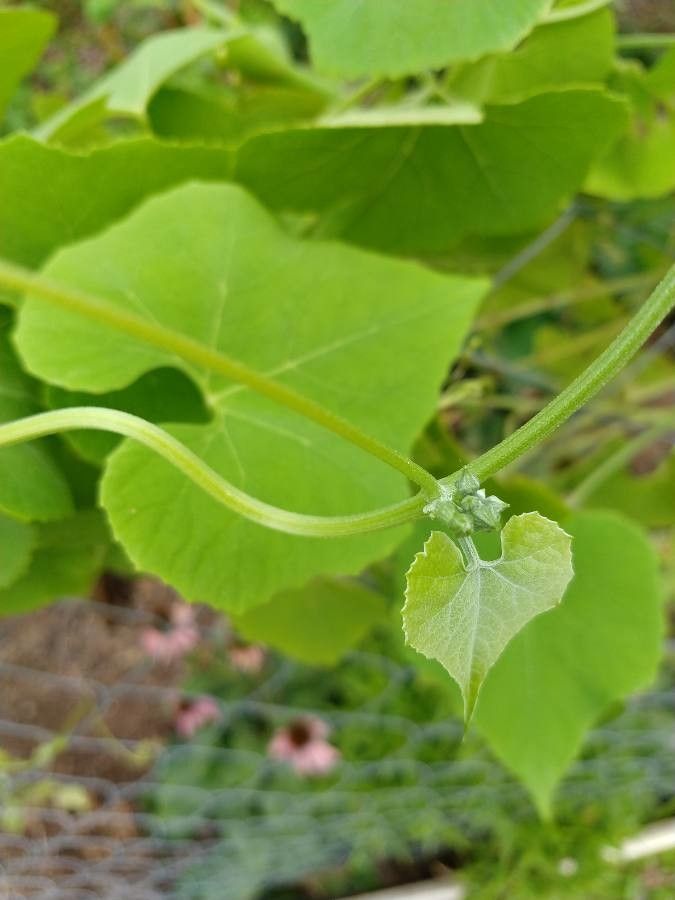
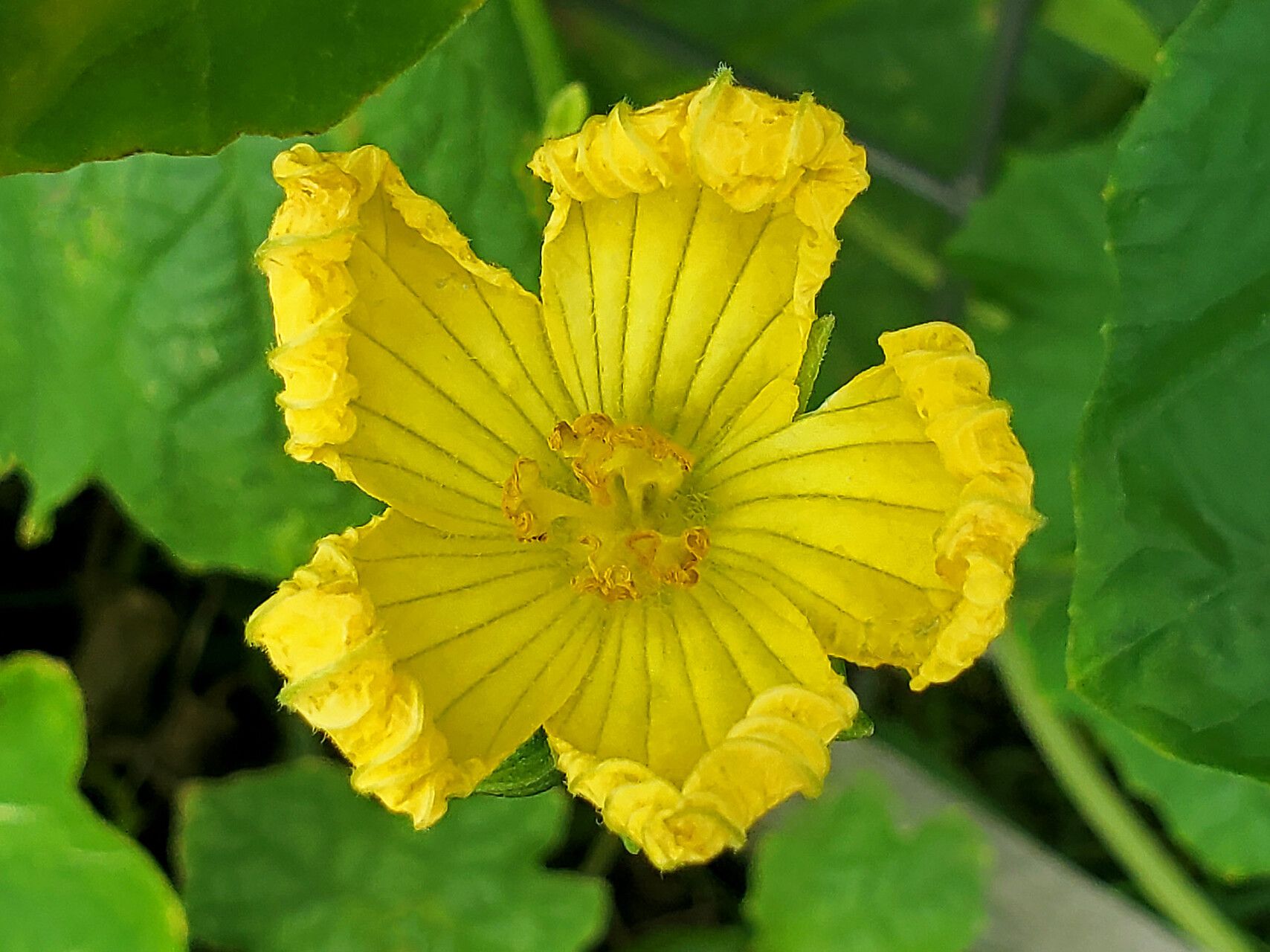
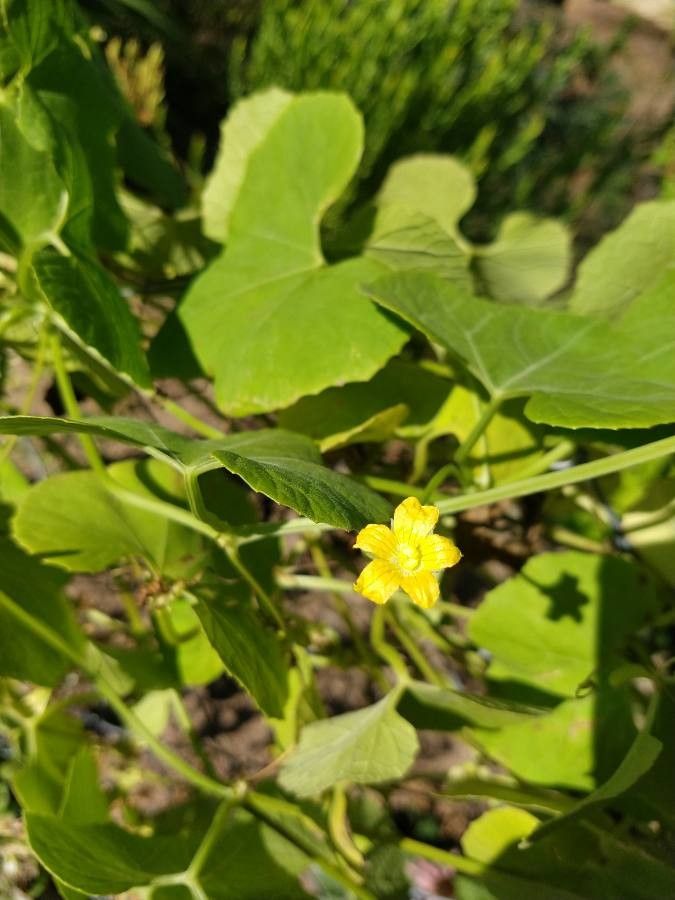
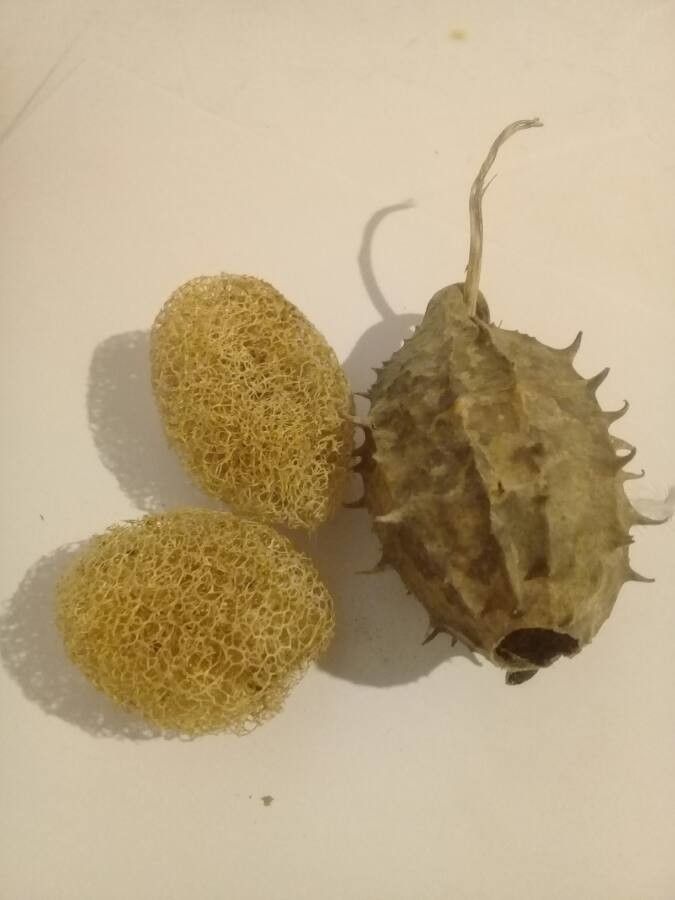
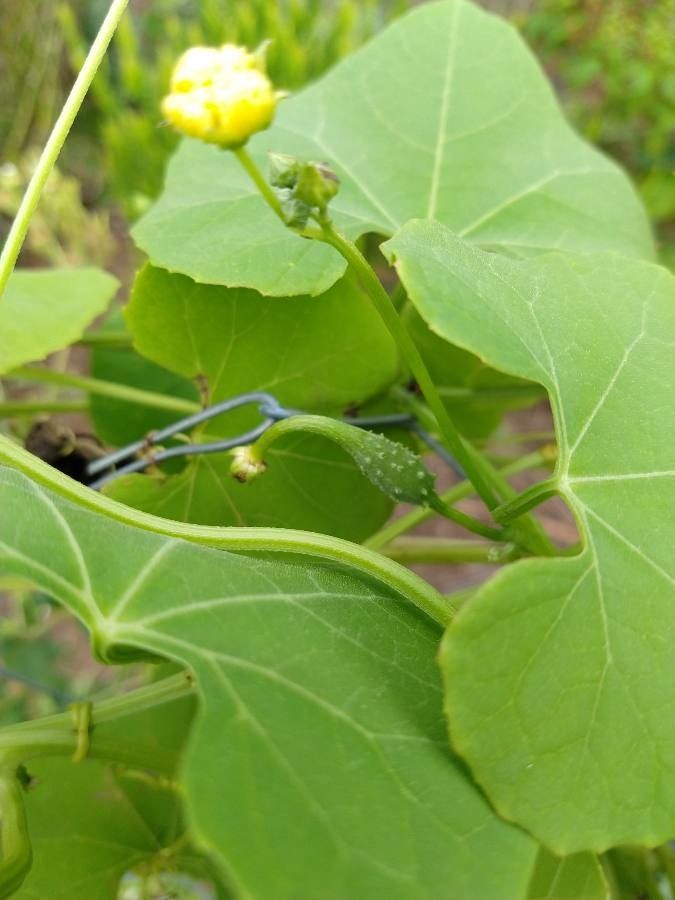
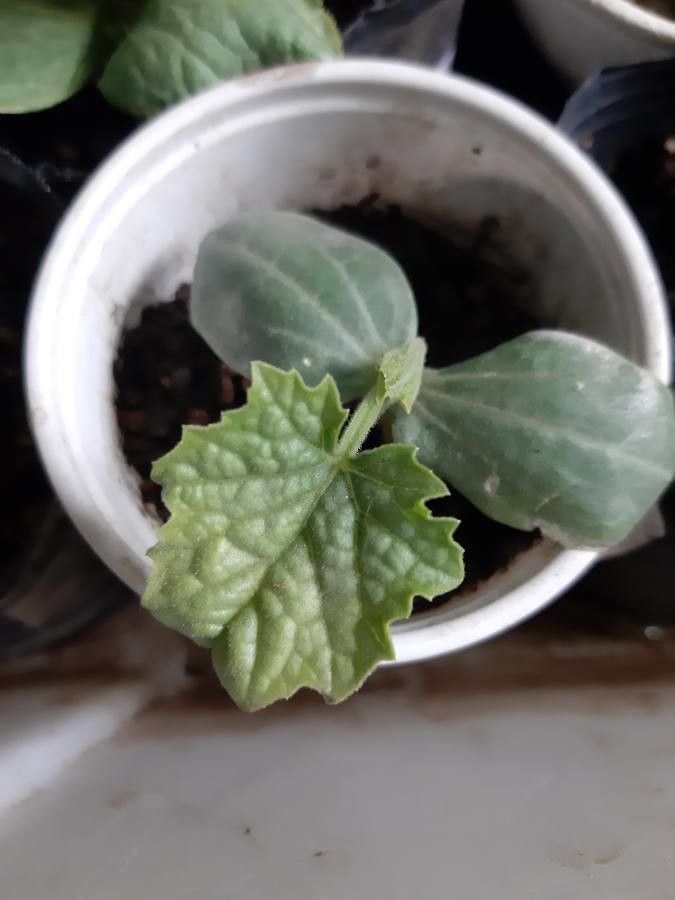
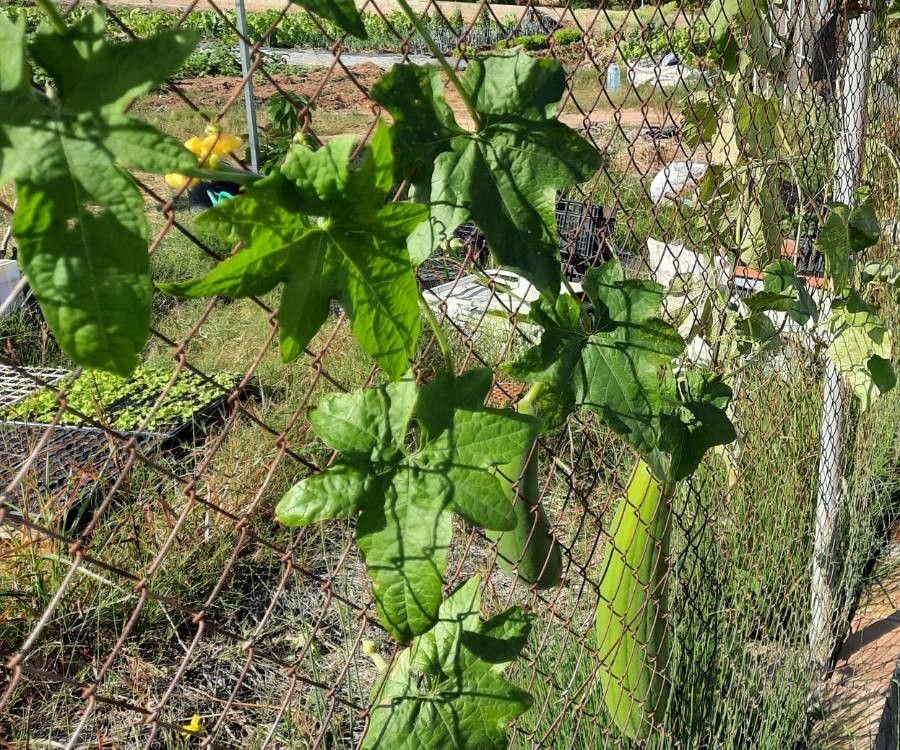
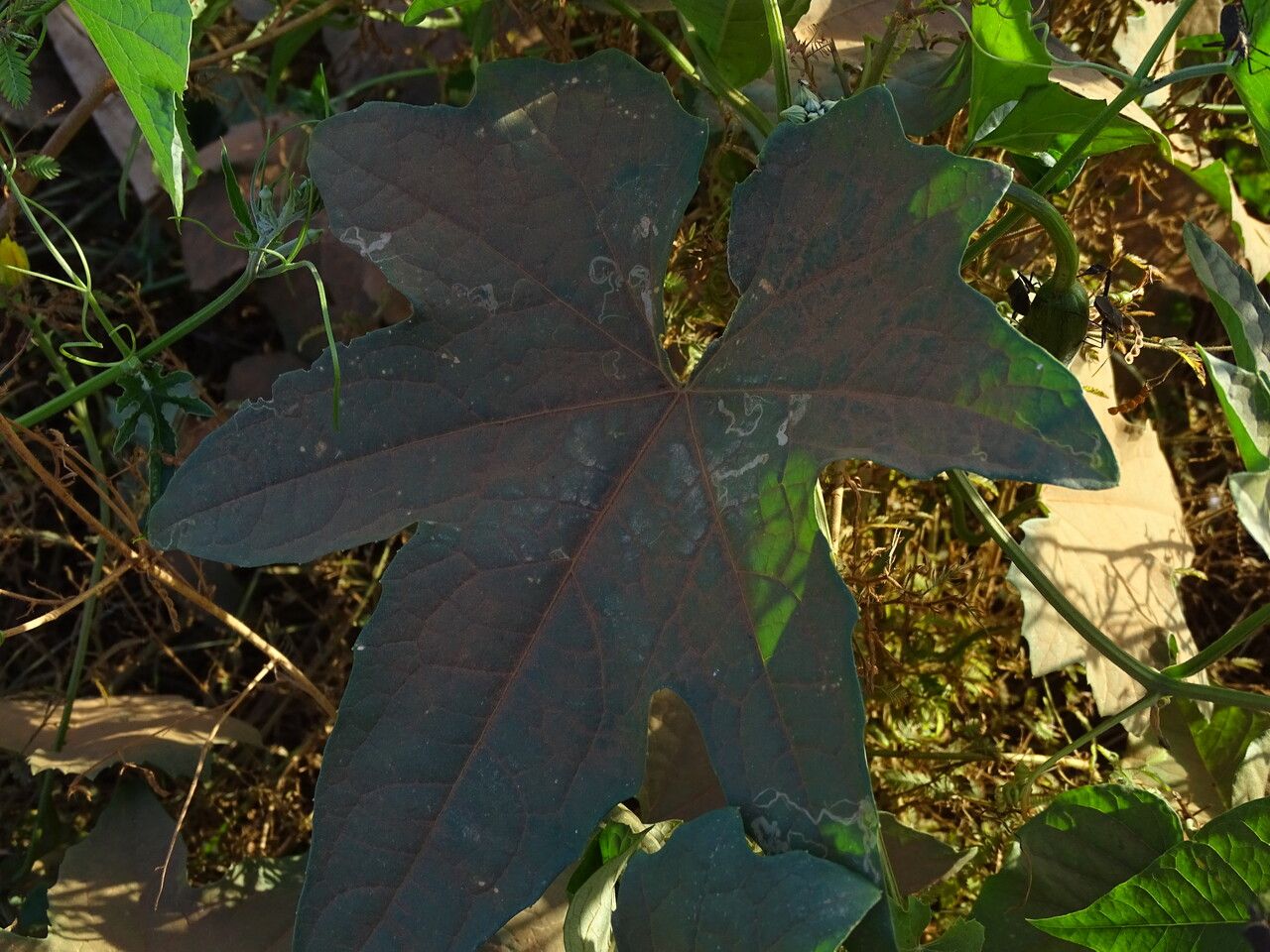
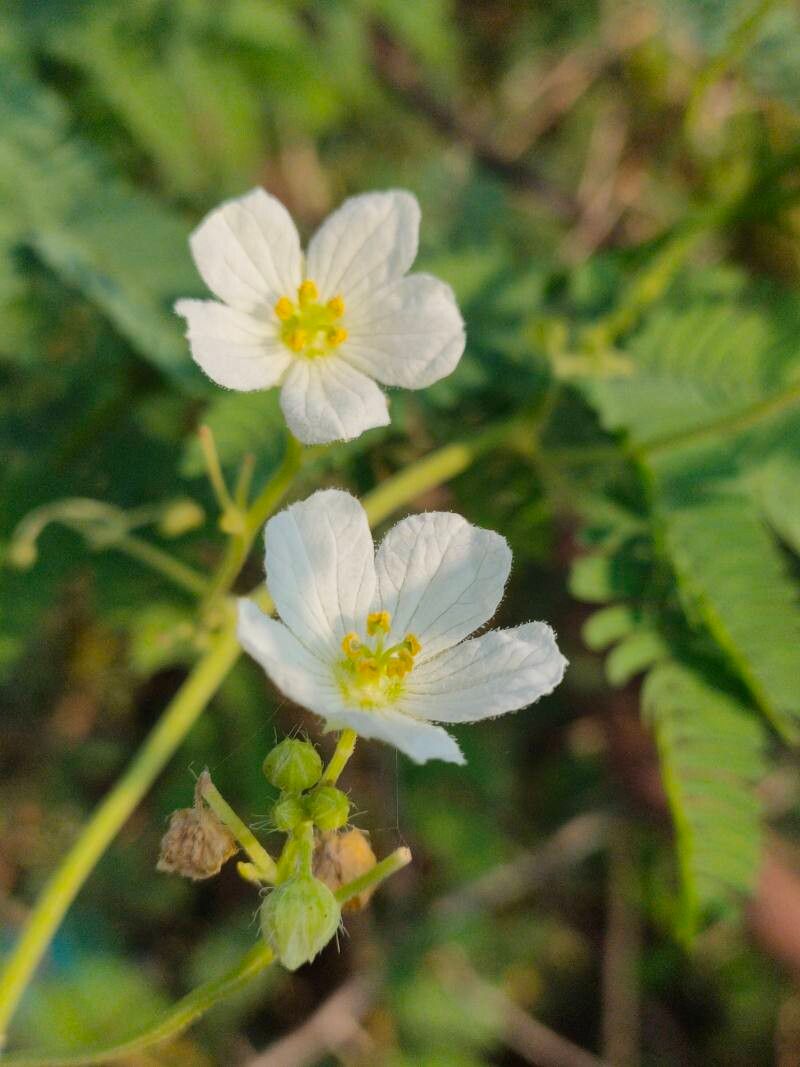
Luffa operculata (common name, sponge cucumber, wild loofa or mướp xơ in Vietnamese) is a species of Luffa. It is cultivated for its fruit, which when fully ripe is strongly fibrous and is used as a fibrous scrubbing sponge for household cleaning. The fruit is a capsule with spikes. The fruit is dark-brown when mature. It is also grown in gardens and yards as an ornamental plant. In colder places they can be grown indoors as a houseplant. The species name is derived from the word, operculum, meaning "little lid." When the fruits are mature, and the seeds are ready to be dispersed, a small part of the bottom tip (blossom end) opens up. Then, the seeds fall to the ground.
Luffa is used as an herbal remedy, with some pharmacological activity found in animal tests and insufficient data proving effectiveness in humans. Its use in homeopathy is diluted many times, with insufficient material to produce any effect, and not approved by any official United States government regulatory agencies.
Luffa has strong resistance to diseases and typically does not suffer from many illnesses. Still, it can be affected by pests and diseases present in its environment. When infections occur, they are generally mild. Regarding upkeep, this plant needs a moderate amount of care. It should be pruned regularly to preserve a neat appearance and encourage healthy growth. Applying fertilizer can also aid in boosting flowering. Luffa is well suited for anyone who has outdoor space, like a garden or patio, and does not demand much prior plant-care experience. It can need extra attention if cultivated indoors.
How to keep Luffa Operculata.
Light
Luffa hails from sunny, open locations where it flourishes under full sunshine. It can withstand semi-sunlight but thrives best in direct sun for optimal development. This plant, which can be an annual or biennial, is renowned for its preference for sunlit conditions.
Temperature
Luffa is native to tropical areas, characterized by a hot and moist climate. Consequently, it thrives in high heat and dampness. Abrupt temperature shifts are not ideal for it, and it prefers an environment with consistent temperatures. Therefore, it's crucial to keep indoor temperature variation to a minimum. Typically, it cannot withstand low temperatures and needs a warmer climate to grow. Should the temperature in its surroundings fall excessively, the plant might stop growing or even perish.
Fertilizer
When Luffa has unfurled the majority of its blossoms to their full extent, it's appropriate to commence the fertilizing process again. Around the period when the flowers are at their optimal production, initiate the fertilization process again, every three to four weeks, depending on weather conditions. Subsequently, once Luffa begins to generate fewer fresh blossoms, halt fertilizing. There's no requirement to fertilize when the plant is incapable of generating any more blossoms.
Pruning
Luffa plants benefit greatly from regular pruning, which enhances their growth and increases fruit yield. It is best to prune luffa from early to late spring by removing dead vines and thinning dense areas to improve air circulation. This practice not only improves fruit quality but also helps deter pests. For the best results, consult reputable sources for guidance on optimal luffa care.
Botanical profile.
- Plant Type
- Vine, Herb
- Life Cycle
- Annual
- Genus
- Luffa
- Family
- Cucurbitaceae
- Hardiness Zone
- 9-11
- Mature Height
- 3.05 m to 4.88 m
- Mature Spread
- 2.13 m to 3.05 m
- Leaf Color
- Light Green, Forest Green
- Leaf Type
- Deciduous
- Flower Color
- Yellow
- Flower Size
- 5.08 cm to 6.35 cm
- Bloom Time
- Summer, Early fall, Mid fall
- Planting Time
- Spring, Summer, Autumn
- Harvest Time
- Late summer, Fall, Early winter
- Native Area
- Colombia, Honduras, Mexico, Guatemala, Venezuela, Brazil, El Salvador, Nicaragua, Costa Rica, Panama
Other names.
Reader questions.
What is Luffa?
Luffa, known by its botanical name Luffa operculata, is a plant of interest due to its unique properties and applications. The specifics about its essential features, symptoms it might address, or additional details weren't provided, but its recognition in botanical circles is noteworthy due to its naming and potential uses.