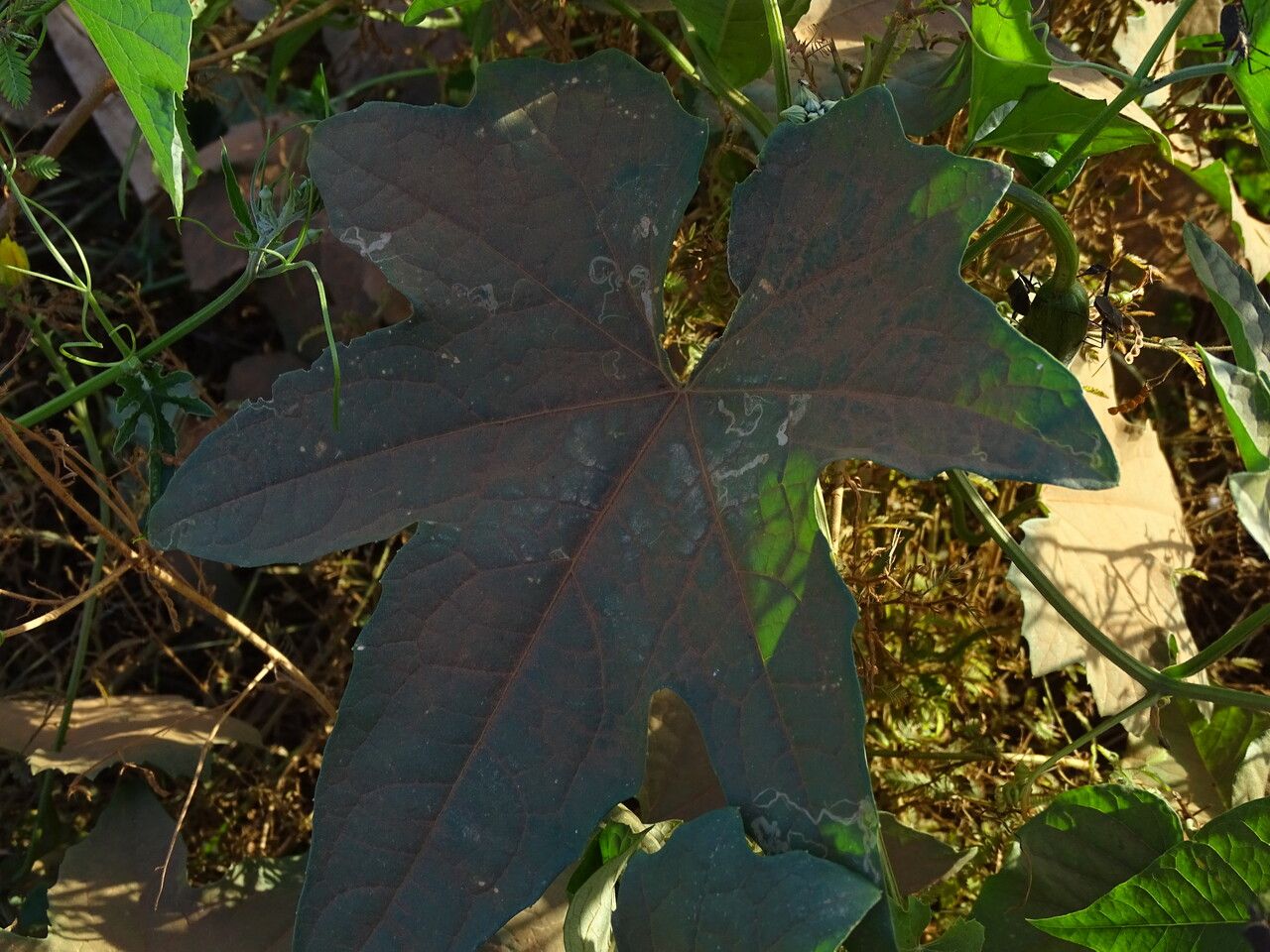
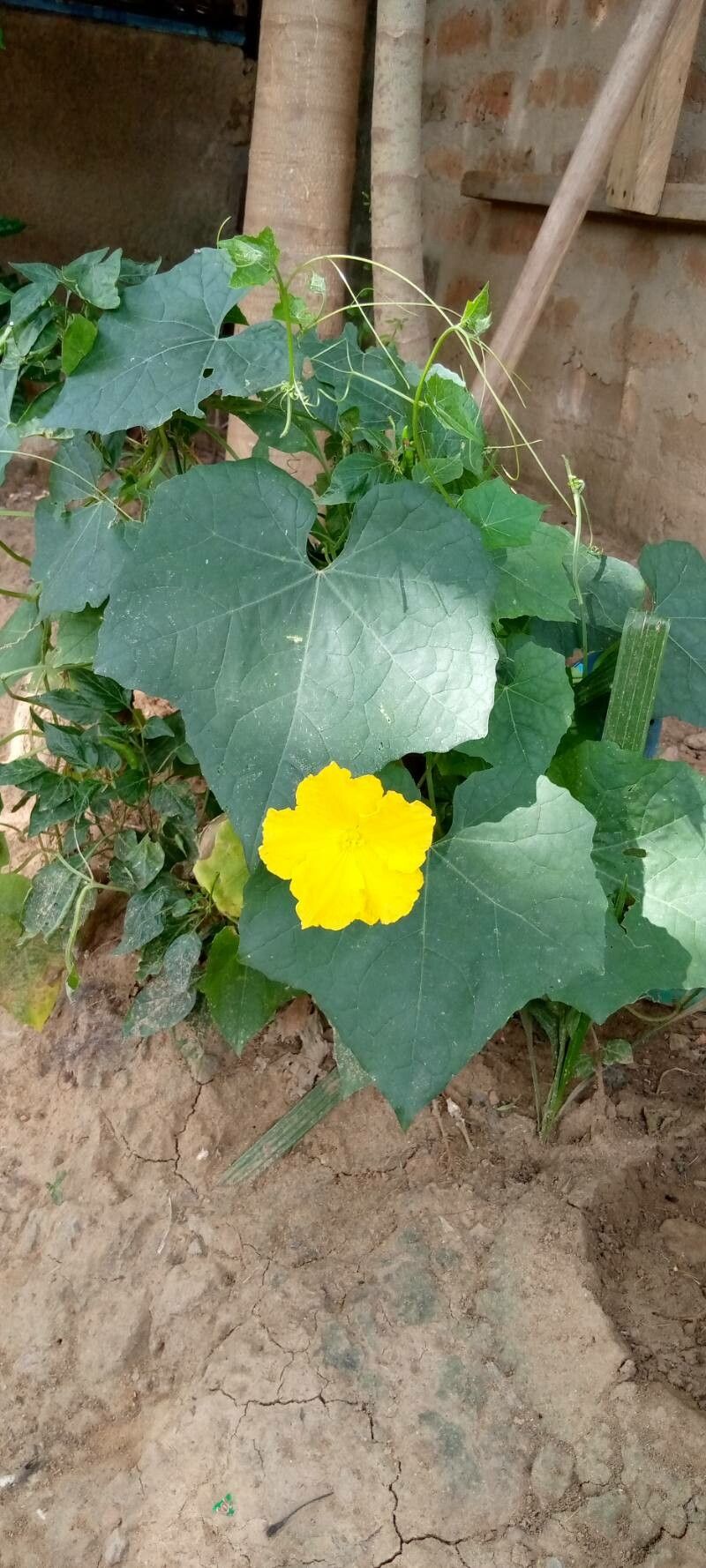
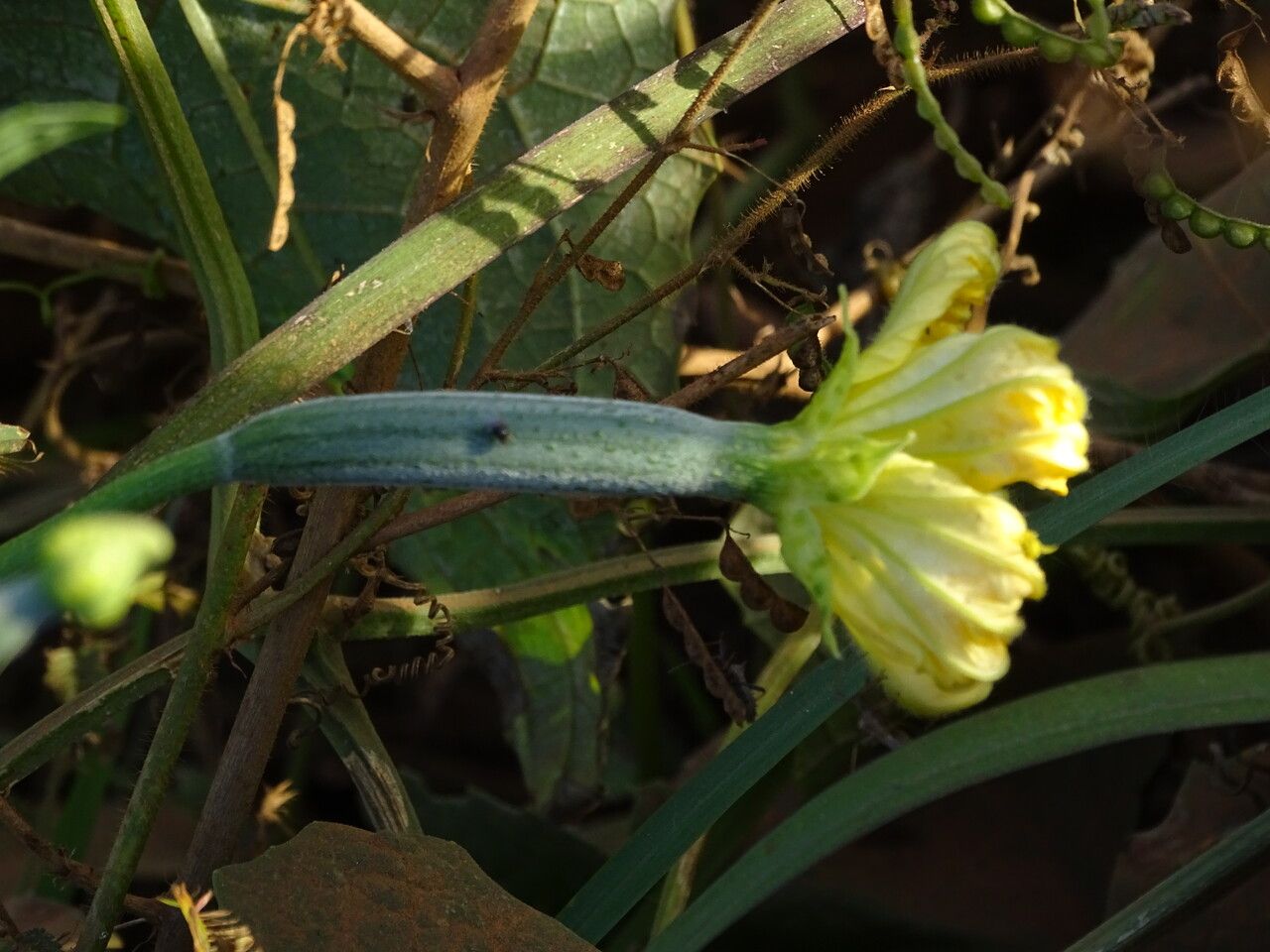
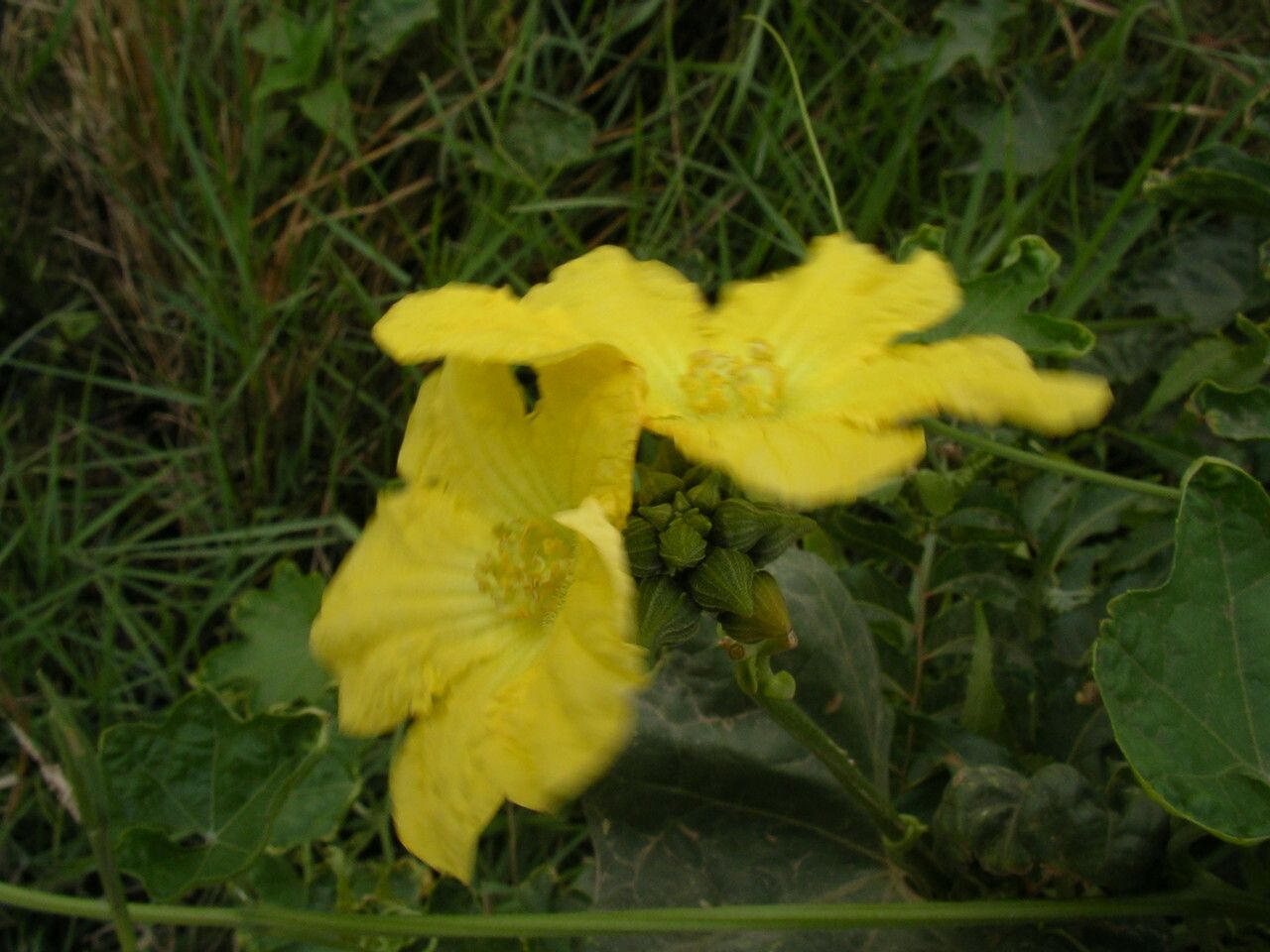
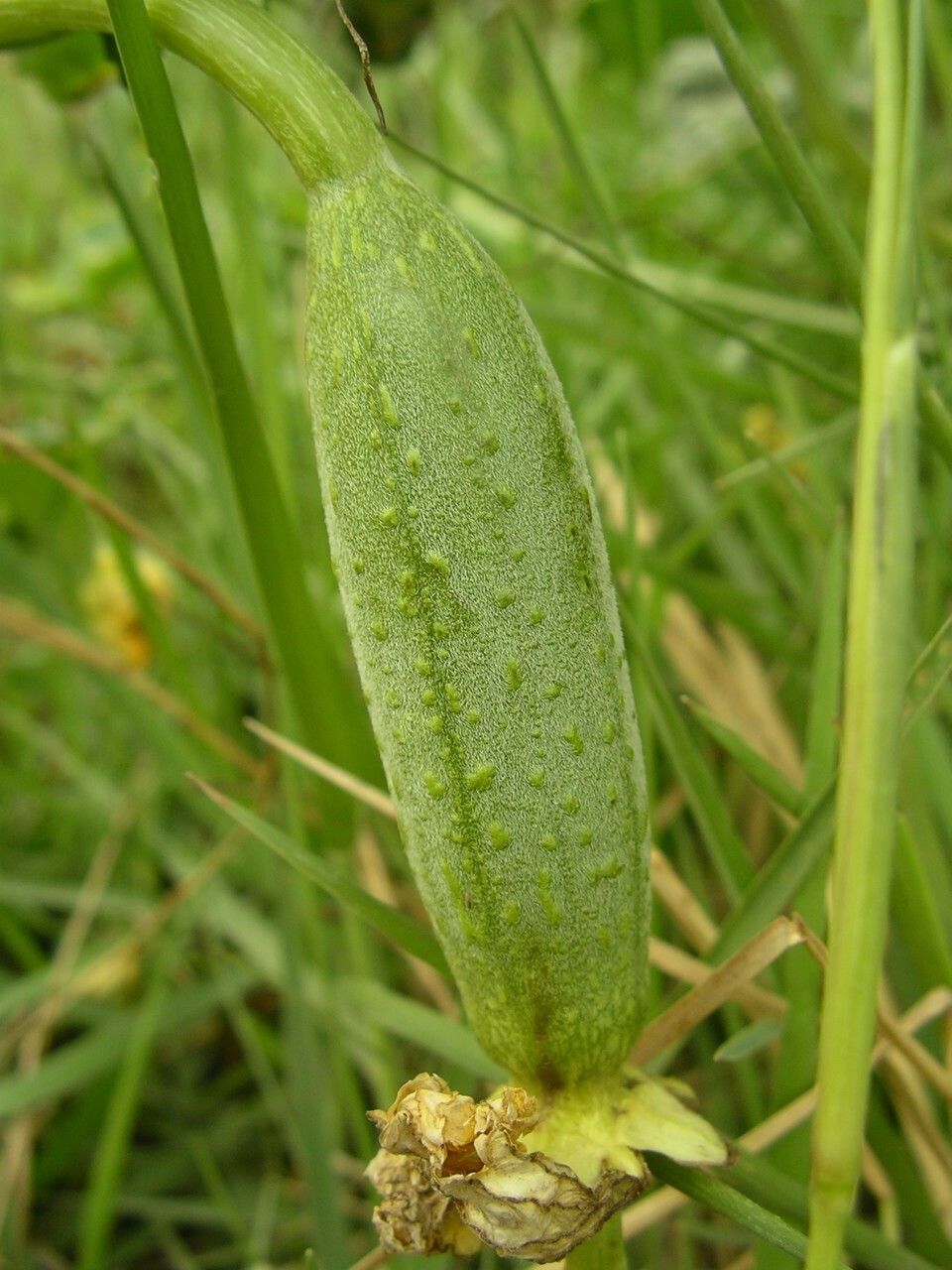
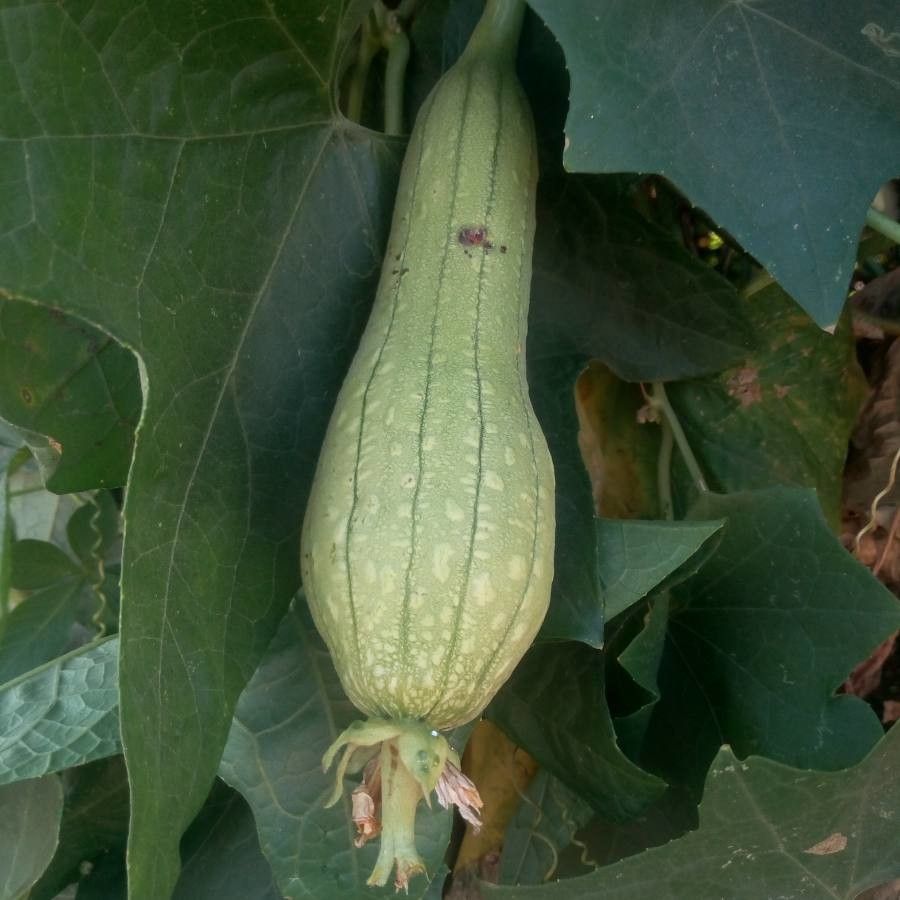
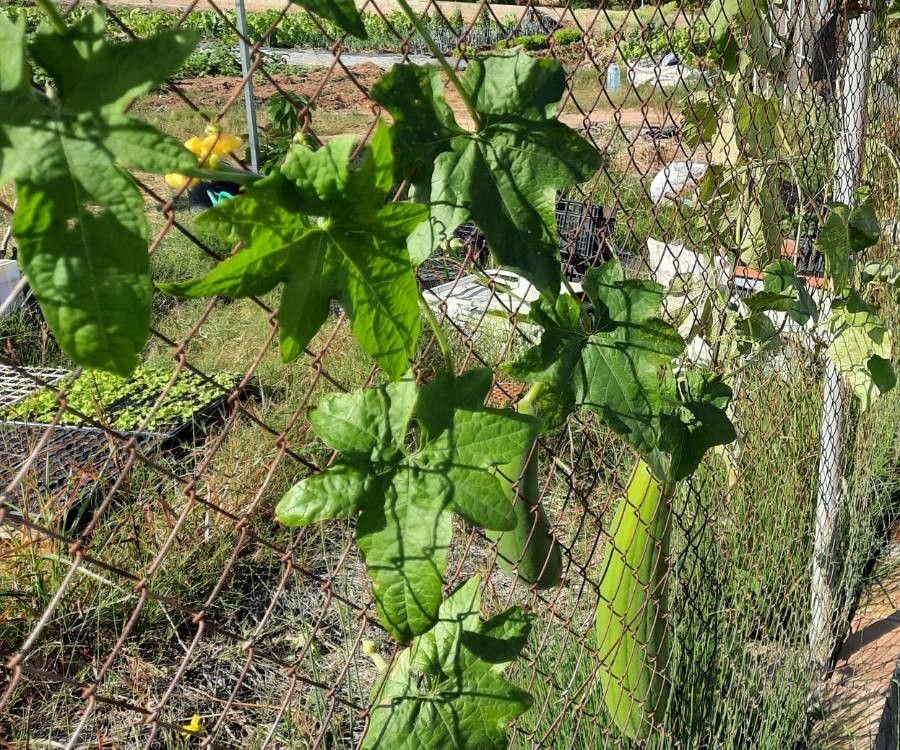
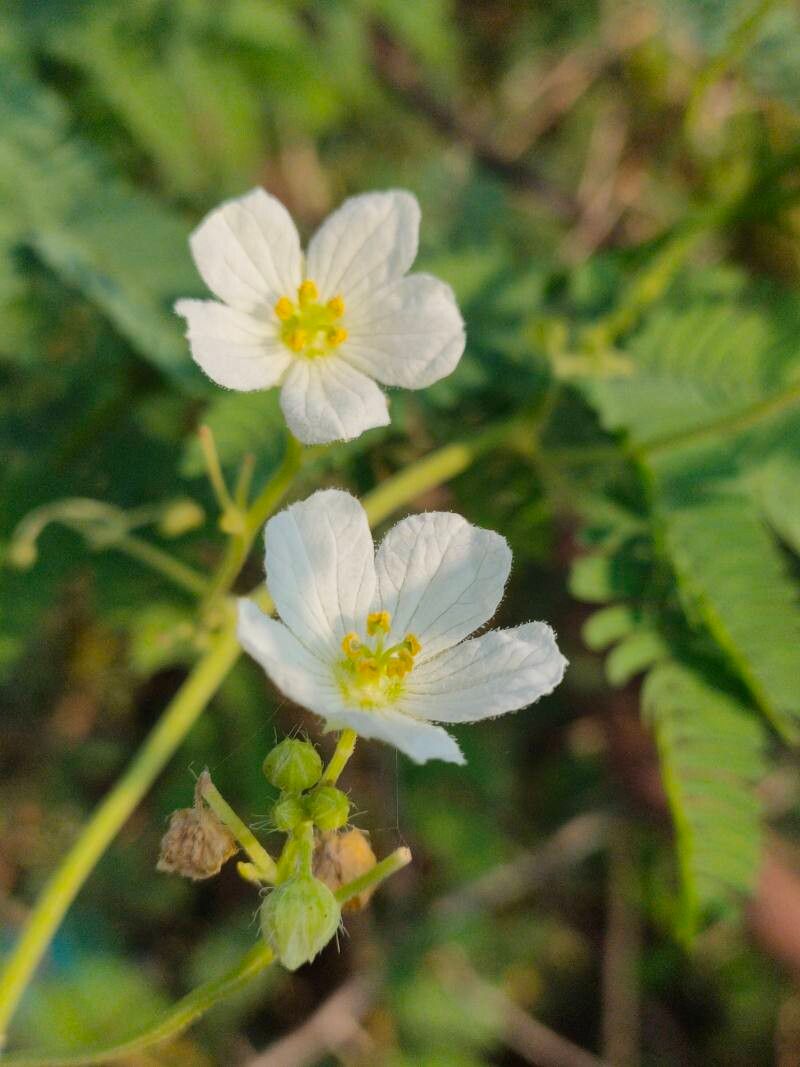
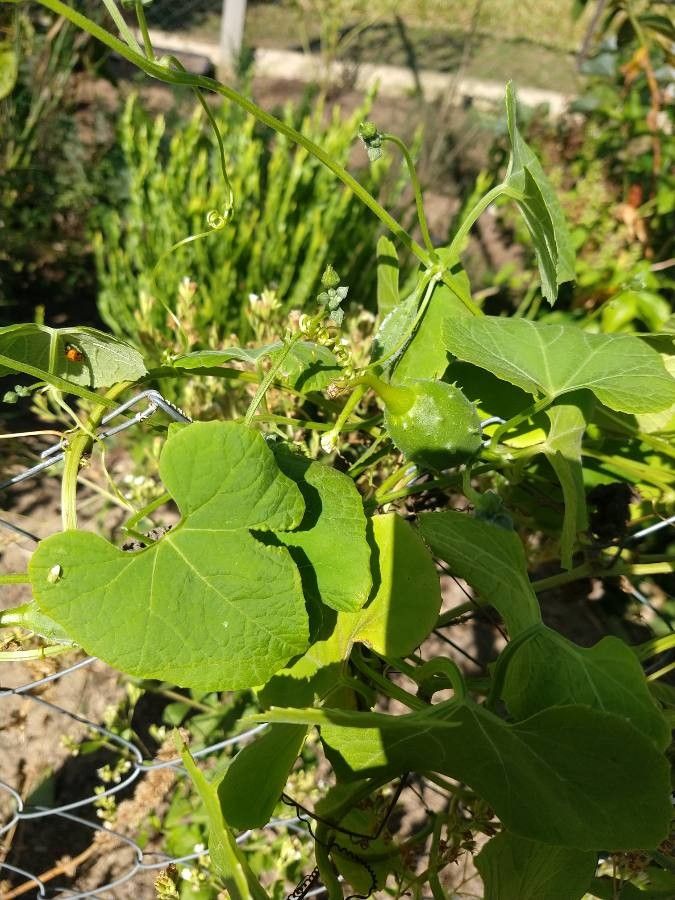
Luffa cylindrica, commonly known as sponge gourd or loofah, is a tropical and subtropical vine belonging to the Cucurbitaceae family. This fast-growing annual plant can reach lengths of up to 15 feet and produces large yellow flowers. Its fruit is cylindrical, growing up to 2 feet long and 4-5 inches in diameter.
When matured, the fruit of Luffa cylindrica develops a fibrous texture, making it popular as a natural sponge. For centuries, people have used it for cleaning dishes, scrubbing skin during bathing, and exfoliating dead skin cells.
In addition to its use as a natural sponge, Luffa cylindrica possesses several medicinal properties. The leaves are used in traditional medicine to treat fever and coughs, while the seeds are known for their laxative effects.
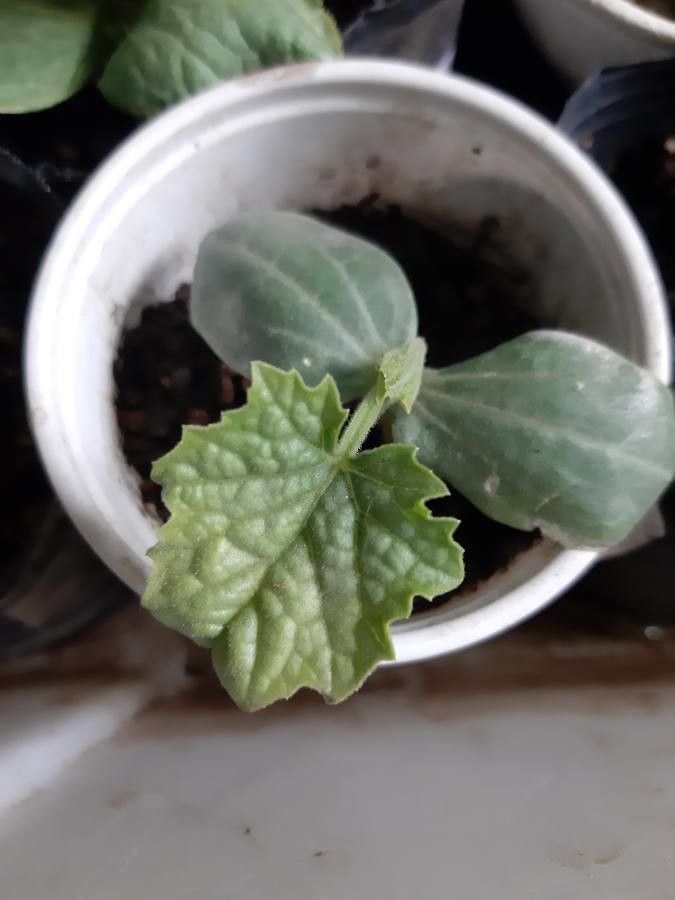
Luffa cylindrica thrives in warm temperatures with plenty of sunlight and requires well-drained soil rich in organic matter. It can be grown from seeds sown directly into the soil or started indoors and then transplanted outside after the danger of frost has passed.
In summary, Luffa cylindrica is a versatile plant with multiple uses, ranging from household cleaning products to medicinal applications, making it a valuable crop worldwide.
Loofah is not very resistant to diseases and is prone to powdery mildew, horn spot, and leaf spot. It also has weak resistance to most insect pests. If it becomes diseased, treatment is necessary, but most illnesses only reduce yield and are not lethal. For care, loofah requires frequent watering during summer and extra fertilizer to encourage fruit development. It does not need much pruning. This makes it suitable for people who have a garden or outdoor area and have some energy to care for it.
How to keep Luffa Cylindrica.
Light
Loofah does best with plentiful, relatively strong light to achieve vigorous growth. Native to sun-drenched habitats, its developmental stages need ample light exposure. If light is insufficient, growth will be stunted, while excessive light can cause sunburn.
Water
Until the seedlings are established, keep the soil damp but not wet. After that, if there isn't enough rain, irrigate the plants' roots around 1 inch every week. Watering the vines might cause illness to spread.
Temperature
Loofah originates from regions with temperate climates where temperatures range from 68 to 100 °F (20 to 38 ℃). This plant prefers warm conditions and grows best in them. During cooler seasons, be sure to modify its environment to mimic those temperatures to ensure optimal growth.
Fertilizer
To feed Loofah, apply organic or commercial fertilizer high in nitrogen for leaf development, phosphorus for roots and flowers, and potassium for photosynthesis and peak fruit production. Plant in spring, improve the soil with compost or manure, and fertilize seedlings when they are 2-4 inches tall. A shortage of macronutrients results in slow growth, wilting, and poorer fruit quality.
Pruning
Pruning luffas should be done using very sharp and clean cutting instruments. This will aid in the prevention of infections and harm to cut areas. Wait until there are at least four stems on a young plant before trimming it. Cut all of the early stems back to the main stem. Continue to train the stems to the trellis and allow them to grow.
Botanical profile.
- Plant Type
- Herb, Vine
- Life Cycle
- Annual, Biennial, Perennial
- Genus
- Luffa
- Family
- Cucurbitaceae
- Hardiness Zone
- 10-12
- Mature Height
- 1.83 m to 9.14 m
- Mature Spread
- 0.91 m to 1.22 m
- Leaf Color
- Green
- Leaf Type
- Deciduous
- Flower Color
- Yellow
- Flower Size
- 7.62 cm to 15.24 cm
- Bloom Time
- Early summer, Mid summer
- Planting Time
- Spring, Summer
- Harvest Time
- Mid summer, Late summer, Early fall
- Native Area
- Burkina Faso, India, Angola, Madagascar, Rwanda, Pakistan, Nigeria, Kenya, Niger, Tanzania, Zimbabwe, Guinea-Bissau, Mali, Fiji, Benin, Sierra Leone, Cameroon, Liberia, Mozambique, Burundi, Ghana, Ethiopia, Congo, Nepal, Malawi, Central African Republic, Zambia, Sudan, Guinea, Chad, Myanmar, Togo, Bhutan, Senegal, Côte d'Ivoire, Gambia, Congo (DRC)
Other names.