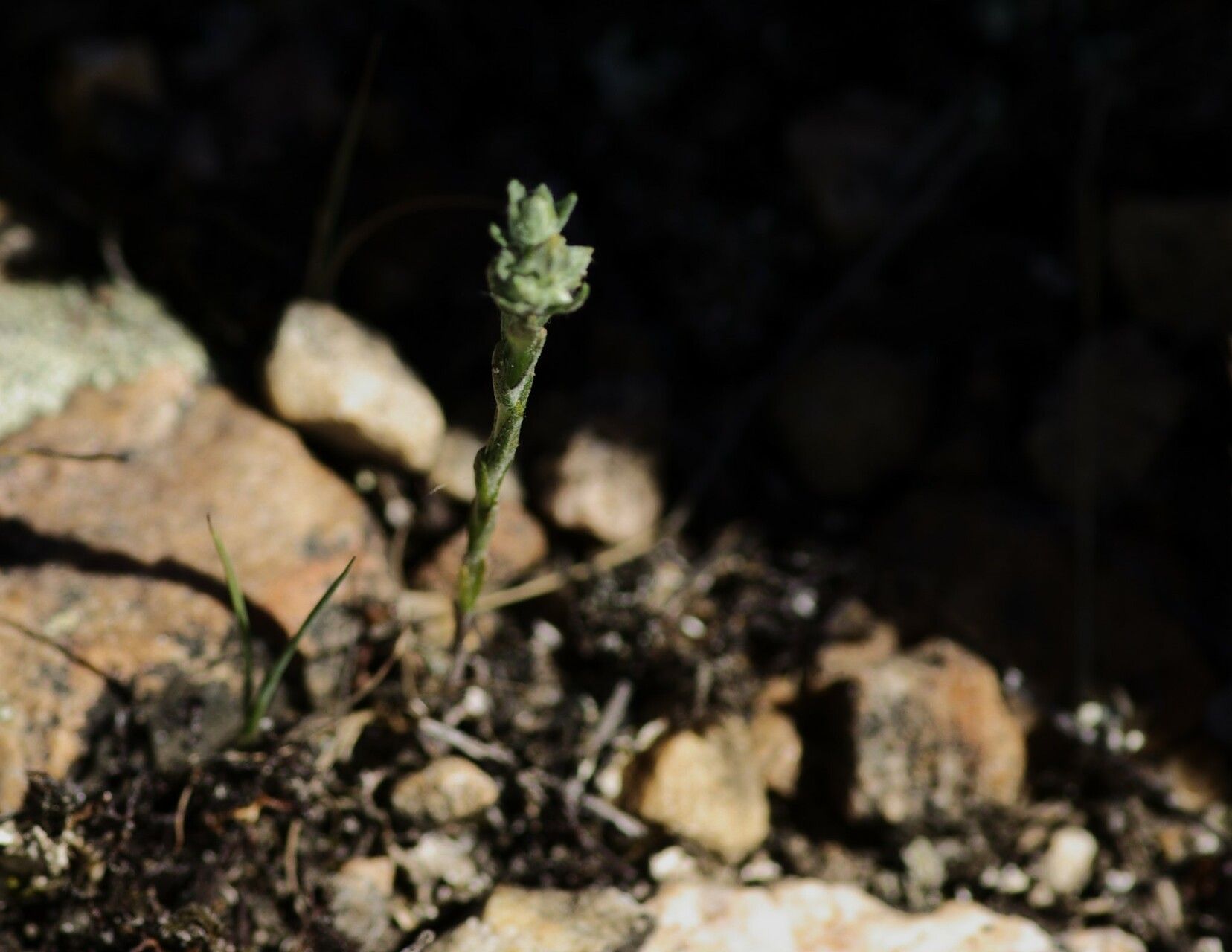
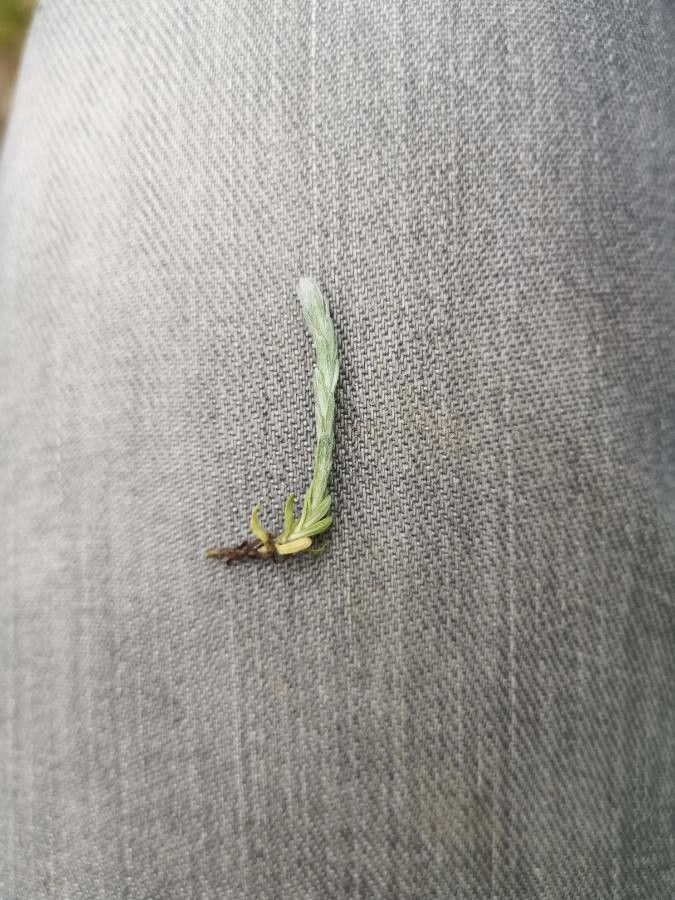
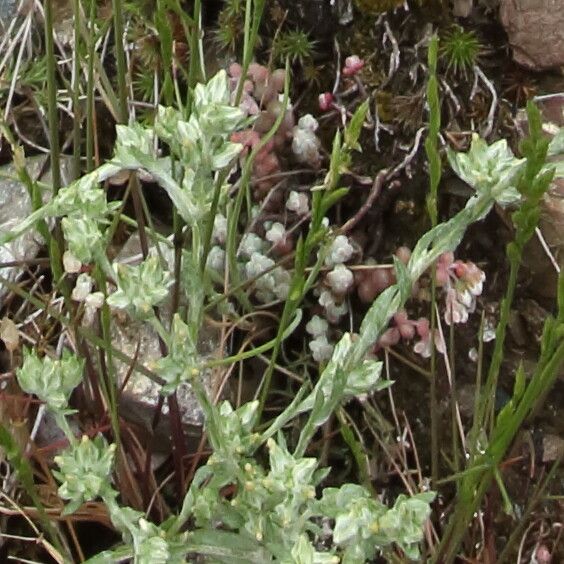
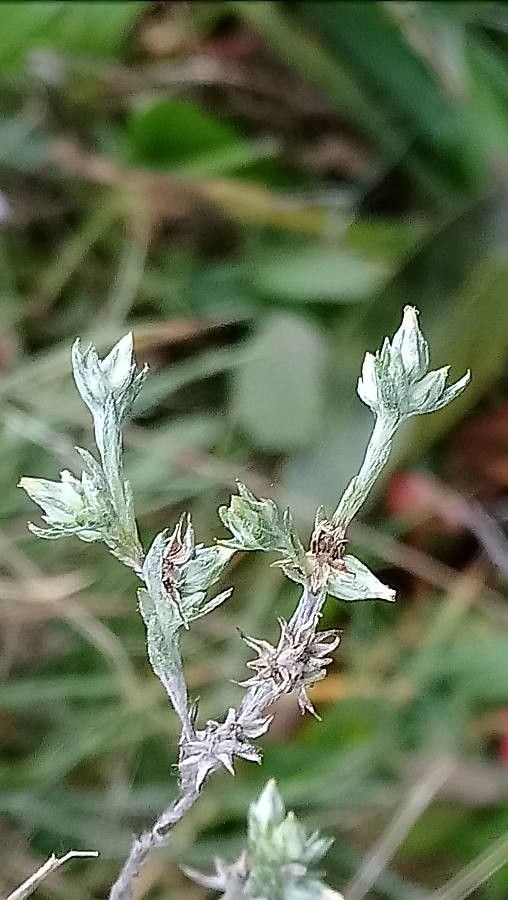
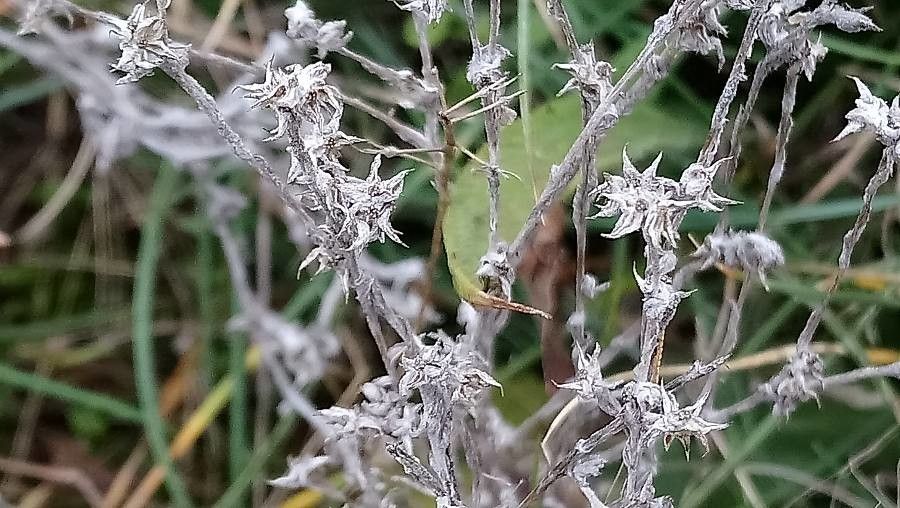
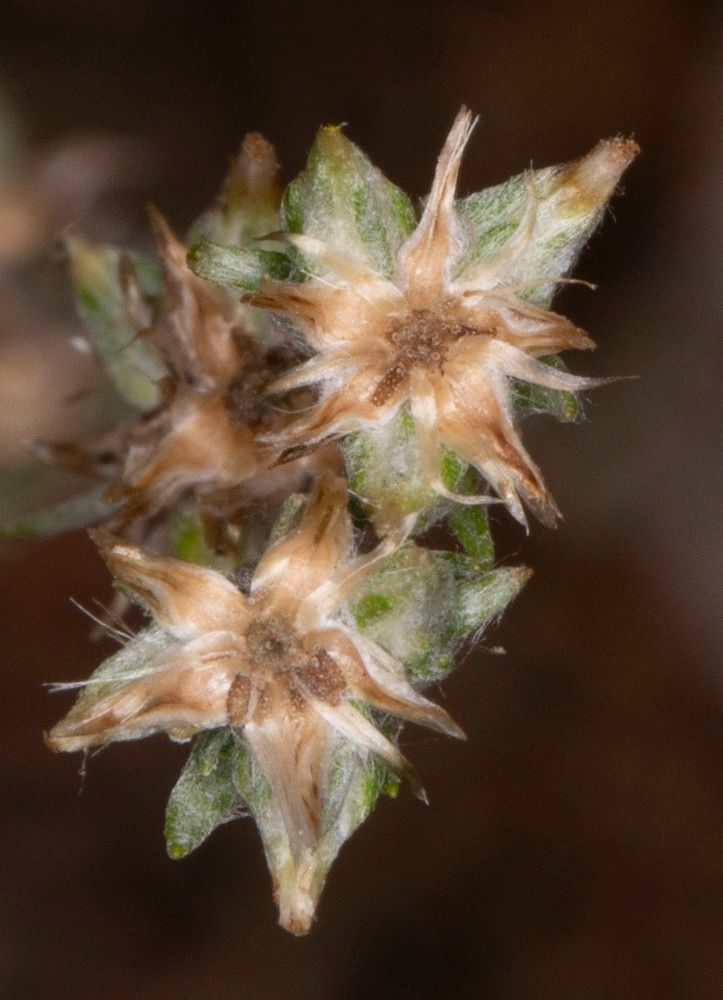
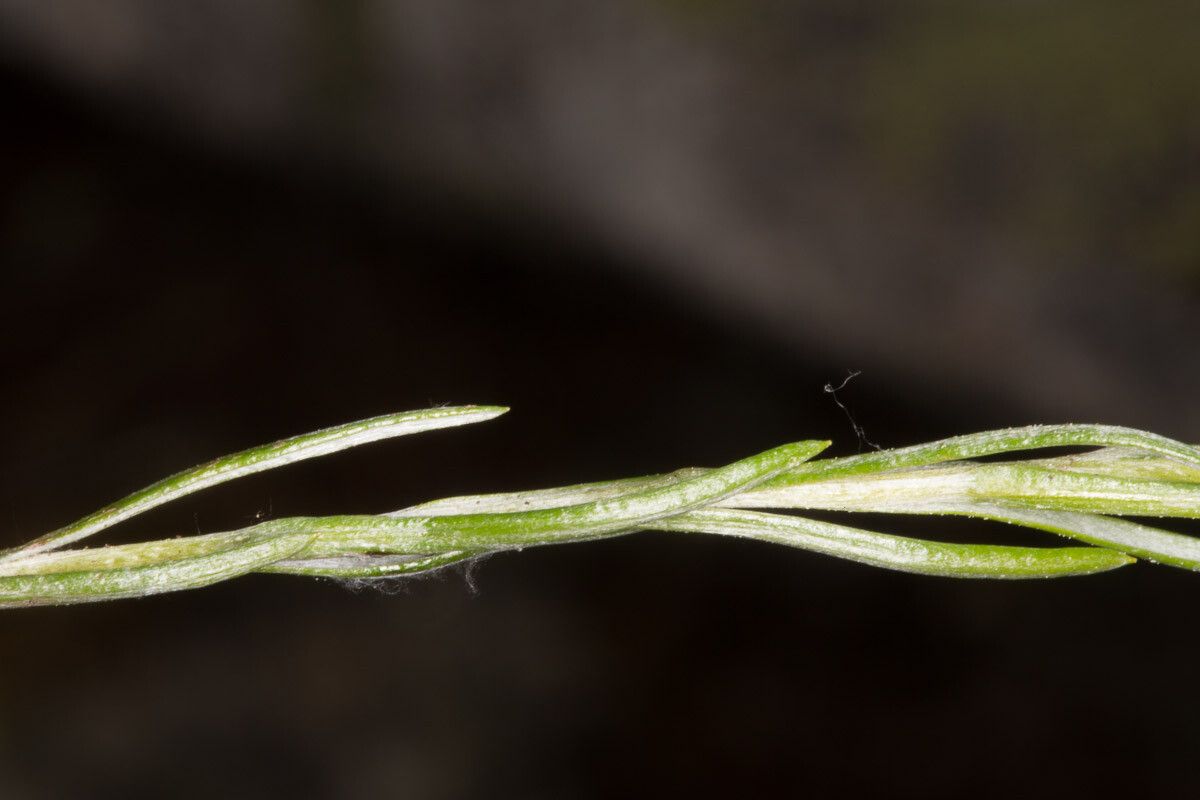
Logfia minima, small cudweed, is a plant in the daisy family which grows on bare ground and in acid grassland. It is native to Europe and parts of north Africa, and it has been introduced to North America.
Little cottonrose has strong resistance to disease and is generally not prone to illness. Nevertheless, it can be vulnerable to pests and diseases found in its surroundings. Such infections are typically not serious. Regarding care, this plant needs moderate maintenance. It should be pruned regularly to preserve a neat appearance and support healthy growth. Applying fertilizer can also encourage flowering. Little cottonrose is appropriate for anyone who has an outdoor area, like a garden or patio, and does not demand much prior plant-care experience. It may need more attention when cultivated indoors.
How to keep Logfia Minima.
Temperature
Little cottonrose can tolerate a wide range of temperatures, but its occurrence may still be restricted by particular combinations of moisture and heat. It performs best in warm summer climates with sufficient rainfall or watering. Extended stretches of cloudy, rainy weather or prolonged high temperatures can raise the chance that Little cottonrose will die. In winter, protecting the plant from cold can increase its survival chances.
Fertilizer
Little cottonrose does well with regular, light applications of fertilizer to encourage healthy leaf growth. You should fertilize Little cottonrose about once a month during the summer months. Nitrogen is essential for foliage, and providing nitrogen-rich sources helps Little cottonrose thrive.
Botanical profile.
- Plant Type
- Herb
- Life Cycle
- Annual
- Genus
- Logfia
- Family
- Asteraceae
- Native Area
- Sweden, Austria, Slovakia, Montenegro, Croatia, Slovenia, Morocco, Belarus, Russia, Germany, Estonia, Romania, Latvia, Belgium, Portugal, Netherlands, France, Czech Republic, Bulgaria, Poland, Greece, Ukraine, Serbia, Lithuania, Norway, Italy, Spain, Switzerland, Denmark, Albania, Ireland, United Kingdom, Hungary, Algeria
Other names.