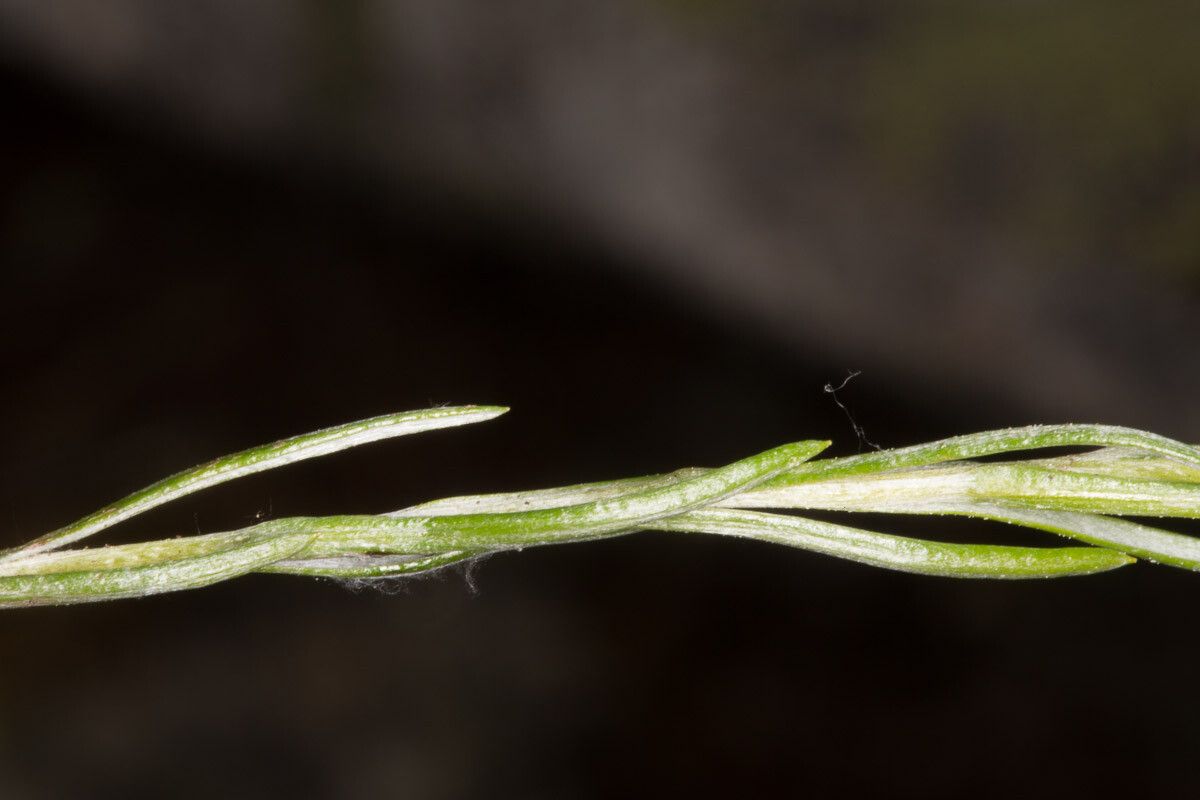
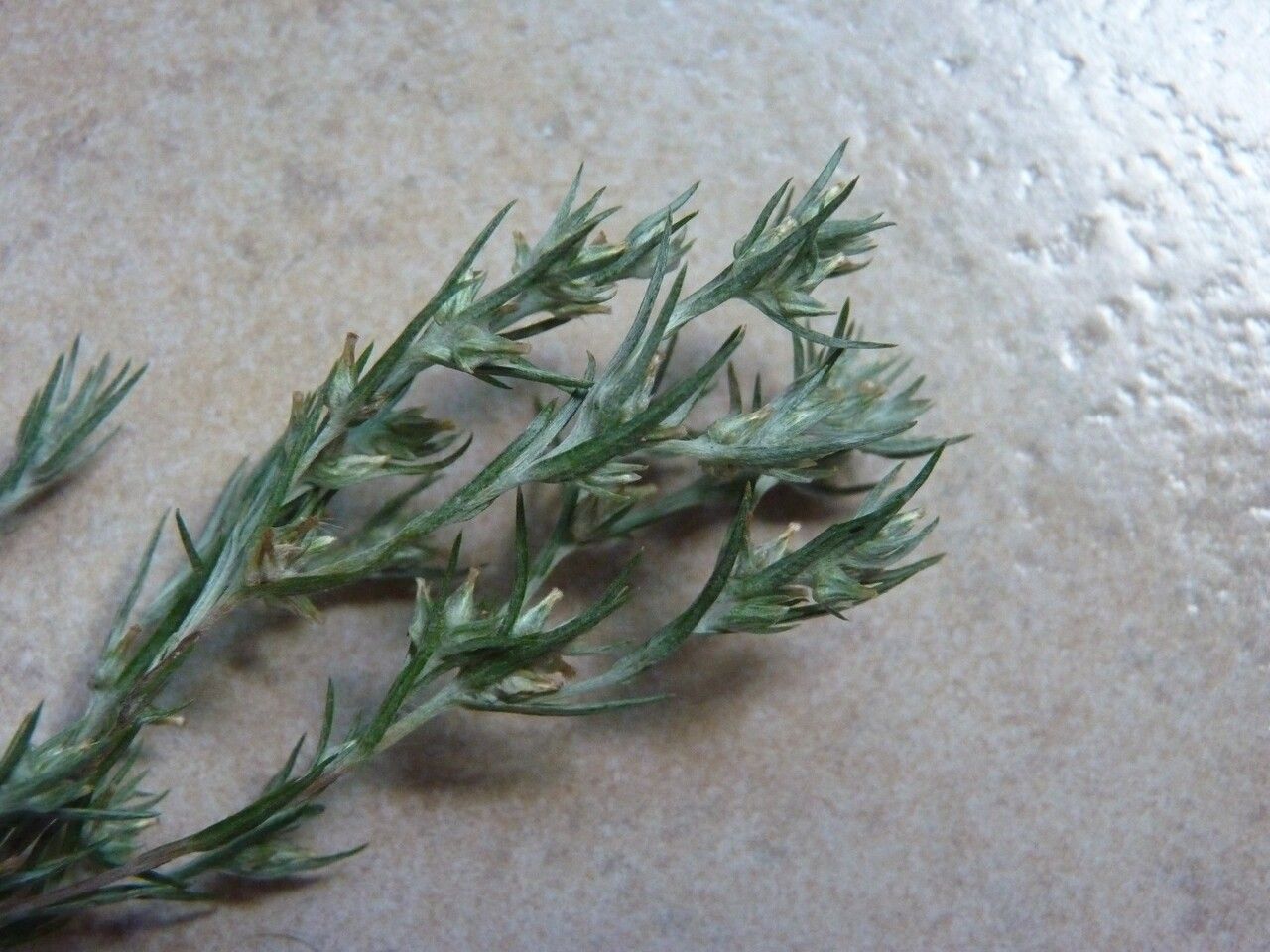
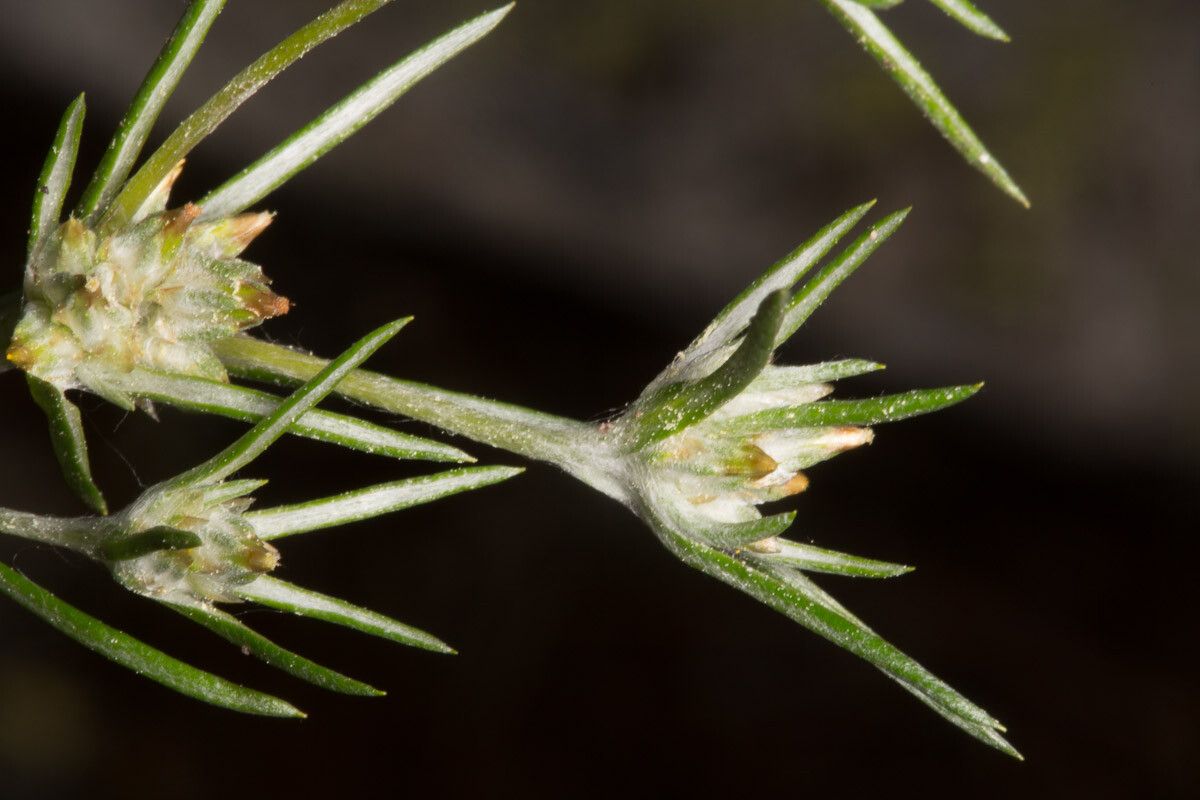
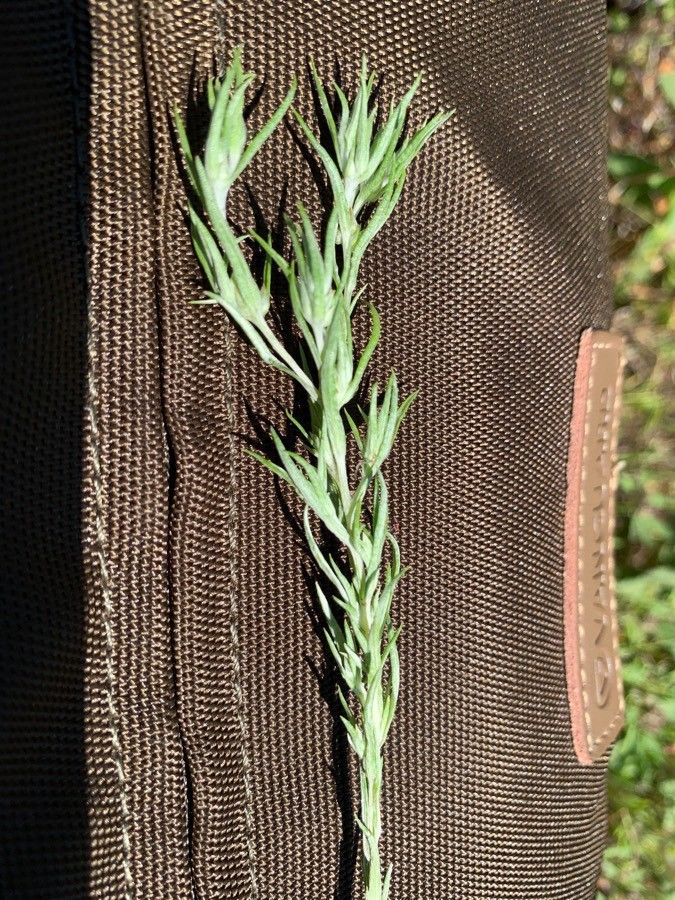
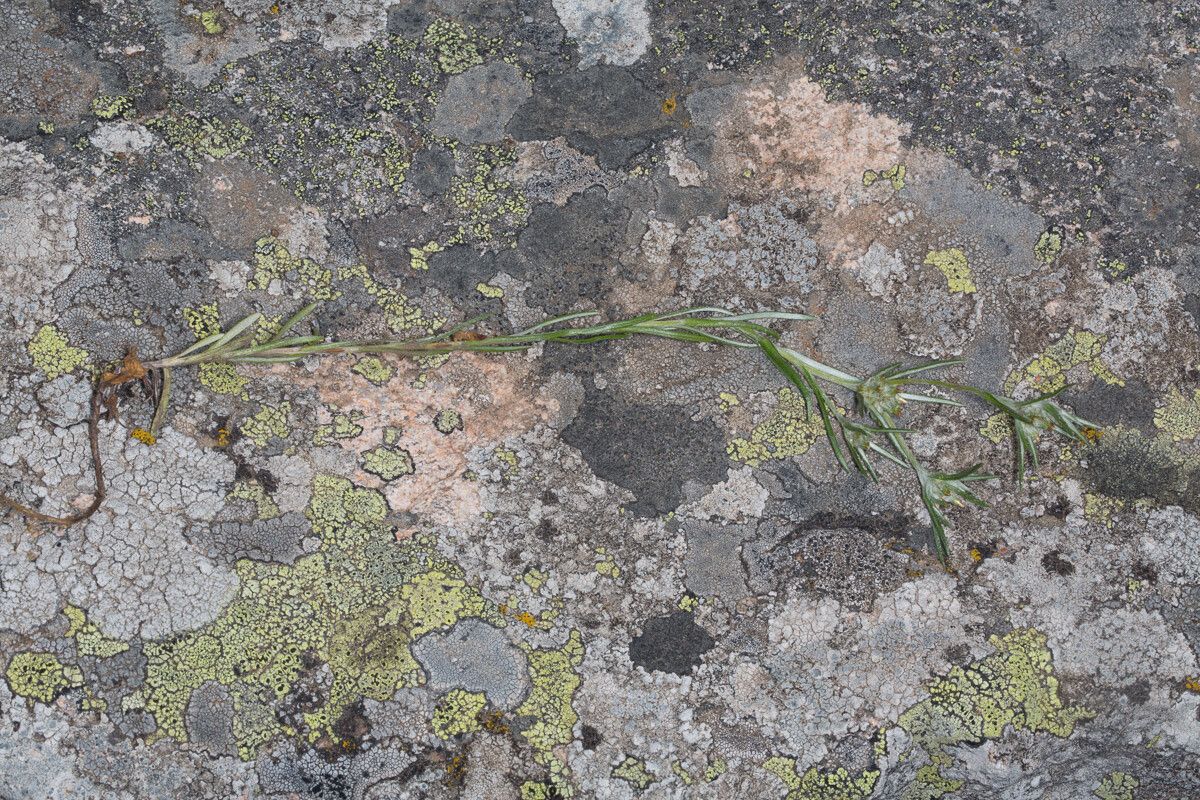
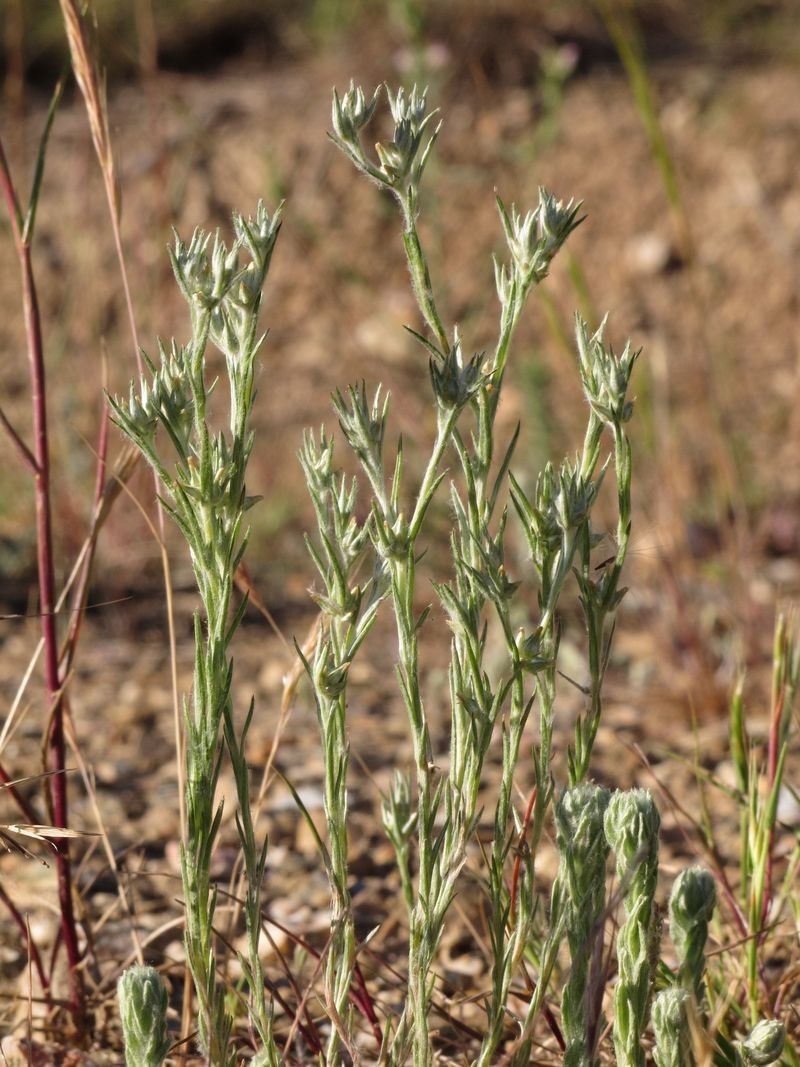
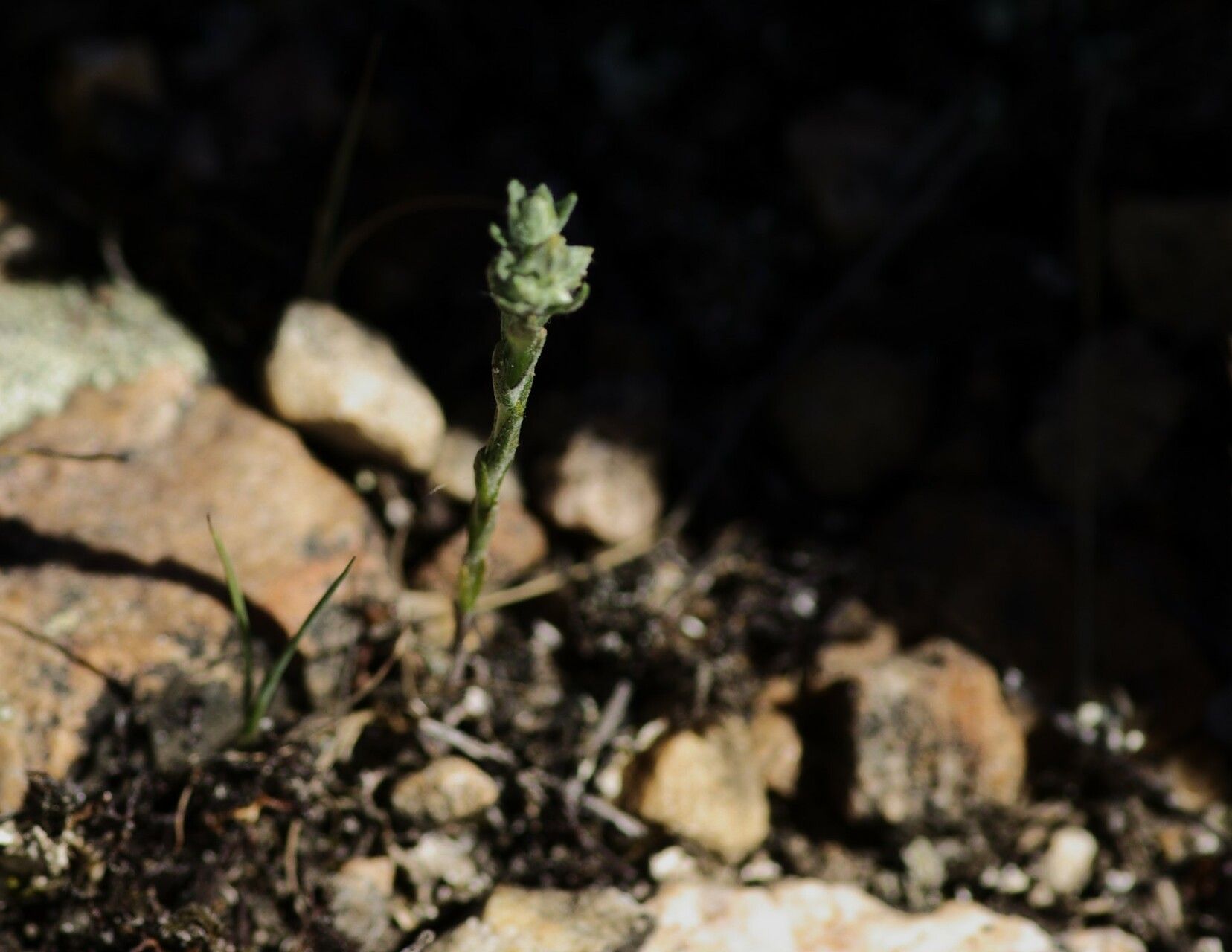
Logfia gallica, (syn: Filago gallica), is a species of herbaceous plant. Its common names are narrowleaf cottonrose and daggerleaf cottonrose. It is in the tribe Gnaphalieae of the family Asteraceae. The species has relatively long and stiff awl-shaped leaves.
Narrowleaf cottonrose is fairly resistant to disease and usually does not suffer from illnesses. However, it can be vulnerable to pests and diseases present in its environment. Such infections are typically not serious. In terms of care, this plant requires moderate maintenance. It should be pruned regularly to keep a neat appearance and support healthy growth. Fertilizing can also encourage more flowering. Narrowleaf cottonrose is well suited for anyone with outdoor space, like a garden or patio, and does not demand extensive caregiving experience. It may need additional care when kept indoors.
How to keep Logfia Gallica.
Light
Narrowleaf cottonrose comes from bright, open habitats where it does best in full sun. It tolerates partial shade but favors direct sunlight for ideal growth. This plant, which may be annual or biennial, is noted for its sun-loving habit.
Water
Narrowleaf cottonrose is well-suited to dry habitats and is drought-tolerant, requiring watering only once a week. It thrives in temperate regions and needs well-draining soil to prevent root rot. To maintain its health and vitality, avoid overwatering during the growing season.
Temperature
Narrowleaf cottonrose is native to areas with moderate to hot temperatures, indicating a preferred range of 68 to 95 °F (20 to 35 °C). To ensure healthy growth, keep temperatures within this range when possible, and adjust them according to seasonal changes.
Fertilizer
Narrowleaf cottonrose benefits from regular, weak fertilizer applications to encourage healthy leaf growth. You should fertilize Narrowleaf cottonrose about once a month during the summer months. Nitrogen is essential for foliage, and supplying nitrogen-rich sources helps Narrowleaf cottonrose thrive.
Pruning
Narrowleaf cottonrose has slender leaves and small, cotton-like flowers. For optimal growth and airflow, prune it from early to late spring by removing dead stems. To maintain a compact shape, trim any leggy growth, but be cautious not to over-prune, as this can cause stress to the plant. Thoughtful pruning encourages healthy development and abundant blooming.
Botanical profile.
- Plant Type
- Herb
- Life Cycle
- Annual
- Genus
- Logfia
- Family
- Asteraceae
- Hardiness Zone
- 9
- Mature Height
- 5 cm to 20 cm
- Mature Spread
- 10 cm to 20 cm
- Leaf Color
- Gray, Silver
- Leaf Type
- Semi-evergreen
- Flower Color
- Yellow, Green, Brown
- Flower Size
- 0.10 cm to 0.20 cm
- Bloom Time
- Late spring, Early summer, Mid summer
- Planting Time
- Spring, Summer, Autumn
- Harvest Time
- Summer
- Native Area
- Libya, Turkey, Tunisia, Montenegro, Cyprus, Bulgaria, Greece, Croatia, Morocco, Serbia, Lebanon, Norway, Germany, Portugal, Syria, Italy, Spain, Switzerland, Albania, United Kingdom, Algeria, France
Other names.
Reader questions.
How should I water my Narrowleaf cottonrose to make it thrive?
To water Narrowleaf cottonrose, you have several options. You can use a garden hose with a spray nozzle, a watering can, or any other common watering tool. This plant is not too particular about the type of water it receives; it can thrive on rainwater, tap water, or filtered water. However, it's best to avoid watering from overhead as it can harm the leaves and flowers and potentially cause disease. A drip irrigation system is often the most effective way to water Narrowleaf cottonrose, as it provides even and direct water to the soil. If you have a Narrowleaf cottonrose in a container, you can follow a similar approach but use a cup, watering can, or your tap to water the plant directly onto the soil.
What are the sunlight requirements for Narrowleaf cottonrose?
Narrowleaf cottonrose thrives in bright, open environments and requires full sun, meaning it needs more than 6 hours of sunlight daily to grow optimally. It can tolerate partial sun, approximately 3-6 hours of sunlight, but prefers full sun conditions for its best growth. The plant is an annual and biennial that is well-adapted to sunny locations.
What is the optimal temperature range for Narrowleaf cottonrose?
Narrowleaf cottonrose thrives in moderate to hot environments, with an optimal temperature range of 68 to 95 °F (20 to 35 °C). The plant has some tolerance to colder conditions and generally does not require additional cold protective measures if the temperature stays above 0°C. However, when temperatures are expected to drop below freezing, it's crucial to wrap the plant with protective materials such as plastic film or fabric, which should be removed as soon as temperatures rise again to prevent damage.
What should I do if I give my Narrowleaf cottonrose too much water or too little water?
The solution to underwatering your Narrowleaf cottonrose is simple: water it more regularly when you notice it lacks moisture. On the other hand, overwatering can be a serious problem if not addressed early. Overwatered plants are more susceptible to diseases that can lead to decline and death. To prevent this, choose a sunny location for your plant with good drainage to avoid water pooling in the soil. If you're overwatering a potted Narrowleaf cottonrose, consider changing it to a new pot with better drainage. When repotting, use loose soils and a pot that drains efficiently.
How important is sunlight for the growth of Narrowleaf cottonrose, and what are the additional lighting needs?
Sunlight is crucial for the healthy growth of Narrowleaf cottonrose. In indoor settings or during periods of insufficient natural sunlight, artificial lighting becomes essential. Using artificial lights such as LED lights, which can be adjusted to provide specific wavelengths needed by plants, helps in promoting faster and healthier growth. Full sun plants require 30-50W/sq ft of artificial light, partial sun plants need 20-30W/sq ft, and full shade plants should get 10-20W/sq ft. The lights should be placed 12-36 inches above the plant and kept on for 8-12 hours per day to mimic natural sunlight conditions.
How does Narrowleaf cottonrose react to low temperatures?
Narrowleaf cottonrose displays moderate tolerance to low temperatures and should ideally be kept above 20°C. It can endure winter conditions as long as the temperature remains above 0°C. If the temperature falls below -5°C, the leaves might droop. Although they can recover from mild frost damage, severe cold will cause leaves to wilt and eventually fall off. To mitigate frost damage, trim off the frost-damaged parts, wrap the plant in protective materials like non-woven fabric, and create a wind barrier to shield it from cold winds.
How often should I water my Narrowleaf cottonrose plant?
To keep your Narrowleaf cottonrose healthy, it's important to water it regularly throughout the growing season. In the spring, aim to water the plant once a week. As the season progresses and temperatures rise, you may need to increase watering to two or three times per week. However, be careful not to overwater as this can harm the plant. It's important to keep the soil relatively moist but not overly wet. If you have a potted Narrowleaf cottonrose, you'll need to water it more frequently than an in-ground plant. Potted soil tends to heat up and dry out faster, so plan to water your container-grown plant a few times per week. In contrast, in-ground plants typically only need to be watered once per week.
What are some common symptoms of light deficiency in Narrowleaf cottonrose when grown indoors?
When Narrowleaf cottonrose is grown indoors with inadequate light, it may exhibit symptoms such as smaller new leaves, leggy or sparse growth, faster leaf drop, slower or no new growth, and lighter-colored new leaves. Other symptoms include chlorosis, which is the loss of the leaves' green color, sunscald from intense light exposure, leaf curling as a defense mechanism against excessive sunlight, wilting from loss of water, and leaf scorching characterized by brown, dry, crispy leaf edges.
What are the effects of high temperatures on Narrowleaf cottonrose, and how can they be mitigated?
During summer, it's important to ensure Narrowleaf cottonrose's temperature doesn't exceed 35°C. Temperatures above 38°C can cause discoloration of leaves, drying and withering of leaf tips, curling of leaves, and increased susceptibility to sunburn. To help the plant recover from heat stress, prune away any sunburned or dried parts. Relocate the plant to a shaded area or use a shade cloth to protect it from the midday and afternoon sun. Additionally, maintaining soil moisture with watering sessions in the morning and evening can also help alleviate the effects of high temperatures.
How much water does my Narrowleaf cottonrose require?
When determining how much water to give to your Narrowleaf cottonrose, there are a few different approaches you can take. One option is to assess the moisture in the soil by feeling it, and then water until the top six inches of soil feel moist. Another method is to use a specific measurement, such as around two gallons per week, taking into account factors like temperature and soil dryness. However, following strict guidelines like this may result in overwatering if your plant needs less water. Growing Narrowleaf cottonrose in a container requires a different approach. In this case, you should water enough to moisten all the dry soil layers. You can check if the soil is dry by sticking your finger in it, or by watering until you see a small amount of excess water draining from the pot's holes.
What solutions can be applied to address light deficiency in Narrowleaf cottonrose?
To address light deficiency in Narrowleaf cottonrose, gradually move the plants to locations with at least 6 hours of direct sunlight daily, utilizing south-facing windows and keeping curtains open during the day for indoor plants. For additional light, consider using artificial light sources like desk or ceiling lamps for at least 8 hours daily or invest in professional grow lights. Outdoors, move plants to sunnier spots gradually to avoid shock. If trees block sunlight, prune them to improve sunlight access. For smaller plants, transplanting during the dormant period to a location with ample sunlight and good drainage can also be effective.
How do I know if I'm watering my Narrowleaf cottonrose enough?
Avoiding overwatering your Narrowleaf cottonrose can be challenging due to a few factors. These plants have deep roots, which means that you need to keep the soil moistened every week. However, be cautious because Narrowleaf cottonrose are highly vulnerable to root rot and can develop browning as a consequence of excessive watering. Underwatering is less of a concern because these plants can survive for some time without additional watering. However, if you go too long without watering, the plant will likely show signs of wilting and dry leaves.