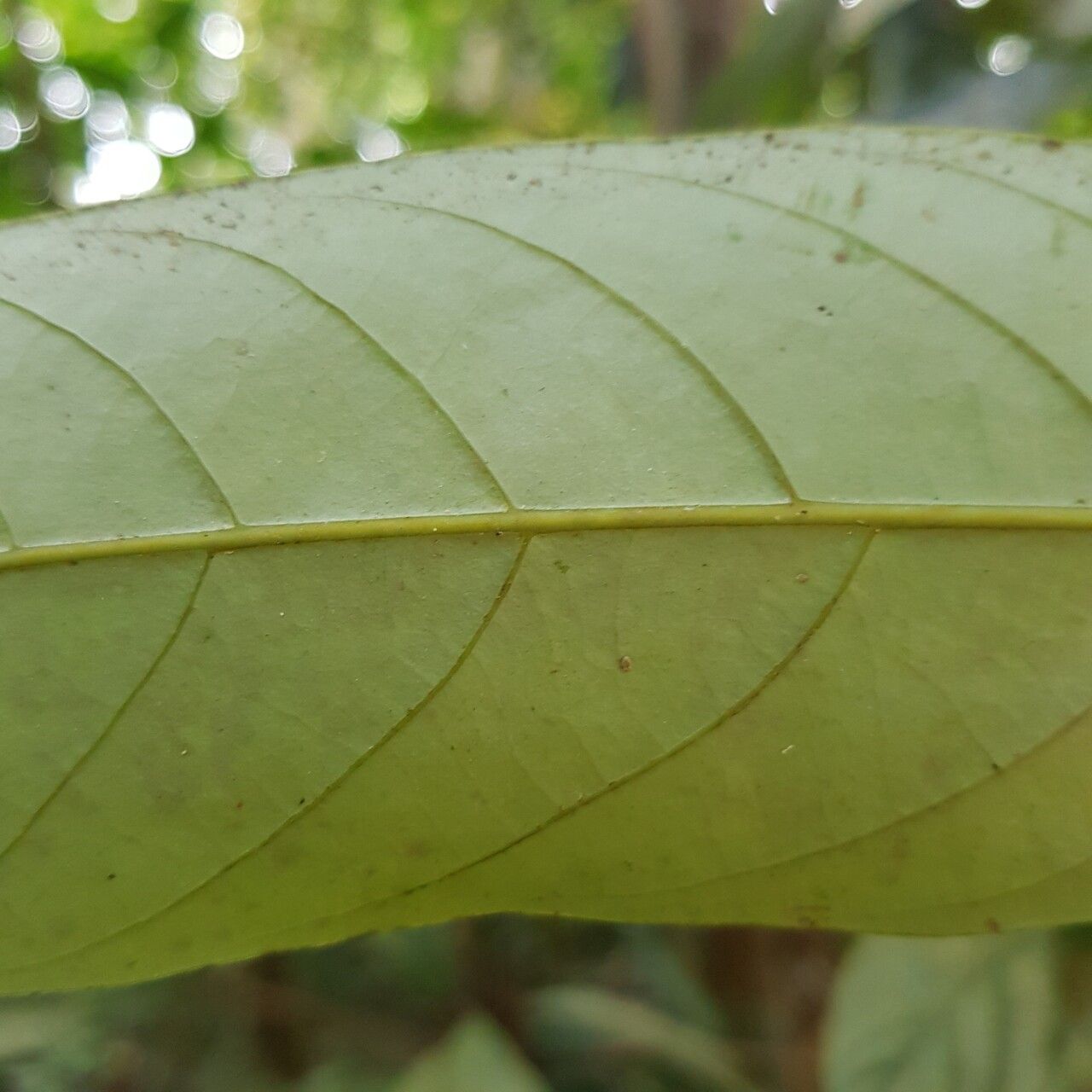
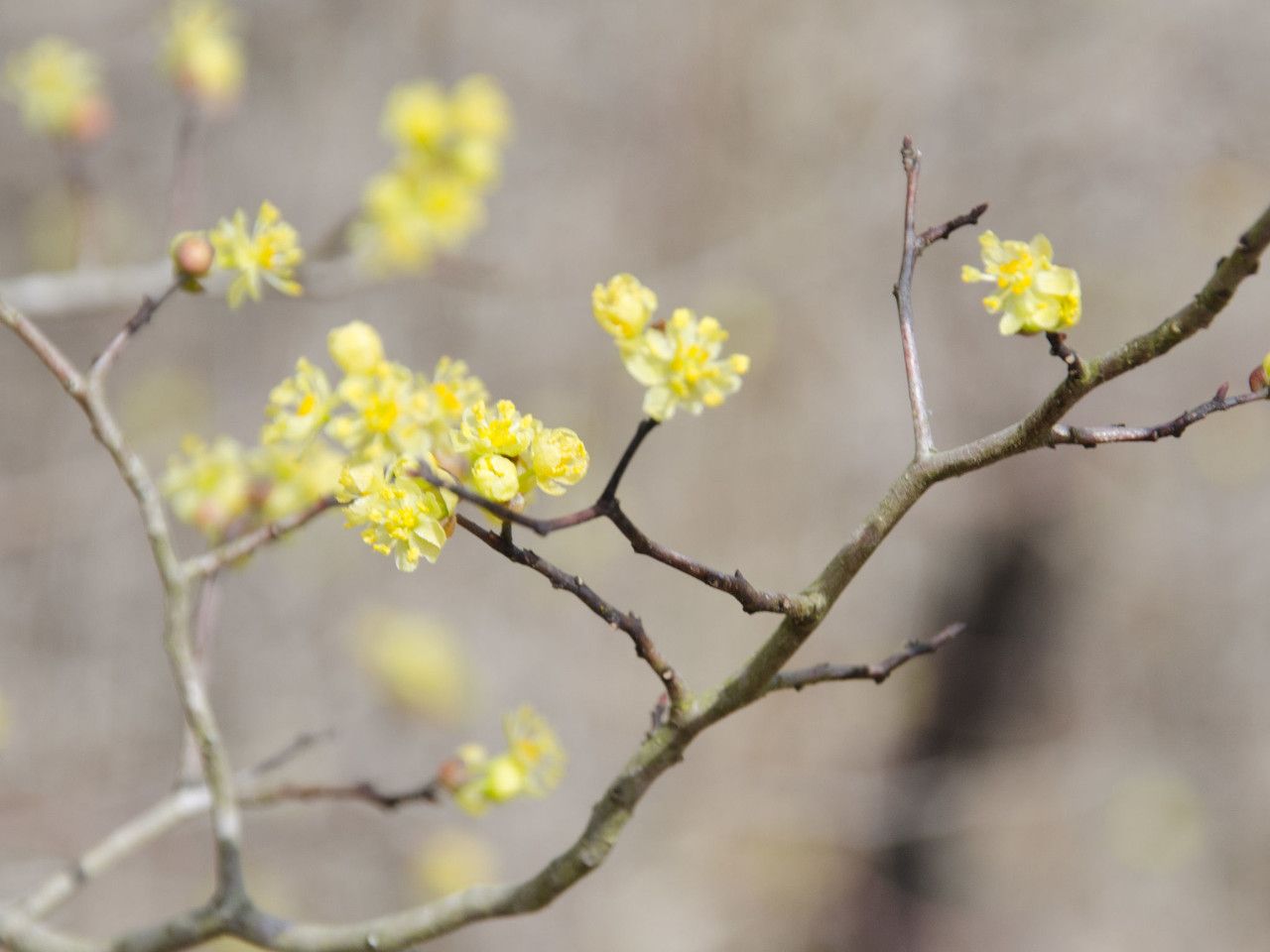
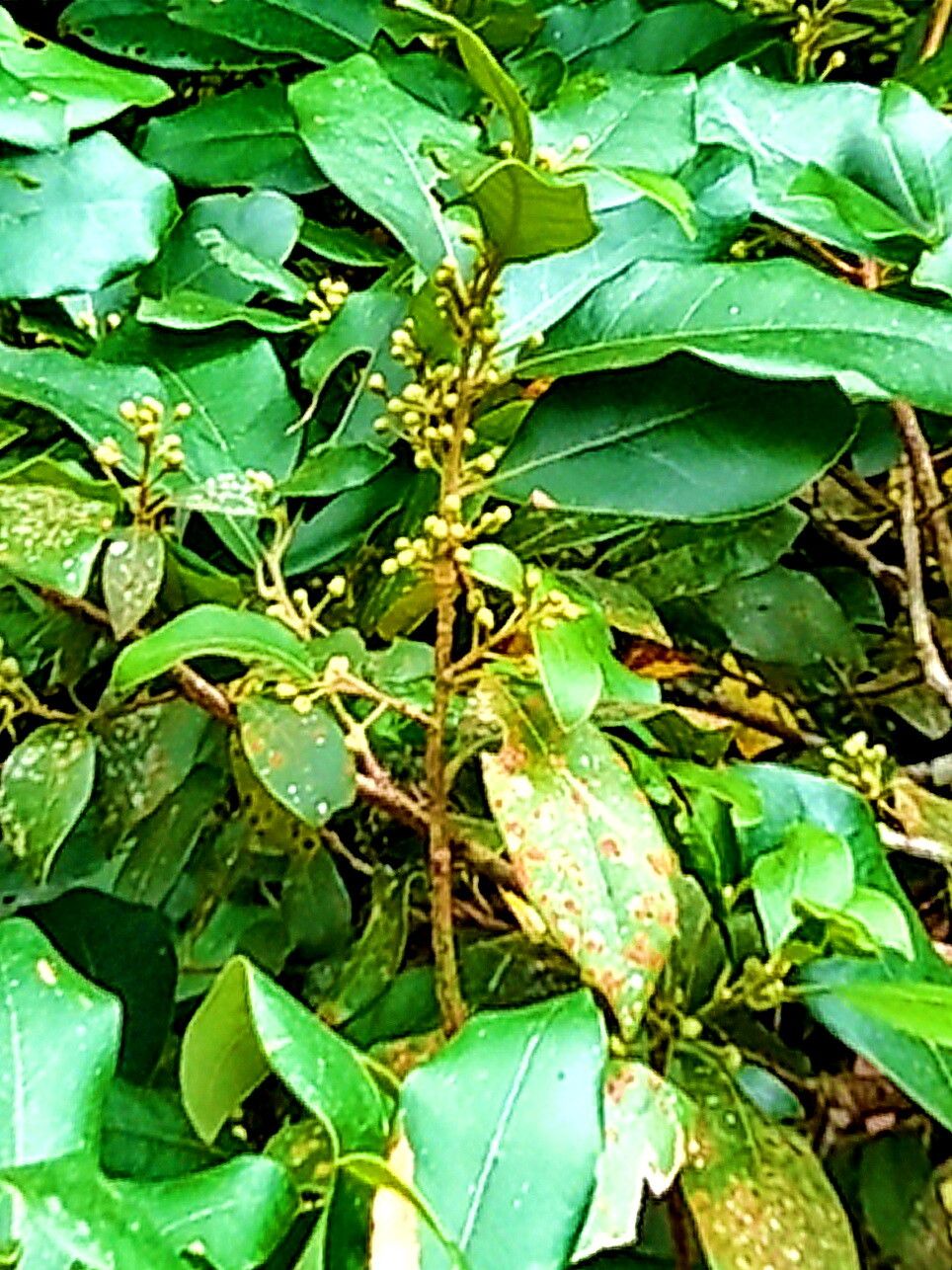
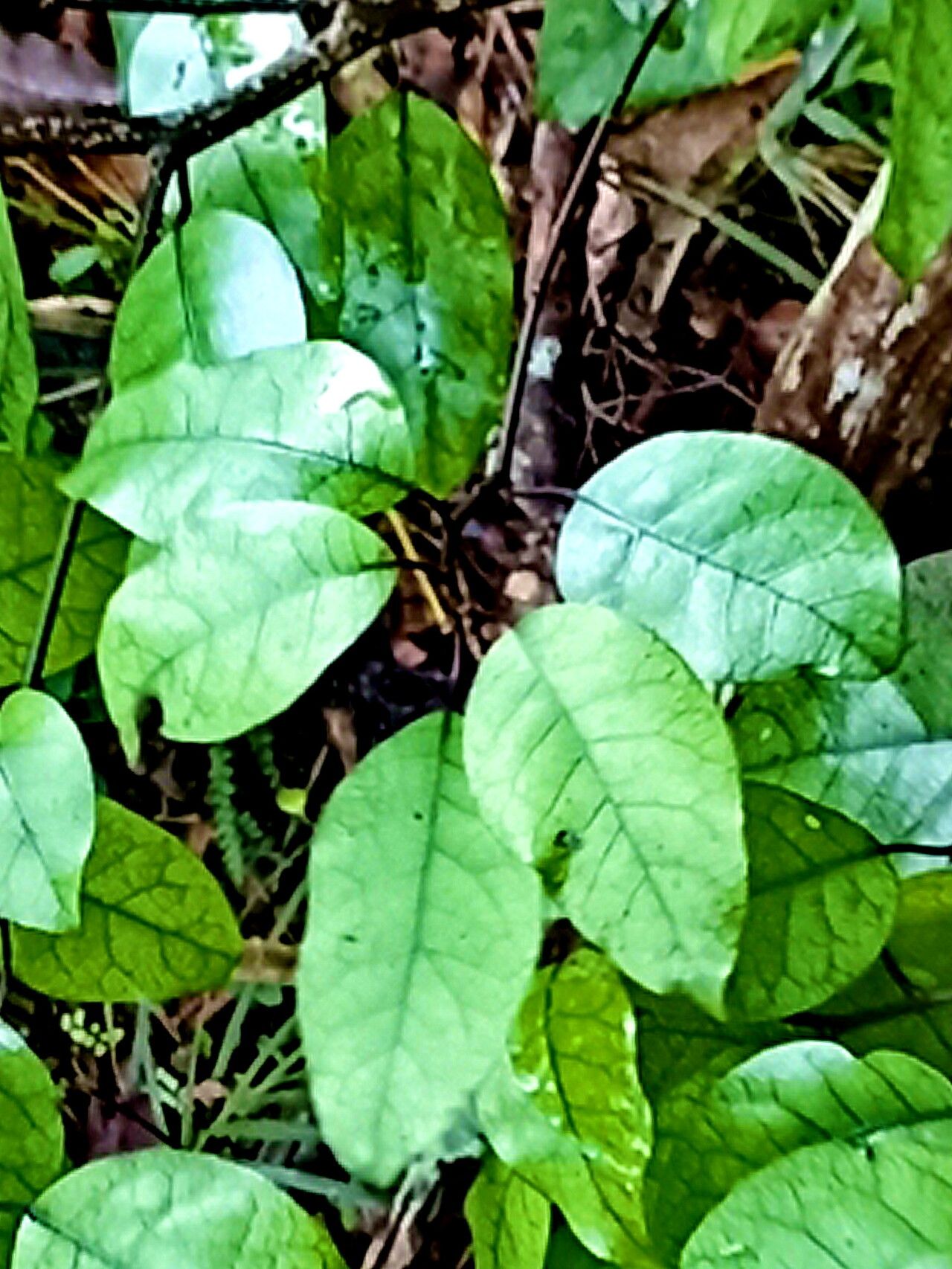
Litsea cubeba, the aromatic litsea or may chang, is an evergreen tree or shrub 5–12 meters high in the family Lauraceae. It is native to Southern Chinese region including Sichuan, Guizhou, Yunnan, Taiwan and Fujian, and Southeast Asian countries such as Indonesia, Malaysia and Cambodia. It is called "mountain pepper" (山胡椒; pinyin: shānhújiāo), "mujiangzi" (木姜子; pinyin: mùjiāngzǐ)or "douchijiang" (豆豉姜; pinyin: dòuchǐjiāng) in Mandarin and maqaw (馬告) by the Atayal aborigines in Taiwan. It produces a fruit which is processed for its lemony essential oil. The oil can also be extracted from the leaf, but this is considered to be lower in quality. The timber is sometimes used for making furniture and crafts. Plant parts are also used in medicine.
Aromatic litsea is resistant to disease and is generally unlikely to develop illnesses. Carewise, this plant is fairly low-maintenance. When grown outdoors it needs only minimal watering, and larger specimens usually do not require pruning. Smaller plants, however, should be pruned after they finish blooming. Aromatic litsea is appropriate for anyone with an outdoor area, such as a garden or deck, and does not demand extensive care experience.
How to keep Litsea Cubeba.
Light
Aromatic litsea comes from open habitats, such as sunlit meadows and forest edges, which provide abundant light. It flourishes in Full Sun but can also tolerate Partial Sun, adapting well to various sunlight conditions.
Water
Aromatic litsea flourishes in humid conditions, reflecting its tropical rainforest origins. It thrives with consistent moisture and should be watered every two weeks. Being an evergreen, it keeps its leaves throughout the year and requires soil that stays evenly moist but not waterlogged. This is particularly important indoors, where humidity levels can fluctuate.
Temperature
Aromatic litsea is fairly adaptable to temperature, tolerating high heat and wide temperature fluctuations. In hot conditions, care should be taken to water it adequately and provide suitable shade to avoid sunburn. Conversely, Aromatic litsea is not very tolerant of low temperatures; it can endure some cold but excessively low temperatures may cause frost damage.
Fertilizer
Timing is essential when fertilizing Aromatic litsea. Start feeding in early spring and continue monthly until early summer. Fertilizer promotes attractive blooms and provides energy during both dormant and active growth periods.
Pruning
Aromatic litsea is known for its fragrant leaves and flowers. To maintain its health, prune it in early spring by removing any dead wood and thinning out crowded branches. This will improve air circulation and promote growth. Pruning at the right time and in the right way enhances the plant's vigor and flowering. However, be careful not to over-prune, as this can stress the plant.
Botanical profile.
- Plant Type
- Tree, Shrub
- Life Cycle
- Perennial
- Genus
- Litsea
- Family
- Lauraceae
- Hardiness Zone
- 10-11
- Mature Height
- 4.88 m to 11.89 m
- Mature Spread
- 3.05 m to 4.88 m
- Leaf Color
- Green, Dark Green
- Leaf Type
- Semi-evergreen
- Flower Color
- Yellow
- Flower Size
- 0.76 cm to 1.02 cm
- Bloom Time
- Early spring, Mid spring
- Planting Time
- Spring, Summer, Autumn
- Harvest Time
- Mid summer, Late summer, Early fall
- Native Area
- Nepal, India, Indonesia, Cambodia, Vietnam, Myanmar, Bhutan, Laos, Brunei, Thailand, China
Other names.
Reader questions.
Should I water my Aromatic litsea more often or less often depending on the time of year or the weather?
To care for Aromatic litsea, it is important to provide the right amount of water throughout the different seasons. During spring and fall, the soil should be kept moist but not soggy. It is beneficial for the plant to have alternating dry and moist soil conditions. In the summer, hot weather can cause water to evaporate quickly, so additional watering may be needed if there is a lack of rainfall. However, in winter, the plant requires less water as it goes dormant. Good drainage is crucial, especially during winter, to avoid ponding and ensure the plant's overall health. When growing the Aromatic litsea in pots, it is necessary to provide adequate drainage and water them well, especially during summer. It is recommended to water the plants deeply at least once or twice a week, depending on the weather, rather than shallow sprinkles that only reach the leaves. While the plants should not dry out completely in fall or winter, they should also not be overwatered. Proper drainage is essential to prevent waterlogged soil, which could be detrimental to the plant. Additionally, applying mulch can help reduce stress, conserve water, and promote healthy blooms.
What are the sunlight requirements for Aromatic Litsea?
Aromatic Litsea thrives best in environments that provide full sun, which means it requires above 6 hours of direct sunlight daily. However, it can also tolerate partial sun conditions, requiring about 3-6 hours of sunlight. It's important to monitor the movement of sunlight through your garden to find spots that offer the right balance of light and shade, ensuring the optimal growth of your plants.
What is Aromatic Litsea?
Aromatic Litsea, which is scientifically known as Litsea cubeba, is a species of plant belonging to the Lauraceae family. Although the provided information does not include specific details on its uses, characteristics, or its essential aspects, this plant is often recognized for its aromatic and potential medicinal properties.
What are the essentials for growing Aromatic Litsea effectively?
Aromatic Litsea originates from open environments like sunny meadows and forest edges, where it receives ample light. It performs best in full sun but can adjust to partial sun as well, making it adaptable to various lighting conditions. For indoor plants, artificial lighting can be a crucial solution when natural sunlight is insufficient. LED lights are recommended because they can be tailored to the specific light wavelengths needed by plants. Full sun plants generally need 30-50W/sq ft, partial sun plants require 20-30W/sq ft, and full shade plants need 10-20W/sq ft of artificial light. The light source should be placed 12-36 inches above the plant, and most plants will need 8-12 hours of light per day.
What are the symptoms of light deficiency in Aromatic Litsea?
When Aromatic Litsea isn't receiving enough light, it may exhibit several symptoms indicating this deficiency. New leaves might grow smaller than expected, the plant could develop a leggy or sparse appearance due to longer spaces between leaves or stems, and there could be a faster drop of older leaves as the plant conserves resources. Insufficient light also leads to slower or halted growth, lighter-colored new leaves, or chlorosis, where leaves lose their green color. Excessive sunlight exposure can cause sunscald, leaf curling from trying to minimize water loss, wilting due to increased transpiration, and leaf scorching, indicated by brown, dry edges on leaves.
How can I address light deficiency issues in Aromatic Litsea?
To address light deficiency in Aromatic Litsea, there are several strategies you can employ, depending on whether the plant is kept indoors, outdoors, or in the ground. Indoors, progressively moving your plant to a sunnier location each week until it receives a minimum of 6 hours of sunlight or using artificial light sources for at least 8 hours daily can help. Outdoors, acclimatizing your plant to a sunnier spot by gradually increasing its exposure to direct sunlight is beneficial. Ensure to avoid abrupt changes in lighting to prevent sunburn. For plants in the ground, reducing obstructions to sunlight by pruning nearby trees and considering transplanting to a brighter location during the plant's dormant period can significantly improve sunlight reception. It's important to note that parts of the plant already affected may not recover fully, but new growth should be healthy with increased light exposure.