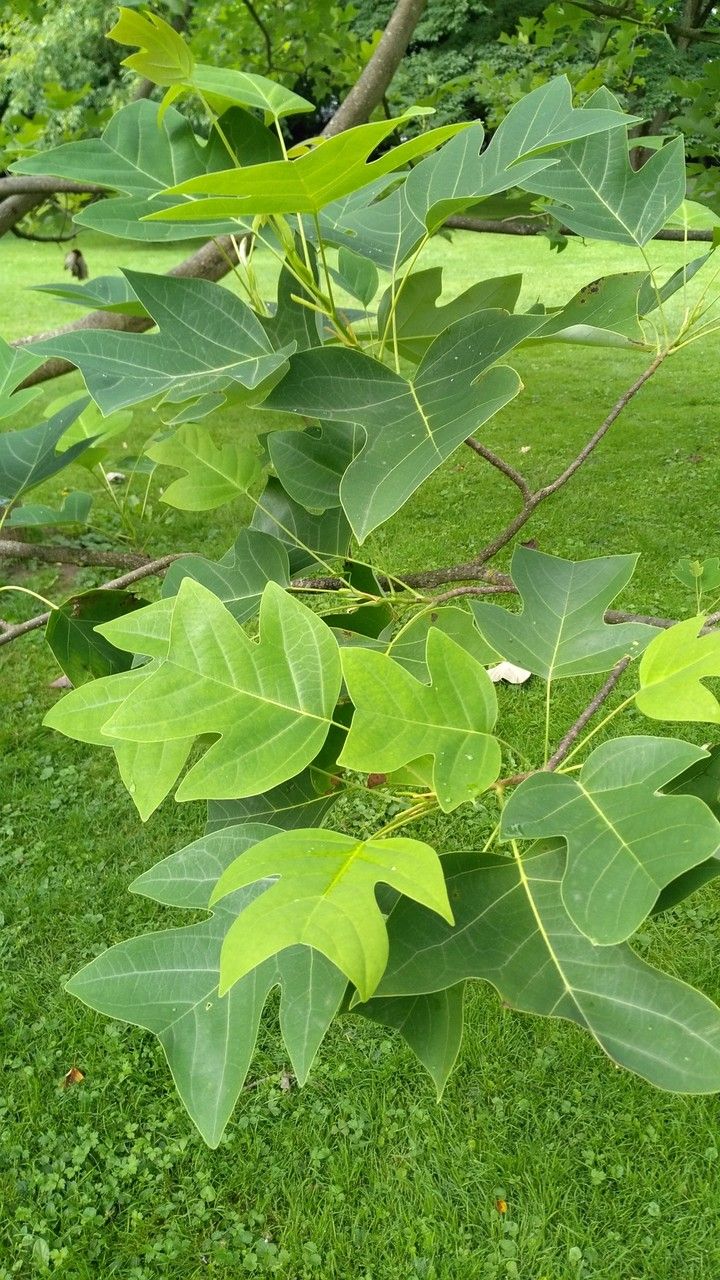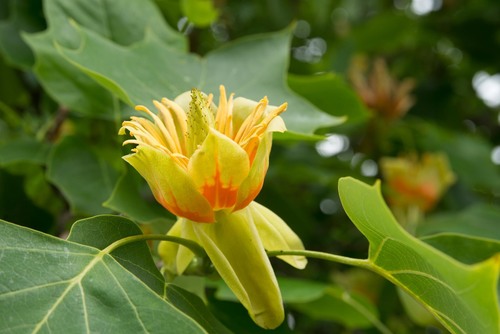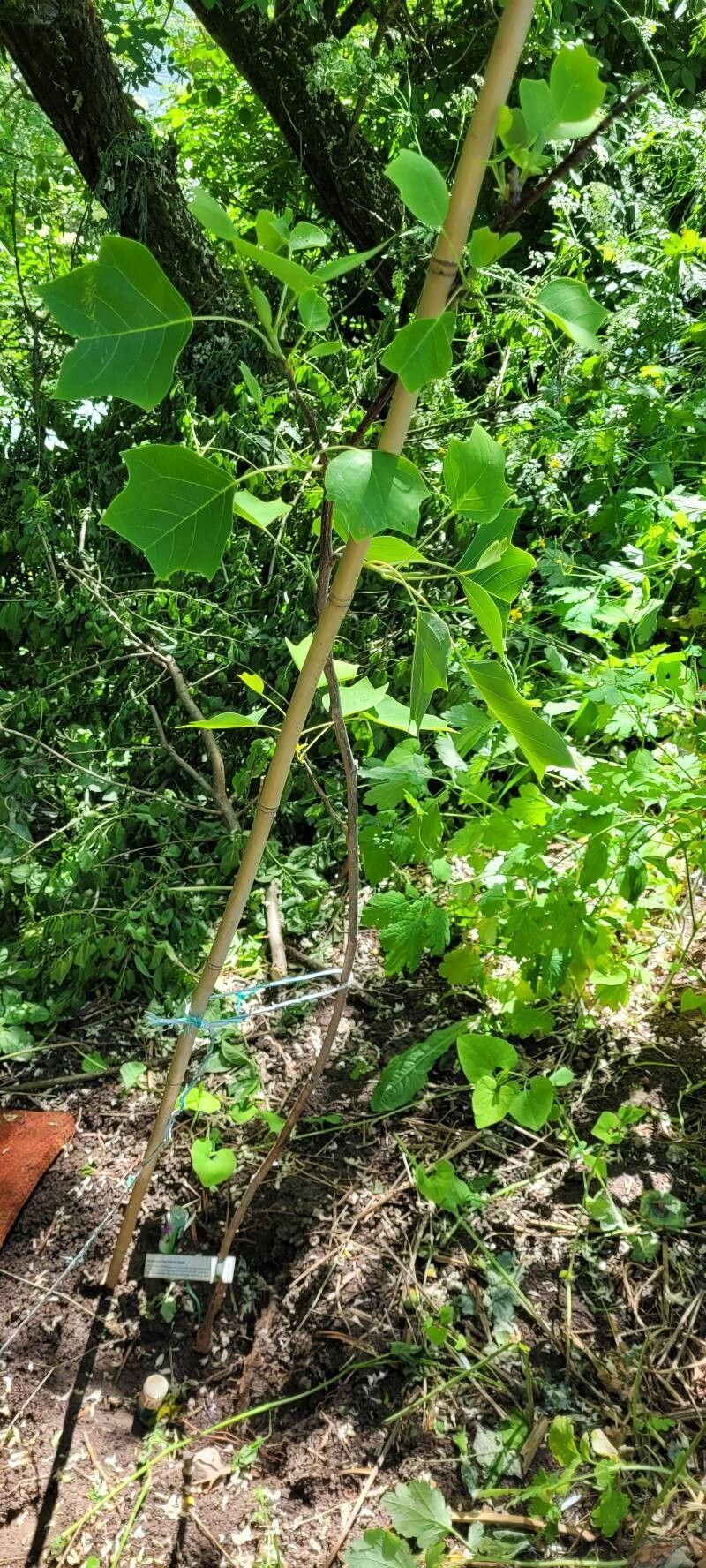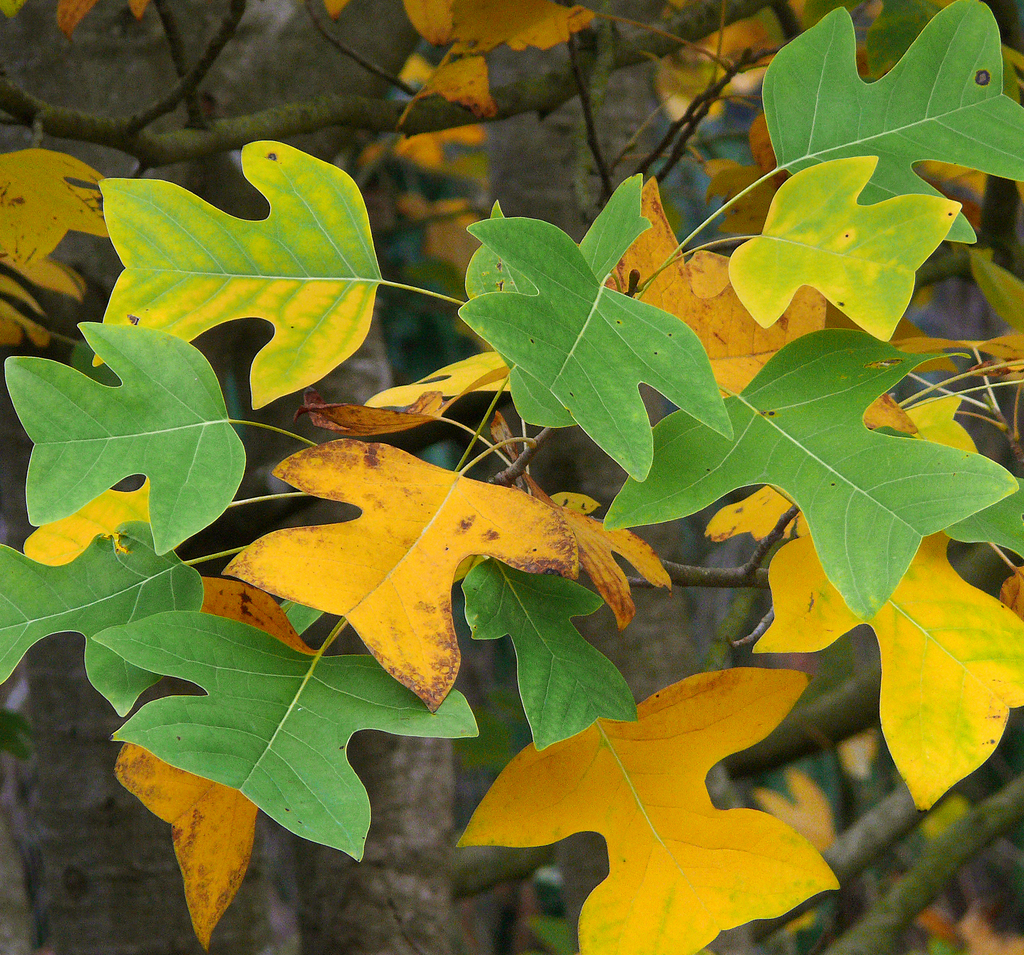
Liriodendron chinense (commonly known as the Chinese tulip poplar, Chinese tulip tree or Chinese whitewood) is Asia's native species in the genus Liriodendron. This native of central and southern China grows in the provinces of Anhui, Guangxi, Jiangsu, Fujian, Guizhou, Hubei, Hunan, Jiangxi, Shaanxi, Zhejiang, Sichuan and Yunnan, and also locally in northern Vietnam. Protected populations occur in the Tianmushan National Reserve[1], Huangshan[2], Wuyi Shan[3], and Badagongshan Nature Reserve[4].
The Chinese tulip tree is disease-resistant and generally not prone to diseases. Care is fairly simple. When grown outdoors it needs only minimal watering, and larger plants typically do not require pruning. Smaller plants, however, should be pruned after they finish blooming. The Chinese tulip tree is suitable for anyone with outdoor space, such as a garden or a deck, and does not demand much gardening experience.
How to keep Liriodendron Chinense.
Light
The chinese tulip tree grows best with abundant sunlight, often showing vigorous growth. Although it can cope with lower light, it ideally requires an environment rich in light. Excessive or insufficient light can result in stunted growth or duller color. Native to well-lit habitats, the plant can tolerate some variation in light levels.
Water
The Chinese tulip tree thrives in well-drained soil and requires infrequent watering, about once every three weeks. Though native to regions with moderate moisture, it is important to carefully monitor the soil moisture during its growing season to ensure proper flower development.
Temperature
The Chinese tulip tree is suited to grow in conditions with temperatures between 50 and 95 °F (10 and 35 °C). In its native climate the tree endures seasonal temperature swings. It fares best when the colder months are not excessively cold.
Fertilizer
Timing is important when fertilizing a Chinese tulip tree. Apply fertilizer in early spring and continue once a month until early summer. Fertilizer supports the production of attractive blooms and supplies energy during both dormant and active growth periods.
Pruning
To promote healthy growth and well-being, prune Chinese Tulip Trees in early spring. Remove any dead branches and thin out crowded areas to improve air circulation. Young trees particularly benefit from shaping, which helps establish a strong structure. Regular pruning not only maintains the tree's size but also enhances its appearance. Always use clean, sharp tools to prevent the spread of disease.
Botanical profile.
- Plant Type
- Tree
- Life Cycle
- Perennial
- Genus
- Liriodendron
- Family
- Magnoliaceae
- Hardiness Zone
- 6-9
- Mature Height
- 39.93 m
- Mature Spread
- 10.36 m to 14.94 m
- Leaf Color
- Green, Yellow
- Leaf Type
- Deciduous
- Flower Color
- Yellow, Green
- Flower Size
- 2.54 cm to 7.62 cm
- Bloom Time
- Late spring, Early summer
- Planting Time
- Spring, Summer
- Harvest Time
- Late summer, Early fall, Mid fall
- Native Area
- Vietnam, China
Other names.
Reader questions.
What's the most effective way to water my Chinese tulip tree?
To ensure excellent root development, it is recommended to place a garden hose at the base of the plant rather than directly spraying the leaves. If the plant is outdoors and exposed to direct sunlight, the leaves will require more watering. Bubblers can be used to moisten the roots of each plant, and soaker hoses can cover the entire garden or bed when adding or removing plants to encourage deep root growth. It is important to drain any excess water and allow the soil to dry before watering again. Watering at ground level is advised to prevent diseases. On sunny days, it may be beneficial to spray the entire bush with water. Whether the Chinese tulip tree is potted or in-ground, remember that it prefers deep watering instead of light sprinkling.
Why should I use fertilizer on my Chinese tulip tree?
No matter what type of Chinese tulip tree you have, regular fertilization is key to its overall health. Providing the right nutrients will promote strong growth, making your tree more resilient to tough conditions and better equipped to fight off diseases and pests. Since the foliage is one of the most attractive aspects of your tree, it's important to maintain it. This involves following a specific fertilization schedule for your Chinese tulip tree, resulting in vibrant, richly colored leaves for a lush appearance.
What are the sunlight requirements for a Chinese tulip tree?
The Chinese tulip tree thrives under full sun conditions, requiring above 6 hours of sunlight daily. It can also grow in partial sun, with about 3-6 hours of sunlight a day. Its natural habitat suggests that ample light ensures robust growth, although it can withstand some variation in light exposure. Note that both overexposure and underexposure to sunlight may affect the plant negatively, leading to issues like growth retardation or dullness in color.
What is the ideal temperature range for the Chinese tulip tree?
The Chinese tulip tree is adapted to thrive in environments where temperatures range from 50 to 95 °F (10 to 35 °C). This species is capable of tolerating fluctuations in seasonal temperatures, performing best in conditions where colder months are not excessively chilly. It possesses strong cold resistance; hence, special frost protection measures are typically unnecessary. Nonetheless, protection is advised if winter temperatures are expected to drop below -25°C by wrapping the trunk and branches with materials such as non-woven fabric or cloth.
What can I do if I give too much or too little water to a Chinese tulip tree?
When a Chinese tulip tree is overwatered, its leaves can turn yellow, drop off, and wilt. The plant may appear dull and unhealthy, with mushy stems. If these signs appear, it is best to adjust your watering schedule when possible. Conversely, wilting can also indicate under watering, with leaves becoming crispy and dry. To address this, check the soil for dryness and if necessary, give the tree a thorough watering. However, even with sufficient water, the tree may still have dry, yellow leaves due to a damaged root system. Once the tree returns to normal, the yellowing of leaves will cease. For Chinese tulip trees kept indoors, regularly check the moisture levels and avoid overwatering. Look out for signs of black spots, which may indicate the need for the soil to dry out for a few days. Overwatering can lead to root rot, so if discolored and slimy roots are present, consider transferring the tree to a different pot. Preventing root rot is crucial, so avoid overly soggy soil. When planting the Chinese tulip tree outdoors, be sure to dig deeper and if you find that the soil is too dry with your fingers, it may indicate underwatering. Adequate watering is necessary for the plant's recovery.
When should I fertilize my Chinese tulip tree for the best results?
The best time to fertilize your Chinese tulip tree is in late winter or early spring. This will give the tree the necessary nutrients to grow healthily once the weather warms up. If you live in a warm climate region, it can also be beneficial to give your tree another fertilizer feeding in early fall. This will provide extra nutrients for the following growing season and help the tree withstand the cold winter without leaf damage. Fertilizing earlier will give the new branches enough time to grow and become more resilient.
How does the Chinese tulip tree respond to artificial lighting?
Indoor Chinese tulip trees, when deprived of natural sunlight, benefit significantly from artificial lighting, ensuring optimal growth. Especially during winter or in less sunlit spaces, artificial lights, like LED ones, can be tailored to provide specific wavelengths necessary for the plant. The recommended artificial light intensity is 30-50W/sq ft for full sun plants, and 20-30W/sq ft for partial sun plants. Proper placement (12-36 inches above the plant) and duration (8-12 hours per day) of artificial lighting mimic natural sunlight exposure, promoting healthier plant growth.
How should the Chinese tulip tree be cared for in winter to prevent drought and water scarcity?
To prevent drought and water scarcity for the Chinese tulip tree during winter and early spring, it is recommended to water the plant abundantly before the first freeze in autumn. Ensuring that the soil remains moist and enters a frozen state helps maintain the moisture level needed by the tree in colder months.
How much water does my Chinese tulip tree need?
The Chinese tulip tree prefers deep and infrequent watering, especially when planted in pots. To ensure proper hydration, soak them in a gallon of water each time. In pots, the limited water storage causes the soil to dry out faster, so watering is necessary every 3 to 5 days if you live in a cold region. Water your plant early in the morning when the soil is dry, whether it's kept indoors or outdoors. You can also check the soil's moisture level by feeling the top 2-3 inches; if it's dry, it's time for a thorough watering. During hot days, monitor the moisture daily as the pot soil can dry out quickly. If you have a garden, remember to irrigate the soil. In a hot climate, watering once a week should suffice. Only water when you observe that about 2 to 3 inches of soil have become too dry, and be cautious not to overwater to prevent root rot. If there is ample rainfall, additional watering may not be necessary. Chinese tulip trees typically grow in spring and fall, so when they are outdoors, apply a 3 to 4-inch layer of mulch to help conserve water. Sandy soil drains faster and requires more frequent watering, while clay soil requires less frequent watering to avoid root rot. To stay organized, mark watering dates on your calendar and be attentive if the leaves begin to droop, as this may indicate that watering is needed.
When is it a bad idea to fertilize my Chinese tulip tree?
There are specific periods when you should avoid fertilizing your Chinese tulip tree. Firstly, during the early and mid-winter months, when the tree is dormant and does not require any feeding. Similarly, it is not advisable to fertilize the tree in late spring and throughout summer due to the hotter and potentially drier weather conditions. These conditions increase the likelihood of negative effects from fertilization. To prevent any complications, it is recommended to follow a fertilization schedule that only includes feeding in early spring and early fall.
What are the indications of insufficient light exposure in Chinese tulip trees?
Symptoms of light deficiency in Chinese tulip trees include smaller new leaves, leggy or sparse growth, faster leaf drop, halted growth, pale new leaves, and conditions like chlorosis, sunscald, leaf curling, wilting, and leaf scorching. These symptoms highlight the plant's struggle with low light conditions, affecting its overall health and ability to photosynthesize efficiently. Sudden intense light exposure can also cause issues like sunburn, so adjustments to lighting should be made gradually.
What are the signs of the Chinese tulip tree being affected by low temperatures, and how can it be managed?
Chinese tulip trees show a high tolerance for cold, thriving best when temperatures stay above 10°C. However, if temperatures drop below -15°C and especially below -25°C, while there may not be any noticeable changes in winter, the branches may become brittle and dry during spring, with no new shoots emerging. To manage this, it's recommended to prune away any dead branches that have failed to produce new leaves in spring.