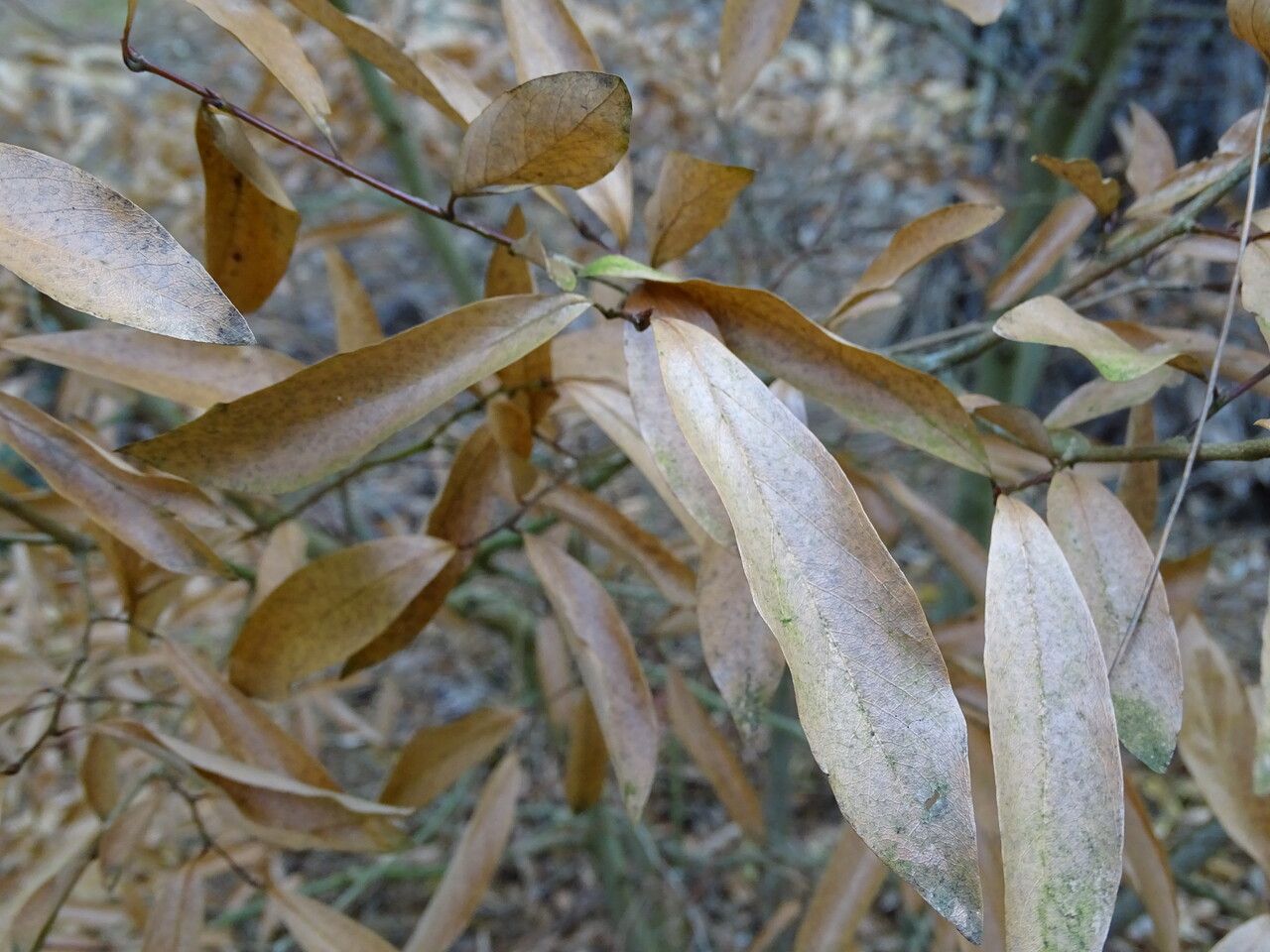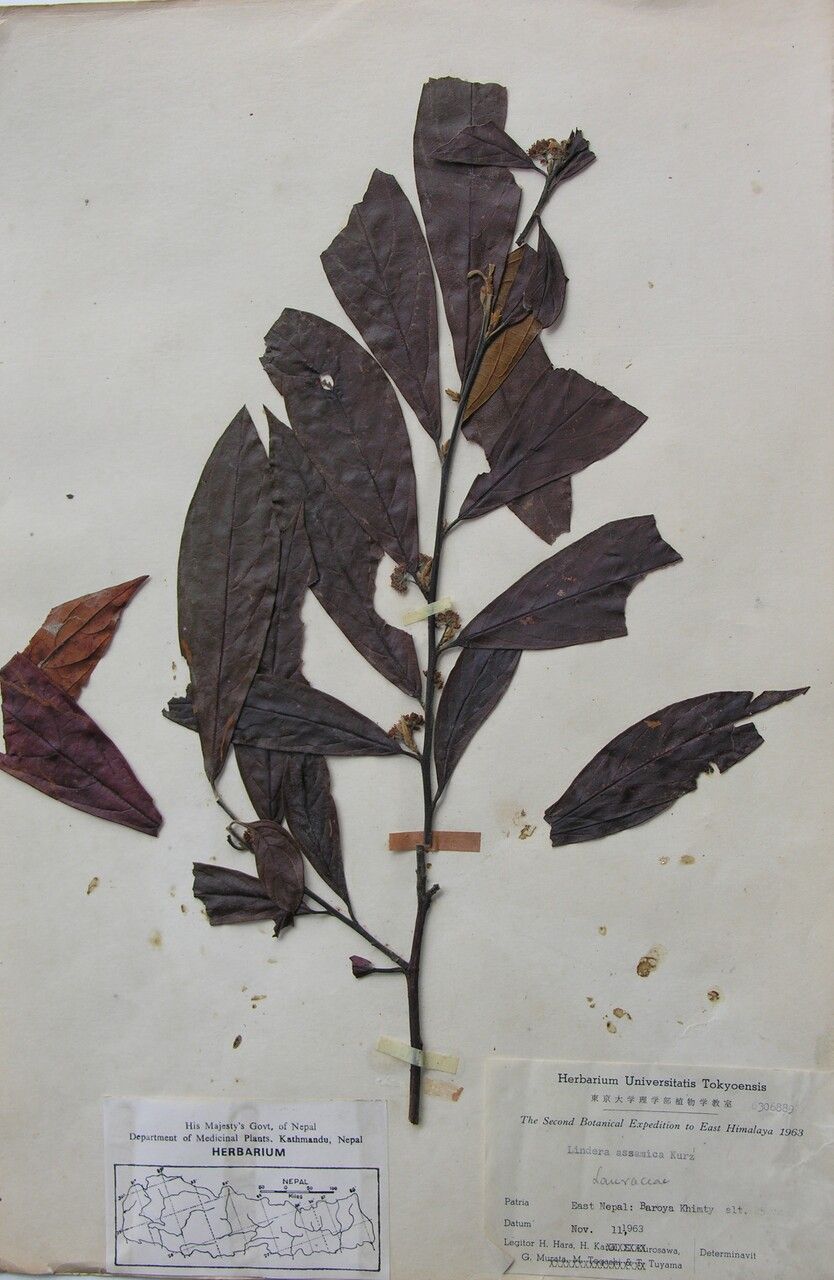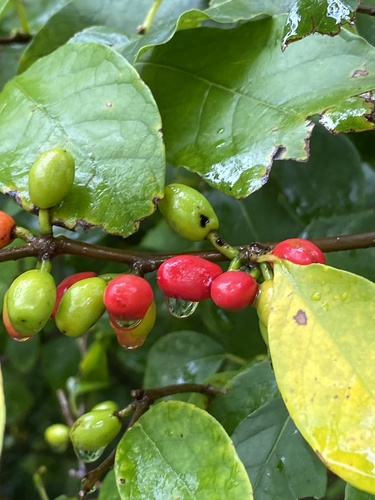
Kuromoji is resistant to disease and typically does not suffer from illnesses. Regarding care, this plant is fairly low maintenance. When planted outdoors it needs only minimal watering, and larger specimens usually do not require pruning. However, smaller plants should be pruned after they bloom. Kuromoji is suitable for anyone with outdoor space, such as a garden or a deck, and does not demand extensive care experience.
How to keep Lindera Umbellata.
Light
Kuromoji thrives in regions that receive plenty of sunlight during the day. It can also grow effectively in a semi-sunlit environment. Being from habitats rich in solar radiation, the plant flourishes under comparable conditions. While too much sunlight might not damage the plant, insufficient sunlight can interfere with its proper growth.
Water
Kuromoji is well-adapted to sporadic rainfall and can thrive with watering every 2-3 weeks, demonstrating its drought tolerance. It is usually grown outdoors, where it benefits from natural rainfall patterns and can adapt to different levels of soil moisture, similar to its native habitat.
Temperature
Kuromoji exhibits significant versatility in a range of weather conditions, be it sweltering summer heat or freezing winter cold. Nonetheless, there is an ideal temperature spectrum for its growth. If temperatures spike too high, the plant may suffer from heat and humidity stress, potentially leading to its death. In areas where the temperature nears the bottom of its cold endurance threshold, it's critical to apply insulation techniques to safeguard the plant.
Fertilizer
The timing of fertilizing Kuromoji is key. Supply fertilizer in the early stages of spring, and keep up the process each month until the start of summer. Applying fertilizer aids in creating beautiful flowers and supplies energy during periods of both dormancy and active growth.
Pruning
Kuromoji features aromatic leaves and bright yellow flowers. To maintain its health and appearance, prune it in early spring. Start by removing any dead branches and thinning out overcrowded areas to improve air circulation and sunlight exposure. Regular light pruning encourages vigorous growth, enhances its fragrance, and helps ensure a healthy plant throughout the growing season.
Botanical profile.
- Plant Type
- Shrub
- Life Cycle
- Perennial
- Genus
- Lindera
- Family
- Lauraceae
- Hardiness Zone
- 6-9
- Mature Height
- 3.05 m
- Mature Spread
- 2.13 m to 3.05 m
- Leaf Color
- Green, Dark Green
- Leaf Type
- Semi-evergreen
- Flower Color
- Yellow
- Flower Size
- 0.51 cm
- Bloom Time
- Early spring, Mid spring
- Planting Time
- Autumn
- Harvest Time
- Late summer, Early fall, Mid fall
- Native Area
- Japan