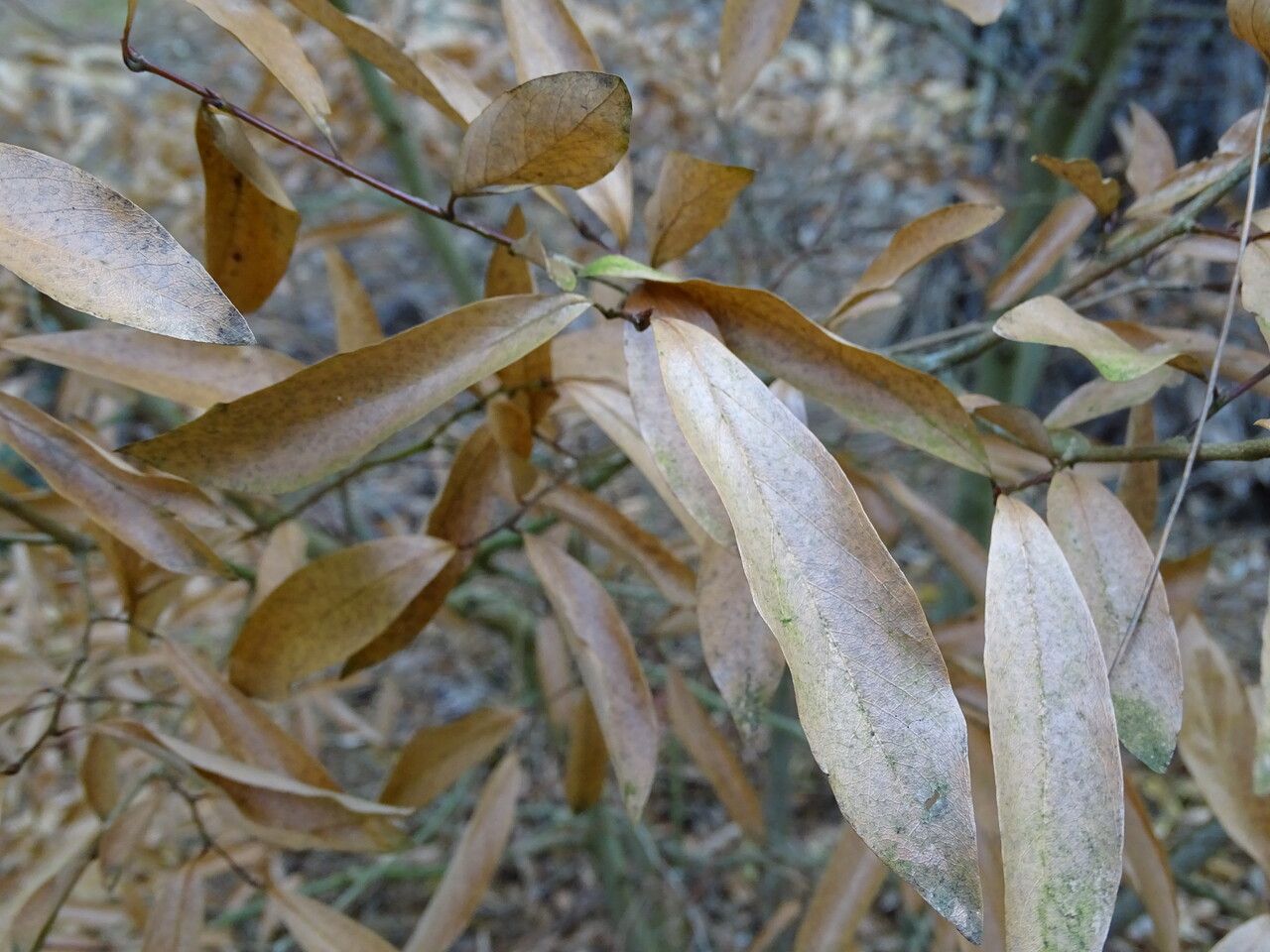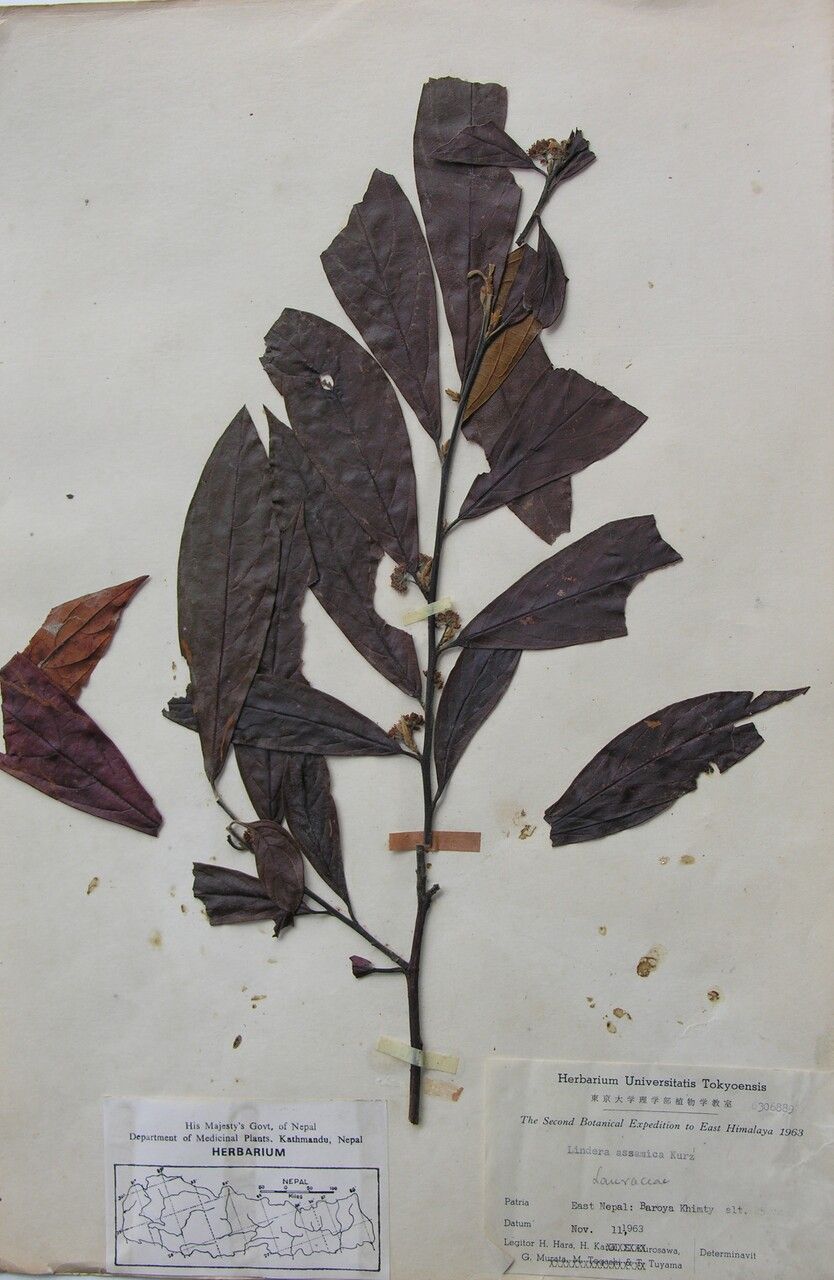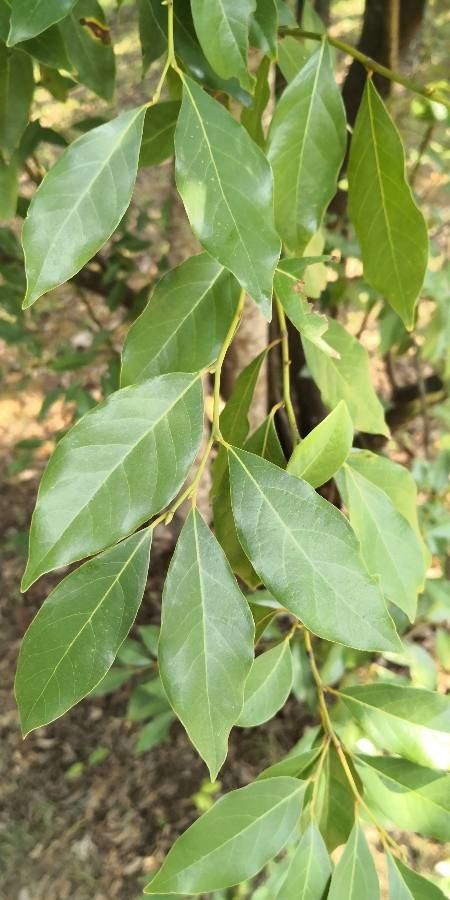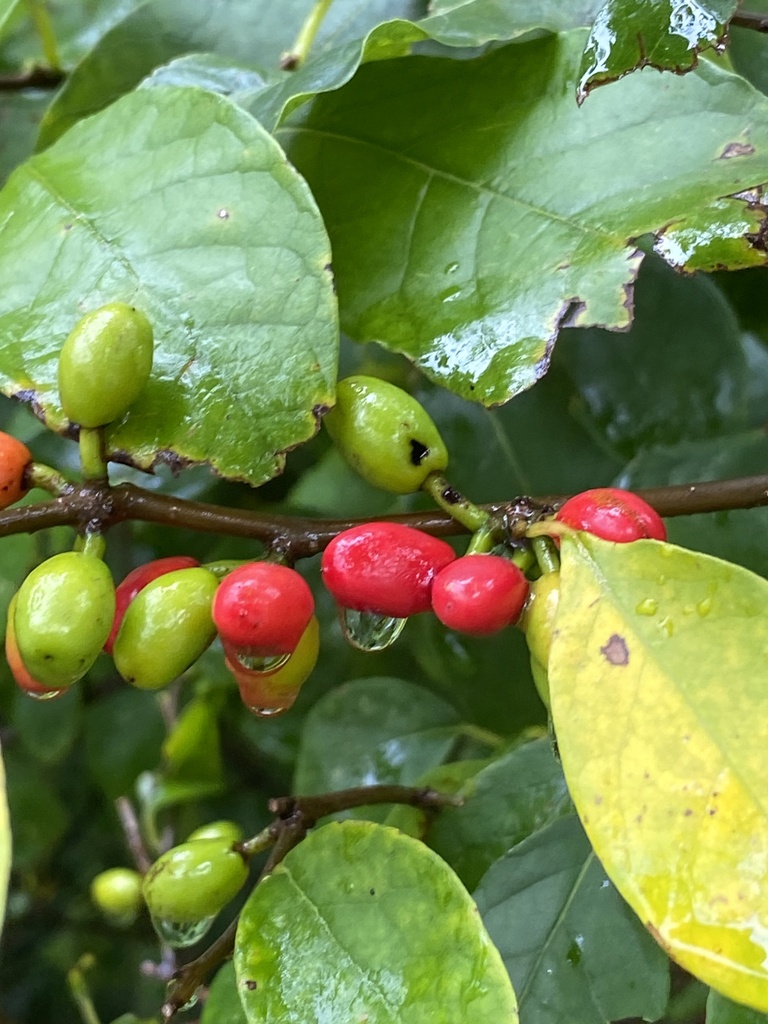
Lindera benzoin, commonly known as spicebush, is a deciduous shrub native to eastern North America. Typically growing to a height of 6-12 feet, it features a spreading habit. The leaves are alternate and simple, with an oval shape and smooth edges. In the spring, the plant produces small yellow-green flowers, which are followed by bright red berries in the fall.
Spicebush is an important plant for wildlife, providing food for birds and small mammals. Additionally, its leaves can be used to make tea or spice blends.
Beyond its ecological importance, Lindera benzoin has a history of use in traditional medicine for its anti-inflammatory properties. It contains compounds such as camphor and eucalyptol, which have been shown to possess analgesic effects.
Overall, Lindera benzoin is a valuable plant species with both ecological significance and potential medicinal uses.
Northern spicebush: In the fall, the leaves of the Northern spicebush transform into a vibrant, showy yellow. Both the leaves and stems emit a strong, aromatic scent when crushed, which is why the plant is commonly known as spicebush, and the specific epithet "benzoin" is used. As it is native to eastern North America, it is also referred to as the Northern spicebush.
Botanical profile.
- Plant Type
- Shrub
- Life Cycle
- Perennial
- Genus
- Lindera
- Family
- Lauraceae
- Hardiness Zone
- 4-9
- Mature Height
- 1.83 m to 3.66 m
- Mature Spread
- 1.83 m to 3.66 m
- Leaf Color
- Green, Yellow, Gold
- Leaf Type
- Deciduous
- Flower Color
- Yellow
- Flower Size
- 0.51 cm
- Bloom Time
- Spring
- Planting Time
- Summer, Autumn
- Harvest Time
- Mid summer, Late summer
- Native Area
- North America