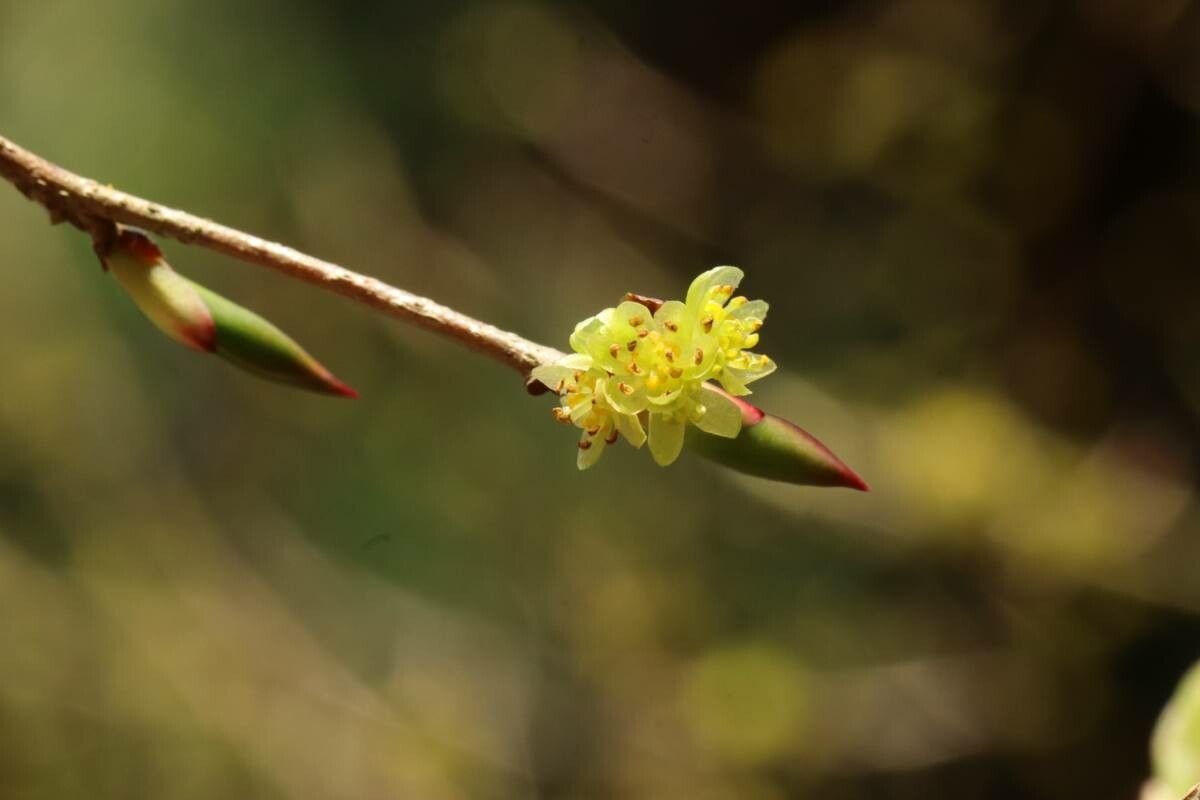
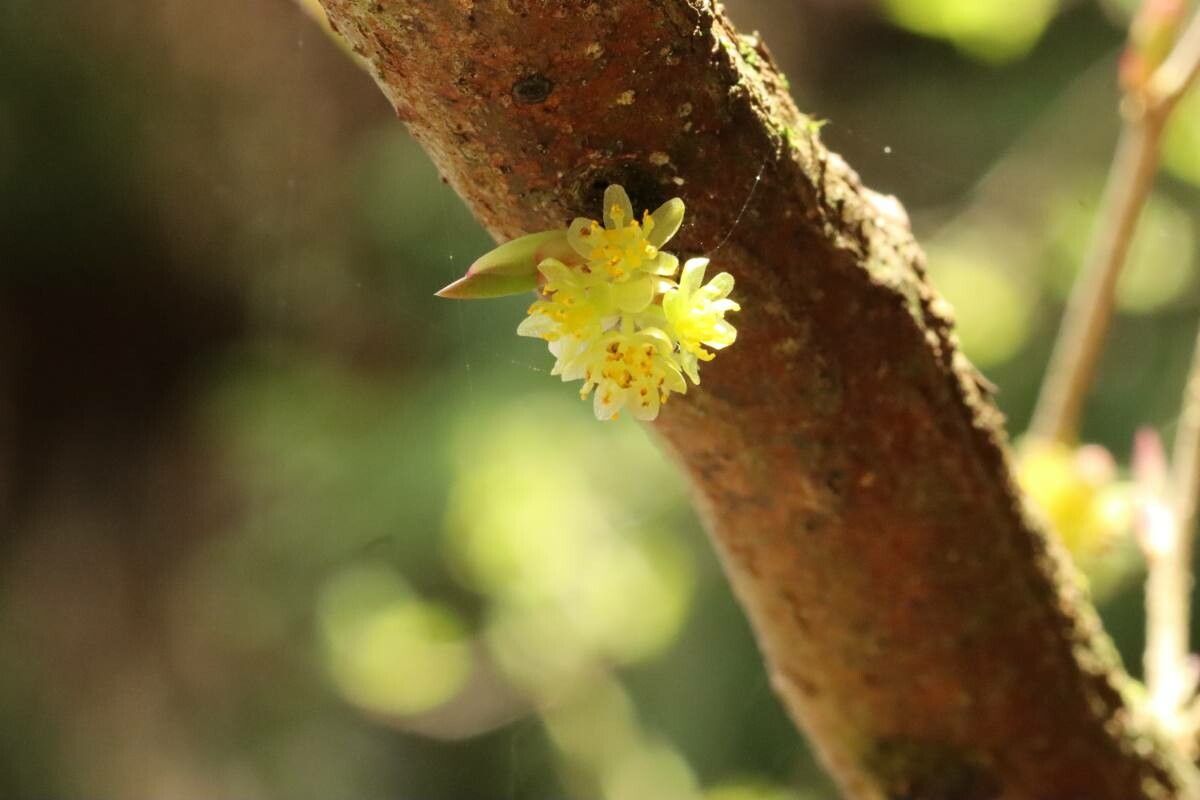
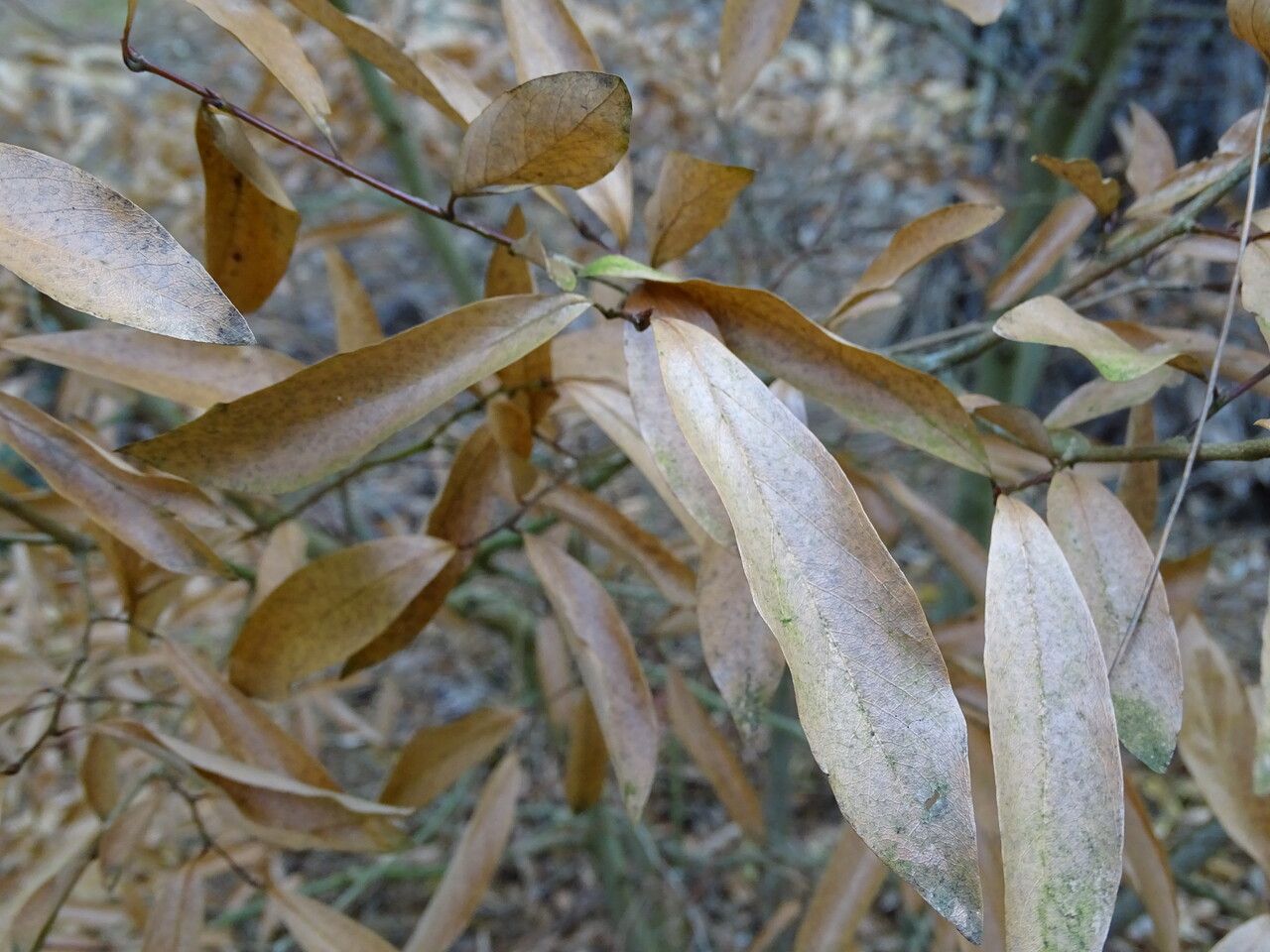
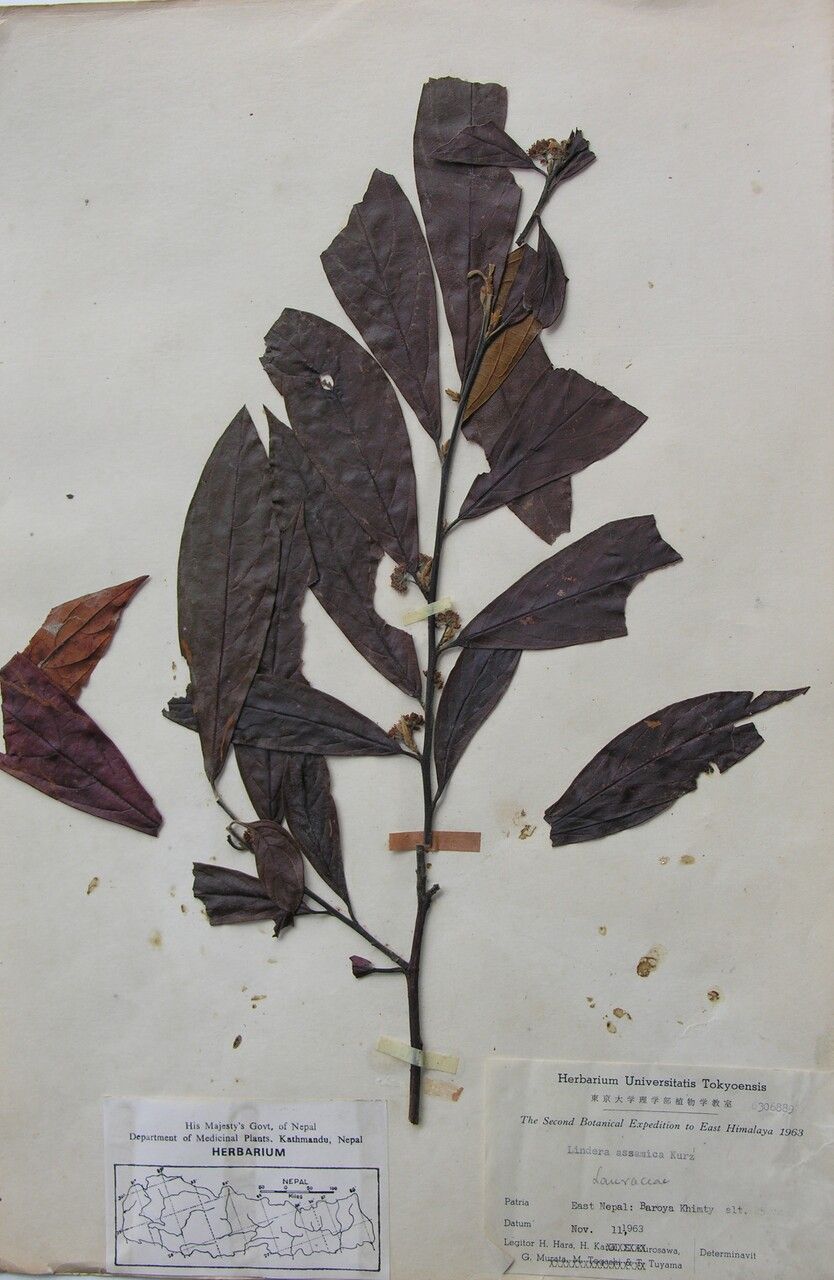
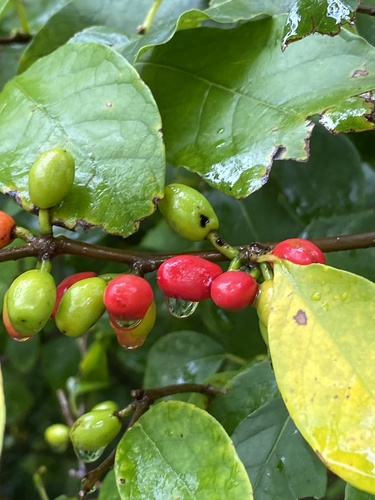
Lindera praecox, the February spicebush, is a species of flowering plant in the family Lauraceae, native to southern China, and Japan. A deciduous shrub typically 4.5 to 7.5 m tall, it is hardy to USDA Zone 8. In the wild it is found in thickets on the slopes of hills and mountains, and on the banks of streams and lakes. It is occasionally available from specialty nurseries.
Spice bush is quite resistant to disease and is generally not susceptible to illnesses. In terms of care, this plant is fairly low-maintenance. Planted outdoors, it needs minimal watering, and larger plants typically do not require pruning. Smaller plants, however, should be pruned after they finish blooming. Spice bush is suitable for anyone with outdoor space, such as a garden or deck, and does not demand extensive care experience.
How to keep Lindera Praecox.
Light
The spice bush prefers locations that offer moderate sunlight with some shade. It does well in these partial-light conditions. Too much sun can damage the plant, while too little can limit its growth and affect its overall health.
Water
Spice bush thrives in conditions of moderate humidity and requires consistently moist soil without becoming waterlogged. Water the plant every three weeks and apply mulch during the growing season to help retain moisture. This approach provides optimal hydration while minimizing the need for frequent irrigation.
Temperature
Spice bush shows strong adaptability to a range of climate conditions, from blazing summers to freezing winters. Still, it has a preferred temperature range for healthy growth. If temperatures climb too high, the plant can suffer from heat and humidity stress, which may lead to its death. In areas where temperatures reach the lower edge of its cold tolerance, using insulating measures to protect the plant is important.
Fertilizer
Proper timing is important for fertilizing Spice bush. Apply fertilizer in early spring and continue once a month until early summer. Fertilizer aids in producing attractive blooms and supplies energy during both dormant and active growth phases.
Pruning
Spice bush benefits from early spring pruning, which should focus on removing dead or crossing branches to improve airflow and sunlight exposure. Regular, light pruning helps shape an open growth habit, enhances flowering potential, and maintains the plant's health. This practice ensures that the spice bush remains a robust and attractive addition to the garden.
Botanical profile.
- Plant Type
- Shrub
- Life Cycle
- Perennial
- Genus
- Lindera
- Family
- Lauraceae
- Hardiness Zone
- 5-8
- Mature Height
- 3.96 m
- Mature Spread
- 4.57 m to 6.1 m
- Leaf Color
- Green, Dark Green
- Leaf Type
- Deciduous
- Flower Color
- Yellow, Green
- Flower Size
- 0.51 cm
- Bloom Time
- Late winter, Early spring
- Planting Time
- Spring, Autumn
- Harvest Time
- Late summer, Early fall, Mid fall
- Native Area
- Japan, China
Other names.