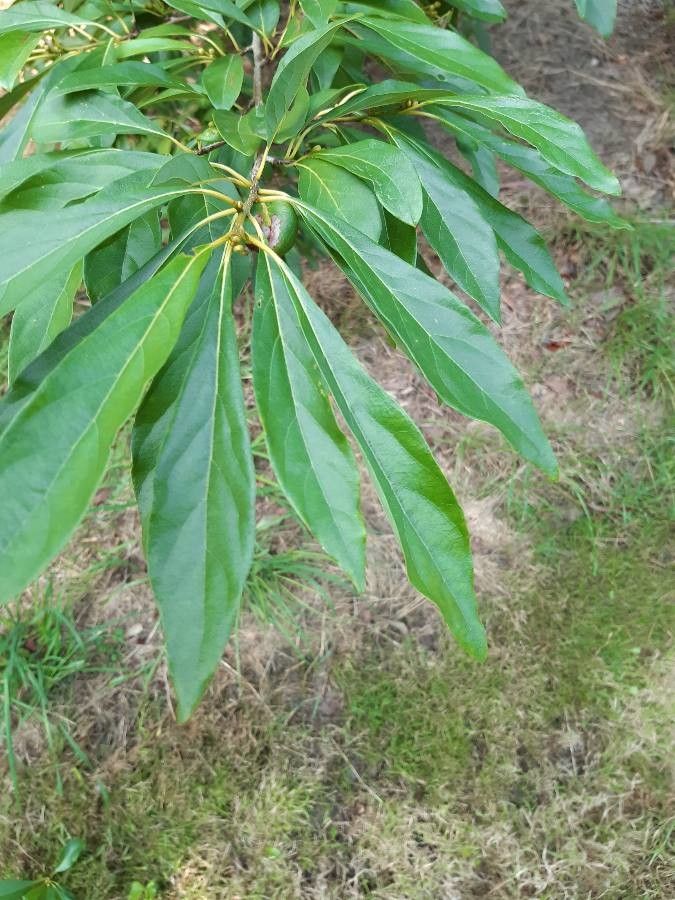
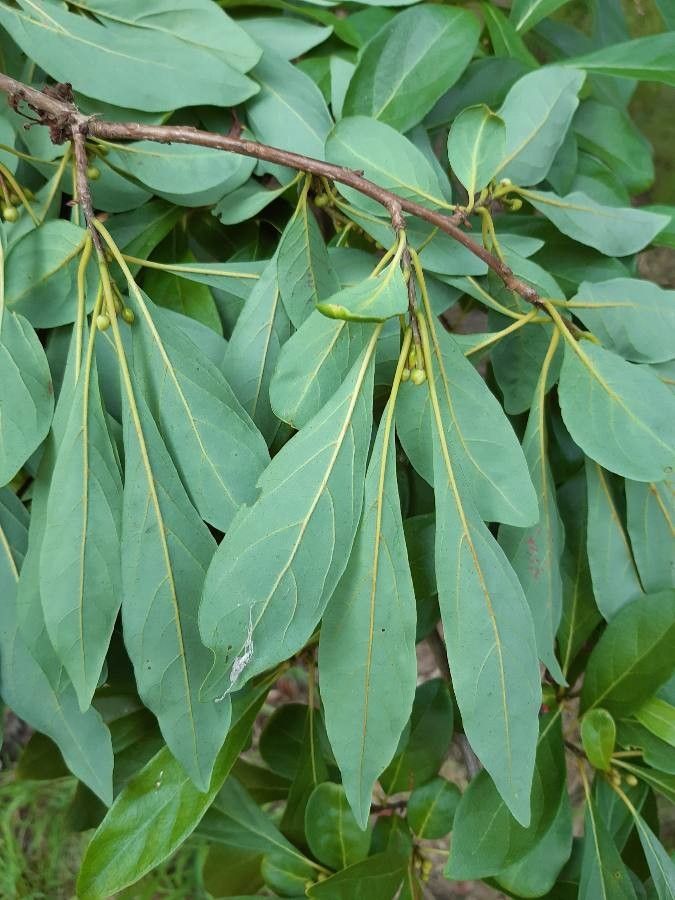
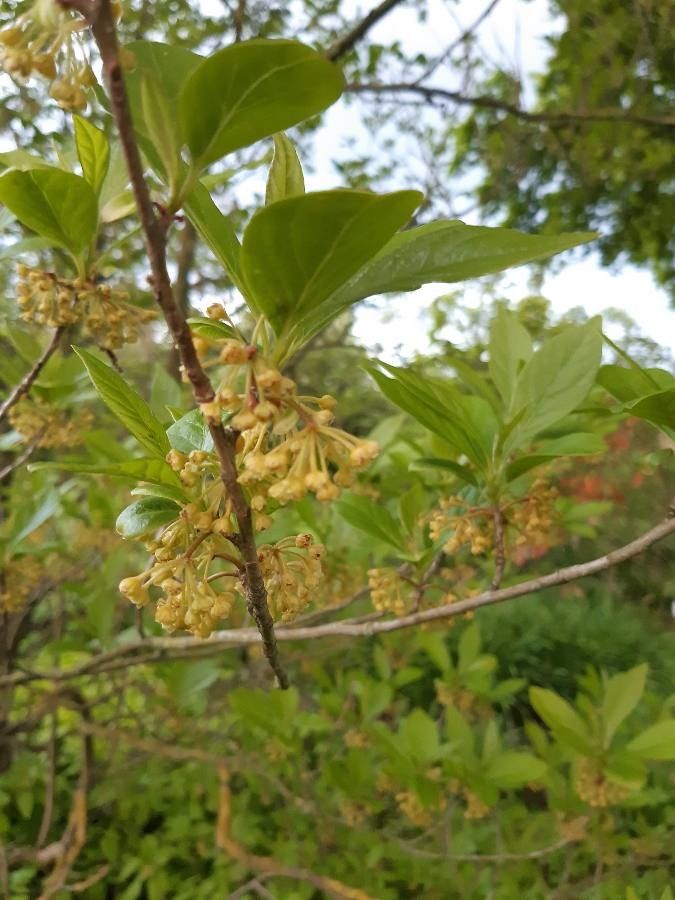
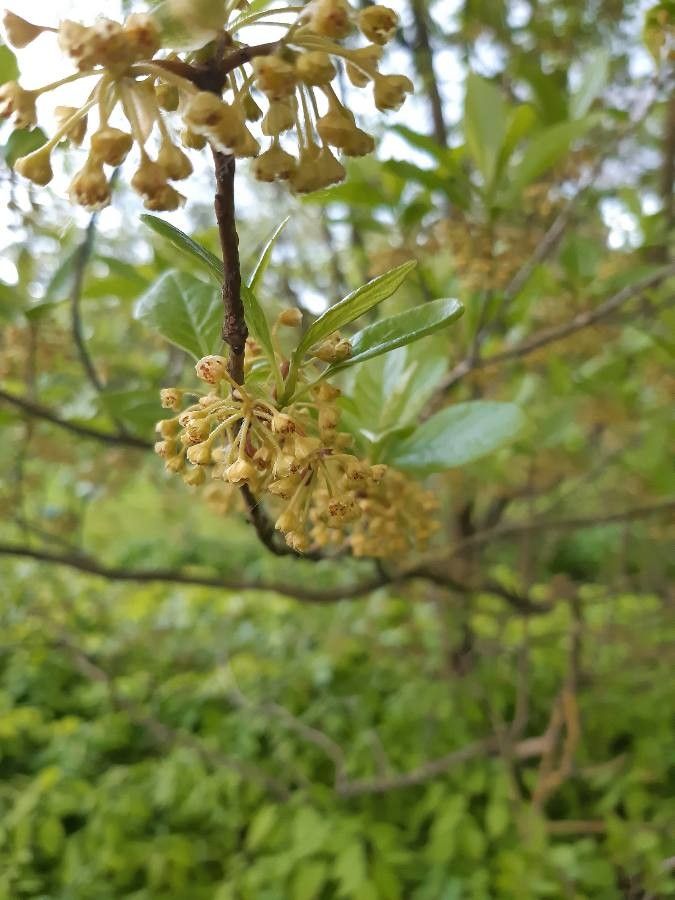
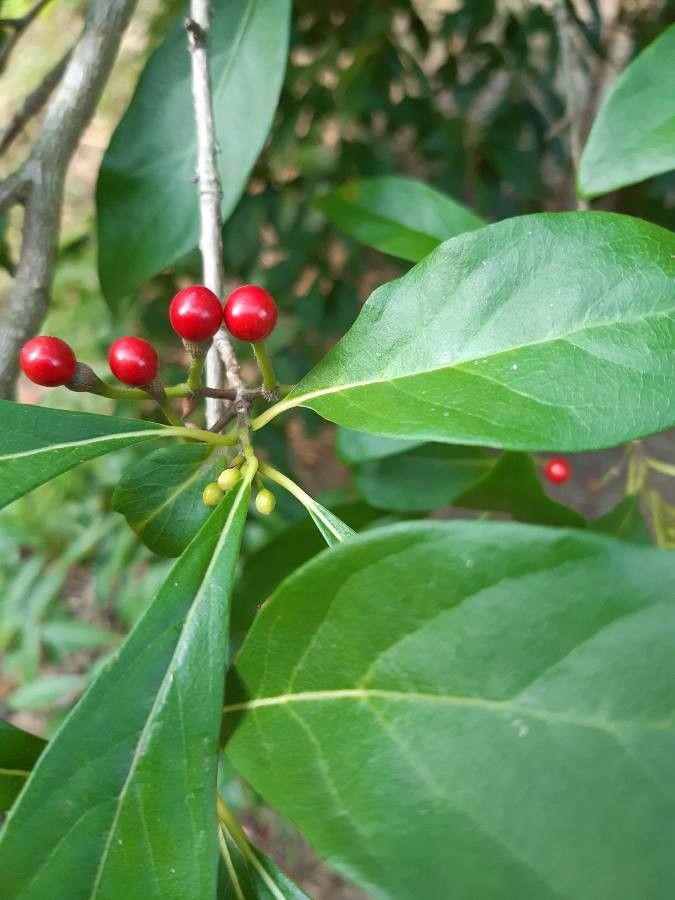
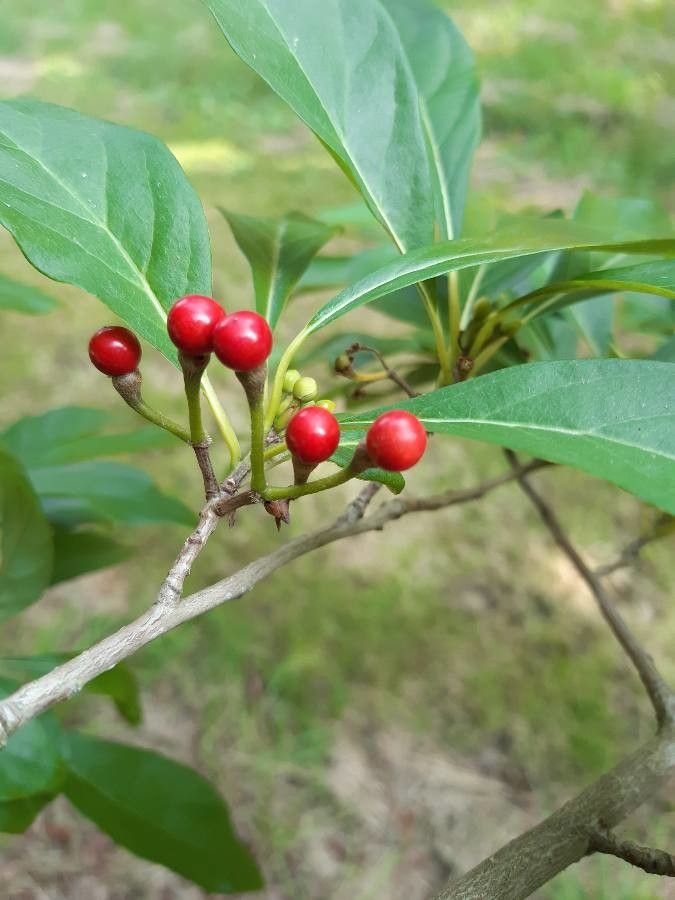
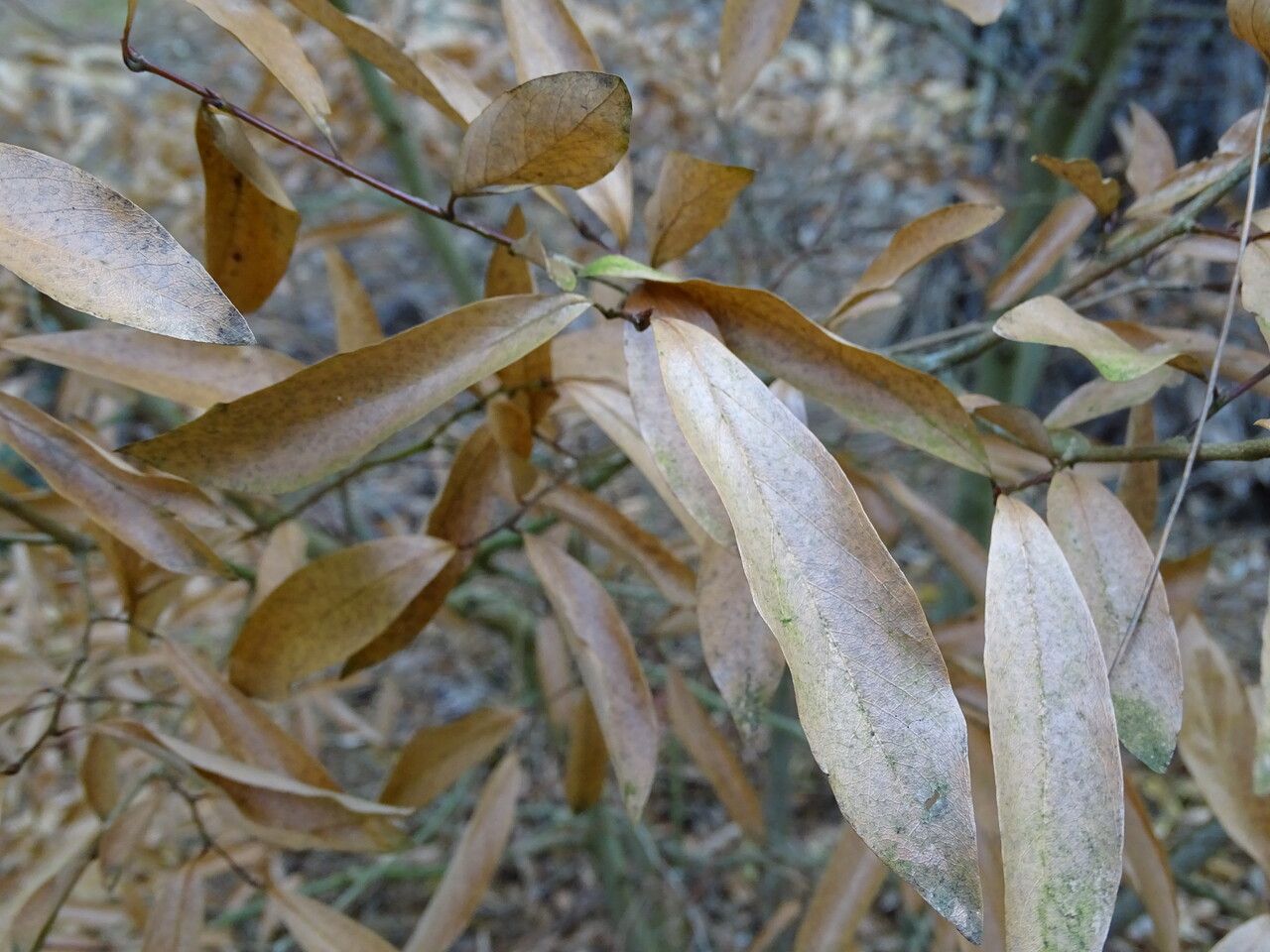
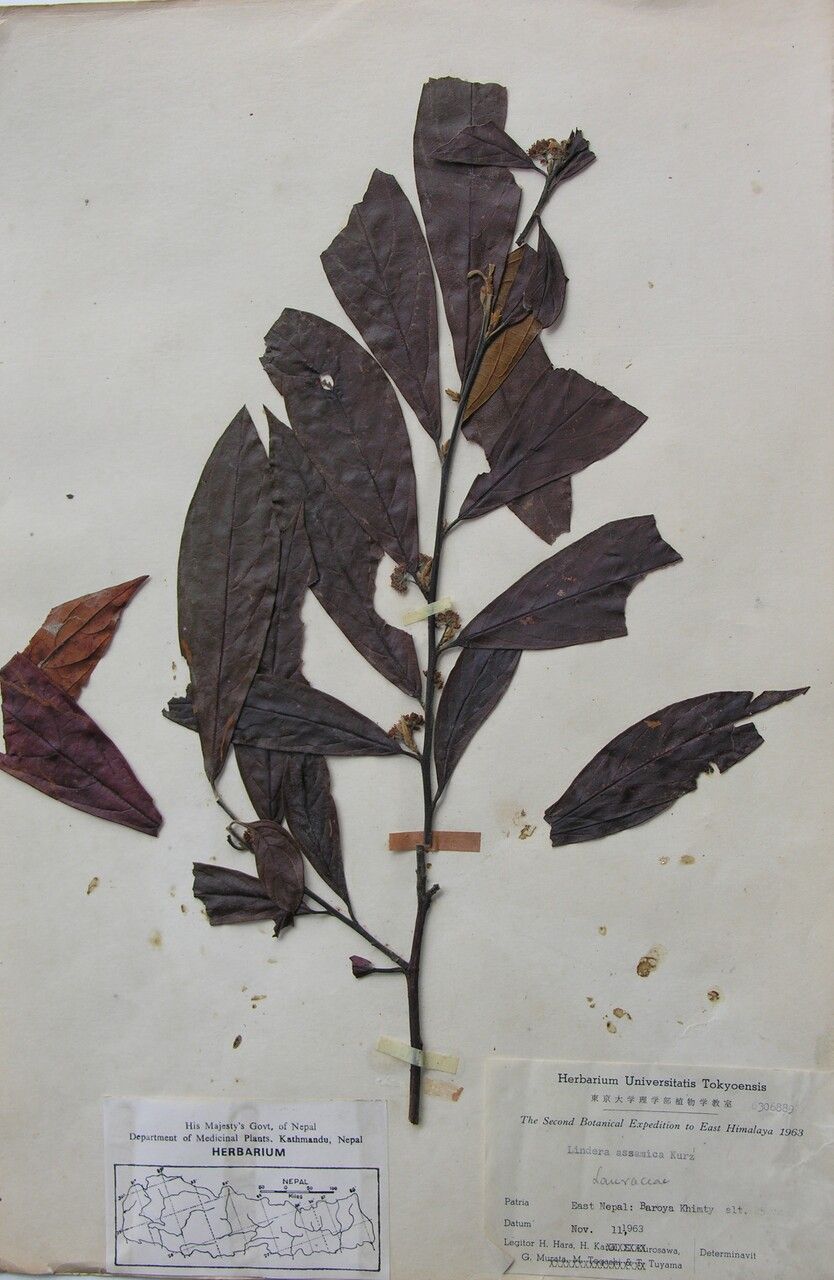
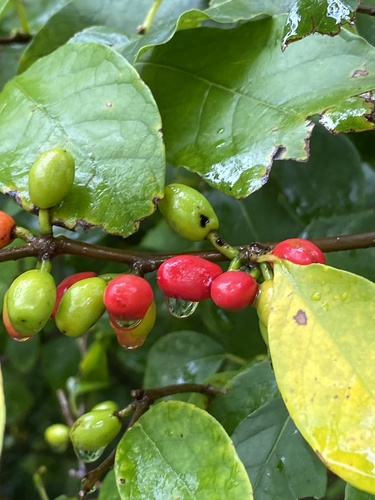
Spicebush resists disease well and is generally not susceptible to illnesses. Regarding care, this plant is relatively low-maintenance. When grown outdoors it needs only minimal watering, and larger specimens usually do not require pruning. Smaller plants, however, should be pruned after they have finished blooming. Spicebusht is suitable for anyone with an outdoor area, such as a garden or deck, and does not demand much prior care experience.
How to keep Lindera Erythrocarpa.
Light
Spicebush prefers locations with a mix of shade and light, though it also tolerates areas with abundant sunlight. Native to lightly dappled habitats, its growth can be stunted by insufficient light and it can be scorched by excessive light.
Water
Spicebush thrives in moist environments. It needs watering every three weeks, but once it is established, it becomes moderately drought-tolerant. When grown outdoors, it benefits from natural rainfall. Its water requirements change with the seasons, especially during periods of active growth, to maintain healthy foliage.
Temperature
Spicebush grows best when temperatures are between 50 and 90°F (10 to 32℃), a range that mirrors the climate of its native habitat. Seasonal adjustments to keep temperatures within this range year-round are highly recommended.
Fertilizer
The timing of fertilizing Spicebush is important. Apply fertilizer in early spring and continue once a month until early summer. Fertilizer encourages lovely blooms and supplies energy during both dormant and active growth phases.
Pruning
Spicebush is known for its aromatic leaves and bright red berry clusters. Pruning it in early spring can improve the plant's health by removing dead branches, shaping its growth, and enhancing air circulation. This process reduces the risk of disease and encourages flowering and berry production, helping the shrub thrive in your garden.
Botanical profile.
- Plant Type
- Tree, Shrub
- Life Cycle
- Perennial
- Genus
- Lindera
- Family
- Lauraceae
- Hardiness Zone
- 6-8
- Mature Height
- 4.88 m
- Mature Spread
- 1.83 m to 3.66 m
- Leaf Color
- Green
- Leaf Type
- Deciduous
- Flower Color
- Yellow, Green, Gold
- Flower Size
- 0.51 cm to 0.76 cm
- Bloom Time
- Early spring, Mid spring
- Planting Time
- Spring, Autumn
- Harvest Time
- Late summer, Early fall, Mid fall
- Native Area
- South Korea, Japan, China
Other names.
Reader questions.
How should I water my Spicebush?
To promote excellent root development, place a garden hose at the base of your plants. Avoid spraying the leaves directly, as they may need more water if they are outside in direct sunlight. You can also use bubblers to moisten the roots of each plant or use soaker hoses to cover the entire garden or bed. When adding or removing plants, use soaker hoses to help the roots go deeper. Make sure to drain excess water and allow the soil to dry before watering again. Water at ground level to prevent diseases. On sunny days, consider spraying the entire bush with water. Whether your plants are in pots or in the ground, remember that Spicebush prefers deep watering rather than light sprinkling.
Why is it necessary to fertilize my Spicebush?
To ensure your Spicebush thrives, it's important to fertilize regularly regardless of the variety you have. Providing proper nutrients promotes strong growth, enhances resilience against difficult growing conditions, and improves the plant's ability to fight diseases and pests. Since the foliage of your Spicebush is a standout feature, it's crucial to maintain its integrity. A regular fertilization schedule tailored to your specific Spicebush will result in vibrant-colored leaves and an overall lush appearance.
How much sunlight does Spicebush require to grow?
To ensure the optimal conditions for Spicebush to thrive, it needs approximately 3-6 hours of direct sunlight daily. However, during the hottest parts of the day, it's essential to provide some shade to prevent sun damage. The most ideal sunlight for Spicebush is in the morning, but it can tolerate some afternoon sun as long as the temperature is not excessive. To achieve the perfect balance, consider planting Spicebush in an area with partial sun, such as under a tree or on the east side of a building.
Do I need to change the temperature for Spicebush as it goes through different growth stages?
Research has shown that when the temperatures rise for extended periods, particularly during the development of axillary buds and the growth of main shoots, Spicebush will start to show signs of stunted growth. To promote strong growth after germination or transplanting, it is advisable to maintain consistent cooler temperatures, around 65℉(18℃).
What do you do if you give Spicebush too much or too little water?
If a Spicebush is overwatered, it may have yellow leaves, leaf drop, and wilting. The plant may also look unhealthy with mushy stems. When these signs appear, adjust your watering schedule as needed. Wilting can also indicate under watering, in which case leaves may become crispy and dry. If the soil is dry and watering alone is not sufficient, give the plant a thorough watering. Although enough water will help the Spicebush recover, it may still have dry, yellow leaves for a few days due to root damage. Once it returns to normal, the yellowing leaves will stop. When keeping a Spicebush indoors, always check the moisture levels in the pot and avoid overwatering. Look out for black spots, and if present, allow the soil to dry out by withholding water for a few days. Overwatering can lead to root rot, so if you see discolored and slimy roots, consider transferring the plant to a different pot. Preventing root rot is important, so avoid excessively soggy soil. When planting a Spicebush outdoors, dig deeper and use your fingers to check the soil moisture. If it feels too dry, it may indicate under watering. Provide adequate watering to help the plant recover.
When should I fertilize my Spicebush for the best results?
To care for your Spicebush, the first round of fertilization should be done in late winter or early spring. This will provide the necessary nutrients for healthy growth as the weather warms up. Additionally, in warmer climate regions, it is beneficial to apply another round of fertilizer in early fall. This will not only provide nutrients for the following growing season but also make the Spicebush more resilient to winter cold. By fertilizing early, the new branches will have enough time to grow and withstand the cold winter.
What will happen if Spicebush doesn't receive enough sunlight?
Spicebush plants can experience issues if they receive excessive direct sunlight. This can result in yellowing, drying out, or even burning of the leaves. Additionally, you may observe that the plant becomes wilted or stunted. To protect Spicebush from sun damage, it's important to provide some shade during the hottest times of the day. This can be achieved by using a shade cloth or planting near taller plants that offer natural shade.
What will happen to Spicebush if the temperature is too high/low?
Spicebush is more likely to be harmed if the temperature consistently becomes too high rather than too low. When Spicebush is exposed to excessive heat, it experiences reduced seed germination and photosynthesis efficiency. This is caused by hormonal changes triggered by heat stress. The plant will display signs of distress such as wilting, leaf browning, and even potential death. On the other hand, if Spicebush is subjected to extreme cold, its functions such as nutrient uptake and photosynthesis will halt, potentially leading to the plant's demise. If a single freezing event occurs during the growing season, there is a risk of a membrane phase transition taking place, which could also cause a halt in plant functions and result in the plant's death.
How frequently do I need to water my Spicebush?
The Spicebush prefers deep and infrequent watering. When planted in pots, it's important to soak them in a gallon of water each time, as the limited water storage in pots can cause the soil to dry out quickly. In colder regions, watering every 3 to 5 days is necessary. Watering in the early morning is best, both indoors and outdoors, when the soil is dry. To determine if watering is needed, check the soil - if the top 2-3 inches are dry, it's time to water thoroughly. On hot days, check the moisture daily as the heat can rapidly dry out the soil in the pot. If you have a garden, irrigation of the soil is necessary. In hot climates, watering once a week is sufficient. Only water the plants when about 2 to 3 inches of soil become too dry, whether indoors or outdoors. Take into account the amount of rainwater the plant receives to avoid overwatering and root rot. If there is ample rainfall, additional watering may not be necessary. Spicebush typically grows during spring and fall. When outdoors, adding a 3 to 4 inch deep layer of mulch will help conserve water. Sandy soil requires more frequent watering, as it tends to drain quickly. On the other hand, clay soil requires less frequent watering to allow the plant to dry out for 2-3 days and prevent root rot. It may be helpful to mark the calendar for watering dates and keep an eye on the leaves - if they start to droop, it may indicate a need for watering.
When is it best to not fertilize my Spicebush?
To ensure the health of your Spicebush, it's important to know when not to fertilize. One key period is during the winter months when the plant is dormant and doesn't require feeding. Additionally, it's advisable to avoid fertilizing in late spring and summer when the weather tends to be hotter and drier. These conditions can negatively impact the Spicebush's response to fertilization. To prevent any issues, it's recommended to stick to a fertilization schedule that focuses on early spring and early fall for feeding.
What happens if Spicebush gets too much sunlight?
If Spicebush doesn't receive adequate sunlight, it may become tall and thin, with few leaves. The leaves may also change color to yellow or pale green, which indicates that the plant is not producing enough chlorophyll due to lack of sunlight. To fix this issue, you can try relocating the Spicebush to a sunnier location or trim away surrounding foliage to allow more light to reach the plant.
How can I make sure Spicebush has the right temperature?
To ensure proper temperature conditions, it is recommended to plant Spicebush in an area with partial shade. Ideally, choose a spot with afternoon shade as it offers the greatest protection during the hottest part of the day. Additionally, this will help lower soil temperatures by retaining more moisture. If you decide to plant Spicebush indoors, make sure to keep the container away from windows and direct sunlight during the summer months to prevent excessive spikes in soil temperature.