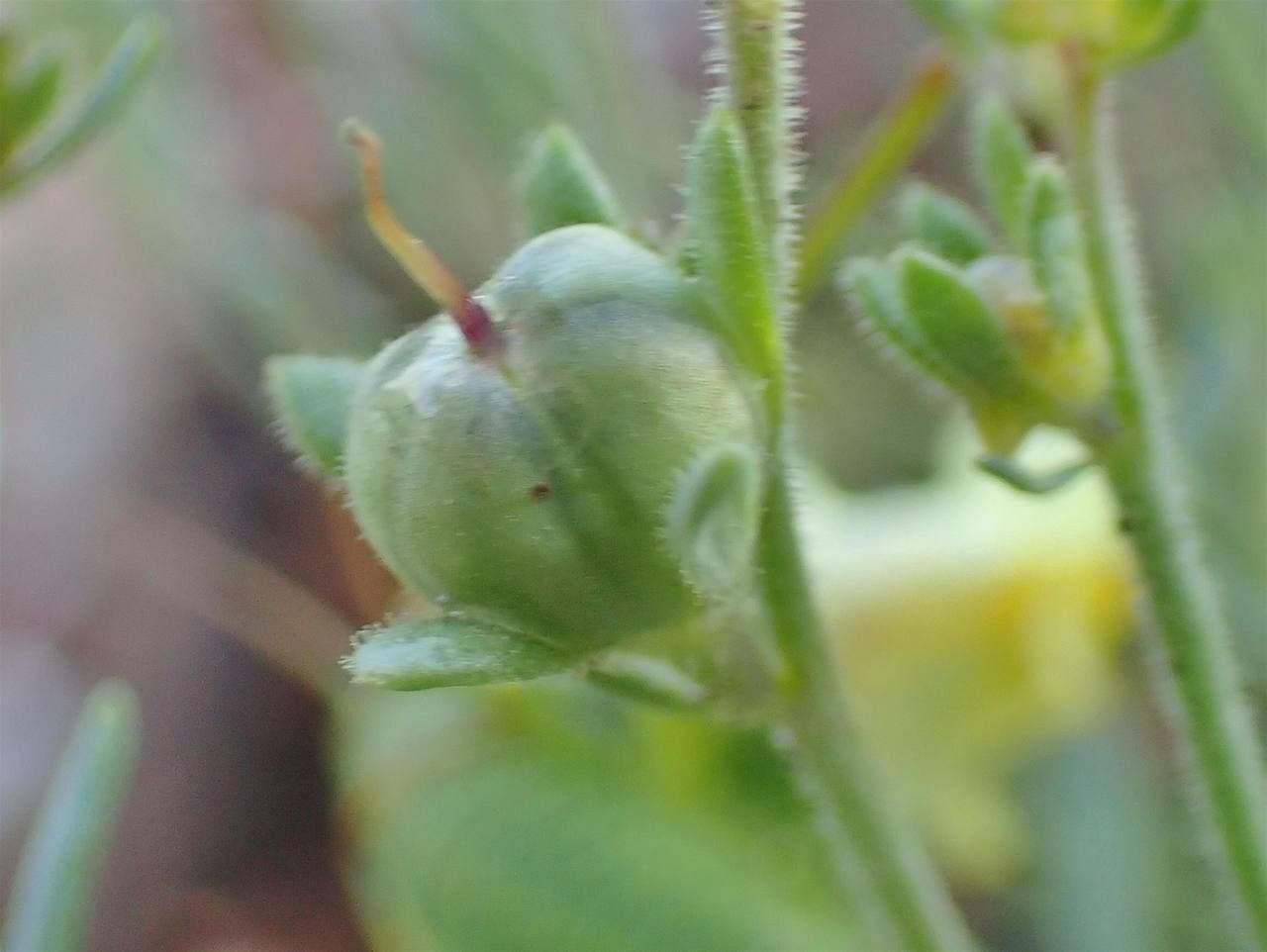
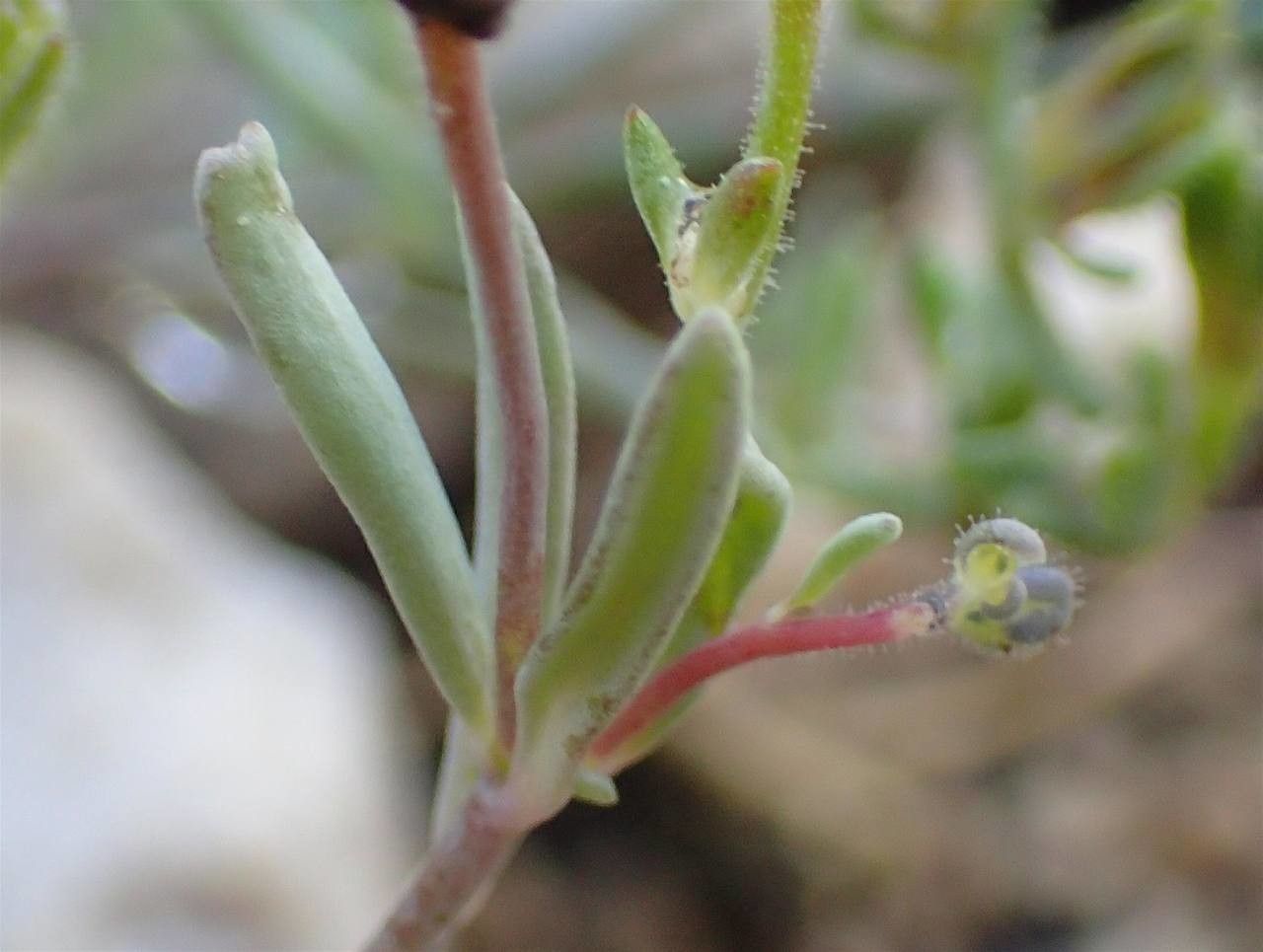
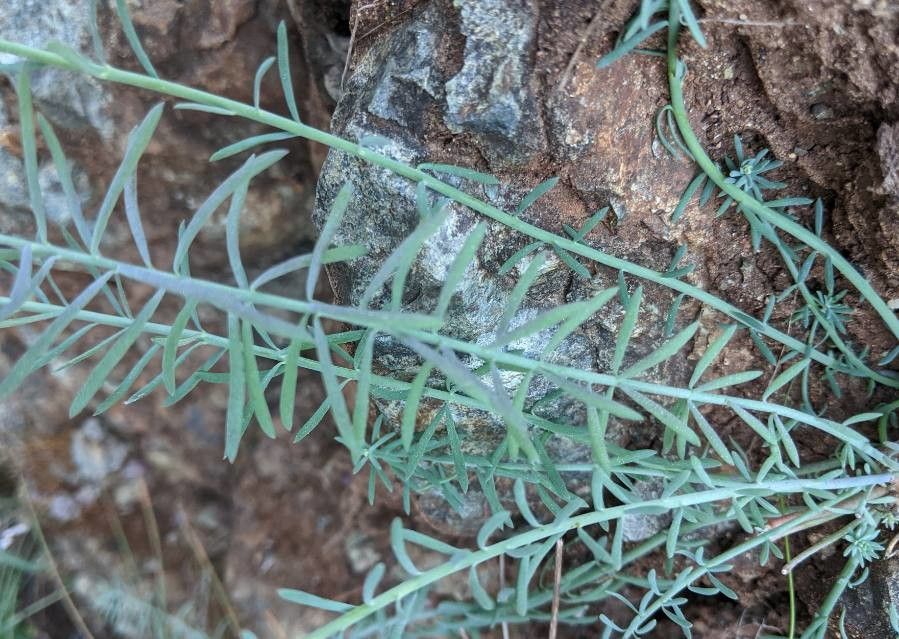
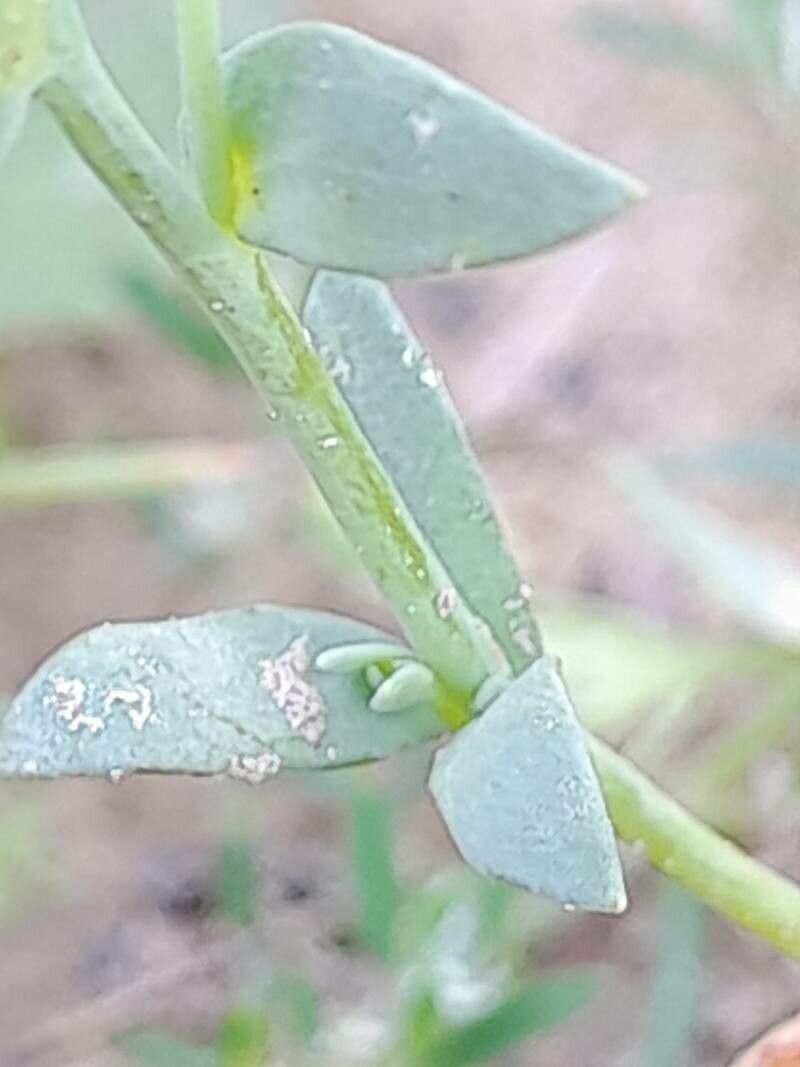
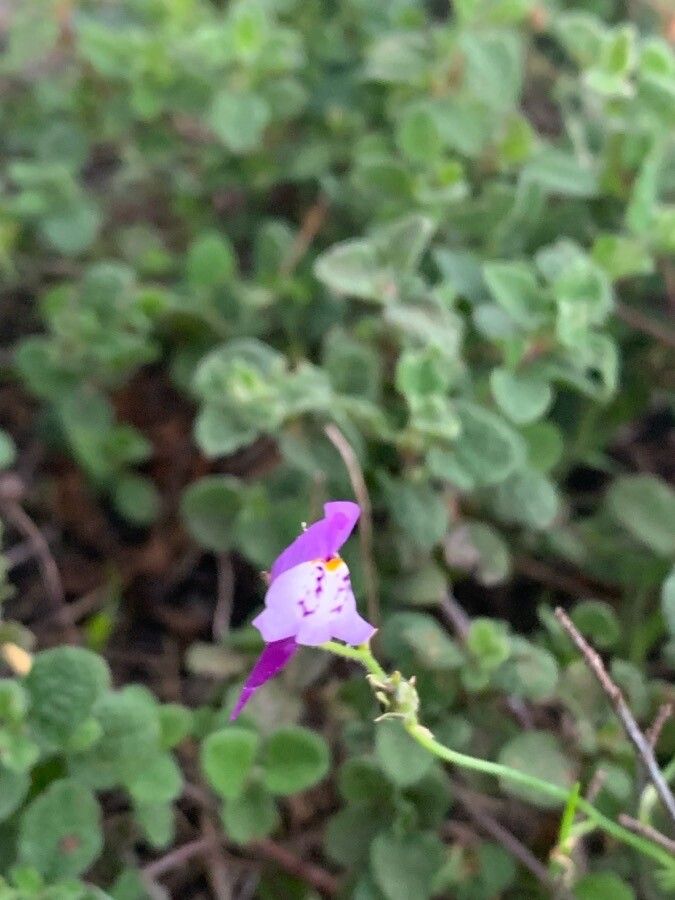
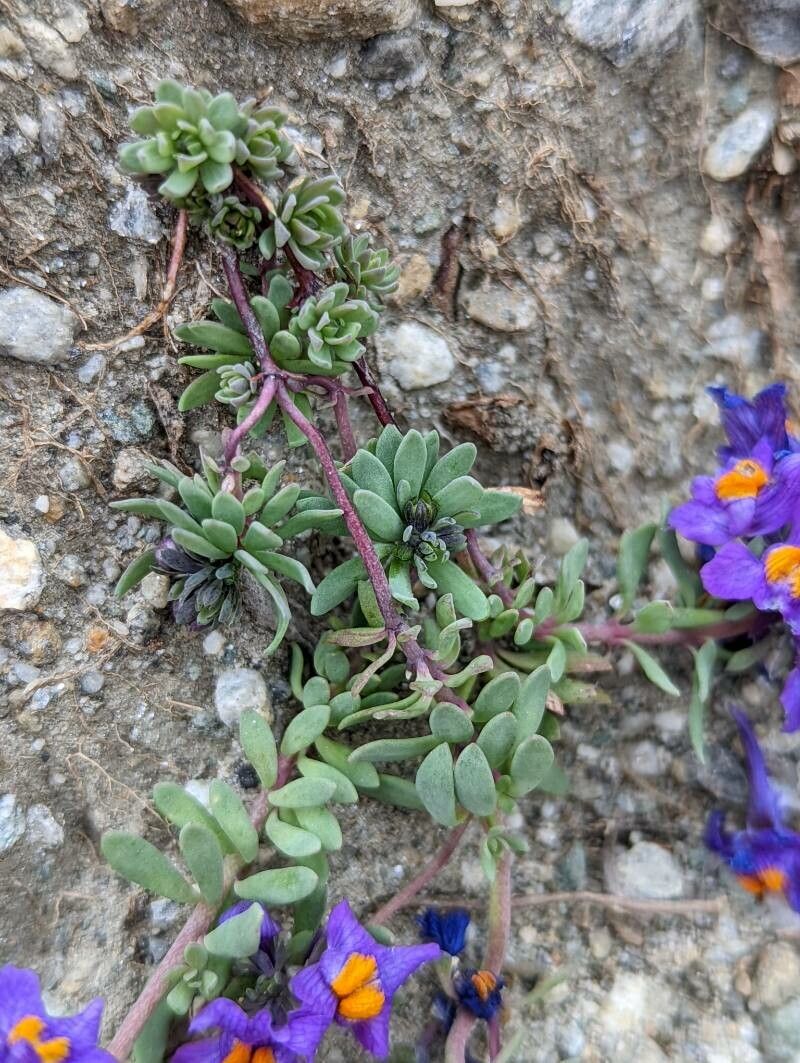
Linaria supina, commonly known as trailing toadflax, is a low-growing perennial plant that belongs to the Plantaginaceae family. Native to Europe and Asia, this plant has also been introduced in other regions around the world as an ornamental species. With its trailing habit, Linaria supina can grow up to 30 cm in height and spread up to 60 cm.
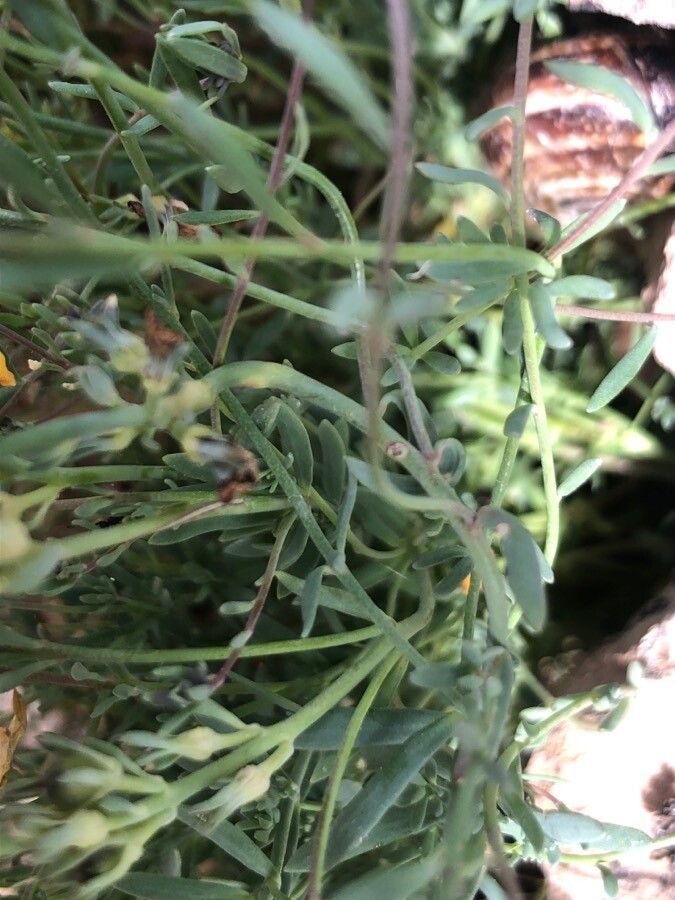
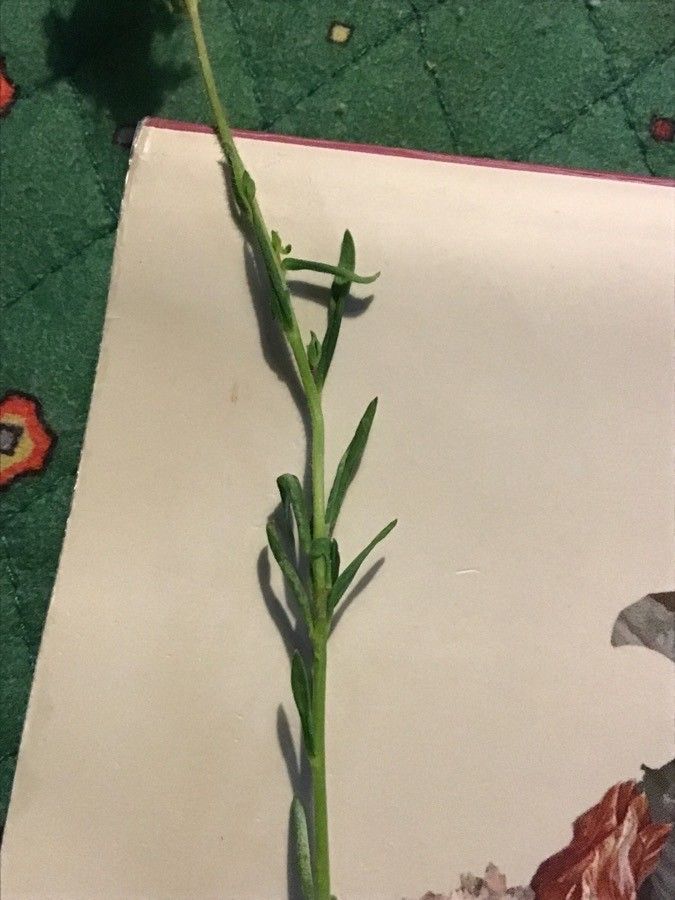
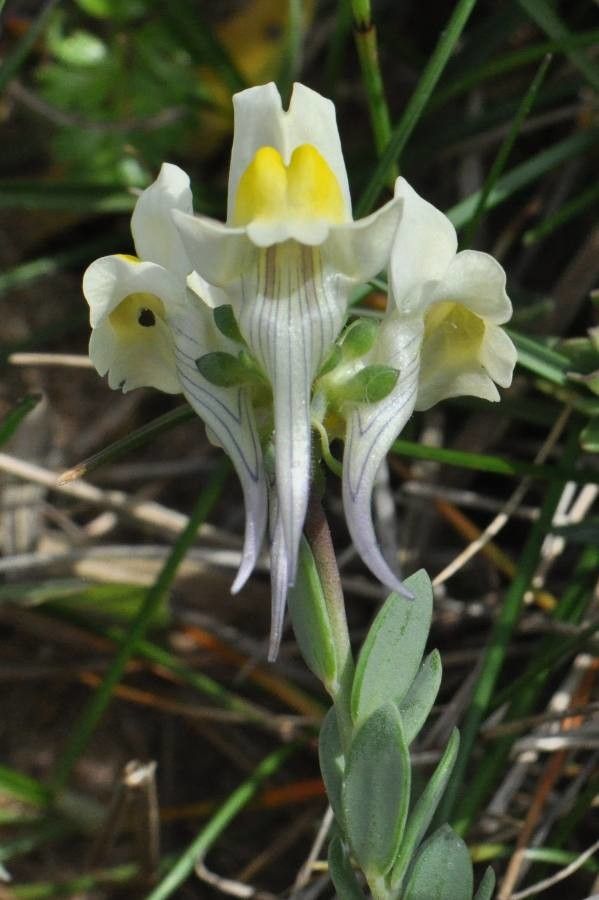
The leaves of Linaria supina are small, narrow, and lance-shaped with a bluish-green hue. Its numerous, small flowers are arranged in clusters along the stems. These flowers have five petals fused at the base, forming an elongated, tube-like structure with two lips at the top.
The blossoms come in various shades of purple-blue or pinkish-purple and bloom from late spring through summer, attracting bees and butterflies for pollination.
Linaria supina prefers well-drained, moderately fertile soils, but it can also tolerate poor soils. It thrives best in full sun but can grow under partial shade conditions as well.
Trailing toadflax is often used for ground cover or in rock gardens due to its low-growing habit, making it ideal for covering bare ground or slopes where other plants may struggle because of soil erosion.
Overall, Linaria supina is an attractive perennial plant that adds beauty wherever it grows. It also offers ecological benefits by attracting pollinators, thus helping to maintain biodiversity through cross-pollination among different plant species in the garden or landscape.
Lesser butter and eggs has strong disease resistance and is generally not prone to disease. However, it can be vulnerable to pests and illnesses present in its environment; these infections are usually mild. In terms of care, this plant requires medium maintenance. It should be pruned regularly to maintain a neat appearance and promote healthy growth. Fertilizing can also help encourage flowering. Lesser butter and eggs is suitable for anyone with outdoor space, such as a garden or patio, and does not demand extensive care experience. It may need more attention when grown indoors.
How to keep Linaria Supina.
Light
Lesser butter and eggs comes from bright, open habitats where it thrives in full sun. It can tolerate partial sun but favors direct sunlight for optimal growth. This annual or biennial plant is known for its sun-loving nature.
Water
Originating from dry habitats, lesser butter and eggs is well-adapted to conserving water and thrives in arid conditions. Once established, the plant becomes drought-tolerant. For optimal growth, it is recommended to water it weekly. It prefers well-draining soils and benefits from rainwater, which enhances the nutrient balance in the soil.
Temperature
Lesser butter and eggs can tolerate a wide range of temperatures, but its distribution may still be restricted by various combinations of moisture and heat. It grows best in warm summer climates with sufficient rainfall or watering. Extended periods of cloudy, rainy weather or sustained high temperatures can raise the chance of Lesser butter and eggs dying. In winter, adequate protection from cold can increase the plant's survival.
Fertilizer
When Lesser butter and eggs has opened most of its blooms to full size, resume fertilizing. Around the time the blooms reach peak output, apply fertilizer every three to four weeks, as weather allows. Then, once Lesser butter and eggs begins to produce fewer new blooms, stop fertilizing; there's no need to feed the plant when it can’t produce any more flowers.
Pruning
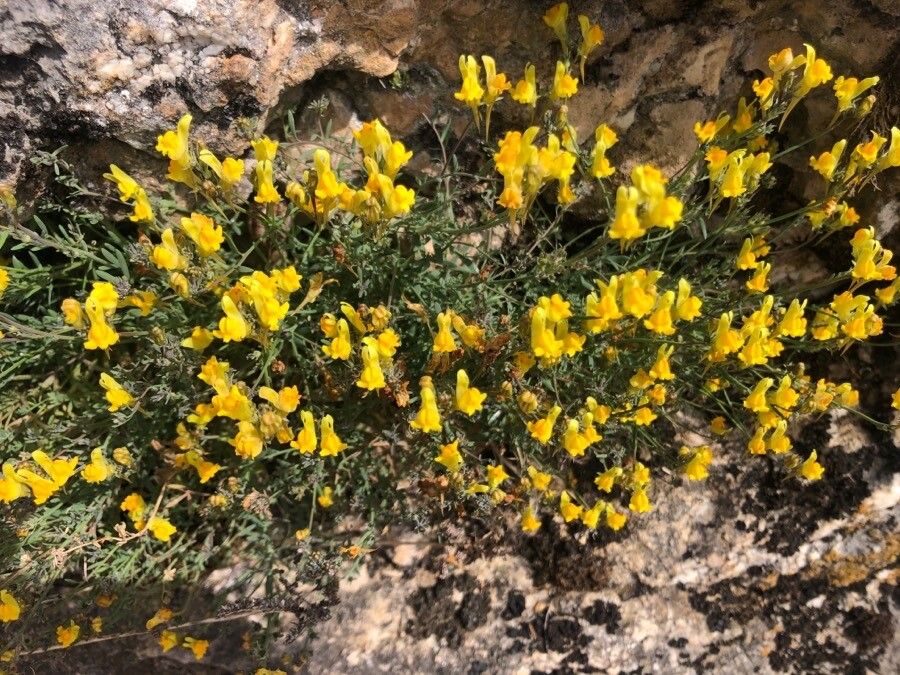
The Lesser Butter and Eggs plant showcases vibrant yellow flowers on slender stems. For optimal blooming, prune the plant from early to late spring. This will help remove dead stems and trim leggy growth, encouraging a fuller appearance. Regular pruning also improves air circulation, reduces the risk of fungal infections, and stimulates new growth, resulting in a healthy and robust display.
Botanical profile.
- Plant Type
- Herb
- Life Cycle
- Annual
- Genus
- Linaria
- Family
- Plantaginaceae
- Hardiness Zone
- 5-9
- Mature Height
- 20 cm to 25 cm
- Mature Spread
- 15 cm to 25 cm
- Leaf Color
- Green, Light Green
- Leaf Type
- Semi-evergreen
- Flower Color
- Yellow
- Flower Size
- 2.54 cm
- Bloom Time
- Mid spring, Late spring, Summer, Early fall
- Planting Time
- Spring, Summer, Autumn
- Harvest Time
- Summer, Fall
Other names.
Reader questions.
How should I water my Lesser butter and eggs plant?
To water Lesser butter and eggs, you have several options including using a garden hose with a spray nozzle or a watering can. This plant is not particular about the type of water it receives and can survive on rainwater, tap water, or filtered water. Avoid watering from above as it can harm the leaves and flowers and cause diseases. A drip irrigation system is often the best method for watering as it delivers water evenly and directly to the soil. If you have a container-grown Lesser butter and eggs, you can use a cup, watering can, or your tap to water the soil directly.
What are the sunlight requirements for Lesser butter and eggs?
Lesser butter and eggs thrives best in environments where it can receive full sun, which is above 6 hours of sunlight a day. It can also tolerate partial sun, amounting to about 3-6 hours of sunlight. It’s important to observe how sunlight moves through your garden to find spots that offer the right balance of light and shade, ensuring the plants' optimal growth and happiness.
What is Lesser butter and eggs?
Lesser butter and eggs, known botanically as Linaria supina, is a plant species. However, specific details about its characteristics, uses, or any related essential information weren't provided in the data.
What do I need to do if I give my Lesser butter and eggs too much or too little water?
If you notice that your Lesser butter and eggs plant lacks moisture, the remedy is simple: water it regularly. Overwatering can be a more serious problem, as it can cause diseases and ultimately the decline and death of the plant. To prevent this, choose a growing location that receives plenty of sunlight to help dry the soil and has good drainage to avoid waterlogged soils. If your potted Lesser butter and eggs is overwatered, consider transferring it to a new pot with better drainage and loose soil.
How can artificial lighting be used for Lesser butter and eggs?
Artificial lighting becomes crucial for the growth of Lesser butter and eggs, especially indoors, when natural sunlight is insufficient, such as during winter or in less sunny locations. LEDs are recommended due to their customization to specific plant needs, with full sun plants requiring 30-50W/sq ft, partial sun plants 20-30W/sq ft, and full shade plants 10-20W/sq ft. The light should be placed 12-36 inches above the plant, mimicking natural daylight hours, which most plants need for 8-12 hours per day.
How often do I need to water my Lesser butter and eggs plant?
Lesser butter and eggs, a plant that requires regular watering throughout the growing season, has specific watering guidelines to follow. In spring, it is recommended to water the plant once per week. However, as the season progresses and the weather gets warmer, you may need to increase the watering frequency to two to three times per week. It is important not to exceed this rate as it can harm the plant. Regardless of how often you water, it is crucial to ensure that the soil remains consistently moist but not overly wet. When watering Lesser butter and eggs in a pot, the process differs slightly. Potted plants require more frequent watering as the soil in the container can heat up and dry out faster. Typically, it is advised to water container-grown Lesser butter and eggs a few times per week, compared to just once per week for plants grown in the ground.
What are the common symptoms of inadequate light for Lesser butter and eggs?
When Lesser butter and eggs is grown indoors with insufficient light, it may show several symptoms: smaller new leaves, leggy or sparse growth, faster leaf drop, slower or halted growth, lighter-colored or chlorotic leaves, sunscald, leaf curling, wilting, and leaf scorching. These symptoms indicate the plant's struggle with inadequate sunlight, affecting its health and growth.
How much water does my plant called Lesser butter and eggs need?
Determining how much water to give your Lesser butter and eggs can be approached in a few different ways. Some gardeners prefer to rely on the feel of the soil for moisture. This method suggests watering until the top six inches of soil feel moist. Another option is using a set measurement. Typically, about two gallons of water per week is recommended, adjusting based on temperature and soil dryness. However, following strict guidelines may result in overwatering if your plant needs less. If growing in a container, a different approach is needed. It's advised to water enough to moisten all dry layers of soil, which can be tested by sticking your finger in. Additionally, you can water the soil until you see a slight trickle of excess water draining from the pot.
What solutions can help improve light conditions for Lesser butter and eggs?
To improve light conditions for Lesser butter and eggs, gradually move the plant to sunnier spots, ensuring it receives at least 6 hours of direct sunlight daily. For indoor plants, consider using artificial lights if repositioning isn't feasible. Outdoor plants should be moved gradually to avoid shock. Additionally, for plants in the ground, reducing obstructions like pruning trees or transplanting to sunnier locations can help. It's crucial to remember that parts of the plant already affected may not recover, but new growth will be healthy with improved light conditions.
How do I know if I'm giving enough water to my Lesser butter and eggs plant?
Taking care of your Lesser butter and eggs can be tricky when it comes to watering. These plants have deep roots, so it's important to keep the soil moist by watering weekly. However, these plants are highly vulnerable to root rot and browning if overwatered. Unlike underwatering, which is less common, Lesser butter and eggs can survive for a while without additional watering. But be cautious as a prolonged period without water can lead to wilting and dry leaves.
How do I water my Lesser butter and eggs depending on the time of year?
As the seasons change, the water needs of your Lesser butter and eggs plant will also change. In the spring, you should water it about once per week. However, as the summer heat arrives, you will likely need to water it more often, possibly up to three times per week. This is especially important if your Lesser butter and eggs plant is in a container, as the soil in containers tends to dry out faster than ground soil in warm weather. In autumn, when the temperature has likely cooled down and the sun is not as intense as in summer, your plant may need slightly less water, even though it is still blooming.
How do I water my Lesser butter and eggs as they grow?
Throughout the year, Lesser butter and eggs go through different growth stages, each with varying water requirements. When starting as a seed, it's important to provide more water than what will be needed later in life, maintaining consistent soil moisture during the germination process. As the plant grows above the soil, it will require slightly less water than during the seedling phase. Once mature, regular watering can be done once per week. During flower development, a bit more water might be necessary to assist the process.