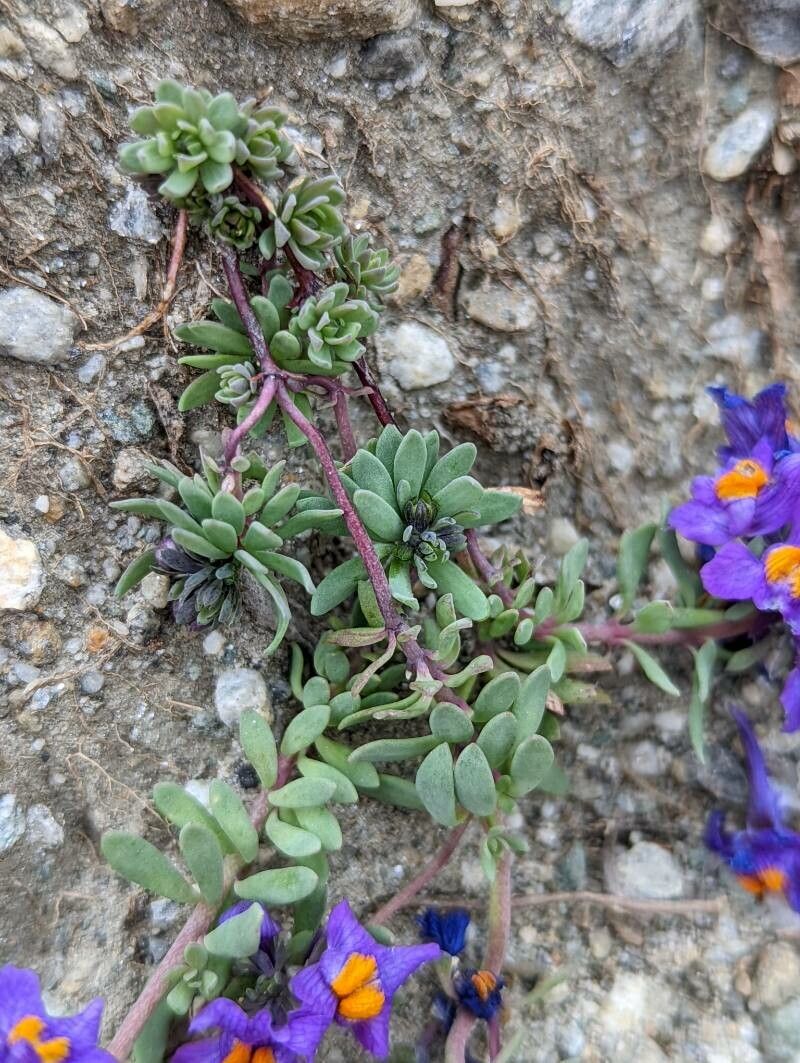
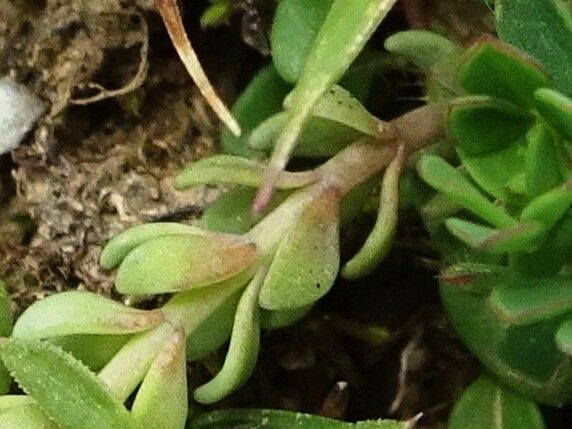
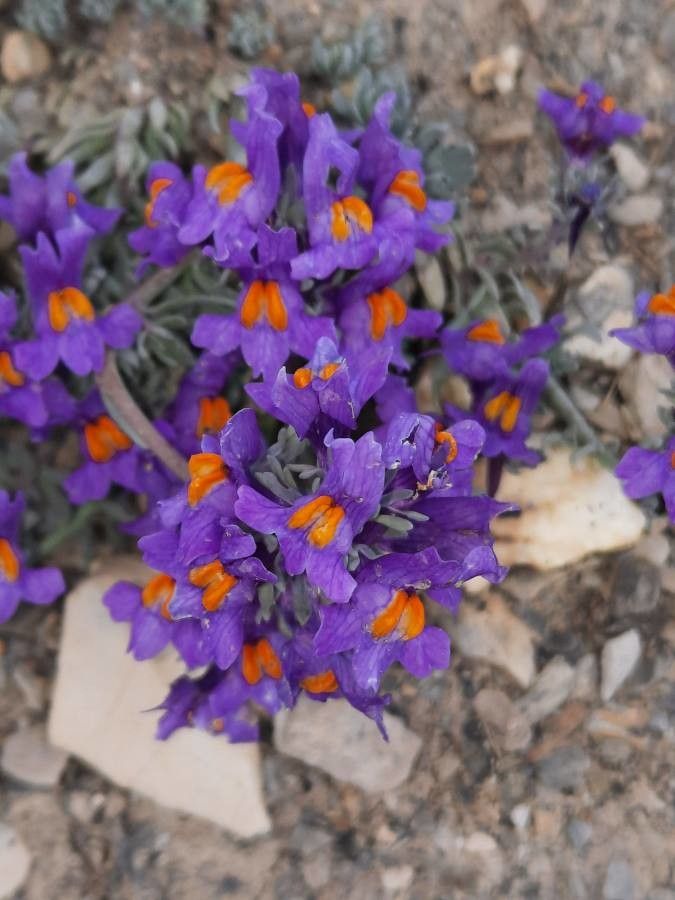
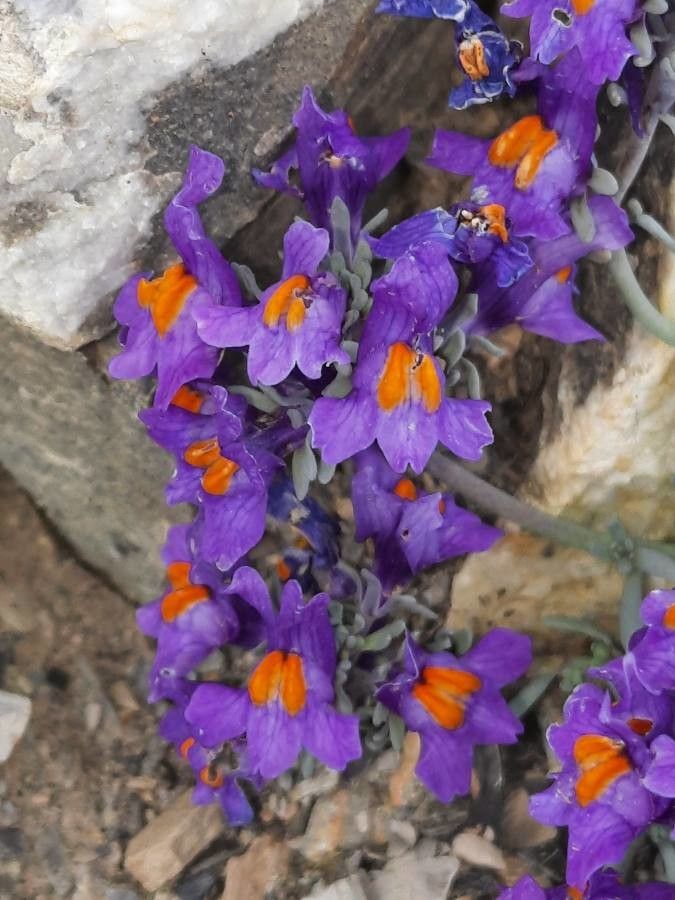
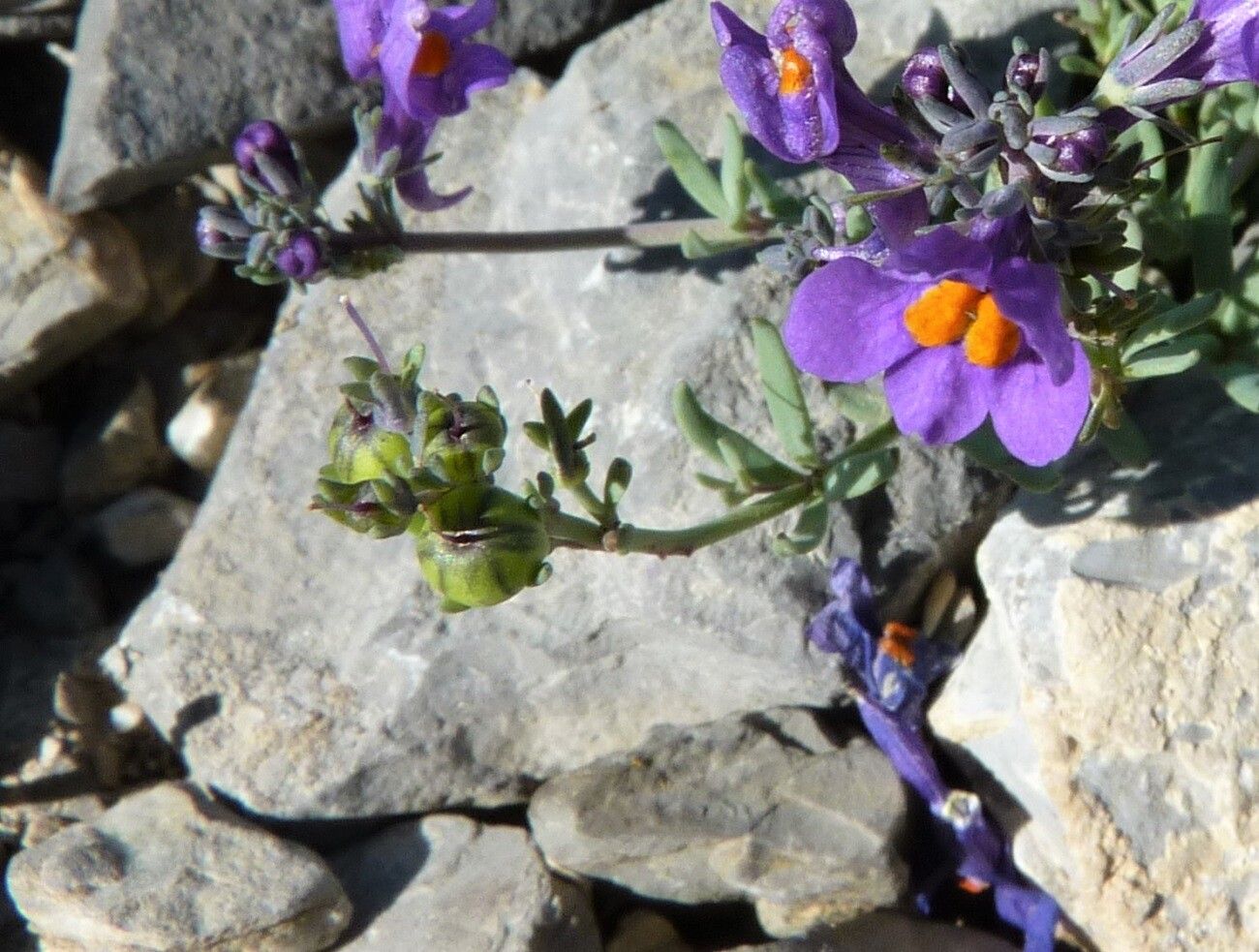
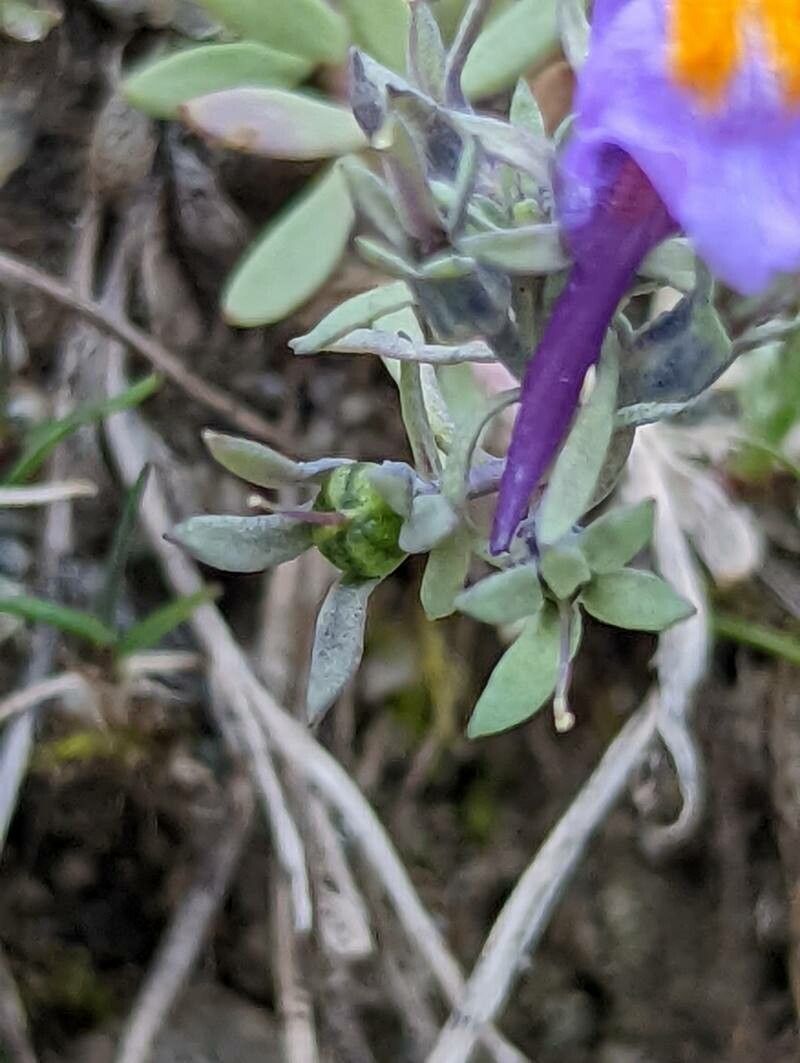
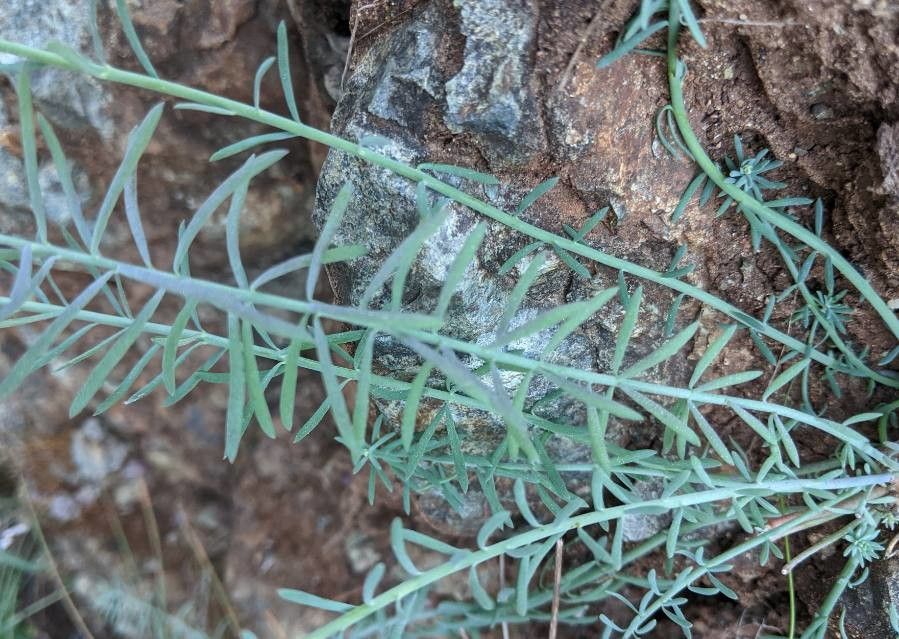
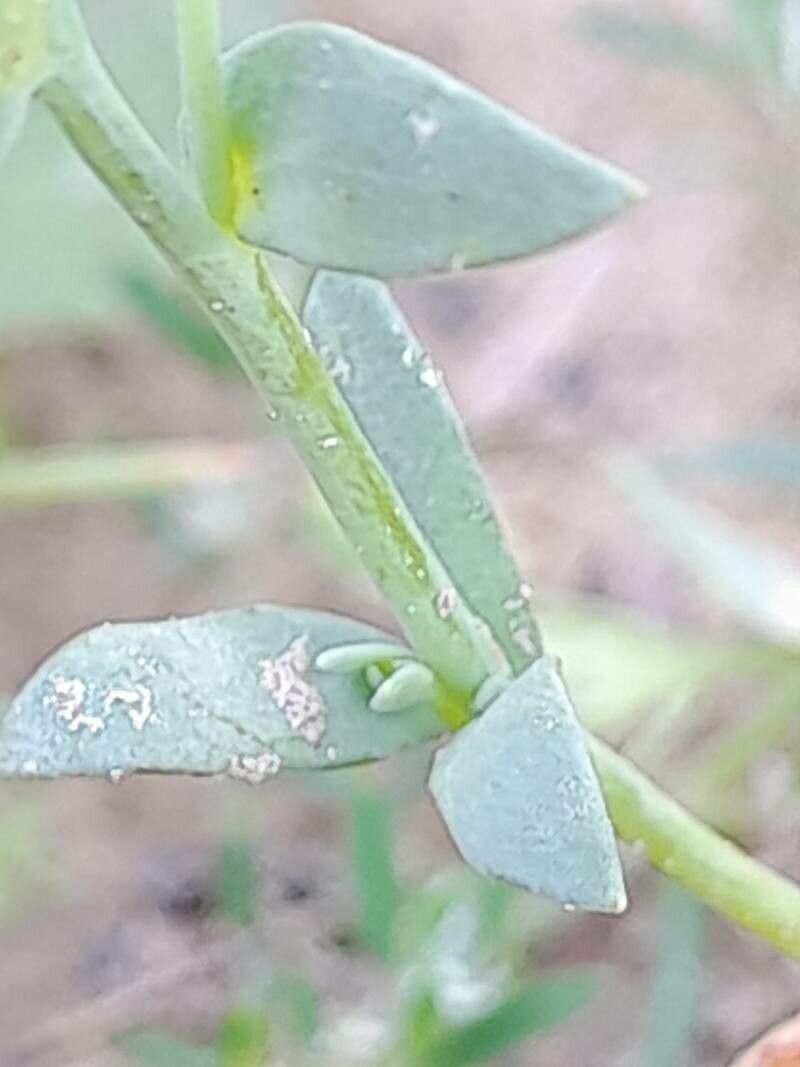
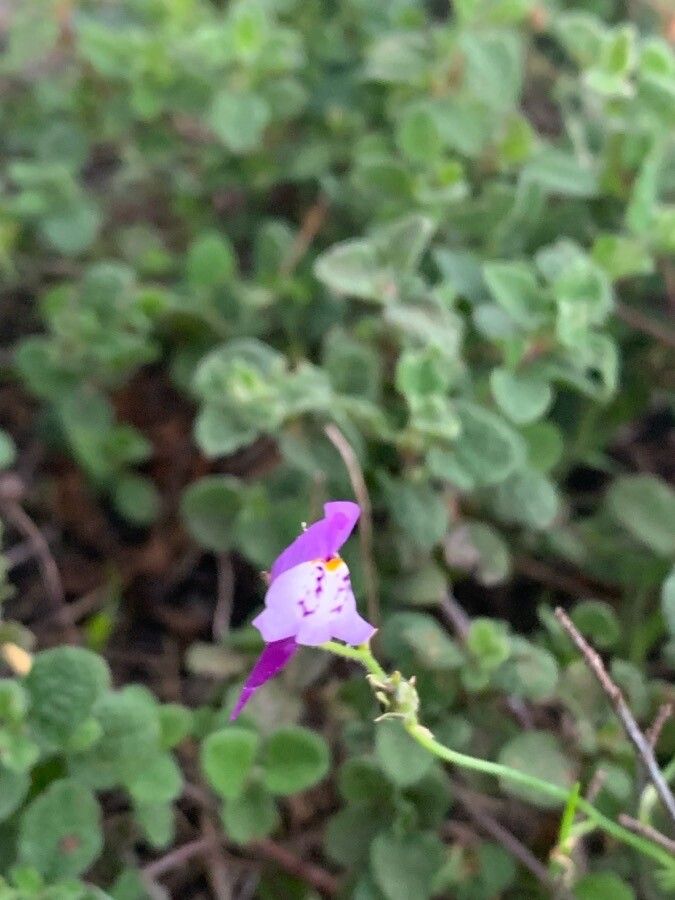
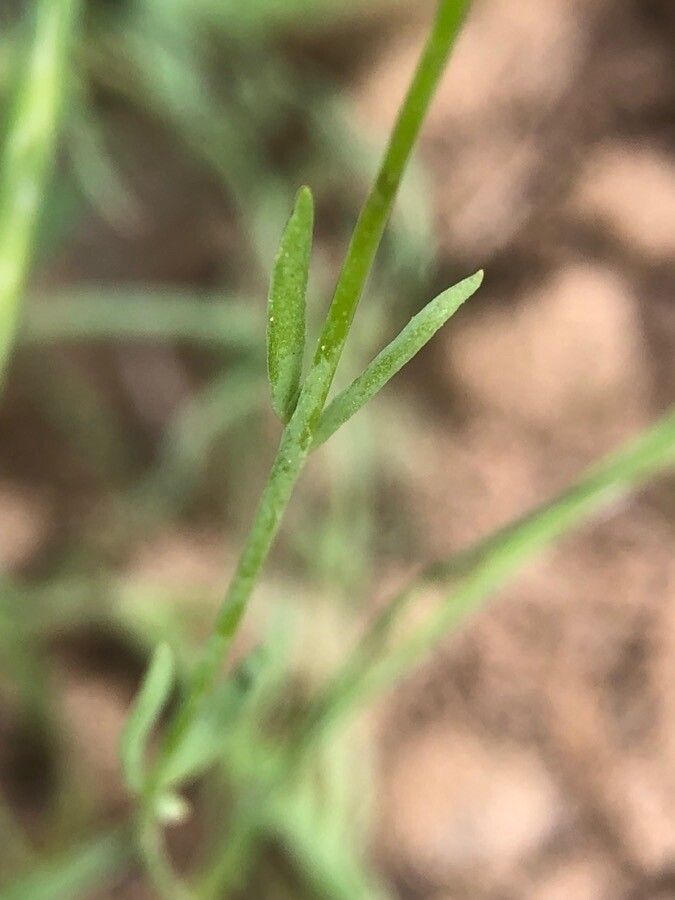
Linaria alpina, sometimes called alpine toadflax, is a purple-flowered plant native to mountainous areas of southern and central Europe. It belongs to the family Plantaginaceae (plantain family; unrelated to the fruit). It is found in many mountain ranges in southern and central Europe from the Sierra de Gredos and the Montes de León in Spain to the mountains of the Balkan Peninsula including the Jura mountains Alps, Pyrenees, and central Apennines. It is an early colonist of recently exposed and unconsolidated glacial moraine. In contrast to other members of the genus, L. alpina has purple flowers, with orange lobes in the centre (in some forms, these are also purple).
Alpine toadflax is fairly disease-resistant and typically does not suffer from illnesses. However, it can be affected by pests and diseases present in its environment. These problems are generally minor. Regarding care, the plant requires moderate maintenance. It should be pruned regularly to preserve a neat appearance and support healthy growth. Fertilizing can also help encourage flowering. Alpine toadflax is suitable for anyone with outdoor space, such as a garden or patio, and does not need extensive gardening experience. It may demand more attention when grown indoors.
How to keep Linaria Alpina.
Light
Alpine toadflax does best with plenty of sunlight. Because it comes from alpine areas where sunlight is strong, growers should provide ample sun. Still, too much exposure can cause scorching, while too little sun may restrict its growth.
Water
Alpine toadflax flourishes in well-drained soils with moderate humidity. It prefers drier conditions and requires watering once a week. As a plant native to mountainous regions, it adapts well to outdoor environments and benefits from natural precipitation. During dormancy in the colder months, its need for water decreases.
Temperature
Alpine toadflax is native to cooler climates and does best at temperatures between 32 and 100.4 °F (0 and 38 °C). In spring and fall, prevent temperatures from dropping below freezing. It tolerates warm summers as long as they remain under 100.4 °F (38 °C).
Fertilizer
The primary time to fertilize Alpine toadflax is in early spring when the flowers are forming. Using an appropriate fertilizer promotes better blooms and helps Alpine toadflax produce attractive flowers. Fertilizing in early spring supports excellent flowering throughout the season and provides energy for dormant growth phases.
Pruning
Alpine toadflax is known for its bright flowers and hardy nature. To keep it healthy, prune it in early spring or late winter to remove any damaged branches. Regularly trimming faded flowers will help prolong its blooming period. Light maintenance is best, as it enhances air circulation, reducing the risk of disease and improving the plant's overall health.
Botanical profile.
- Plant Type
- Herb
- Life Cycle
- Perennial
- Genus
- Linaria
- Family
- Plantaginaceae
- Hardiness Zone
- 3-11
- Mature Height
- 10 cm to 15 cm
- Mature Spread
- 15 cm to 30 cm
- Leaf Color
- Green, Blue
- Leaf Type
- Evergreen, Deciduous
- Flower Color
- Purple, Violet
- Flower Size
- 2.54 cm
- Bloom Time
- Mid spring, Late spring, Early summer, Mid summer
- Planting Time
- Spring, Summer, Autumn
- Harvest Time
- Summer, Early fall
Other names.
Reader questions.
What's the most effective way to water my Alpine toadflax plant?
To properly care for the Alpine toadflax, it is important to use filtered water at room temperature or slightly warmer. Tap water may contain harmful particles, so it is best to avoid using it. This plant is accustomed to a warm environment, so using cold water can be a shock to its system. Additionally, overhead watering should be avoided as it can cause issues with the foliage. Instead, water the plant by applying filtered room temperature water directly to the soil until it is fully soaked. This will benefit the plant by moistening the roots and helping them spread and gather nutrients in the soil.
What can happen if I give my Alpine toadflax too much fertilizer?
When caring for your Alpine toadflax, remember that it doesn't require much fertilizer and can suffer if given too much. Overfertilization can lead to fertilizer burn, which damages the plant's roots and causes it to decline. Additionally, overfertilizing weakens the plant and increases the risk of disease. It may also result in fewer or no flowers, which is undesirable since the blooms are highly valued by gardeners.
What are the sunlight requirements for Alpine toadflax?
Alpine toadflax requires abundant exposure to sunlight to thrive, as it is accustomed to the intense sunlight of its native alpine habitat. It needs conditions that mimic this environment for optimal growth. The plant benefits from full sun exposure, defined as more than 6 hours of sunlight per day, but can also grow in partial sun, receiving about 3-6 hours of sunlight. However, it's important to watch the movement of sunlight in your garden to ensure that plants receive the right balance of light and shade, as too much direct sunlight can lead to scorching, while insufficient sunlight may inhibit growth.
What is the optimal temperature range for Alpine toadflax?
Alpine toadflax thrives in cooler climates, with an optimal temperature range between 32 to 100.4 °F (0 to 38 °C). It has strong cold resistance, allowing it to withstand warm summers as long as the temperature remains below 100.4 °F (38 °C). Special frost protection measures are not typically necessary, but if temperatures are expected to drop below -35°C, it's important to protect the plant by covering it with soil or straw and ensuring the soil is well-watered before the first freeze.
What is the best way to water my Alpine toadflax throughout the different seasons?
The Alpine toadflax has different water needs throughout the year. Its highest water needs are during the hottest months of summer. Depending on how fast the soil dries out, you may need to water it more than once per week during this time. In contrast, during winter, the plant enters a dormant phase and requires much less water. In fact, you may not need to water it at all during winter. If you choose to water it, do so no more than once per month. Watering too much during winter increases the likelihood of the plant contracting a disease.
Why is it necessary to give fertilizer to my Alpine toadflax?
Fertilization is important for the Alpine toadflax because it provides essential nutrients for the plant's growth. While the overall fertilization needs of the Alpine toadflax are relatively low and the plant can survive without it, annual fertilization can greatly benefit the plant. It keeps the plant alive and may even result in better and longer-lasting flowers. Therefore, those who want their Alpine toadflax to look its best should consider annual fertilization.
How can artificial lighting be used for Alpine toadflax?
When natural sunlight is insufficient, particularly in winter or for indoor plants in less sunny spaces, artificial lighting provides an essential solution for Alpine toadflax. Adequate lighting promotes faster, healthier growth. LED lights are popular for indoor plant lighting due to their ability to offer specific wavelengths needed by plants. The general guidelines for artificial light are 30-50W/sq ft for full sun plants, 20-30W/sq ft for partial sun plants, and 10-20W/sq ft for full shade plants. The light source should be placed 12-36 inches above the plant, and most plants require 8-12 hours of light per day, mimicking natural sunlight exposure.
How does Alpine toadflax react to low temperatures?
Alpine toadflax is cold-tolerant, best thriving above 0°C and should remain above -30°C during winter. Exposure to temperatures below -35°C might not show immediate changes but can lead to a decrease in sprouting or no sprouting at all during spring. In such cases, it's recommended to remove parts of the plant that have failed to sprout as a solution.
What should I do if I give my Alpine toadflax too much or too little water?
Both overwatering and underwatering can harm the health of your Alpine toadflax, but overwatering is more likely to occur. When the plant gets too much water, its stems and leaves may wilt and turn yellow. Overwatering for a long time can also lead to diseases like root rot, mold, and mildew, which can kill the plant. Underwatering is less common because the plant can tolerate drought, but it can still happen. When it does, the leaves of the Alpine toadflax become brittle and brown. It's important to notice signs of overwatering early to prevent irreversible damage. If you see early signs, reduce watering immediately. Check the soil's quality too - if it doesn't drain well, replace it with a loose, well-draining potting mix. If signs indicate the plant needs more water, increase the watering frequency until the signs disappear.
When should I fertilize my Alpine toadflax?
The best time to fertilize an Alpine toadflax is in late winter or early spring when it is transitioning from its dormant phase to a period of active growth. Fertilizing during this time promotes healthy growth and ensures a strong start to the season. While it is generally recommended to fertilize in early spring, it is also acceptable to fertilize in the fall. However, it is not advisable to fertilize in the summer or winter.
What are the signs of inadequate light for Alpine toadflax?
Signs of inadequate light in Alpine toadflax include small new leaves, leggy or sparse growth, faster leaf drop, slower or ceased new growth, lighter-colored new leaves, chlorosis (leaves turning yellow due to chlorophyll breakdown), sunscald (damage from intense light exposure appearing as pale, bleached areas), leaf curling (a defense mechanism to reduce sunlight exposure), wilting (loss of turgor pressure leading to droopy stems and leaves), and leaf scorching (brown, dry edges on leaves due to excessive sunlight). These symptoms help indicate when Alpine toadflax is not receiving the optimal amount of sunlight.
How does Alpine toadflax react to high temperatures?
In summer, Alpine toadflax should be kept under 38°C to avoid heat stress. Temperatures exceeding 43°C can cause the leaves to lighten, curl, become susceptible to sunburn, and in severe cases, cause the plant to wilt and dry out. The solutions include trimming away sunburned and dried parts of the plant, moving it to a shaded location or using a shade cloth to protect it from midday and afternoon sun, and ensuring the soil is kept moist by watering in the morning and evening.