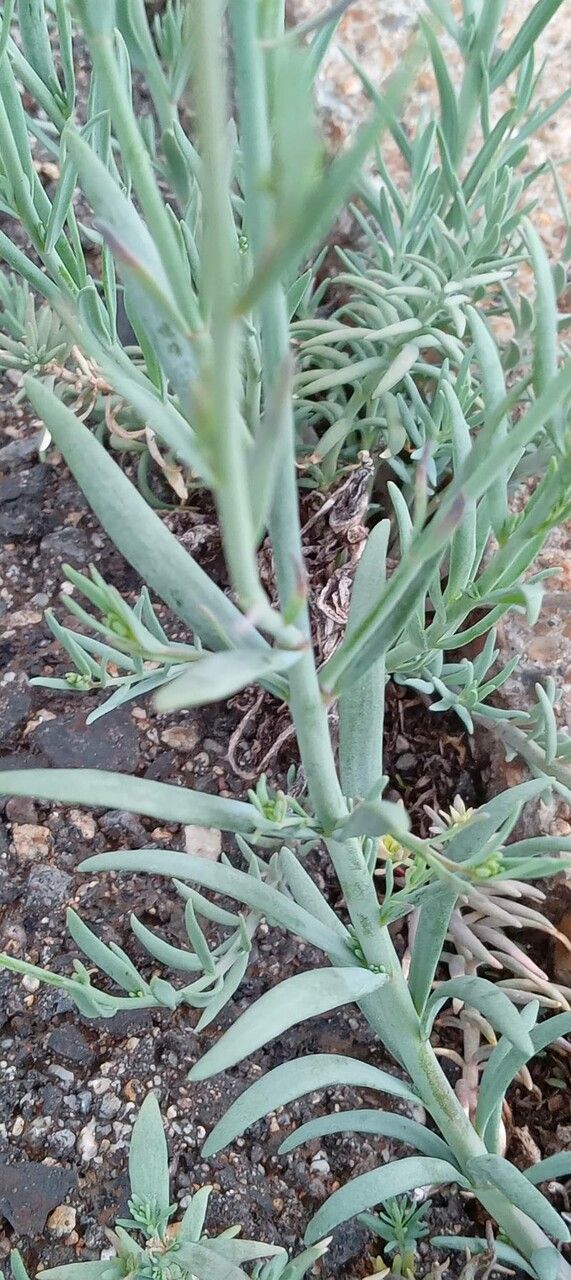
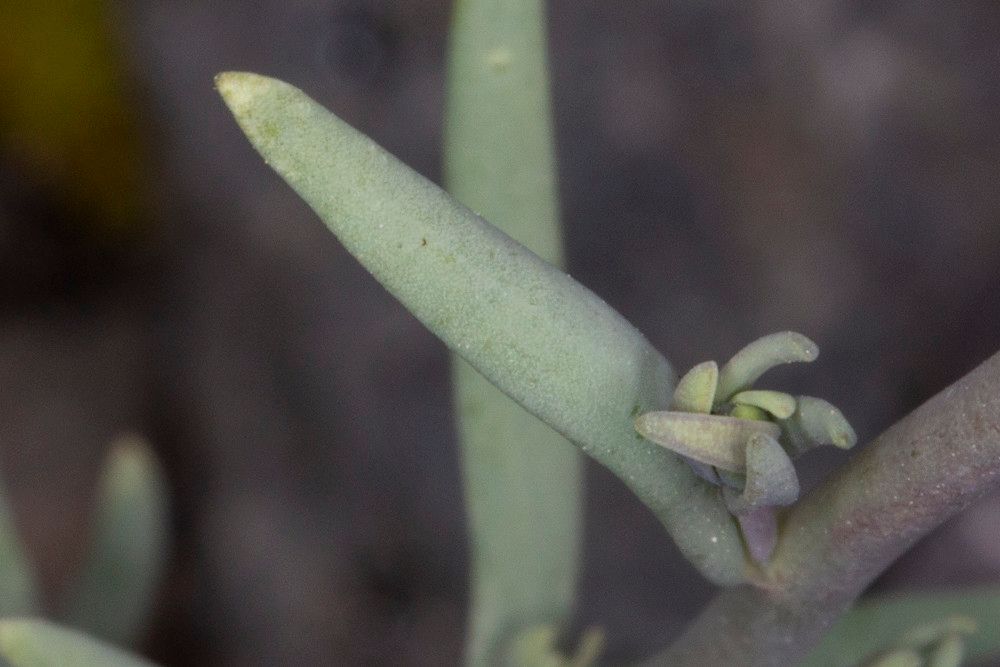
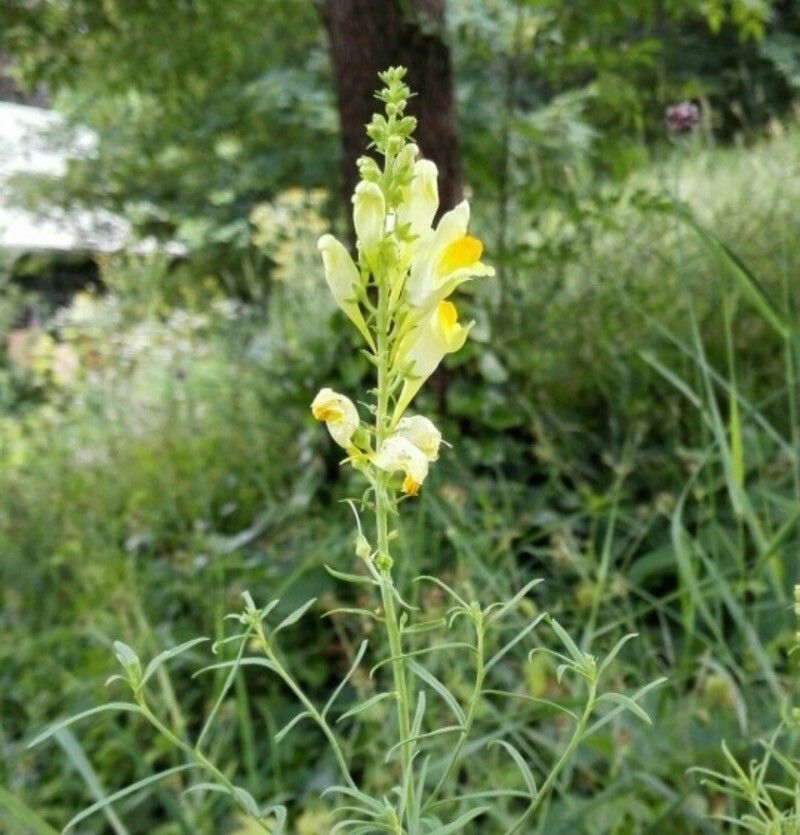
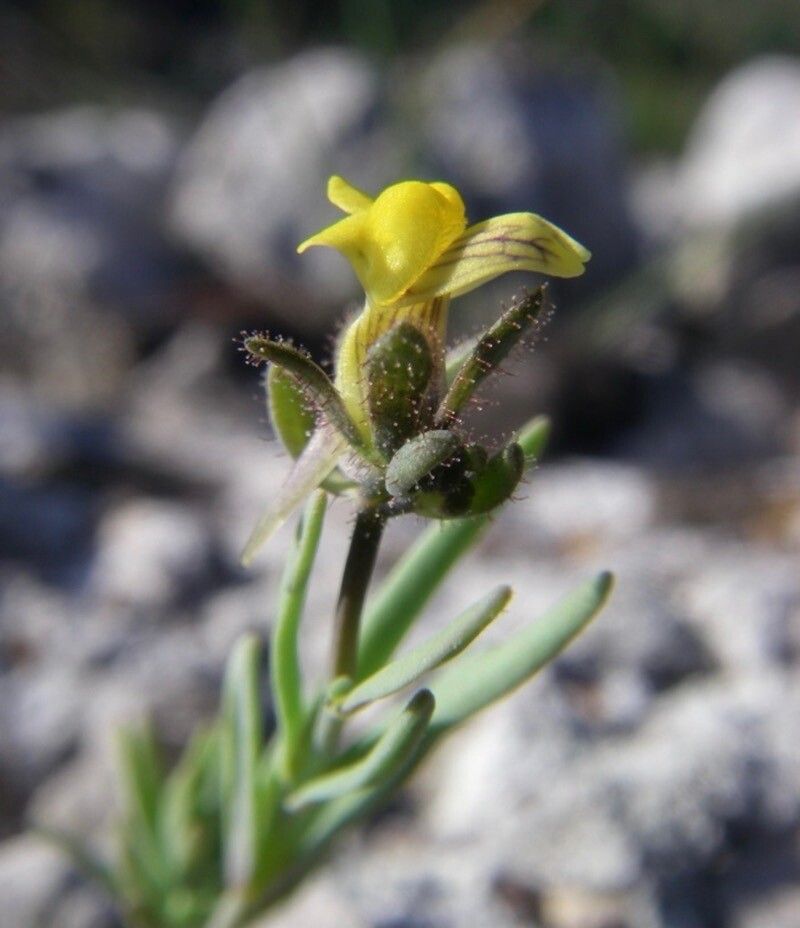
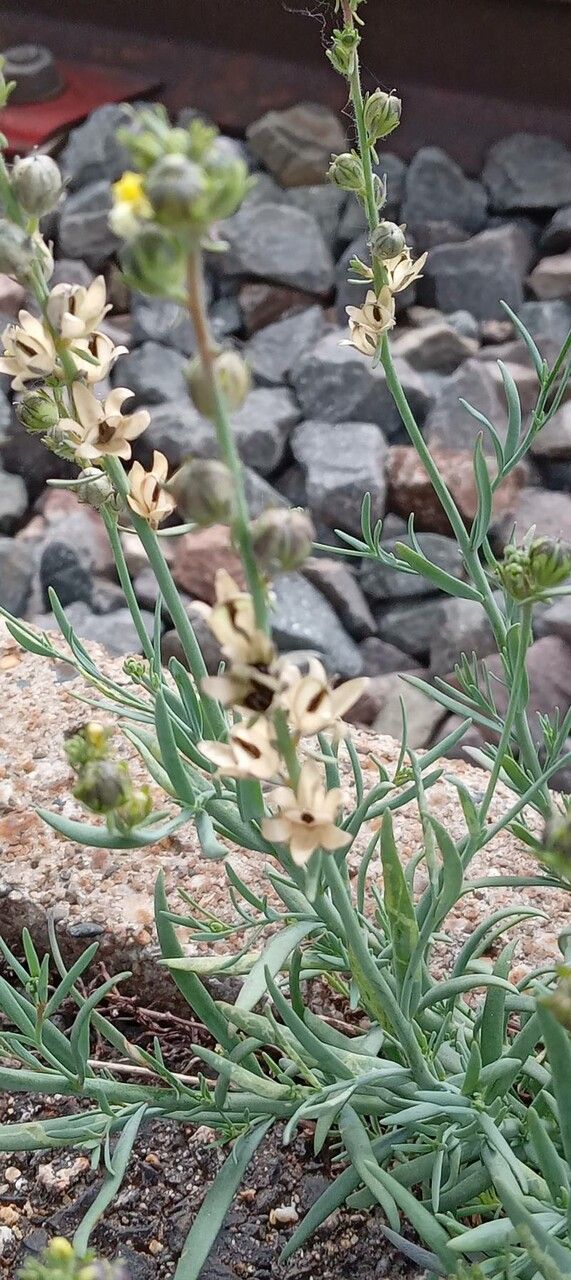
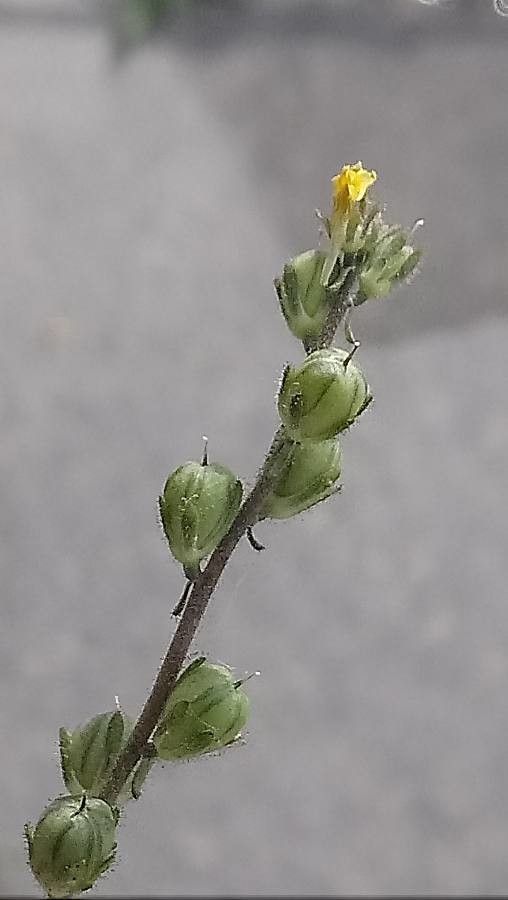
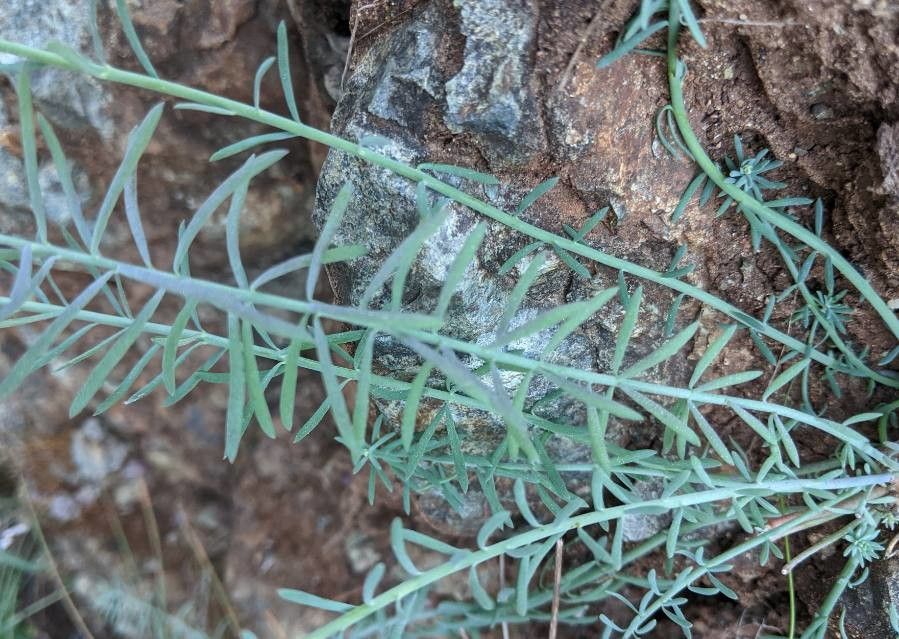
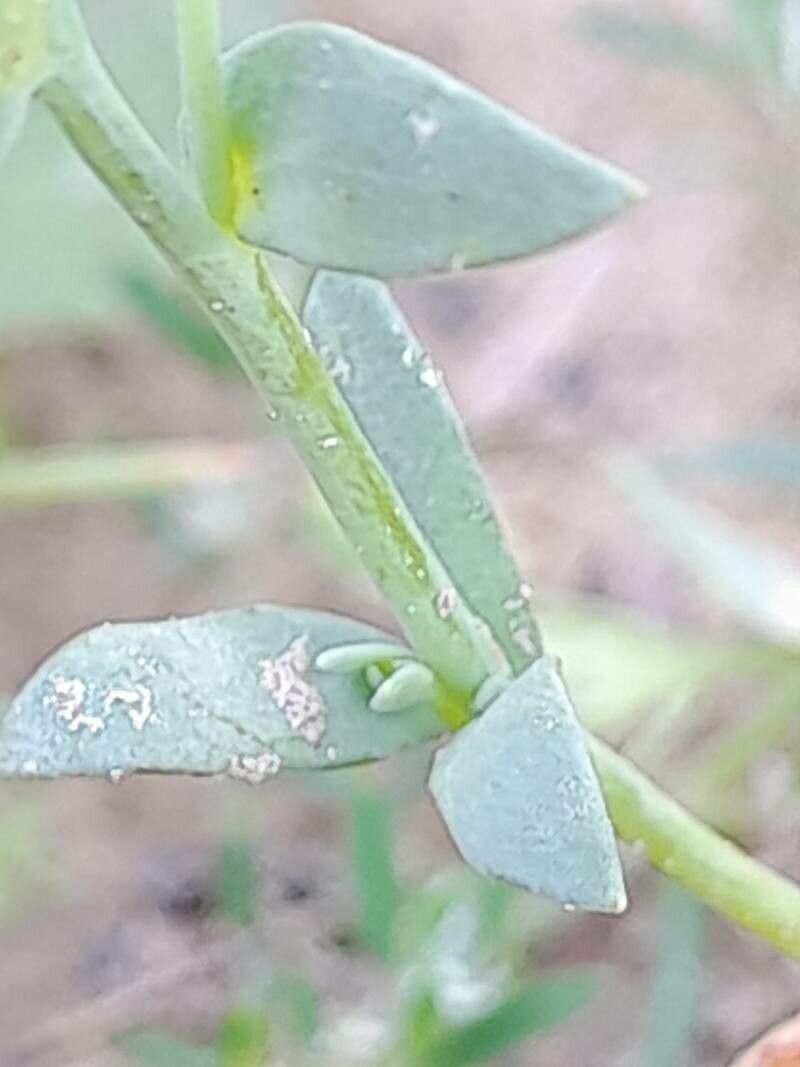
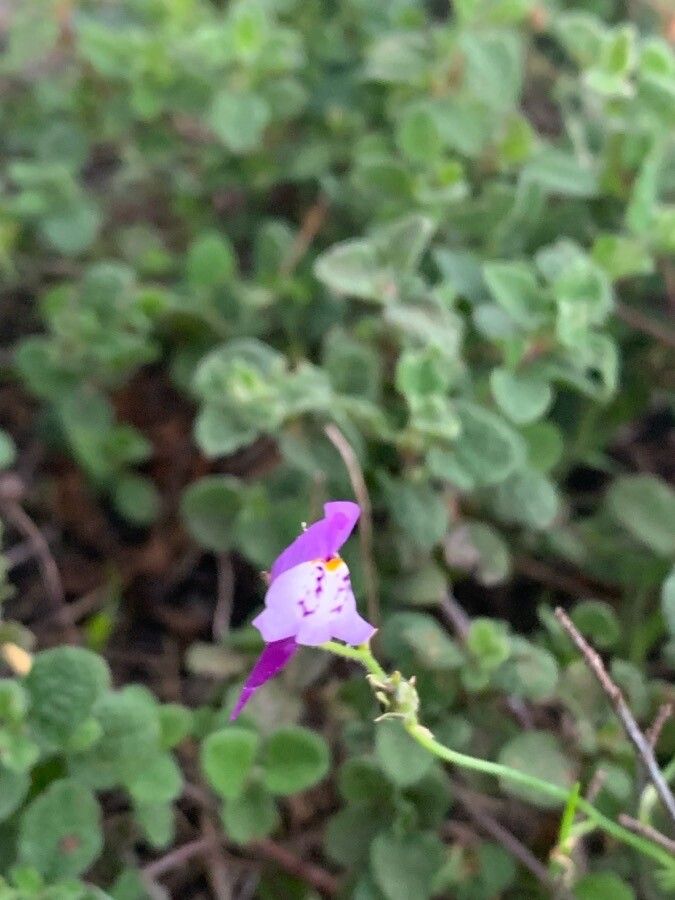
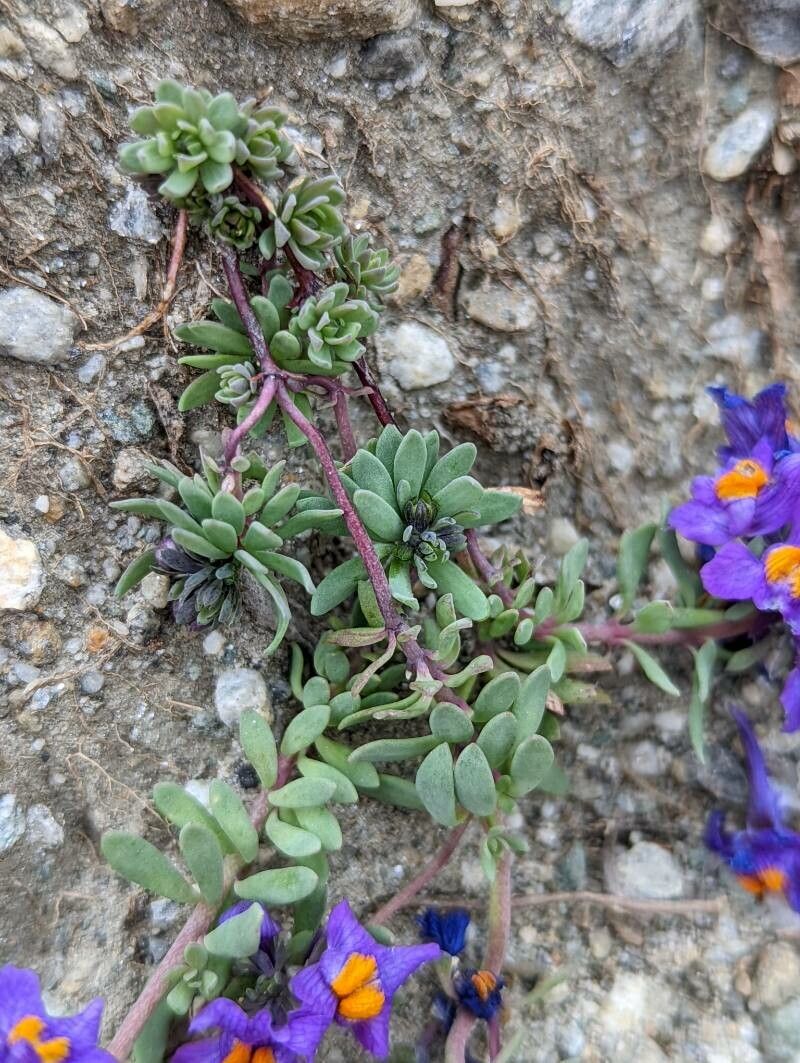
Linaria simplex, commonly known as narrow-leaved toadflax, is a herbaceous perennial plant in the Plantaginaceae family. Native to Europe and western Asia, it has also been introduced and naturalized in North America. The plant can grow up to 60 cm tall and features narrow leaves arranged alternately on the stem. Its small, tubular flowers, which bloom from June through September, are yellow or orange.
Linaria simplex thrives in well-drained soils and can grow in both full sun and partial shade environments, including meadows, roadsides, and disturbed areas. Known for its drought tolerance, the plant can also adapt to moist soils.
Traditionally, Linaria simplex has been used for its medicinal properties, such as treating respiratory ailments like coughs and bronchitis due to its expectorant qualities. It also possesses anti-inflammatory properties.
As an attractive ornamental plant, Linaria simplex is well-suited for gardens or naturalized areas due to its hardiness and low maintenance requirements. It also offers ecological benefits by attracting pollinators such as bees and butterflies.
Simple toadflax has strong disease resistance and is usually not prone to illnesses. Still, it can be affected by pests and diseases present in its environment. Those infections are typically mild. Regarding care, this plant needs moderate maintenance. It should be pruned regularly to keep a neat appearance and support healthy growth. Applying fertilizer can also help encourage flowering. Simple toadflax is suitable for anyone with outdoor space, such as a garden or patio, and does not demand extensive care experience. It may need more attention when grown indoors.
How to keep Linaria Simplex.
Light
Simple toadflax comes from sunny, open habitats where it does best in full sun. It can withstand some shade but prefers direct sunlight for optimal growth. This plant, which may be annual or biennial, is known for its fondness for sun.
Water
Originating from arid regions, simple toadflax is drought-tolerant and, once established, only needs weekly watering without soil saturation. It is ideal for outdoor cultivation, thriving on natural rainfall, and is perfect for xeriscaping and low-water gardens. The plant adapts well to alternating wet and dry growth cycles.
Temperature
Simple toadflax can adapt to a wide range of temperature conditions, but its distribution may still be limited by different combinations of water and heat conditions. It grows best in warm summer climates with adequate rainfall or regular watering. Extended periods of cloudy, rainy weather or sustained high temperatures can increase the chance of Simple toadflax dying. In winter, protecting the plant from cold can improve its survival rate.
Fertilizer
When most of Simple toadflax's blooms have opened to full size, resume fertilizing. Around the time the blooms reach peak output, apply fertilizer every three to four weeks, depending on the weather. Then, once Simple toadflax begins producing fewer new blooms, stop fertilizing; there's no need to fertilize when the plant can no longer produce more blooms.
Pruning
Simple toadflax boasts delicate flowers and slender stems. To maintain its health and appearance, prune the plant from early to late spring. Remove any dead or crowded stems to improve airflow and sunlight exposure. This encourages healthier blooms and reduces the risk of fungal infections. Regular pruning not only supports vibrant flowering but also helps the plant maintain its longevity and vigor.
Botanical profile.
- Plant Type
- Herb
- Life Cycle
- Annual
- Genus
- Linaria
- Family
- Plantaginaceae
- Hardiness Zone
- 5-9
- Mature Height
- 10 cm to 30 cm
- Mature Spread
- 5 cm to 15 cm
- Leaf Color
- Green
- Leaf Type
- Semi-evergreen
- Flower Color
- Yellow, White
- Flower Size
- 1.02 cm to 1.52 cm
- Bloom Time
- Spring
- Planting Time
- Spring
- Harvest Time
- Late spring, Early summer, Mid summer
- Native Area
- Saudi Arabia, Libya, Turkey, Tunisia, Cyprus, Bulgaria, Pakistan, Armenia, Greece, Croatia, Morocco, Lebanon, Russia, Afghanistan, Portugal, Syria, Italy, Spain, Iran, Albania, Azerbaijan, Algeria, Kuwait, Turkmenistan, France
Reader questions.
What are the sunlight requirements for Simple toadflax?
Simple toadflax requires full sun, meaning it should receive above 6 hours of sunlight daily. It can tolerate partial sun as well, which is about 3-6 hours of sunlight. However, it prefers full sun for optimal growth. This annual and biennial plant thrives in bright, open environments. It's vital to monitor the movement of sunlight through your garden to find spots that offer an ideal balance of light and shade, ensuring your plants grow happily.
Can Simple toadflax be grown indoors, and if so, how?
Yes, Simple toadflax can be grown indoors, especially in conditions where natural sunlight is insufficient. This is often necessary in winter or in less sunny locations. When growing indoors, it's essential to provide adequate lighting for optimal growth. Artificial lights, such as LEDs which can be customized to emit specific wavelengths, can serve as a vital solution. For plants that require full sun, 30-50W/sq ft of artificial light is needed; for partial sun plants, 20-30W/sq ft; and for full shade plants, 10-20W/sq ft. The light source should be placed 12-36 inches above the plant, mimicking natural sunlight conditions, and for most plants, 8-12 hours of light per day is sufficient.
What are some common symptoms of inadequate light in Simple toadflax?
When grown indoors or under inadequate light conditions, Simple toadflax may exhibit symptoms like small, immature leaves, leggy or sparse growth patterns, and faster leaf drop as the plant sheds older leaves to conserve resources. Growth may become delayed or halt altogether as the plant enters a survival mode. Lighter-colored new leaves, chlorosis (yellowing leaves due to chlorophyll breakdown), sunscald, leaf curling, wilting, and leaf scorching are other symptoms indicating insufficient sunlight or excessive light exposure.
How can I address insufficient sunlight for Simple toadflax?
To manage insufficient sunlight for Simple toadflax, gradually adapt your plant to receive at least 6 hours of direct sunlight daily. For indoor plants, use a south-facing window with open curtains during the day or provide artificial grow lights for at least 8 hours daily. For outdoor plants, move them to a sunnier spot gradually to avoid sunburn. If obstruction is an issue, consider pruning or transplanting to a location with better sunlight and drainage. Remember, while increasing light exposure, parts of the plant that have been affected by previous conditions may not recover, but new growth will be healthy.