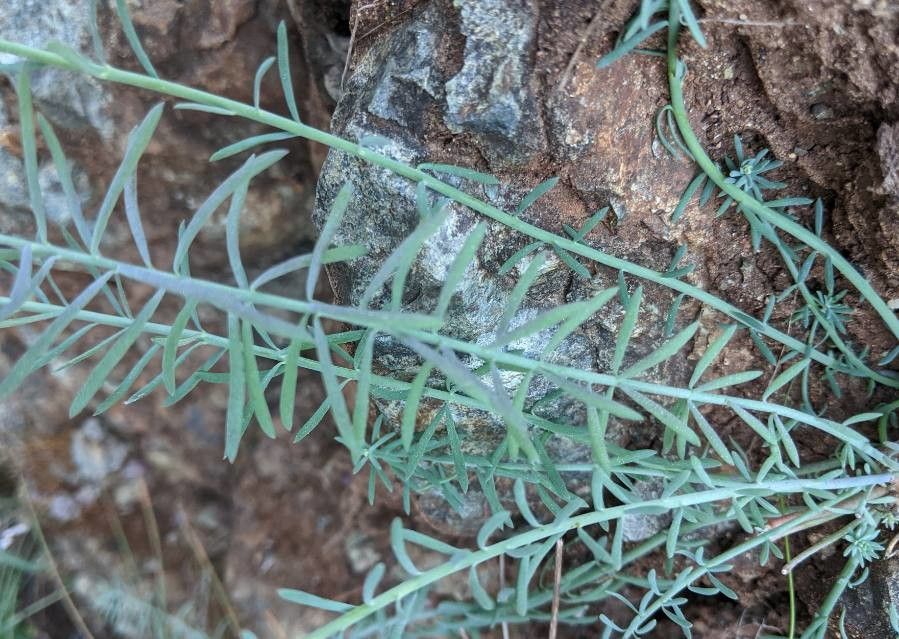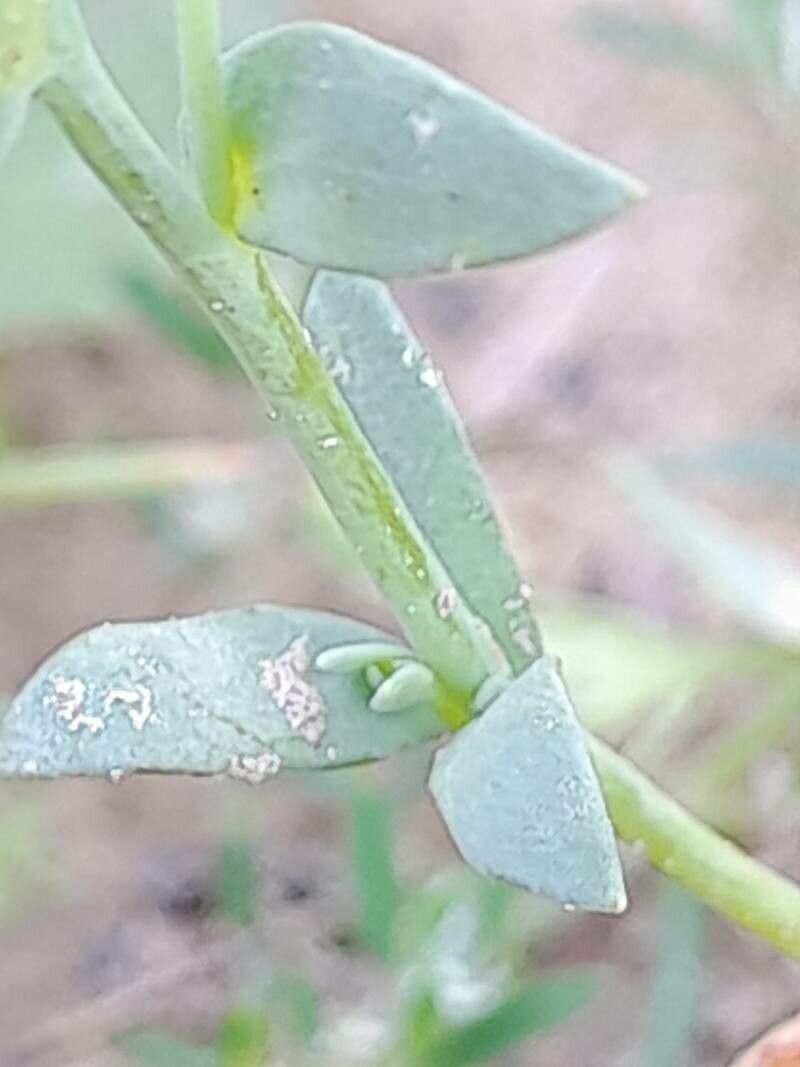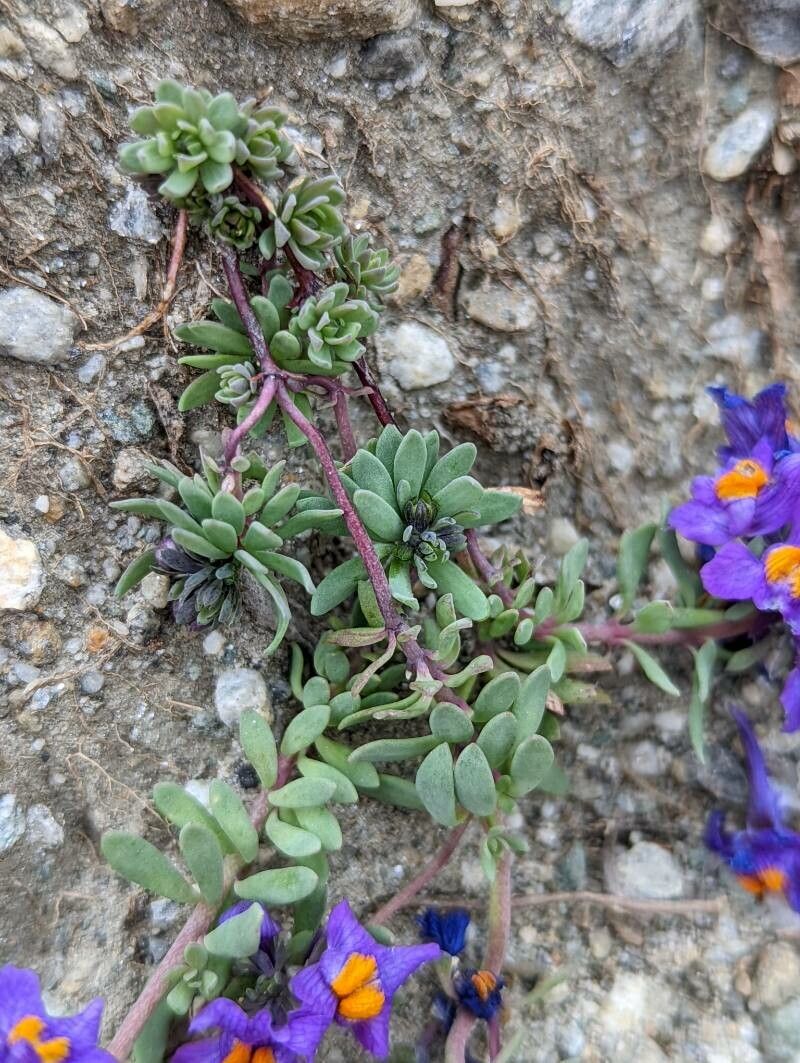
Linaria purpurea, commonly known as Purple Toadflax, is a herbaceous perennial plant that belongs to the Plantaginaceae family. Native to Europe and Asia, it has been introduced to North America as an ornamental plant. It grows up to 60 cm tall and features narrow, lance-shaped leaves arranged alternately on the stem.
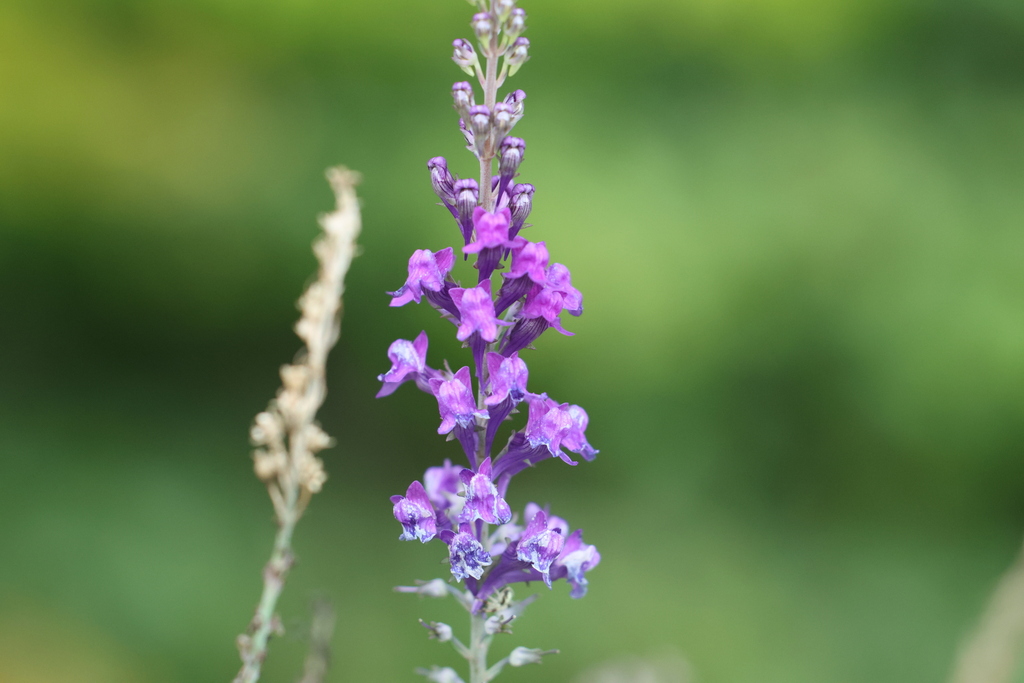
The flowers of Linaria purpurea are tubular and have a distinctive two-lipped structure with five petals. Blooming from June to September, they come in shades of purple, pink, or white and attract bees, butterflies, and other pollinators.
Linaria purpurea thrives in well-drained soil with full sun exposure but can also tolerate partial shade. It is drought-tolerant once established but requires regular watering during its growing season.
Many gardeners are fond of purple toadflax because it attracts a variety of insects. Its nectar is especially appealing to bumblebees, as well as other bees and moths. Additionally, some species of Lepidoptera moths feed on Linaria purpurea during their larval stage. FUN FACT · FROM THE LIBRARY
The Purple Toadflax can be propagated by seeds or by dividing its root clumps during early spring or fall. It is often used as an ornamental plant in borders, rock gardens, or wildflower meadows due to its attractive, long-blooming flowers.
Though Linaria purpurea does not have any known medicinal uses, it has been traditionally used for treating skin conditions like eczema, thanks to the anti-inflammatory properties found in its leaves.
Overall, Linaria purpurea is a beautiful perennial plant that adds color and charm wherever it grows. It also benefits pollinators like bees, which helps maintain biodiversity within the ecosystems where it is naturally found or has been intentionally introduced through gardening practices such as planting wildflowers.
Purple Toadflax: This plant gets its common name from its long, narrow leaves. Some believe these leaves resemble those of flax flowers, while others think they resemble a toad's face.
Purple toadflax is fairly disease-resistant and generally not susceptible to illnesses. However, it can be affected by pests and diseases present in its environment, though such infections are typically mild. Regarding care, the plant needs moderate maintenance. It should be pruned regularly to preserve an attractive appearance and healthy growth. Fertilizing can also help encourage flowering. Purple toadflax is appropriate for anyone with an outdoor area, like a garden or patio, and does not demand extensive plant-care experience. It may need more attention if grown indoors.
How to keep Linaria Purpurea.
Light
Purple toadflax does best in locations with plenty of sunlight, similar to its native habitat. Throughout its growth period, consistent, ample sun exposure is important. Although it can persist in shadier spots, too little light can stunt its growth and vigor, producing weak stems and fewer blooms.
Water
Purple toadflax thrives in dry, low-humidity climates and benefits from weekly watering to avoid oversaturation. Typically found in rock gardens, it appreciates natural rainfall but requires attentive watering during droughts. Its ability to withstand a wide range of temperatures makes it a versatile addition to any garden.
Temperature
Purple toadflax is native to regions with temperate climates and tolerates temperatures from 68 to 95 °F (20 to 35 °C). If summer temperatures exceed this range, changes in care may be required.
Fertilizer
The best time to fertilize Purple toadflax is in early spring, as it breaks dormancy and starts active growth. Fertilization supplies essential nutrients for healthy development. Although Purple toadflax has fairly low fertilizer requirements, an annual application can improve its survival and encourage better, longer-lasting blooms.
Pruning
Purple toadflax has tall, spiky clusters of flowers and narrow, gray-green leaves. To encourage continuous blooming, it's important to prune these plants regularly from early to late spring. This involves removing any spent flowers and controlling the plant's height. Additionally, dead or damaged stems should be pruned as soon as possible to improve air circulation and stimulate new growth.
Pot & Repot
Repot purple toadflax every 2-3 years in early spring. Use a slightly larger container that offers good drainage. After repotting, place the plant in a sunny location and water it sparingly. Even though purple toadflax is resilient, it benefits from careful attention until new growth emerges.
Botanical profile.
- Plant Type
- Herb
- Life Cycle
- Perennial, Annual
- Genus
- Linaria
- Family
- Plantaginaceae
- Hardiness Zone
- 5-7
- Mature Height
- 30 cm to 61 cm
- Mature Spread
- 20 cm to 30 cm
- Leaf Color
- Green, Gray, Silver
- Leaf Type
- Deciduous
- Flower Color
- Purple, Lavender
- Flower Size
- 1.02 cm to 1.27 cm
- Bloom Time
- Late spring, Summer
- Planting Time
- Spring, Summer
- Harvest Time
- Summer, Early fall
- Native Area
- Italy
Other names.
Reader questions.
How do I water my Purple toadflax as it grows?
The water needs of the Purple toadflax change depending on its growth stages. When the plant is in its early years or has just been transplanted, it requires more water than usual. During these stages, the Purple toadflax focuses on developing new roots to support future growth, which requires more moisture. As the plant matures, it will require less water. Additionally, during the bloom period, the Purple toadflax may need more water due to the significant amount of moisture used for flower development.
What will happen if I put too much fertilizer on my Purple toadflax?
When caring for your Purple toadflax, it's important to remember that it doesn't require a lot of fertilizer each year. Giving it too much fertilizer can actually harm the plant in several ways. One risk is fertilizer burn, where excessive fertilizer draws out nutrients and moisture from the plant's roots, causing it to decline. Overfertilizing also weakens the plant, making it more susceptible to disease. Additionally, it could reduce or prevent the plant from blooming altogether, which is one of its most valuable and desired features among gardeners.
What are the sun requirements for Purple Toadflax?
Purple Toadflax requires environments with generous sun exposure to thrive, ideally mirroring its native conditions where it receives continual, sizable exposure to sunlight throughout its growth cycle. It benefits from full sun, which is above 6 hours of sunlight daily, but it can also grow in partial sun, about 3-6 hours of sunlight. However, insufficient sunlight may lead to weaker stems, reduced flower production, and overall vitality loss. It's important to watch how sunlight moves through your garden and choose spots that provide the perfect balance of light and shade for your plants.
What is the native environment for Purple toadflax?
Purple toadflax, or Linaria purpurea, thrives in temperate climates and is well-adapted to environments with temperatures ranging between 68 to 95 °F (20 to 35 °C). If summer temperatures often exceed this range, you might need to adjust your plant's care regimen to ensure its health.
How should I water my Purple toadflax plant?
To properly water the Purple toadflax, it is best to use filtered water at room temperature. Tap water may contain harmful particles that can affect the plant's health. The Purple toadflax prefers warmer water because it is accustomed to a warm environment, and cold water can be shocking to its system. Avoid watering from above as it can lead to issues with the foliage. Instead, apply the filtered room temperature water directly to the soil until it is thoroughly saturated. This helps to moisten the roots and promote their growth and nutrient absorption.
Why should I put fertilizer on my Purple toadflax?
Fertilization is important for the Purple toadflax for multiple reasons. It provides essential nutrients for the plant's growth above and below ground. Although the Purple toadflax has relatively low fertilization needs, annual fertilization can greatly benefit the plant. It helps the plant survive and may result in improved flower quality and longevity. Therefore, those aiming to enhance the appearance of their Purple toadflax should prioritize annual fertilization.
How does artificial lighting support Purple Toadflax growth indoors?
When natural sunlight is insufficient for Purple Toadflax, especially during winter or in less sunny spaces, artificial lighting becomes essential for optimal growth. LED lights are a popular choice, as they can be customized to provide the necessary wavelengths of light. Full sun plants need 30-50W/sq ft of artificial light, partial sun plants require 20-30W/sq ft, and full shade plants need 10-20W/sq ft. The light source should be placed 12-36 inches above the plant to mimic natural sunlight, and most plants need 8-12 hours of light per day.
Is Purple toadflax cold-tolerant?
Yes, Purple toadflax is highly tolerant of cold conditions and doesn't require special frost protection measures during the winter. However, it's recommended to water the plant generously before the first freeze in autumn. This practice helps keep the soil moist and prevents drought and water scarcity for the plant through the winter and into early spring.
What do I need to do if I give my Purple toadflax too much water or not enough water?
Overwatering is a common issue that can harm your Purple toadflax plant. It can cause the stems and leaves to wilt and turn yellow, and may lead to diseases like root rot, mold, and mildew. On the other hand, underwatering is less common as the plant has good drought tolerance. However, it can still occur, resulting in brittle and brown leaves. It's important to recognize signs of overwatering early on to prevent irreparable damage. Reduce watering if you notice these signs and check the soil's drainage. Replace poorly draining soil with a loose, well-draining potting mix. If you find your plant needs more water, increase your watering schedule until the signs of underwatering improve.
When should I put fertilizer on my Purple toadflax?
The best time to fertilize a Purple toadflax is in late winter to early spring when it is transitioning from dormancy to active growth. Fertilizing during this time helps promote healthy growth and sets the plant up for a successful season. While it is generally recommended to fertilize in early spring, fertilizing in the fall is also acceptable. However, it is not recommended to fertilize in summer or winter.
What are the symptoms of insufficient or excessive sunlight in Purple Toadflax?
Symptoms of insufficient sunlight in Purple Toadflax include smaller new leaves, leggy or sparse growth, faster leaf drop, slower or no new growth, and lighter-colored new leaves. Excessive sunlight can cause chlorosis (leaves turning yellow), sunscald (damage from intense sunlight), leaf curling (to minimize water loss), wilting (due to increased water loss) and leaf scorching (brown, dry, crispy edges on leaves). These symptoms vary based on the light conditions, indicating either a need for more sunlight or protection from excessive exposure.
How does low temperature affect Purple toadflax, and what are the solutions?
Purple toadflax can endure very low temperatures, optimally staying above -25°C (-13°F). If temperatures fall below this threshold, the plant may not show immediate signs of distress during the winter, but you might notice reduced or absent sprouting in the following spring. To combat this, it is advisable to prune any parts of the plant that fail to sprout as spring arrives.