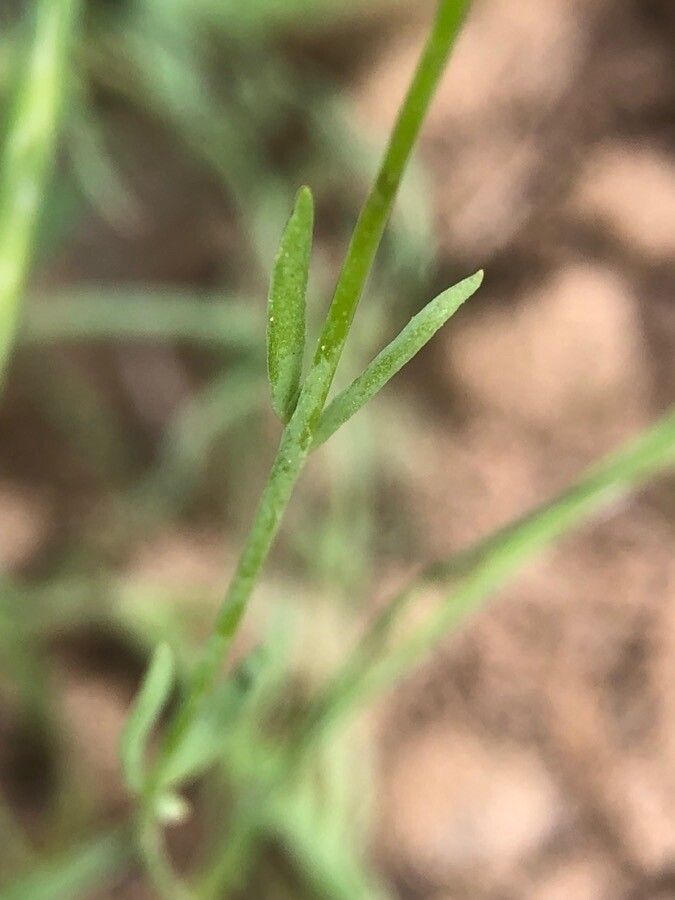
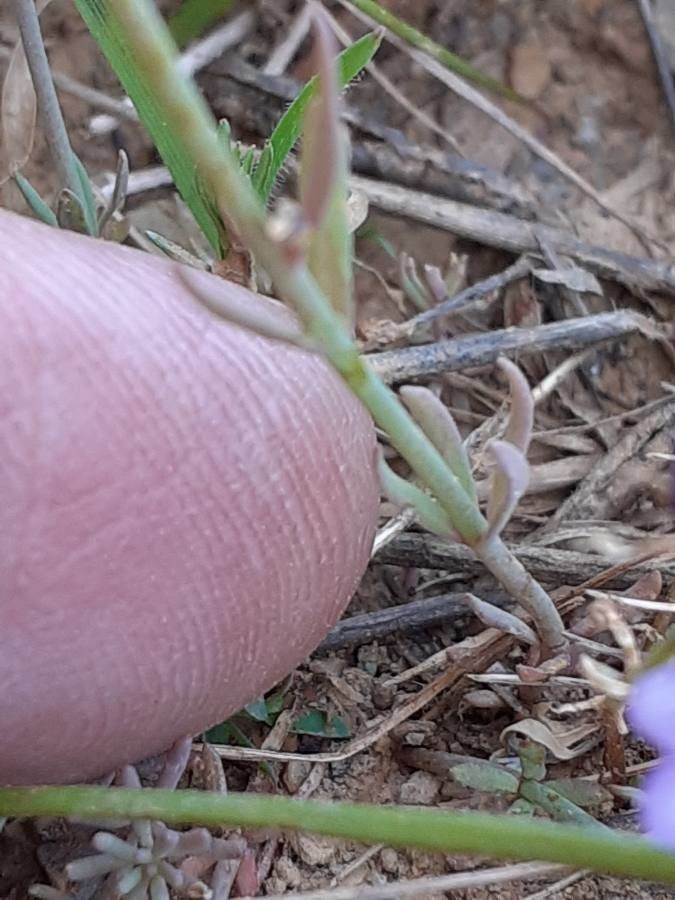
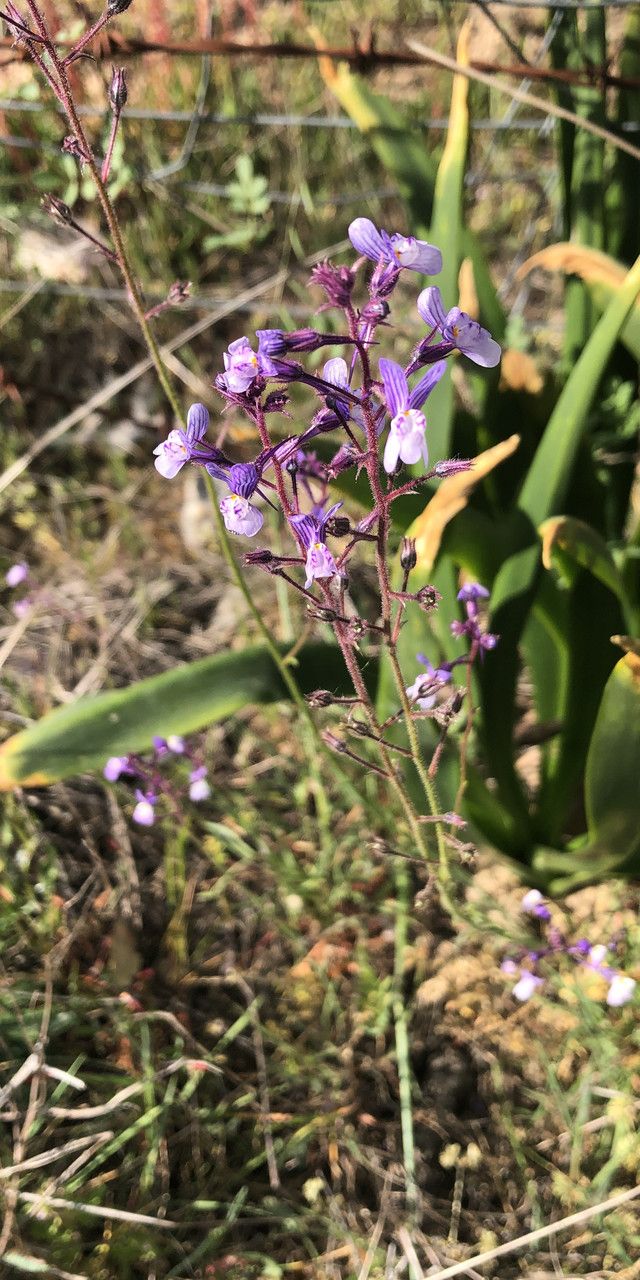
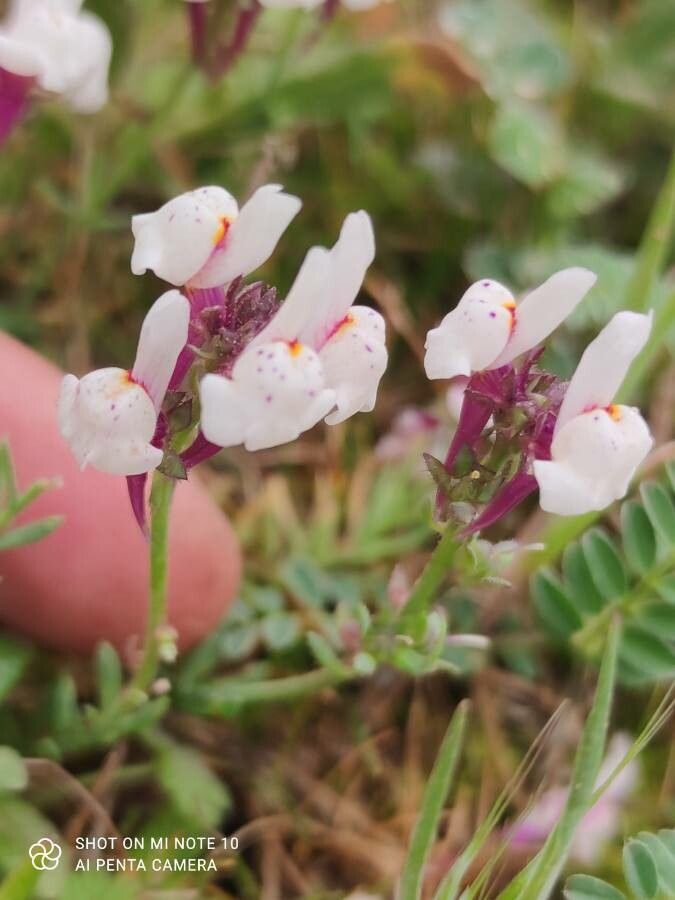
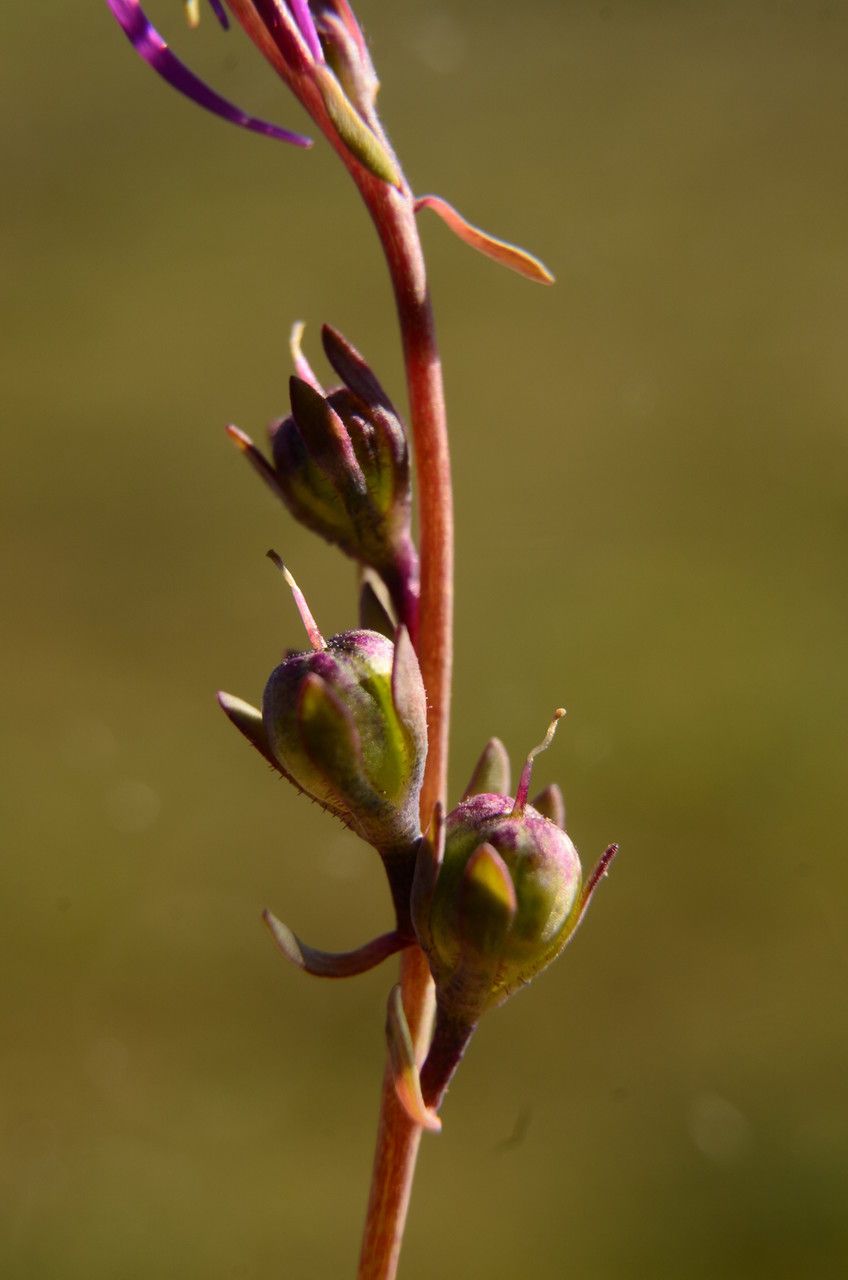
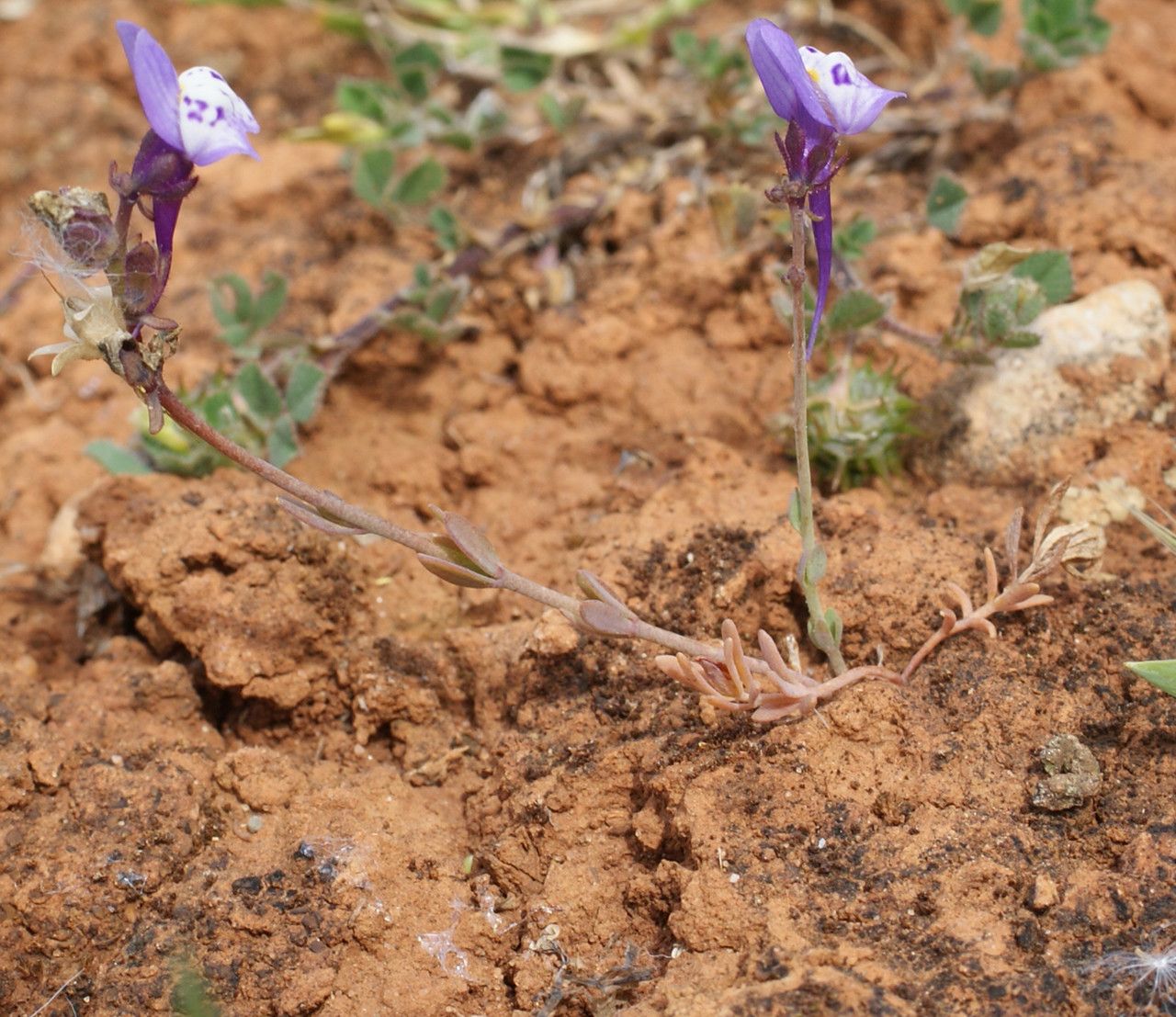
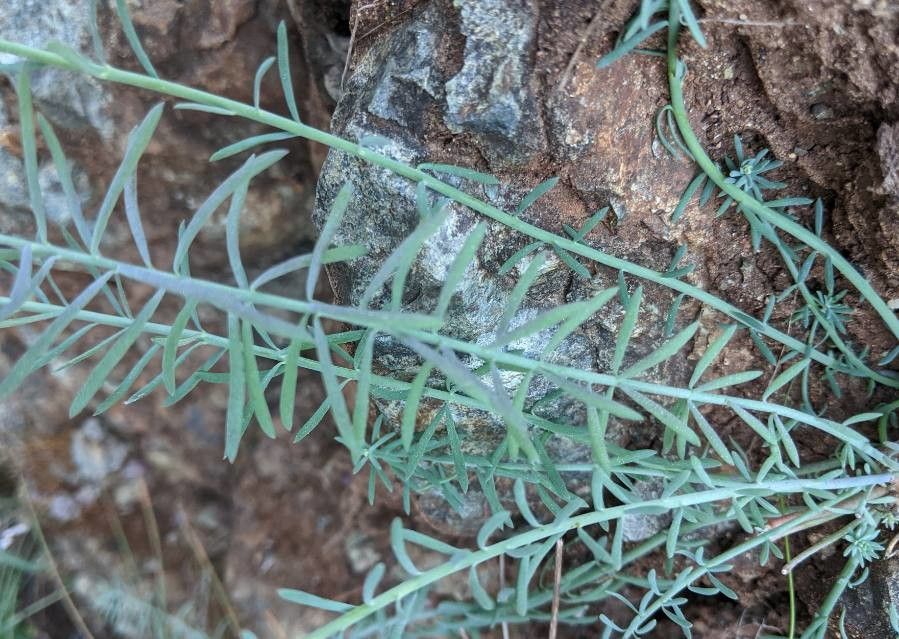
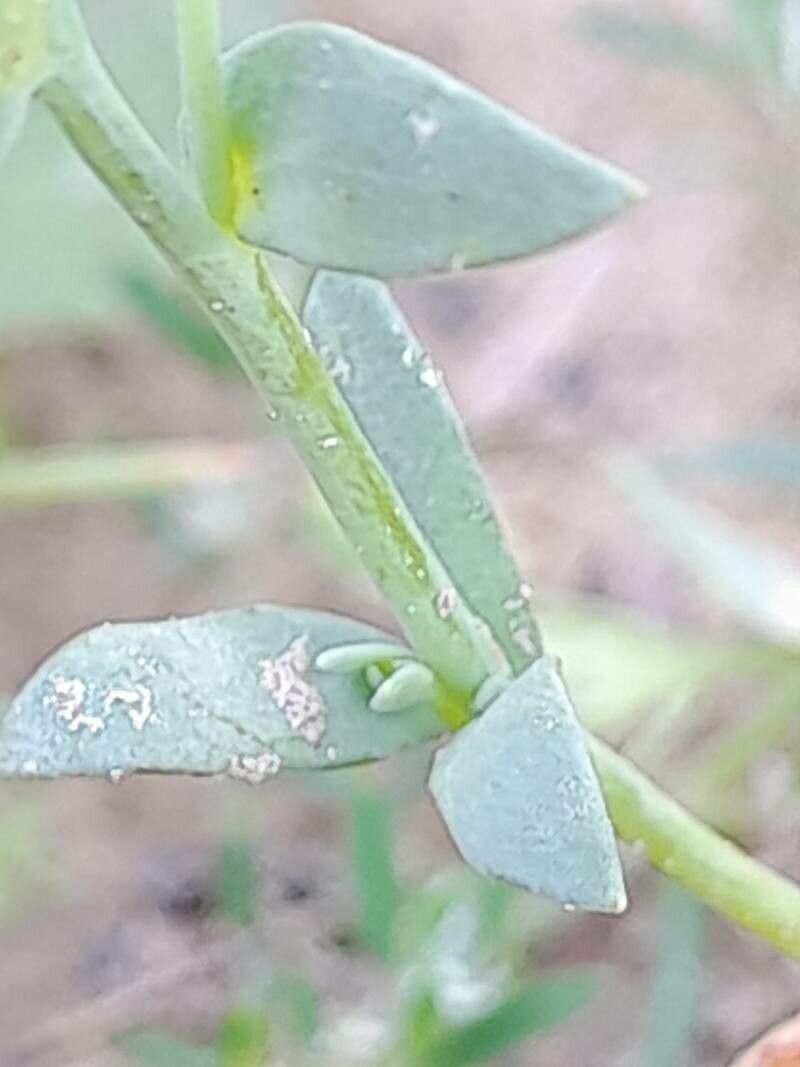
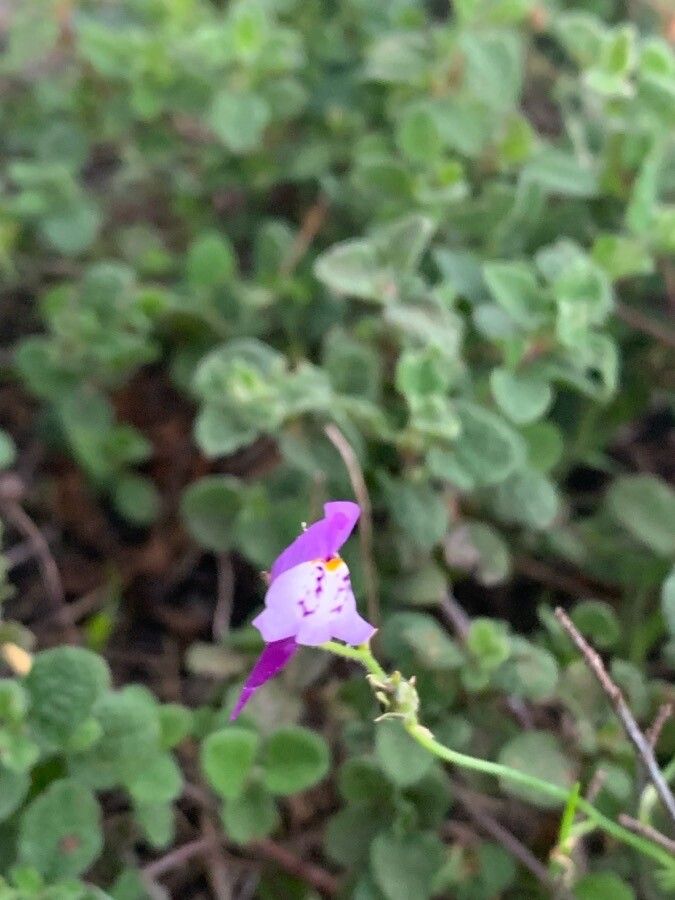
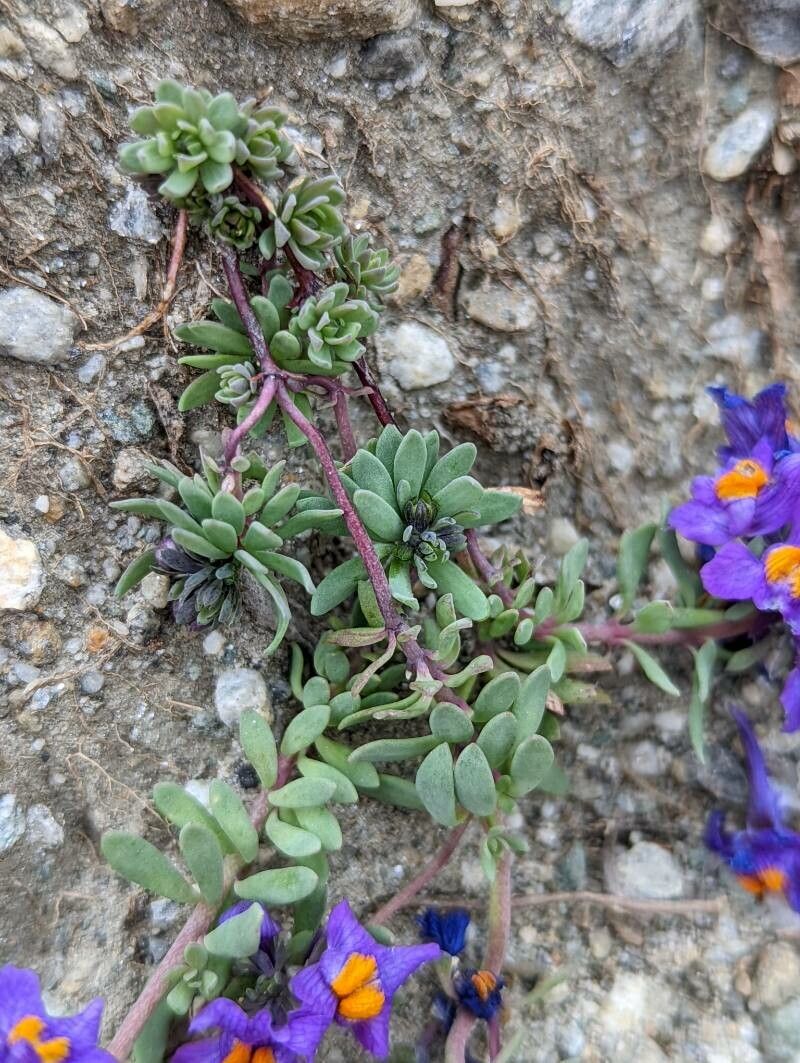
Linaria amethystea is a species of annual flowering plant in the family Plantaginaceae, native to the Iberian Peninsula and northwest Africa. It grows primarily in temperate biomes in Portugal, Spain, Morocco and Western Sahara.
Spanish toadflax has strong disease resistance and is generally not inclined to suffer from diseases. Nevertheless, it can be vulnerable to pests and diseases present in its surroundings. Such infections are typically mild. Regarding care, this plant needs moderate maintenance. It should be pruned regularly to preserve a neat appearance and healthy growth. Applying fertilizer can also encourage flowering. Spanish toadflax is well suited for anyone with outdoor space, like a garden or patio, and does not demand much care experience. It may need extra attention if grown indoors.
How to keep Linaria Amethystea.
Light
Spanish toadflax is a perennial, herbaceous plant that prefers sunny conditions and comes from open habitats, commonly growing in meadows and grasslands. It favors full sun but can also tolerate partial sun.
Temperature
Spanish toadflax can tolerate a wide range of temperatures, though its distribution may still be restricted by various combinations of moisture and heat. It does best in warm summer conditions with sufficient rainfall or irrigation. Extended spells of cloudy, rainy weather or prolonged high temperatures can raise the chance of the plant dying. In winter, protecting it from the cold can increase its survival rate.
Fertilizer
The best time to fertilize Spanish toadflax is in early spring, when it is coming out of dormancy and starting active growth. Fertilizing supplies important nutrients for healthy development. Although Spanish toadflax has fairly low fertilizer requirements, an annual application can improve its survival and encourage better, longer-lasting flowers.
Pruning
Spanish toadflax requires minimal pruning, but it is important to maintain it to prevent invasive spreading. This plant can produce up to 500,000 seeds in its lifetime. To control its growth, remove the flowers before they go to seed or prune the plant back after it blooms. If the plant has spread too much, consider manually removing the roots.
Botanical profile.
- Plant Type
- Herb
- Life Cycle
- Perennial
- Genus
- Linaria
- Family
- Plantaginaceae
- Hardiness Zone
- 7-10
- Mature Height
- 10 cm to 30 cm
- Mature Spread
- 15 cm to 25 cm
- Leaf Color
- Green
- Leaf Type
- Semi-evergreen
- Flower Color
- Purple, Lavender
- Flower Size
- 1.02 cm to 1.52 cm
- Bloom Time
- Mid spring, Late spring, Early summer
- Planting Time
- Spring, Summer
- Harvest Time
- Summer