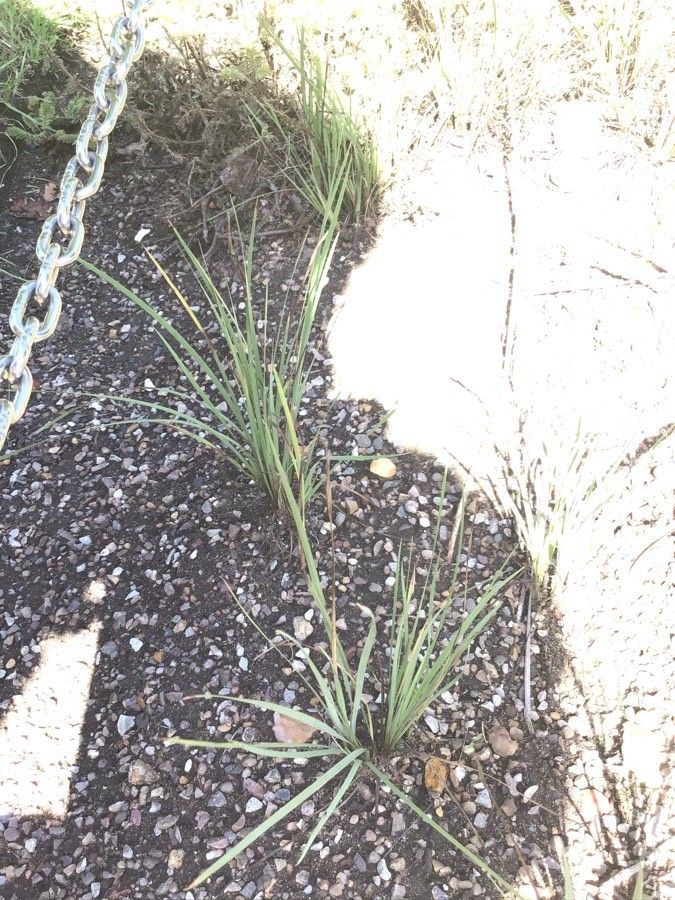
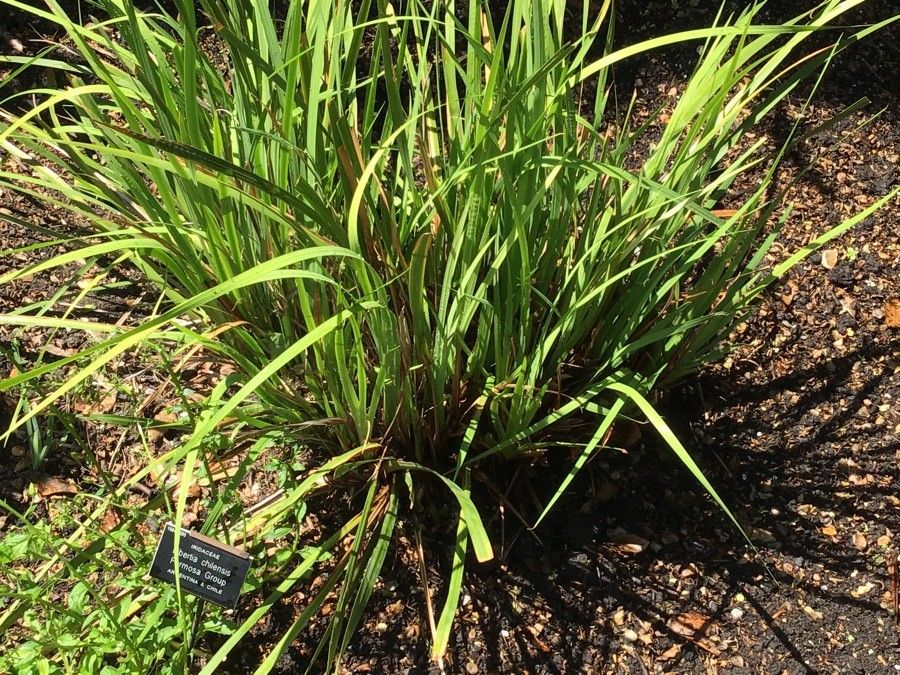
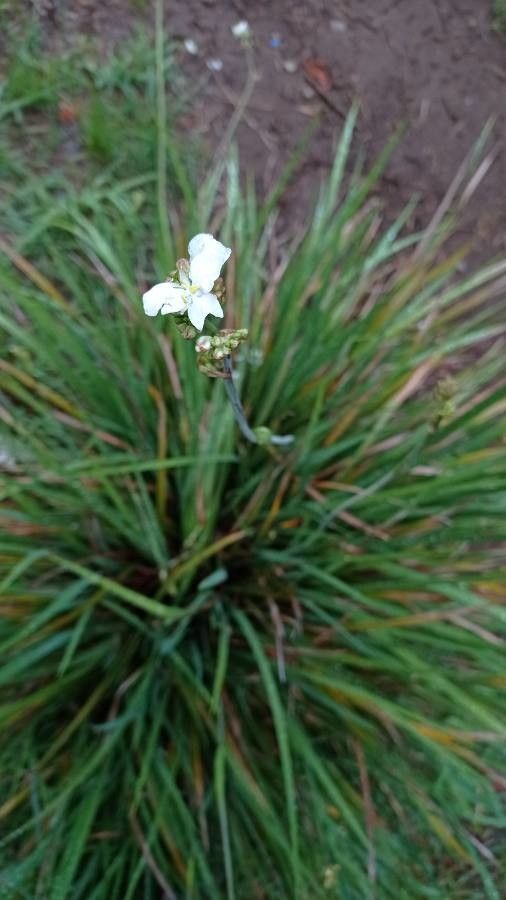
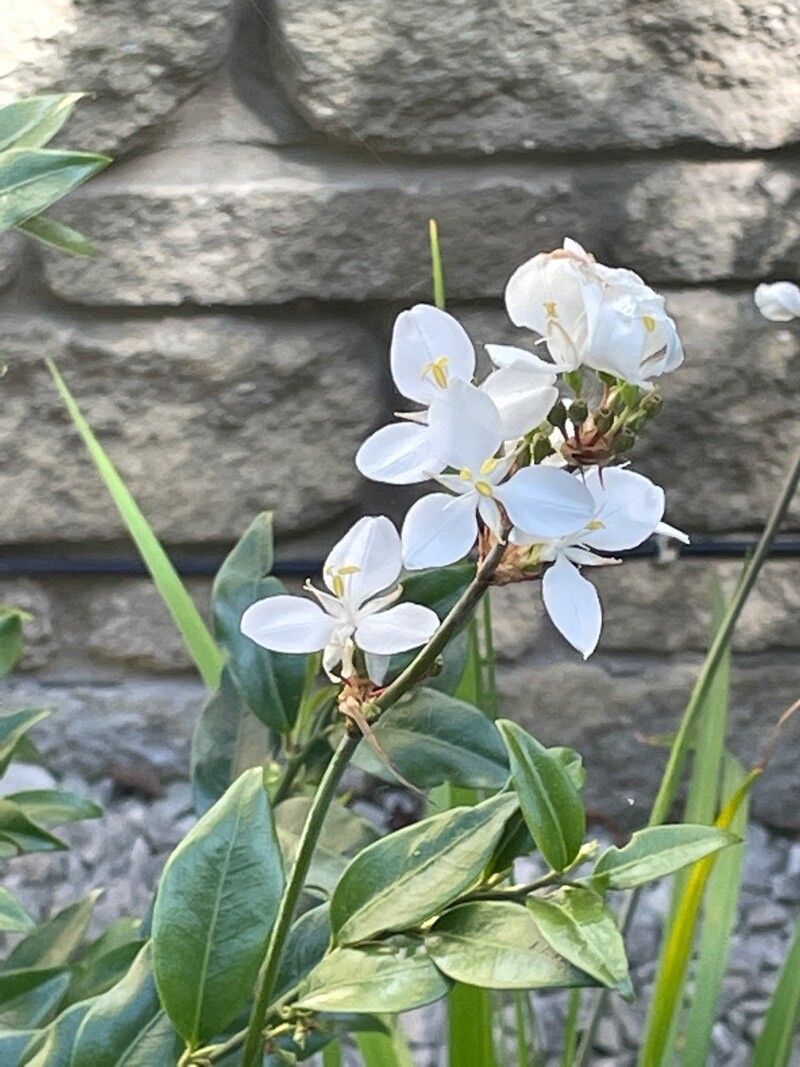
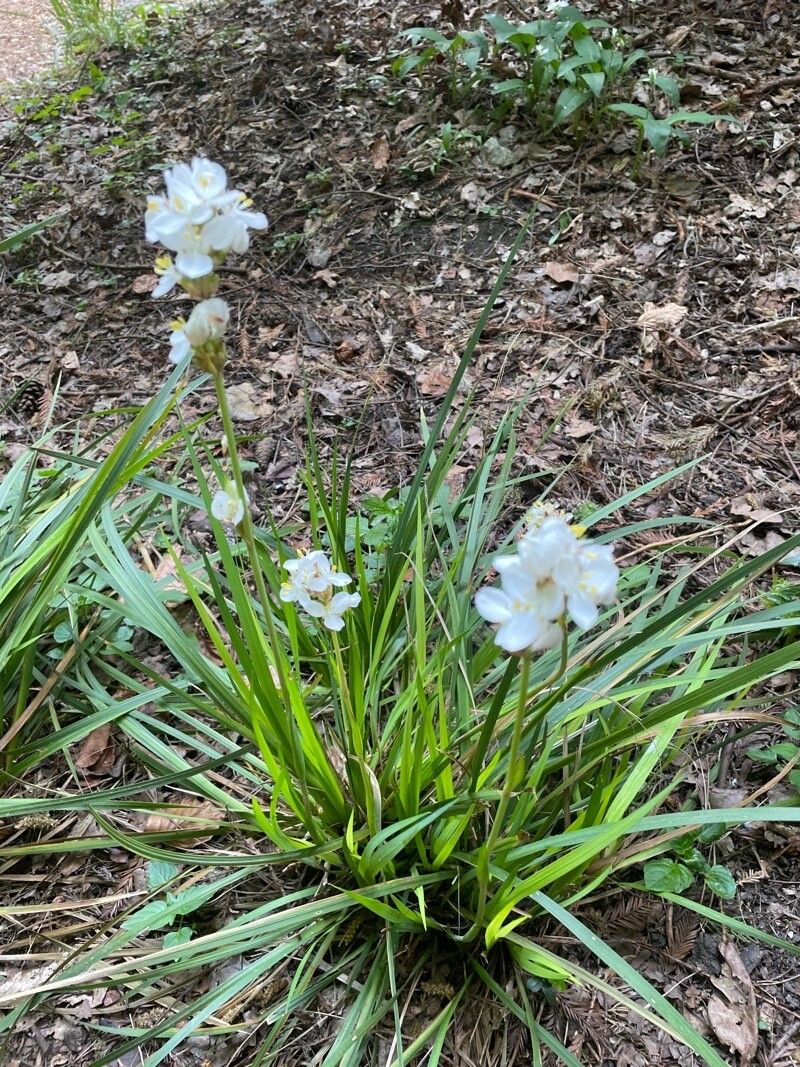
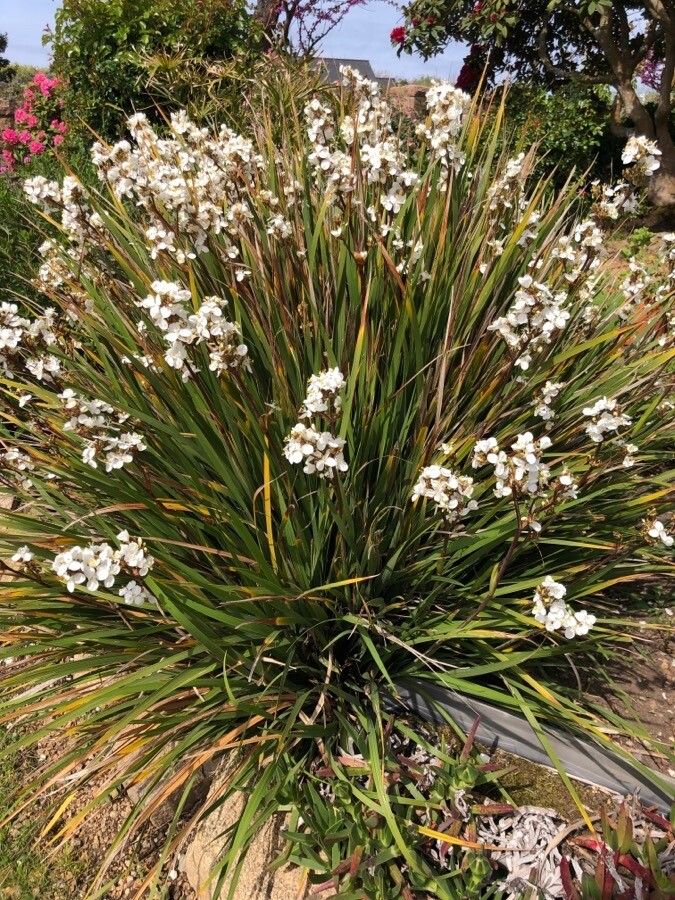
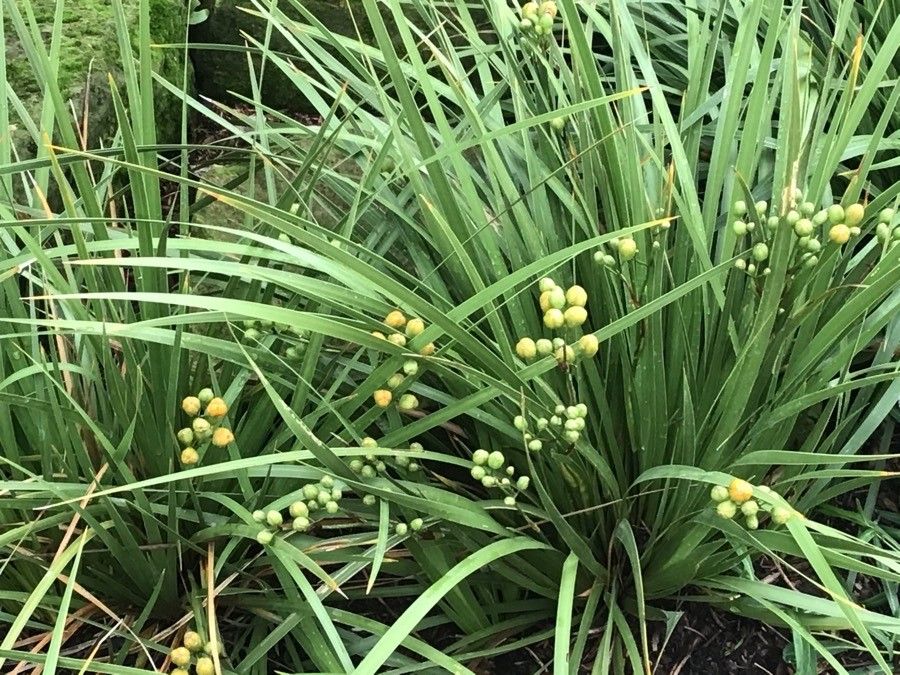
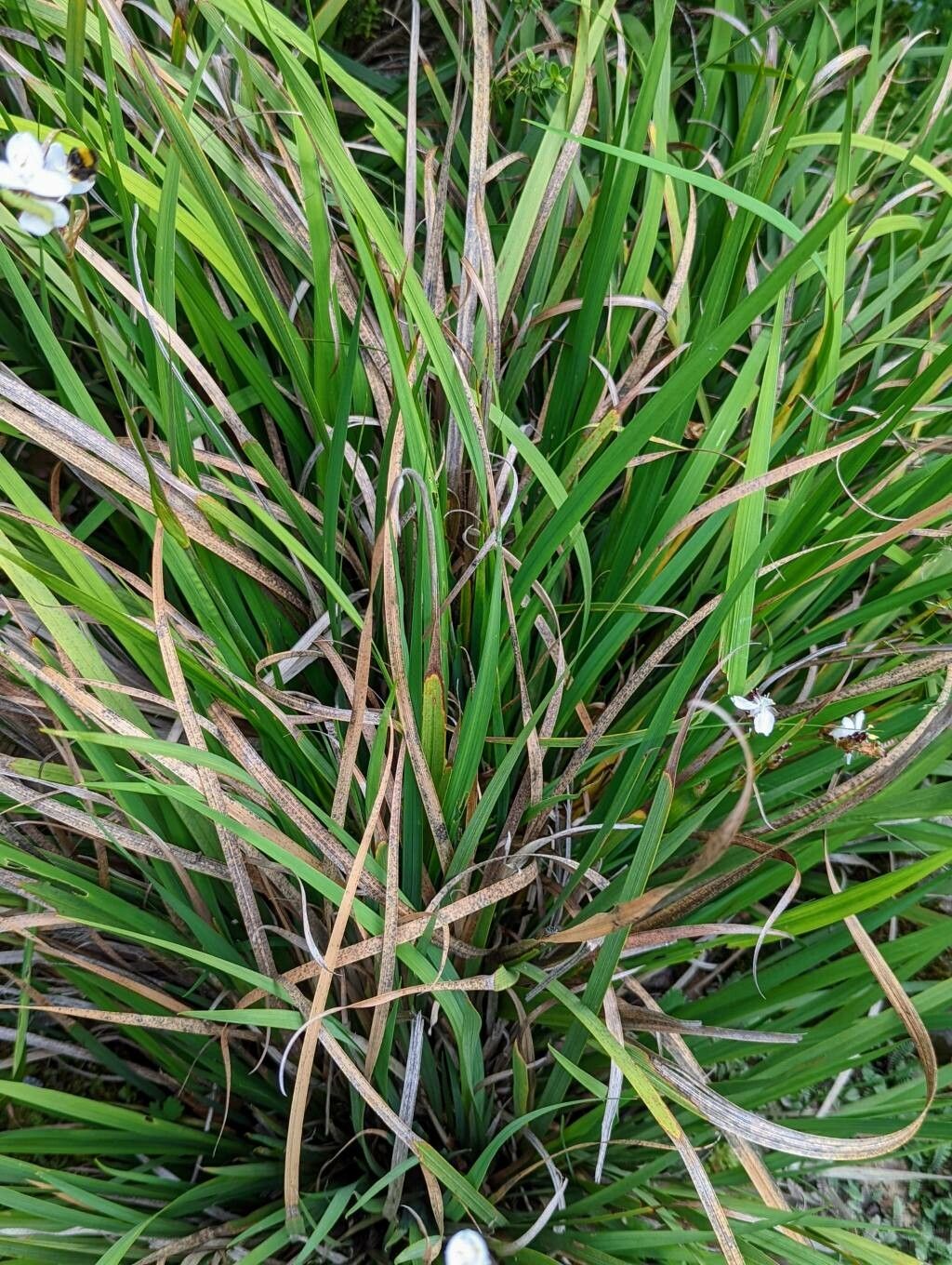
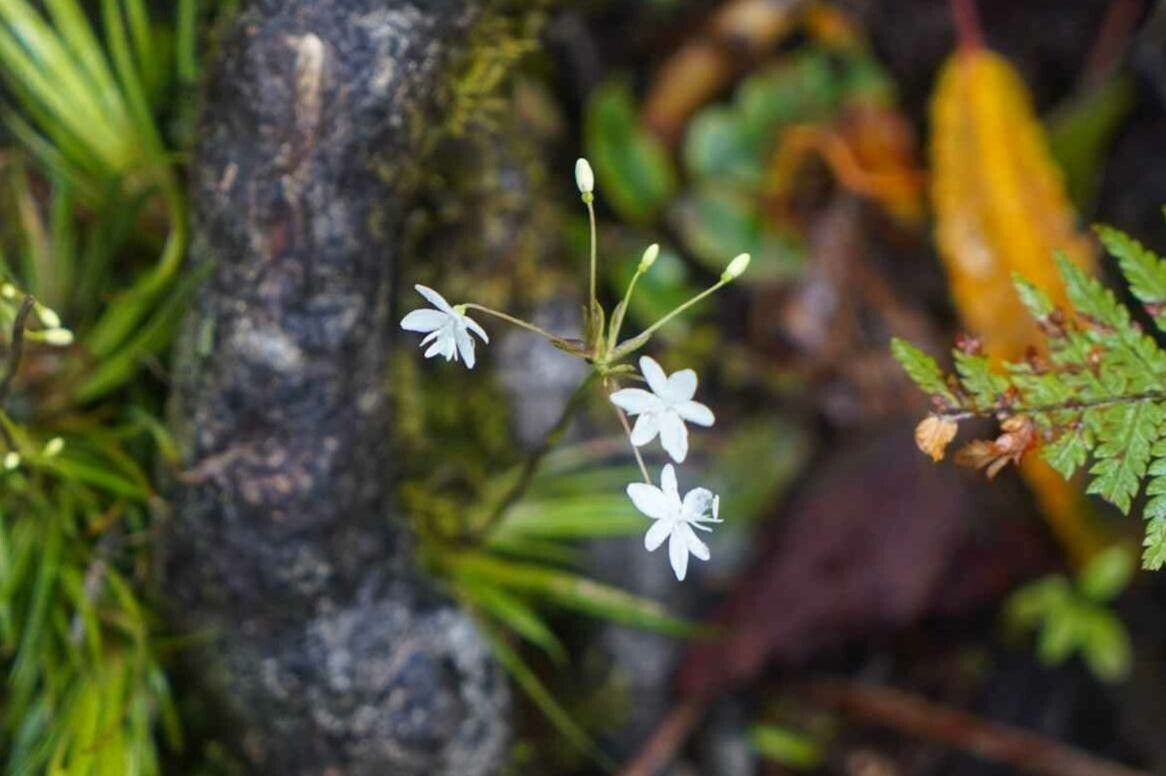
Libertia chilensis, synonym Libertia formosa, called the New Zealand satin flower, snowy mermaid, or Chilean-iris, is a species of flowering plant in the iris family, Iridaceae, native to the Juan Fernández Islands, central and southern Chile, and southern Argentina. It can also be found growing wild in the San Francisco Bay Area and San Bernardino County in California, where it is an introduced species. A rhizomatous evergreen perennial, it has gained the Royal Horticultural Society's Award of Garden Merit.Calle-Calle River in Los Ríos Region owes its name to the Mapuche word for the plant.
The Chilean iris is fairly disease-resistant and generally not prone to illness. However, it can be vulnerable to pests and diseases present in its surroundings. Such infections are usually mild. Regarding care, the plant needs moderate maintenance. Regular pruning is required to preserve a good appearance and promote healthy growth. Fertilizing can also help encourage flowering. The Chilean iris is suitable for anyone with outdoor space, such as a garden or patio, and does not demand much gardening experience. It may need more care when grown indoors.
How to keep Libertia Chilensis.
Light
Chilean-iris is a sun-loving, perennial, herbaceous plant native to open habitats, commonly found in meadows and grasslands. It prefers full sun but can also tolerate partial sun conditions.
Water
Chilean iris thrives best in well-drained soils with moderate watering, preferring consistent moisture without becoming waterlogged. Weekly watering is beneficial, and the plant is also drought-tolerant. As an evergreen, the chilean iris retains moisture throughout the year, which enhances its resilience to temperature fluctuations and helps it maintain its foliage in drier climates.
Temperature
Chilean-iris can tolerate a wide range of temperatures, but its range may still be restricted by particular combinations of moisture and heat. It performs best in warm summer climates with sufficient rainfall or watering. Extended periods of cloudy, rainy weather or prolonged high temperatures increase the chance of Chilean-iris dying. In winter, adequate protection from cold can raise the plant's survival rate.
Fertilizer
The best time to fertilize a Chilean-iris is in early spring, as it comes out of dormancy and begins active growth. Fertilizing supplies essential nutrients needed for healthy development. Even though Chilean-iris requires relatively little feeding, applying fertilizer once a year can improve its survival and encourage better, longer-lasting blooms.
Pruning
The Chilean iris is characterized by its sword-shaped leaves and white flowers. To ensure healthy growth, regularly remove any dead foliage. After the plant flowers in the spring, prune it to promote further growth. Additionally, trim away spent stems and brown leaves to maintain its shape and vitality. Always use clean, sharp tools to prevent injury and the spread of disease.
Botanical profile.
- Plant Type
- Herb
- Life Cycle
- Perennial
- Genus
- Libertia
- Family
- Iridaceae
- Hardiness Zone
- 7-10
- Mature Height
- 91 cm
- Mature Spread
- 61 cm
- Leaf Color
- Green
- Leaf Type
- Evergreen
- Flower Color
- White
- Flower Size
- 2.03 cm to 3.05 cm
- Bloom Time
- Mid spring, Late spring
- Planting Time
- Spring, Summer, Autumn
- Harvest Time
- Mid summer, Late summer
Other names.
Reader questions.
How often should I water my Chilean-iris throughout the year?
The Chilean-iris has its highest water needs during the hottest months of the year, typically during the height of summer. Depending on how quickly the soil dries out, you may need to water this plant more than once per week. However, in the winter, the Chilean-iris enters a dormant phase and requires far less water. In fact, you may not need to water it at all during winter. If you do choose to water during this time, it should be done no more than once per month to avoid the risk of disease.
Why should I put fertilizer on my Chilean iris plant?
The main structure of the Chilean-iris is made up of its leaves, and fertilization is key to keeping these leaves healthy and functional. When you fertilize properly, you can ensure that the leaves maintain a consistent color and a healthy texture. Fertilization also benefits the Chilean-iris below the surface, promoting the growth of new roots and maintaining existing ones. This not only keeps the plant healthy at present, but also enhances its ability to absorb nutrients from the soil in the future.
What are the sunlight requirements for Chilean-iris?
Chilean-iris, or Libertia chilensis, is a perennial herbaceous plant that loves the sun. It flourishes best in full sun conditions, requiring more than 6 hours of sunlight daily. However, it can also tolerate partial sun, adapting well to different lighting conditions. It's essential to observe the movement of sunlight through your garden to ensure that your Chilean-iris is planted in a spot that provides a good balance of light and shade, optimizing its growth and health.
How should I water my Chilean-iris?
To keep your Chilean-iris healthy, it is best to use filtered water that is at room temperature or slightly warmer. Tap water may contain harmful particles, so filtered water is recommended. Since the Chilean-iris is used to a warm environment, cold water can be a shock to its system. To avoid complications with the foliage, it is recommended to avoid overhead watering. Instead, apply filtered, room temperature water directly to the soil until it is completely soaked. This helps to moisturize the roots and promote their spread through the soil, allowing them to collect the necessary nutrients.
What is the ideal time to add fertilizer to my Chilean-iris plant?
If you grow a Chilean-iris outdoors, it will start growing new leaves in early spring indicating it's time to fertilize. Usually, one application of fertilizer is enough for the plant to thrive. However, if you want to maximize growth, you can fertilize multiple times in spring and early summer, about once every month to a month and a half.
How can I use artificial lighting for my indoor Chilean-iris?
For indoor Chilean-iris plants that don't receive enough natural sunlight, especially during winter or in less sunny spaces, artificial lighting can be a lifesaver. LED lights are recommended due to their ability to provide specific wavelengths needed for plant growth. The amount of artificial light required varies depending on the plant's sun requirements - full sun plants need 30-50W/sq ft, partial sun plants need 20-30W/sq ft, and full shade plants need 10-20W/sq ft. The artificial light source should be placed 12-36 inches above the plant and kept on for 8-12 hours per day to mimic natural daylight hours.
What should I do if I give too much or too little water to my Chilean-iris?
Taking care of your Chilean-iris requires proper watering. Both overwatering and underwatering are harmful, but overwatering is more common. Too much water can cause wilting, yellowing of stems and leaves, and even diseases like root rot, mold, and mildew, which can be fatal for your plant. Underwatering is less likely since Chilean-iris can withstand drought, but it can still happen, resulting in brittle and brown leaves. It's important to recognize signs of overwatering early on, as some irreversible damage, like root rot, can occur. Reduce watering if you notice these signs and assess the soil's drainage, replacing it if necessary. Conversely, if you find signs of underwatering, simply water more regularly until the signs disappear.
When is the best time to not add fertilizer to my Chilean-iris plant?
During late fall and winter, your Chilean-iris goes into a dormant phase and stops growing. During this time, it's best to avoid fertilizing. In spring and summer, if you decide to fertilize, gradually decrease the amount as summer nears since the growth rate of your Chilean-iris will also slow down. In general, it's not recommended to fertilize your Chilean-iris when the weather is unusually hot or the soil is extremely dry, as this can cause stress and premature death.
What are the symptoms of light deficiency in Chilean-iris?
When Chilean-iris does not receive adequate sunlight, several symptoms can occur. These include the development of smaller leaves than usual, leggy or sparse growth, faster leaf drop, slowed or ceased new growth, lighter-colored new leaves, and symptoms of excessive sunlight exposure like chlorosis, sunscald, leaf curling, wilting, and leaf scorching. These symptoms highlight the plant's struggle with insufficient or excessive light, impacting its overall health and ability to photosynthesize efficiently.
How often do I need to water my Chilean-iris?
If your Chilean-iris is in a pot, you can determine when it needs water by sticking your finger in the soil. If the top few inches are dry, it's time to water. The same method applies if you have your Chilean-iris planted in the ground. In spring and early fall, watering once a week is usually sufficient. However, during hot weather, you may need to water it two or more times per week. Despite this, mature Chilean-iris plants are quite resilient to drought.
What kind of fertilizer should I use for my Chilean-iris?
Choosing the best fertilizer for a Chilean-iris is actually quite simple. These plants thrive on a general-purpose garden fertilizer with equal amounts of nitrogen, phosphorus, and potassium, such as a 10-10-10 ratio. It's best to avoid fertilizers high in nitrogen if uncertain. The ideal fertilizer for a Chilean-iris typically comes in granular form, with slow-release properties making it easy to apply to the soil. Additionally, feeding the iris with an organic soil amendment like compost can be beneficial.
What solutions are available for Chilean-iris facing light deficiency?
To combat light deficiency in Chilean-iris, gradually moving the plant to a sunnier location can help. For indoor plants, this may involve using a south-facing window or artificial lights for at least 8 hours daily. Outdoor plants should be moved gradually to avoid shock. Removing obstructions like overhanging branches can also increase sunlight exposure. In some cases, especially for smaller plants, transplanting to a sunnier location with good drainage is recommended. It's important to note that while parts of the plant affected by insufficient light may not recover, new growth will be healthy once proper light levels are restored.