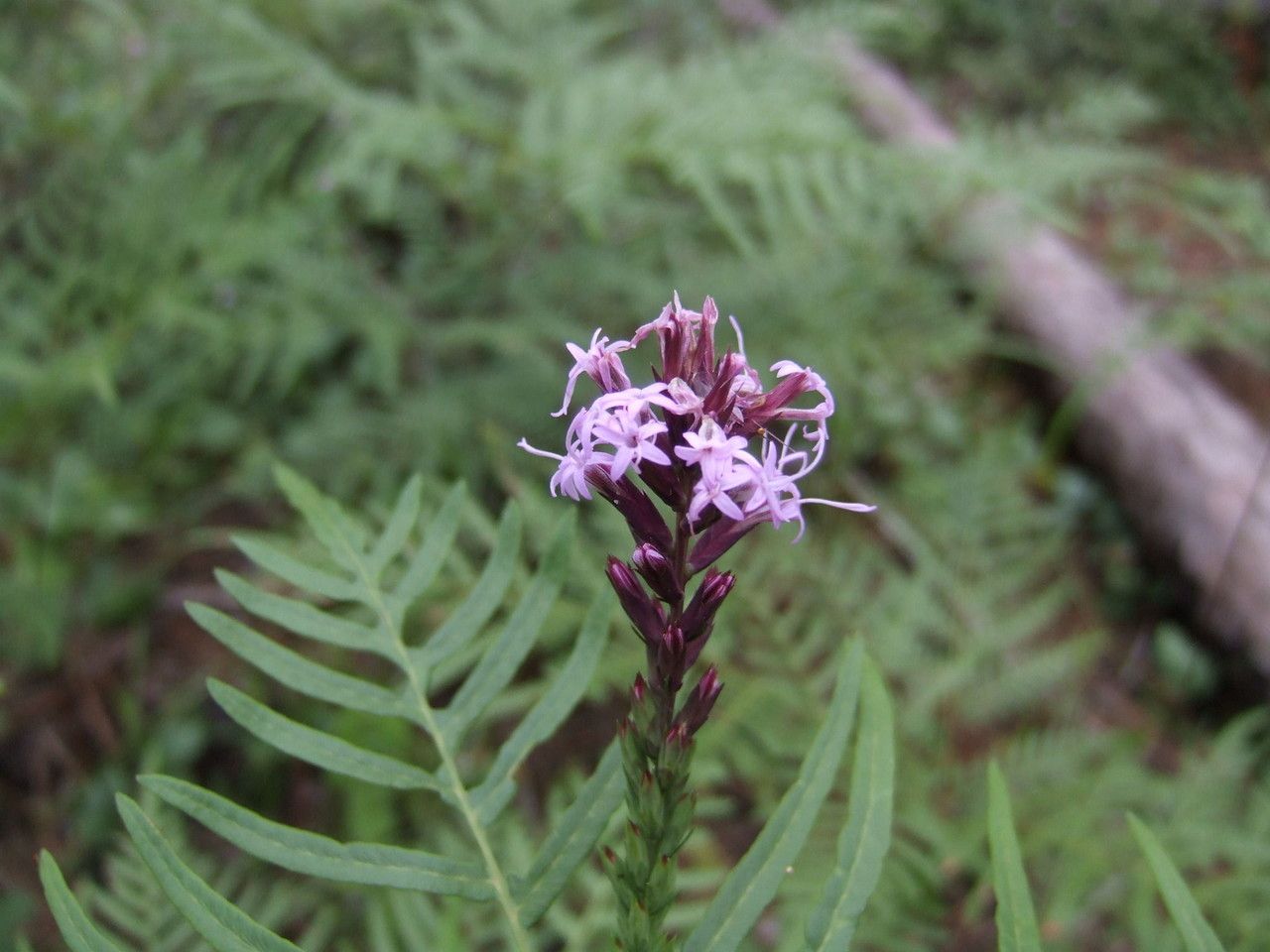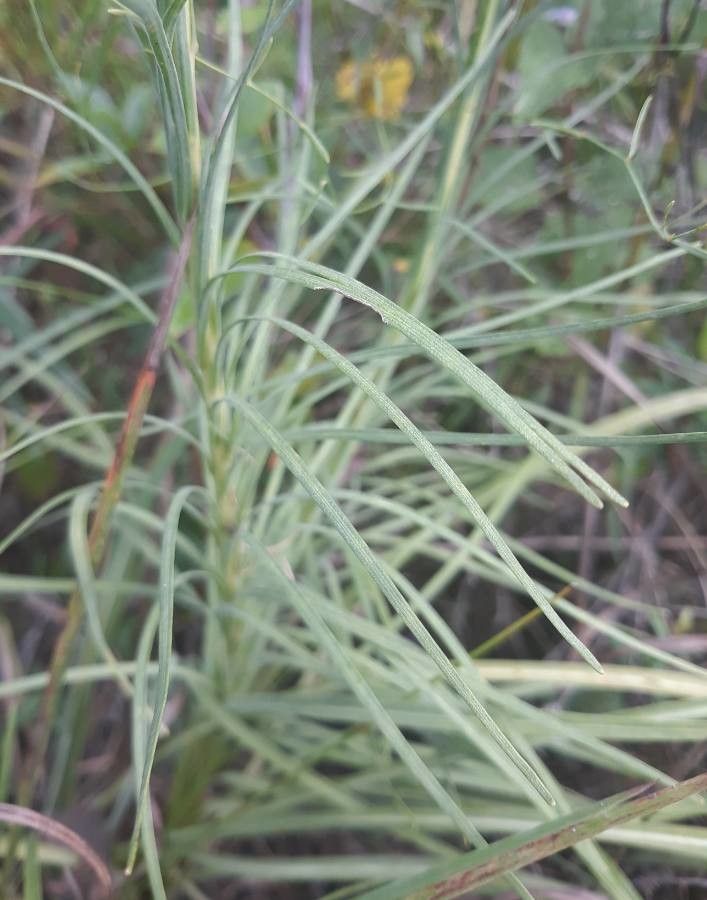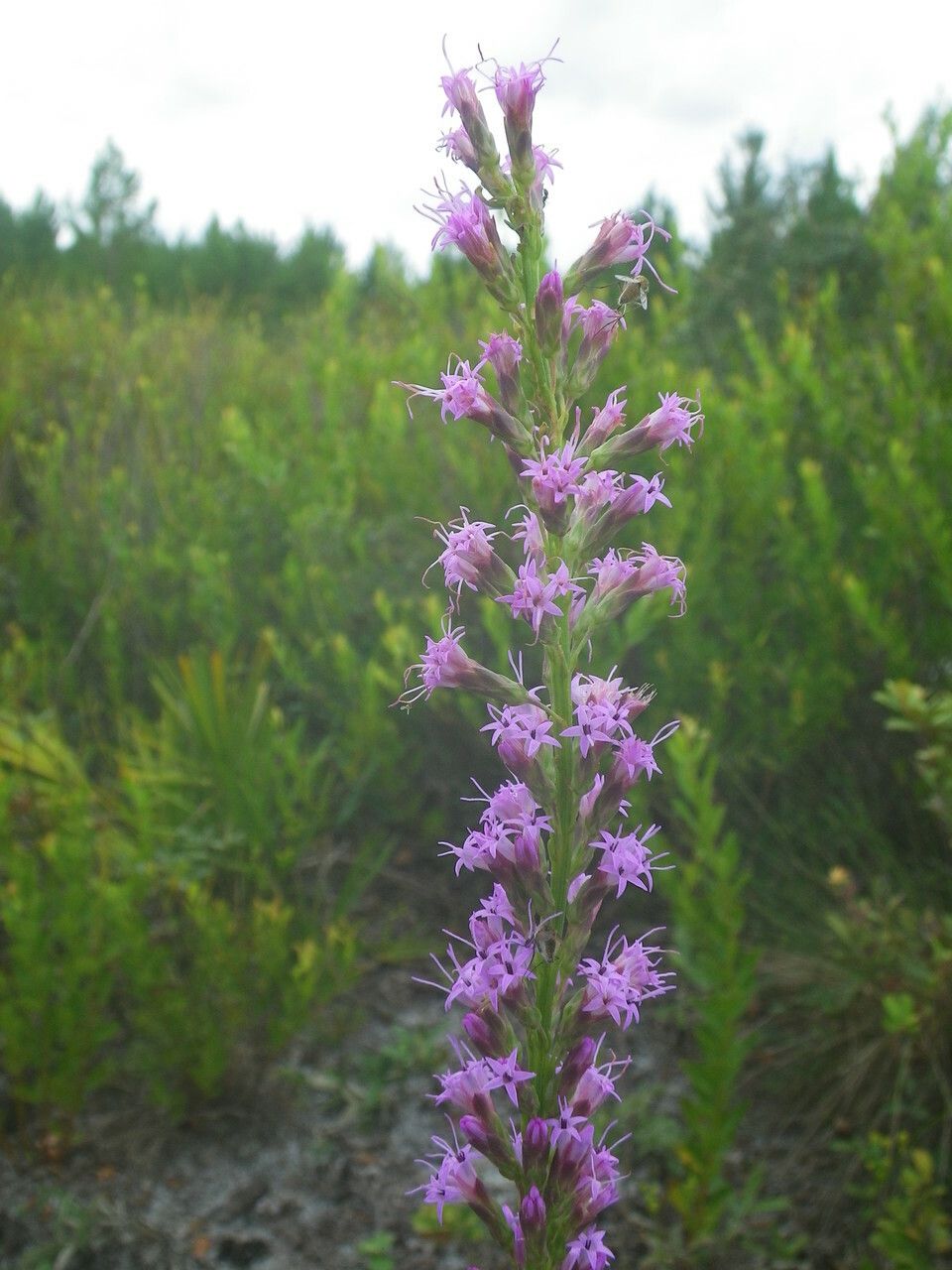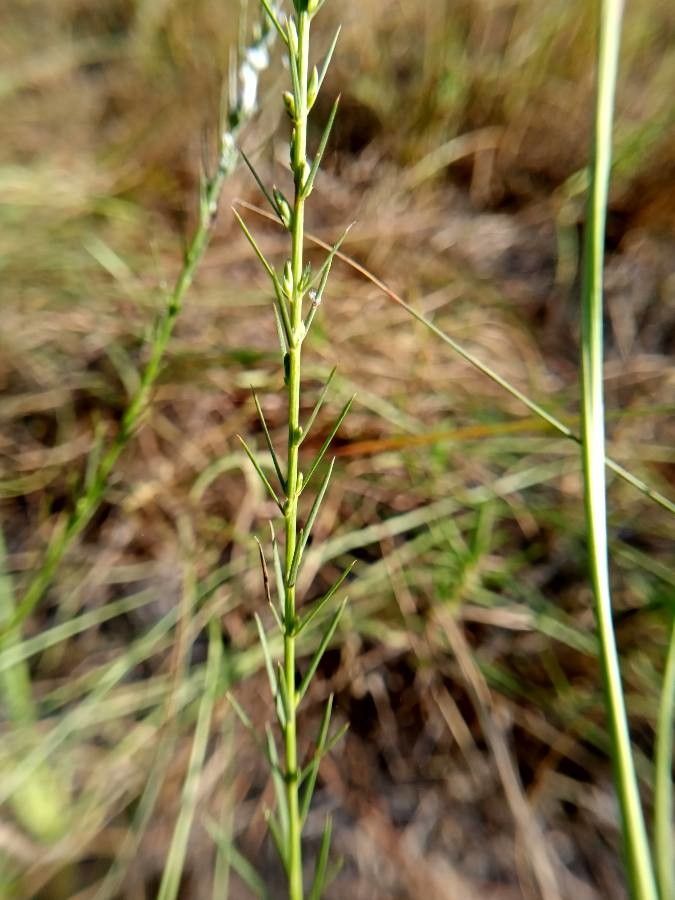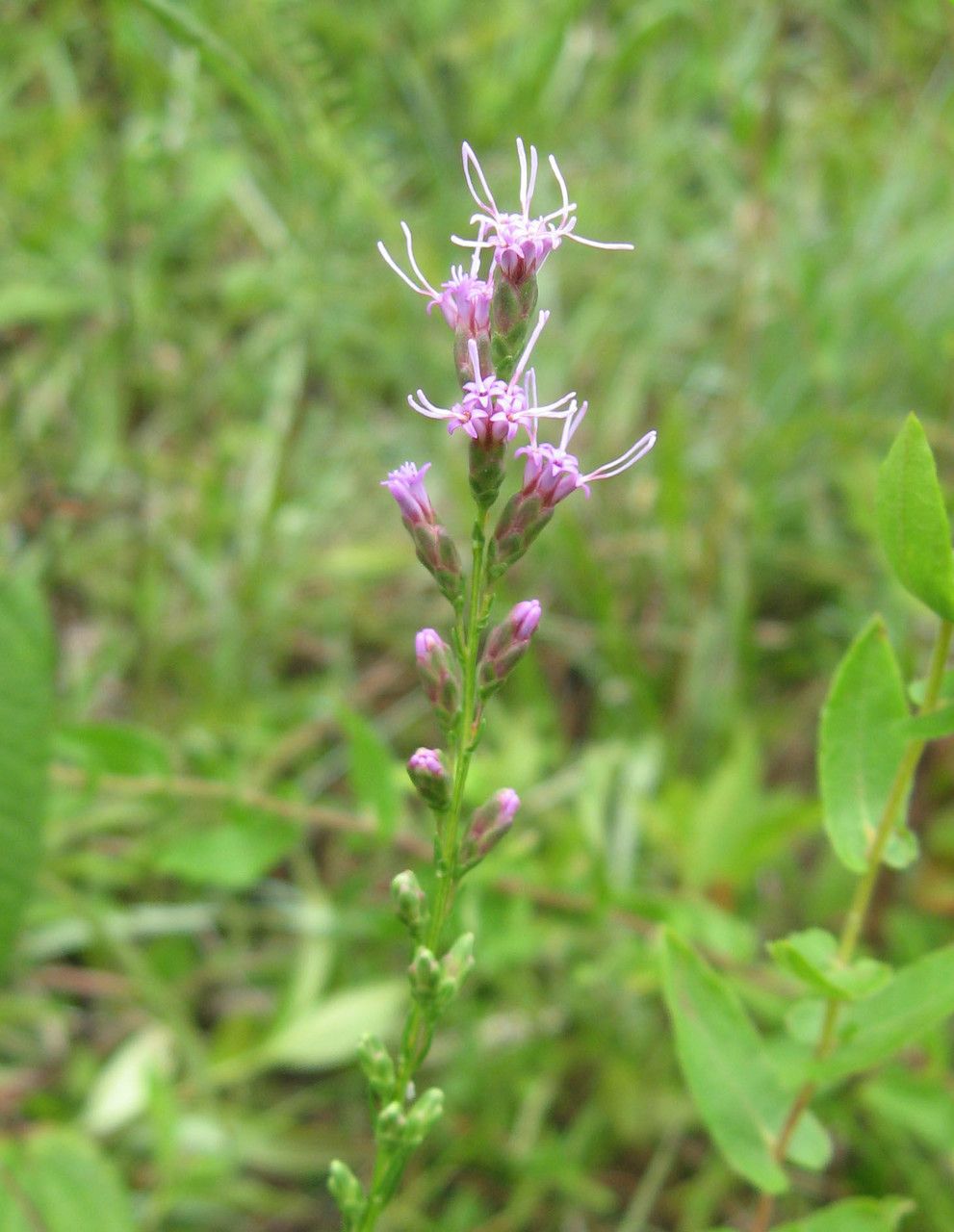
Liatris microcephala, known by the common names smallhead blazing star and smallhead gayfeather, is a species of flowering plant in the family Asteraceae. It is native to the Southeastern United States, primarily to regions of the Cumberland Plateau and Piedmont. It is found growing on exposed acidic rock such as sandstone or granite, as well as in open sandy areas. It is a perennial and flowers in late summer.
Smallhead blazing star has strong resistance to disease and is generally not prone to illnesses. Nevertheless, it can be affected by pests and diseases present in its environment. Such infections are typically mild. Care-wise, this plant needs moderate maintenance. It should be pruned regularly to preserve a tidy appearance and support healthy growth. Applying fertilizer can also encourage more flowering. Smallhead blazing star is appropriate for anyone with outdoor space, like a garden or patio, and does not demand extensive gardening experience. It may need extra attention if grown indoors.
How to keep Liatris Microcephala.
Light
Originating from open habitats, Smallhead blazing star is an herbaceous perennial plant that thrives in meadows and grasslands and enjoys basking in the sun. While it prefers full sunlight, it can also adapt to environments with partial sunlight.
Water
The smallhead blazing star thrives in well-drained soils and demonstrates strong drought tolerance, needing only weekly watering. It flourishes in full sun and becomes especially vibrant during its flowering period when adequate moisture is essential for maintaining its colorful blooms.
Temperature
Smallhead blazing star can tolerate a wide range of temperatures, but its distribution can still be restricted by different combinations of moisture and heat. It performs best in warm summer climates with sufficient rainfall or irrigation. Extended periods of cloudy, rainy weather or prolonged high temperatures increase the chance of Smallhead blazing star dying. In winter, protecting it from cold improves its survival prospects.
Fertilizer
Early spring, when flowers are beginning to form, is the ideal time to fertilize Smallhead blazing star. Appropriate fertilizer not only promotes improved blossoms but also supports this plant in generating beautiful flowers. By fertilizing early in spring, it guarantees superb flowers throughout the season and supplies energy for periods of dormant growth.
Pruning
To maintain the health and appearance of smallhead blazing star, prune the old stems in early spring. A second pruning after the plant has flowered helps keep it looking neat and prevents the spread of seeds. It's important to use clean tools during pruning to prevent infections. Proper pruning also improves air circulation and nutrient distribution throughout the plant.
Botanical profile.
- Plant Type
- Herb
- Life Cycle
- Perennial
- Genus
- Liatris
- Family
- Asteraceae
- Hardiness Zone
- 4-9
- Mature Height
- 46 cm to 61 cm
- Mature Spread
- 30 cm
- Leaf Color
- Dark Green
- Leaf Type
- Deciduous
- Flower Color
- Purple, Lavender
- Flower Size
- 2.54 cm
- Bloom Time
- Mid summer, Late summer, Early fall
- Planting Time
- Spring, Autumn
- Harvest Time
- Early fall, Mid fall
Other names.
Reader questions.
What are the sunlight requirements for Smallhead blazing star (Liatris microcephala)?
The Smallhead blazing star, known botanically as Liatris microcephala, thrives under specific sunlight conditions. It requires 'Full sun,' which is defined as receiving above 6 hours of sunlight daily, for optimal growth. Alternatively, it can also grow in 'Partial sun,' requiring about 3-6 hours of sunlight each day. When planning where to plant your Smallhead blazing star, it's important to observe the movement of sunlight through your garden. Choosing the right location that provides a balance of light and shade will ensure your plants grow healthy and strong. Remember, the happiness of your plants is greatly influenced by how well their light needs are met, so be mindful of their placement.
What is the Smallhead Blazing Star?
The Smallhead Blazing Star, known botanically as Liatris microcephala, is a plant species recognized for its distinct characteristics. Unfortunately, the provided information does not include details about its essentials or symptoms if applicable, leaving a gap in the full portrait of this plant.