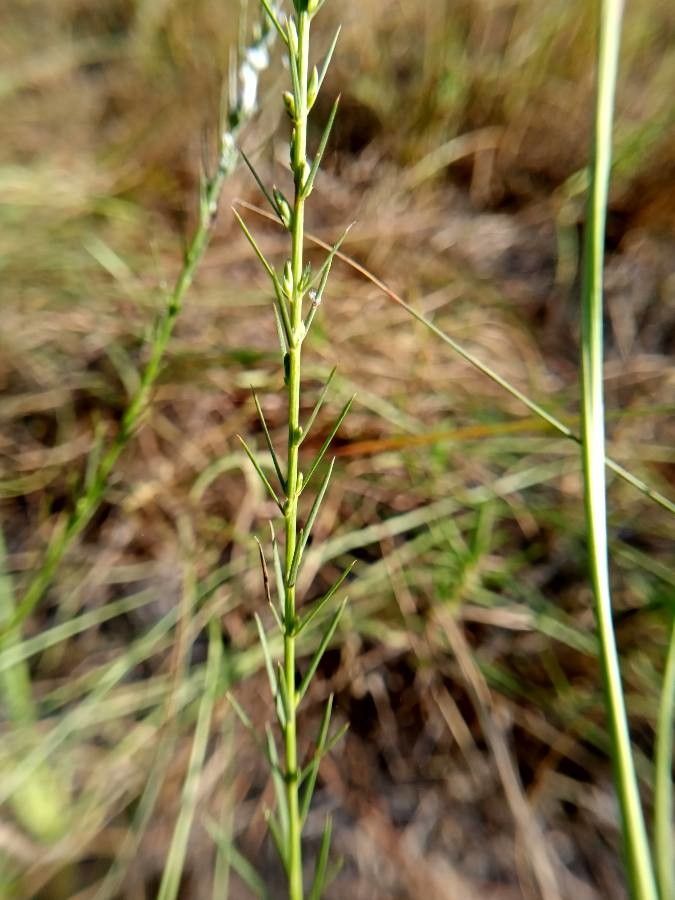
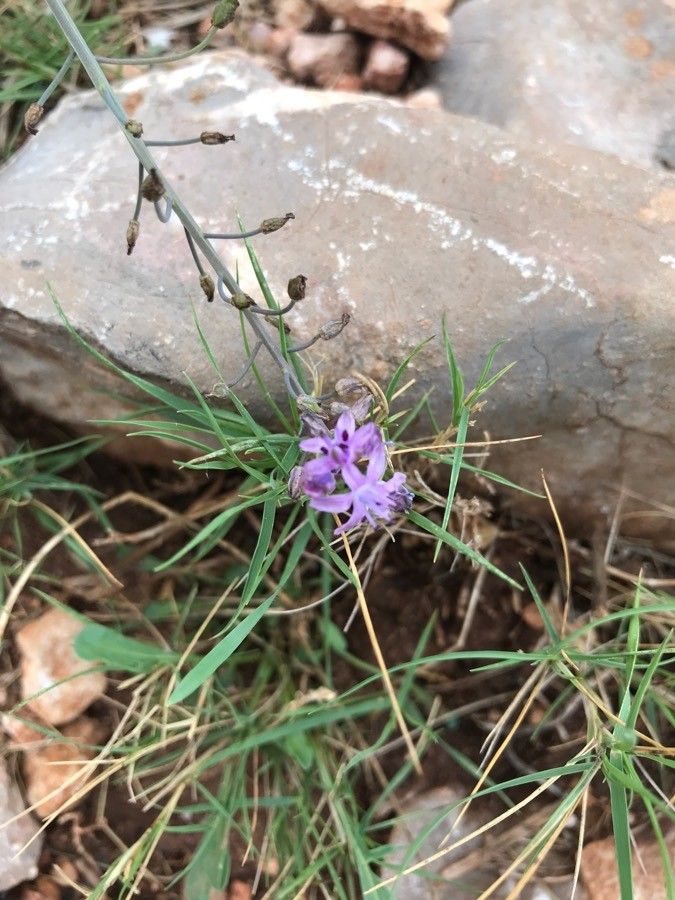
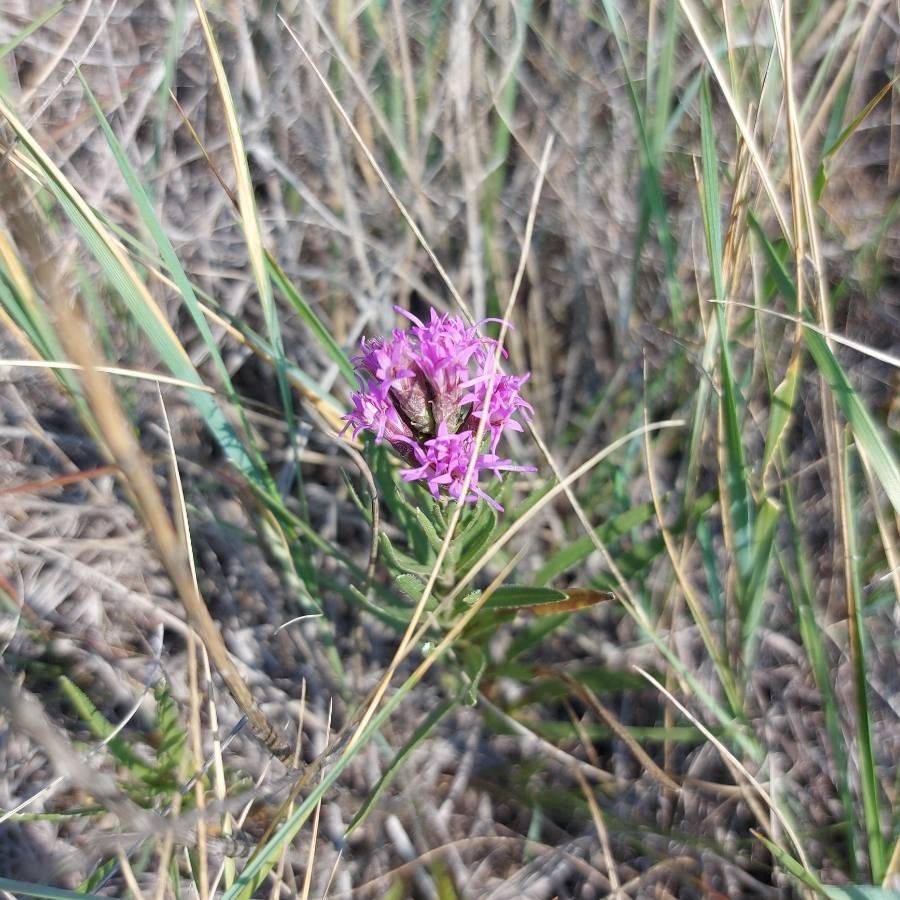
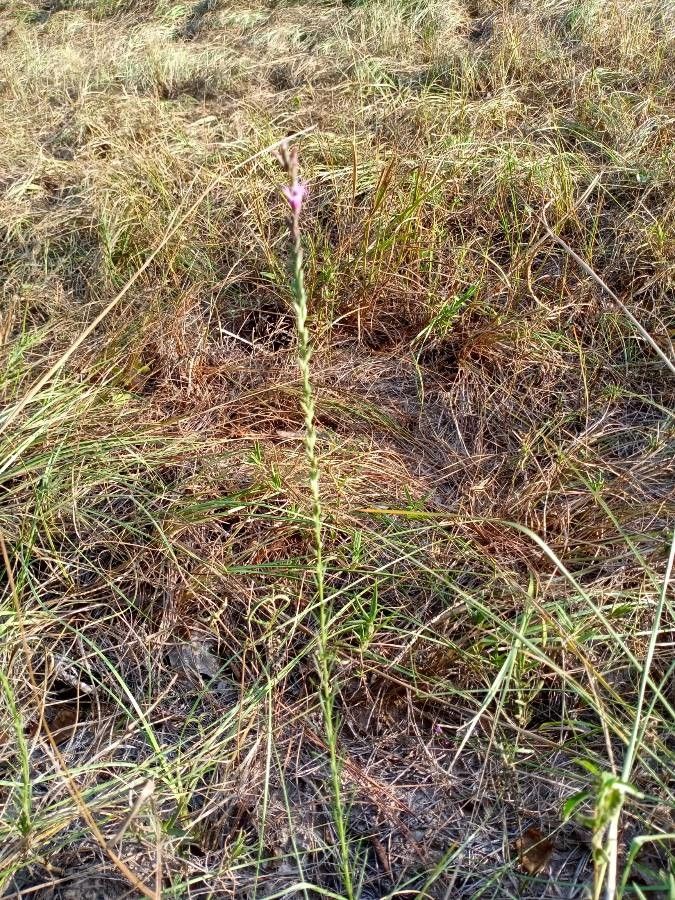
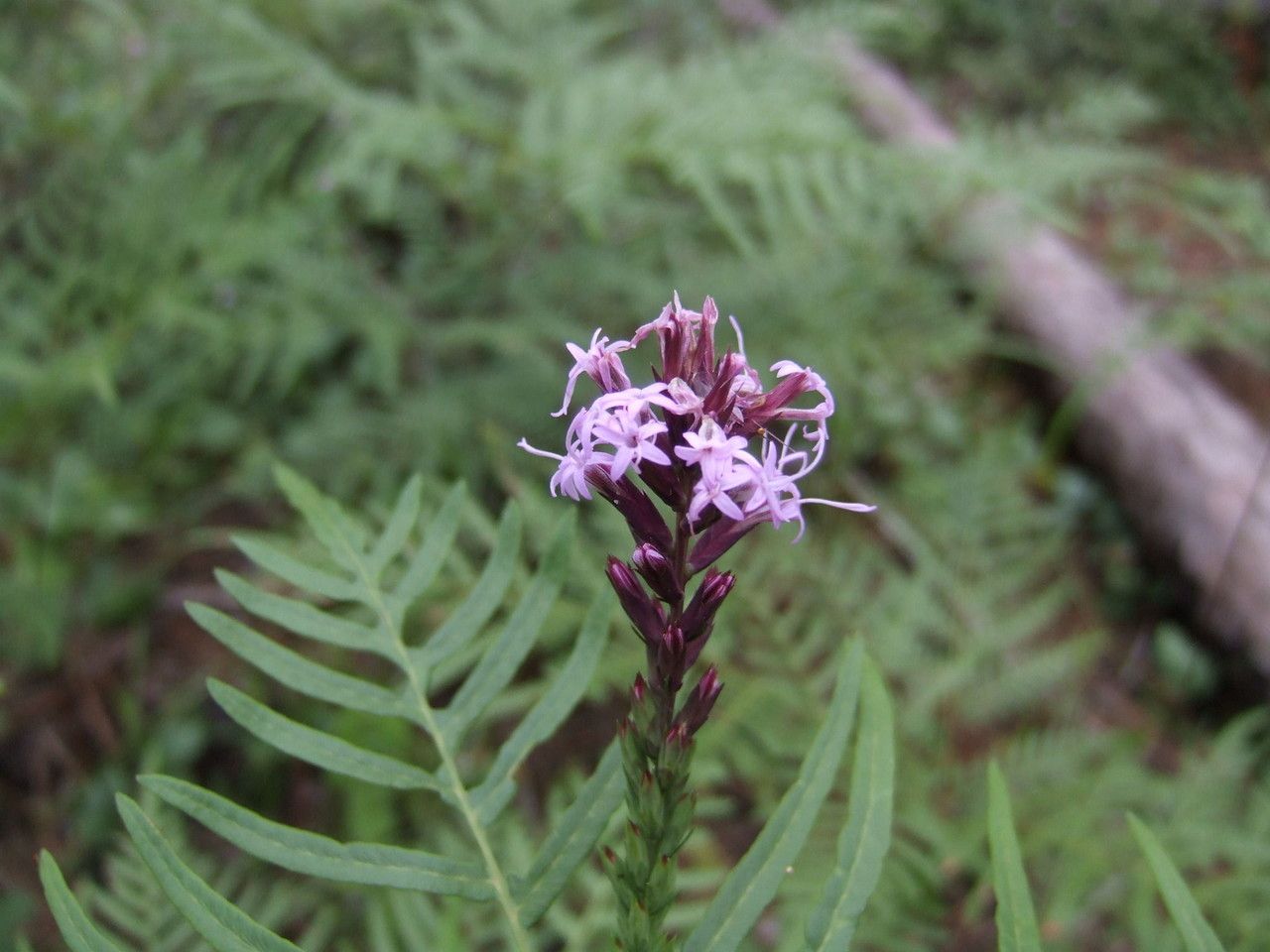
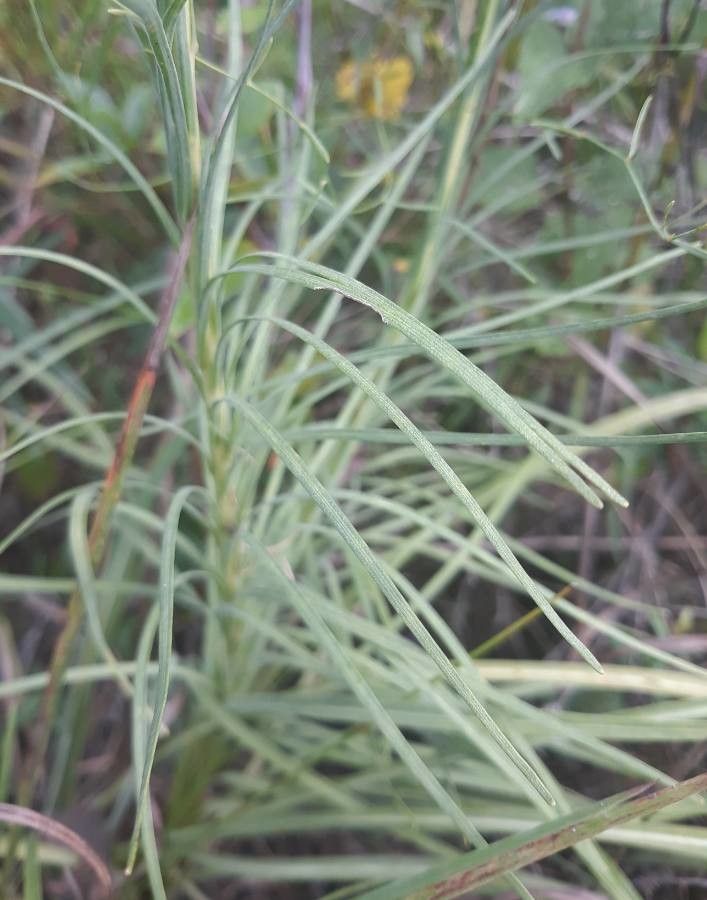
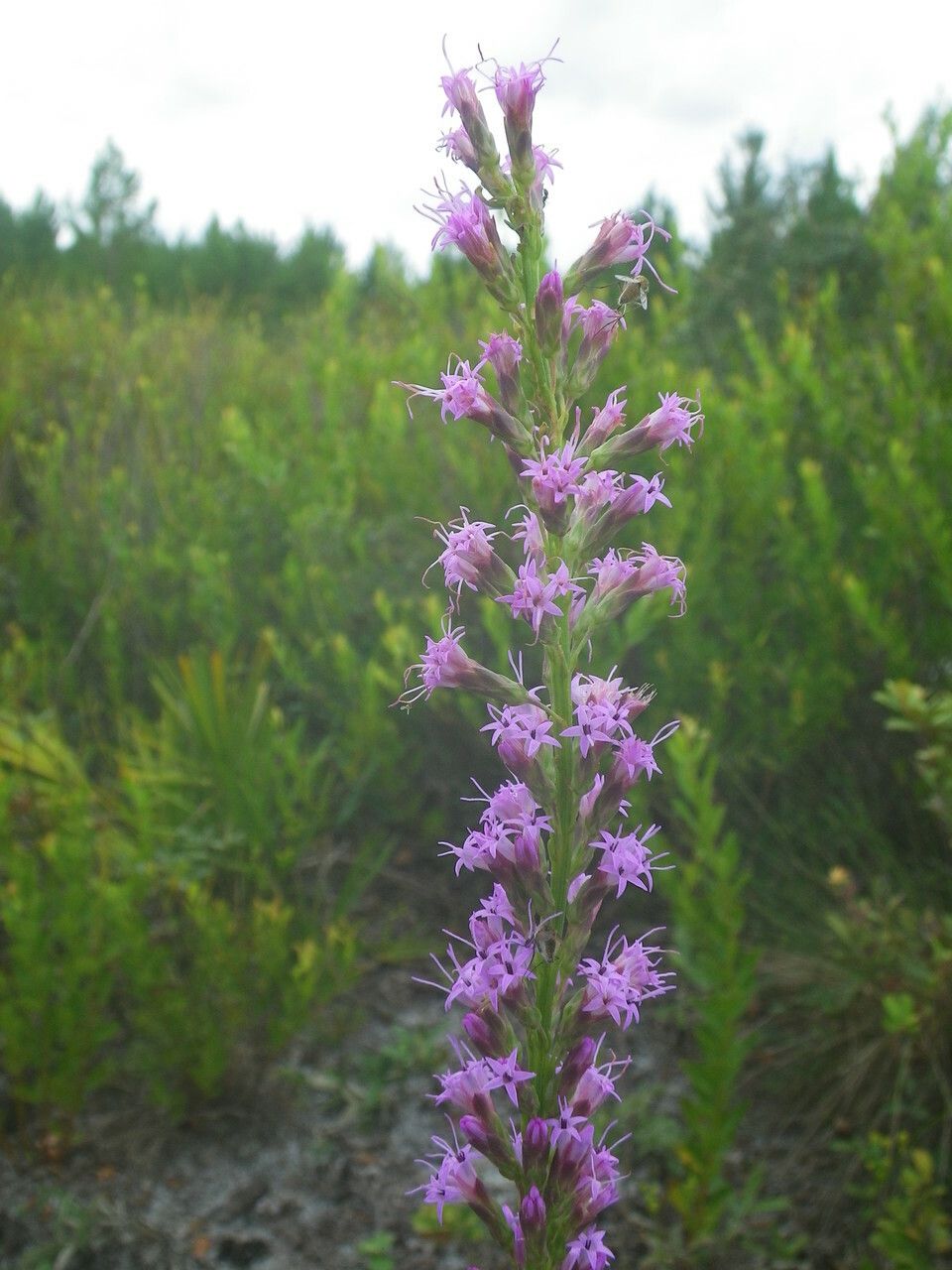
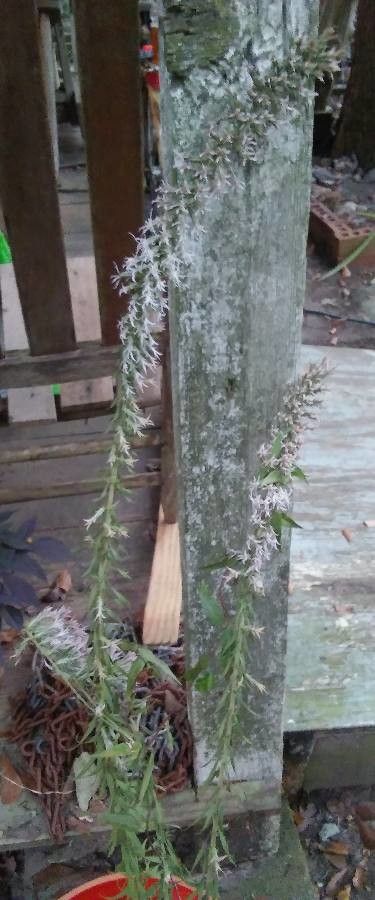
Liatris cylindracea (known as barrelhead blazing star, cylindric or cylindrical blazing star, Ontario blazing star, or dwarf blazing star) is a plant species in the family Asteraceae. It is native to eastern North America, where its populations are concentrated in the Midwestern United States. It is found in habitats such as prairies, limestone and sandstone outcroppings, bluffs, barrens, glades, woodlands and dunes.
Ontario blazing star has good disease resistance and is generally not susceptible to illnesses. However, it can be vulnerable to pests and diseases present in its environment. Such infections are usually mild. Regarding care, this plant needs moderate maintenance. It should be pruned regularly to maintain its appearance and encourage healthy growth. Applying fertilizer can also help promote flowering. Ontario blazing star is suitable for anyone with outdoor space, like a garden or patio, and does not require extensive gardening experience. It may need more attention when grown indoors.
How to keep Liatris Cylindracea.
Light
Ontario blazing star does best with plentiful warm sunlight, thriving when given generous sun exposure throughout the day. Too little or too much sun can impede its healthy growth. This preference comes from its native open-field habitats, where full sun conditions are common.
Water
Ontario blazing star, native to open prairies with well-drained soils, thrives in conditions of balanced moisture and shows moderate drought tolerance once established. To replicate its natural environment, it is best to water the plant weekly. This practice, along with seasonal rainfall, supports optimal flowering.
Temperature
Ontario blazing star is naturally adapted to temperate climates. It preferably thrives at temperatures from 59 to 100 °F (15 to 38 ℃). Monitor seasonal changes and adjust care to mirror its natural, moderate habitat.
Fertilizer
For Ontario blazing star, the primary time to fertilize is in early spring when the flowers start forming. The appropriate fertilizer promotes better blooms and helps Ontario blazing star produce attractive flowers. Fertilizing in early spring ensures strong flowers through the season and supplies energy for dormant growth phases.
Pruning
Pruning the Ontario blazing star in early spring encourages healthy growth and more abundant flowering. During the growing season, remove any dead stems and spent blooms. To avoid damage over winter, refrain from pruning in the fall. Regular pruning not only controls the plant's height and spread but also ensures a vibrant display in the seasons to come.
Botanical profile.
- Plant Type
- Herb
- Life Cycle
- Perennial
- Genus
- Liatris
- Family
- Asteraceae
- Hardiness Zone
- 8-11
- Mature Height
- 46 cm to 61 cm
- Mature Spread
- 20 cm to 30 cm
- Leaf Color
- Green, Dark Green
- Leaf Type
- Deciduous
- Flower Color
- Purple, Lavender
- Flower Size
- 1.02 cm to 1.52 cm
- Bloom Time
- Mid summer, Late summer, Early fall
- Planting Time
- Spring
- Harvest Time
- Early fall, Mid fall
Other names.
Reader questions.
How do I properly water my Ontario blazing star during different stages of growth?
The water needs of the Ontario blazing star can vary depending on its growth stages. In the early years or after transplanting, you should give it more water than usual. During these stages, the plant focuses on developing new roots, which require extra moisture for optimal growth. As the plant matures, it will require less water. Additionally, during the bloom period, the Ontario blazing star may need more water due to the water demand of flower development.
Can the sun harm Ontario blazing star plants? How can we protect Ontario blazing star plants from the sun and heat damage?
In warm climates, some Perennial Flowering Plants may struggle with excessive heat and suffer from sun damage. They can wilt, dry out, or even experience growth problems if they are consistently exposed to the intense afternoon sun. However, not all plants require protection from the light afternoon sun. For those that are harmed by intense afternoon exposure, it is recommended to provide them with some shade in warmer climates. Gardeners can achieve this by planting these plants in areas that do not receive direct heat during the afternoon, such as under trees or behind bushes.
How can I make sure Ontario blazing star stays warm during cold seasons?
To help the Ontario blazing star plant withstand colder temperatures, stop adding fertilizer to prevent new growth and allow the existing ones to become more resilient. To keep them warm during the dropping temperatures, you can consider constructing cages or trellises around the plant. Another option is to use heat mats, which can gently warm the soil and maintain an ideal temperature range consistently for the Ontario blazing star.
What's the difference between watering my Ontario blazing star inside and outside?
The Ontario blazing star is commonly grown indoors for gardeners in non-temperate and non-tropical regions. If you're growing it in a container, keep in mind that the soil can dry out faster than if it were planted in the ground. Additionally, if you have drying elements like air conditioning units, your blazing star may require more frequent watering compared to if it was planted outside. In that case, you might not need to water it much if you receive regular rainfall. On the other hand, if you're growing it indoors, you'll need to water it more often since you can't rely on rainwater to soak the soil.
How many hours of sunlight does Ontario blazing star need each day to grow well?
To ensure your Ontario blazing star grows well and blooms abundantly, it is recommended to provide the plant with six hours of direct sunlight. Certain perennial plants can tolerate even more sunlight and may thrive in up to twelve hours, depending on the local climate and environment. For instance, plants like the Red Hot Poker and Giant Coreopsis are well-suited to hotter climates and can withstand intense sunlight. However, some home gardeners may need to rely on grow lights due to limited outdoor sunlight. While most perennials can do well under grow lights, they will require eight to fourteen hours of artificial light to stay healthy since these lights are not as powerful as the sun.
Do I need to change the temperature for Ontario blazing star in different seasons?
During spring, when growing the Ontario blazing star, it is important to consider increasing humidity due to the cooler air temperatures. This is because dry temperatures can be stressful for various species. As summer approaches, the large greenhouse cover and warmer temperatures will naturally result in higher humidity levels. However, it is crucial to monitor for signs of excessive humidity, such as condensation on greenhouse walls. This can negatively impact pollination and lead to leaf infections if the water starts to fall on the leaves. Therefore, it is recommended to make adjustments based on the temperature and consider spraying during hotter days of the year.