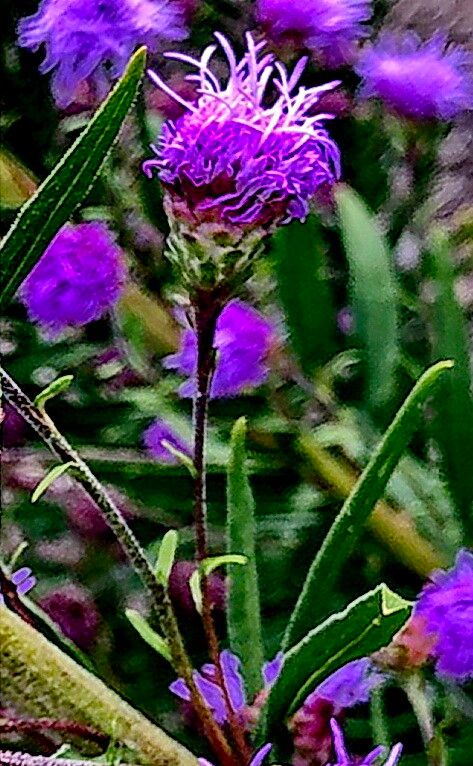
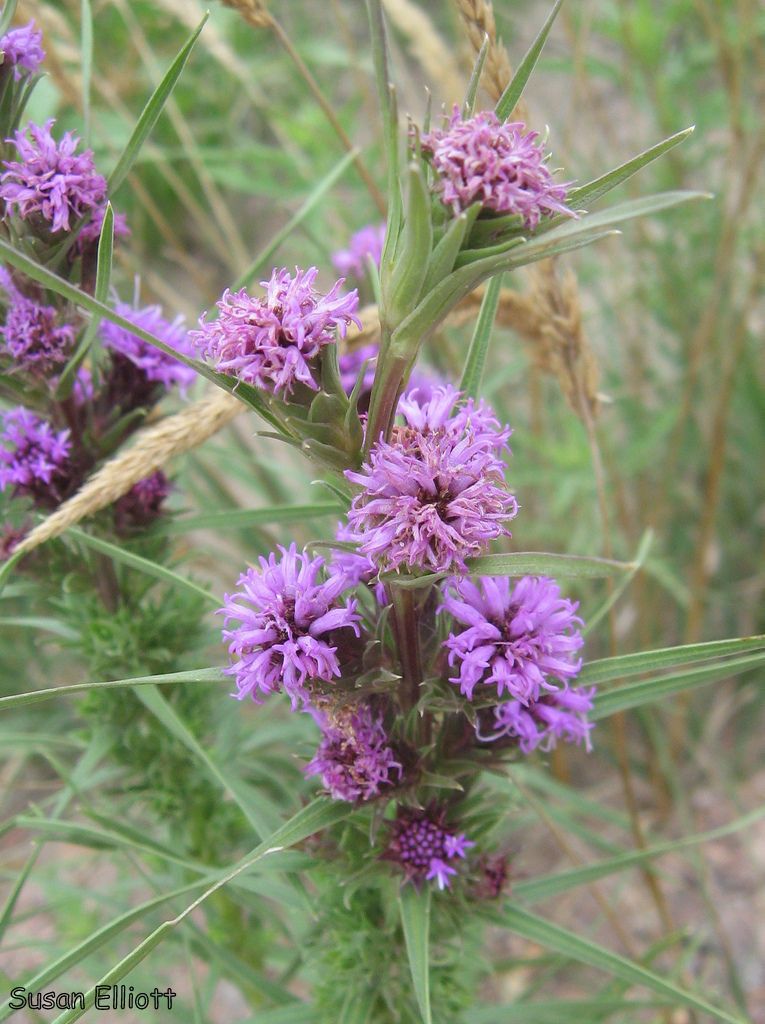
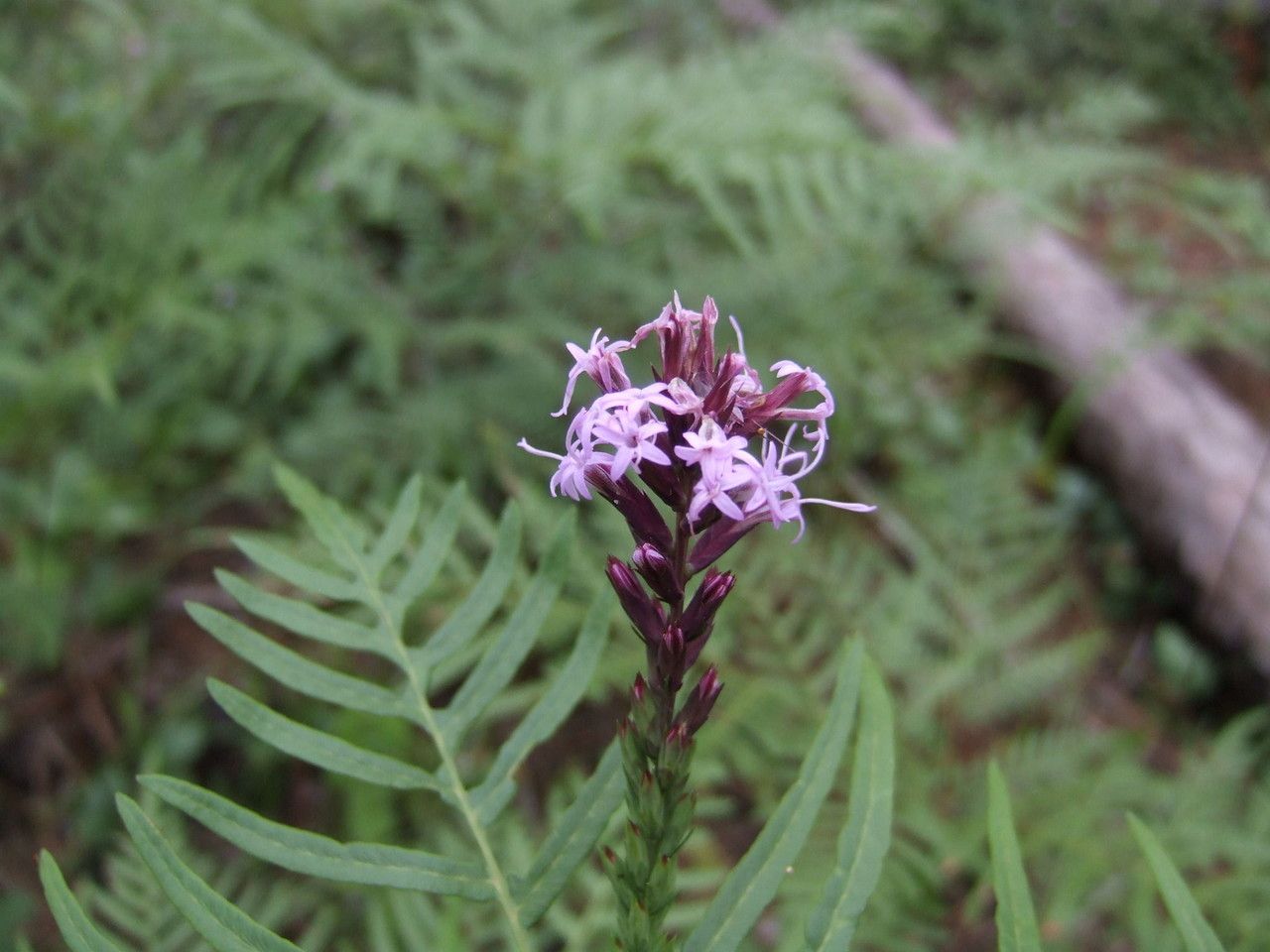
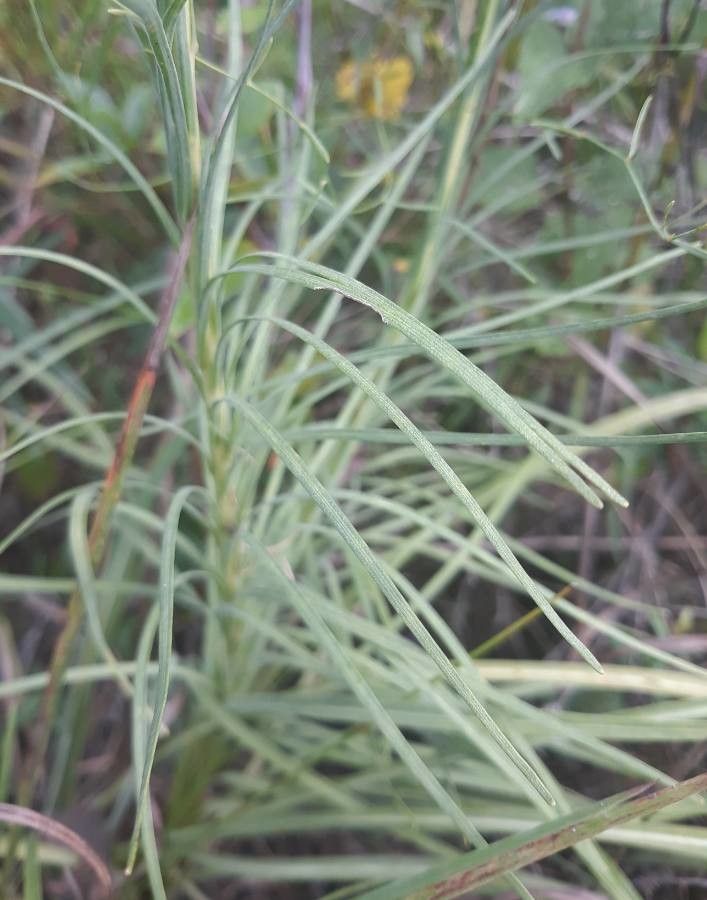
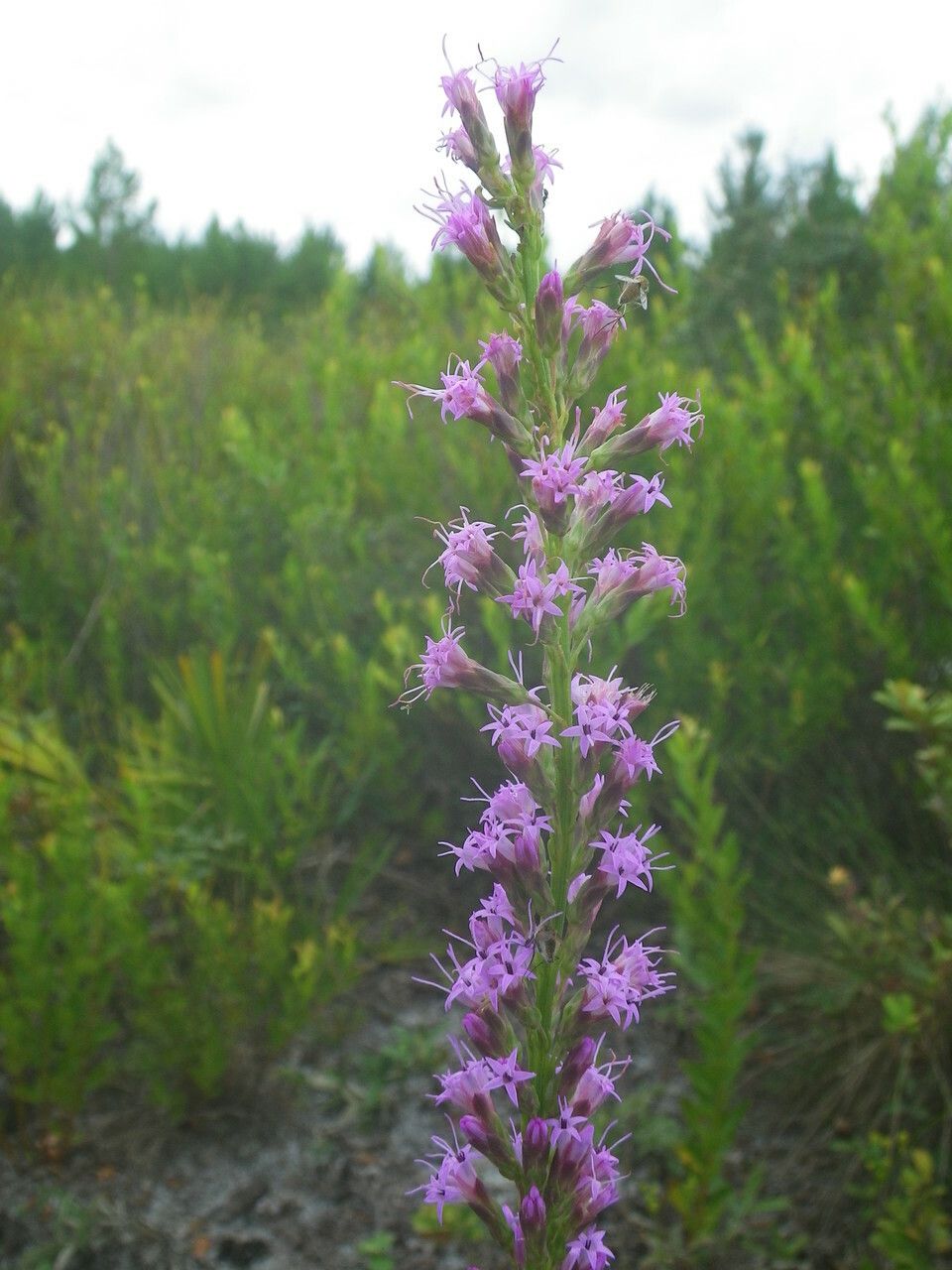
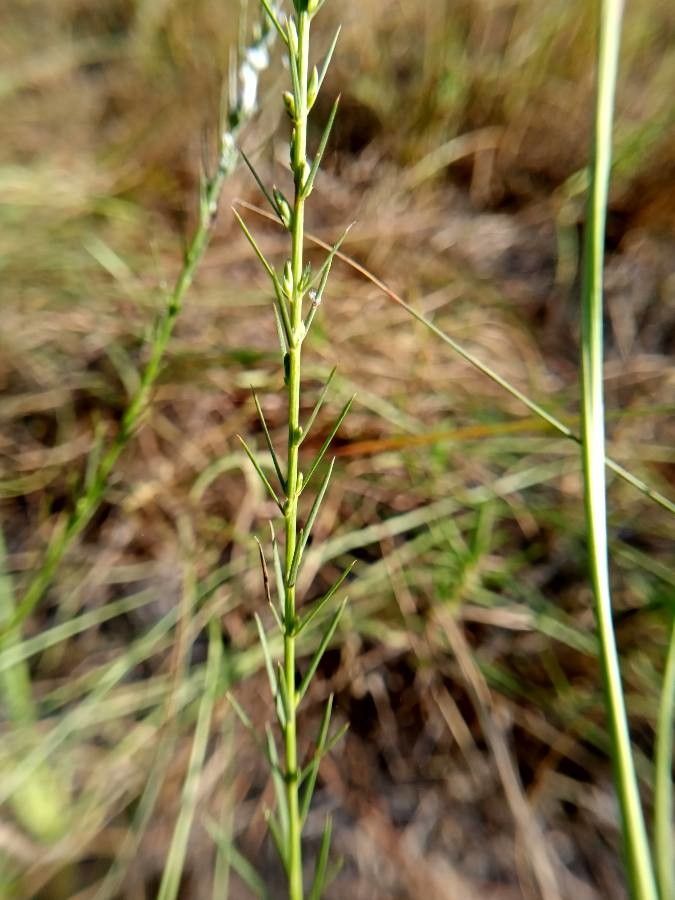
Liatris ligulistylis (Rocky Mountain blazing star, northern plains blazing star, or meadow blazing star) is a flowering plant of the family Asteraceae, native to the central United States and central Canada.
Rocky mountain blazing star is fairly disease-resistant and generally not prone to illnesses. Still, it can be affected by pests and diseases present in its environment. Such infections are typically mild. Regarding care, this plant needs moderate maintenance. Regular pruning is required to keep a tidy appearance and promote healthy growth. Applying fertilizer can also help encourage flowering. Rocky mountain blazing star is suitable for anyone with outdoor space, like a garden or patio, and does not demand extensive care experience. It may need more attention if grown indoors.
How to keep Liatris Ligulistylis.
Light
The Rocky Mountain Blazing Star thrives when it is exposed to sunlight throughout the day as it is essential for its healthy development. Originated in a region with ample light exposure, it struggles in the absence of sufficient light. Therefore, inadequate sunlight can hamper its growth and overall wellness.
Water
The Rocky Mountain blazing star thrives in consistently moist conditions but can handle short periods of dryness. To ensure proper hydration, it's best to water it weekly. When planning your watering schedule, consider the seasonal rainfall, especially if the plant is growing outdoors in garden beds or naturalized areas.
Temperature
The Rocky mountain blazing star is indigenous to temperate climates where the temperatures vary between 32 and 90 °F (0 to 32 ℃). It thrives better in more moderate weather conditions, and depending on the season, it could be necessary to adjust the temperature to emulate its original surroundings.
Fertilizer
The perfect time to nourish a Rocky mountain blazing star is at the onset of spring, when it is moving out of dormancy and starting its growth phase. Fertilization supplies vital nutrients for robust growth. Even though the Rocky mountain blazing star doesn't require much fertilization, providing it once a year can boost its durability and result in superior, longer-lasting blooms.
Pruning
The Rocky Mountain blazing star is known for its striking purple flower spikes and tall stems. To promote healthy growth and remove any damaged stems, it is best to prune the plant from early to late spring. After the blooms have faded, cut back the old stalks to maintain tidiness. By pruning at the right times and doing so regularly, you can improve airflow, reduce the risk of disease, and enhance the plant's flowering.
Botanical profile.
- Plant Type
- Herb
- Life Cycle
- Perennial
- Genus
- Liatris
- Family
- Asteraceae
- Hardiness Zone
- 3-8
- Mature Height
- 30 cm to 91 cm
- Mature Spread
- 30 cm to 46 cm
- Leaf Color
- Green
- Leaf Type
- Deciduous
- Flower Color
- Purple, Violet
- Flower Size
- 2.54 cm
- Bloom Time
- Mid summer, Late summer, Early fall
- Planting Time
- Autumn
- Harvest Time
- Early fall, Mid fall
Other names.
Reader questions.
How should I water my Rocky mountain blazing star plant?
To properly water the Rocky mountain blazing star, it is important to use filtered water at room temperature. Tap water may contain harmful particles for this plant, so filtered water is preferred. The Rocky mountain blazing star is accustomed to warm environments, so it is best to avoid using cold water, which can shock its system. Additionally, it is recommended to refrain from overhead watering as it can cause issues with the foliage. Instead, gently pour filtered room temperature water onto the soil until it is completely soaked. This method is highly beneficial for the plant as it provides moisture to the roots and helps them spread throughout the soil to gather essential nutrients.
When is it not a good time to fertilize my Rocky mountain blazing star?
To ensure optimal growth, it is best to only fertilize the Rocky Mountain Blazing Star during late winter and early spring. This plant has low fertilization needs and one feeding per year is sufficient. Fertilizing during spring, summer, and fall can lead to overfertilization and complications. However, if you missed fertilizing in spring, it is acceptable to feed the plant in the fall. Additionally, there is no need to fertilize this plant during the winter, as it is in a dormant phase and does not undergo new growth. Therefore, fertilization during most of the winter should be avoided.
What are the sunlight requirements for Rocky Mountain Blazing Star?
Rocky Mountain Blazing Star needs ample sunlight to thrive, ideally being exposed to full sun conditions for the entire day. This means it requires more than 6 hours of sunlight daily to maintain its health and growth. In cases where natural sunlight is insufficient, particularly for indoor environments or during less sunny seasons, artificial lighting such as LED lights can be utilized. These should provide between 10-50W/sq ft depending on whether the plant is full shade, partial sun, or full sun, to ensure optimal growth and health.
What is the Rocky Mountain Blazing Star and where does it naturally thrive?
The Rocky Mountain Blazing Star, known botanically as Liatris ligulistylis, is native to temperate environments, thriving in temperatures ranging from 32 to 90 °F (0 to 32 °C). It prefers cooler climates and may require seasonal temperature adjustments to mimic its natural habitat. This plant boasts strong cold resistance, meaning special frost protection measures are generally unnecessary during winter. However, if temperatures are expected to drop below -35°C, cold protection, like covering the plant with soil or straw, is advisable. It's recommended to water the plant abundantly before the first freeze in autumn to ensure the soil remains moist and enters a frozen state, which helps prevent drought and water scarcity during winter and early spring.
What symptoms indicate that Rocky Mountain Blazing Star is receiving inadequate sunlight?
Symptoms of inadequate sunlight in Rocky Mountain Blazing Star include smaller new leaves, leggy or sparse growth, faster leaf drop, slower or no new growth, lighter-colored new leaves, chlorosis, sunscald, leaf curling, wilting, and leaf scorching. These symptoms can indicate either a deficiency in sunlight exposure or, in some cases like chlorosis and sunscald, excessive sunlight. It's essential to monitor these symptoms closely to adjust light exposure accordingly.
How does the Rocky Mountain Blazing Star react to low temperatures, and what are the recommended solutions?
The Rocky Mountain Blazing Star is cold-tolerant and performs best when the temperature remains above 0°C. During winter, temperatures should be kept above -30°C to avoid damage. When the temperature falls below -35°C, there may not be any noticeable changes during the winter; however, there may be a decrease in sprouting or even an absence of sprouting during spring. In spring, it's recommended to remove any parts of the plant that have failed to sprout as a way to manage this issue.
How can I ensure my Rocky Mountain Blazing Star receives enough sunlight?
To ensure your Rocky Mountain Blazing Star receives enough sunlight, gradually relocate the plant to a sunnier spot, aiming for at least 6 hours of direct sunlight daily. For indoor plants, using a south-facing window or artificial light sources like desk or ceiling lamps for at least 8 hours a day can help. Likewise, for outdoor plants, moving them to a location with better sunlight gradually over weeks can aid in their adjustment without causing sunburn. If necessary, you might need to prune nearby obstructions or transplant smaller plants to areas with better light exposure and drainage. Remember, while moving plants to improve light exposure, parts of the plant already affected by insufficient sunlight may not recover, but new growth will be healthy with increased light.
What should be done if the Rocky Mountain Blazing Star is exposed to high temperatures?
In the summer months, the Rocky Mountain Blazing Star should ideally be kept below 32°C. Exposure to temperatures exceeding 35°C can result in the leaves of the plant becoming lighter in color, prone to curling, susceptible to sunburn, and in severe cases, the entire plant may wilt and become dry. To mitigate these issues, trim away sunburned and dried-up parts of the plant. Moving the plant to a location that provides shade during the midday and afternoon sun or using a shade cloth can offer protection. Additionally, watering the plant in the morning and evening will help keep the soil moist and prevent overheating.