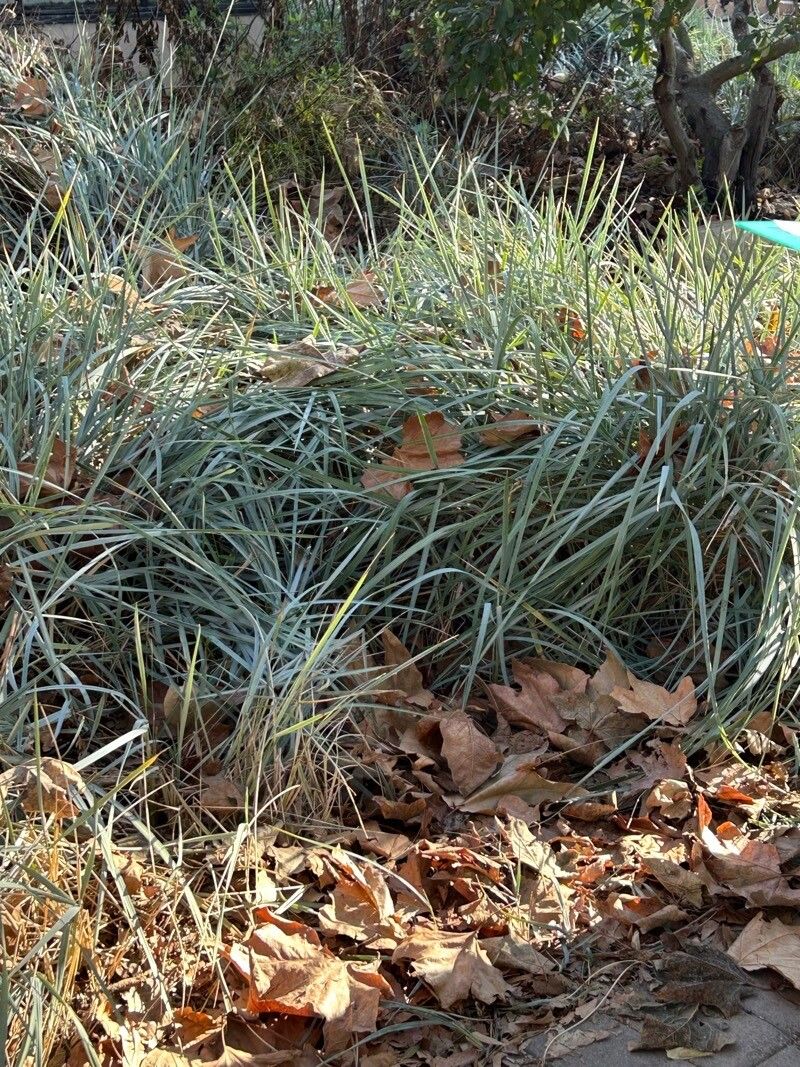
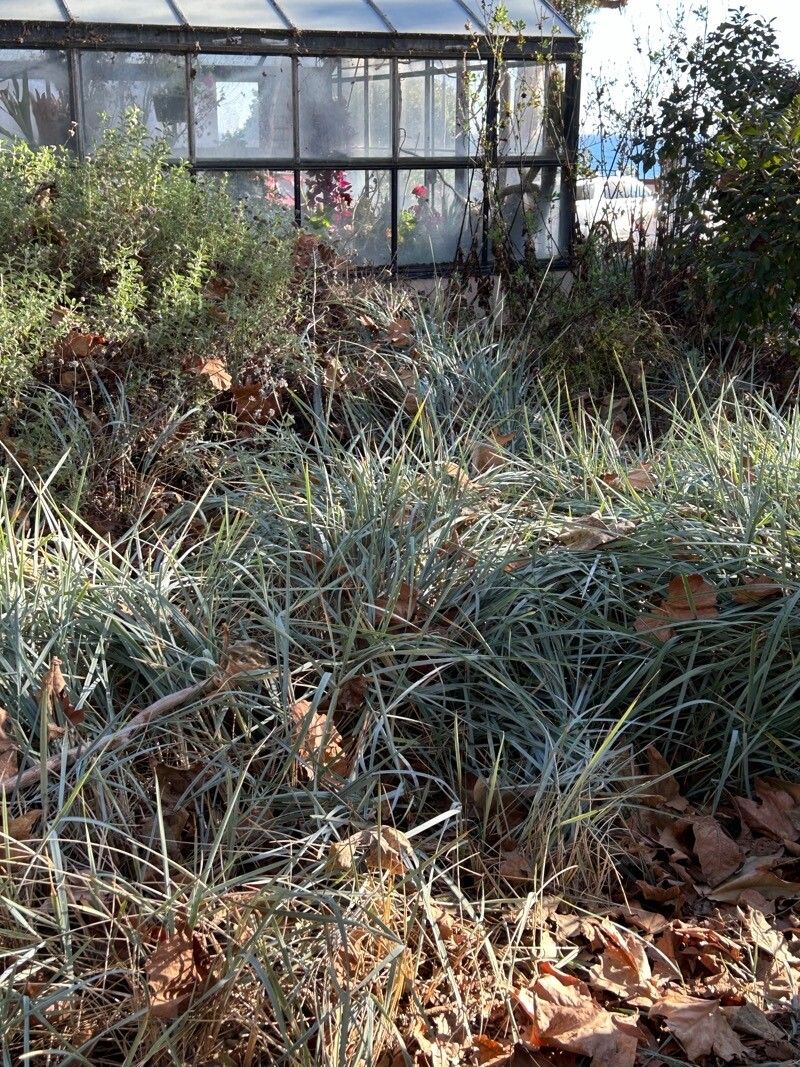
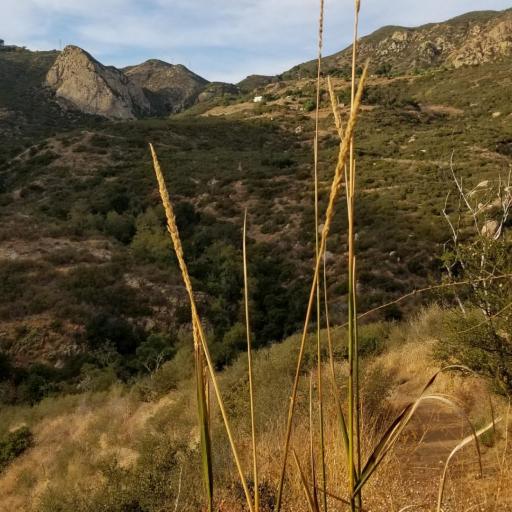
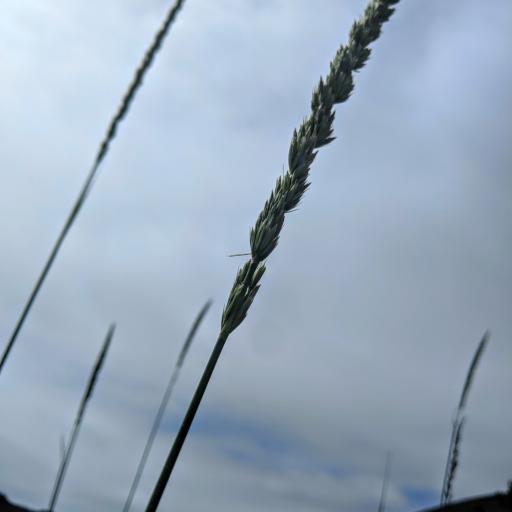
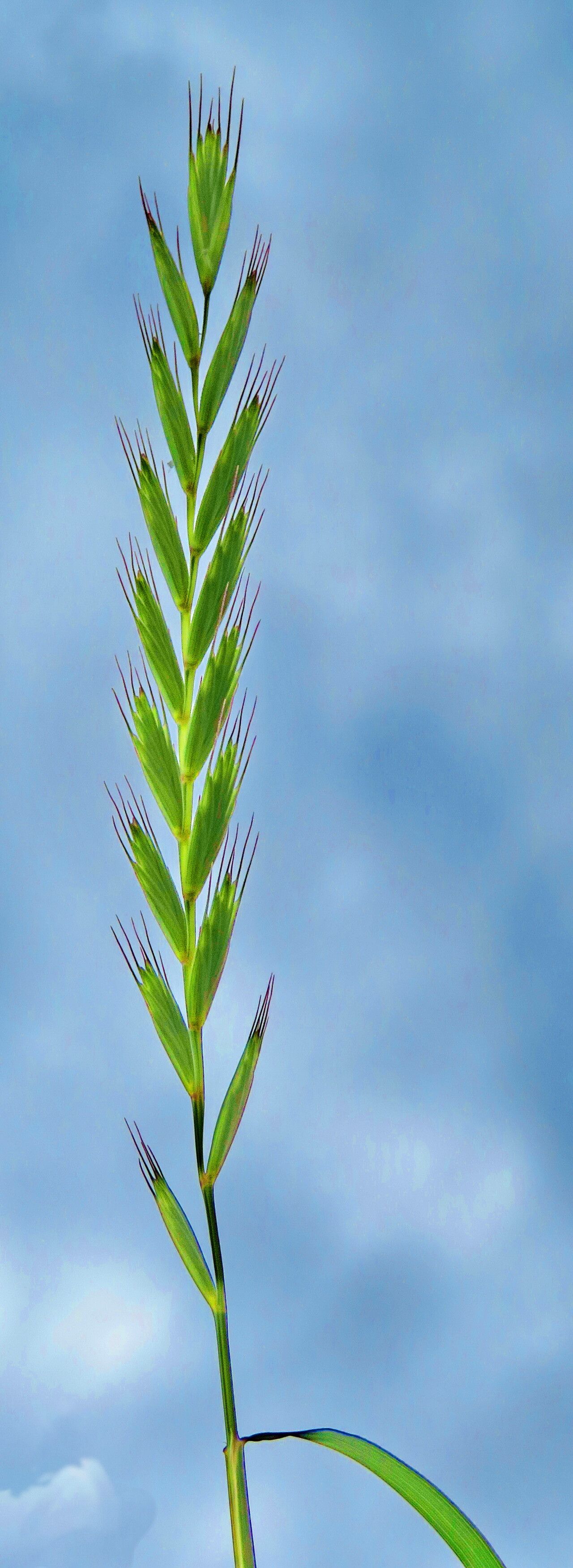
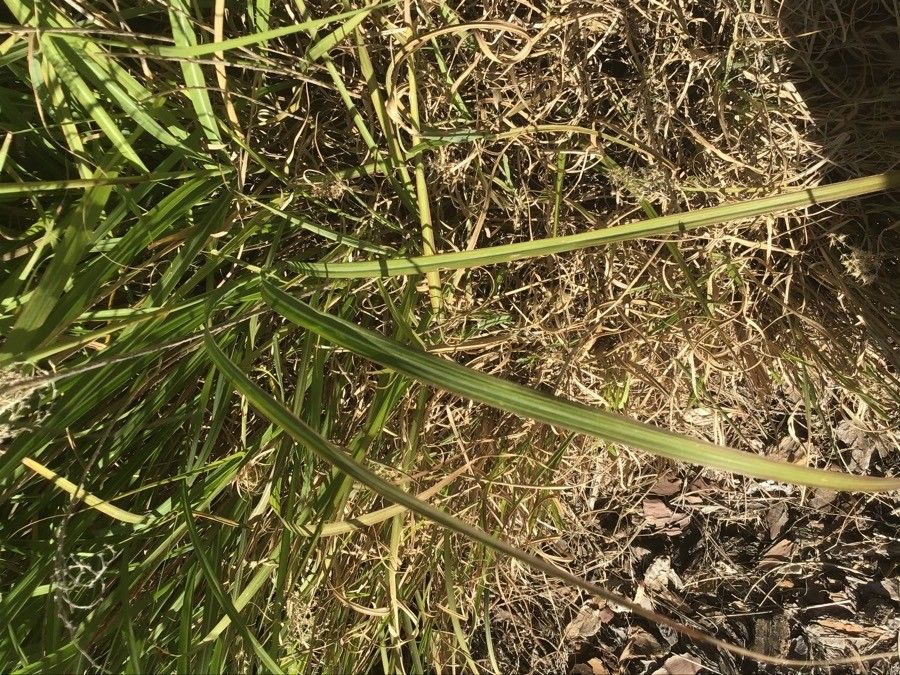
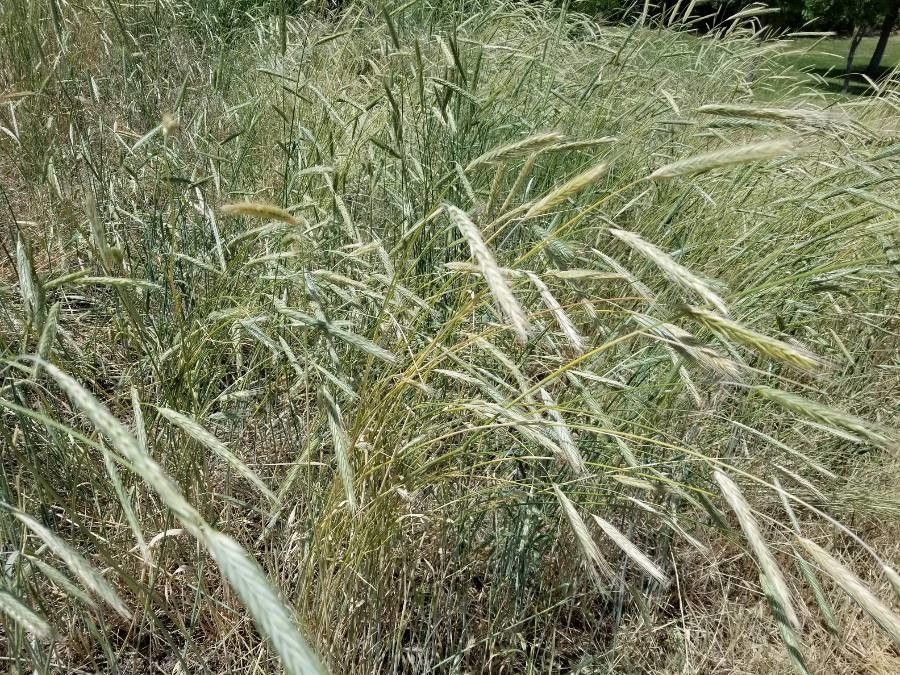
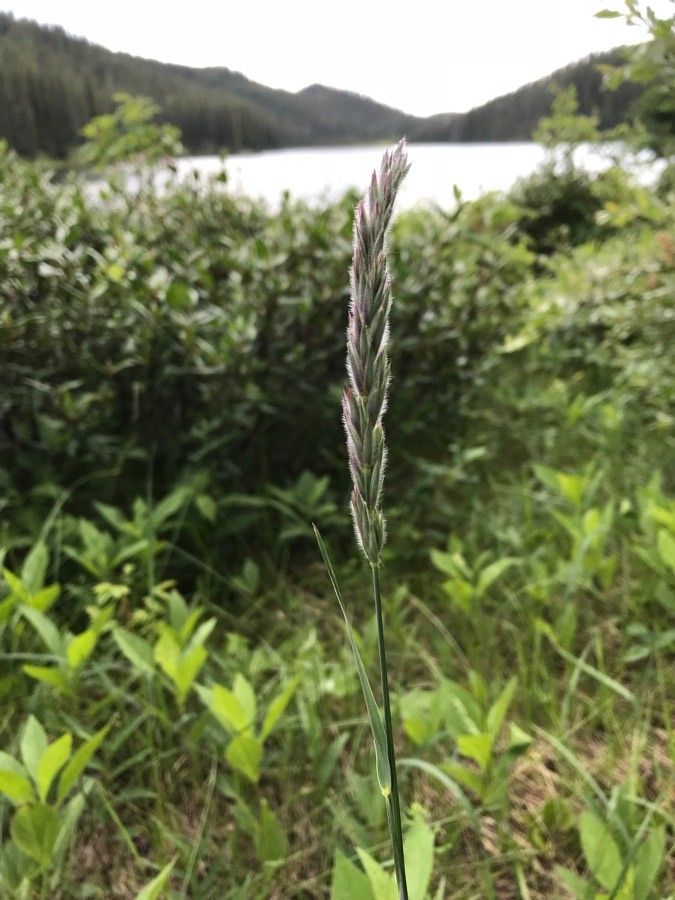
Leymus condensatus, the giant wildrye, is a wild rye grass native to California and northern Mexico.
Giant wildrye is fairly disease-resistant and typically not prone to disease. However, it can be affected by pests and diseases present in its environment. Such infections are usually mild. Regarding care, the plant requires moderate maintenance. Regular pruning is needed to maintain a neat appearance and encourage healthy growth. Fertilizing can also help promote flowering. Giant wildrye is suitable for anyone with outdoor space, such as a garden or patio, and does not require extensive experience in plant care. It may need more attention if grown indoors.
How to keep Leymus Condensatus.
Light
Giant wildrye thrives in places where it gets plenty of sunlight throughout the day. This characteristic originates from its native habitat, where continual sun exposure is common. Cloudy conditions can slow its growth, while excessive sun typically does not seriously harm it.
Water
Giant wildrye is well-suited to arid conditions and is highly drought-tolerant, thriving with only minimal moisture. It requires balanced soil moisture and should be watered twice a week to avoid over-saturation. As a grass species, giant wildrye can flourish with natural rainfall, making it an excellent choice for xeriscaping.
Temperature
Giant wildrye is native to regions with temperatures from 50 to 95 °F (10 to 35 °C). It performs best in these moderate climates and may need additional temperature management when grown outside that range.
Fertilizer
One fertilizer application in spring is generally adequate for Giant wildrye, though repeated feedings can maximize growth. Apply fertilizer about every month to six weeks. Fertilizing improves the leaves' appearance and function, helping maintain uniform color and a healthy texture. It also encourages root development and nutrient uptake, supporting the plant's long-term health.
Pruning
Giant wildrye benefits from annual pruning in early spring, which enhances its growth and vigor. By removing older stems, you encourage the development of fresh shoots. Clearing away dead foliage not only improves the plant's appearance but also helps prevent disease. Regular pruning allows you to control the size and shape of the plant, resulting in denser growth. Be sure to refer to local guidelines for specific care instructions tailored to your area.
Botanical profile.
- Plant Type
- Herb
- Life Cycle
- Perennial
- Genus
- Leymus
- Family
- Poaceae
- Hardiness Zone
- 6-9
- Mature Height
- 1.07 m to 3.35 m
- Mature Spread
- 2.13 m
- Leaf Color
- Green
- Leaf Type
- Evergreen
- Flower Color
- Green, Brown, Yellow, Purple
- Flower Size
- 2.03 cm to 6.35 cm
- Bloom Time
- Early summer, Mid summer
- Planting Time
- Summer
- Harvest Time
- Late summer, Early fall
- Native Area
- Mexico
Other names.