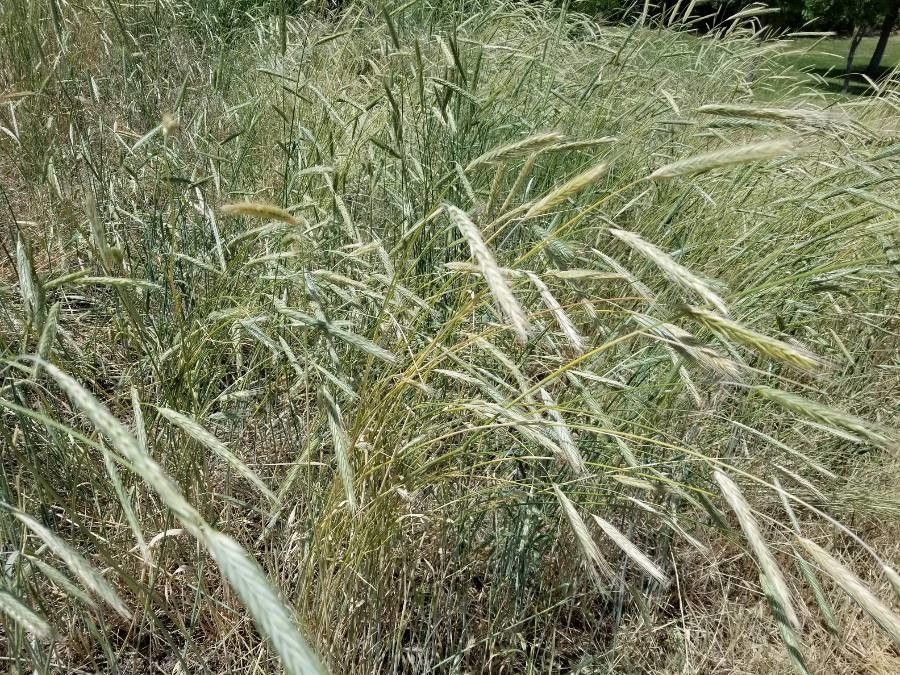
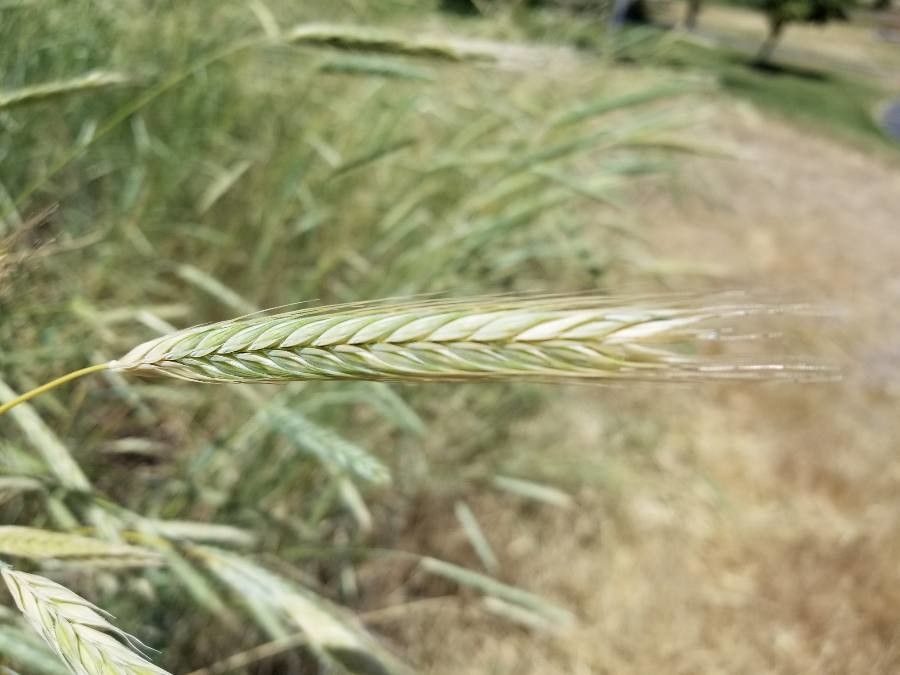
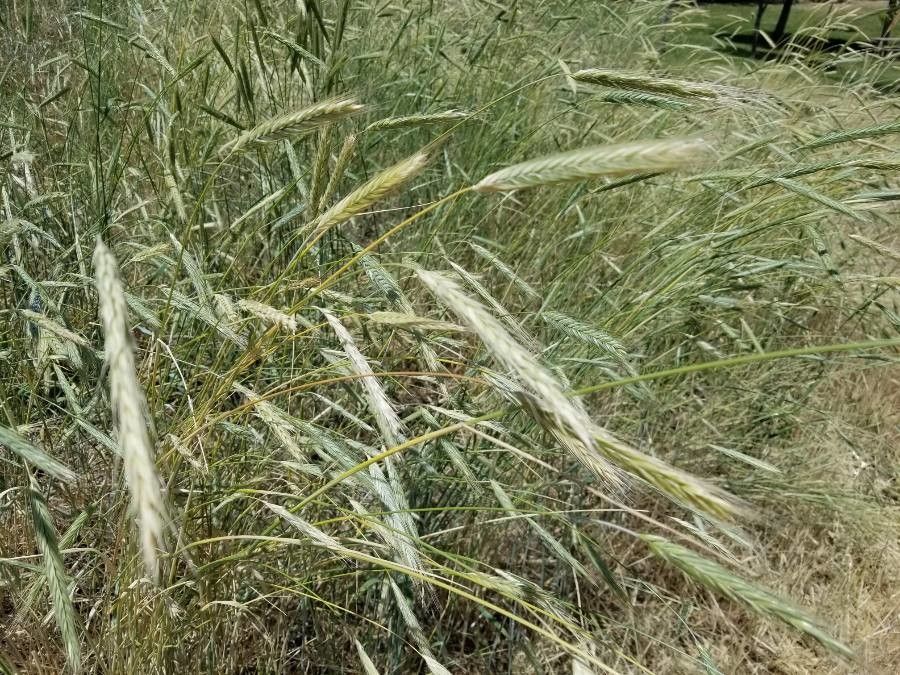
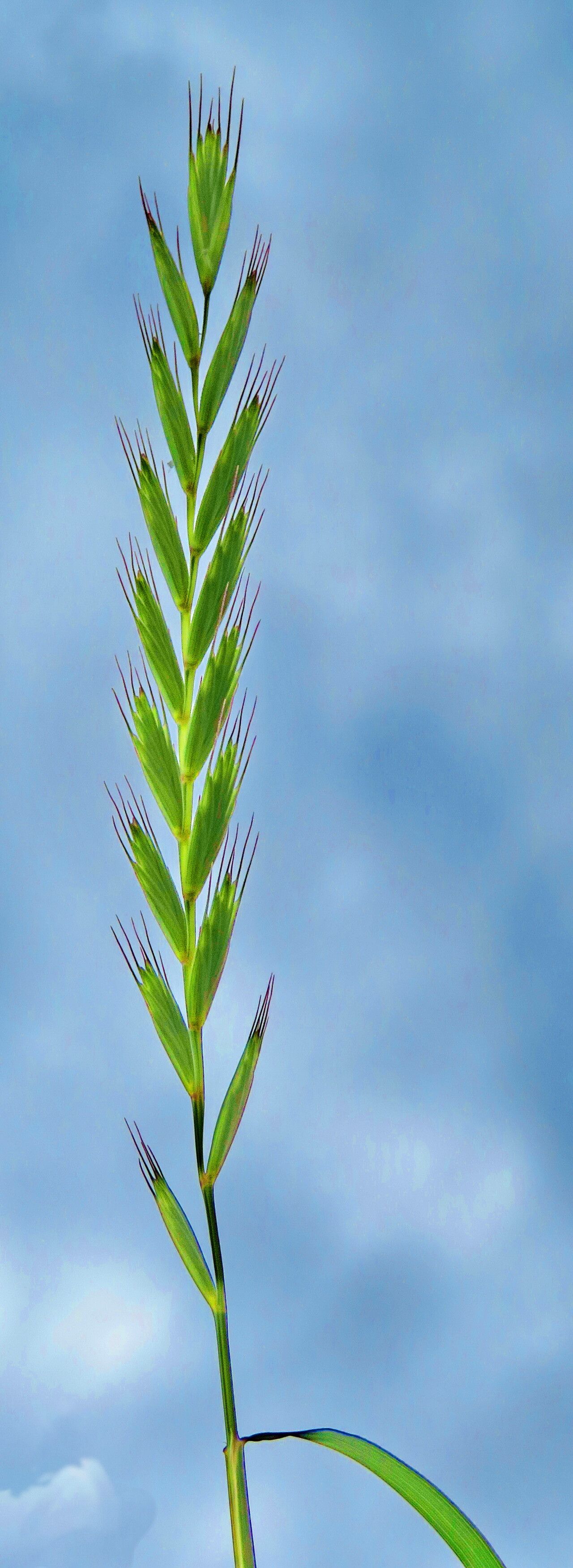
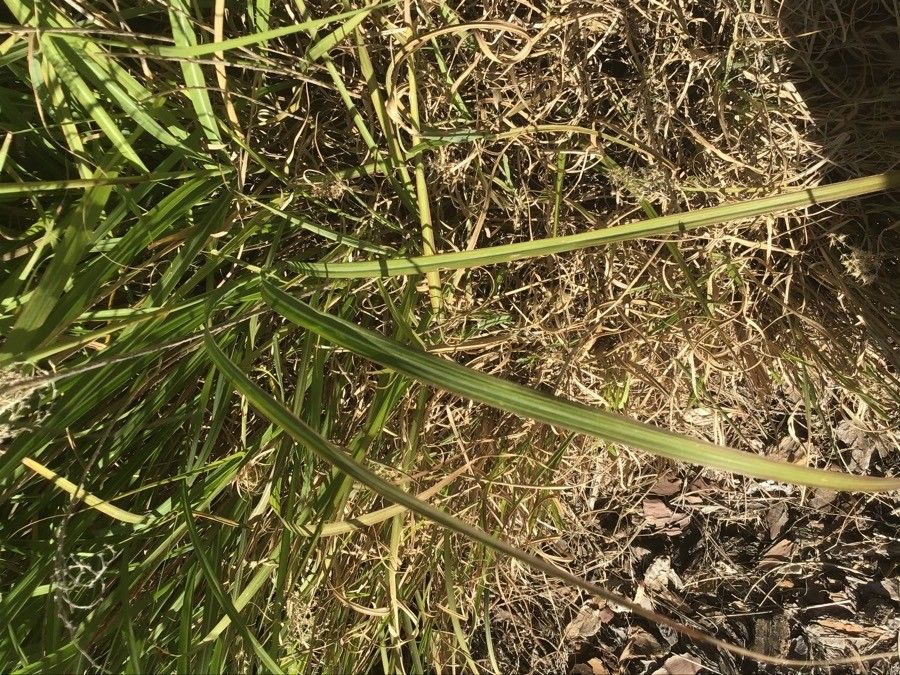
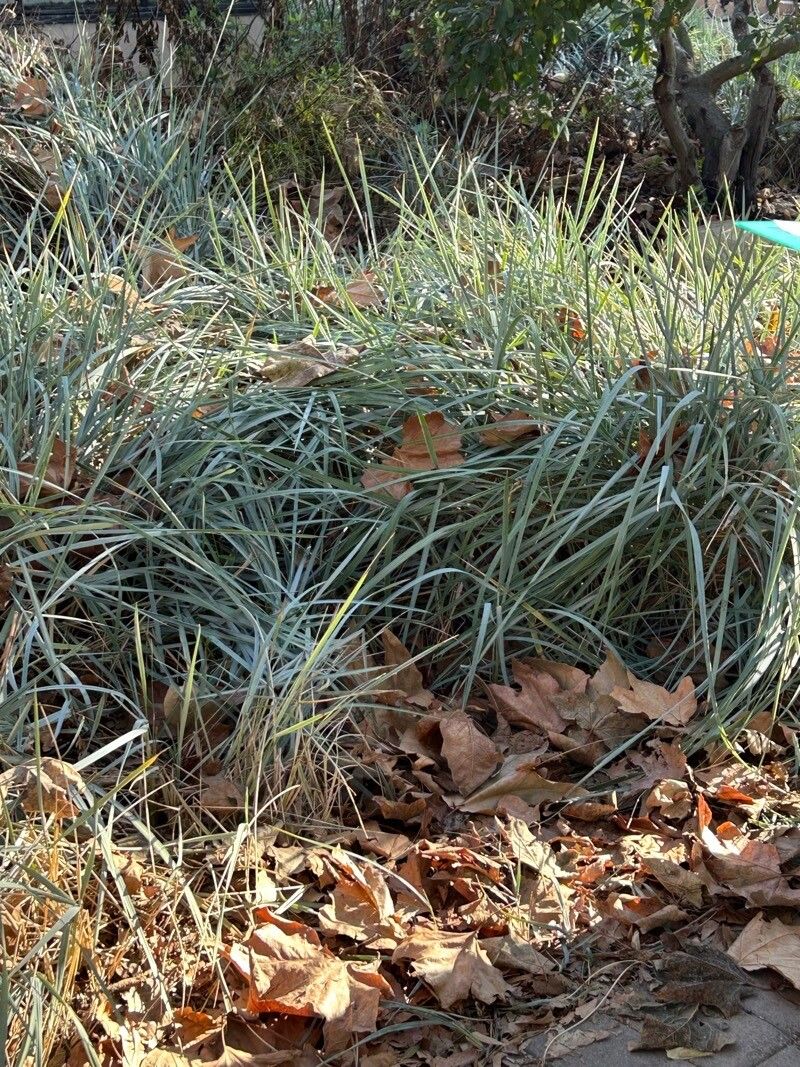
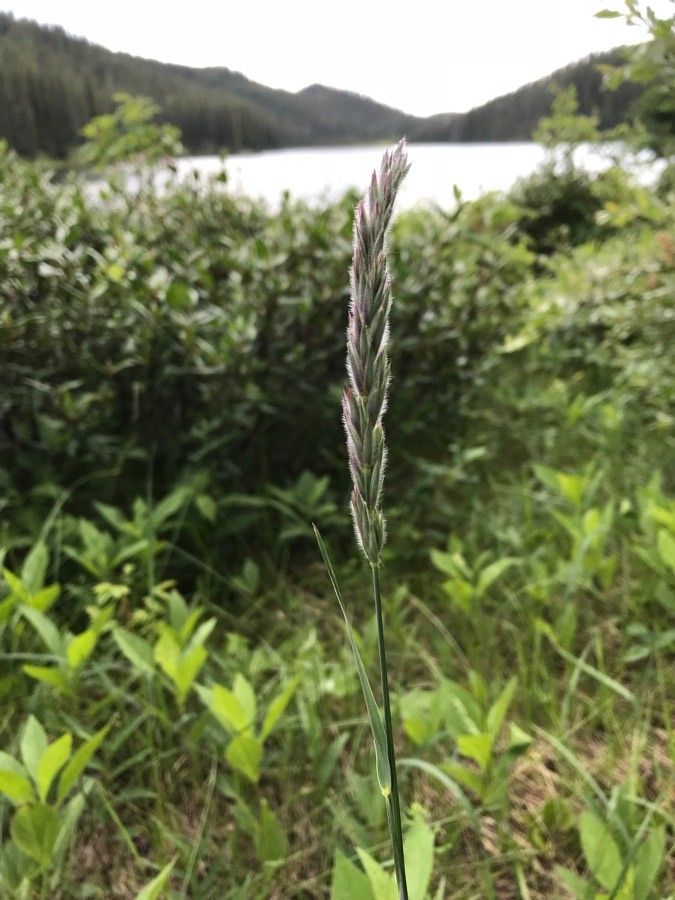
Leymus cinereus is a species of wild rye known by the common names basin wild rye, Great Basin wild rye, and Great Basin lyme grass.It is a common native grass of western North America, including western Canada and the United States from California to Minnesota. It grows in many types of habitat, including grassland and prairie, forests, scrub, chaparral, and sagebrush.
Basin wild rye is fairly disease-resistant and usually not vulnerable to disease. As for care, this plant is relatively low-maintenance. When grown outdoors it needs minimal watering, and larger plants typically do not require pruning. Smaller plants, however, should be pruned after they have bloomed. Basin wild ryet is suitable for anyone with an outdoor area, such as a garden or deck, and does not require much gardening experience.
How to keep Leymus Cinereus.
Light
Basin wild rye needs full sun and is sensitive to low light, which hinders its healthy growth. Originally occurring in open habitats, it thrives under strong exposure. The plant is adapted to environments with abundant sunlight but cannot survive in settings with insufficient light.
Temperature
Basin wild rye is native to temperate regions and has an optimal temperature range of 41 to 77 °F (5 to 25 °C). It can tolerate temperature variations within that range and adjust to seasonal changes. Adjustments may be necessary for extreme temperatures.
Fertilizer
Basin wild rye needs extra nutrients to encourage healthy new growth. In spring, adding compost around the plant’s base effectively supplies the nutrition it requires. Fertilizing supports vigorous growth and helps the plant resist diseases and pests.
Pruning
Basin wild rye is a hardy perennial grass known for its tall blue-green foliage. To promote vigorous growth, prune it in early spring to remove dead stems. Be careful not to cut too close to the crown to avoid damage. Pruning enhances airflow, reduces the risk of disease, and encourages bushier, more robust growth.
Botanical profile.
- Plant Type
- Grass
- Life Cycle
- Perennial
- Genus
- Leymus
- Family
- Poaceae
- Hardiness Zone
- 5
- Mature Height
- 2.13 m
- Mature Spread
- 91 cm
- Leaf Color
- Light Green, Gray
- Leaf Type
- Evergreen
- Flower Color
- Yellow, Green, Brown
- Flower Size
- 11.43 cm to 20.32 cm
- Bloom Time
- Early summer, Mid summer
- Planting Time
- Spring, Summer
- Harvest Time
- Late summer, Early fall
Other names.
Reader questions.
Can the sun harm Basin wild rye? How can you shield Basin wild rye from sun and heat harm?
In warm climates, some Perennial Flowering Plants may struggle with excessive heat and suffer from sun damage. They can wilt, dry out, or even experience growth problems if they are consistently exposed to the intense afternoon sun. However, not all plants require protection from the light afternoon sun. For those that are harmed by intense afternoon exposure, it is recommended to provide them with some shade in warmer climates. Gardeners can achieve this by planting these plants in areas that do not receive direct heat during the afternoon, such as under trees or behind bushes.
Does Basin wild rye require varying temperatures during different seasons?
To ensure optimal growing conditions for Basin wild rye, it is important to maintain a steady temperature in your growing area throughout the year. If you live in an area with extreme winters or hot summers, it may be advisable to bring your plants indoors. By doing so, you can provide them with a cool room that offers ideal conditions for growth. However, if you choose to keep your plants outside, it is crucial to monitor the temperature closely. In regions with particularly hot summers, it is recommended to prevent your plants from being exposed to temperatures exceeding 85℉ (30℃). This is because high temperatures can quickly dehydrate and damage Basin wild rye, leading to their eventual demise.
Do I need to protect Basin wild rye from the sun?
Certain perennial plants require ample sunlight to reach their maximum bloom. However, in warmer climates, some of these plants actually benefit from less sun. For instance, individuals residing in hotter regions might find it beneficial to shade their flowering perennials during the intense afternoon sun, especially during summer months. Although many perennial flowering plants prefer partial shade in the hottest climates, there are exceptions. Take the Giant Coreopsis, for example, as it is not bothered by excessive sun exposure. These plants can flourish even when placed in the full sun during scorching weather.