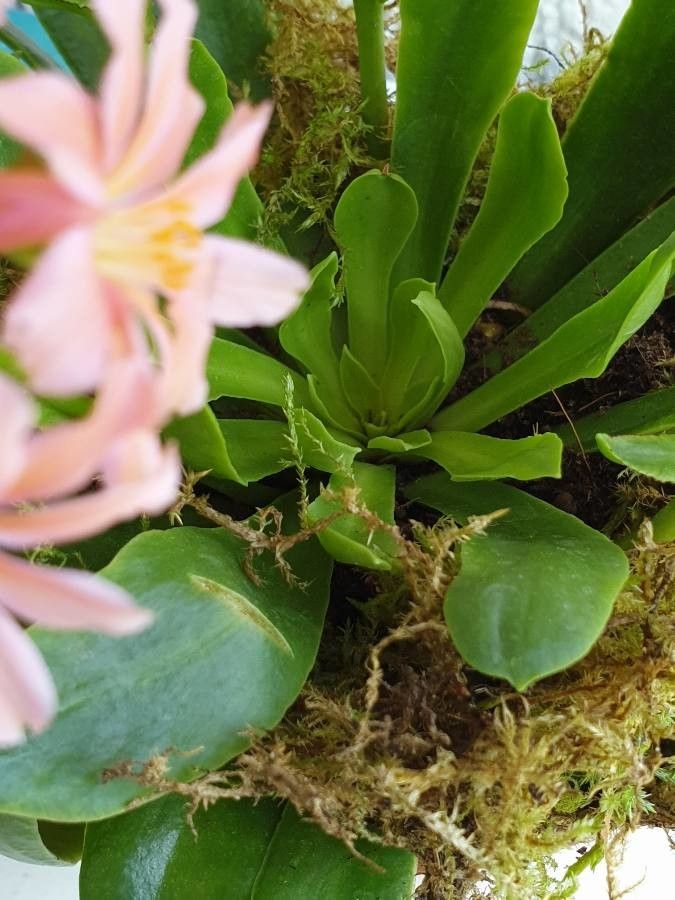
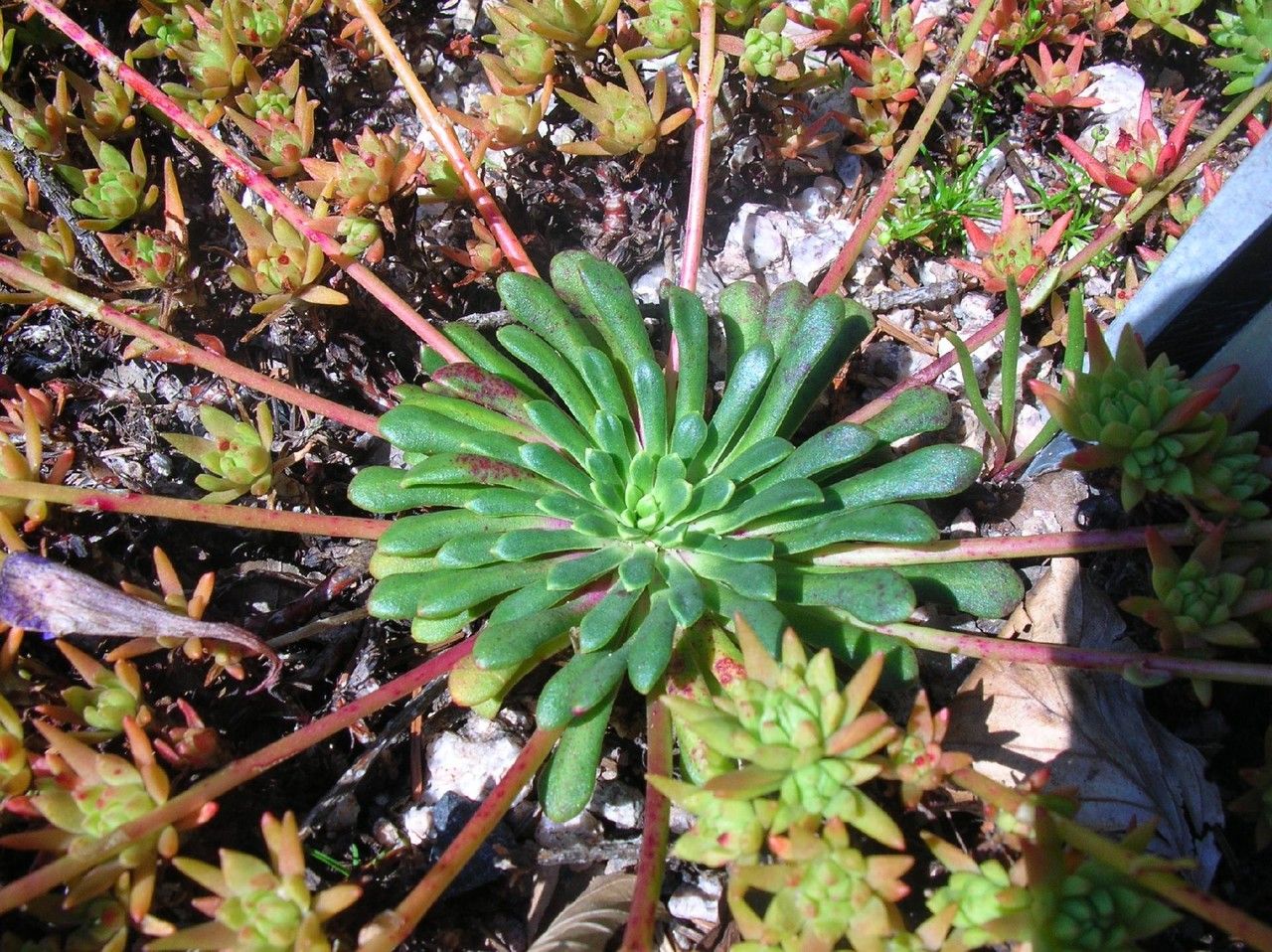
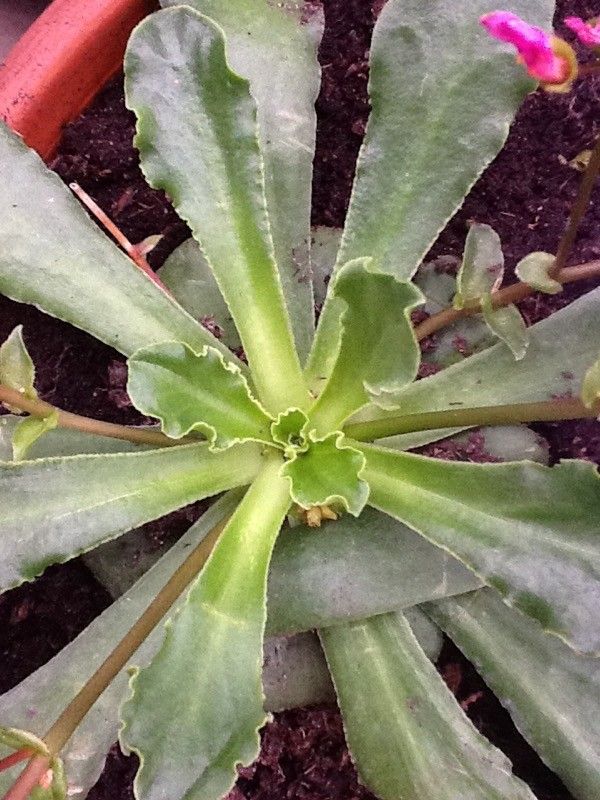
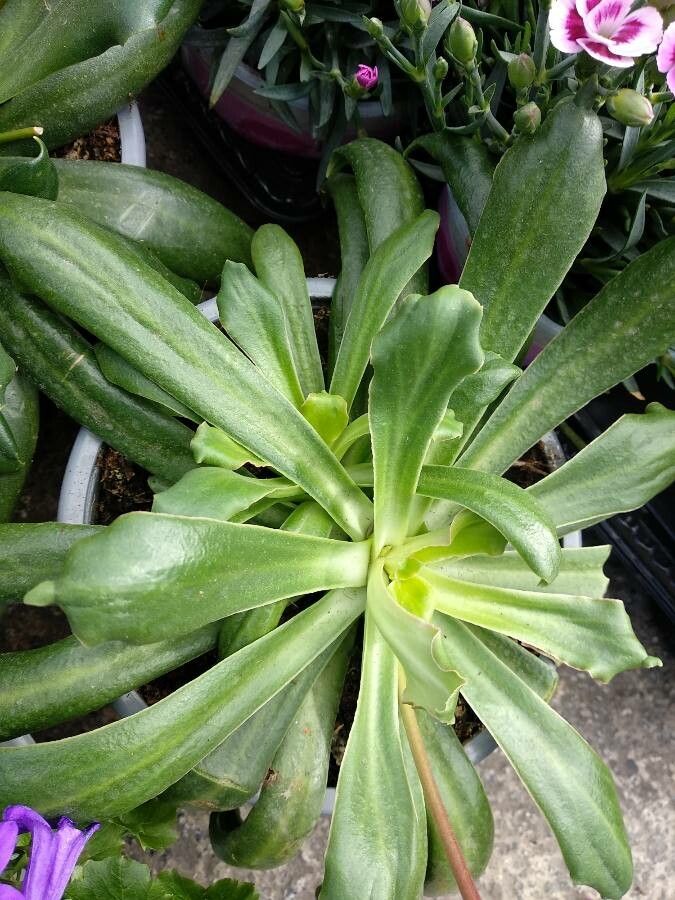
Lewisia nevadensis is a species of flowering plant in the family Montiaceae known by the common name Nevada lewisia. It is native to much of the western United States, where it grows in moist mountain habitat, such as meadows. This is a small perennial herb growing from a taproot and caudex unit. It produces a basal rosette of several narrow, fingerlike to threadlike fleshy leaves up to 13 centimeters long. The inflorescence is a bundle of short stems a few centimeters tall each bearing a flower. The flower has 5 to 10 shiny white to pale pink petals each 1 to 2 centimeters long, pointed or with blunt tips. At the center are many stamens. This is sometimes grown as an ornamental plant suitable for alpine and rock gardens.
Nevada lewisia has moderate resistance to disease and can be prone to problems like leaf spot. Its susceptibility to insect pests varies by variety, though most varieties are relatively less resistant to pests. For care, Nevada lewisia requires regular watering and fertilization, and yellow leaves should be pruned frequently. Controlling pests and diseases as they appear and harvesting the plant promptly are important. Nevada lewisia is appropriate for people who can dedicate some time and energy to regular maintenance.
How to keep Lewisia Nevadensis.
Light
The Nevada lewisia prefers locations that receive a moderate amount of sun each day, though it can tolerate areas with more plentiful sunlight. Its native habitat, characterized by fluctuating light levels, developed its capacity to cope. Too much light can be harmful, while too little can produce suboptimal growth.
Water
Nevada lewisia flourishes in rocky alpine environments and requires moderate hydration. To mimic its natural conditions, it should be watered weekly. Because it is an outdoor alpine plant, changes in seasonal temperatures can affect its water absorption. Therefore, it is important to adjust your watering practices accordingly.
Temperature
Nevada lewisia occurs naturally in habitats with temperatures ranging from 41 to 90 °F (5 to 32 ℃). It prefers cooler climates. Depending on the season, consider adjusting its environment to replicate these temperature ranges for optimal growth.
Fertilizer
Nevada lewisia species do well with one or two applications of organic natural fertilizers that contain potassium and phosphorus. Apply the fertilizer before planting, work it into the soil, and water thoroughly. Usually a single application is enough, but a second can be applied once seedlings are established. Avoid overusing fertilizer, as excessive amounts can damage the plants.
Pruning
Nevada lewisia is known for its thick leaves and vibrant blooms. It requires minimal pruning once a year, typically in early to late spring. To promote growth and flowering, focus on removing dead stems and old flower stalks. To maintain the plant’s health and prevent disease, always use clean tools during pruning.
Pot & Repot
Repot Nevada Lewisia every two years in the spring, using a slightly larger container with good drainage. After repotting, place the plant in bright, indirect light and be careful not to overwater it. Use well-draining soil to prevent root rot and to support healthy growth.
Botanical profile.
- Plant Type
- Herb
- Life Cycle
- Perennial
- Genus
- Lewisia
- Family
- Montiaceae
- Hardiness Zone
- 4-8
- Mature Height
- 3 cm to 10 cm
- Mature Spread
- 10 cm
- Leaf Color
- Green
- Leaf Type
- Deciduous
- Flower Color
- White, Pink
- Flower Size
- 2.54 cm
- Bloom Time
- Mid spring, Late spring
- Planting Time
- Spring, Autumn
- Harvest Time
- Early summer, Mid summer
Other names.
Reader questions.
How frequently should I give water to my Nevada lewisia?
Nevada lewisia requires a lot of water throughout the growing season. To meet this high water need, you should water early and often from spring to summer. At the beginning of the season, water your Nevada lewisia once or twice weekly. As the season progresses, increase the frequency of watering. In the summer, depending on the weather, you may need to water it twice daily or more. Once your Nevada lewisia has finished its major growth phases, you can reduce watering to once per week until the end of the growing season.
What are the sunlight requirements for Nevada lewisia?
Nevada lewisia thrives in both partial and full sun conditions. Partial sun refers to about 3-6 hours of sunlight, while full sun conditions are defined by receiving more than 6 hours of sunlight daily. It's important to observe how sunlight moves through your garden to ensure that your plants get a balanced mix of light and shade, optimizing their growth and health.
What is the ideal temperature range for growing Nevada lewisia?
Nevada lewisia, native to environments where temperatures range from 41 to 90 °F (5 to 32 °C), prefers cooler climates for optimal growth. It thrives best when the temperature is maintained between these ranges. During winter, it's crucial to keep the environment above 5°C to prevent freezing damage, and when the temperature approaches -5°C during colder months, protective measures such as bringing the plant indoors or using a temporary greenhouse should be considered.
How should I water my Nevada lewisia plant?
The Nevada lewisia has specific preferences for both the amount and method of watering. If you don't water it correctly, your tomatoes may suffer. To properly water Nevada lewisia, it's best to apply the water directly to the soil using a slow and gentle approach. Avoid pouring all the water at once or doing overhead watering. While watering slowly, make sure to water deeply to ensure the soil is thoroughly moist for the Nevada lewisia's growth.
How does the Nevada lewisia cope with varying light conditions?
The Nevada lewisia is adaptable to different light conditions, thanks to its origin in environments with variable sunlight. While it prefers moderate sunlight, it can survive in areas with heavier sun exposure. Excessive light can be harmful, and insufficient light results in less than ideal growth. If natural sunlight is lacking, especially during winter or in darker spaces, artificial lighting can be a beneficial alternative. LEDs are recommended for their efficiency and ability to provide the specific light spectrum needed by plants. Depending on the plant's sunlight needs, artificial light should range from 10-50W/sq ft and be placed 12-36 inches above the plant for 8-12 hours daily.
How does low temperature affect Nevada lewisia and what can be done?
Nevada lewisia has a moderate tolerance to low temperatures, thriving best between 5°C and 32°C. Exposure to temperatures below -30°C may cause the leaves to darken, and in severe cases, lead to water-soaked necrosis, wilting, and the leaves gradually turning brown. To mitigate frost damage, frost-damaged parts should be trimmed away, and the plant should be moved to a warm environment indoors or protected by a makeshift greenhouse. Additionally, placing the plant near a south-facing window ensures ample sunlight, supplemented with artificial light if necessary.
What should I do if I give too much or too little water to my Nevada lewisia plant?
If you accidentally overwater your Nevada lewisia and are worried about disease, you should take action right away. The best solution is to carefully remove the plant from where it's currently growing. Let the roots dry out a little before replanting it in a new location with well-draining soil. If you're growing in pots, consider using a pot with better drainage holes. On the other hand, if you're underwatering your plant, simply increase the frequency of watering.
What are the symptoms of light-related issues in Nevada lewisia?
Despite its resilience, Nevada lewisia may show signs of distress under suboptimal light conditions. Symptoms of insufficient light include smaller new leaves, leggy growth, early leaf drop, slower or halted growth, and paler leaves indicating a lack of chlorophyll. Too much sunlight can cause chlorosis, sunscald, leaf curling, wilting, and leaf scorching. These symptoms demonstrate the plant's struggle with either too little or too much light.
What measures should be taken when Nevada lewisia experiences high temperatures?
During the summer, it's important to keep Nevada lewisia's temperature below 32°C to prevent growth slowdowns and sunburn, which occur more frequently when temperatures exceed 35°C. Sunburned or dried parts should be trimmed away, and relocating the plant to a shaded area can protect it from intense afternoon sun. Furthermore, watering the plant in the morning and evening helps keep the soil moist, aiding in cooling and maintaining healthy growth during hot periods.
How often should I water my Nevada lewisia plant?
Nevada lewisia are very popular and we have a great deal of knowledge about caring for them. This includes knowing how much water they need. Typically, Nevada lewisia should be watered with about 1 - 1.5 inches of water per week. It's important to distribute this evenly during your weekly watering. As the weather gets warmer, you may need to increase the amount of water, but in general, two inches per week is a good guideline.
How can light issues be addressed for Nevada lewisia?
To address lighting issues for Nevada lewisia, gradually accustom your plants to the optimal sunlight exposure by shifting them to brighter spots each week, aiming for 3-6 hours of direct sunlight daily. For non-movable or large indoor plants, supplement with artificial light, keeping lamps on for at least 8 hours a day. Outdoor plants should also be gradually moved to avoid shock from sudden light changes. Minimize obstructions to sunlight by pruning trees and possibly relocating smaller plants to sunnier spots. Note that while parts of the plant that suffered due to insufficient light might not recover, new growth should be healthy with improved light conditions.
How can I know if I am giving enough water to my Nevada lewisia plant?
Both underwatering and overwatering can be problems for your Nevada lewisia, and they can have similar symptoms. For instance, both overwatering and underwatering can cause foliage discoloration and wilting. When your Nevada lewisia is underwatered, you will notice curling and drooping leaves initially, followed by a decline in leaf vigor. Underwatering can also result in stunted growth and poor overall development, as this plant requires a high amount of water for both its flowers and overall health. On the other hand, overwatering is more likely to lead to diseases, such as rot, and may produce unpleasant smells from the soil. The symptoms of underwatering appear faster than those of overwatering. Additionally, if you observe a lot of standing water or waterlogged soil, it is likely due to overwatering.