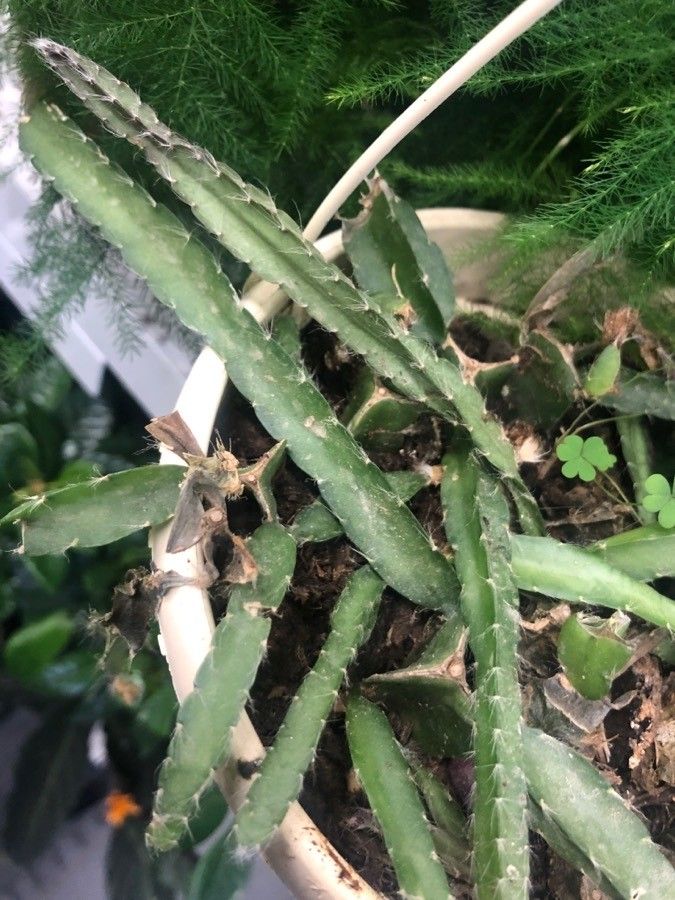
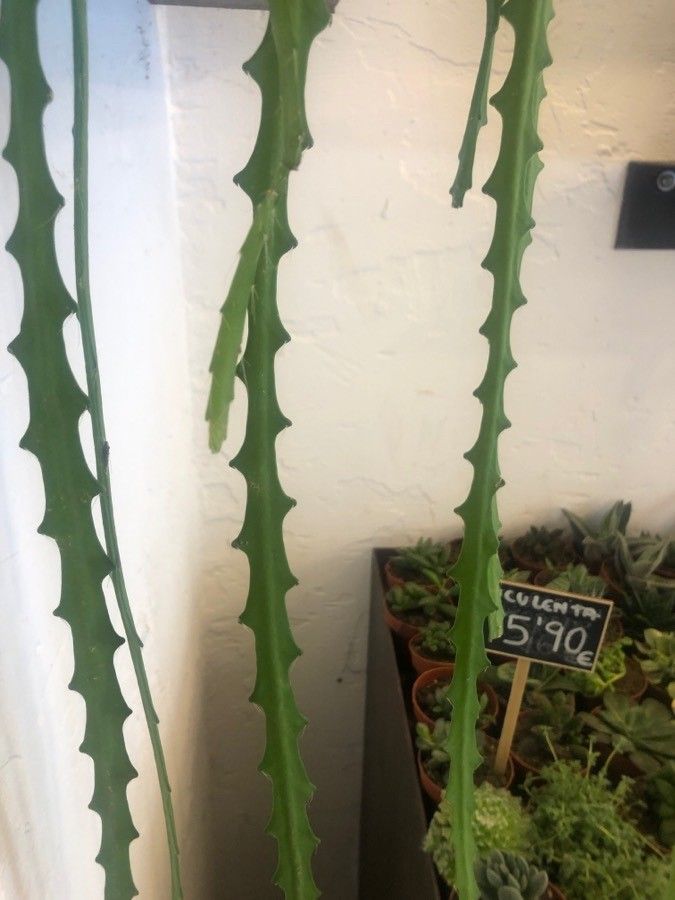
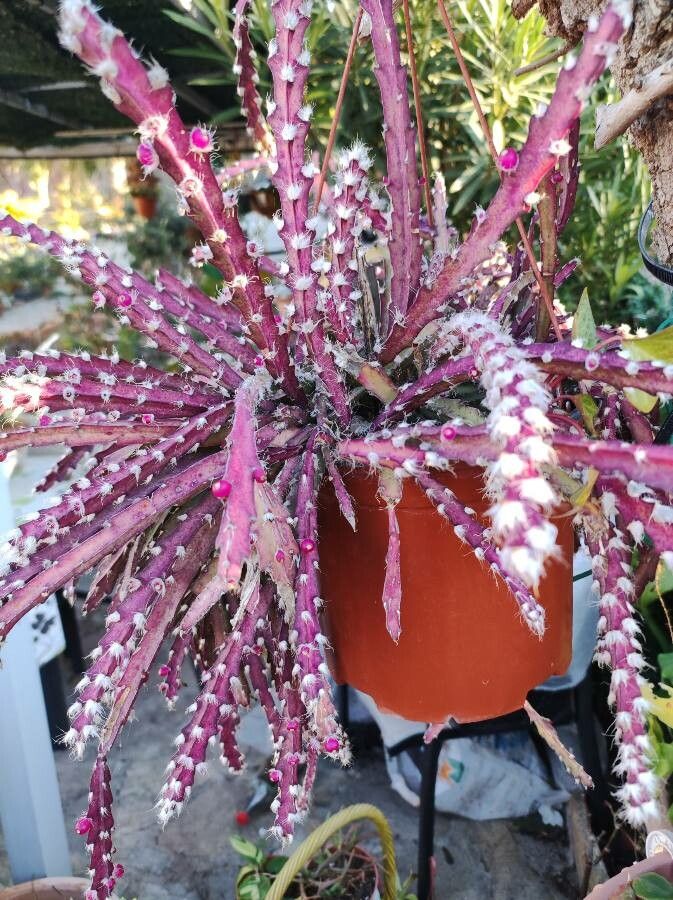
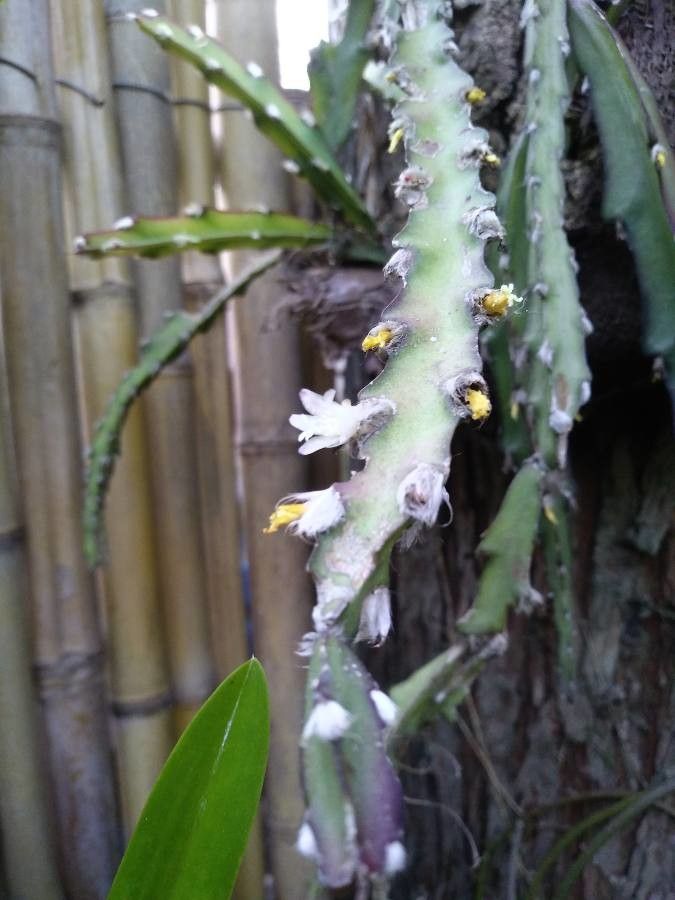
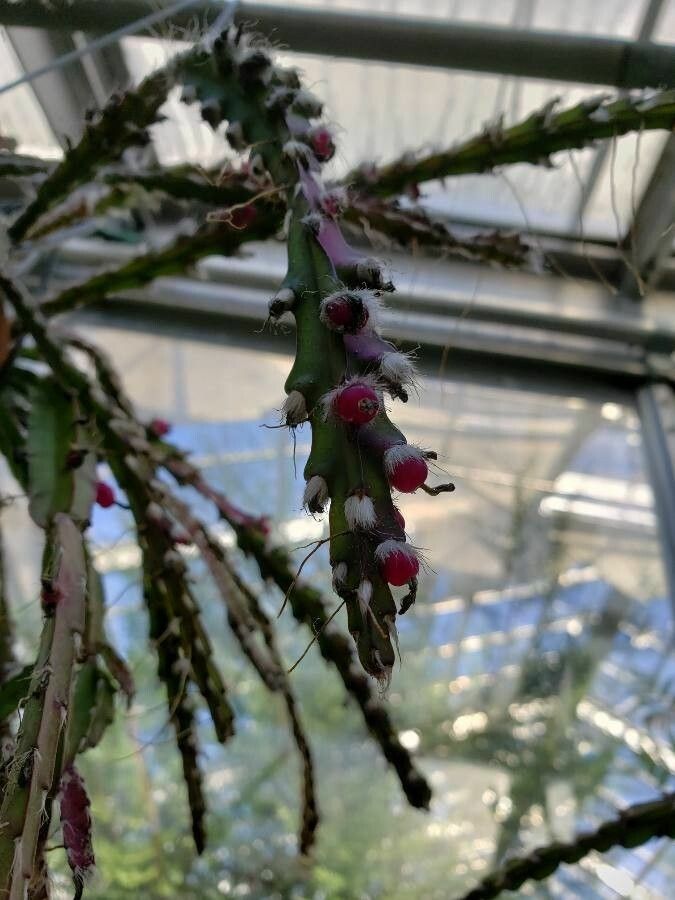
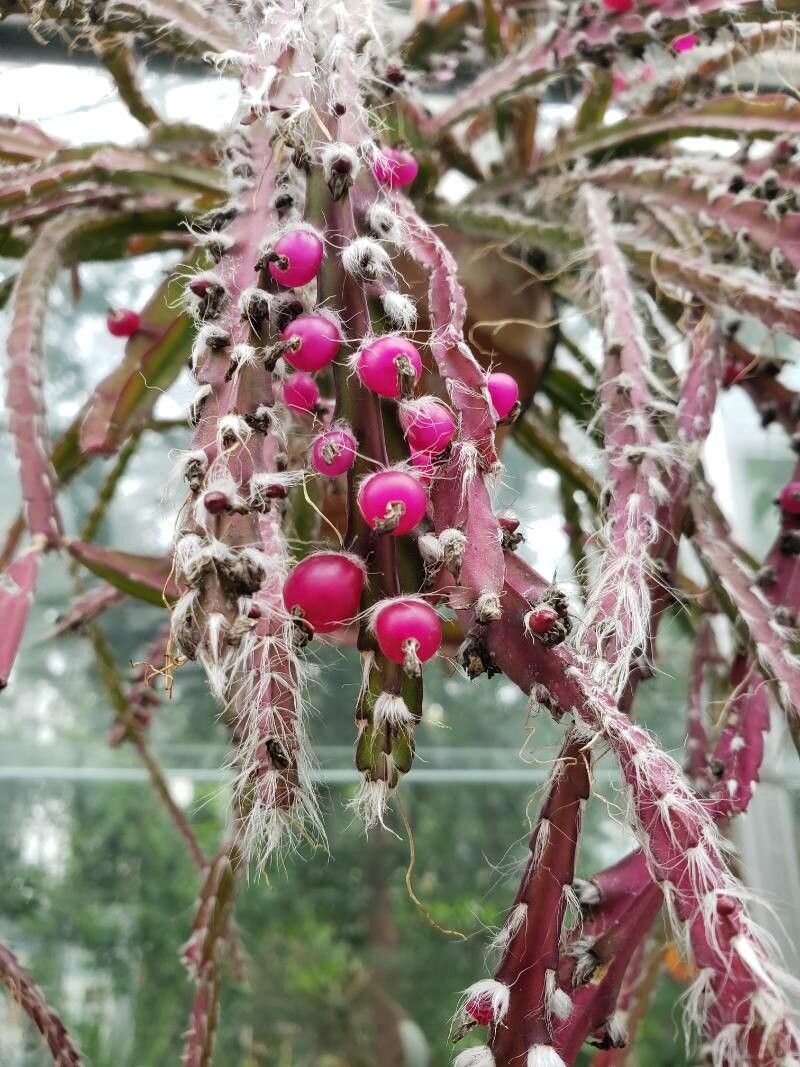
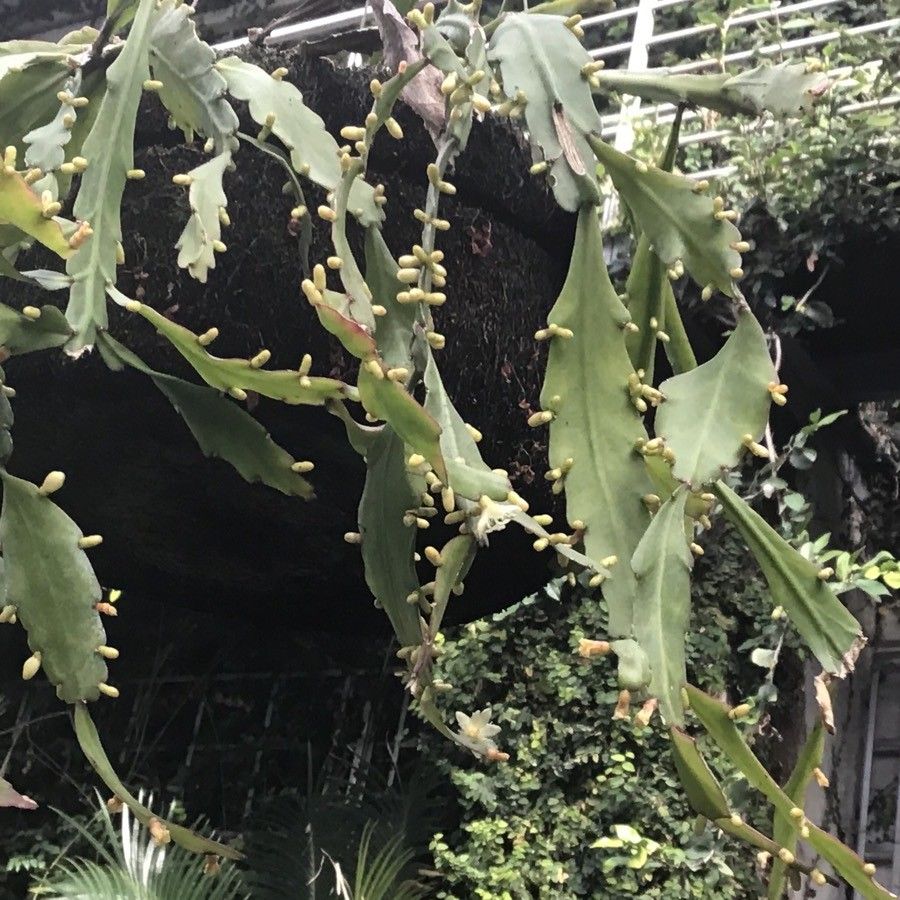
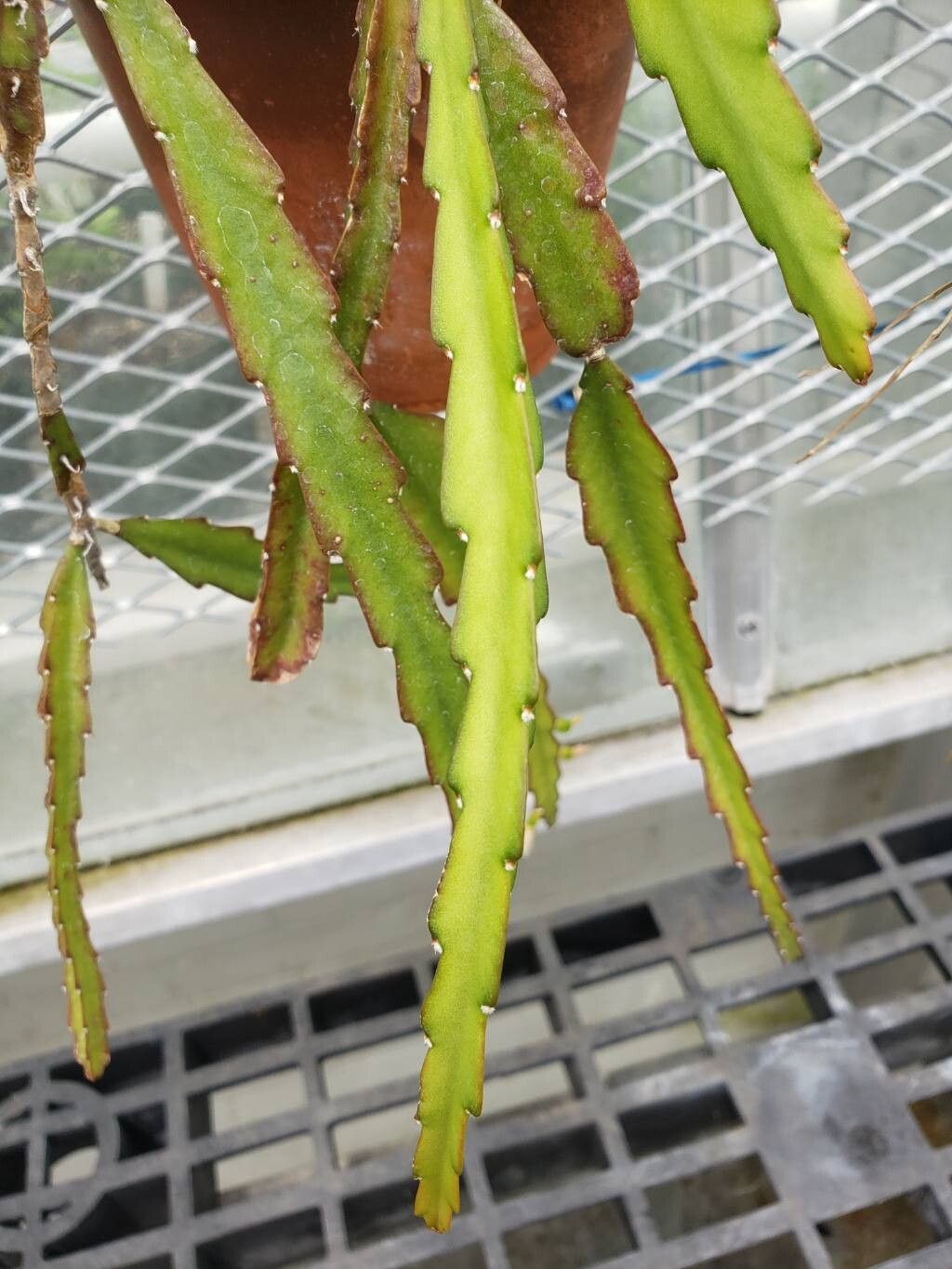
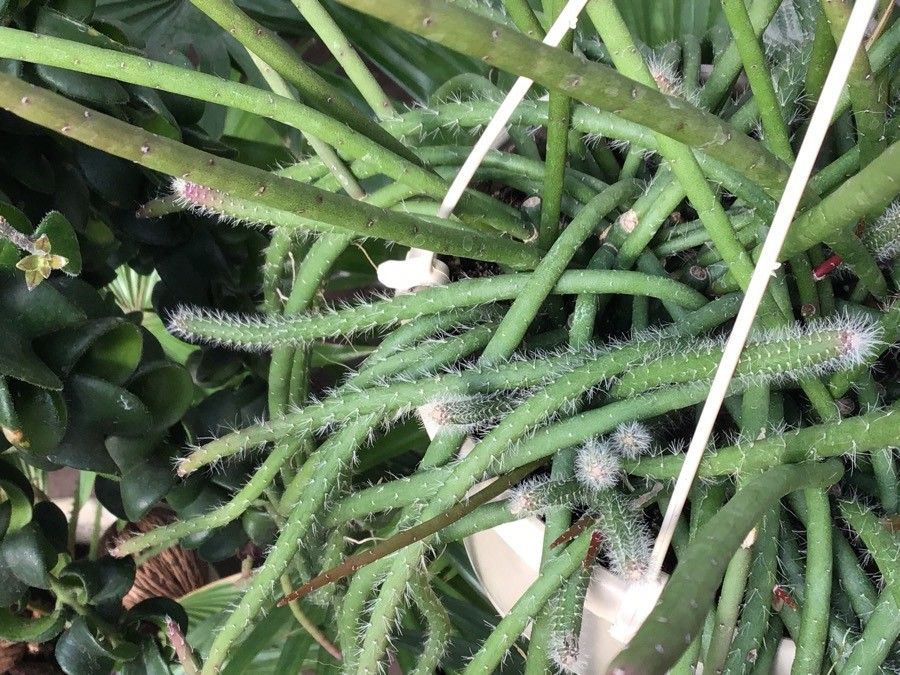
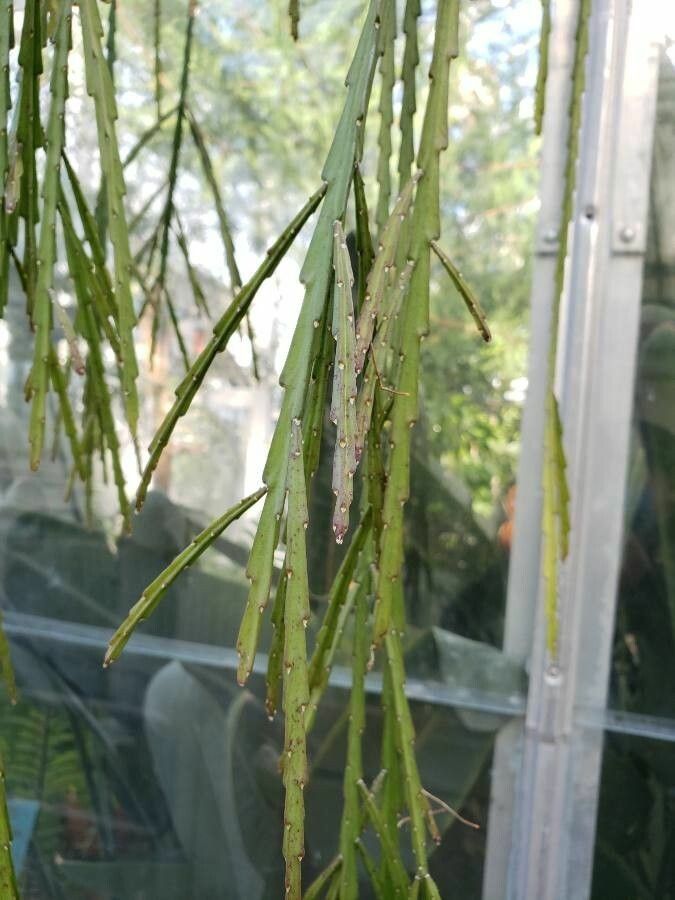
Lepismium cruciforme is a species of plant in the family Cactaceae. It is found in Argentina, Brazil, and Paraguay. Its natural habitat is subtropical or tropical moist lowland forests. It is threatened by habitat loss.
Lepismium cruciforme shows strong resistance to disease and usually stays healthy under normal care. However, it can be prone to mealybugs; these pests may cause some damage but are not typically a serious threat. As for care, Lepismium cruciforme tolerates drought and does not need frequent watering. It can endure long stretches without water and requires little fertilizer. That said, it is highly susceptible to root rot if lighting is poor and it is overwatered. Overall, Lepismium cruciforme is a good option for people who want to spend less time on plant care, but its basic needs must still be met. It is particularly well suited to those who are away for extended periods and may forget to water regularly.
How to keep Lepismium Cruciforme.
Light
Lepismium cruciforme comes from habitats with dappled light, such as the understory of forests or rocky areas that provide natural shade. It prefers partial sun but can also tolerate full sun.
Water
Lepismium cruciforme should only be watered when the soil is completely dry. When caring for potted plants, ensure you water them thoroughly. During the growing season, which lasts from spring to fall, water the plant once or twice a week. In winter, reduce watering to once a week. It is best to use rainwater or distilled water to prevent soil compaction that can occur from using tap water.
Humidity
This plant will thrive in moderate humidity, which is probably the level in your home. However, misting it a few times a week can be very beneficial. Make sure the room has good ventilation.
Temperature
Lepismium cruciforme does best in warm conditions and requires relatively high temperatures during the growing season to encourage growth and metabolic activity. It prefers abundant light, proper moisture levels, and good air circulation. However, it is vulnerable to harm from very low temperatures and from overwatering. It is also important to maintain a balance and avoid excessively high temperatures or overly dry conditions.
Fertilizer
For Lepismium cruciforme, light applications of fertilizer once or twice a year during the growing season are sufficient. Do not fertilize in winter or in summer when the plant is dormant. Reduce fertilizer for plants that have been repotted and wait a few months after repotting before applying fertilizer. Fertilizing promotes healthy growth and encourages flowering.
Pruning
Lepismium cruciforme is an epiphytic cactus with arching, flattened stems. To maintain its health and encourage growth, prune it in early spring by removing any dead or damaged stems and shaping it to your liking. Be sure to rotate the plant regularly so that it receives even light from all sides. Pruning helps the plant stay healthy and promotes blooming, but be careful not to prune too heavily, as this can slow down its growth.
Pot & Repot
Repot Lepismium cruciforme in spring or summer, selecting a pot slightly larger than the current one that has good drainage. Use a well-draining, sandy or gritty cactus mix. Handle gently to avoid the spikes. Let the cactus dry out before repotting to help prevent root rot. After repotting, wait a week before watering so the roots can heal.
Toxicity
Lepismium is categorized as non-toxic. Vomiting, nauseousness, and appetite loss may happen if a lot of the plant is consumed. Because it is toxic to cats and dogs, it can injure or kill a creature or any plant that is capable of inducing a toxic or lethal reaction when it is touched or consumed in sufficient amounts.
Further reading →
The toxicity and danger assessments provided are for reference only. We do not assure their accuracy, so it's crucial not to depend on them. Seek professional advice when necessary for accurate guidance.
Botanical profile.
- Plant Type
- Succulent
- Life Cycle
- Perennial
- Genus
- Lepismium
- Family
- Cactaceae
- Hardiness Zone
- 9-11
- Mature Height
- 40 cm
- Mature Spread
- 40 cm
- Leaf Color
- Green, Dark Green
- Leaf Type
- Evergreen
- Flower Color
- White, Pink
- Flower Size
- 1.02 cm to 2.03 cm
- Bloom Time
- Mid spring, Late spring, Early summer
- Planting Time
- Spring, Summer, Autumn
- Harvest Time
- Mid summer, Late summer, Early fall
- Native Area
- Brazil and Argentina
Other names.