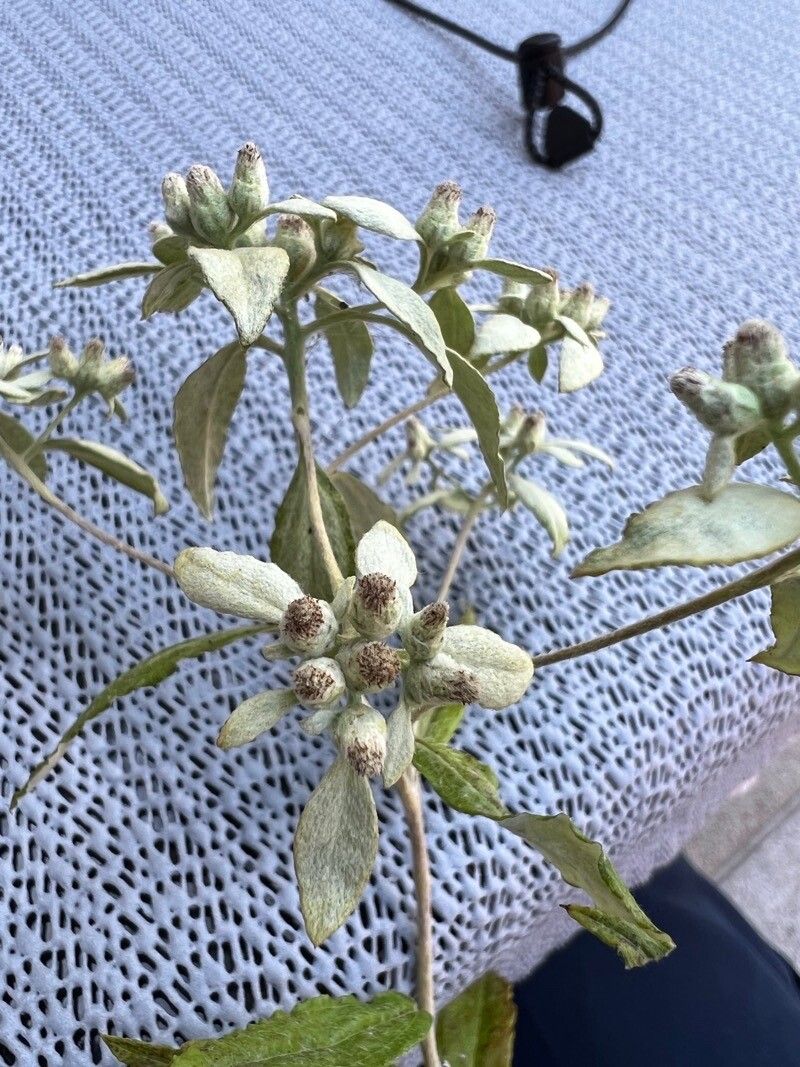
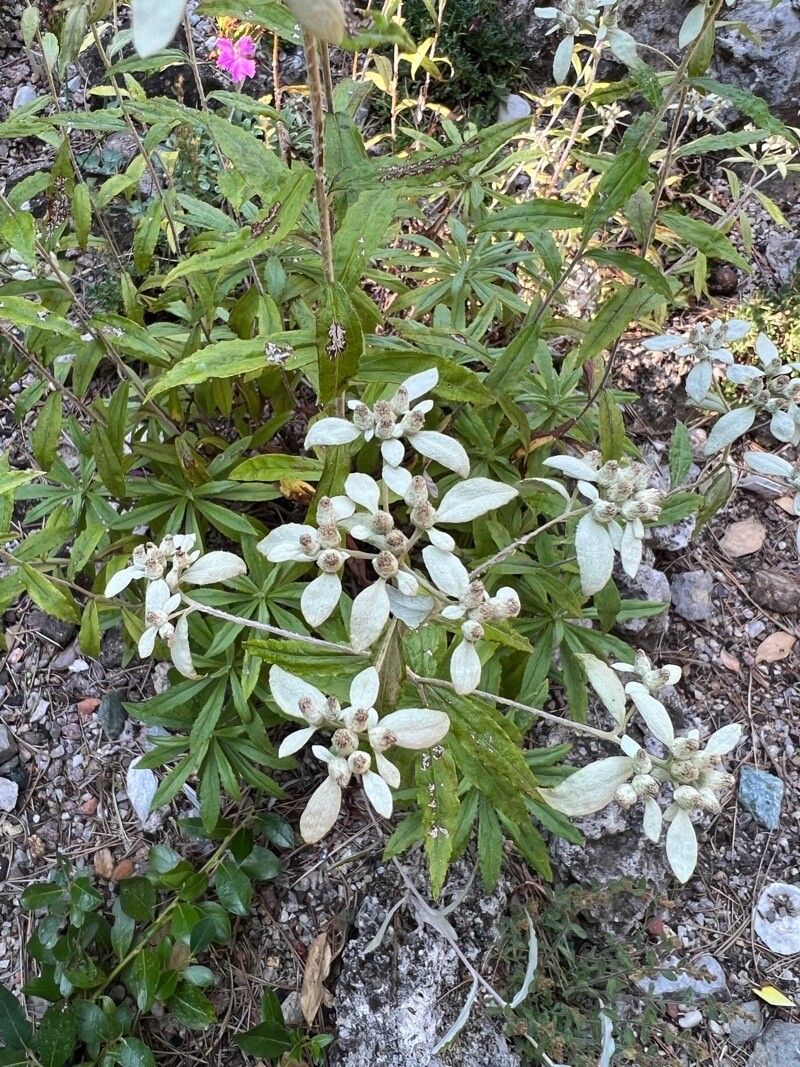
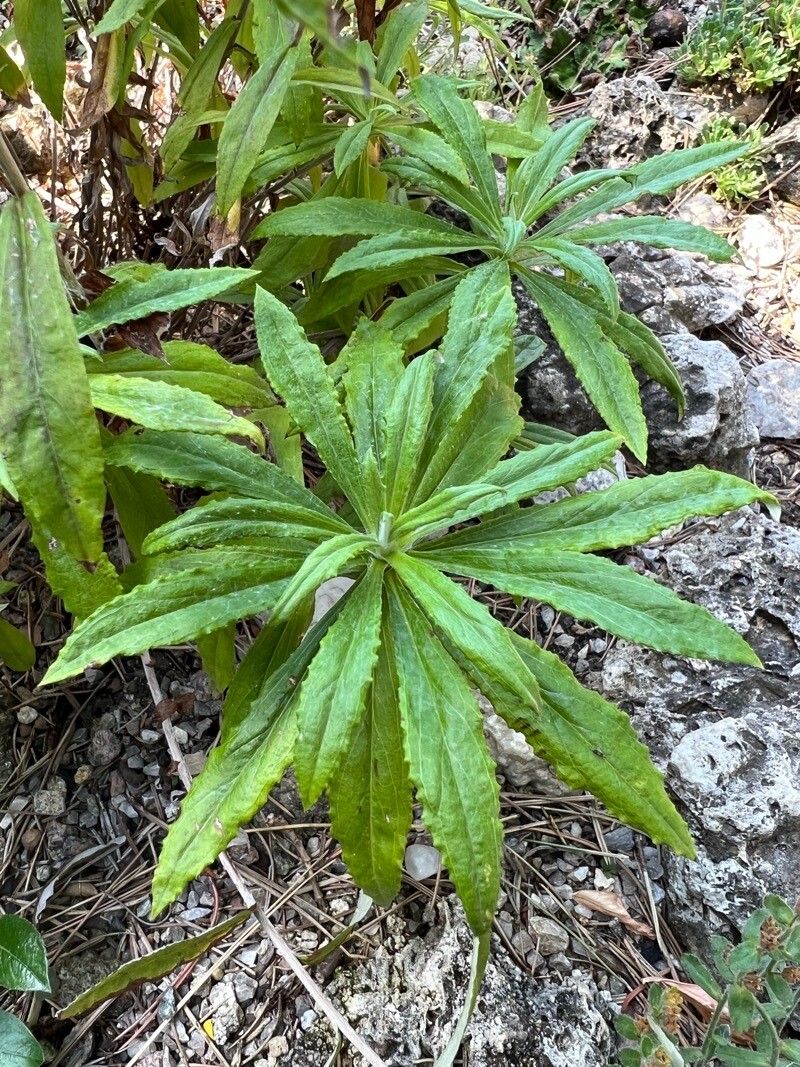
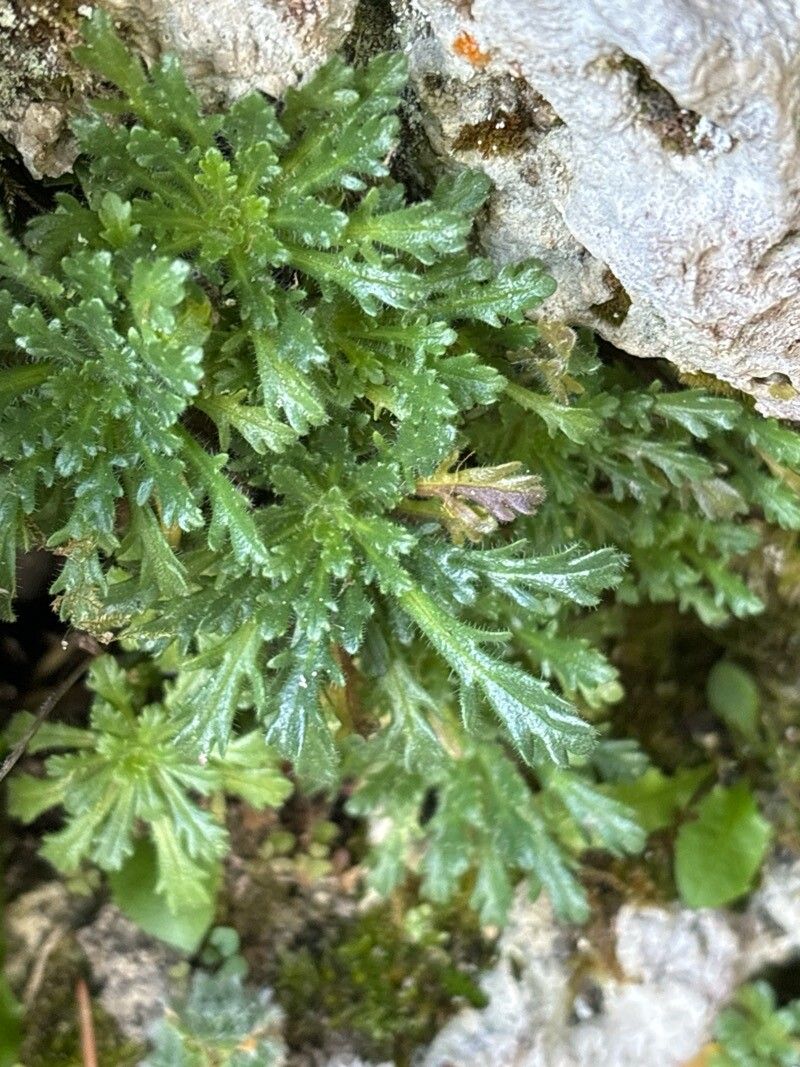
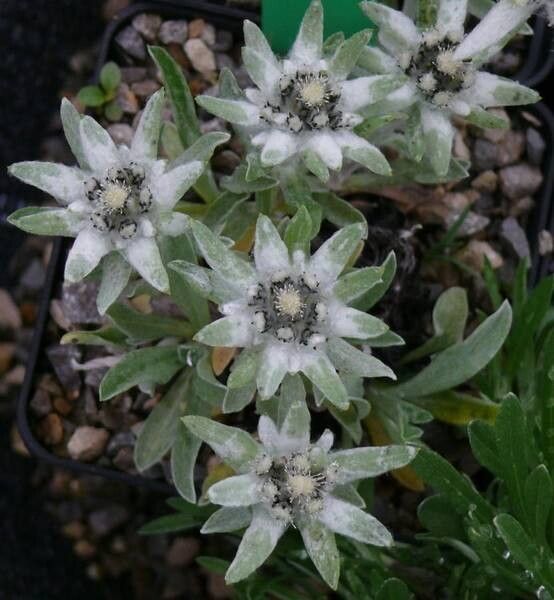
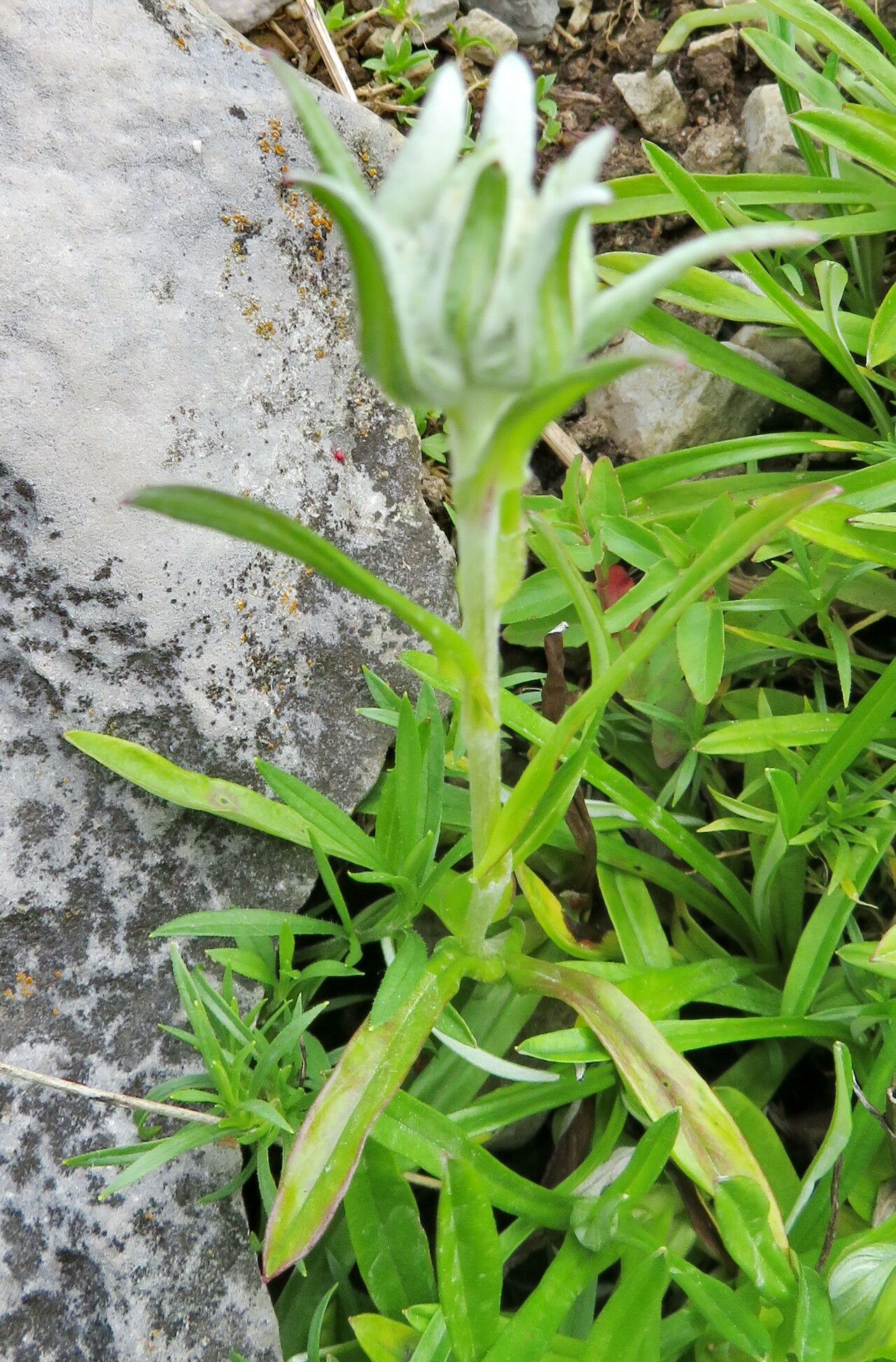
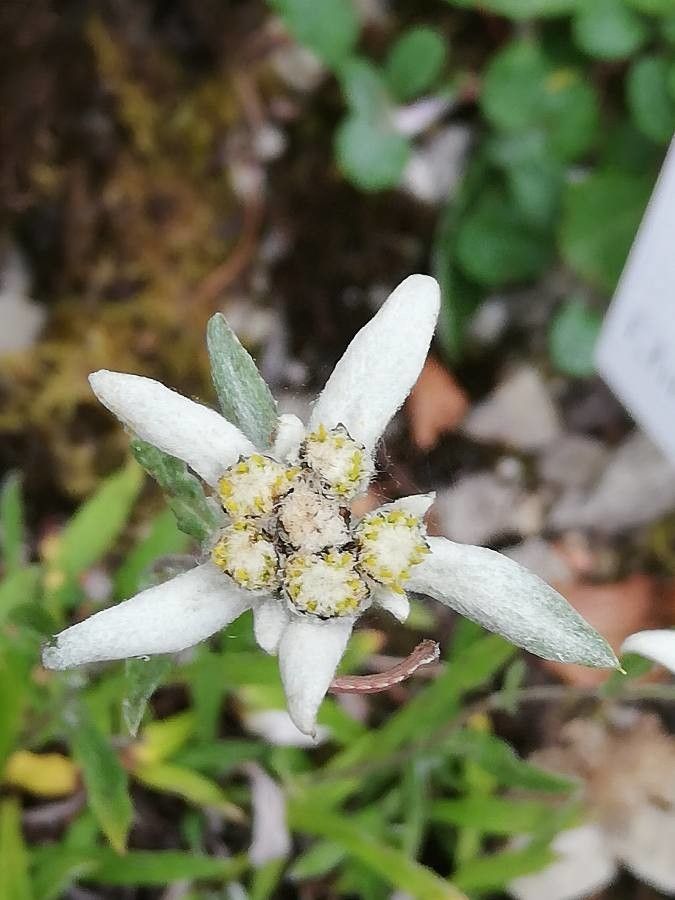
Leontopodium japonicum is a species of plant in the family Asteraceae. It is native to Japan and China.
Japanese edelweiss has strong resistance to disease and is generally not prone to illnesses. Still, it can be affected by pests and diseases present in its environment, though such infections are typically not serious. Regarding care, the plant needs moderate maintenance. It should be pruned regularly to keep a neat appearance and promote healthy growth. Applying fertilizer can also encourage flowering. Japanese edelweiss is appropriate for anyone with outdoor space, like a garden or patio, and does not need extensive gardening experience. It may demand more attention if grown indoors.
How to keep Leontopodium Japonicum.
Light
The Japanese edelweiss is a herbaceous perennial plant that loves sunlight and comes from open environments, typically flourishing in fields and grassy areas. While it prefers complete sunlight, it is also capable of surviving in conditions with partial sun.
Fertilizer
For the Japanese edelweiss, the optimal fertilization period is during the early spring when the flowers are beginning to form. Choosing the correct fertilizer aids in enhancing the blossoms and supports the Japanese edelweiss in bringing forth beautiful flowers. The act of fertilizing in early spring guarantees superb floral displays throughout the season and supplies energy for periods of dormant growth.
Botanical profile.
- Plant Type
- Herb
- Life Cycle
- Perennial
- Hardiness Zone
- 4-8
- Mature Height
- 10 cm to 49 cm
- Mature Spread
- 15 cm to 25 cm
- Leaf Color
- Silver, Light Gray
- Leaf Type
- Evergreen
- Flower Color
- White, Cream
- Flower Size
- 0.25 cm to 0.51 cm
- Bloom Time
- Mid summer, Late summer
- Planting Time
- Spring, Summer, Autumn
- Harvest Time
- Early fall, Mid fall
- Native Area
- Koppen, Japan, South Korea, China